

Picture this: you’re scrolling through adorable puppy videos on social media, and suddenly you see it – a magnificent Saint Bernard or a regal Tibetan Mastiff. Your heart melts. You think, “That’s it, that’s my next furry family member!” Hold on there, friend. Before you fall head over heels for these gentle giants, let’s have an honest conversation about what you’re really signing up for.
Large dog breeds are incredible companions, but they come with some hefty price tags that go far beyond that initial adoption fee. Some breeds are practically financial commitments equivalent to raising a small human. From monthly food bills that could feed a small village to grooming costs that rival a spa day, certain large breeds can drain your wallet faster than you’d imagine. So let’s dive into the truth about these lovable money pits and discover which magnificent mutts might just break your bank.
The Tibetan Mastiff: The Million-Dollar Fluffball
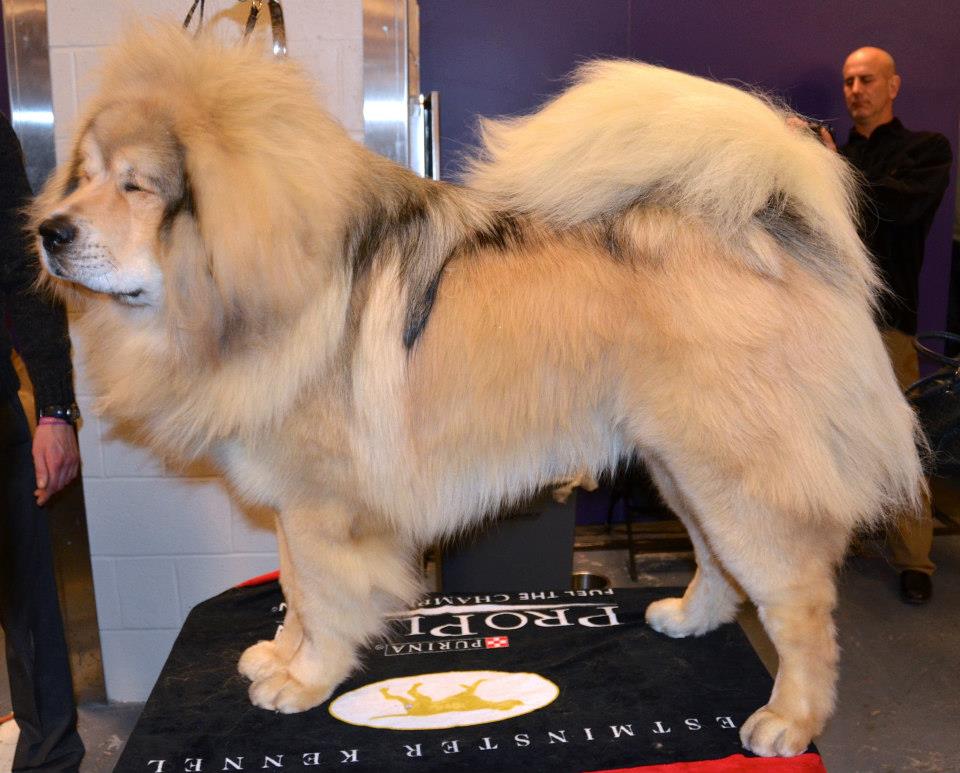
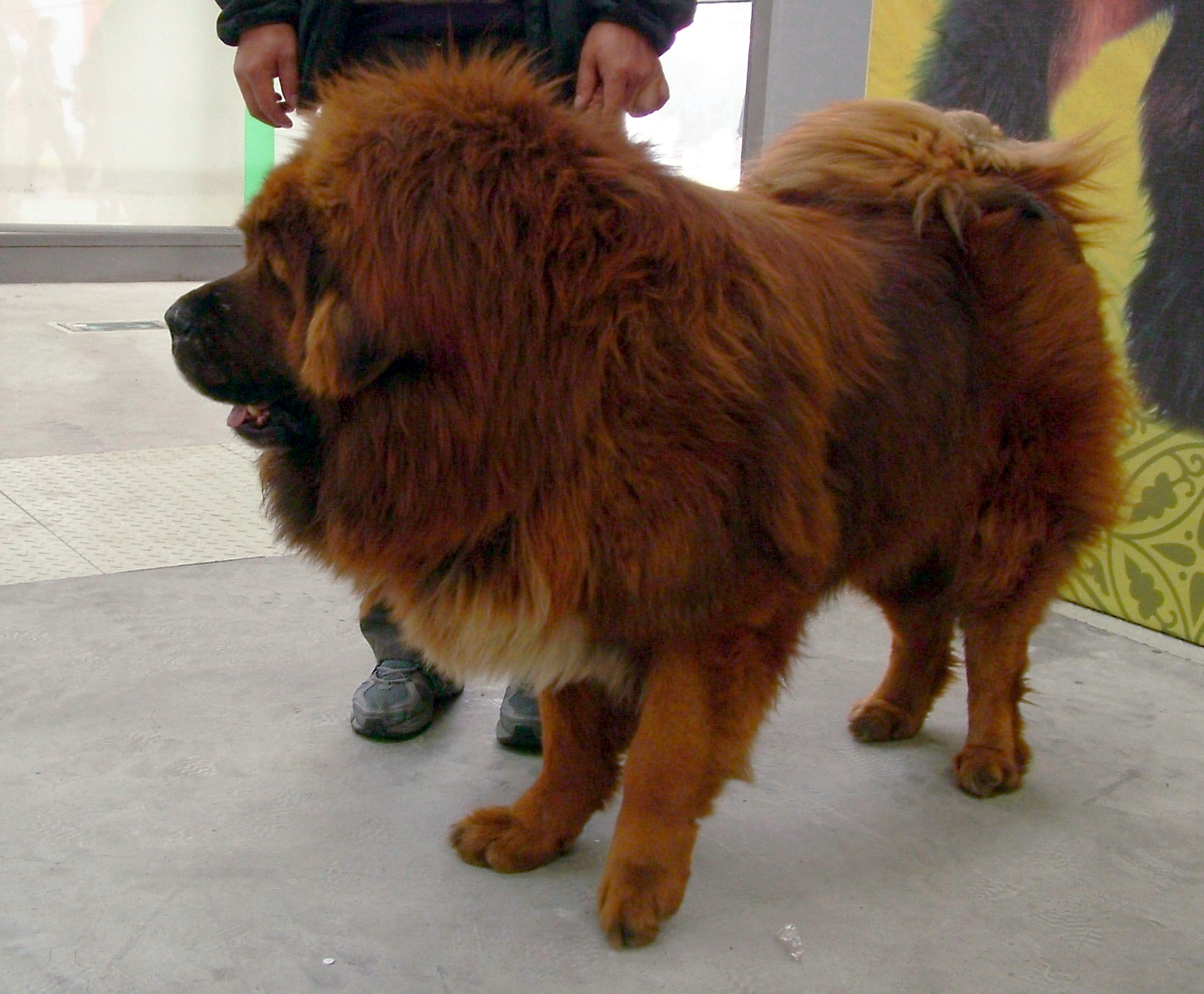
Meet the breed that once sold for a jaw-dropping $1.9 million in China. A red Tibetan Mastiff famously sold for nearly $2 million in 2014, though prices today average $5,000–$20,000 for a show-quality dog. These ancient guardians from the Himalayas aren’t just expensive to buy – they’re expensive to keep.
The Tibetan Mastiff requires a lot of grooming because it has a lot of fur – grooming and maintenance costs may be quite costly. These large dogs eat a lot, so food is going to be expensive every month. The Tibetan Mastiff is prone to breed-specific genetic health issues. Think of it like owning a small horse that needs constant brushing and premium dog food.
These magnificent beasts can weigh over 150 pounds, and their appetite matches their size. Food: $1,500/year due to their large size and dietary needs. Health Care: $1,000/year for routine vet visits; they’re prone to hip dysplasia. Still, their loyal nature and impressive presence make them worth every penny for dedicated owners.
English Bulldogs: Adorable Breathing Difficulties

Those wrinkled faces and stocky bodies might melt your heart, but they’ll also melt your savings account. English Bulldogs are among the more expensive dog breeds to purchase. These gentle souls are plagued with health issues that stem from their distinctive flat faces.
As a brachycephalic (flat-faced) breed, they often have breathing problems which need expensive surgery to fix (roughly $2,000 to $3,000) and can also commonly suffer from ear, skin and eye issues. Vet bills can easily mount over the course of a 10 to 12-year lifespan.
Health concerns drive up maintenance costs, as Bulldogs are prone to breathing problems due to their short-nosed structure. They also suffer from hip dysplasia, heart disease, and skin infections, leading to frequent vet visits and potential surgeries. Their sweet personalities make the investment worthwhile for many families, but be prepared for regular vet visits.
Saint Bernard: The Gentle Giant With Giant Bills
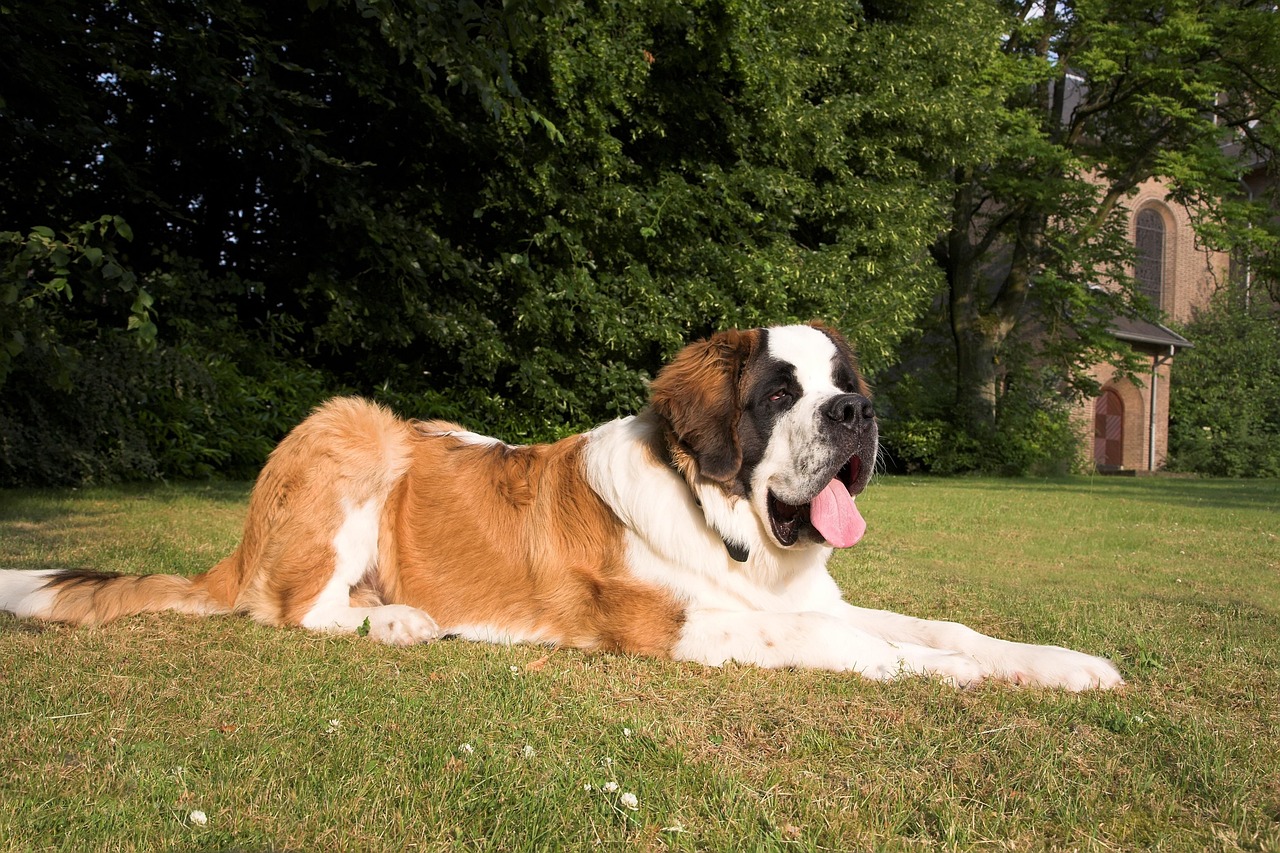
Remember Beethoven from the movies? That lovable, slobbery Saint Bernard represents one of the most expensive large breeds to maintain. The beautiful, gentle giants made famous by Beethoven and brandy barrels are some of the most expensive large dog breeds in the world. The St. Bernard dog might be most famous for a barrel of brandy around its neck or as a giant composer-named menace.
These Swiss Alps natives can reach impressive sizes, and their food bills reflect that reality. They’ll easily consume premium dog food worth hundreds of dollars monthly. They’ll cost plenty in the food department, and expect to give your fluffy St Bernard regular brushes unless you want big clumps of fur wafting through your home.
Like with many large pure breeds, elbow and hip dysplasia can be a risk factor. They have a life expectancy of eight to 10 years. Their relatively short lifespan means you’ll be packing a lot of love and expenses into fewer years than you might hope.
Great Dane: The Apartment-Sized Dog
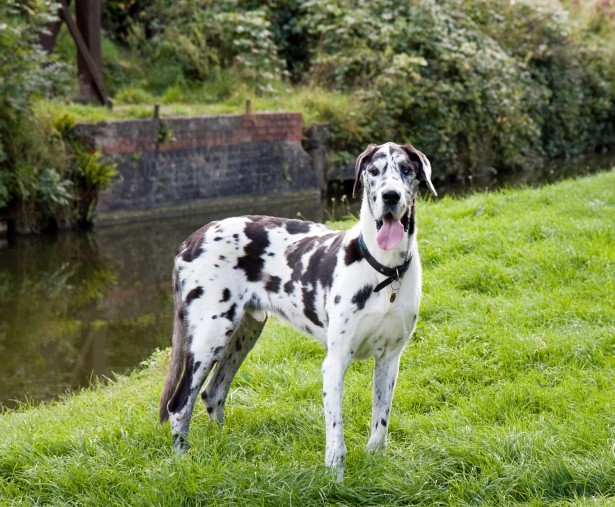
Great Danes are often called gentle giants, but their size creates some not-so-gentle expenses. The famous Marmaduke dog, or Great Dane, comes at a pretty hefty price, as well. These gentle giants typically cost folks between $1,000 and $2,000 as pups. They have huge appetites, though, so feeding them their entire lives (about 7 to 10 years) winds up costing what feels like a small fortune.
Great Dane: Their large size, alone, can make them more susceptible to health issues. This breed has a higher risk of heart conditions, hip dysplasia, neurological conditions, osteosarcoma, and bloat. Bloat alone can be a life-threatening emergency requiring immediate expensive surgery.
Grooming bills (about $65 a pop) and medical bills are the other major expenses to keeping these massive pooches around. Their shorter lifespan means you’ll experience intense love and equally intense veterinary costs concentrated into fewer years.
Rottweiler: The Muscular Money Pit

Rottweilers are loyal family protectors, but protecting your wallet from their expenses is another challenge entirely. Descending from Roman times, the Rottweiler is thought to be one of the oldest surviving dog breeds. These large hounds are known for being gentle family protectors and have a nine to 10-year life expectancy.
Rottweilers are strong, protective dogs with loyal hearts, but they often face higher insurance premiums. Their size increases feeding costs, and joint issues are common. Cancer is also prevalent in the breed, requiring costly treatment. Rottweilers can be wonderful companions, but their care is not cheap.
Like many purebred dogs, the Rottweiler is prone to conditions including heart problems and elbow or hip dysplasia. As a muscular and active expensive dog breed, they also need plenty of exercise, obedience training, and attention. Their intelligence and loyalty make them incredible companions, but be ready for substantial ongoing costs.
German Shepherd: The Overachieving Shedding Machine
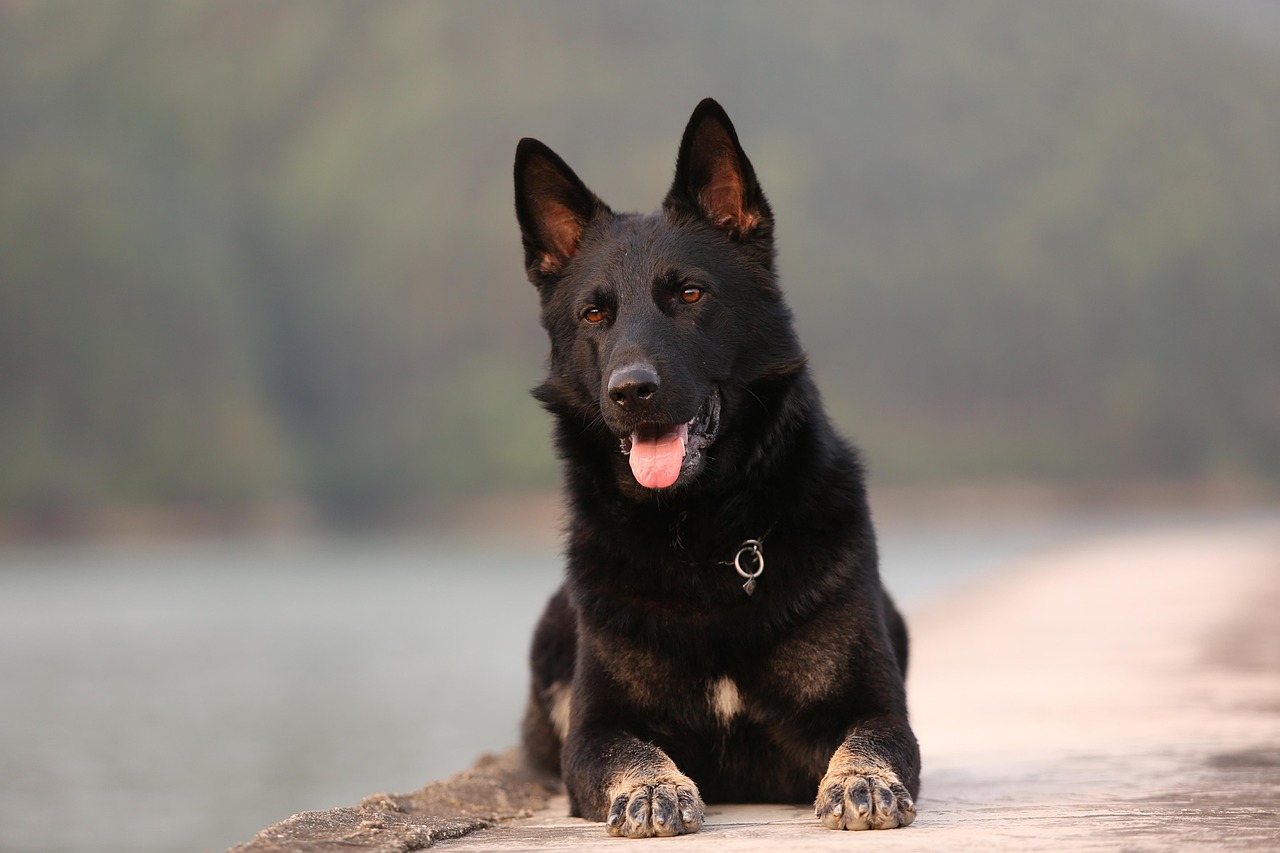
Purebred German shepherds happen to be one of the most expensive large dog breeds in the world. The beautiful working dogs are friendly and effective, so it’s not really that big a surprise. While not as expensive as say an Irish wolfhound, the German shepherd is still a pricey pooch, especially if you’re seeking a purebred. The average dog runs between $800 and $1,000, but purebreds will cost a lot more, like $2,000.
German Shepherds are a high-maintenance breed with significant grooming, medical care, and dietary needs. While excellent companions and working dogs, they require a financial commitment for proper upkeep. Grooming is essential due to their thick double coat, which sheds year-round and heavily during seasonal changes. Regular brushing, de-shedding treatments, and occasional professional grooming help manage shedding and coat health.
Health issues contribute to their high maintenance, as they are prone to hip and elbow dysplasia, degenerative myelopathy, and digestive problems. Frequent vet visits, diagnostic tests, and preventive care like joint supplements add to medical costs. These incredibly intelligent dogs need mental stimulation and training, which adds another layer of expense to their care.
Newfoundland: The Swimming Pool of Expenses
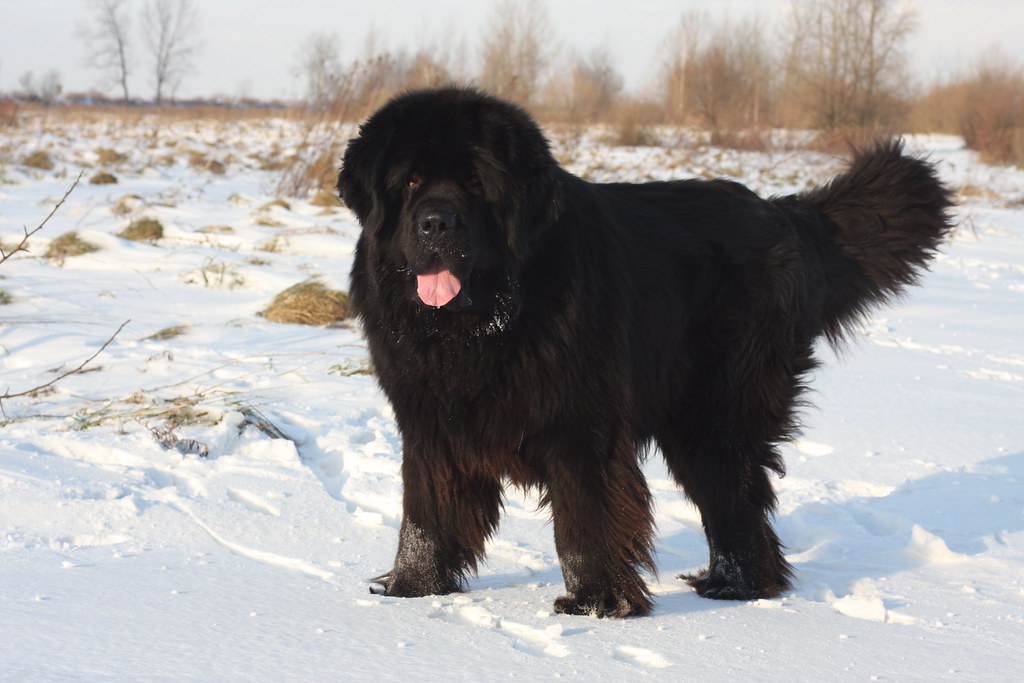
Newfoundlands are basically teddy bears that came to life, but their maintenance costs are anything but cuddly. Newfoundland dogs tend to be pretty expensive. But folks who love the breed find them well worth the cost. Next up, we have the Newfoundland, a large dog known for its gentle ways. The friendly giants typically run between $1,500 and $2,500 each, but they’re the perfect breed for keeping around children, scaring off intruders (who don’t know better!)
Newfoundlands need to be groomed every six to weight weeks (and no more than that). These dogs also need to be brushed weekly. They usually need to have high quality foods so they can be happy and healthy. In terms of health issues, these dogs are prone to bloat (a potentially fatal condition), hip dysplasia and bone cancer.
About $1,500 to purchase, these dogs are among the most expensive dog breeds when it comes to health care, as a larger stature leads to more orthopedic and cardiological problems. Massive with long, thick fur, these dogs are high maintenance and expensive to groom. Their sweet nature with children makes them beloved family pets, despite the substantial financial commitment.
Irish Wolfhound: The Gentle Skyscraper
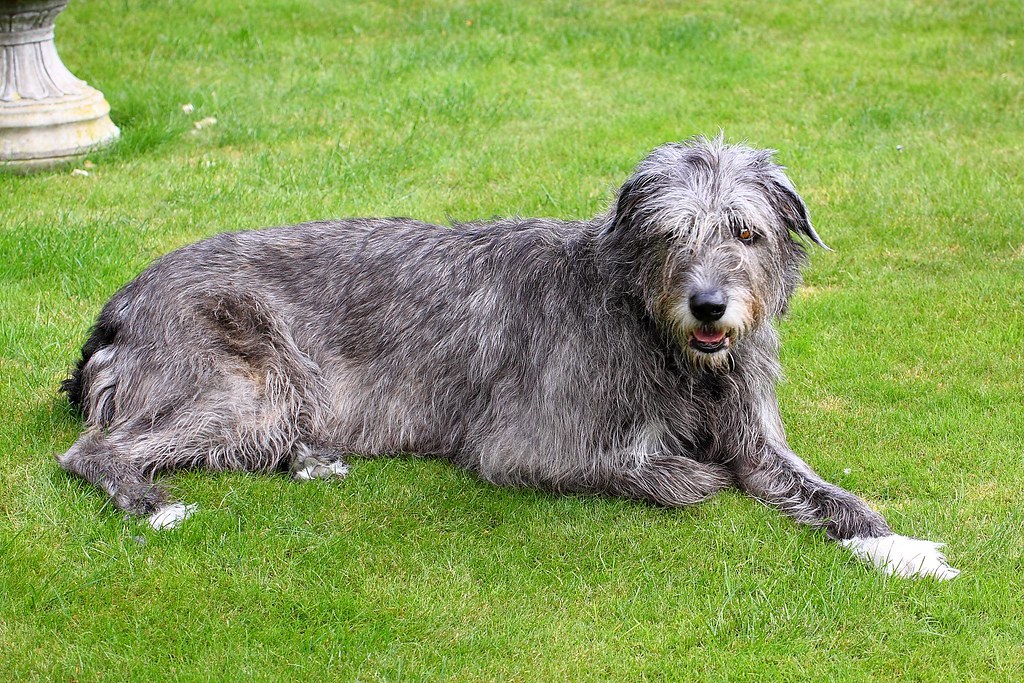
The Irish Wolfhound is one of the tallest and most majestic dog breeds in the world. Originally bred in Ireland for hunting wolves and deer, this gentle giant is renowned for its commanding presence and calm temperament, making it a prized companion for enthusiasts. Their impressive height comes with equally impressive expenses.
As the tallest of the breeds, their size means they’re an expensive dog to care for over an average six to eight year lifespan on top of a hefty price tag. Some of the health conditions Irish Wolfhounds can be prone to include heart and liver defects, as well as sight loss. And their commanding stature makes them best suited to larger homes with plenty of outdoor space for them to enjoy a good ol’ gallop.
As a large breed they eat a lot, which means your food costs will be higher than average. Irish Wolfhounds are prone to bone cancer and heart issues. Their tragically short lifespan means you’ll be concentrating substantial veterinary and care costs into just a few precious years with your gentle giant.
Black Russian Terrier: The Expensive Working Machine
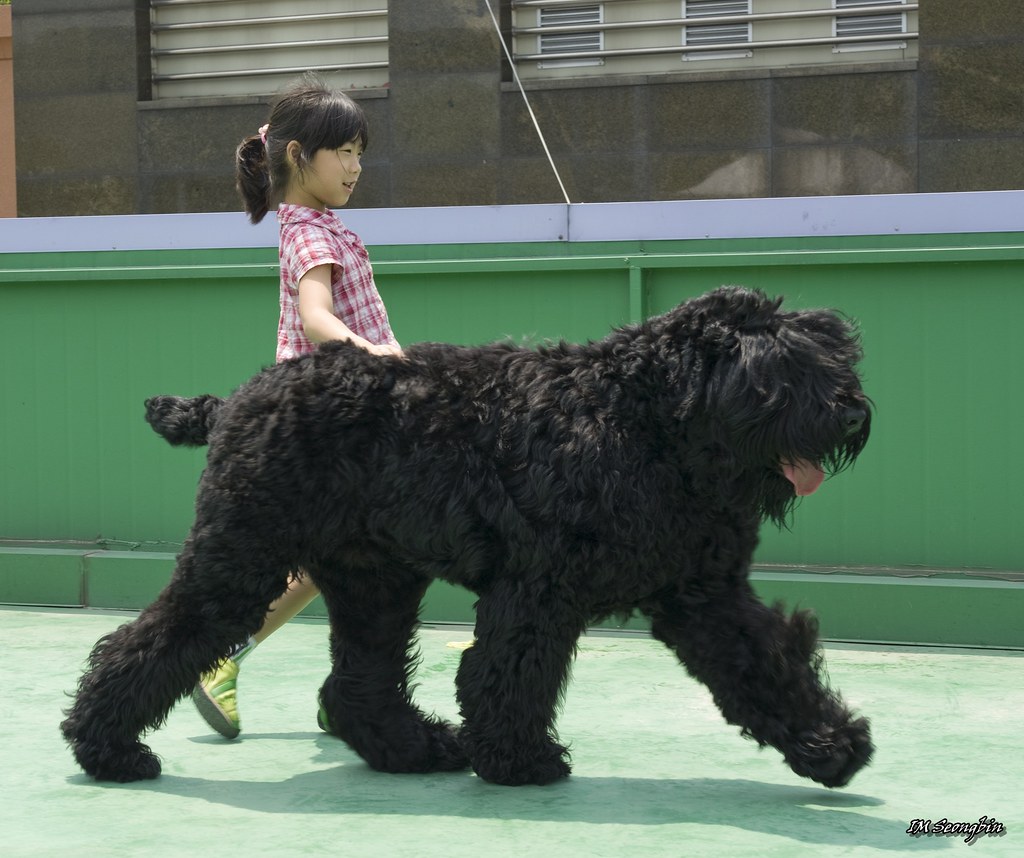
The Black Russian Terrier is the most expensive dog breed in the U.S., averaging $3,294. They are large, have a double coat and are strong willed. These impressive working dogs were bred for guarding and protection, but their maintenance costs are anything but protective of your wallet.
Their large size and thick double coat require regular grooming to prevent matting and maintain their appearance, which results in increased costs over time. Due to its strong-willed nature, the Black Russian Terrier may not be the best choice for first-time or inexperienced dog owners.
Black Russian Terriers are one of the most expensive dog breeds money can buy, with an average price of $2,000. This large breed has an average life span of 10 to 11 years, and professional grooming costs average $105. Also, plan to pay approximately $6,000 for potential health care costs to manage common orthopedic and eye problems. Their intelligence and loyalty are impressive, but so are their ongoing expenses.
Samoyed: The Smiling Money Vacuum

Coming in at the #1 overall spot for the most expensive dog in the world is the Samoyed originating from Siberia. The rare breed is known for its kind, loving, and eager to please attitude along with their smiling faces. That famous “Sammy smile” comes with some serious financial responsibilities.
While the dogs are rare, they do rack up vet bills like no other dog. They’re prone to expensive health issues, such as corneal dystrophy, autoimmune conditions, and cardiac disorders that can mount to around $5,000. Their stunning white coats require professional grooming to maintain that fluffy, cloud-like appearance.
The Samoyed, a stunning breed known for its white, fluffy coat, is named after the Samoyed tribe of Siberia. These dogs were historically used for herding, hunting, protection, and sled-pulling. These Husky relatives are typically priced between $10,000 and $12,000, with their royal appearance justifying the cost for many. Their exercise needs and grooming requirements make them beautiful but expensive companions.
Looking Beyond the Price Tag
While these breeds might make your accountant weep, they also offer incredible companionship and love that many owners consider priceless. The key is being honest about your financial situation before falling in love with that adorable Great Dane puppy or majestic Tibetan Mastiff.
Consider pet insurance, budgeting for emergencies, and researching reputable breeders who health test their dogs. Dog ownership costs vary significantly, with purebred dogs generally costing substantially more than mixed breeds. While that might seem like a lot, there are way more expensive dogs out there than purebreds and these are the top-10 most expensive dog breeds to own in 2024.
Remember, mixed breeds and rescues can provide just as much love and companionship without the hefty price tag. Sometimes the best dog for your family might not be the most expensive one. What do you think about it? Are you prepared for the financial commitment these gentle giants require? Tell us in the comments.


