

There is something quietly heartbreaking about realizing your dog’s life is measured in years, not decades. Every dog lover has felt that familiar ache, the wish that time would just slow down. The good news? Some breeds are practically built to stick around. They age gracefully, stay active into their senior years, and can share your mornings, your couch, and your story for a long, long time.
These dogs often maintain strong bodies, active minds, and steady energy long after other companions begin to slow down. Their resilience makes them especially appealing to families hoping for a companion who can remain part of daily life for many years. Longevity brings the promise of deeper bonds, longer routines, and a friendship that grows stronger with time. So whether you are thinking about welcoming a new pup or simply want to understand your current dog better, you are in exactly the right place. Let’s dive in.
1. Chihuahua: The Tiny Titan With an Enormous Future

Let’s be real. Nobody looks at a Chihuahua and immediately thinks “warrior of longevity.” They are pocket-sized, sometimes sassy, and occasionally convinced they are a Great Dane. But here is where they absolutely floor you. Chihuahuas top the list with a lifespan of 15 to 20 years due to their small size, low genetic disease risk, and active temperament. That is not a typo. Twenty years.
Most of these dogs weigh less than six pounds, which means there is a lot less wear and tear on their joints than in a larger, heavier dog. Chihuahuas also have a lower risk of genetic diseases than other breeds, further pushing them toward a longer life. Their playful, alert nature helps keep them mentally sharp, which can also play a role in a dog’s lifespan.
Congestive heart failure is the leading cause of death in older Chihuahuas, so make sure to keep your senior pup up to date on their wellness visits to the vet. Otherwise, they are not prone to many serious health issues and are a great choice for those looking for a long-living companion. Regular dental care also matters more than most owners realize. Small mouths pack teeth closely together, making gum disease a sneaky villain. Daily brushing is your best friend here.
2. Australian Cattle Dog: The Record Holder That Earns Every Year
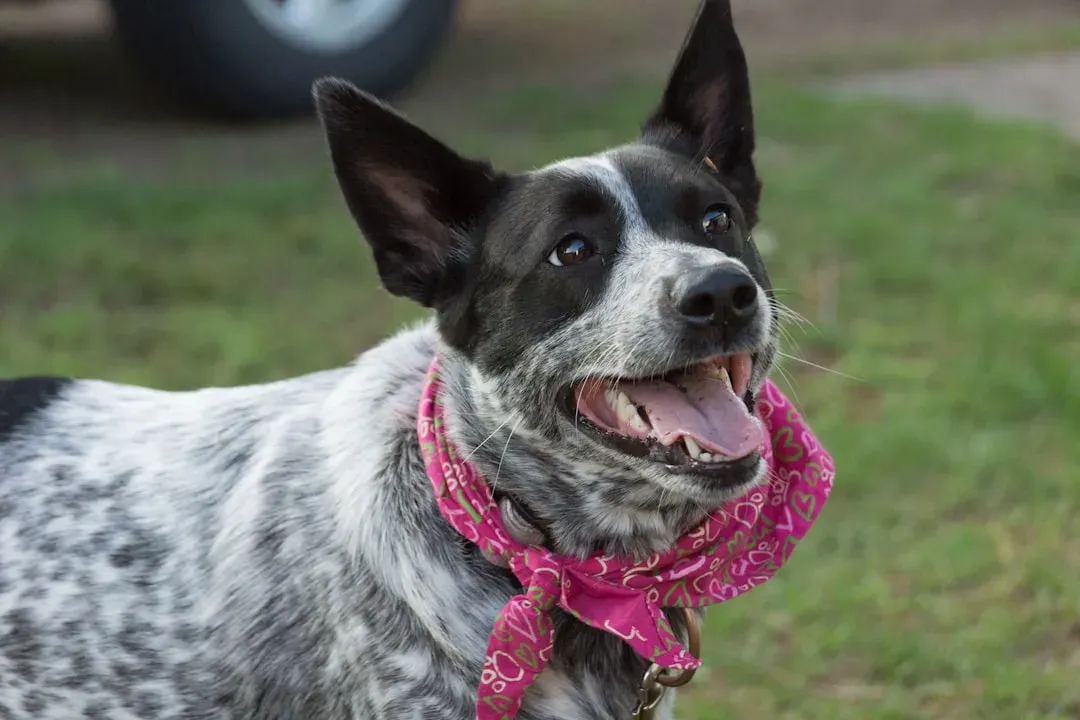
If there is one breed that truly puts its money where its paws are when it comes to longevity, it is the Australian Cattle Dog. The oldest dog on record is an Australian Cattle Dog named Bluey, who lived 29 years and 5 months. That is not a myth. That is a documented, jaw-dropping fact. Honestly, I find it both inspiring and a little humbling.
Blue Heelers are rugged, ranch-loving dogs that need plenty of exercise and outdoor space to thrive. These dogs have been used as working dogs for decades and are thus bred for endurance, not aesthetics. Australian Cattle Dogs are smart and sharp, helping keep them mentally engaged and stimulated.
Originally bred to herd cattle, they need up to two hours of physical exercise and mental challenges every day to thrive. Without enough stimulation, Australian Cattle Dogs can become frustrated and develop unwanted behaviors, so don’t bring one home if you’re a couch potato. Think of them like a gifted athlete. All that potential needs somewhere to go, or things get messy fast.
3. Toy Poodle: Brainy, Beautiful, and Built to Last

Toy Poodles are the smallest of the three Poodle sizes, and therefore the dogs with the longest lifespan. Though small, Toy Poodles have a big personality and an even bigger brain. They are so smart that basic training and complicated tricks can be taught relatively easily. If you want a dog that surprises everyone at the park, the Toy Poodle is it.
As the smallest of the three Poodle sizes, Toy Poodles weigh between four and six pounds and can live up to 18 years. That is a serious commitment and a seriously rewarding one. Toy and miniature poodles are known for their intelligence and staying power, typically living 12 to 16 years. A well-cared-for Toy Poodle is, quite simply, one of the best long-term companions you can choose.
Despite their extra-long lifespan, Toy Poodles can experience common small-dog health issues like eye issues, dental disease, Legg-Calvé-Perthes disease, and luxating patellas. Regular vet check-ups and staying on top of dental hygiene will make a world of difference. Think of it as investing in many more years of cuddles and clever antics.
4. Dachshund: Long Body, Long Life, Big Personality

The Dachshund. Stubby legs, impossibly long body, and a personality roughly ten times their size. Dachshunds are small dogs with huge confidence. They can be silly, stubborn, and weirdly brave, all at once. Dachshunds are among the longest living dog breeds, and they can have a life expectancy that reaches well into the teens. These little dogs are tougher than they look.
These were used as hunting dogs, so they still love sniff work. Give them slow walks with lots of nose time, and they act like you just gave them VIP access to the world. That gentle brain play is perfect, and moderate exercise keeps bodies moving without overdoing it.
Back health is the one area that demands your full attention. The breed can face back injuries or conditions such as intervertebral disc disease. Avoiding repeated jumping, distance running, or strenuous swimming helps reduce strain. Think of their spine as a long bridge. The more you protect the structure, the longer it serves beautifully. Use ramps, skip the high jumps, and keep their weight in check.
5. Beagle: The Merry Hound With Miles to Go

Beagles are curious, smart, and guaranteed to keep you entertained. This lovable, vocal breed lives about 12 to 14 years. Some reach 15 years with good care, and honestly, every extra year with a Beagle feels like a bonus gift. Their joy is genuinely infectious. I think it is hard to feel grumpy around one.
Though larger than some of the other breeds on long-life lists, Beagles still regularly make it to 12 to 15 years. Their longevity is helped by their active nature, provided their appetite does not lead to excess weight. And that is the key warning with Beagles. With their great sense of smell, they love to eat, so be careful not to overfeed your Beagle. Extra pounds can shorten any dog’s life.
Beagles are prone to a few health conditions, including ear infections, so it is important that pet parents keep their dogs’ floppy ears clean. Check those ears weekly. Warm, folded ears trap moisture like a little cave, which is paradise for bacteria. A cotton ball and vet-approved cleaner go a long way.
6. Miniature Schnauzer: The Sturdy, Spirited Family Dog

Just 12 to 14 inches tall, Miniature Schnauzers are sturdy, muscular dogs that typically live 12 to 14 years. Because the breed tends to live long and love kids, it is a great pick for family pets. They are one of those wonderfully balanced breeds. Energetic enough to play, calm enough to cuddle, and healthy enough to stick around for the long haul.
Minis are the smallest cousins of the Standard Schnauzer and Giant Schnauzer, and they are the dog that lives the longest of the three. From going on walks around the neighborhood to indoor snuggle time, Miniature Schnauzers make great family pets. They genuinely adapt to your lifestyle, which is a rare and beautiful thing.
These dogs can be prone to pancreatitis caused by high levels of fat in their blood, so they may need a special diet. These small dogs will need help sticking to a healthy weight to avoid obesity and diabetes mellitus. They can also develop skin conditions such as Schnauzer comedo syndrome and pancreatitis. Low-fat food and portion control are not just suggestions here. They are genuinely life-extending choices.
7. Yorkshire Terrier: Fierce Heart, Long Life

Yorkshire Terriers are proof that great things come in very small packages. Affectionate, bold, and curious Yorkshire Terriers are always ready for an adventure, though they can be stubborn and aren’t shy about raising their voice. There is a fire inside every Yorkie that just does not dim with age.
The Yorkshire Terrier is a dog with a long lifespan and a long coat to match. Their hair needs daily care to stay free of matting and tangles, or you can keep it trimmed short to make brushing easier. Daily grooming is also a wonderful bonding ritual, one that your Yorkie will likely come to love once they stop being dramatic about the brush.
These tiny terriers are known to be a fairly healthy breed, but they are also prone to some health problems, such as patellar luxation and tracheal collapse. Using a harness instead of a neck collar is an easy and important switch. It protects that delicate trachea every single time you clip the lead. Small change, big impact.
8. Shih Tzu: Ancient Royalty With Surprisingly Tough Genes

Almost unknown in the Western world until the 20th century, Shih Tzus were favorites of royalty in China’s Ming Dynasty. These hardy little charmers usually live 11 to 14 years. They don’t have many health problems other than skin irritations. It’s hard not to love a dog with a royal pedigree and a surprisingly down-to-earth constitution.
With good care, Shih Tzus typically live from 15 to 18 years, and some may live over 20 years. That is a remarkable range. Shih Tzus are affectionate, outgoing, and gentle companions. They enjoy playing with their pet parents and have a cheerful attitude, but they also love being lap dogs once playtime is over.
Though they can live to reach their 18th birthday, Shih Tzus have a squished brachycephalic face that can cause some health concerns throughout their life, including breathing issues and overheating. Keep them cool in summer, avoid strenuous exercise in the heat, and schedule regular vet visits to monitor their breathing. Prevention here is everything.
9. Pomeranian: The Fluffy Cloud That Just Keeps Going

Meet the Pomeranian: a small ball of fluff with a surprisingly bold soul and an impressive lifespan to match. The Pomeranian is a small toy breed known for a lifespan of 12 to 16 years. Long admired by both royals and everyday families, it has earned recognition as a devoted household presence. There is a reason they have charmed humans across centuries.
Pomeranians are relatively healthy and can live up to 16 years, which is much higher than average. They are one of the few small spitz breeds, making them distantly related to German Shepherds and Huskies. They are often a choice for dog owners who like spitz breeds but don’t want a huge dog. When properly exercised, these dogs can make good apartment companions.
Watch for dental disease and tracheal issues, which are common in the breed. Consistent dental care, quality nutrition, and avoiding obesity will go a very long way. Think of every healthy habit as a deposit into their longevity bank account. The interest, in this case, is more years together.
10. Pembroke Welsh Corgi: Royal Dog, Robust Health
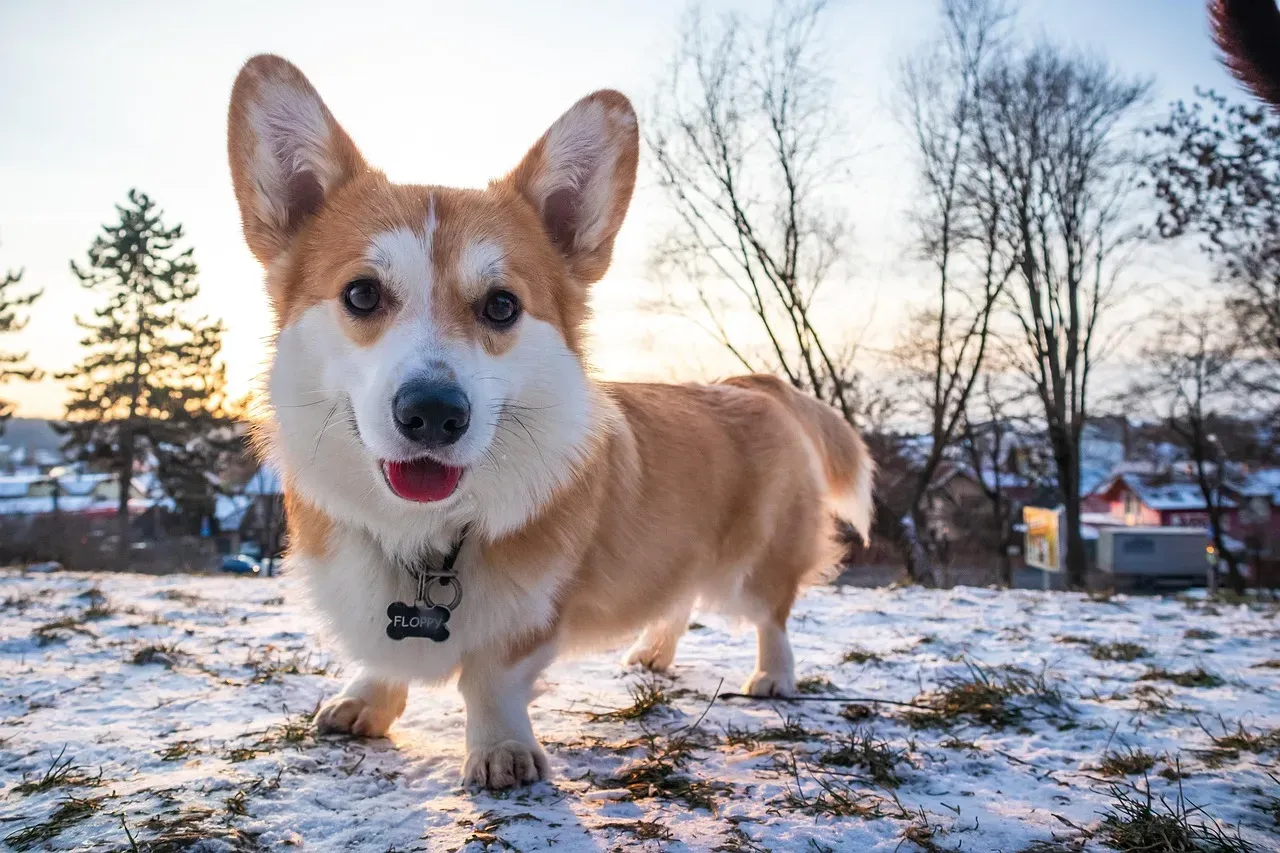
Pembroke Welsh Corgis are known for their robust health and playful personality. Originally bred for herding cattle, these small, sturdy dogs boast impressive longevity and few genetic health issues. The queen of England had the right idea. These dogs are absolute gems, and they tend to age with a grace that surprises most people.
Their intelligence and friendly nature make them quick learners and delightful playmates. They are best suited for families with children or individuals who want a small, active dog. Their adaptability and spirited personality make them wonderful companions in smaller spaces. A Corgi will make a studio apartment feel like the most exciting herding ranch in the world.
Pembroke Welsh Corgis require regular exercise to stay healthy and happy. They are prone to obesity, so a balanced diet and regular vet visits are necessary to keep them healthy. They are also prone to conditions like hip dysplasia and eye disorders. Stay proactive, keep the weight managed, and schedule those vet visits. Your Corgi will reward you with years of sassy, tail-wiggling joy.
11. Havanese: Cuba’s Gift to the World of Long-Living Dogs

Havanese dogs are known for their overall good health and friendly personality. These small pups have few genetic health issues and are known for their longevity. Known for their charming personalities and love for entertaining, they thrive on attention and are particularly adored by children. If dogs could be classified as professional mood-boosters, the Havanese would hold the certification.
They have a long lifespan of around 14 to 16 years. They are relatively low-shedding, which is great for people with sensitivities. These dogs are relatively healthy and one of the longest-lived. They work well for those who want a small, cuddly companion without the health issues that often come with them.
They are perfect for families with children or singles seeking a lively, sociable companion. Havanese dogs excel in apartment living. Their small size, coupled with their playful and affectionate demeanor, makes them ideal city dwellers who thrive on interaction and fun. Havanese do require regular grooming to keep their coat looking its best. Build that grooming routine early and make it a bonding ritual. Your Havanese will thank you with years of cheerful, cuddly company.
Conclusion: Every Healthy Year Is a Gift Worth Fighting For
Here is the beautiful truth underneath all of this. Breed gives your dog a head start, but you hold the reins on the journey. Regular exercise, a healthy diet, preventive care, and mental stimulation all play a role in a dog’s longevity. Dogs that are well cared for tend to live longer than others. The decisions you make every single day, the food in the bowl, the walk you take, the vet appointment you keep, those decisions add up to years.
Research has shown that overweight dogs live an average of 2.5 years less than dogs at an ideal body weight. Two and a half years. That is two and a half more winters curled up on the couch together, two and a half more summers of walks in the park. It is worth every mindful choice you make.
Despite all odds, the longest-living dogs reached well beyond the average dog’s lifespan. This just goes to show that every dog is unique and with good preventive veterinary care and lots of love, any dog can live a long and happy life. Your dog does not need to break any records. They just need you, showing up, paying attention, and choosing their health every single day.
Which of these incredible breeds surprised you the most? Tell us in the comments, we would love to know!


