
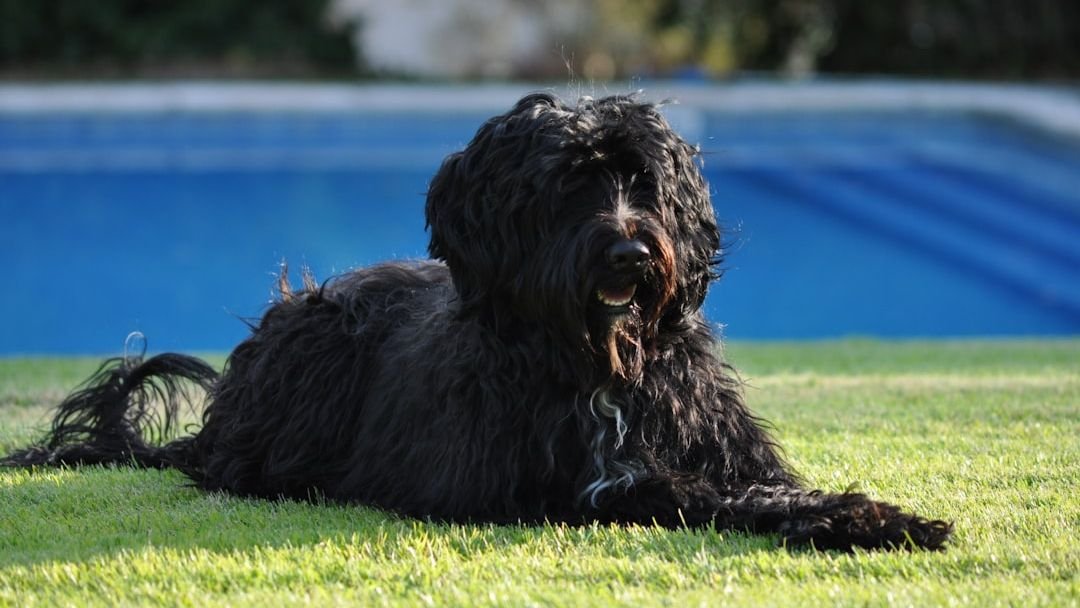
Picture this: you’re standing at the edge of a lake on a warm afternoon, and before you even get your shoes off, your dog has already launched themselves off the bank and is paddling joyfully into the deep end. No hesitation. No fear. Just pure, unfiltered joy. For some dogs, water isn’t just fun. It’s in their bones.
Many water-loving breeds were originally bred to work in and around water, whether that was retrieving game, helping fishermen, or even performing water rescues. This history not only makes them strong swimmers but also influences the way they love to play today. Think of it like this: it’s the canine version of a surfer who grew up by the ocean. The pull is deep, instinctive, almost impossible to resist.
Whether you’re dreaming of a dock-diving companion, a beach buddy, or just a dog who won’t melt at the sight of a puddle, this list is your guide. Let’s dive in.
1. Labrador Retriever: The Ultimate Splash Enthusiast
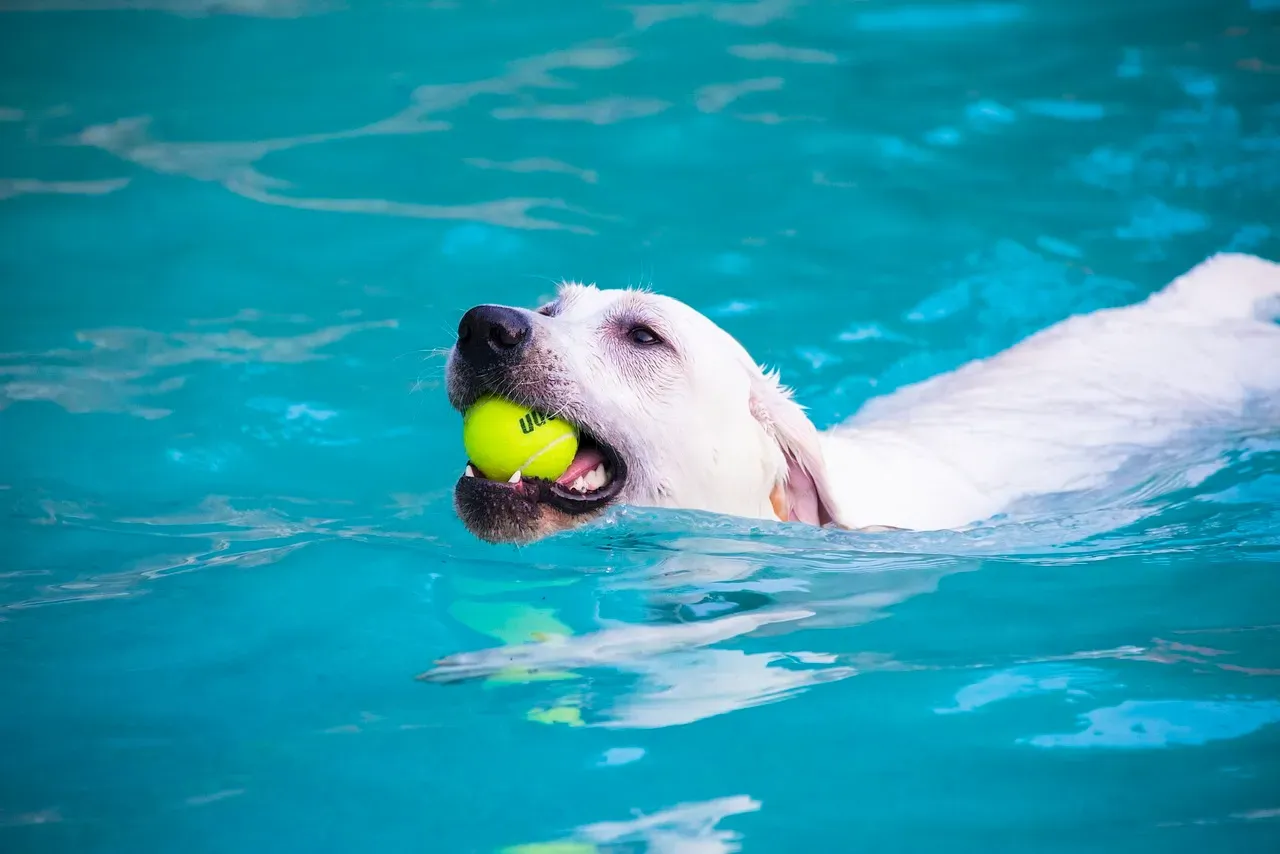
Let’s be real, when most people picture a water dog, they see a Lab bounding into a lake with a tennis ball in their mouth and absolutely zero regrets. Though Labradors are among the most popular breeds for families today, they originated in Newfoundland as water dogs bred to help fishers pull in large nets of fish. With a thick, water-resistant coat, Labradors are great swimmers, and they love retrieving water toys or taking a dip on a hot day.
Their “otter tail” is a distinct breed trait that serves as a powerful rudder, allowing them to turn sharply while swimming. Labs also have slightly webbed paws that help them paddle efficiently through water. If you own a Lab, always keep a floating toy nearby. It’s one of the simplest ways to tap into their natural instincts and give them a truly satisfying workout.
2. Golden Retriever: Sun, Water, and Unconditional Love
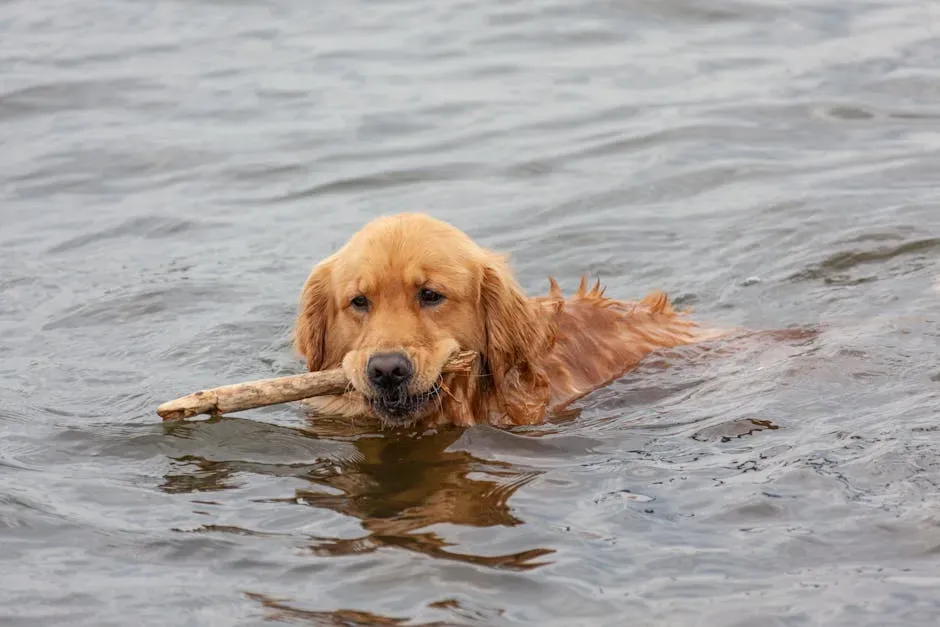
Did you know that Golden Retrievers were originally bred for water work? That’s right. They were used to retrieve game from water, which is also why they are known as “retrievers.” They have dense, water-repellent outer coats and long, powerful legs. That gorgeous coat is not just for show. It’s actually doing serious protective work every time your Golden splashes in.
Swimming is a very efficient way for them to burn off their high energy levels, and they are particularly fond of water fetch, combining their love for retrieving with their passion for splashing. Honestly, if you want a dog who will match your beach energy and then curl up contentedly beside you afterward, a Golden is your person. Dog. You know what I mean.
3. Portuguese Water Dog: The Fisherman’s Best Friend
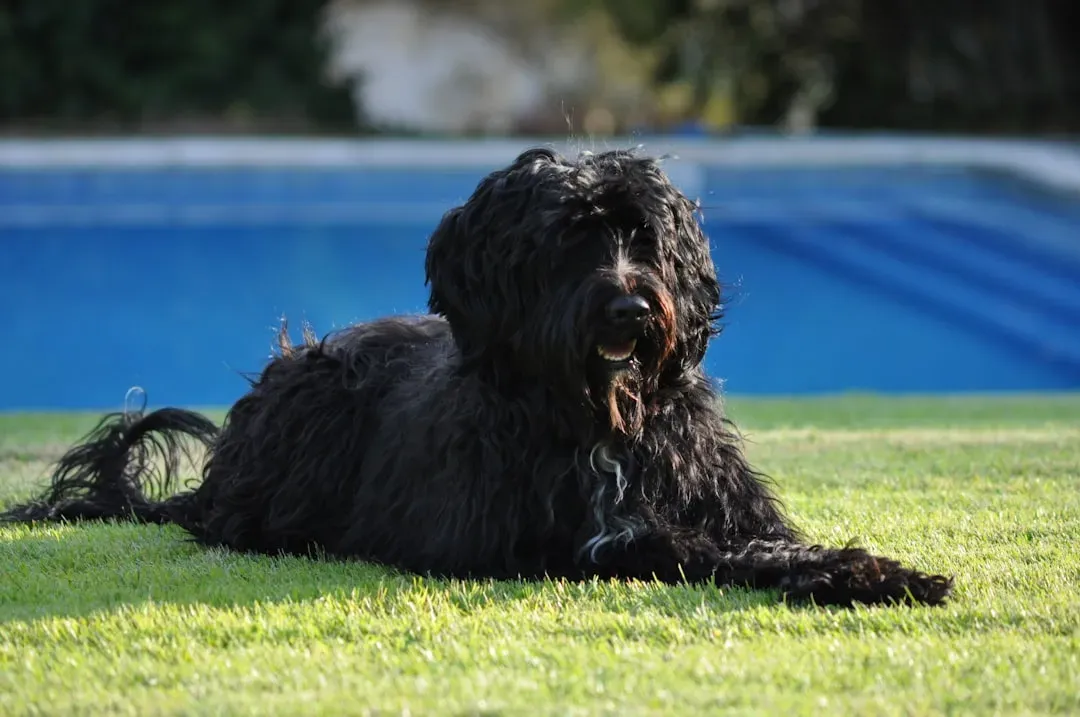
This intelligent and athletic dog is truly the fisherman’s friend. In their native country, this web-footed breed was used to “herd” fish into nets, as well as to swim out and retrieve broken nets and lost equipment. The Portuguese Water Dog needs a great deal of exercise and attention and will be even happier if all this takes place in the water.
Originally bred to work alongside fishermen, Portuguese Water Dogs have become highly prized pets due to their intelligence, loyalty, and affectionate nature. These energetic dogs sport curly or wavy fur that doesn’t shed often but does need regular grooming. Plan for at least 30 minutes of vigorous exercise daily, swimming being the very best option. A bored Portie near water is a happy problem to have.
4. Newfoundland: The Gentle Giant Lifeguard
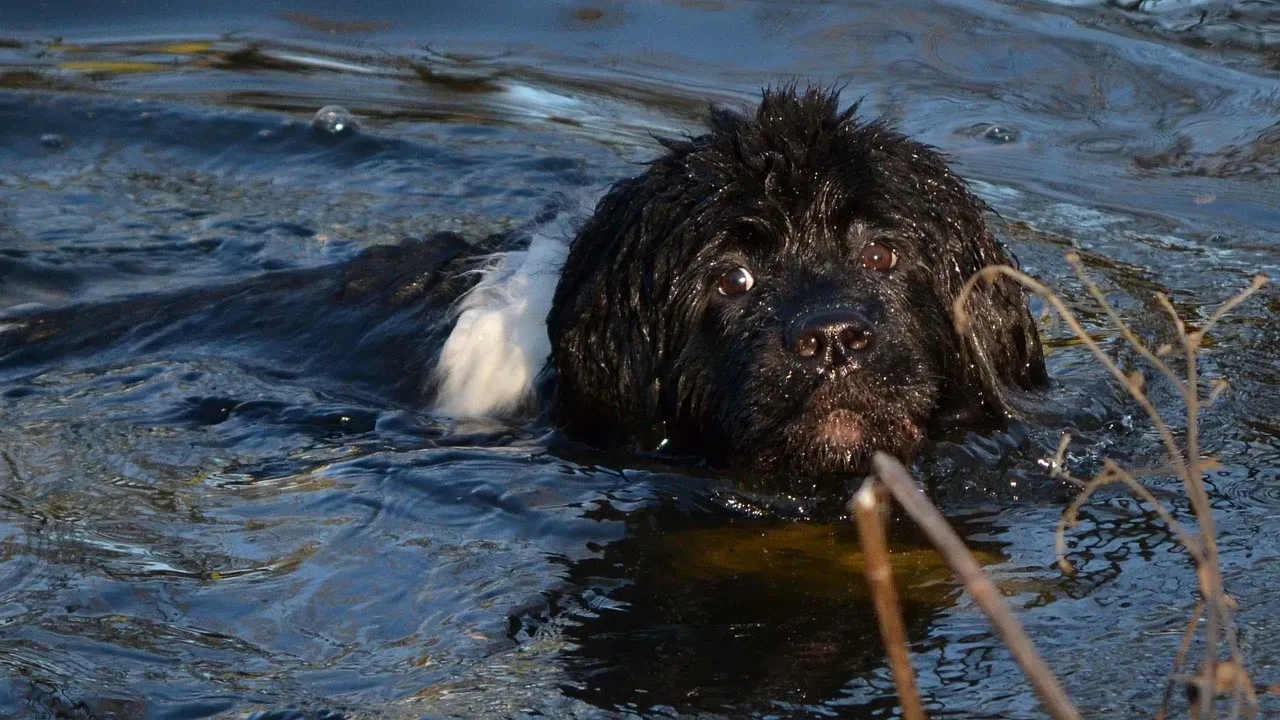
Newfoundlands were originally bred in Newfoundland, Canada, to work alongside fishermen. Their tasks included pulling nets, hauling heavy equipment, and rescuing drowning victims. Their strength, endurance, and natural swimming ability make them exceptional water dogs, renowned for their lifesaving skills. I think that’s one of the most extraordinary things about any dog breed in history. They were literally trusted to pull drowning people to safety.
Unlike most other dogs who “doggy paddle,” Newfoundlands move their limbs in a down-and-out motion when swimming. This modified breaststroke gives Newfies more power and drive in the water. Newfoundlands have a natural instinct to help in the water, and their calm demeanor makes them excellent companions for swimmers of all ages. If you have children who swim, this breed may be the most reassuring companion you could ever choose.
5. Chesapeake Bay Retriever: Tough, Tenacious, and Totally at Home in Cold Water
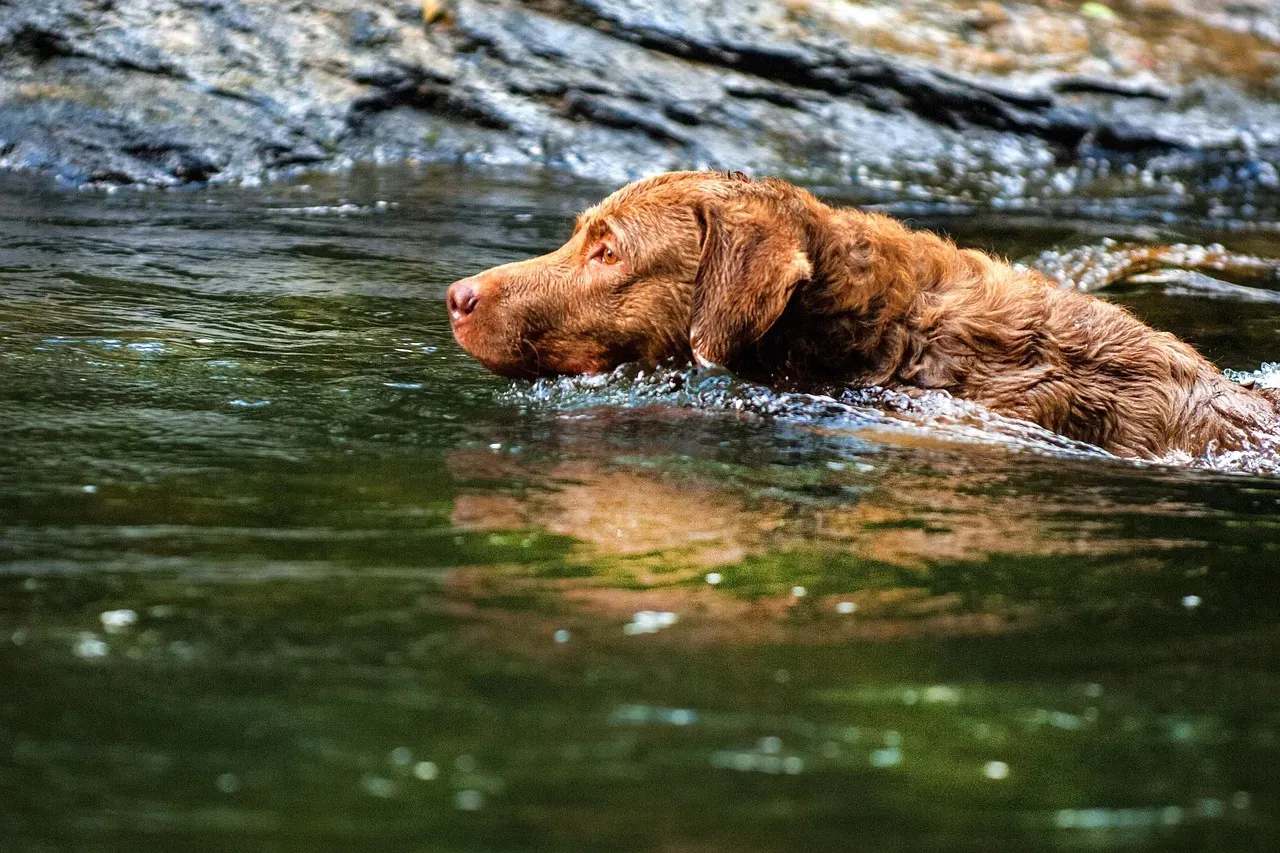
The Chesapeake Bay Retriever was bred to retrieve ducks from the harsh, cold water in the Mid-Atlantic. Their coat has a natural oil that keeps water away from their skin and helps it to dry quickly, a must when working in such chilly conditions. Picture a dog designed to work in choppy, icy waves where most dogs would panic. That’s the Chessie. Tough as nails, yet deeply devoted.
Chessies are determined, strong swimmers with incredible endurance and thrive in environments where they can swim regularly. They’re great in the water but also love the challenge of retrieving, making them a great choice for water-loving families who enjoy outdoor activities. A word of caution though: this is a breed with a strong, independent personality. Early training and consistent boundaries are worth every effort.
6. Irish Water Spaniel: The Clown of the Spaniel Family
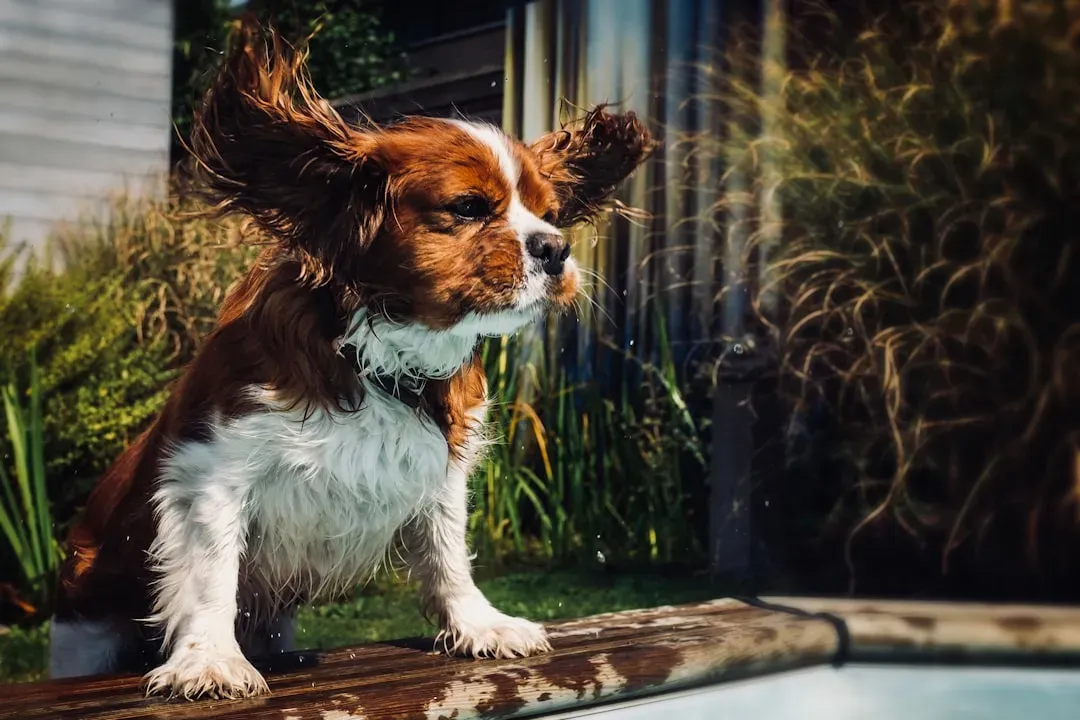
The brave and hard-working Irish Water Spaniel is the tallest of all spaniels. The crispy curled coat is naturally water-repellent and resembles that of a Poodle’s, and they are known for having a skinny “rat-like tail.” They love to swim and are excellent at retrieving objects. Yes, the rat tail is real, and honestly, it’s part of the charm. It even acts as a highly efficient rudder in water.
Irish Water Spaniels have lots of energy and are nicknamed the “clown of the spaniels” because of their cheery personality, and they often warm up quickly to new people. Their natural athleticism makes them excellent companions for water sports and long swims. Just be ready to keep up. This breed doesn’t really do “gentle wading.” They go all in, every single time.
7. Standard Poodle: The Surprisingly Athletic Swimmer
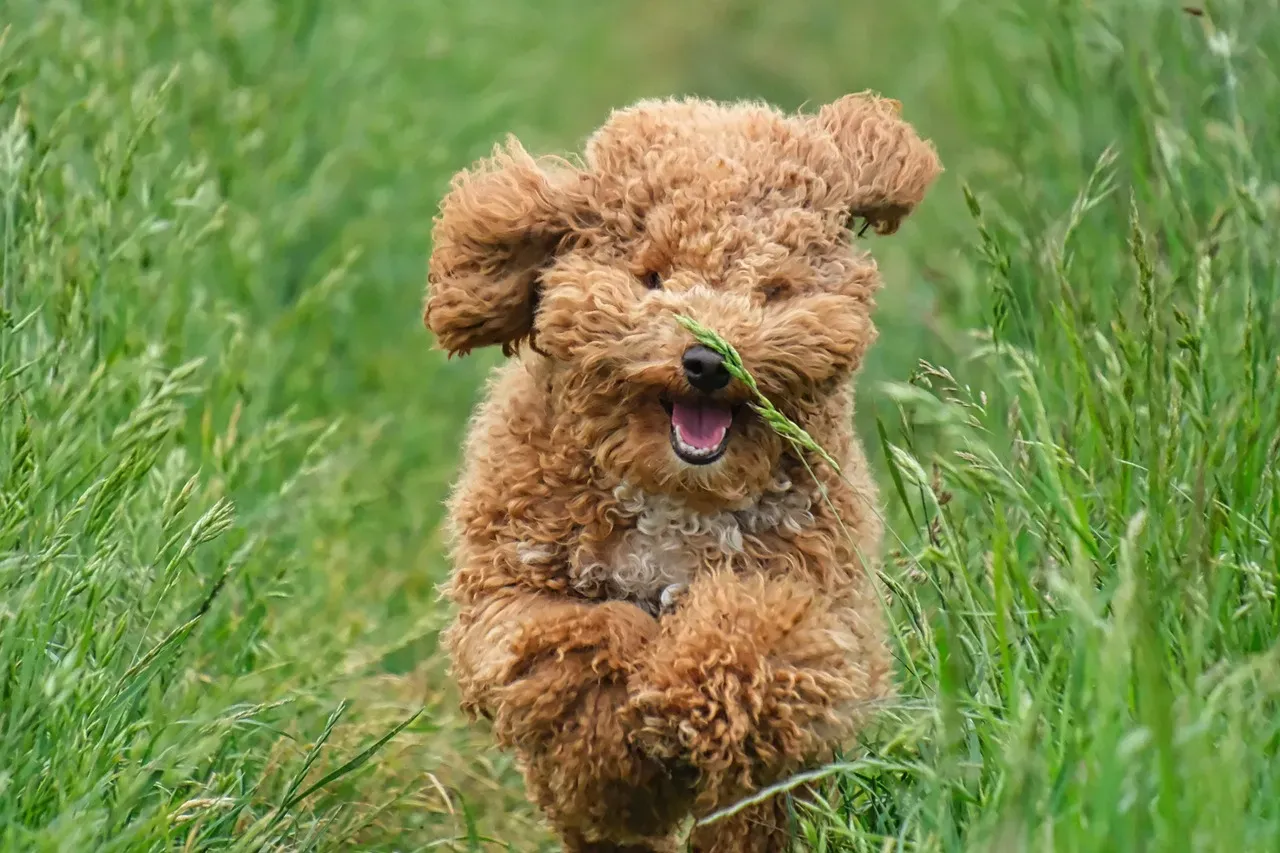
Here’s the thing, most people see a Poodle and think dog show, not swim meet. That couldn’t be more wrong. Originally bred in Germany as a water retriever, the Poodle’s iconic haircut was actually designed to increase their efficiency in the water. The Poodle clip, shaved on the legs, neck, and tail with tufts of hair around the joints and vital organs, allowed the Poodle to move more easily through water while keeping essential parts of their body warm.
Standard Poodles are intelligent and athletic, making them excellent swimmers. They enjoy water activities, from retrieving toys in a pool to frolicking in lakes. Their love for water, combined with their versatile nature, makes them excellent companions for those who enjoy outdoor adventures near the water. Next time someone dismisses a Poodle as a pampered show dog, tell them the full story.
8. Nova Scotia Duck Tolling Retriever: The Playful Decoy Dog
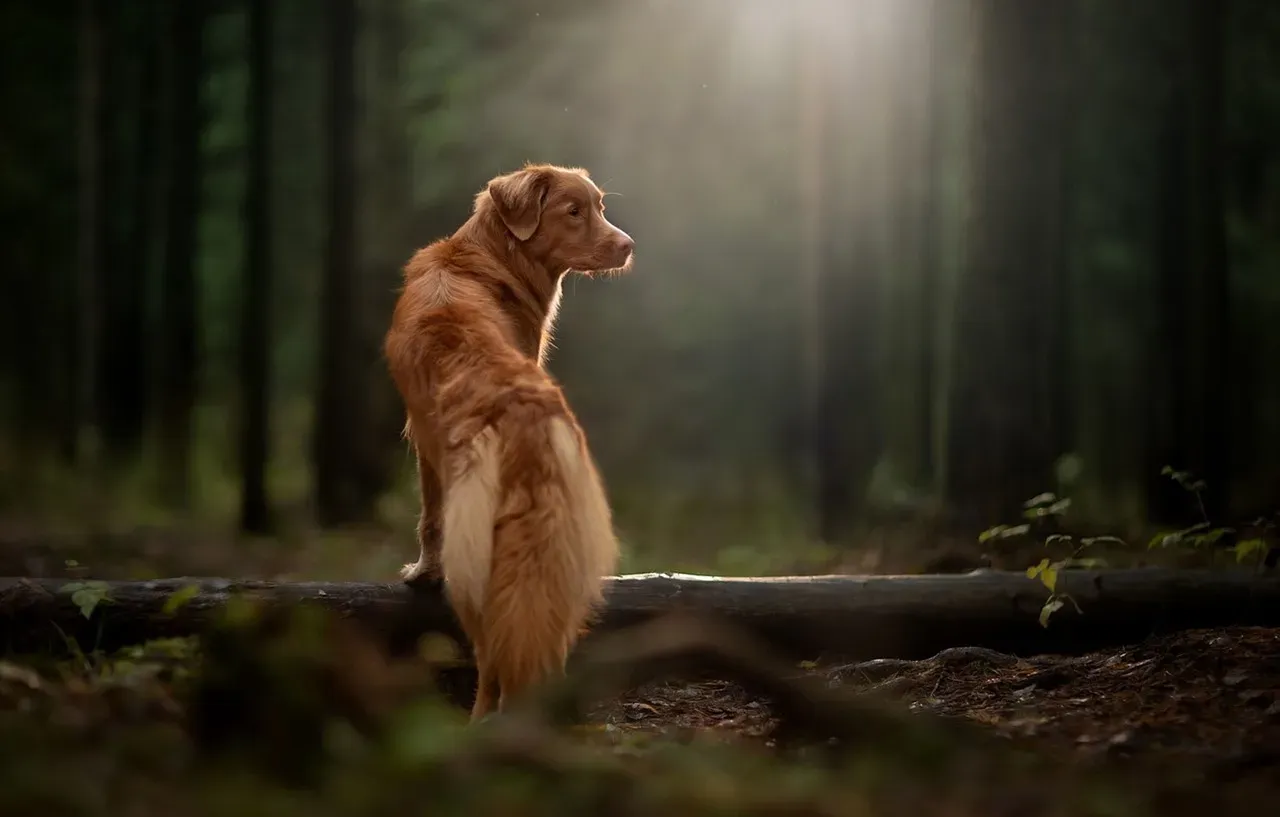
The Nova Scotia Duck Tolling Retriever, or “Toller,” was developed in Nova Scotia, Canada. They were bred to lure ducks by frolicking along the shoreline, piquing the interest of nearby birds and drawing them closer to land. They are playful, energetic dogs that love being part of an active family. It’s a brilliant hunting strategy when you think about it. Basically, they use their own adorable playfulness as bait.
They also have a water-repellent double coat that protects them while in the field hunting ducks and waterfowl. These dogs love the water so much that they will yelp a high-pitched excited yowl when close to any body of water, and they have abundant energy. If your Toller starts yodeling at the sight of a pond, that’s not strange behavior. That’s pure, breed-authentic enthusiasm.
9. Boykin Spaniel: South Carolina’s Water-Loving Secret
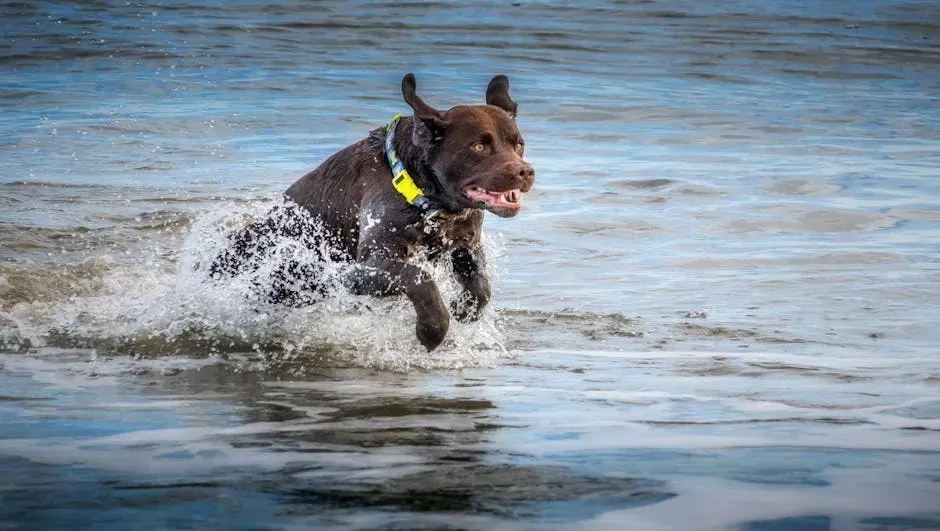
The Boykin Spaniel has an easygoing demeanor at home, but don’t let that fool you: they’re a keen hunter and retriever when on the job. With their webbed feet, they excel at swimming, while their luxurious brown double coat keeps them warm. This lovable water dog is native to South Carolina and was specifically bred to work in swamps and lakes.
Boykins are a lesser-known breed that can make a great addition to active families and adventurers. Boykin spaniels are whip-smart, very sweet-natured, and have tons of stamina. They are a medium-sized dog breed bred to hunt waterfowl, so they’re natural swimmers who love being in the water. It’s hard to say for sure why this breed doesn’t get more attention. Honestly, they deserve a bigger spotlight.
10. Barbet: The Cheerful French “Mud Dog”
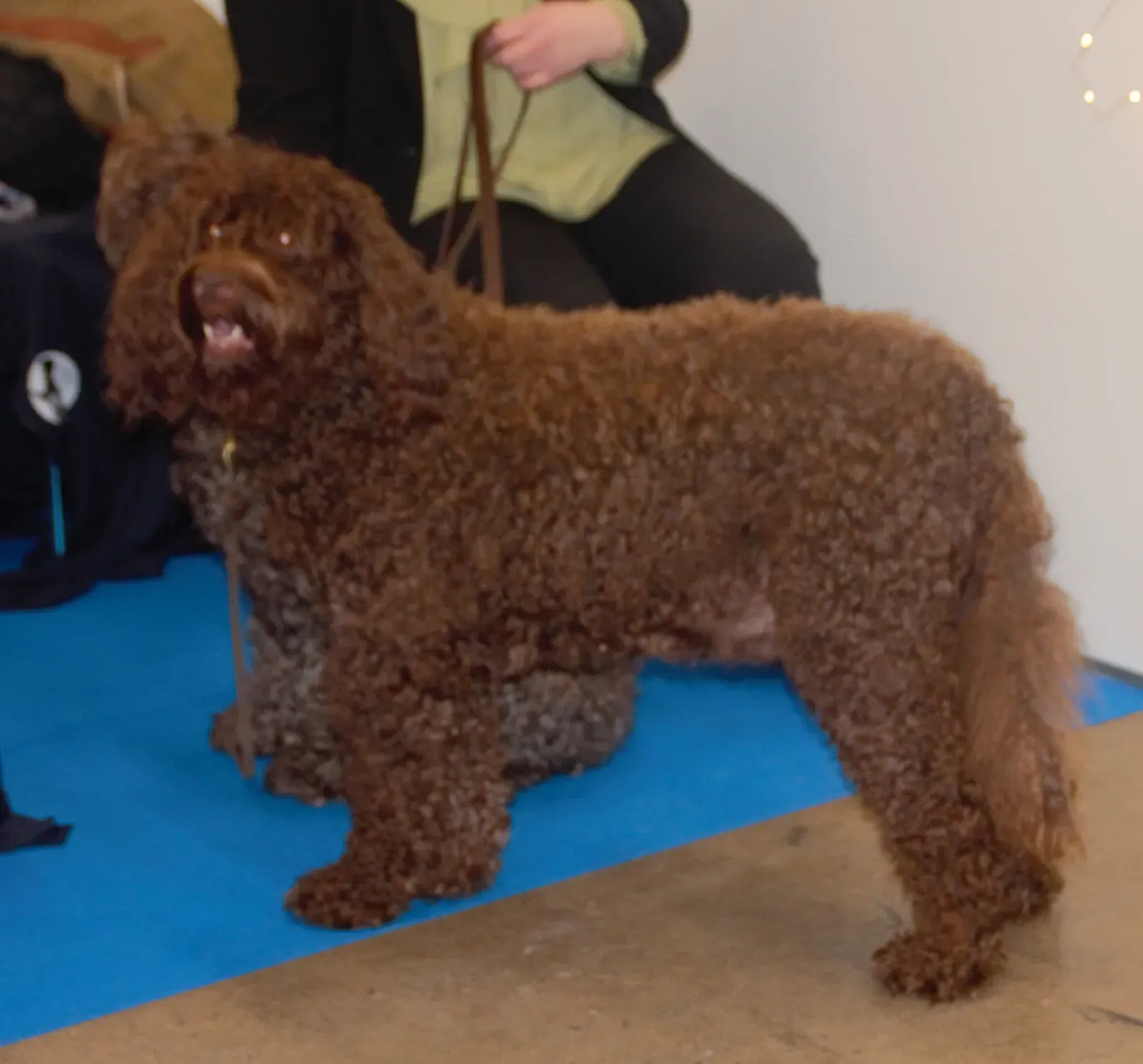
Although a rare dog breed in the U.S., the Barbet has been a popular French water dog since at least the 16th century, when Henry IV hunted waterfowl with his Barbet. Friendly, outgoing, and energetic, the Barbet is drawn to water, even muddy tracts of swampy land. In fact, their nickname is “Mud Dog.” There is something wonderfully unpretentious about a dog who happily earns a nickname like that.
The Barbet is a French water dog originally bred for hunting waterfowl. The breed is known for its agility and endurance in water. Their thick, curly coat provides protection against the elements, allowing them to work effectively in extremely cold conditions. In addition to their keen hunting abilities, they are loved for their goofy, clownish personality and loyalty to their family. They are a rare gem, and those who find one rarely want any other breed.
11. Otterhound: The Rare and Boisterous Water Hound
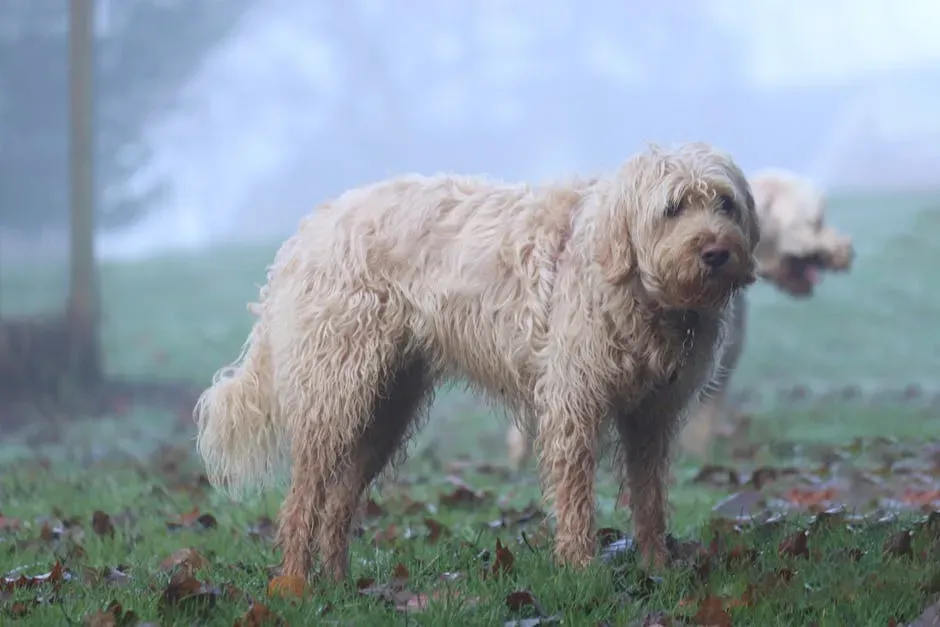
Otterhounds are big, fun-loving dogs originally bred during the Medieval period in England to hunt otters. Their rough double coat and webbed feet are ideal for the water, and they are exceptionally strong swimmers. These shaggy, playful dogs would swim for several hours during a hunt and, while no longer used for tracking otter, have an impressive amount of stamina in the water. That stamina is not a polite exaggeration. It is genuinely remarkable.
The Otterhound loves to play and swim in water and gets along well with children. They are also considered extremely rare, making them a true hidden treasure among water breeds. They are big, boisterous dogs, humorous, friendly, and affectionate. If you ever get the privilege of meeting one near a body of water, stand back and enjoy the spectacle. It is absolutely worth watching.
A Note on Water Safety for All Breeds
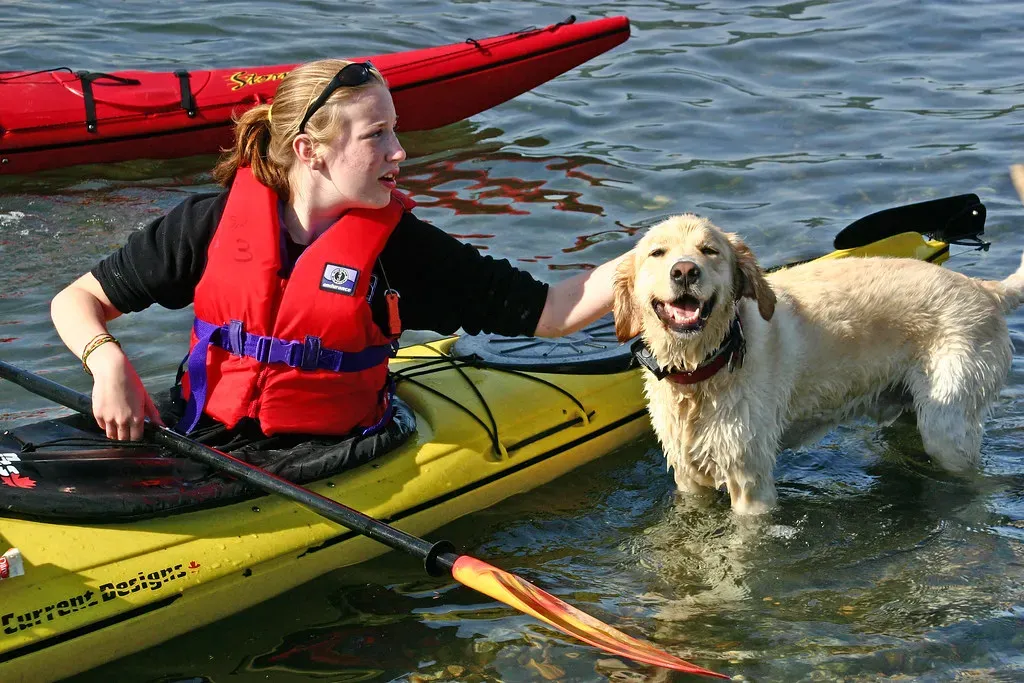
Even the most naturally gifted swimmer needs thoughtful supervision near water. While some dogs may naturally have a greater affinity for the water, it’s important to introduce all dogs to the water gradually and under supervision. Start in shallow, calm water and always watch their body language for signs of fatigue or anxiety.
Never leave your dog unattended near any body of water. When you’re at the beach, be aware of ocean currents. A strong current can be dangerous for even the best swimmers. Check for algae; blue-green algae can be toxic to dogs, so avoid water that looks green or red. A canine life jacket is a smart investment too, especially for older dogs or first-time swimmers. Safety and fun are not mutually exclusive.
Conclusion: Follow Your Dog’s Natural Joy
There is something deeply moving about watching a dog do exactly what they were born to do. Whether it’s a Newfoundland gliding powerfully through a cold lake or a Boykin Spaniel splashing joyfully through a South Carolina marsh, water is more than recreation for these breeds. It is expression. It is identity.
Many water-loving breeds were originally bred to work in and around water, whether that was retrieving game, helping fishermen, or even performing water rescues. This history not only makes them strong swimmers but also influences the way they love to play today. If your dog is always first in the water, carrying a toy, chasing after balls, or shaking their tug in excitement, that’s no coincidence. It’s all in their DNA.
So if your dog eyes every puddle like it’s a personal invitation, lean into it. Grab a floating toy, find a safe shoreline, and let them be exactly who they are. You might just find that their joy becomes yours too. Which of these breeds surprised you the most? Drop a comment and let us know!


