You know that moment when your dog figures out how to open the treat jar you thought was totally secure? Or when they somehow nudge open a closed door to follow you into another room? That’s not just luck or coincidence. That’s problem-solving intelligence at work, and honestly, some breeds are remarkably gifted at it.
We often talk about dogs being loyal or loving, which they absolutely are. Still, there’s something uniquely fascinating about watching a dog work through a challenge independently, adapting and strategizing like a tiny furry detective. Let’s dive into the breeds that excel at this cognitive skill.
Border Collie
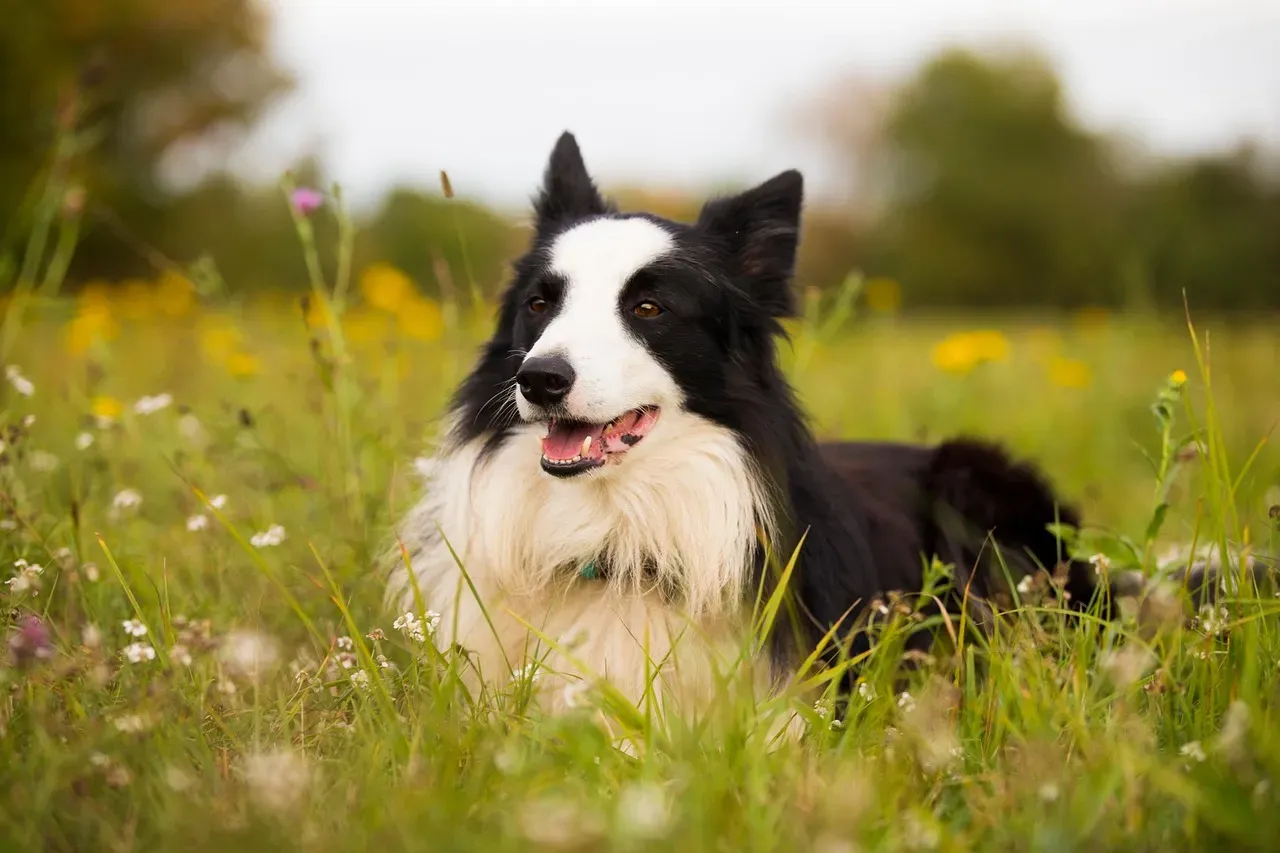
Border Collies consistently rank as the smartest dog breed in the world, and there’s solid research backing that up. One famous Border Collie named Chaser learned to understand over one thousand nouns, which is genuinely mind-blowing when you think about it.
These dogs don’t just memorize commands. They possess the ability to solve complex problems autonomously and adjust their strategies when herding, requiring real-time decision-making. Watch a Border Collie work livestock, and you’ll see them assess situations, anticipate movement, and make split-second judgments that many humans would struggle with.
Their brains need constant stimulation though. Without a healthy balance of daily mental and physical stimulation, they get bored and can become destructive or even aggressive. Think of them as brilliant children who need challenging homework every single day.
Poodle
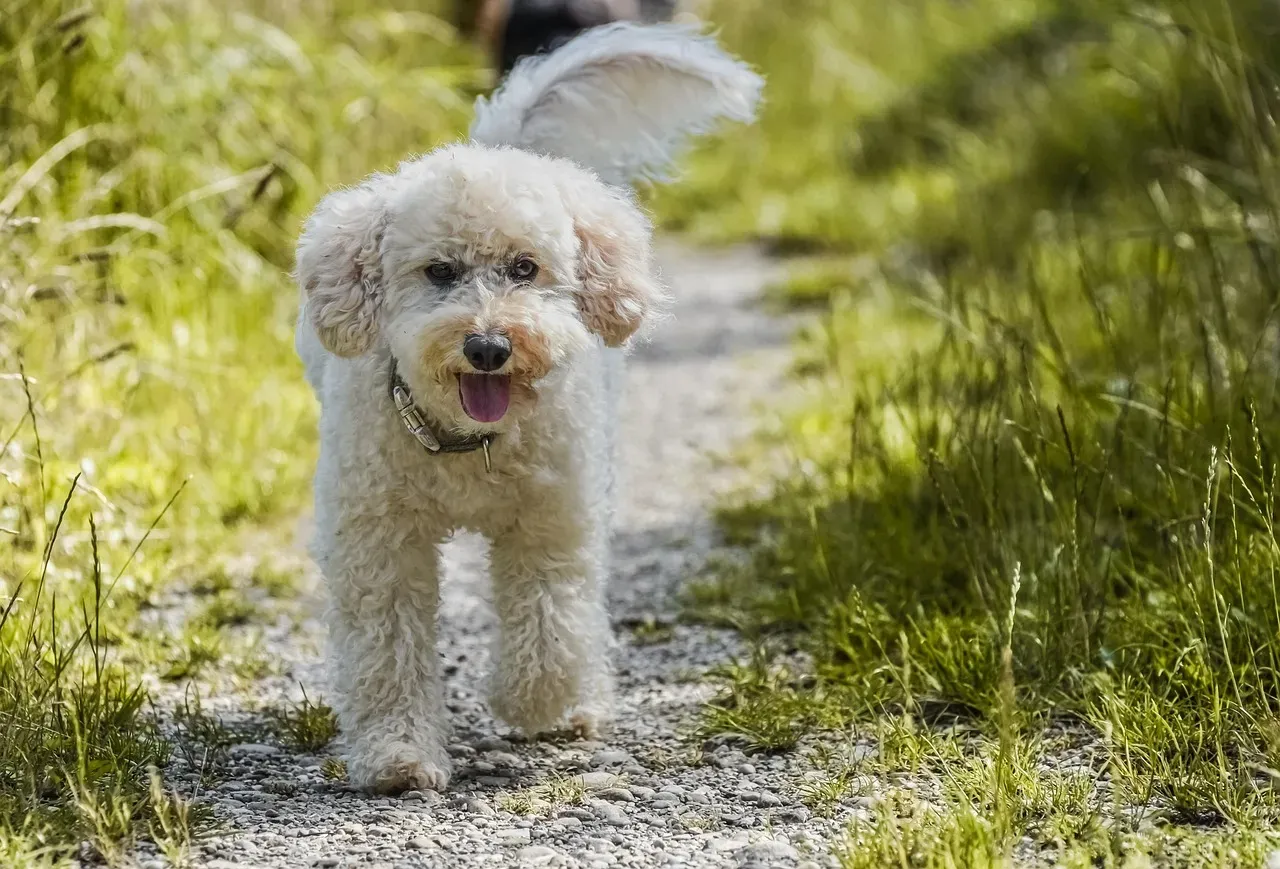
Don’t let those fancy haircuts fool you. Poodles rank second among the most intelligent dog breeds, right after the Border Collie. All three sizes – Standard, Miniature, and Toy – share this remarkable cognitive ability.
Poodles excel due to a mix of cognitive and emotional intelligence, with an ability to learn quickly and solve problems that is second to none. They were originally bred as water retrievers, work that demanded both physical agility and sharp mental acuity. They can learn new commands in fewer than five repetitions and respond correctly ninety-five percent of the time or more.
What really sets them apart is their detective-like quality. Their keen problem-solving skills and natural alertness give them a remarkable analytical edge. I’ve seen Poodles open cabinet doors, figure out puzzle feeders in record time, and even learn to turn on water faucets. Their emotional intelligence also means they can read your mood and respond with surprising empathy.
German Shepherd
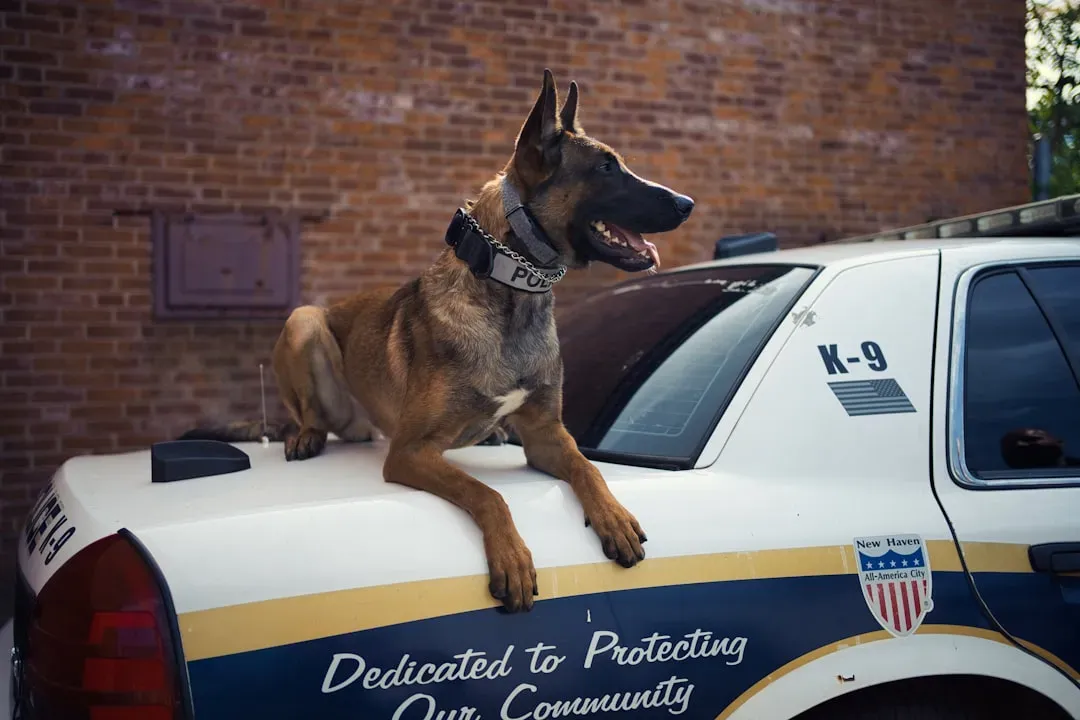
There’s a reason German Shepherds dominate police and military work worldwide. They’re considered one of the smartest breeds due to their exceptional intelligence, trainability, and versatility, excelling in demanding jobs like police work and search and rescue missions.
German Shepherds rank as the third most intelligent dog overall and can master a new command on the first try. Their problem-solving abilities shine under pressure, where many dogs would panic or freeze. They analyze situations quickly and execute with precision.
Their herding background gives them an instinct for independent decision-making. Unlike dogs that wait for constant direction, German Shepherds assess what needs doing and act accordingly. That cognitive flexibility makes them invaluable in unpredictable situations where following a script isn’t enough.
Golden Retriever
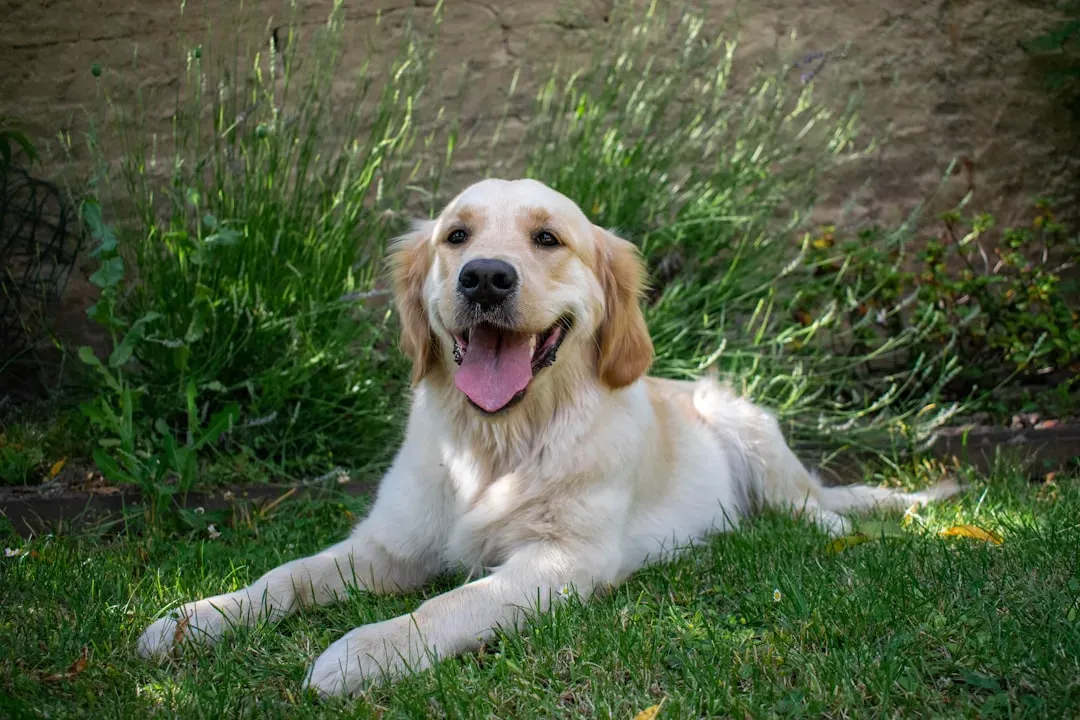
Golden Retrievers excel in various tasks such as hunting, retrieving, obedience, and service work, learning quickly and responding well to commands. They’re not just friendly faces – they’re genuinely clever problem-solvers.
What makes them special is how they combine intelligence with emotional awareness. They possess emotional intelligence alongside sharp learning curves and thrive in therapy, assistance, and search-and-rescue roles. Their patience and gentle nature don’t diminish their smarts; they enhance it.
I find their problem-solving style interesting because it’s collaborative. Rather than working independently like a Border Collie, Golden Retrievers tend to involve you in the process, watching your reactions and adjusting their approach. It’s a different kind of intelligence, but no less impressive.
Australian Shepherd
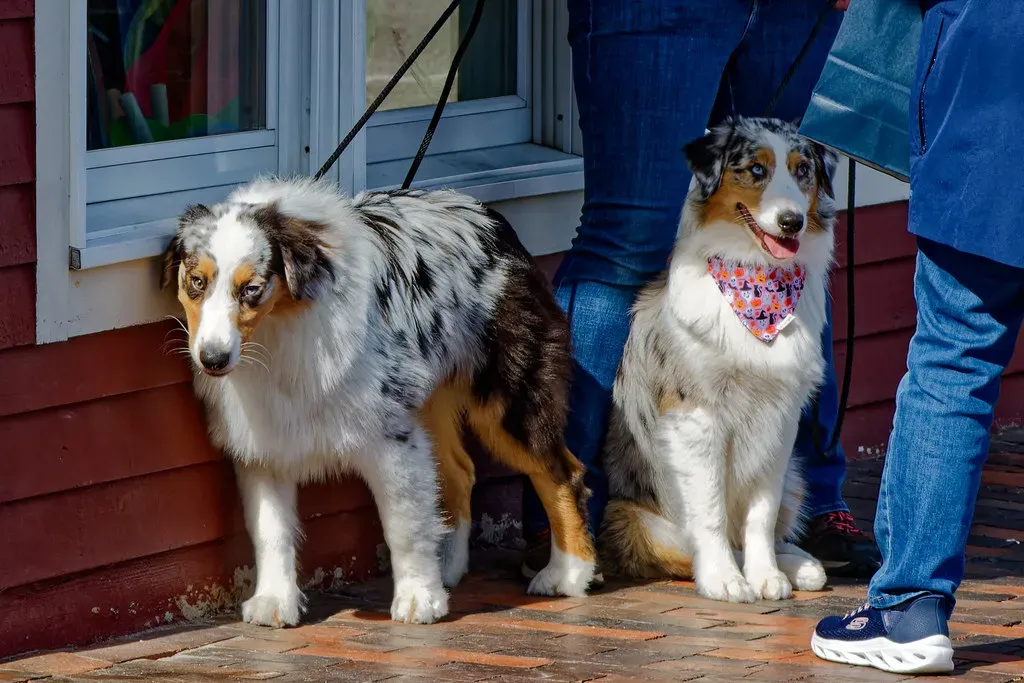
Aussies are problem-solvers renowned for their ability to think independently and make decisions on their own, not seeing limits in their environment but only opportunities. That last part is key – they genuinely believe every obstacle has a solution.
They can solve problems relatively quickly and make sound decisions, a trait stemming from their history as working dogs on ranches where they had to assess situations and take action. Their memory is remarkably strong too. They can remember commands, places, and people many years later, similarly to a human, performing consistently even when they haven’t heard a command in some time.
Their cleverness can occasionally work against you though. They have an impressive ability to find solutions to problems, which is evident in herding work but can also get them into trouble, like figuring out how to open doors. If you own an Aussie, invest in good locks.
Belgian Malinois
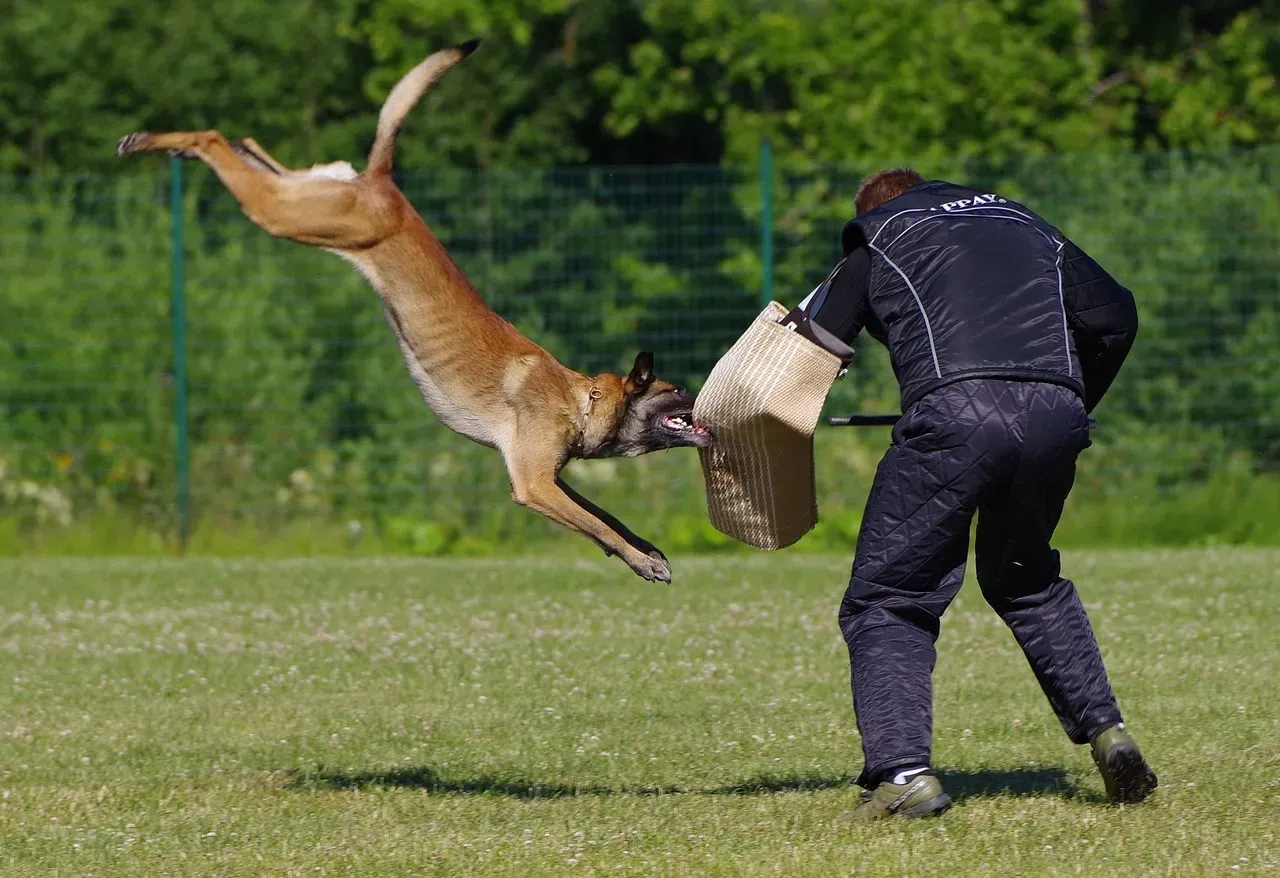
Here’s something fascinating: researchers at the University of Helsinki determined that the Belgian Malinois is the smartest dog breed of all after conducting cognitive tests on over one thousand specimens from thirteen breeds. This 2022 study challenged the traditional rankings.
The Belgian Malinois topped dog breed rankings across various cognitive tasks, revealing a well-rounded aptitude for independent thinking, communication, and problem-solving. They absorb training like sponges and operate with near-telepathic handler connection.
Their intensity is both their strength and their challenge. They’re incredibly smart, high-energy dogs with a strong work drive, and without proper training, this combination can lead to behavioral issues. Think of them as extremely gifted students who need advanced placement courses – regular obedience training won’t cut it.
Doberman Pinscher
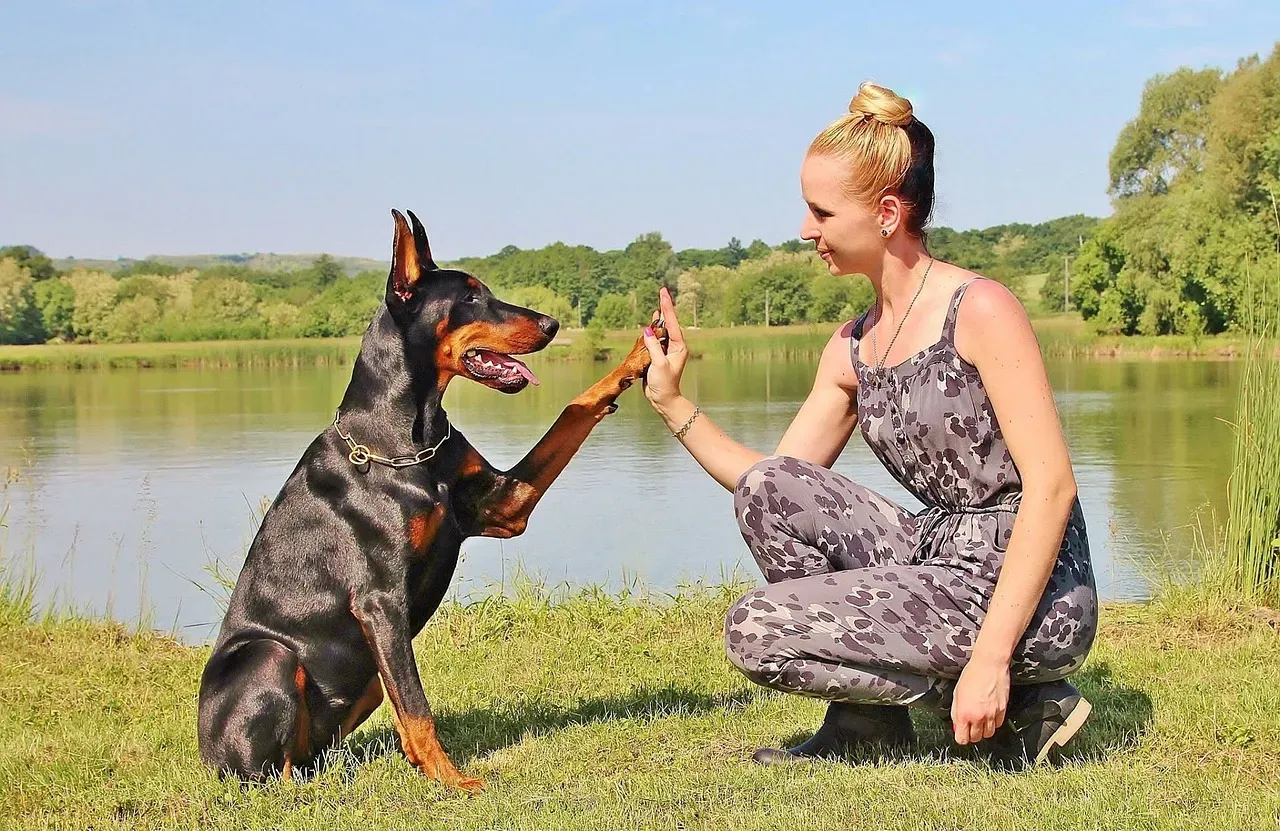
Doberman Pinschers are exceptionally intelligent, loyal, and trainable, excelling in obedience competitions as well as police and military work. They’re sleek, fearless, and possess frightening intelligence in the best possible way.
Dobies learn fast because they’re always watching and analyzing, used in military and protection roles not just for strength but for split-second decision-making. Their perceptiveness means they pick up on patterns quickly – sometimes patterns you didn’t even realize you had.
What strikes me about Dobermans is their curiosity. They’re known for being highly perceptive and very curious pups. That combination of observation skills and inquisitiveness makes them excellent at figuring out how things work, whether it’s the mechanics of a puzzle toy or understanding your daily routine.
Shetland Sheepdog
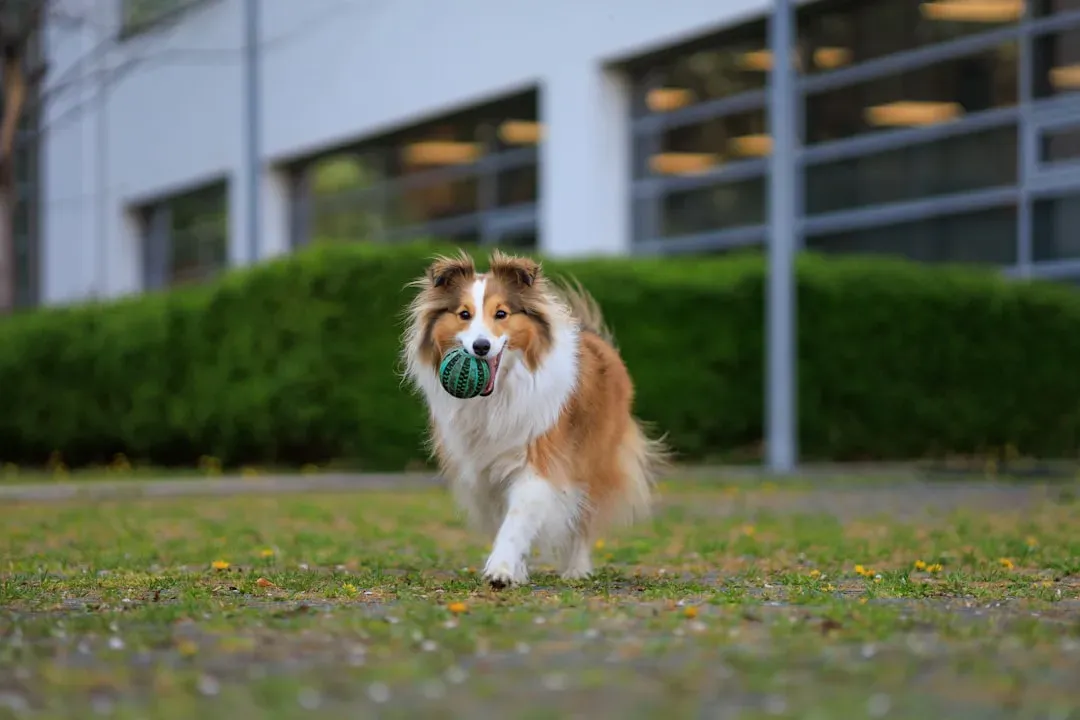
Shetland Sheepdogs are known for their high intelligence, trainability, and excellent problem-solving skills, excelling in herding, agility, obedience, and working as therapy dogs. They’re basically Border Collies in a smaller, fluffier package.
The Shetland Sheepdog lives to herd anything from sheep to children, and this fast, agile, and clever Collie in miniature outshines canine competitors in dog sports. Their size doesn’t limit their cognitive abilities one bit.
Shelties need mental challenges to stay happy. They’re the type of dog who will invent their own games if you don’t provide enrichment activities. I’ve heard stories of Shelties teaching themselves to retrieve specific toys by name or figuring out elaborate ways to get attention when they’re bored.
Labrador Retriever

The Labrador Retriever is one of the most popular breeds, a high-spirited retriever who is a natural swimmer. Their popularity isn’t just about their friendly nature – their intelligence plays a huge role too.
Labrador Retrievers and Golden Retrievers top the list for first-time owners because they’re forgiving of mistakes, highly food-motivated, and emotionally attuned. That food motivation actually aids their problem-solving; they’re incredibly determined when treats are involved.
Labs excel at adaptive intelligence – learning from their environment and figuring out solutions. They’re the dogs who’ll remember where you hide the treats and devise increasingly creative ways to access them. Their persistence combined with their smarts makes them excellent working dogs in detection and assistance roles.
Papillon
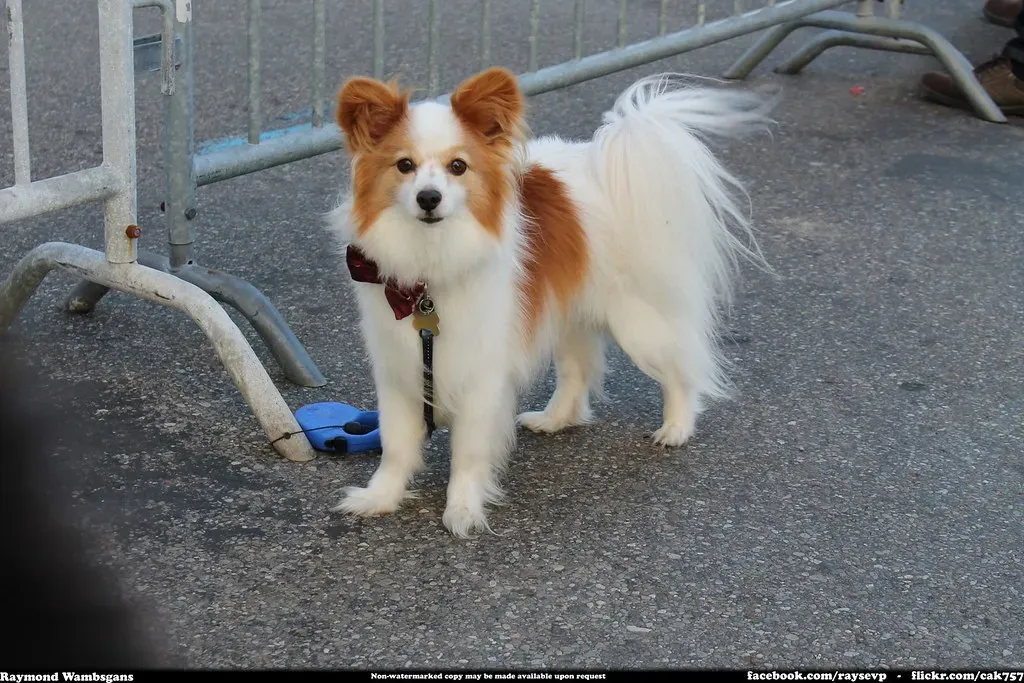
Surprised? The Papillon is the only Toy Group member on top intelligence lists, small in size but big in brain power, super fast, and a top agility scorer. These tiny dogs pack serious cognitive punch.
Their small size doesn’t correlate with limited intelligence – far from it. Papillons are quick thinkers who love mental challenges. They approach problem-solving with enthusiasm and determination that belies their delicate appearance. Watch one navigate an agility course, and you’ll see strategic thinking in action.
What makes Papillons particularly impressive is that they combine high intelligence with a desire to please. They’re not stubborn or independent like some smart breeds. Instead, they channel their brainpower into working with you, which makes training both effective and enjoyable.
Rottweiler

With ancient Roman heritage, the Rottweiler is a rugged Working Group member, a confident guardian of imposing strength and a big thinker who accepts consistent, firm training. That “big thinker” descriptor is accurate – they’re contemplative problem-solvers.
Rottweilers have a calm, analytical approach to challenges. Rather than frantically trying every option, they tend to assess the situation before acting. This measured intelligence makes them excellent guard dogs who can distinguish between actual threats and false alarms.
Their problem-solving often involves patience and persistence. They’ll work at a challenge steadily, trying different approaches until they find what works. This trait, combined with their loyalty and protectiveness, makes them valuable working dogs who can handle complex tasks independently.
Conclusion
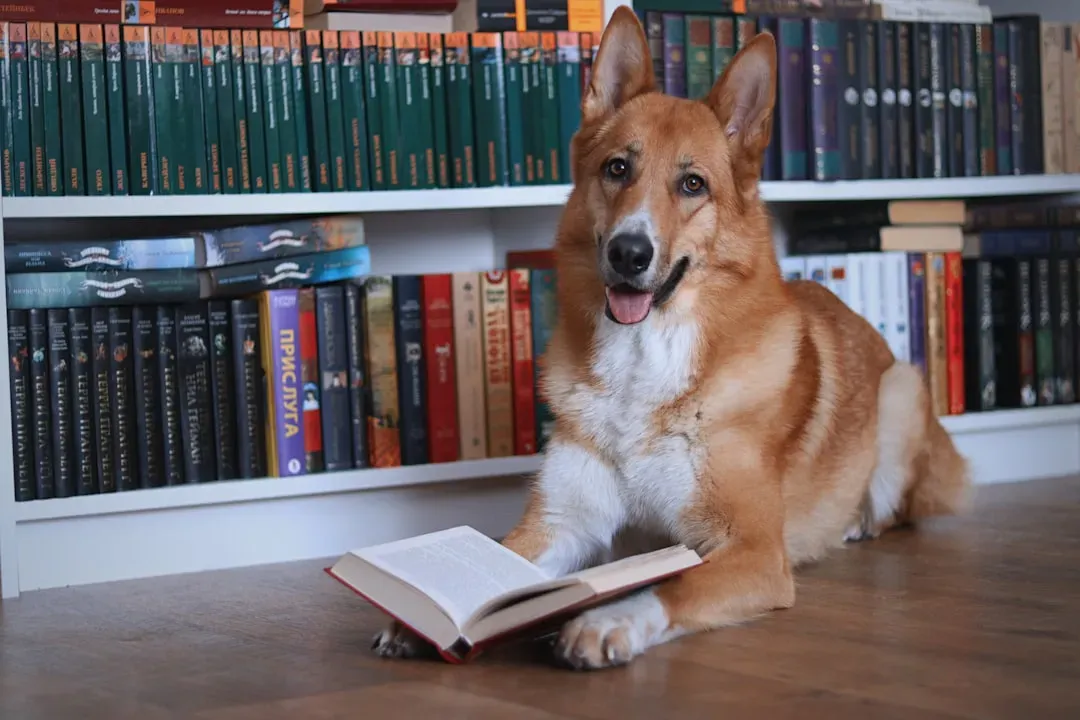
Intelligence in dogs isn’t one-dimensional. These eleven breeds showcase different styles of problem-solving, from the Border Collie’s lightning-fast strategic thinking to the Rottweiler’s patient, methodical approach. What they all share is an ability to assess challenges and work toward solutions.
If you’re considering one of these breeds, remember that high intelligence requires commitment. These dogs need mental stimulation, consistent training, and activities that challenge their minds. A bored smart dog is often a destructive dog. Puzzle toys, training sessions, new tricks, and varied experiences keep their brains engaged and satisfied.
The bond you’ll build with an intelligent, problem-solving dog is truly special though. There’s something remarkable about watching your companion think through a challenge, adapt their approach, and succeed. It’s not just obedience – it’s genuine cognitive work that deepens your connection and mutual respect. What’s your experience with smart dogs been like? Have you witnessed impressive problem-solving moments that left you amazed?