
You brought home your dream dog. You watched the YouTube tutorials, bought the clicker, stocked up on treats. You were ready. Then week two arrived, and your dog looked you dead in the eye, heard the command “sit,” and walked away to sniff the sofa. Sound familiar? You are absolutely not alone in this.
Here’s the thing: some dog breeds are simply wired differently. Their brains, their instincts, their ancient histories – all of it conspires to make training feel less like a partnership and more like a negotiation with a very stubborn toddler. A lot of training difficulties in a breed come from their “origin stories,” the tasks and traits they were originally bred for in the old days. That’s not a design flaw. It’s who they are. The good news? Understanding why your dog behaves the way they do is honestly half the battle. So let’s meet the eleven breeds that make even seasoned professionals take a deep breath. Let’s dive in.
1. Siberian Husky: The Beautiful Escape Artist
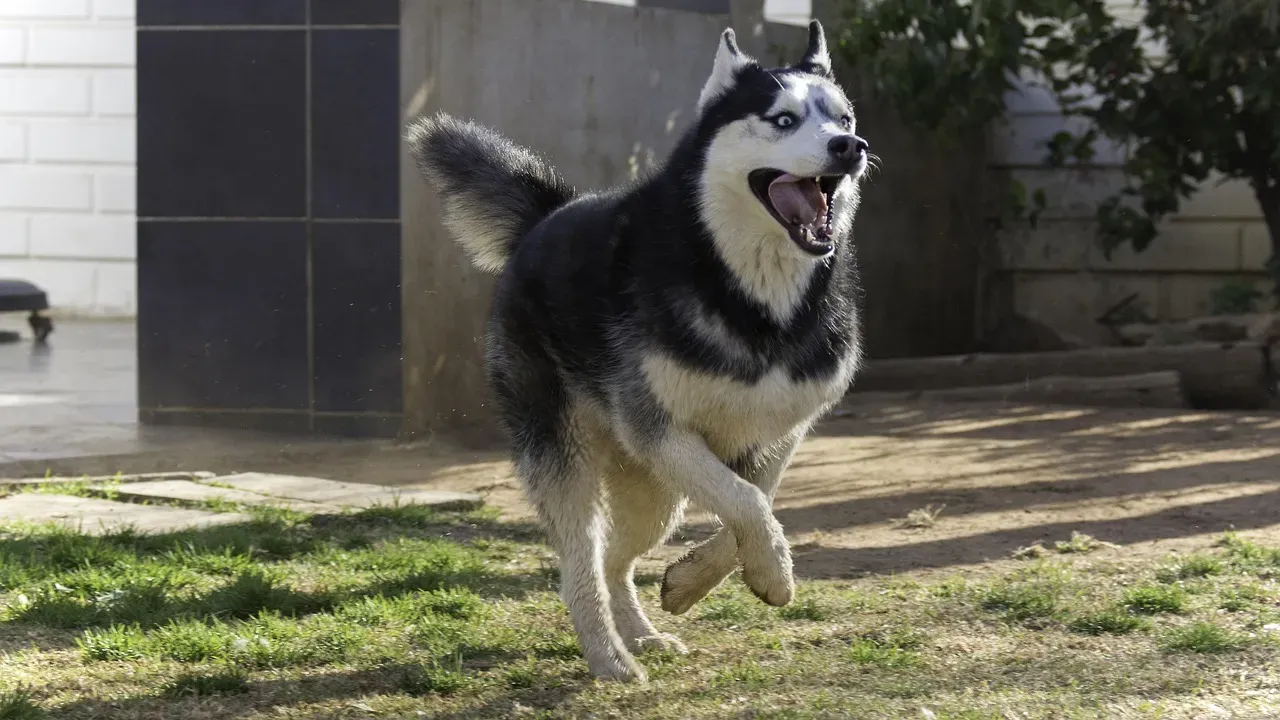
If ever a dog embodied the phrase “I do what I want,” it’s the Siberian Husky. These canines were bred for independent thinking as sled pullers, so training them is notoriously difficult. They don’t ignore you because they dislike you – they ignore you because, honestly, they’ve got their own agenda and it’s probably more interesting than yours.
If Houdini was a pooch, he’d be a Siberian Husky. These dogs are notorious escape artists and require a secure environment to keep their escapades in check. Keep training sessions short, exciting, and reward-heavy. A bored Husky left to their own devices will find creative, destructive ways to entertain themselves. Think chewed furniture and dug-up gardens.
2. Beagle: Nose First, Commands Never
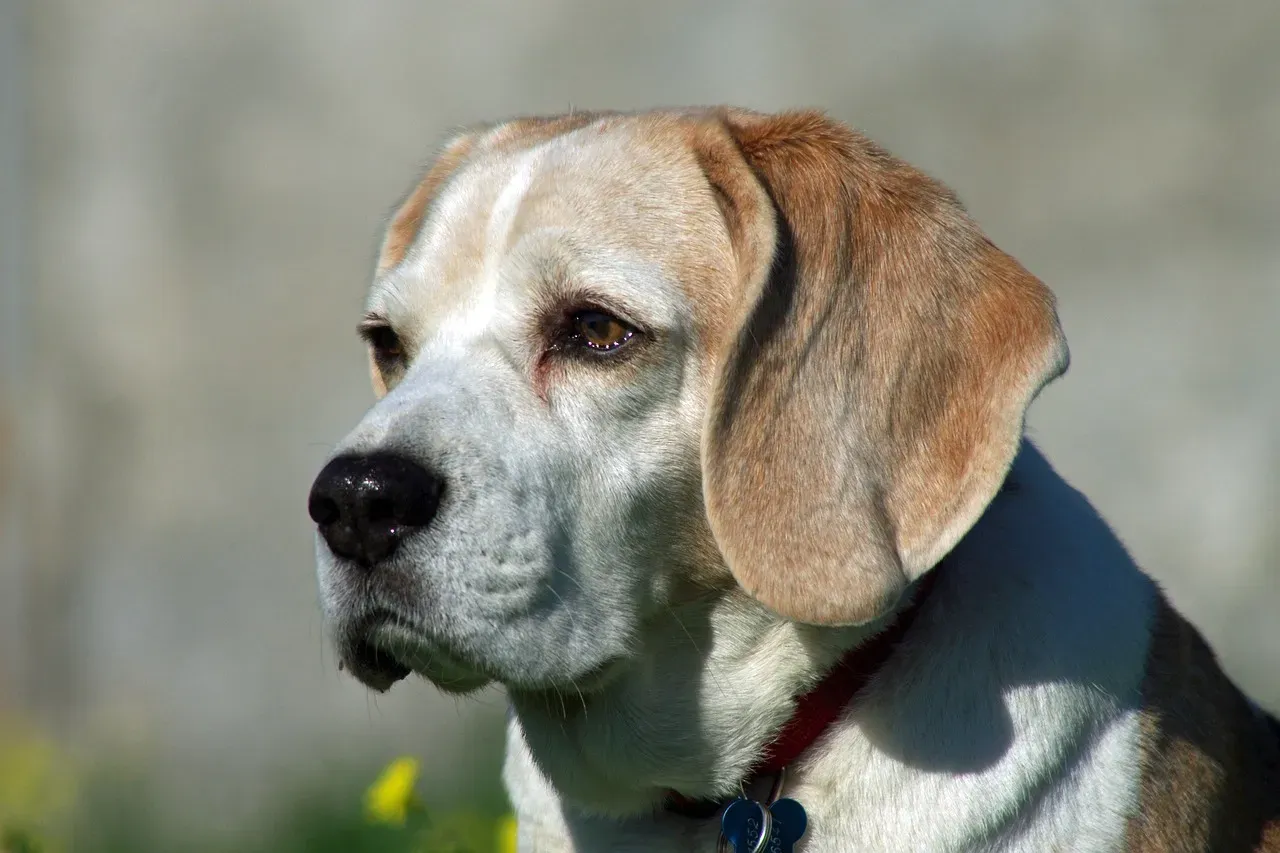
Beagles are adorable and friendly but are also one of the most stubborn dog breeds. They’re often led by their noses, making them easily distracted and hard to train. Picture trying to teach your dog to sit, while a squirrel passes three gardens down. That’s every Beagle training session, ever.
Beagles, with their incredible sense of smell and tracking ability, were bred for hunting and often exhibit a stubborn streak when on a scent trail. Their single-minded focus can make them seem indifferent to commands. They are friendly and affectionate but require patience and creative training techniques to manage their selective hearing. Try scent-based games during training. Work with their nose, not against it.
3. Afghan Hound: The Regal Rule-Breaker
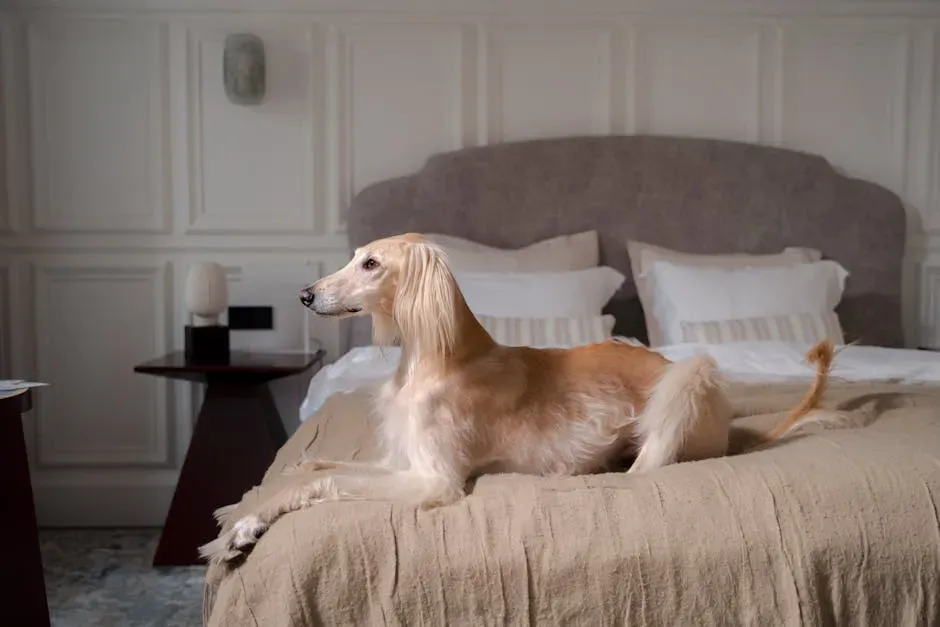
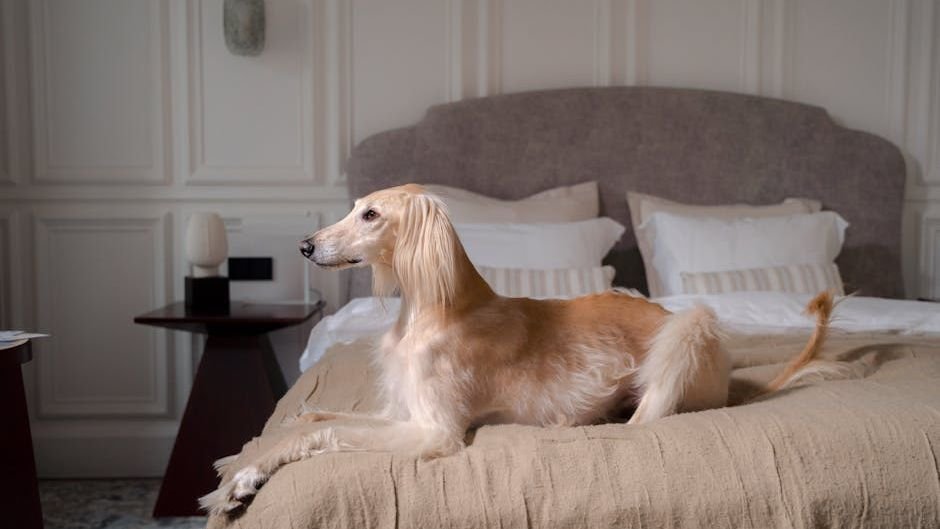
The Afghan Hound is one of the hardest dog breeds in the world to train. Firstly, sighthounds like the Afghan are never the most trainable because they’ve always been bred to run fast after prey, not to obey commands. They are breathtakingly gorgeous and know it. Honestly, it sometimes feels like they expect you to train yourself to work around them.
Ancient dog breeds are almost always harder to train than newer breeds. This is because they evolved to think and work independently from humans in order to survive. With Afghan Hounds, patience isn’t just a virtue – it’s a survival skill. Short sessions, gentle consistency, and zero harsh corrections are your best tools here.
4. Jack Russell Terrier: Small Dog, Giant Attitude
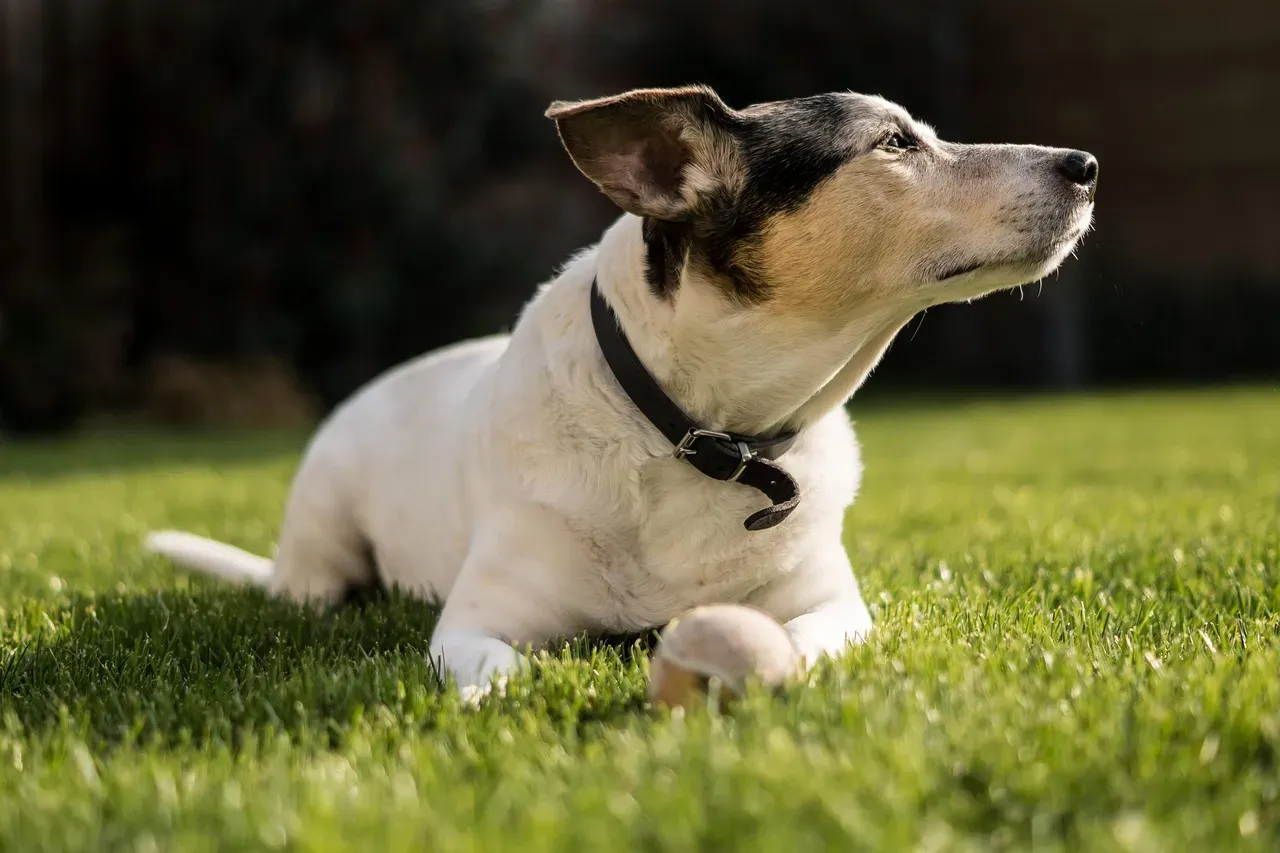
This small yet muscular breed packs an enormous amount of energy into its compact frame. Their boundless stamina and lively personality make them a joy to watch but a handful to manage without consistent training. Think of a Jack Russell like a toddler who has just discovered caffeine. Relentless, clever, and completely convinced they’re in charge.
Jack Russells are notorious for their stubborn streak and high prey drive, which often leads them to chase anything that moves. This independent nature means they tend to follow their instincts over commands. Without proper outlets for their energy, they can easily turn destructive, chewing furniture or digging tirelessly. Daily vigorous exercise and agility challenges are not optional with this breed. They’re essential.
5. Chow Chow: Aloof, Dignified, and Unimpressed by You
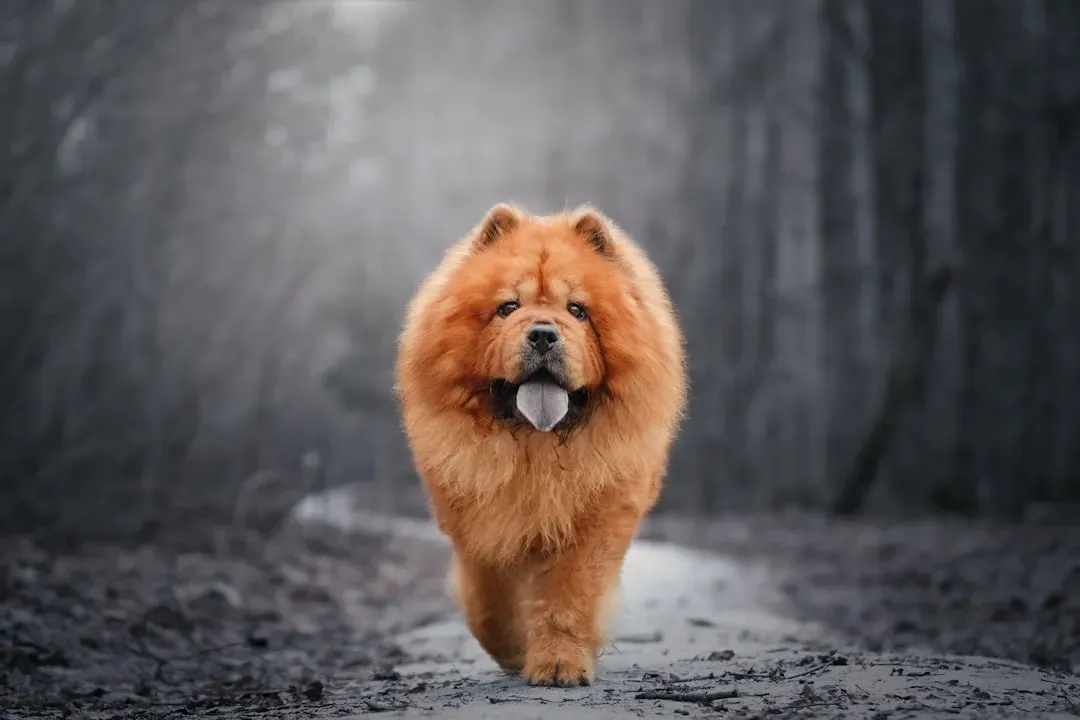
Chow Chows are very intelligent and highly alert and attuned to their environment. They are quick to form perceptions about the world which can be difficult to change. This is where their “stubbornness” is most highlighted. Training a Chow Chow is less like coaching an athlete and more like convincing a cat to do agility. They have their own moral compass and it rarely points toward “sit.”
It is important to start training these dogs when they are young to mold them into well-rounded and well-behaved dogs. Early socialization is non-negotiable. Chow Chows who aren’t exposed to different people, places, and animals from puppyhood can become seriously territorial and aloof in ways that are hard to correct later on.
6. English Bulldog: The World’s Most Loveable Procrastinator
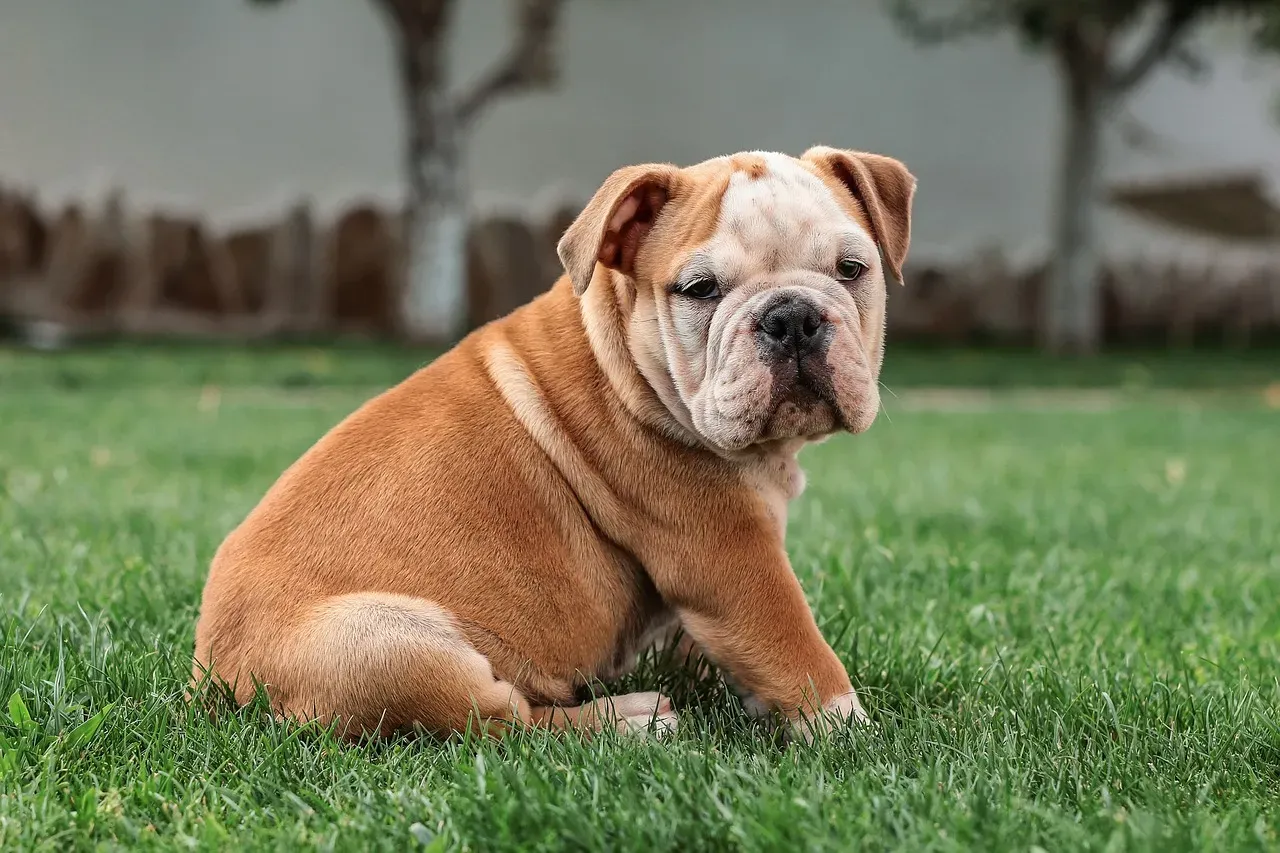
Beneath that charm lies a streak of stubbornness that often makes training a real challenge. Bulldogs tend to do things on their own schedule, and their independent mindset can frustrate even experienced trainers. They aren’t defiant out of malice – they simply have an “I’ll think about it” attitude toward commands. I think of English Bulldogs as the dog equivalent of that friend who agrees to come to your event but shows up two hours late and acts like everything is fine.
Their leisurely pace and low energy mean they may resist repetitive tasks or lengthy training sessions. Consistency is key when dealing with a Bulldog. They respond best to short, upbeat training sessions and plenty of positive reinforcement, especially treats. Keep sessions under ten minutes and celebrate every small win. These pups genuinely want to make you happy, they just want to do it on their schedule.
7. Akita: Loyal to the Bone, Stubborn to the Core
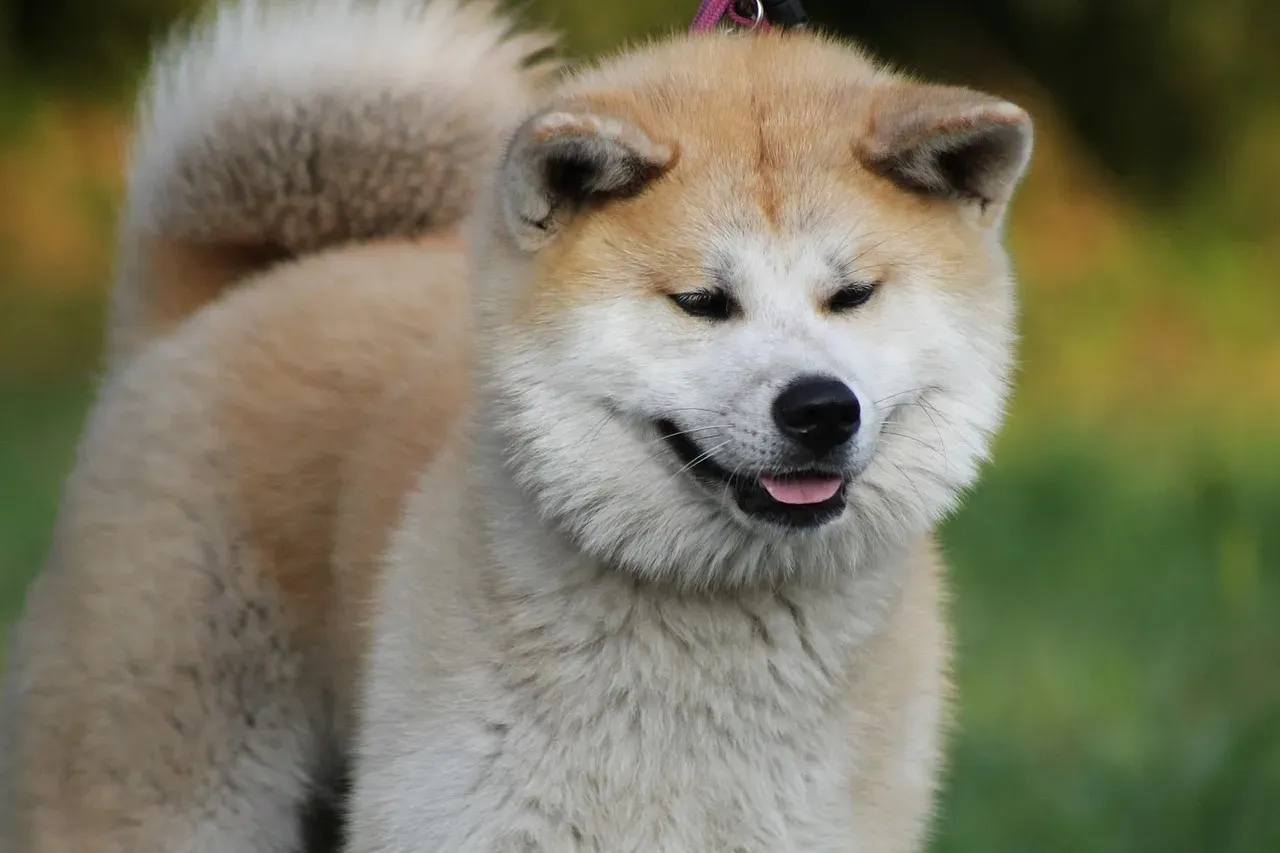
Akitas are known for being protective, deeply loyal, dignified, brave, and affectionate with family. They need to be socialized at a young age because they have a high prey drive from their hunting genes. Training with positive reinforcement at a young age should yield great results. But get there late and you’re working uphill. An unsocialized Akita is a very different dog from one raised with intention.
The dominant Akita is such a stubborn dog that they may just walk away mid-training session. Yes, they will literally get up and leave. It’s oddly hilarious until it isn’t. Firm, calm, consistent leadership built on mutual respect is what makes this breed thrive. Harsh training? That will only shut them down completely.
8. Dachshund: Bred to Hunt Badgers, Not to Listen to You
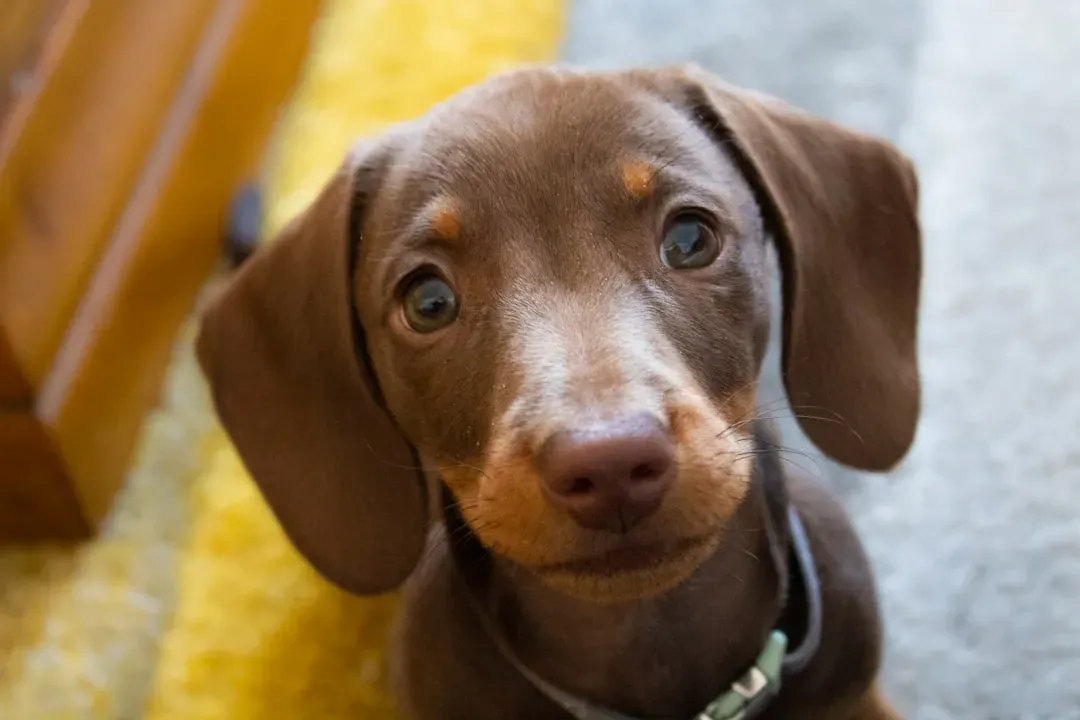
Originally bred to hunt badgers, which required courage and determination, the Dachshund is a fearless and determined breed. That bold personality often shows up as stubbornness in daily life. Dachshunds are loyal and affectionate with their family, but they may test boundaries. Let’s be real – a dog bred to go underground and wrestle a badger to submission is not going to find your “leave it” command particularly compelling.
The Dachshund is well-known for their lively and independent attitude, as well as their intelligence, hunting ability, and stubbornness. Doxies like to do things their own way, and you are likely to find your Dachshund digging holes, chewing on shoes, or chasing your other pets on a daily basis. Clear rules, consistency, and early training help prevent stubborn behavior from becoming a long-term habit.
9. Bullmastiff: Gentle Giant with a Stubborn Streak
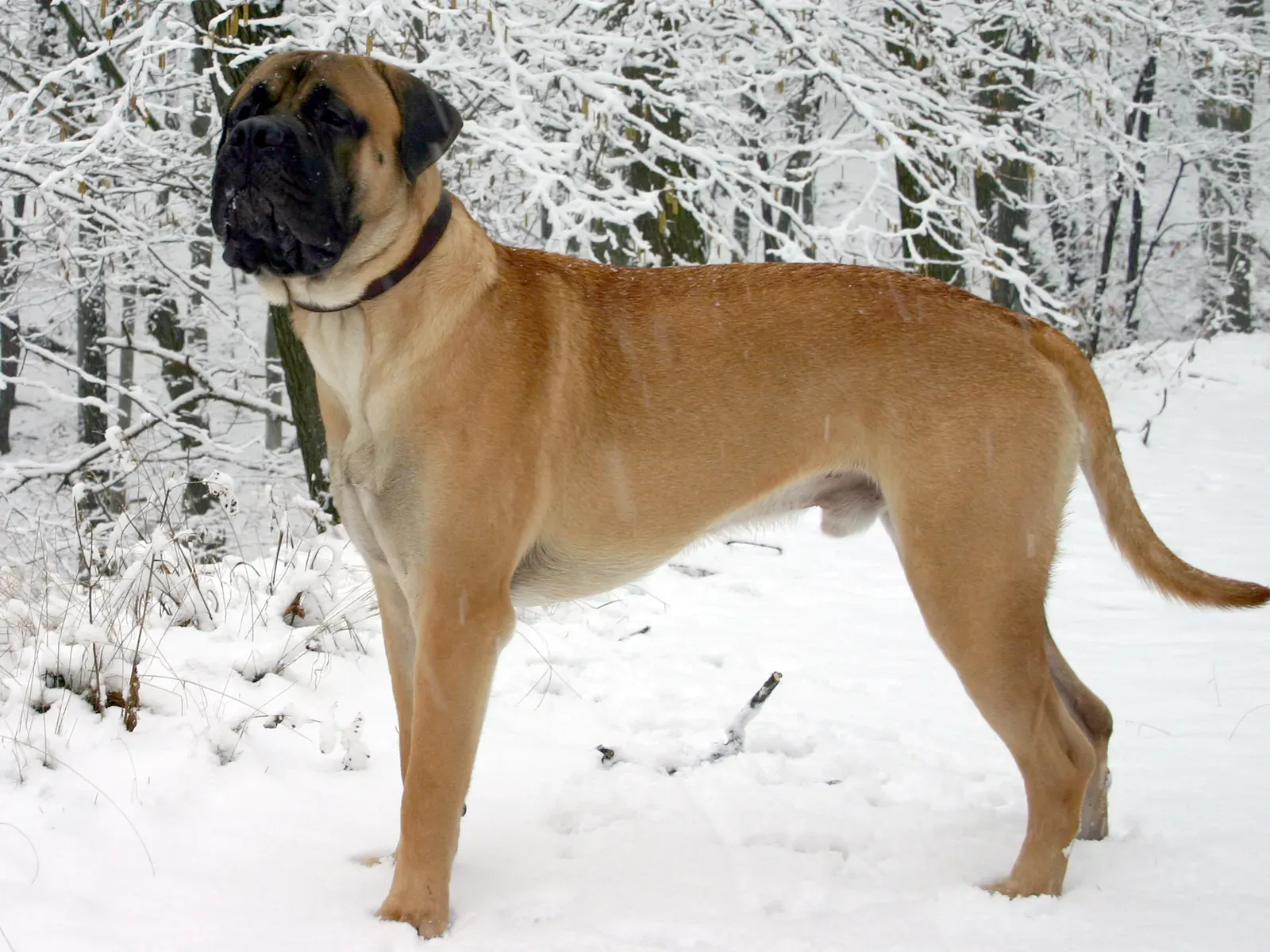
Original: de.wikipedia.org 15:32, 2007-03-20 . . 2.149×1.612 (2 MB) . . Corpusdigitalis, CC BY-SA 2.0 de)
Although Bullmastiffs are people pleasers, they have high guarding instincts and require more training and socialization than other breeds to feel at ease around other dogs and strangers. Bullmastiffs also like to do things their own way, a trait which coupled with their strong build and large size can make it impossible to get them to do what you want. Imagine a dog the size of a small couch deciding it simply won’t move. That’s Tuesday with a Bullmastiff.
Bullmastiffs are huge. Originally bred to be guard dogs, these animals need an experienced trainer for obedience, pack leader, and socialization training. They need a confident, strong-willed owner to match their equally strong-willed nature. The reward for the patience and effort? A fiercely devoted, impossibly gentle giant who would do anything for their family.
10. Basenji: The Dog Who Doesn’t Bark and Doesn’t Listen
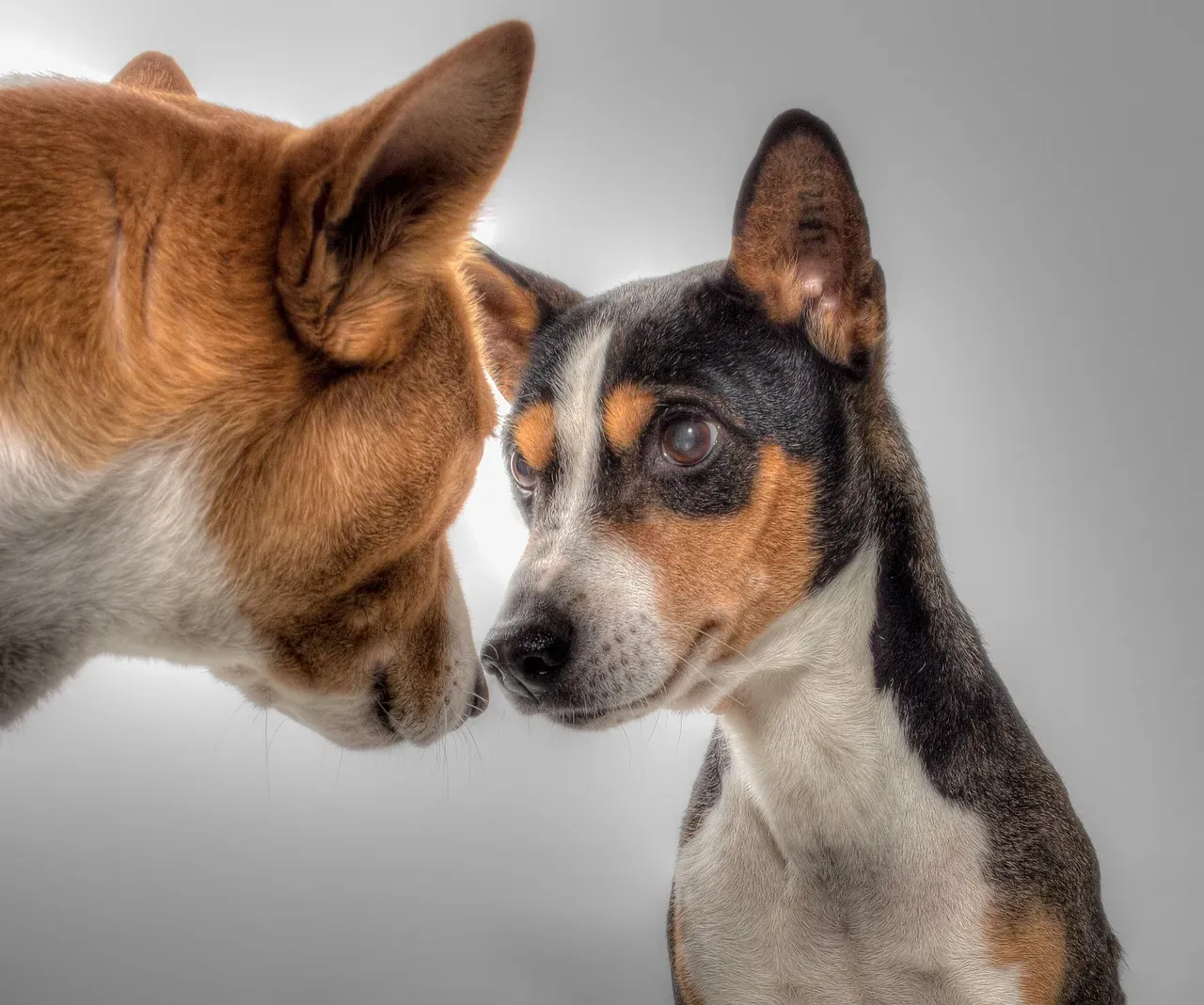
Known for its cat-like independence and self-grooming habits, training a Basenji can feel like negotiating with a clever, self-assured roommate. These dogs are incredibly intelligent yet notoriously stubborn, often preferring to do things on their own terms. They don’t even bark in the traditional sense – they produce a distinctive yodel-like sound. It’s as if they decided human conventions simply weren’t for them.
The Basenji doesn’t like bothering with training. It’s not that these dogs aren’t smart, it’s just that unlike breeds bred to be trainable, the Basenji has spent thousands of years thinking for themselves. They thrive on mental stimulation, so traditional drills won’t cut it – creative methods like puzzle games and scent challenges help keep their sharp minds engaged.
11. Pekingese: Royal Attitude in a Tiny Package
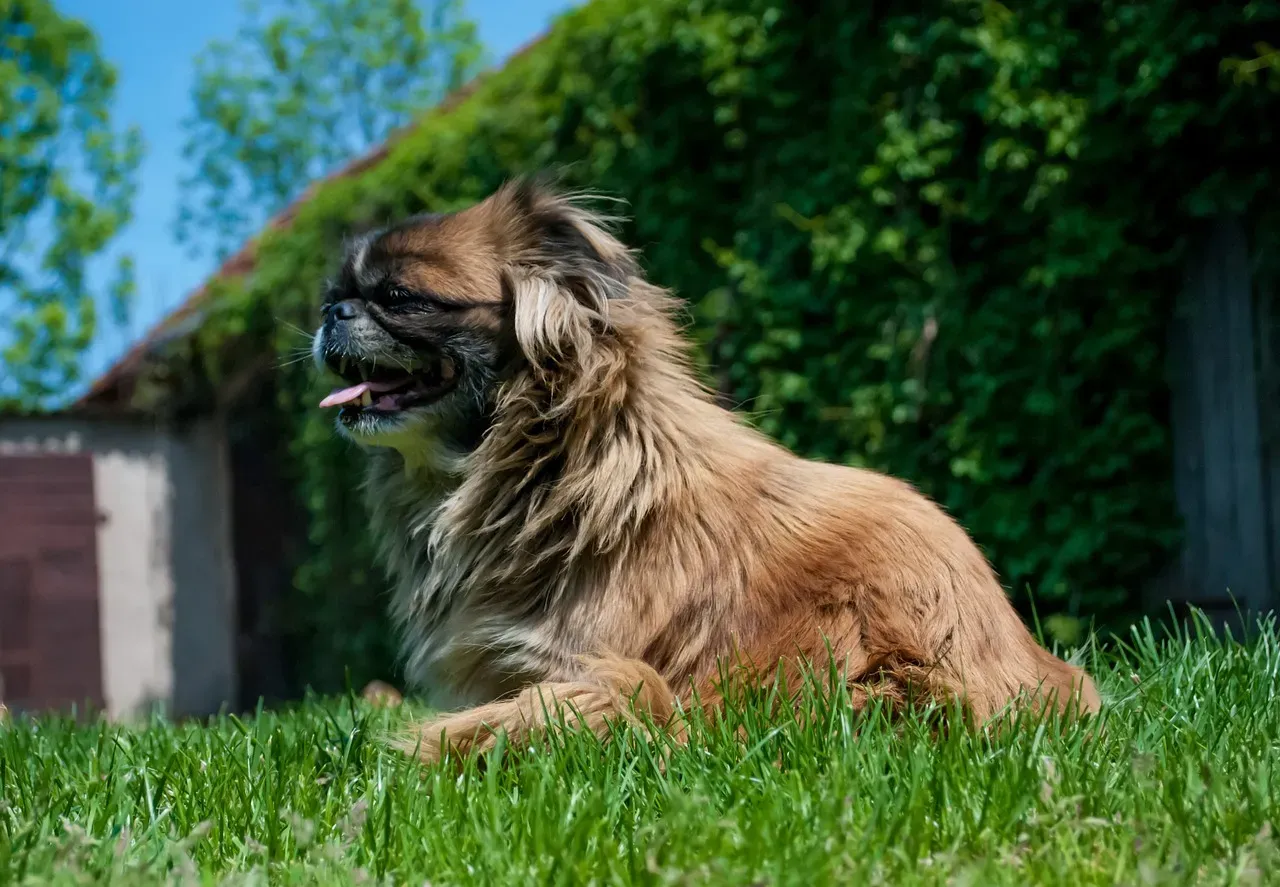
The Pekingese is a small breed with a self-important attitude, reflecting their history as companions to Chinese royalty. They are affectionate with their families but can be stubborn, often displaying a regal indifference to commands or training. Honestly, when you understand that these dogs were literally worshipped in ancient imperial courts, their attitude starts to make a lot more sense. They’re not ignoring you. They’re simply considering your request.
It’s not uncommon for smaller dog breeds to receive little to no training. After all, they’re tiny, so really, how bad could it be if they misbehave? It can be plenty bad, so training any dog, regardless of their size, is essential. Keep sessions playful, keep treats irresistible, and approach every session with warmth rather than frustration. Pekingese respond to kindness far better than authority.
The Bigger Truth About “Difficult” Dogs
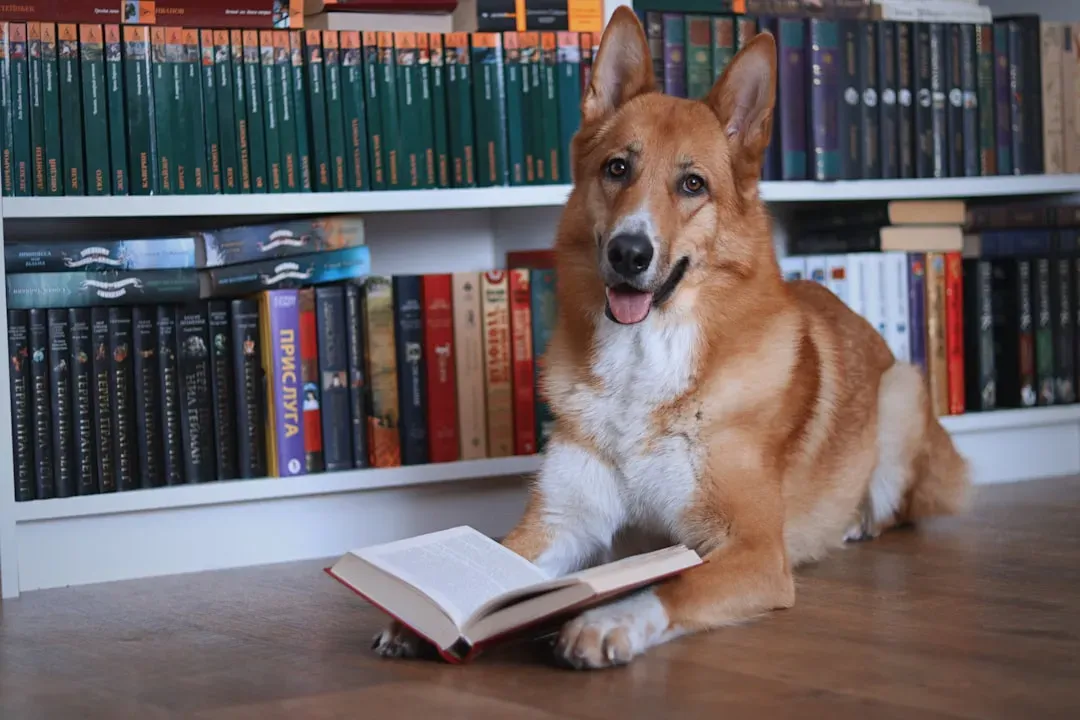
Here is something I want every dog parent reading this to hold close: a challenging dog is not a bad dog. Stubbornness in dogs is often a manifestation of their intelligence, independence, or a deep-seated instinctual behavior. While this trait can present a challenge in training, it also reflects a dog’s strong personality and can be a sign of a highly intelligent animal who likes to think for itself. That’s actually something worth celebrating, even on the hard days.
Studies highlight how positive reinforcement techniques, instead of creating anxious or frustrated learners, activate a dog’s natural curiosity and intelligence. Dogs actively participate in the training process, experimenting and problem-solving to understand desired behaviors. This not only leads to more effective training outcomes but also cultivates a more independent and confident canine companion. In other words, the moment you stop trying to overpower your dog’s nature and start working with it, everything shifts.
Training sessions that are a few minutes long and repeated several times a day can be quite effective in changing a dog’s behavior. Consistency and patience are key when training any puppy but are especially important with the hardest dog breeds to train. Think of it less like obedience school and more like learning to speak each other’s language, fluently, over time.
Every one of these eleven breeds has given their owners moments of pure, unfiltered frustration. Every single one of them has also given those same owners moments of indescribable joy, laughter, and love that no “easy” dog could replicate. The challenge is part of the bond. Stay patient, stay consistent, stay curious about your dog’s world, and you’ll get there. What breed is currently giving you a run for your money? Drop it in the comments – you might just inspire someone else who needed to know they weren’t alone.


