
Picture this: your cat is napping in a sunbeam, your rabbit is hopping around the living room, and your dog is calmly watching it all with a wagging tail, completely unbothered. For many multi-pet households, that kind of scene feels aspirational, maybe even impossible. The truth, though, is that it’s very much achievable with the right breed.
Not every dog is wired the same way. Some breeds carry deep-seated prey drives or territorial instincts that can make life stressful for every animal under your roof. Others seem almost naturally gifted at sharing space, reading social cues, and treating the family cat like a perfectly acceptable couch partner. Dogs that get along well with other pets tend to share three core traits: a low prey drive, a calm and social temperament, and a solid foundation of early socialization. Keep that in mind as we walk through these eleven standout breeds, because while breed matters, the way you raise and introduce your dog matters just as much.
1. Golden Retriever: The One Who Loves Everybody
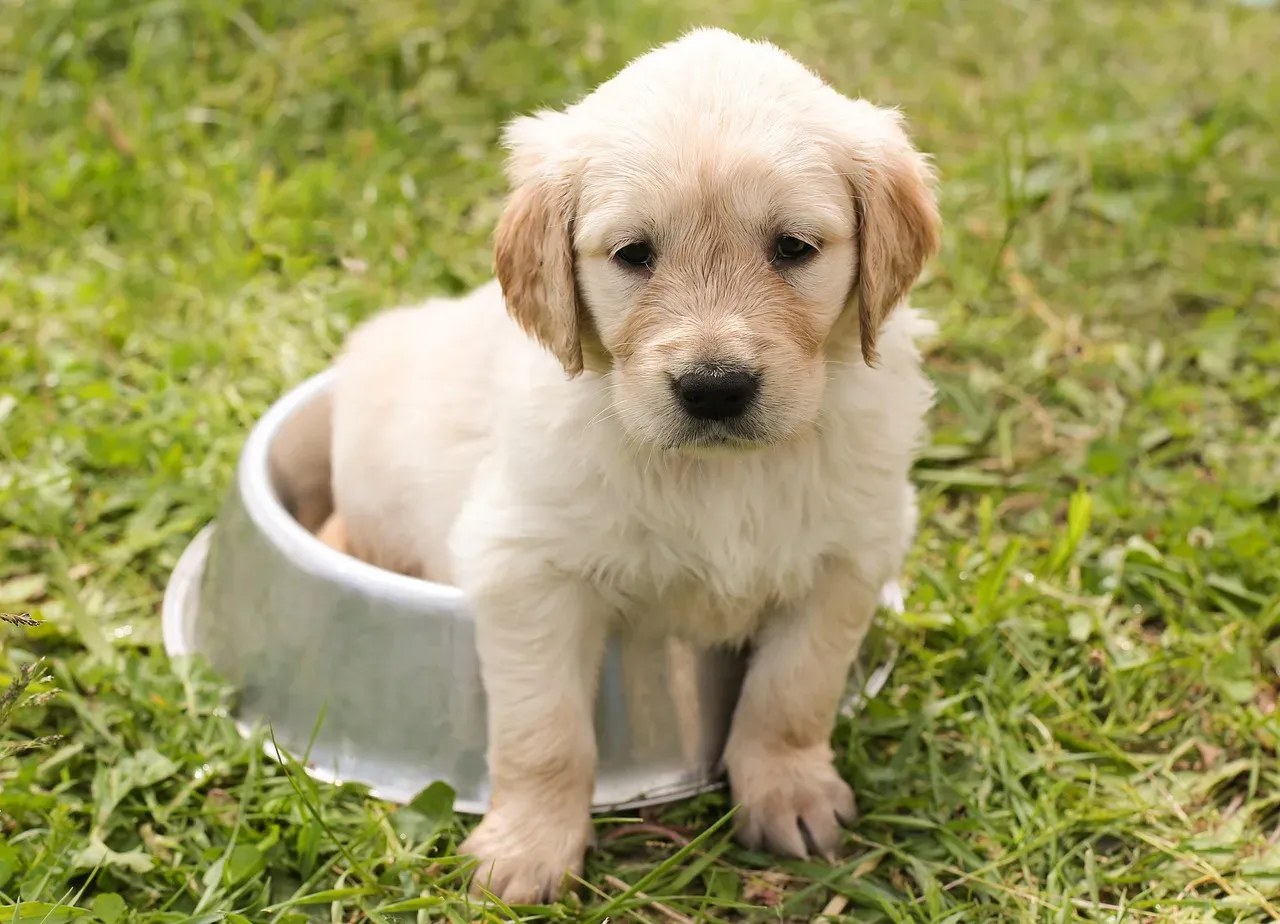
Golden Retrievers are widely loved for their affectionate nature and gentle personality. They are patient, tolerant, and extremely adaptable, making them excellent companions in multi-pet households. Their playful demeanor ensures they get along well with other dogs, while their calm temperament helps them coexist peacefully with cats. It’s genuinely hard to think of a breed more naturally suited to a busy, multi-species home.
Golden Retrievers are well-known for their friendly natures and chill temperaments. These canines get along extremely well with other dogs and can become friendly with cats, though that may take a little more time. After proper introductions and some socialization, everyone should get along quite well, as they’re considered very sociable. One practical tip: train your Golden early not to chase, since their enthusiasm can occasionally overwhelm smaller pets. They pick it up quickly, and once they do, the whole household benefits.
2. Labrador Retriever: The Sociable Gentle Giant

Labrador Retrievers are kind and outgoing, and are known to get along with everyone they meet, regardless of species. They are gentle, intelligent, and eager to please. Labs also benefit from one notable quality: the Lab is one of the most popular dog breeds but is also known for their friendly and easygoing nature. Labs typically have a low prey drive and are often welcoming to cats when properly introduced.
Along with befriending your cat, the Lab is a gentle giant who will make an ideal companion for your children. Though Labs are not the jealous type and are more than willing to share their space with the cat, the cat must be willing to share their space with the dog as well. That last point is worth sitting with. Harmony in a multi-pet home is never entirely one-sided. Labrador Retrievers are equally amiable and good-natured. Provided they get enough training to tone down their excited nature, they can be great with other pets and put up with a lot from them. If your cat gets a little too feisty, a Lab will likely take it all in stride.
3. Cavalier King Charles Spaniel: Small Dog, Big Heart
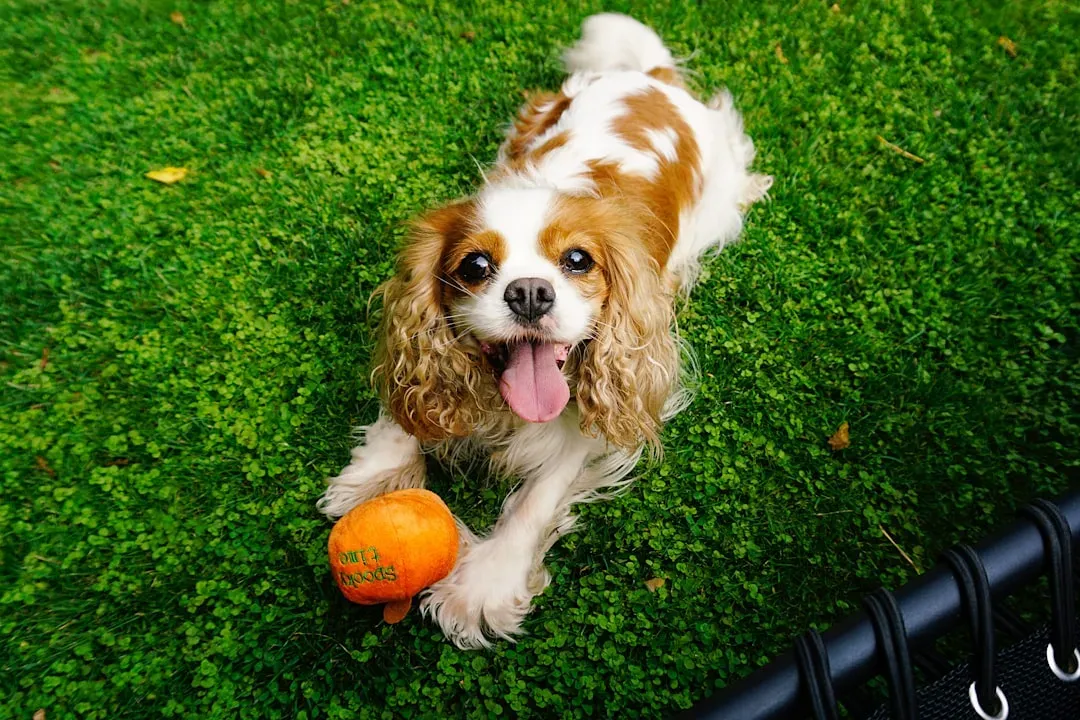
The Cavalier King Charles Spaniel is a small, affectionate dog that flourishes in close family environments with lots of interaction. Their kind nature and strong desire for companionship make them especially sociable, forming deep bonds with family members and other pets. They’re gentle enough to coexist with cats and calm enough not to startle timid animals.
Despite their overwhelmingly regal name, Cavalier King Charles Spaniels are non-fussy pups who can adapt to a variety of environments and situations. They typically get along well with cats when properly introduced. With their gentle temperament, Cavaliers often form strong bonds with their feline friends, enjoying companionship and playtime together. One thing to keep in mind: they are Spaniels, so they might occasionally have hunting instincts kick in with smaller animals. That’s why supervised introductions are always recommended, regardless of breed.
4. Beagle: The Pack Dog Who Sees Everyone as Family

Beagles were bred to hunt in packs, so they are typically friendly with other animals. Their happy-go-lucky nature makes them a pleasure to live with. They are loving companions that are likely to see a cat as just another member of the pack. That pack mentality is genuinely powerful in a multi-pet household. To a Beagle, more company is rarely a problem.
Beagles are known for their merry and sociable personalities. They have a strong instinct for tracking scents and may be more prone to chasing cats than some other breeds on this list. That said, with proper training and early socialization, they can learn to coexist peacefully with cats. Slow introductions and positive reinforcement are key for a harmonious household. A Beagle that sniffs every corner of the house is normal, endearing, and usually completely harmless once they’ve mapped out their new crew.
5. Poodle: The Intelligent Peacemaker

Poodles are the epitome of intelligence and adaptability. Friendly and playful, they naturally tend to get along with cats. Their social personalities and eagerness to please make them a great fit for multi-pet homes. Plus, Poodles’ quick learning ability makes it a bit easier to train them to respect their feline companions. This matters more than people realize. A dog that responds reliably to commands is a much safer housemate for smaller or more anxious pets.
Poodles are not only one of the most intelligent dog breeds, but they are also among the friendliest. Whether you choose a Standard, Miniature, or Toy Poodle, these dogs are known for their affectionate and sociable nature. Poodles quickly form strong bonds with their families and are known for their playful yet gentle disposition. They are highly trainable and excel in obedience training, making them an excellent choice for families who want a well-mannered dog. And yes, that good manners extends to the cat on the couch.
6. Bichon Frise: The Cheerful Little Diplomat

The Bichon Frise is a charming and affectionate breed that can often form close bonds with cats. Their friendly, non-aggressive nature makes them good candidates for a successful inter-species companionship. They’re also small enough that most cats don’t feel threatened by their presence, which gives the whole introduction process a much better starting point.
If you want a small dog that gets along with other pets, look no further than the Bichon Frise. This canine is one of the friendliest dogs around and adores making new friends, including other animals. Whether you have dogs, cats, or other animals, this pup should see them as playmates almost immediately. That doesn’t mean you can skip out on early socialization, of course, but this breed’s sociable nature does much of the work for you. Think of them as the social butterfly of the small dog world, the one who actually enjoys meeting new family members.
7. Basset Hound: The Low-Key Companion

The Basset Hound is loyal, patient, and low-key. Training may be a bit of a challenge because they have a hound’s stubborn streak, but their mild-mannered attitude makes them friendly and tolerant of other animals. Their energy levels are naturally low, and that, perhaps more than anything else, makes them a comfortable presence for cats and calmer pets who value their personal space.
The Basset Hound is a good-natured and low-energy companion. They are generally affectionate and friendly with kids and other pets, especially with proper introductions, socialization, and supervision. One gentle caution: as friendly dogs, some Basset Hounds don’t do well when left alone for long periods and can develop separation anxiety. Make sure your Basset has mental enrichment or company when you’re away from home for more than a few hours. In a multi-pet household, that built-in need for company can actually work in everyone’s favor.
8. Collie: The Watchful, Gentle Protector
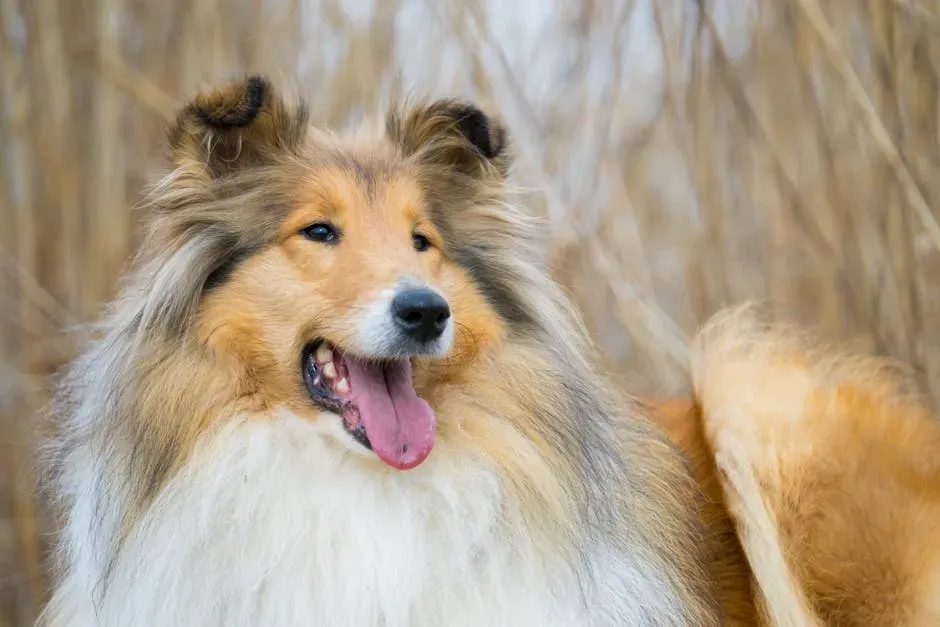
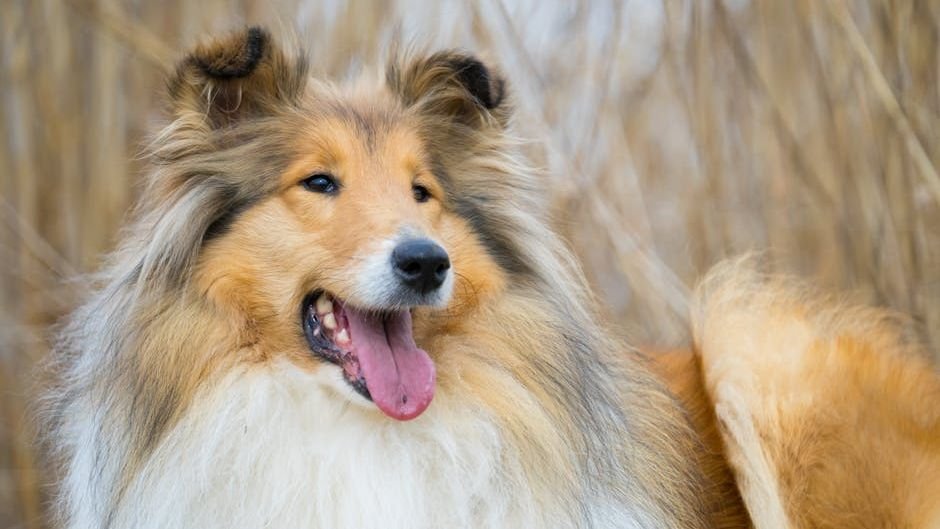
Collies are athletic; they do best with a lot of exercise and companionship. They are vocal dogs that tend to be tolerant of other family pets. They have a beautiful quality that’s easy to overlook: their herding instinct, when channeled properly, often translates into a quiet protectiveness over every creature in the household rather than harassment of smaller animals.
Collies are well-behaved, gentle, and loyal. Their personalities make them great for kids and other pets, including cats. Giving your Collie plenty of daily physical activity is genuinely important for keeping the peace. A well-exercised Collie is calm, focused, and far less likely to fixate on the family rabbit out of boredom. Keep their minds and bodies busy, and they’ll reward you with remarkably thoughtful behavior around the rest of the animal crew.
9. Pug: The Easygoing Little Character

Pugs pack a lot of love into a little body. These dogs have a ton of personality and love attention. A cat can help keep them company when their owners are away. They may be small, but they are tough enough to have a feline playmate. Pugs are also non-threatening by nature, which puts nervous cats, timid rabbits, and other animals at ease almost immediately.
Pugs are full of love, and cats can make for their perfect, unlikely friend that matches their size. Pugs are usually calm and easy to please, but able to stand their ground firmly against their bossy cat friends. Being such social dog breeds, pugs can get along well with most any pets. Keep in mind that Pugs have short snouts, which means they need only moderate exercise, and due to their short snouts, they can struggle with breathing during intense activity, so it’s best to avoid overexertion. A calm daily routine suits everyone in a Pug’s household just fine.
10. Shih Tzu: The Companion Breed Born to Share

Shih Tzus are affectionate and outgoing, making them excellent companions for cats. Their gentle nature and small size help them get along well with feline friends. Shih Tzus thrive on companionship and enjoy lounging around, making them ideal for homes where they can spend plenty of time with both their human and feline family members. They’re essentially designed for cozy multi-pet life.
As Shih Tzus are generally very sociable pups, they typically get along well with other pets within the home. Just note that they’ll need to be properly socialized and introduced in order to achieve a harmonious household. One nuance worth knowing: Shih Tzus were originally bred as companion dogs, which means they can tend to be more comfortable around pets of a similar or smaller stature, as opposed to much larger pets. This is primarily due to their small size causing them to feel potentially more vulnerable around larger or more assertive animals. Pairing them thoughtfully with other household pets sets everyone up for success.
11. Newfoundland: The Gentle Giant Who Floats Above the Drama

Newfoundland dogs, often referred to as “gentle giants,” combine strength with a kind temperament. This breed is beloved for its loyal, patient, and gentle nature, making them fantastic companions for families, singles, and seniors alike. Their sheer size can be startling at first, but once you see a full-grown Newfie gently navigating around a sleeping cat without disturbing it, the nickname makes complete sense.
Newfoundlands typically get along well with other pets, including dogs and cats. As long as they are socialized from a young age, they can adapt to living harmoniously with other animals. Their emotional sensitivity is worth understanding, too. Newfoundlands possess a high degree of emotional intelligence, allowing them to sense the feelings of their owners. They are known to provide comfort during times of distress, often snuggling up to family members who may be feeling sad or anxious. That same sensitivity makes them unusually attuned to the emotional states of other animals in the home, which is a quiet superpower for a multi-pet household.
Conclusion: Choosing the Right Fit for Your Whole Family

Every household is different, and so is every dog. The breeds on this list give you a meaningful head start, but they’re not a guarantee on their own. While successful integration largely depends on the individual personalities of the pets involved, certain dog breeds have traits that make them more likely to get along well with cats and other pets. Knowing those traits helps you make a smarter, kinder choice for everyone under your roof.
Choosing a breed known for friendliness and adaptability is only the first step. Successful multi-pet households also require proper introductions, consistent training, and patience. Whether you’re bringing in a new dog, cat, or smaller animal, taking time to allow each pet to adjust helps prevent conflicts and builds trust. Remember, every pet has its own personality, so focusing on their comfort and boundaries ensures long-term peace in your home.
The home you’re building for your animals reflects the love and thoughtfulness you put into it. Pick a breed that matches your household’s energy, introduce everyone slowly and positively, and don’t rush the process. The reward, watching your dog and cat share a couch or your Newfie gently plod past the rabbit hutch without a second glance, is worth every careful step it takes to get there.


