
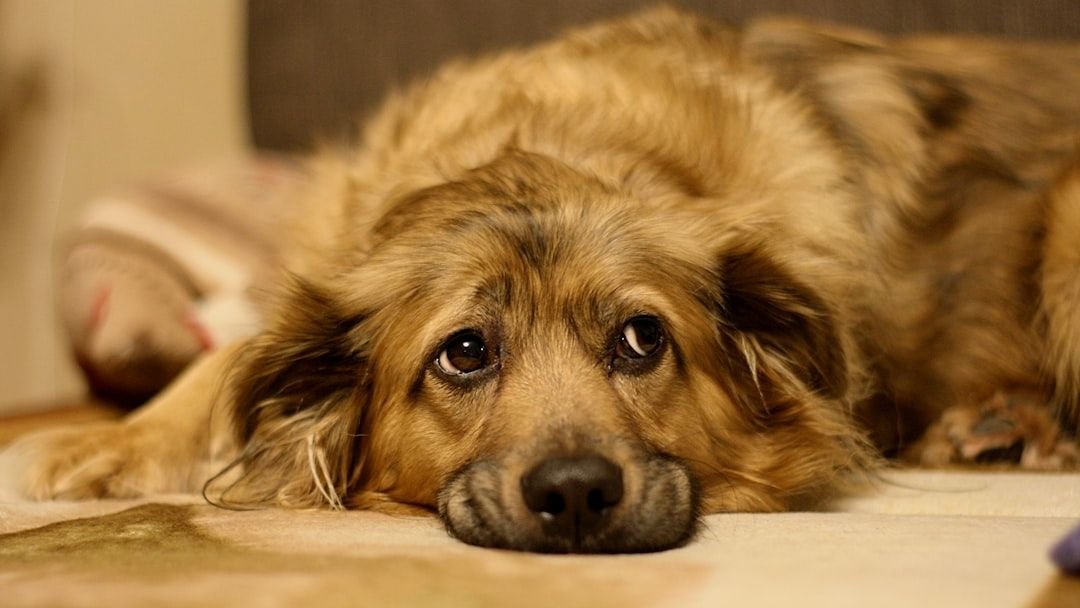
Most dog owners would never intentionally stress out their furry best friend. Yet every single day, well-meaning people are doing exactly that without even realizing it. It’s not dramatic neglect or obvious cruelty. It’s the small, repeated, everyday habits that quietly chip away at a dog’s sense of safety and security.
Small everyday habits can have a big impact on a dog’s well-being, and a dog’s anxiety often begins quietly. It’s not always barking or restlessness. Sometimes it’s just a look, a tucked tail, or a loss of appetite. That’s what makes it so easy to miss. So if you’ve ever wondered why your dog seems on edge, nervous, or just not quite themselves, one of these habits might be the silent culprit. Let’s dive in.
1. Keeping an Unpredictable Daily Routine
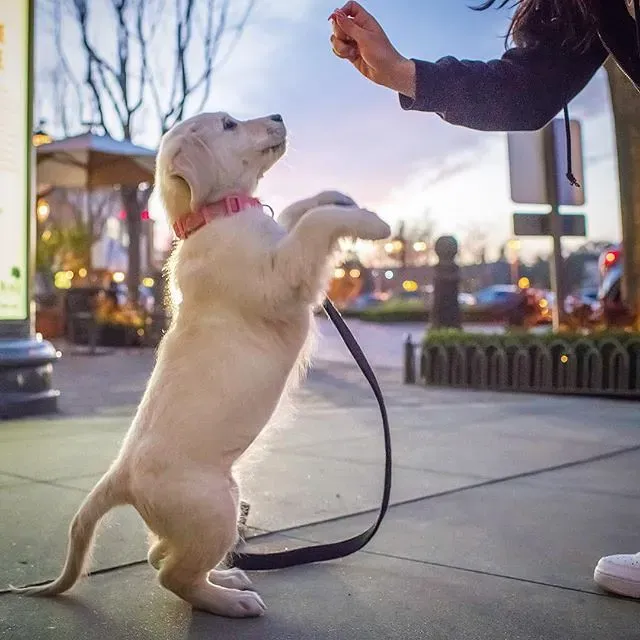
Here’s the thing about dogs. They are, at their core, creatures of habit. Dogs are big on predictability. They want to eat and walk at the same time every single day, and when their routines are constantly shifting, it can make them feel unsure and anxious about what they should expect.
Think of it like this. Imagine going to work every day at a different hour with no warning. You’d be a mess, right? A lack of structure in feeding, walks, and bedtime can make your dog feel deeply insecure. Sticking to a consistent schedule is one of the simplest, most powerful gifts you can give your dog.
2. Yelling or Using Harsh Punishment
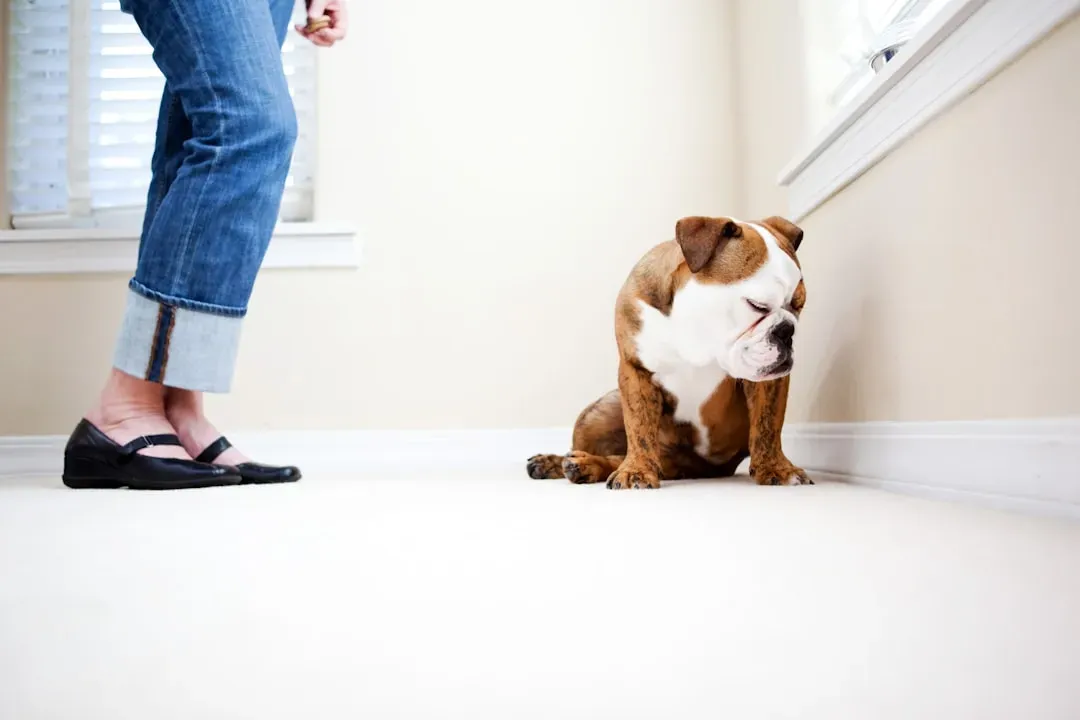
Scolding, yelling, or physical punishment breaks trust and creates fear. It might feel like you’re communicating clearly in the moment, but your dog is not processing it the way you think. Dogs aren’t trying to be defiant. They’re just operating on a completely different communication system.
Punishment only serves to increase a dog’s anxiety. If done in the moment, such as when a reactive dog lunges at a stranger, the dog can associate the punishment with the trigger, which will only convince them they were right to be anxious in the first place, and the dog’s negative emotional response will have strengthened. Patience and positive reinforcement are a far more effective path forward.
3. Leaving Them Alone for Long Stretches

Dogs are social animals, and spending too much time alone can lead to insecurity and separation anxiety. It builds slowly, often unnoticed. One long day becomes a week of long days, and suddenly you’re dealing with a dog who panics every time you reach for your car keys.
Dogs can exhibit anxiety through a wide range of behavior problems, including signs of distress such as whining, howling, barking, pacing, house soiling, or destroying household items after their owner leaves. While at home, dogs with separation anxiety often prefer to be in the same room as their owners, and they start becoming stressed when they see their owner preparing to go out. Those cues are real. Don’t dismiss them.
4. Projecting Your Own Stress Onto Them

Honestly, this one surprised me when I first read about it. Dogs are remarkably attuned to human emotion. Dogs often feel anxious in response to human emotions. If a dog’s owner seems outwardly anxious about a situation, the dog may learn to respond to that situation in an anxious manner, and this learned behavior can become self-fulfilling when a well-intentioned owner becomes more anxious or obsessive about the dog’s response.
A slew of studies have found that dogs respond to human emotions. So when you’re tense, rushed, or overwhelmed, your dog is quietly absorbing all of it. They’re not just pets in your space. They’re emotional sponges with four paws.
5. Forcing Them Into Overwhelming Social Situations

Constantly taking a nervous dog to crowded areas and noisy streets on walks without gradually exposing them to environments like that can make them far more anxious. Many dog owners assume that automatic exposure will help build a dog’s comfort and confidence, but for many dogs, it ends up doing the opposite.
If your dog demonstrates anxious behaviors, don’t force them to interact with whatever is causing their fear. For example, if your dog barks or growls at a friend they’re meeting for the first time, don’t force them to get along. Your dog is telling you they’re uncomfortable, and if pushed, it could lead to snapping or even biting. Going slow is not giving up. It’s being smart.
6. Ignoring Their Stress Signals
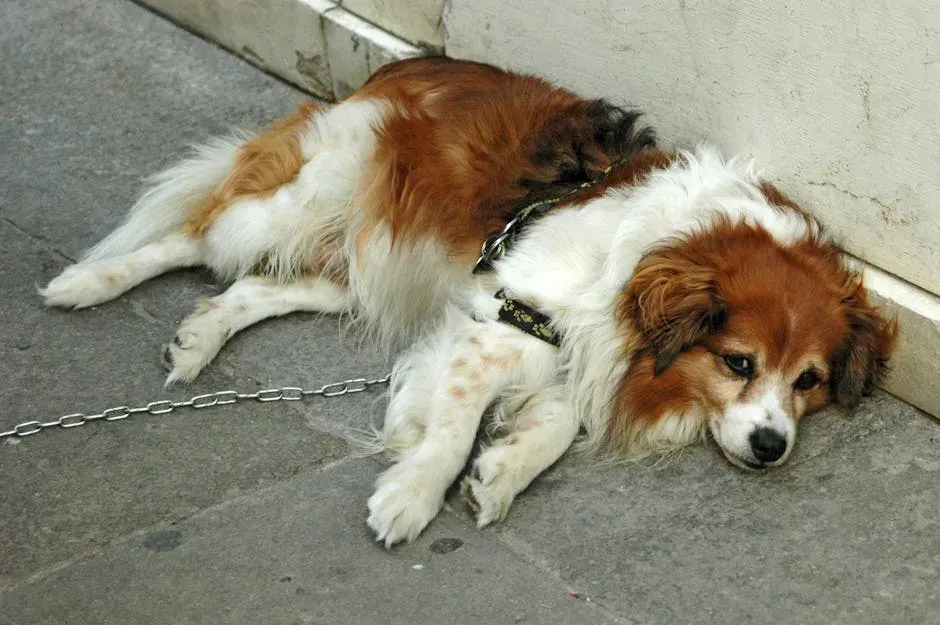
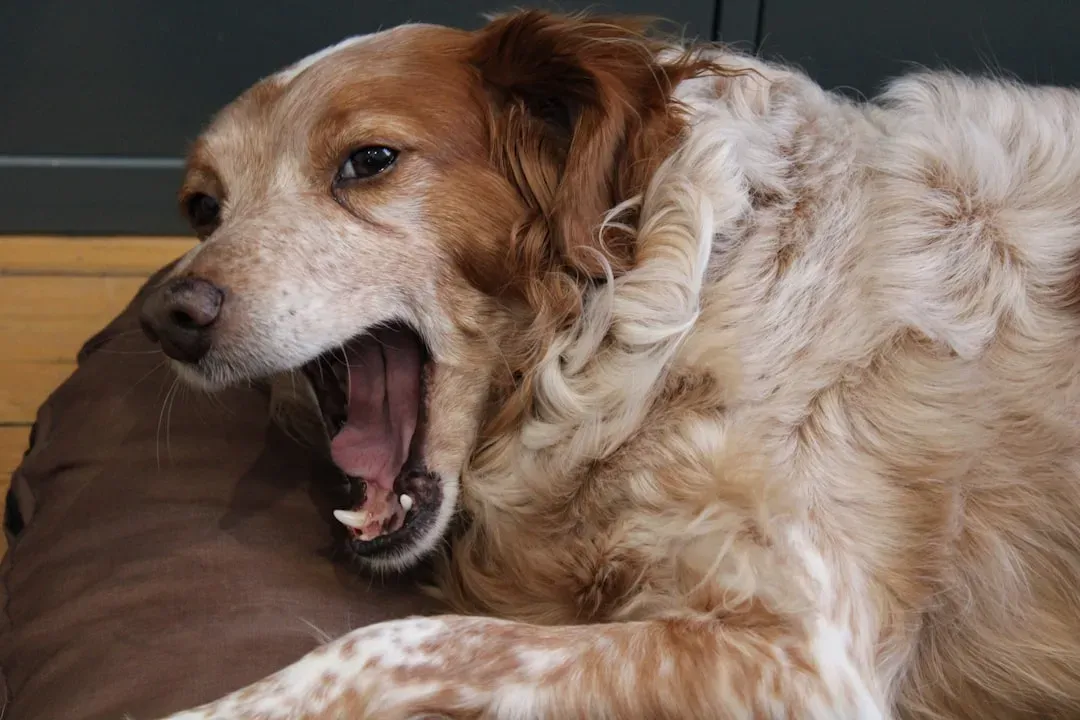
Dogs communicate constantly. The problem is that most people aren’t listening. Our dogs do not voice their feelings or have a tantrum, so the signs of anxiety in dogs are often subtle and can easily be misinterpreted unless the full context is understood. A yawn that seems odd, a sudden sneeze, a tucked tail. These are not random quirks.
When those warning signals are ignored, dogs end up feeling forced to stay in situations that make them feel uneasy. This tends to happen in more social moments, like dogs meeting new people or other animals. Owners should pay attention to their dogs’ cues and recognize that boundaries are important with them as well. Learning to read those signals is one of the most caring things an owner can do.
7. Lack of Exercise and Mental Stimulation
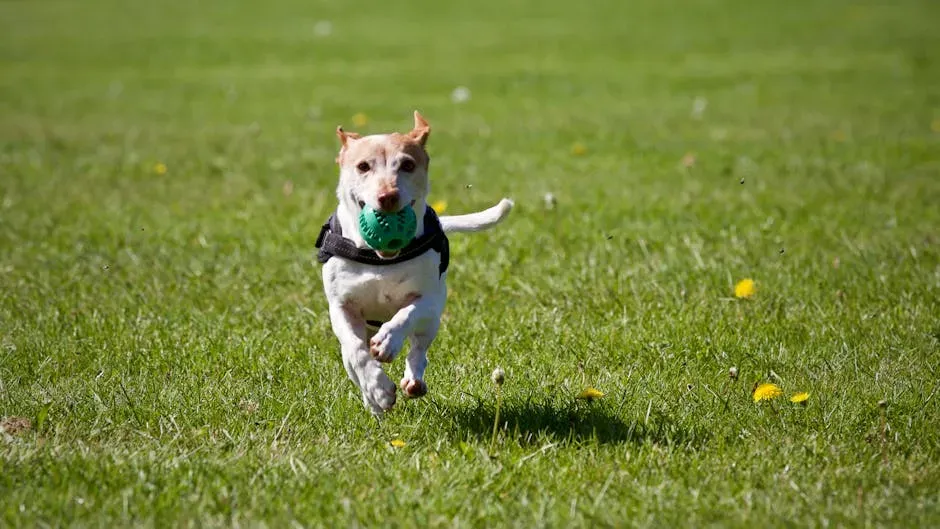
Not enough physical or mental activity can leave dogs restless and anxious. It’s a bit like keeping a child cooped up indoors all weekend. The energy doesn’t just disappear. It finds somewhere to go, and that somewhere is usually destruction, barking, or sheer nervous tension.
Dogs of all ages, sizes, and breeds need daily exercise and play for their health, happiness, and mental enrichment. It’s important to engage a dog’s brain and body through interactive play, such as fun training sessions and enrichment games. A tired dog, in the best possible sense of the word, is generally a calm dog.
8. Exposing Them to Constant Loud or Sudden Noises
Vacuums, hair dryers, or a blaring TV can stress your dog out, especially when the sounds come on suddenly. Most owners don’t think twice about flipping on the TV at full volume or blasting music. To us it’s background noise. To a dog, it can feel like an alarm going off.
While most dogs might be startled by an unexpected sound and then move on, a sound-sensitive dog does not recover from that initial reaction, and they will continue to show signs of distress. Over time, repeated loud and unpredictable sounds can condition a dog to exist in a constant state of low-grade alertness. That’s exhausting for anyone, dog or human.
9. Poor or Absent Early Socialization
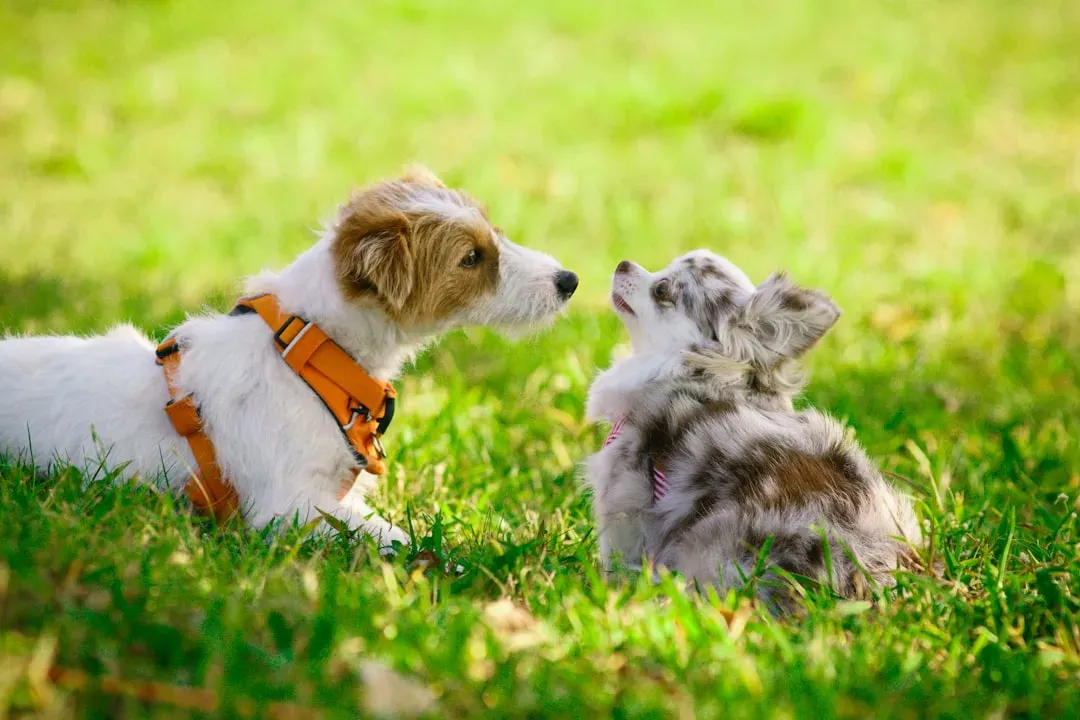
This one is less a daily habit and more a critical window that closes fast. Puppies who have not been properly socialized or exposed to unfamiliar experiences can mature into fearful, anxious dogs. It’s a bit like missing the early years of language development in a child. The gap can follow them for life.
Proper socialization is crucial for dogs to develop a calm and pleasant temperament as they age. It is critical to begin socializing dogs at a young age. When a dog is young, they need to meet a lot of new people and see many different locations, and it’s critical that these experiences be positive and fun rather than intimidating. The foundations laid in puppyhood echo through every year that follows.
10. Overwhelming Them With Too Much at Once
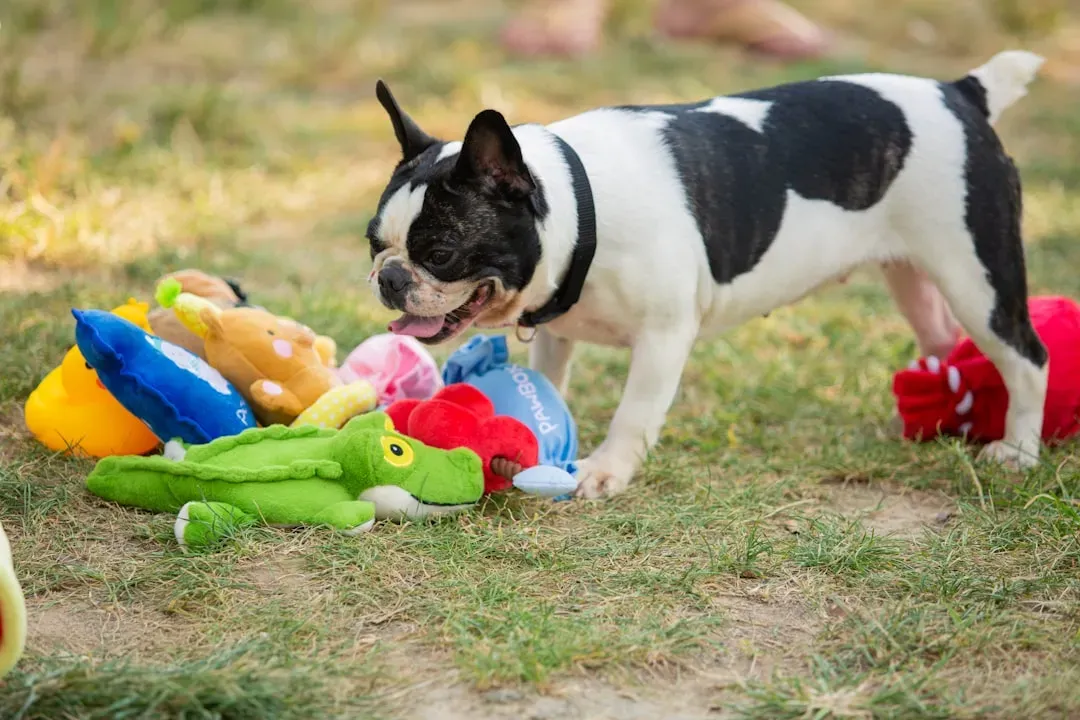
I know it sounds crazy, but something as well-intentioned as showering your dog with new toys can actually backfire. The problem is that dumping a bunch of new toys in front of a dog at once can sometimes be more overwhelming than exciting. Dogs usually get overwhelmed when confronted by new things, so too many new things at once can send them into a frenzy, and rather than wanting to play, dogs may freeze up completely or just ignore the toys.
Dogs want to play with things that feel safe to them. Introducing toys one at a time means they can get comfortable with that specific toy. The same principle applies to new people, new places, and new experiences. Gradual introduction is kindness in disguise.
11. Major Environmental Changes Without Transition Support
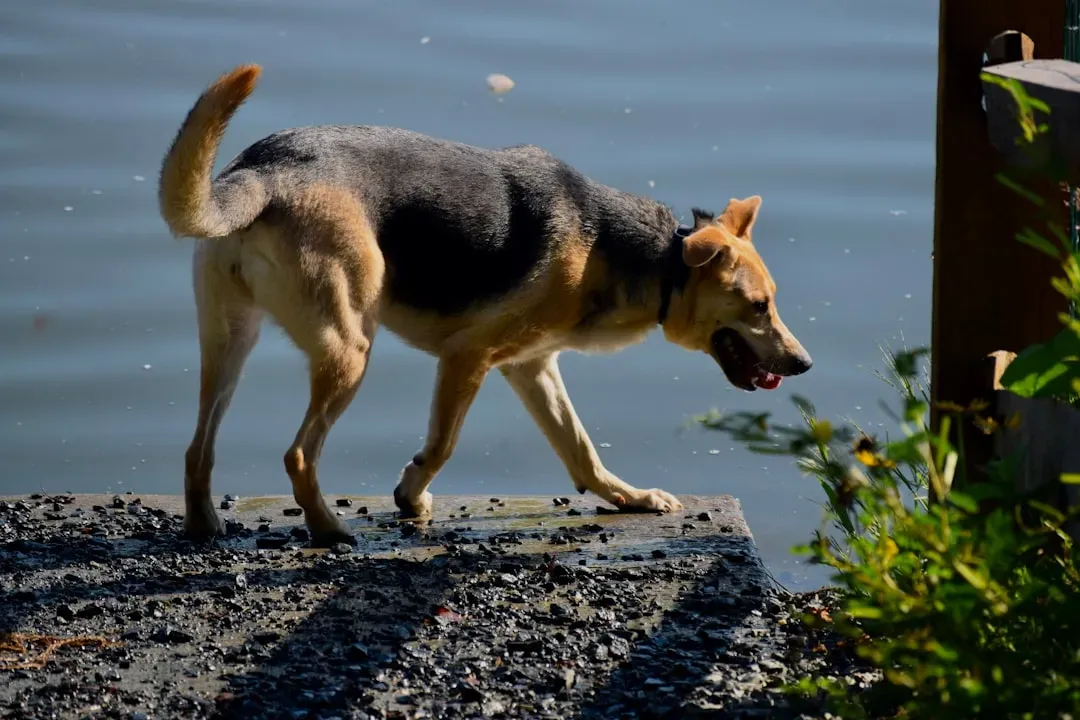
New furniture, moving to a new place, or introducing new family members can be major stressors for dogs. We tend to underestimate just how much dogs depend on their physical environment feeling familiar and safe. To them, a new home isn’t an adventure. It can feel like the whole world shifted without warning.
Significant changes can be quite upsetting for beloved pets. Dogs have a tendency to form habits, and moving to a new home, meeting a new roommate, grieving the loss of a loved one, and adjusting to a new daily schedule can all be stressful for a canine partner. Supporting your dog through transitions with consistency, familiar items, and extra patience makes all the difference.
A Final Thought Worth Sitting With
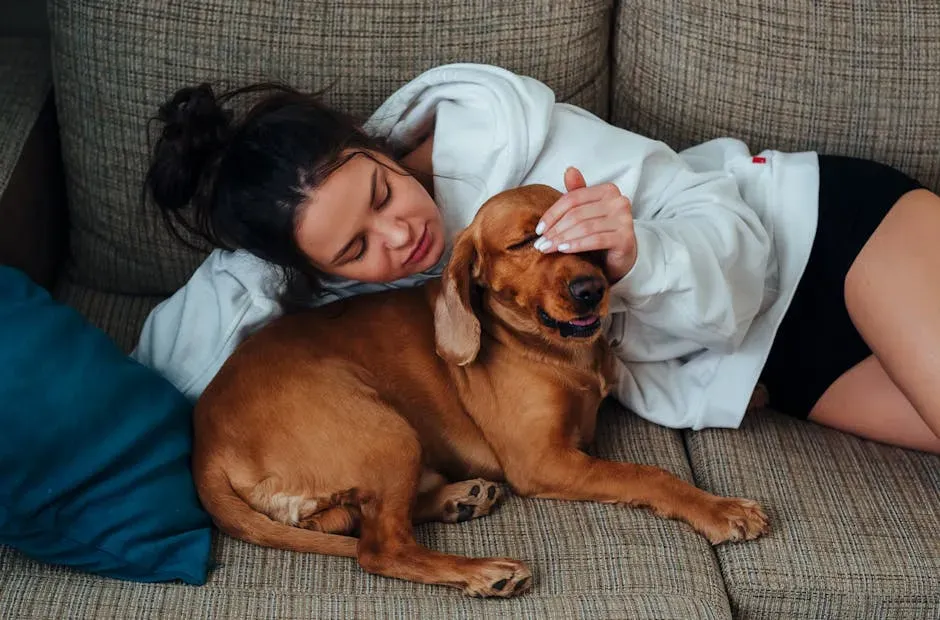
The hardest part about all of this is that nearly every habit on this list comes from a place of love, busy schedules, or simply not knowing. Nobody sets out to make their dog anxious. Yet if disproportionate levels of anxiety are left unchecked, a dog can develop an anxiety disorder, and if left untreated, dog anxiety can lead to behavioral and other issues.
An anxious dog is an unhappy dog, and you can change that by adding consistency and predictability to your dog’s life. Small shifts in your daily habits can create a genuinely calmer, more confident animal. You don’t have to overhaul everything overnight. Start with one thing on this list and watch what happens.
Your dog can’t tell you what’s wrong. But they’ve been trying to show you all along. The question is, were you paying attention? Share your thoughts in the comments below.


