
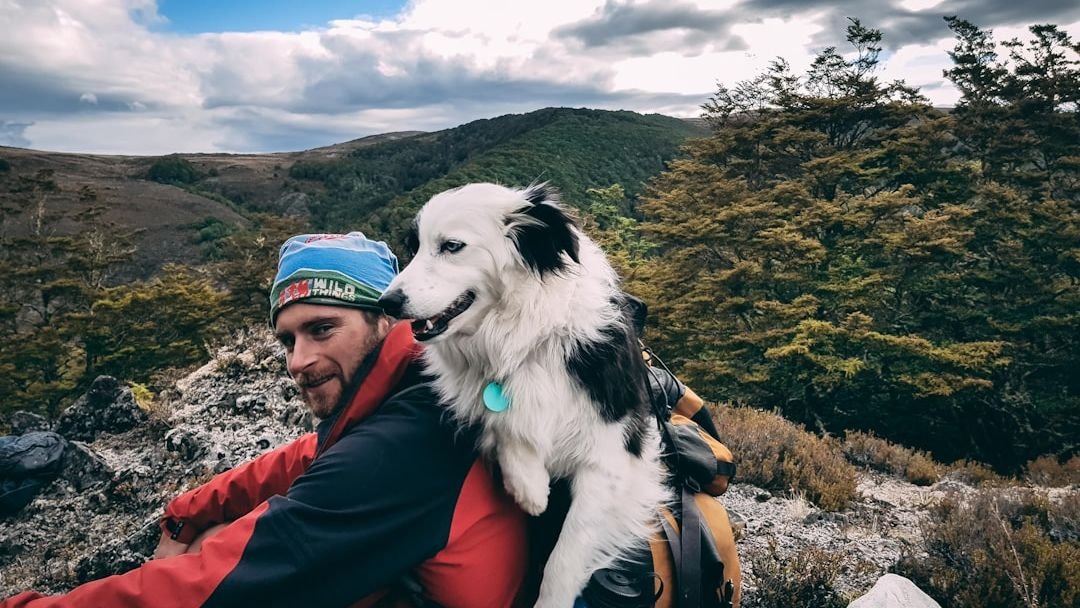
There’s something almost unfair about the relationship we have with our dogs. They give us everything, every single day, and we get maybe a decade or two of it if we’re lucky. Every wag, every sigh, every sleepy glance across the room is a small piece of a story that moves faster than we’d like. If you’ve ever looked at your dog and felt a wave of love so big it almost hurt, you already know what I mean.
The truth is, a dog’s life with you isn’t just a timeline of vet visits and birthday treats. It’s a series of defining moments, some joyful, some challenging, some heartbreakingly quiet, that shape who both of you become. These are the moments worth knowing, understanding, and cherishing. Let’s dive in.
1. The First Day They Come Home
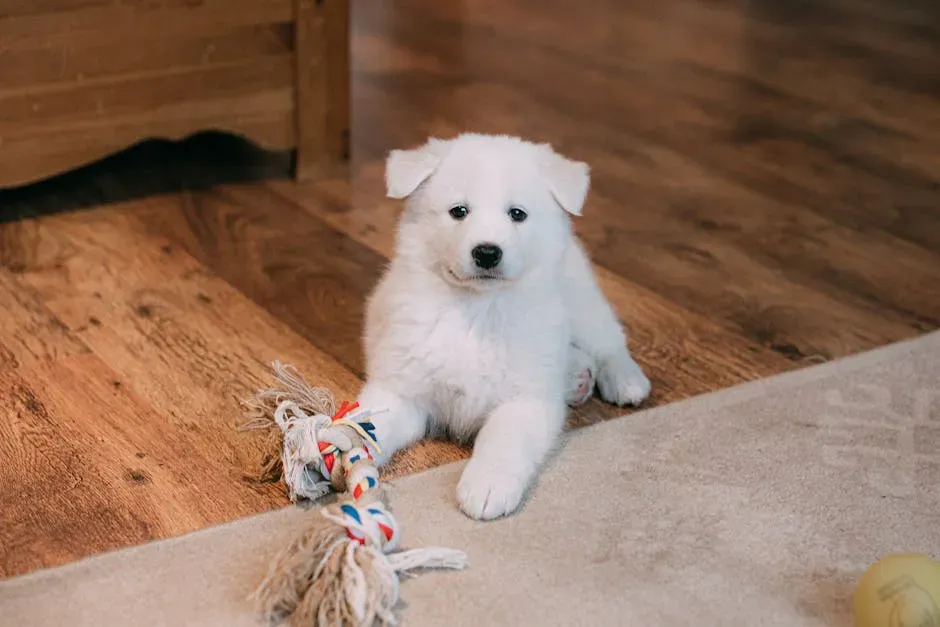
That drive home with a new puppy is electric. Your heart is pounding, they might be trembling, and somehow neither of you knows exactly what you’re doing. It’s chaotic and wonderful in equal measure.
Puppies have a sensitive period for socialization that begins even before you bring them home and continues until around 12 to 14 weeks. That means those first days are precious. Every gentle experience you offer, every soft introduction to a new sound or smell, is laying the groundwork for who your dog will be for the rest of their life.
Keep things calm. Let them explore at their own pace. Make sure every early experience is a pleasant one, as aversive events in this window can have lifelong effects on anxiety, fear, and socialization. Your patience in these first days is genuinely one of the greatest gifts you can give.
2. Their First Vet Visit
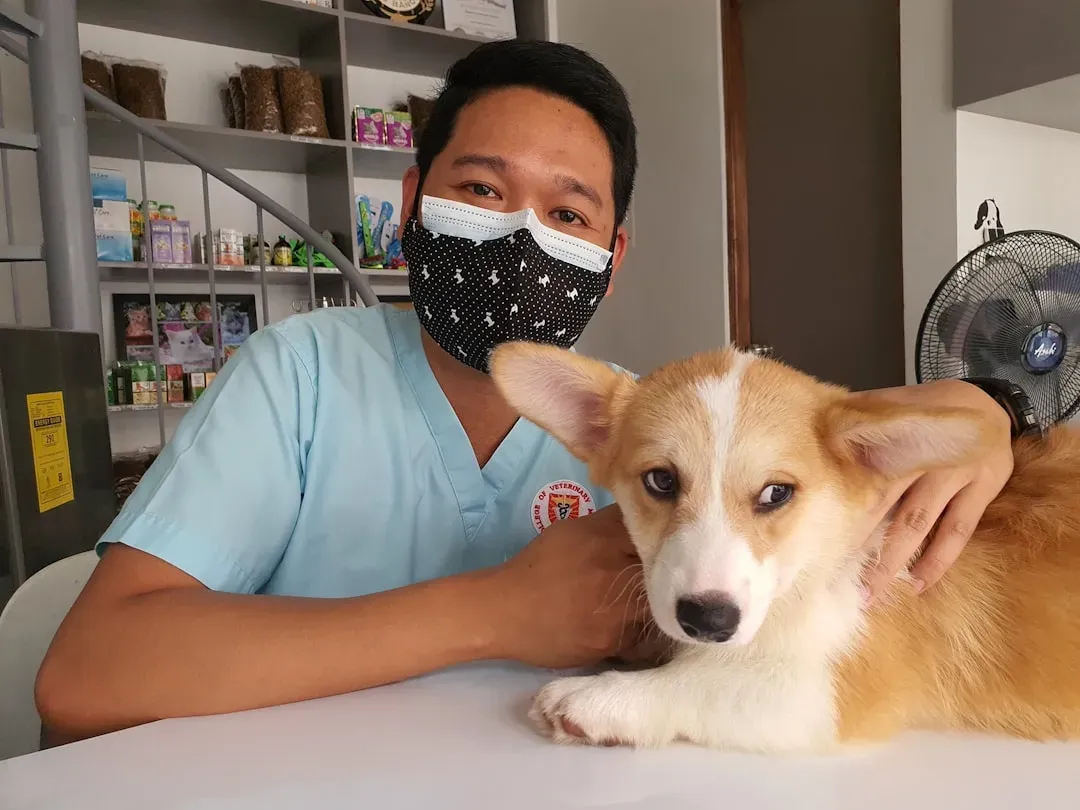
Here’s the thing about that first vet visit: it’s not just about vaccines. It’s about your dog learning whether the outside world is safe. And honestly, a lot depends on how you handle it.
Young puppies have underdeveloped immune systems, making them vulnerable to serious diseases. One of the first things a dog owner should do after adopting their pup is take them to the vet to be dewormed and receive their initial core vaccinations, followed by any booster shots necessary. Most puppies should be fully vaccinated by four to six months old.
Bring their favorite treats. Stay calm yourself, because they read you like a book. Veterinary clinics can be overwhelming for dogs, with new smells, unfamiliar people, strange handling, slippery floors, and possibly past associations with discomfort. Your presence matters more than you know in those moments. Be their anchor.
3. The Moment Training Clicks
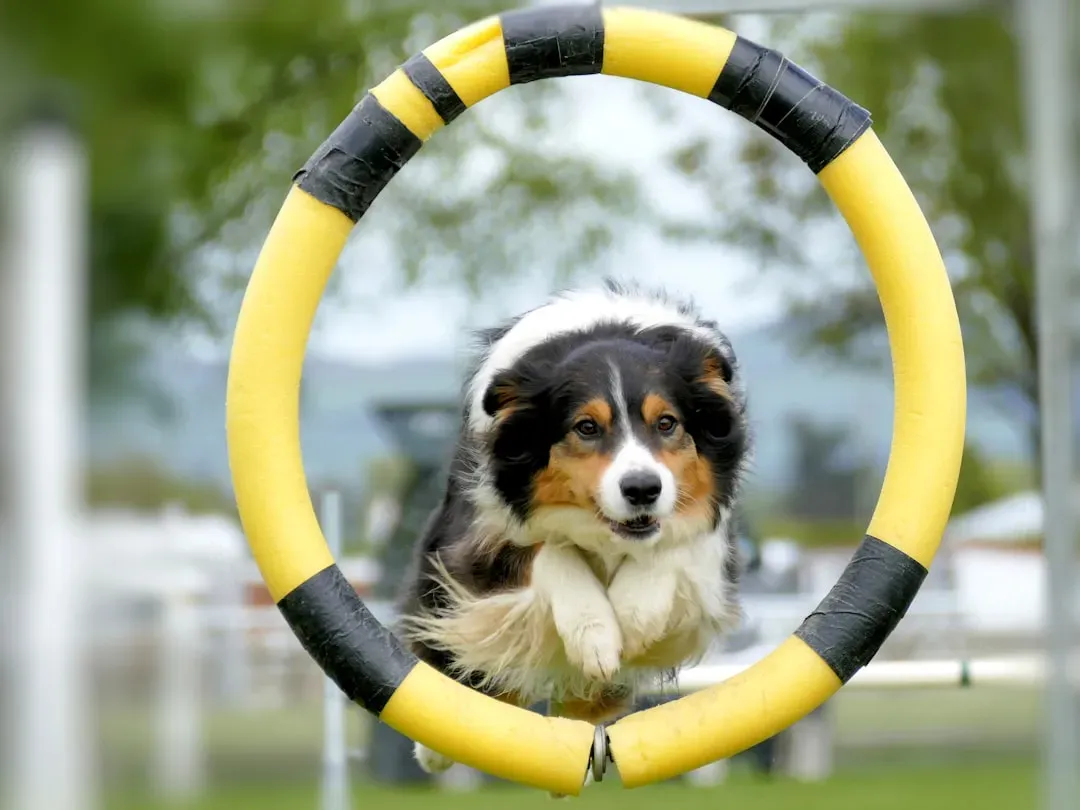
There’s a very specific kind of joy that happens when your dog finally understands what you’re asking. You say “sit,” and they sit, and they look at you like, “Wait, was that it?” It sounds small, but it is genuinely a turning point.
You can begin housetraining and teaching basic manners and commands to your dog as early as 8 weeks of age. As their attention span improves each month, you can start teaching your pup more complex commands, but continue rewarding them for a job well done during this critical learning period.
Positive reinforcement isn’t just a training method. It’s a language. Playtime is an important bonding behavior that helps build connection, and play strengthens social bonds and builds trust. Every training session, when done with kindness, deepens the relationship between you both.
4. The Wild Adolescent Phase
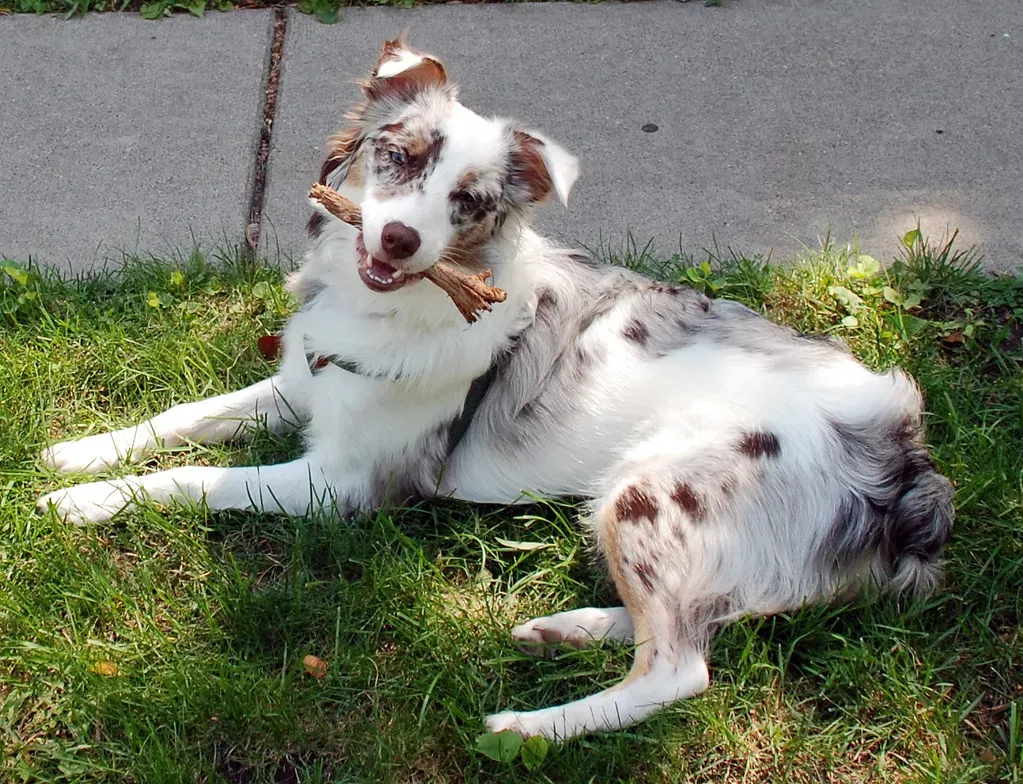
Nobody warns you enough about this one. One day you have a sweet, manageable puppy. The next, you have what feels like a creature who has completely forgotten that they ever learned anything. Welcome to doggy adolescence.
From about 6 months until 18 months for small dogs and up to 36 months for larger breeds, dogs are at their most pivotal stage for learning. This is when you need to get more serious about training, focus on puppy-proofing your home, and start socializing your dog with people and other dogs. Without proper training, puppies at this stage can become destructive.
Think of it like parenting a teenager. They’re pushing boundaries, not because they’re bad, but because they’re figuring things out. Be patient and constructive during this stage. They are still growing and learning, and will succeed with repetitive training and positive reinforcement. Don’t give up. This phase passes, I promise.
5. The First Time They Comfort You
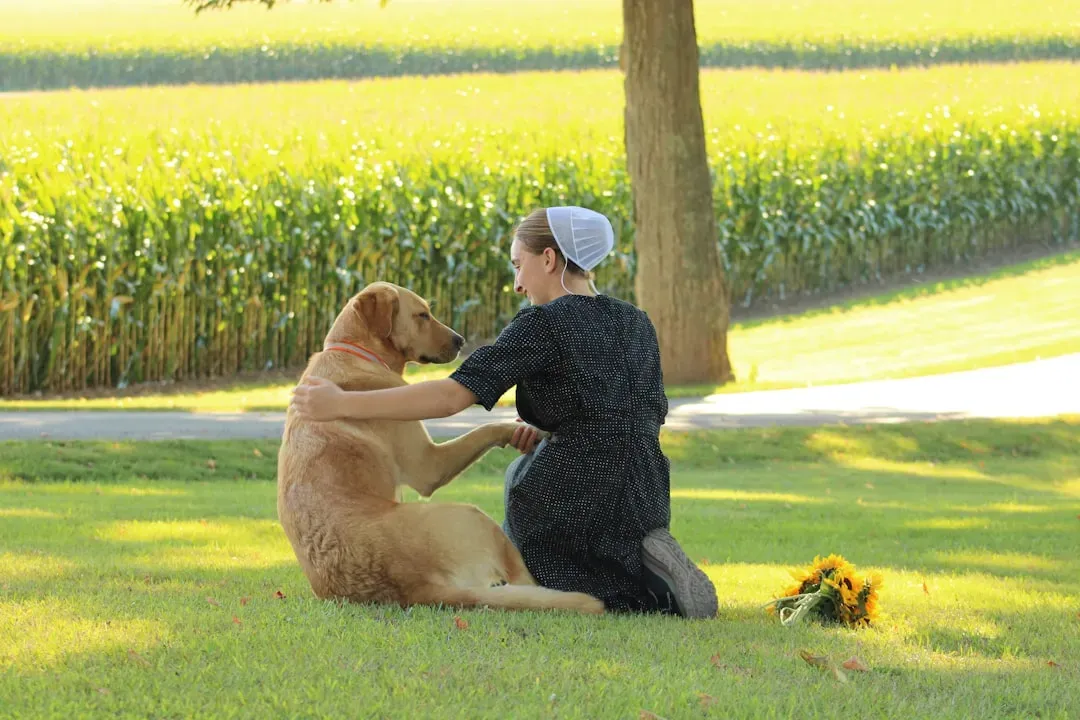
Maybe you cried on the floor once, and your dog just sat next to you. No agenda, no noise, just a warm presence pressed against your leg. If you’ve experienced this, you already understand something profound about dogs that no book could fully explain.
One of the most amazing things about dogs is their ability to read human emotions. If you’ve ever had a bad day and noticed your dog staying close to you, it’s because they can sense something is wrong. They aren’t pretending. This is deeply wired into them.
Studies have shown that being around pets can lower stress, reduce anxiety, and even improve heart health, making the relationship mutually beneficial. That silent comfort your dog offers isn’t just sweet. It’s scientifically significant. Lean into it.
6. Mastering the Daily Routine Together
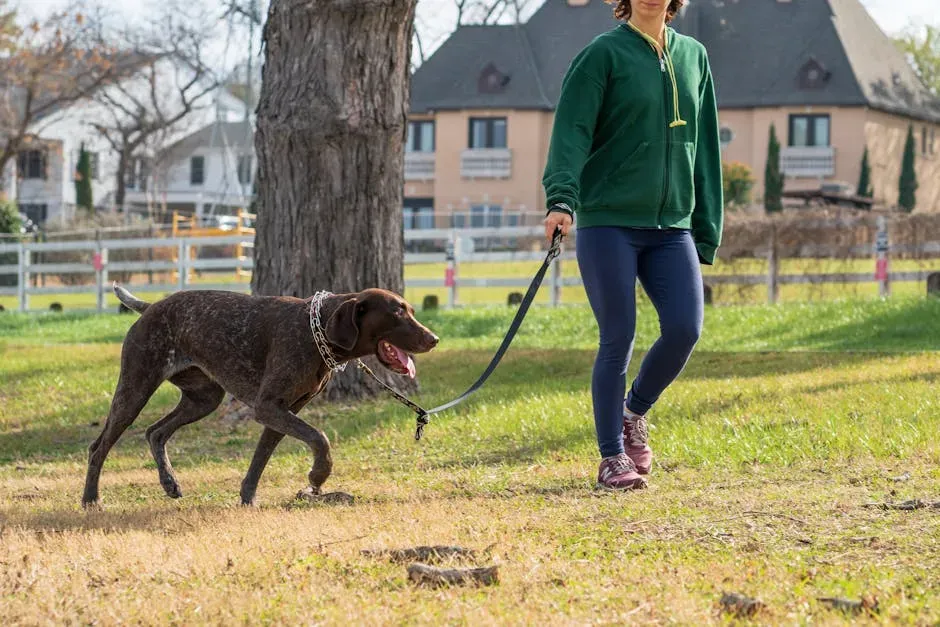
Somewhere between the chaos of puppyhood and the rhythm of adulthood, you and your dog find your groove. The morning walk, the post-dinner cuddle, the way they hover by the door exactly five minutes before you get home from work. Routines become sacred between dogs and their people.
The human-canine bond is strengthened, or diminished, depending on the quantity and quality of the time spent with the canine and through activities such as routine walking, feeding, grooming, and play. Honestly, it’s not complicated. Consistency is love in a language they understand perfectly.
Dogs associate their owners with happiness, mealtime, playtime, walks, and belly rubs. The more time you spend with your dog, the stronger their bond with you becomes. Routine isn’t boring to a dog. It’s safety. It’s home. It’s you.
7. Their First Adventure Beyond the Neighborhood
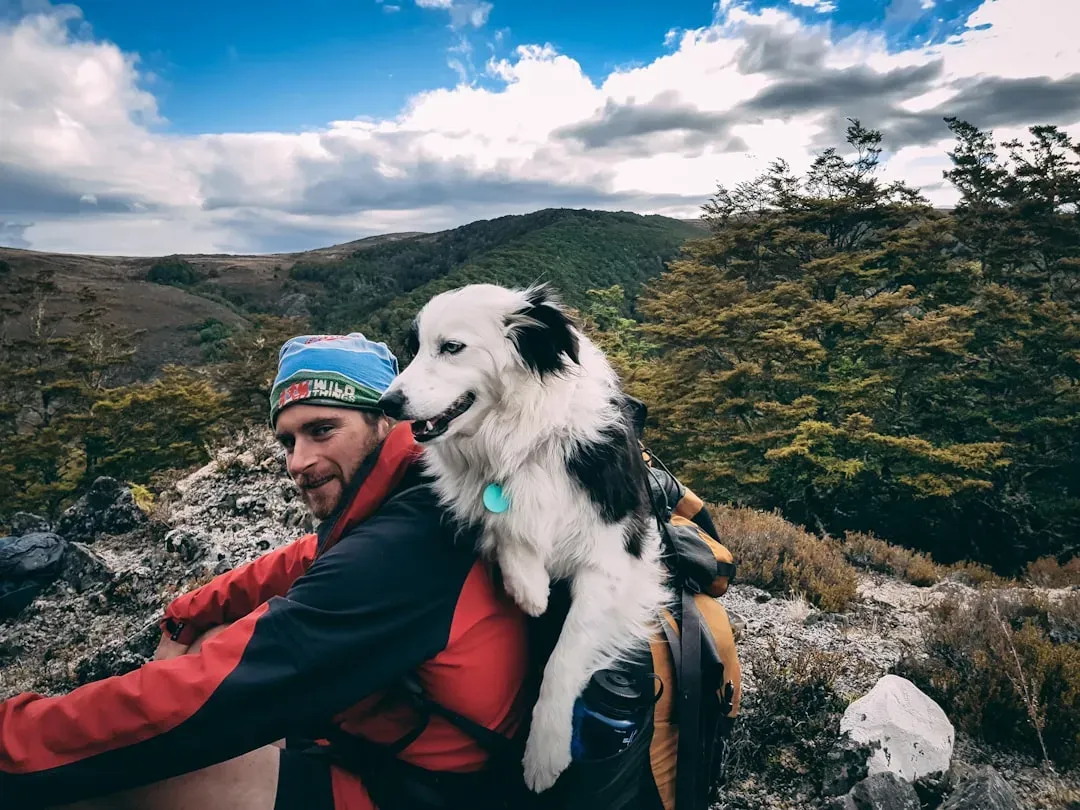
There’s something magical about watching your dog experience somewhere new for the first time. The way their nose goes into overdrive. The wide eyes. The ears forward. It’s like watching pure wonder in real time.
Taking your dog on adventures to new places such as hiking trails, dog-friendly beaches, or dog parks enriches your dog’s life and creates lasting memories for both of you. These outings aren’t just fun. They’re mentally stimulating in ways that daily walks around the block simply can’t replicate.
Think of it like this: a new trail is like a brand-new book to a dog. Every sniff is a sentence, every turn is a new chapter. Interactive activities stimulate your dog’s mind and body, and activities like puzzle toys or new environments encourage problem-solving skills while strengthening the bond between you through shared experiences.
8. When They Hit Their Prime

There’s a sweet spot, usually somewhere between ages two and seven, where your dog is just fully themselves. Settled, confident, playful when they want to be, calm when they need to be. If you’re in this phase right now, soak it up.
From age two to around nine, your dog is firmly in the adult stage of their life. By this point, they will have established routines and be comfortable in your home and family. If your dog begins to exhibit abnormal behaviors, it could be a sign that they are experiencing a health problem, and you should take them to the vet.
For young and mature adult dogs, it’s important to know that behavior changes can be due to medical issues. A common one is if a house-trained dog suddenly starts going to the bathroom in the house. Many people assume this is due to spite, but in fact, it’s a sign you need to see the veterinarian. Always trust your gut when something feels off.
9. The First Signs of Getting Older
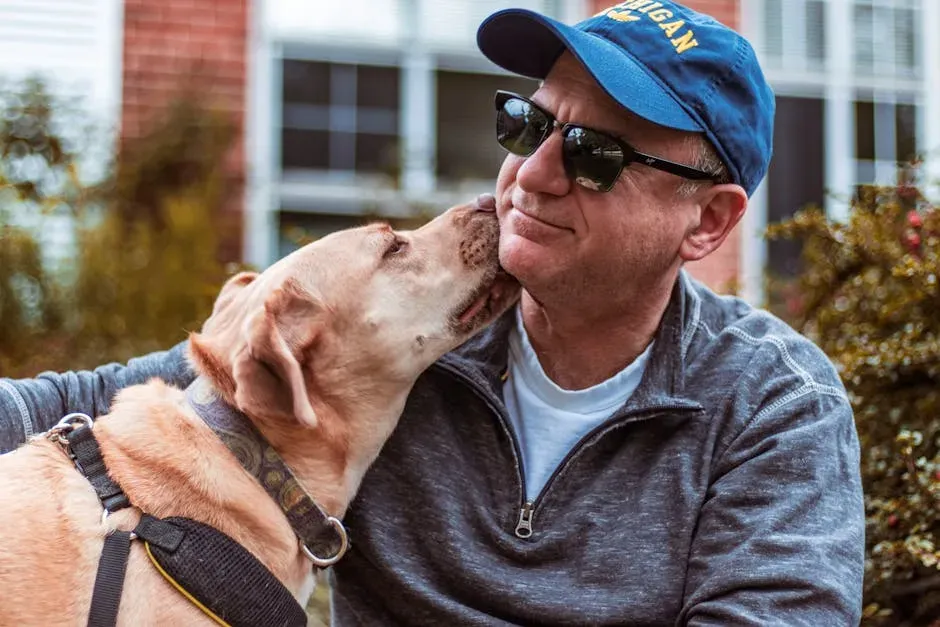
One morning you notice a few silver hairs around their muzzle, or they take a little longer to get up from their bed. Your heart does something complicated in that moment. It’s not grief yet, but it’s something adjacent to it.
It’s normal for a dog’s fur to turn grey or white as they get older, particularly around the face. Greying typically begins around five years of age, but you may notice the odd grey hair from even one or two years old. It catches you off guard, even when you know it’s coming.
Behavioral changes may be one of the first signs of aging you notice. Dogs may become more irritable or reluctant to engage in their old favorite activities if they’re struggling with pain or discomfort due to arthritis or another condition. Don’t dismiss these signs. They’re your dog’s way of telling you something has shifted, and they need your attention now more than ever.
10. Navigating the Senior Years Together
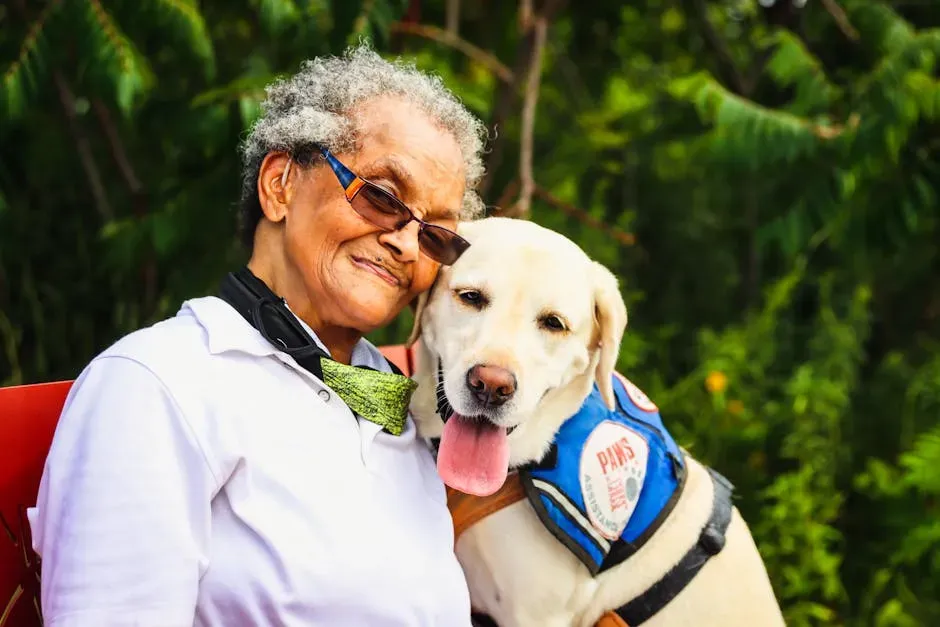
Senior dogs have a different kind of magic. They’re slower, yes. They sleep more, sure. But there’s a depth of understanding between a dog and their person in these years that is unlike anything else. You’ve been through so much together. They know you in ways no one else does.
Senior dogs may need additional care and attention, vet visits will be more frequent, and they may benefit from additional wellness items like joint supplements. While daily walks may be slower or shorter, a senior dog will find enrichment in exploring their environment and getting fresh air. Your senior pup may also sleep a lot more than they did during the adult phase of their life cycle.
Senior dogs can also suffer from cognitive decline known as canine cognitive dysfunction, similar to Alzheimer’s. Often, symptoms are first noticed as confusion, agitation, restlessness, and vocalization during the evening hours. If you spot these signs, speak to your vet promptly. Early support makes a meaningful difference in their quality of life.
11. The Goodbye That Changes You Forever
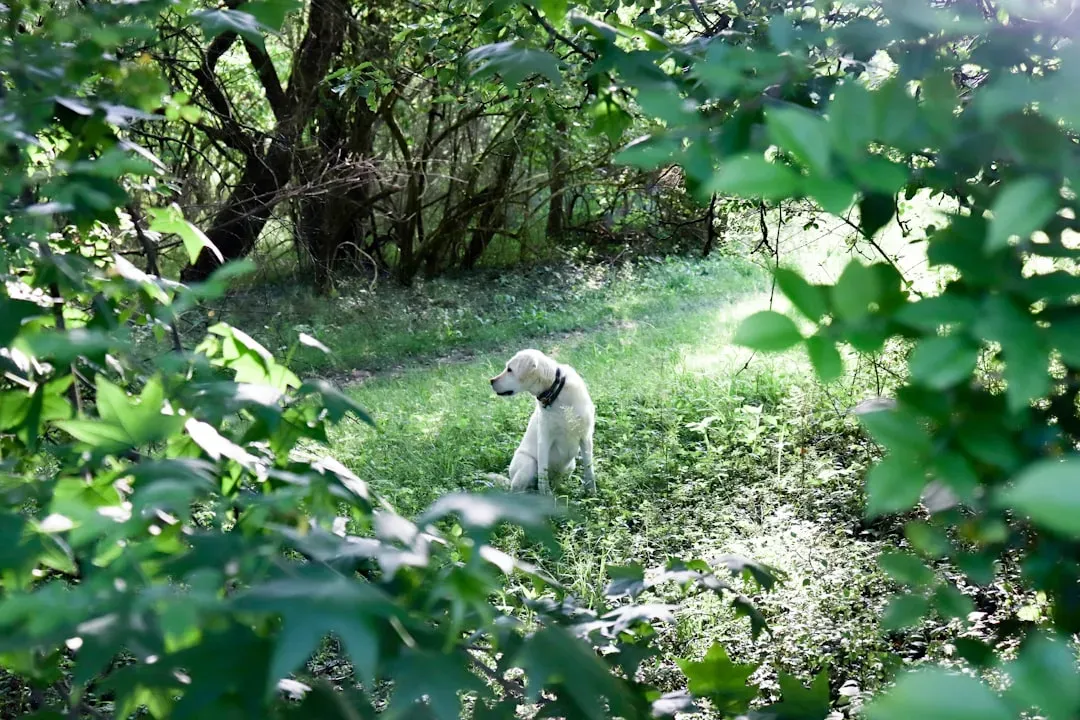
I’m not going to pretend this section is easy to write, or easy to read. But it’s the most important one. Because how we show up for our dogs at the very end is the final act of love in a story that deserved the very best ending we could give.
While the geriatric stage can last years, you need to be prepared to make difficult decisions about when it is time to say goodbye. Making sure you give your pet the best care also includes recognizing when your pet is suffering and putting their needs above your own to end that suffering. That is not failure. That is the deepest form of love.
There are many changes you can expect to see as your dog ages, including physical, behavioral, and mental changes. Many of these shifts are completely normal parts of the aging process, but if you notice any concerning symptoms or sudden changes in your dog’s behavior, don’t hesitate to contact your veterinarian for further advice. Surround yourself with support too. Grief for a dog is real, and it is valid. You earned every ounce of it.
Conclusion: Every Moment Counts
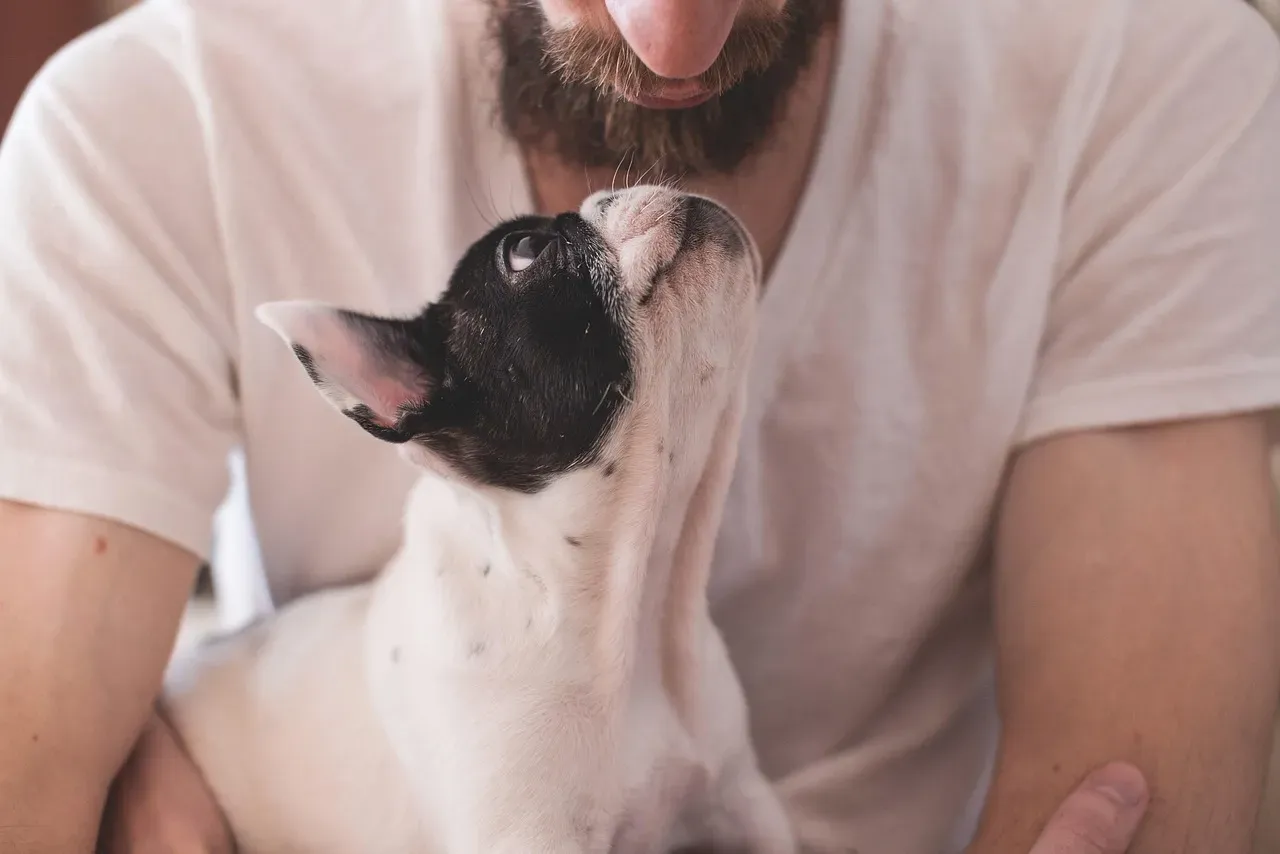
Your dog’s life with you isn’t measured in years. It’s measured in walks, in quiet evenings, in the way they looked at you on a particularly hard day. It’s measured in trust built slowly and love given freely, without condition or expectation.
The moments in this article aren’t just milestones to check off a list. They’re invitations. Invitations to pay closer attention, to show up better, to love deeper. Because the truth is, the bond between you is built on trust, consistency, safety, and thousands of tiny moments that add up over time.
Your dog is living their whole life alongside yours, fully present in every single moment. The question is, are you? What moment with your dog has meant the most to you? Tell us in the comments – we’d genuinely love to know.


