
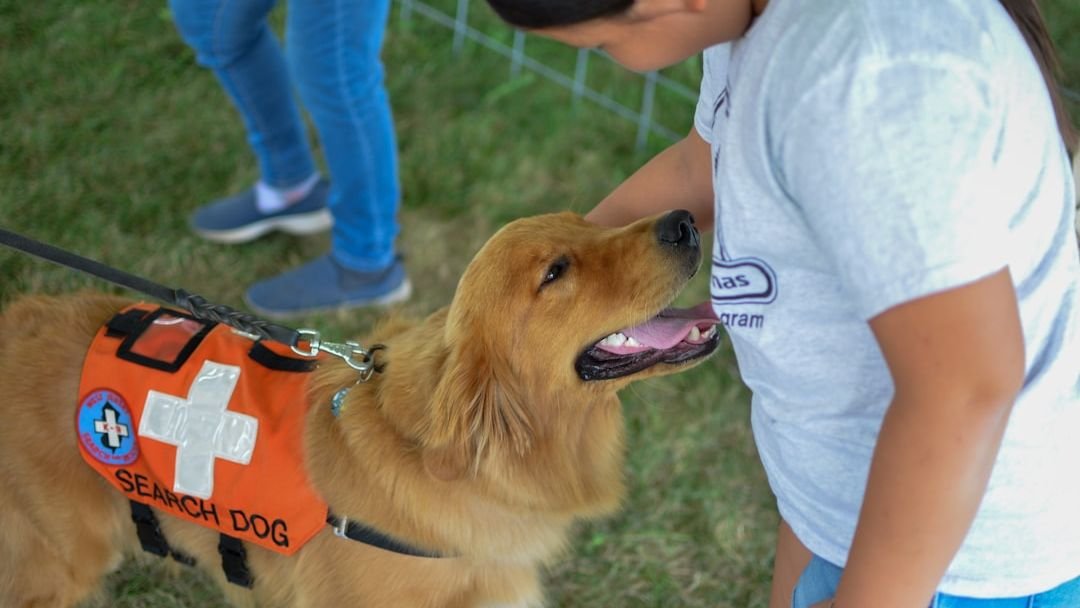
Imagine your furry best friend yelping after a romp in the woods, a paw bleeding from a hidden thorn. That gut-wrenching moment hits every dog parent hard. Yet, with a simple first aid kit tucked away, you can spring into action, easing pain and buying time until the vet.
I’ve seen it transform panic into calm confidence for so many owners. These 11 essentials, drawn from trusted vet advice, cover the most common scrapes and scares. Ready to gear up and keep your pup safe? Let’s jump in.[1][2]
1. Emergency Contact List

Your dog’s vet number, the nearest 24-hour clinic, and poison control hotline – jot them on a laminated card. Picture Fido chowing down on chocolate; seconds count when you dial fast.[3] Keep copies in the kit, your phone, and fridge door.
This simple step feels like a lifeline. It lets you focus on your pup’s wide eyes and whimpers instead of frantic searching. Prevention tip: Update yearly or after vet visits.[4]
2. Gauze Pads and Rolls
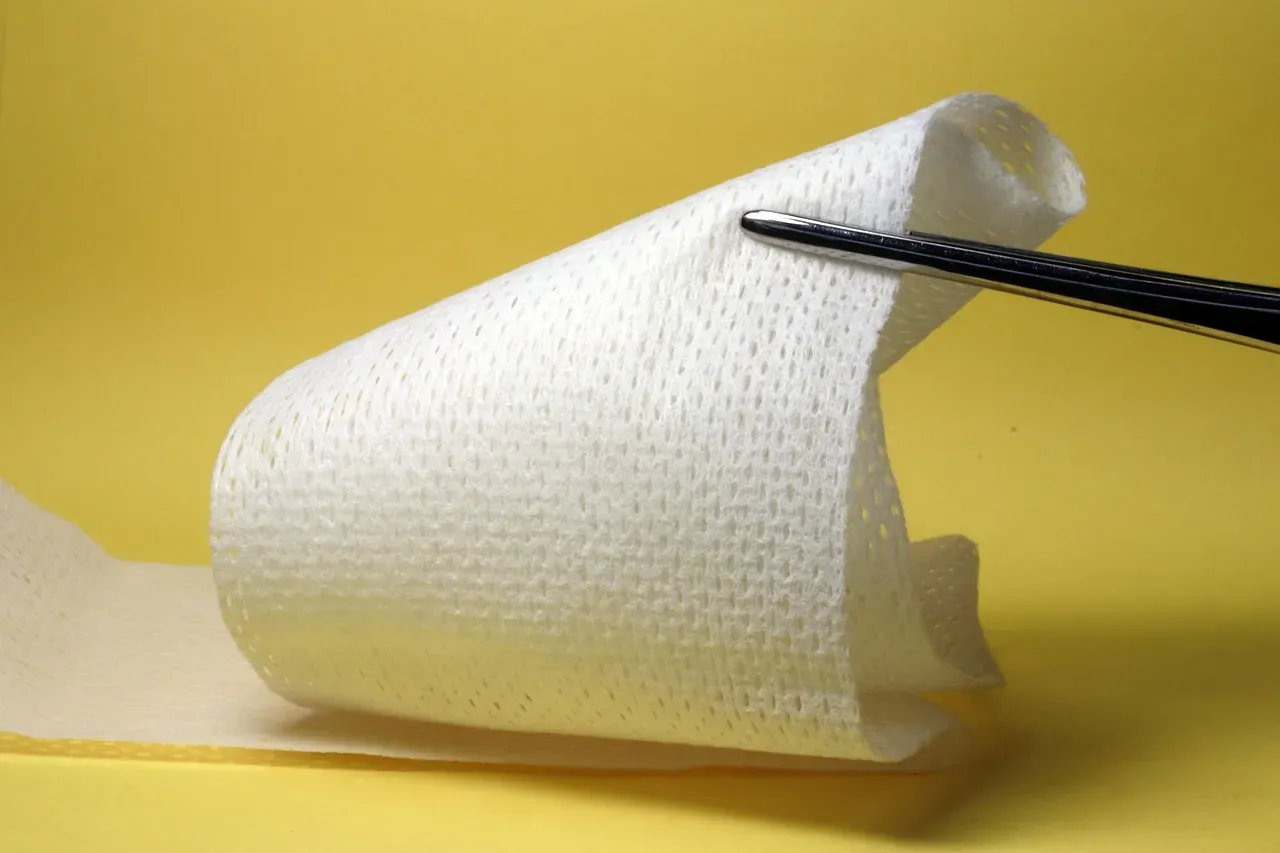
Gauze soaks up blood from cuts or paw injuries, the kind from rough playdates. Roll it snugly around limbs without cutting circulation – your dog’s tail wag will clue you in if it’s too tight. Stock various sizes for quick grabs.[1]
Remember that time your Lab shredded a pad on gravel? Gauze saved the day till stitches. Honestly, it’s the unsung hero of every kit. Check for expiration to stay ready.
3. Self-Adhering Vet Wrap Tape
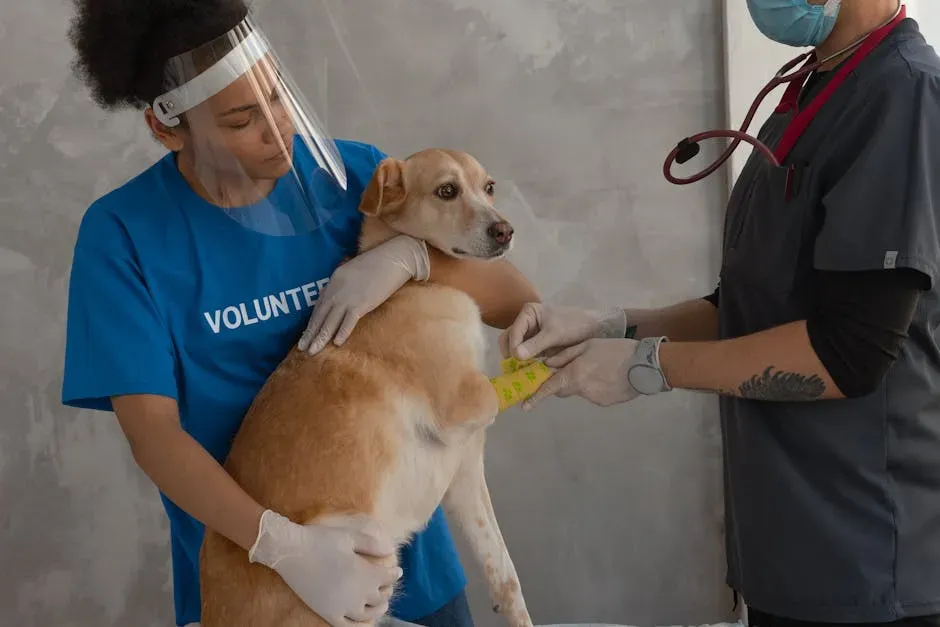
This stretchy tape sticks to itself, not fur, securing gauze over wounds perfectly. Ideal for sprains where your dog limps and favors one leg. Wrap in layers for support, but loosen if paws swell.[2]
It’s a game-changer for active breeds chasing balls endlessly. I think every owner needs a few rolls; they’re lightweight for car kits too. Pro tip: Practice wrapping on a toy for calm under pressure.
4. Antiseptic Wound Cleanser
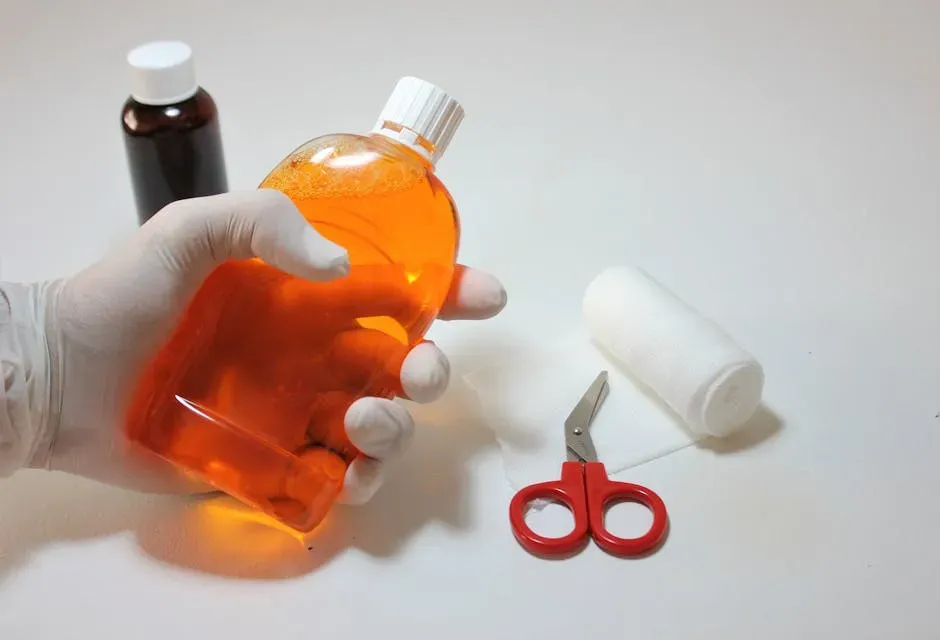
Chlorhexidine solution flushes dirt from scrapes, killing bacteria that cause limps or hot spots. Dilute if needed, then pat dry – watch for excessive licking as a sign to cone up. Safer than harsh soaps for sensitive skin.[2]
After a bee sting swells a muzzle, this prevents infection. Feels empowering to clean confidently. Store in a cool spot; it lasts ages with proper sealing.
5. Hydrogen Peroxide (3% Solution)
Use sparingly to induce vomiting after toxin ingestion, like raiding the trash – only after poison control okay. Never on open wounds; it delays healing. A teaspoon per 5 pounds max, once.[4]
Your hound’s guilty face post-antifreeze lick? This buys time. But let’s be real, call pros first – wrong use harms more. Keep capped tight away from light.
6. Digital Rectal Thermometer
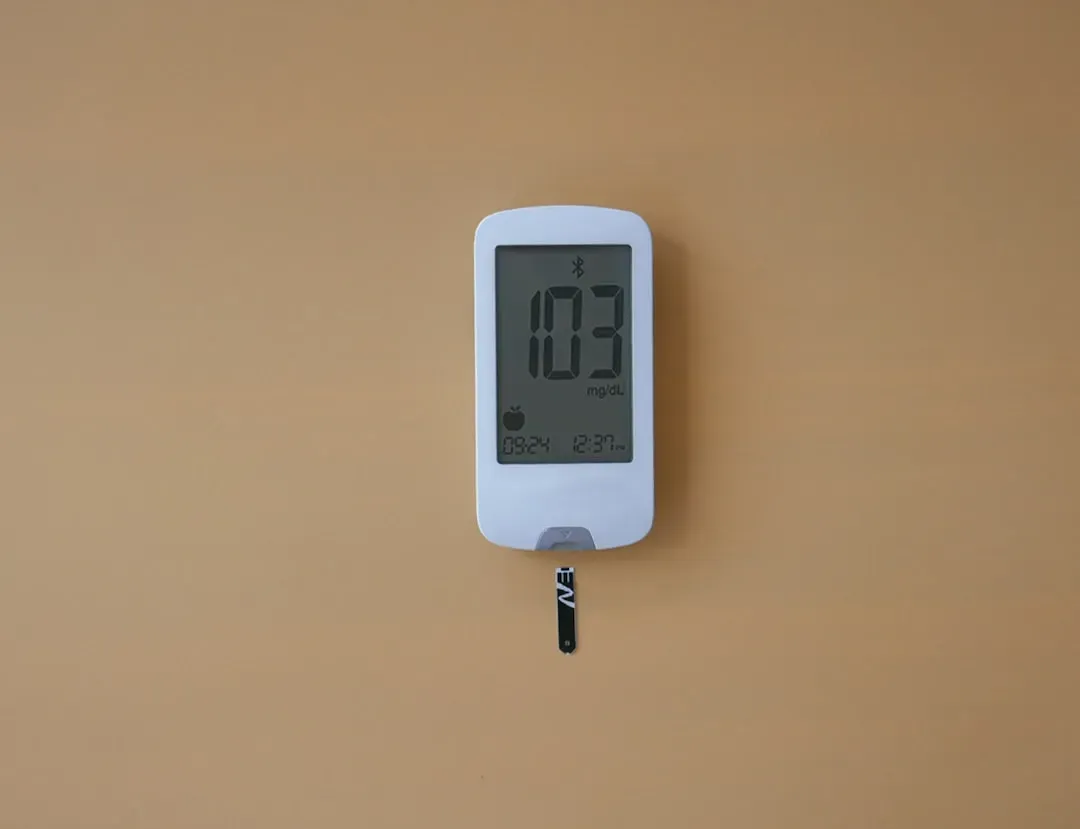
Normal temp is 99-102.5°F; fever over 103°F means lethargy and hot ears signaling trouble. Lube tip, insert gently 1 inch – steady your pup with treats. Clean after every use.[2]
Shivering post-bath or panting heavily? Temp check guides your next move. I swear by waterproof ones for easy sanitizing. Pair with lube for comfort.
7. Blunt-Tipped Scissors

Cut tape or gauze precisely without nicking skin during frantic moments. Perfect for trimming fur around wounds or freeing tangled leashes. Keep blades sharp but safe.[4]
Ever snip a collar off a panicked pooch? These prevent added injury. Small size fits kits perfectly. Store sheathed to avoid accidents.
8. Tweezers or Tick Key
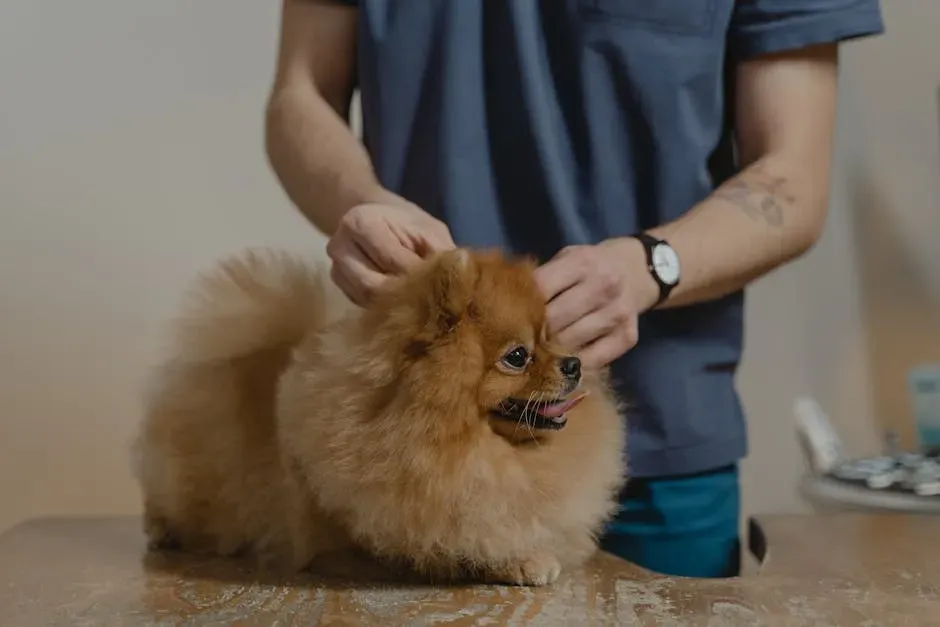
Grasp ticks close to skin, pull steady – no twisting – to avoid disease spread in wooded walks. Splinters from sticks too; clean site after. Magnifier helps spot tiny ones.[1]
Your terrier scratching relentlessly? Early removal eases it. Outdoorsy dogs need this staple. Disinfect after; ticks carry heartbreak.
9. Disposable Latex Gloves
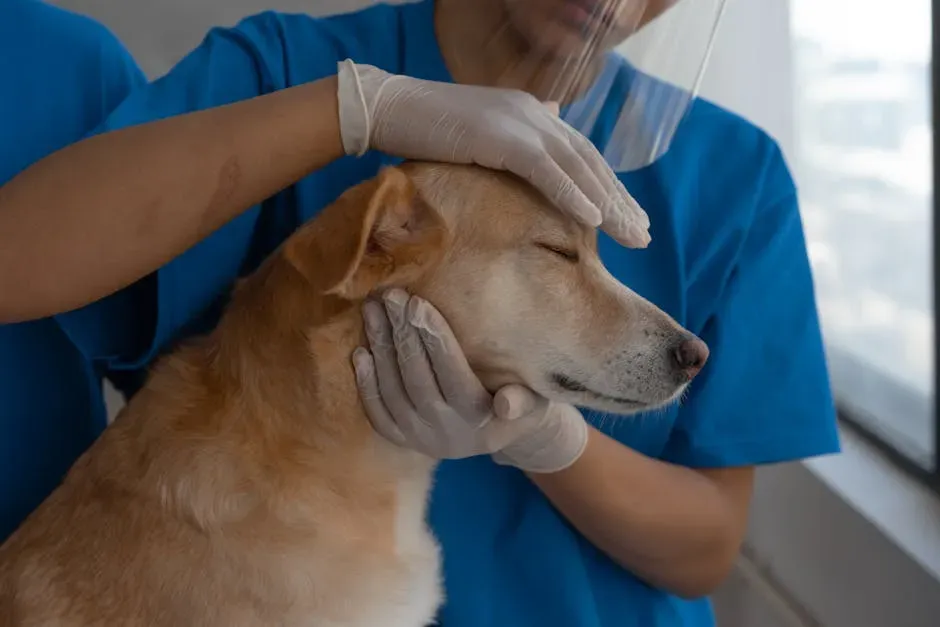
Snap on to shield hands from blood or waste during messes, keeping things sterile. Multiple pairs for layering if soiled. Powder-free for allergy-prone pups.[2]
Diarrhea explosion mid-hike? Gloves let you handle with love, not disgust. Essential for queasy owners. Toss after single use.
10. Breathable Basket Muzzle
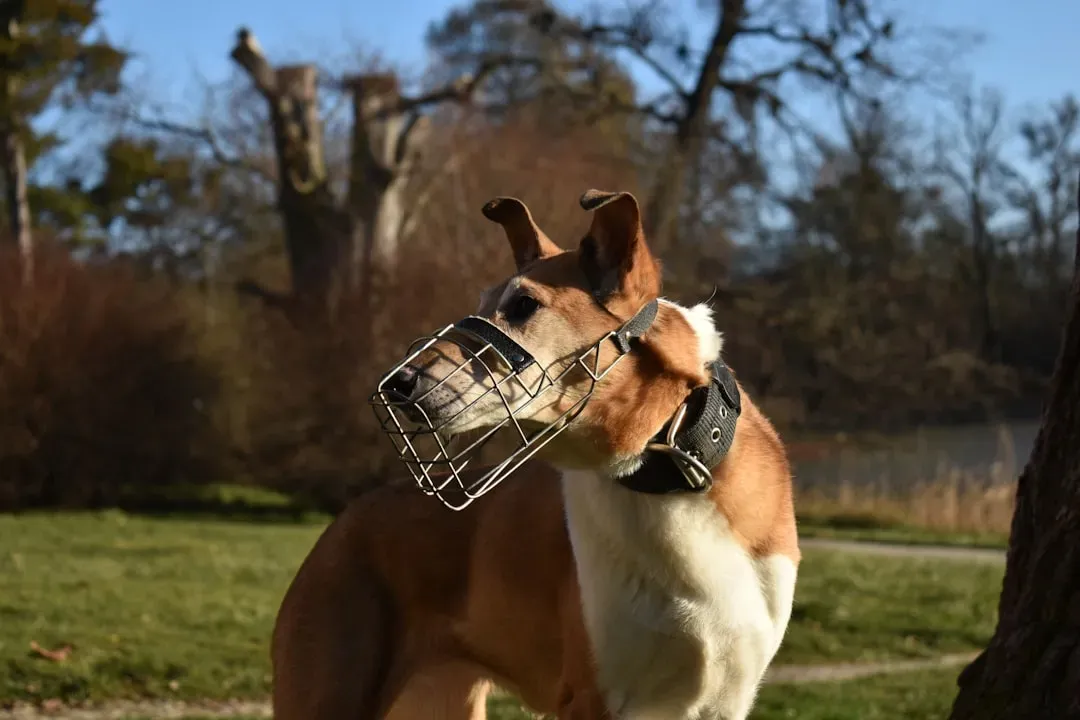
Pain turns sweet pups snappy; this allows panting while preventing bites during care. Fit adjustable for comfort – practice with peanut butter first. Never for vomiting dogs.[4]
Injured Shepherd growling? Muzzle keeps everyone safe. Builds trust over time. Vital for reactive breeds.
11. Sterile Saline Solution
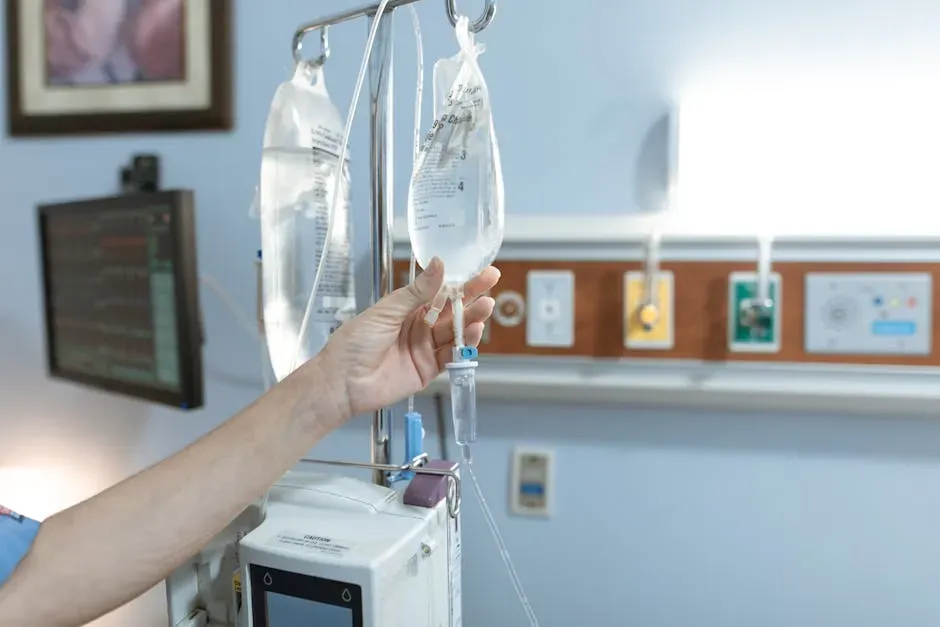
Flush eyes or wounds gently, rinsing irritants like dust causing squints or tears. Contact lens saline works fine – steady head, pour steadily. Follow with ointment if vet-approved.[4]
Post-firework panic with debris? This soothes instantly. Multi-use gem for kits. Refrigerate opened bottles briefly.
Wrapping It Up: Be Your Dog’s Hero
Stocking these 11 items means you’re ready for the unexpected, turning “oh no” into “I’ve got this.” Check your kit every six months, tailor to your dog’s adventures, and always follow with a vet call.[3]
Your pup’s trusting gaze deserves that peace of mind. What’s one item you’ll add first? Share in the comments – we’re all in this tail-wagging life together.


