
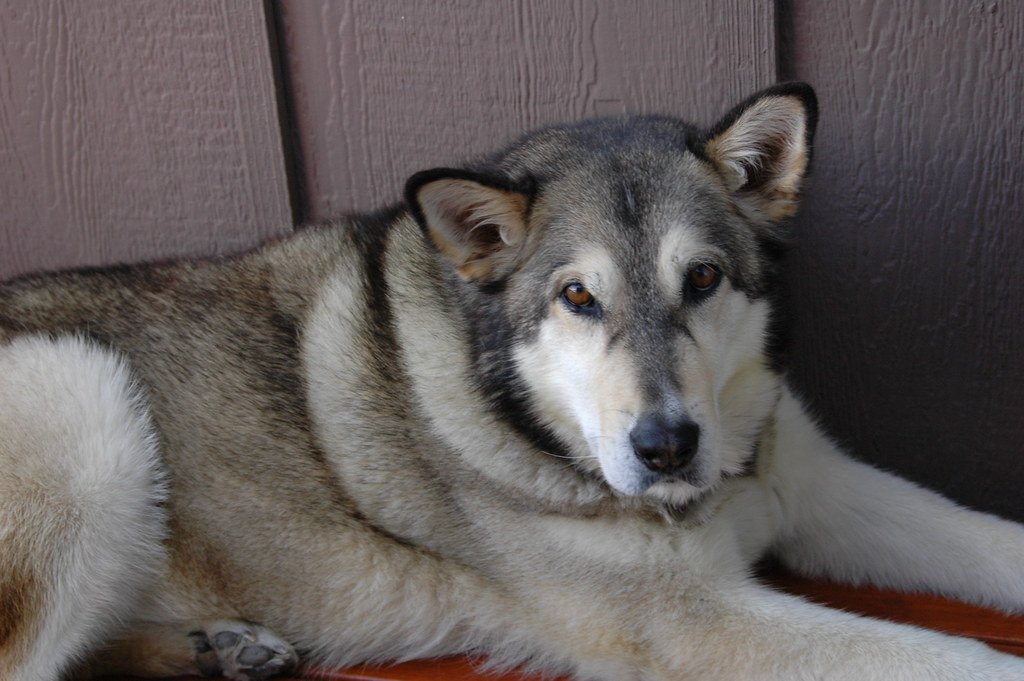
While many dog breeds are known for being great with kids, some popular pups actually struggle more than people realize. Breeds like Dalmatians, Chihuahuas, and even some Terriers can get overwhelmed by the noise and unpredictability of little ones. It’s not that these dogs are bad—it’s just that their temperament, energy, or past experiences might not mesh well with family chaos. Kids may not pick up on canine cues, which can lead to tension or nips. Knowing a breed’s comfort level around children is key before bringing one home. With proper training and supervision, even sensitive breeds can adjust—but it takes awareness and effort.
Chihuahua
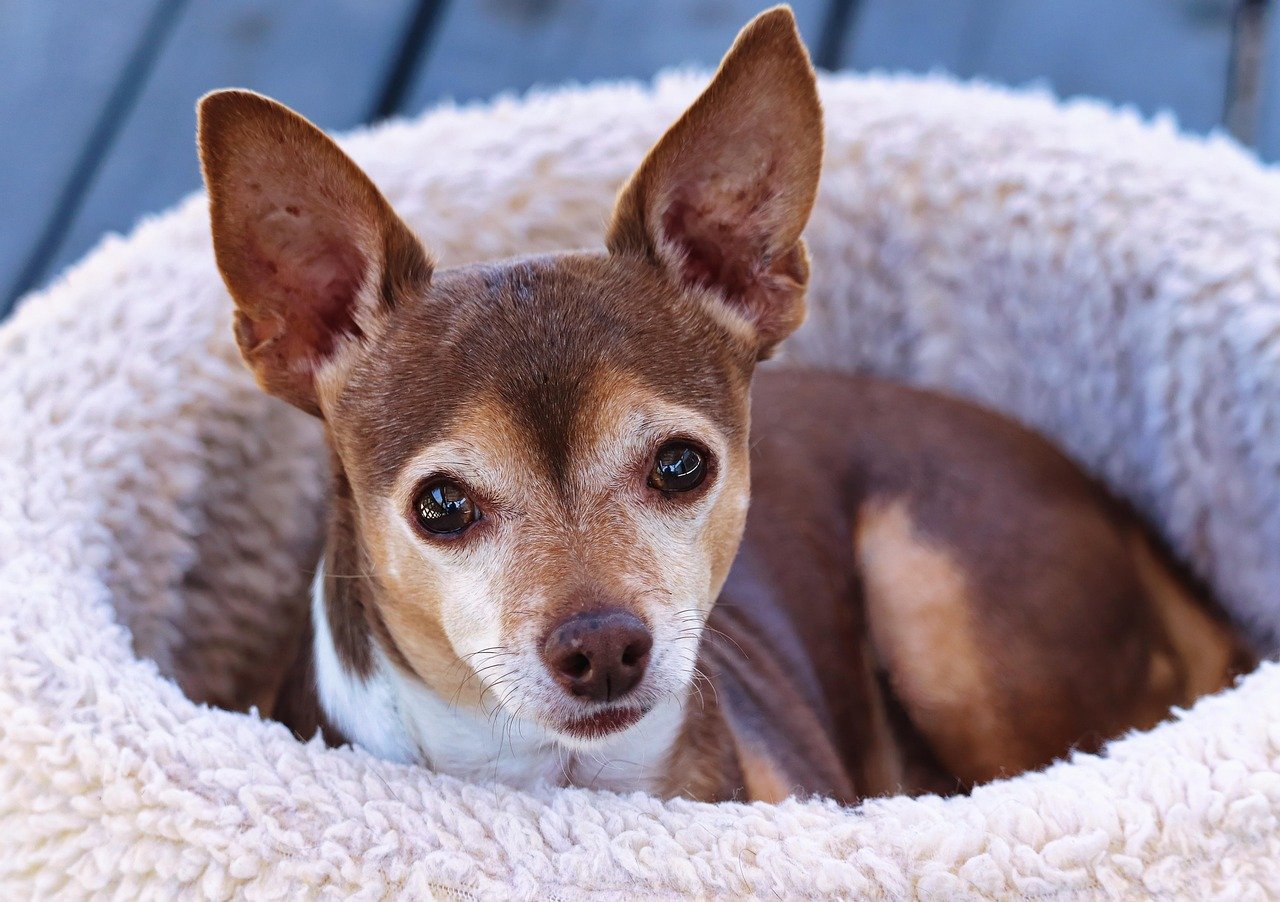
Chihuahuas might be small, but their personalities are anything but. Many people fall in love with their adorable faces and pocket-sized bodies, thinking they’ll make the perfect family pet. The reality is, Chihuahuas are notoriously sensitive and can be easily startled by the sudden movements and loud noises that children naturally make. Their tendency to bond deeply with just one person can make them wary or even jealous of kids vying for attention.
Parents often overlook how fragile these little dogs can be. Because of their tiny stature, a well-meaning toddler’s rough hug or an accidental trip can lead to injuries or defensive snapping. Chihuahuas thrive best in calmer households where their boundaries are respected and their personal space is protected—a tall order in a busy family with young children.
Shih Tzu

With their flowing coats and gentle eyes, Shih Tzus look like the definition of a family dog. But beneath their cute exteriors, these dogs have a sensitive side that doesn’t always mesh well with energetic kids. Shih Tzus crave peaceful environments and can become anxious or withdrawn if there’s too much chaos around them.
Loud play, sudden grabs, and unpredictable activity can stress these dogs to the point where they hide or even nip in self-defense. Their patience has limits, and a noisy household can push them past their comfort zone. While they adore affection, Shih Tzus need calm, gentle handling—something that’s hard to guarantee when children are involved.
Afghan Hound
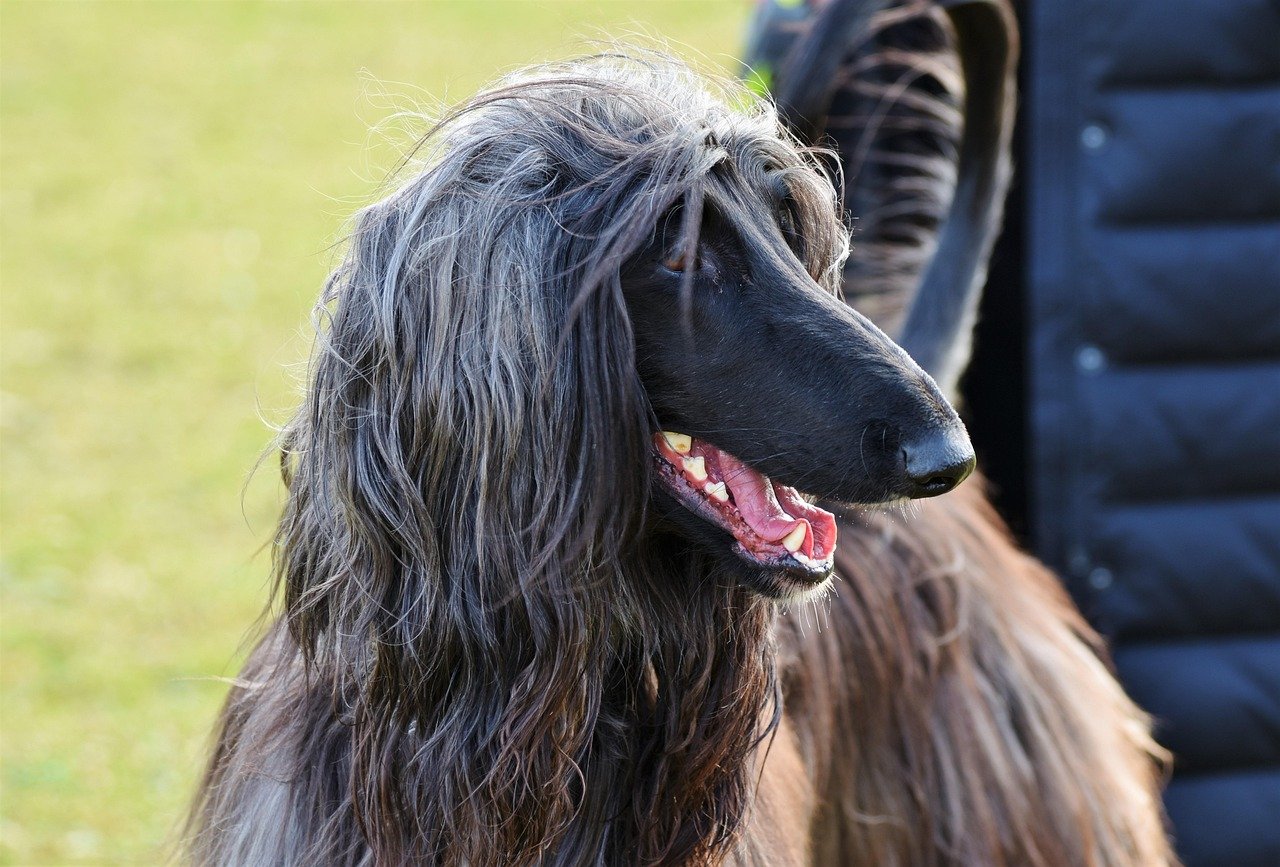
The Afghan Hound is elegant and striking, famous for its flowing hair and regal posture. But this beauty comes with a unique personality: Afghan Hounds are independent thinkers and can be aloof, even with their own families. They don’t always appreciate the kind of rough-and-tumble play that young kids bring.
Kids may find Afghan Hounds distant or “boring” because these dogs aren’t likely to chase balls or play dress-up. Sudden hugs or loud squeals are more likely to make them retreat than join in the fun. They need space and respect for their boundaries, making them better suited to households with older, more understanding children.
Dalmatian
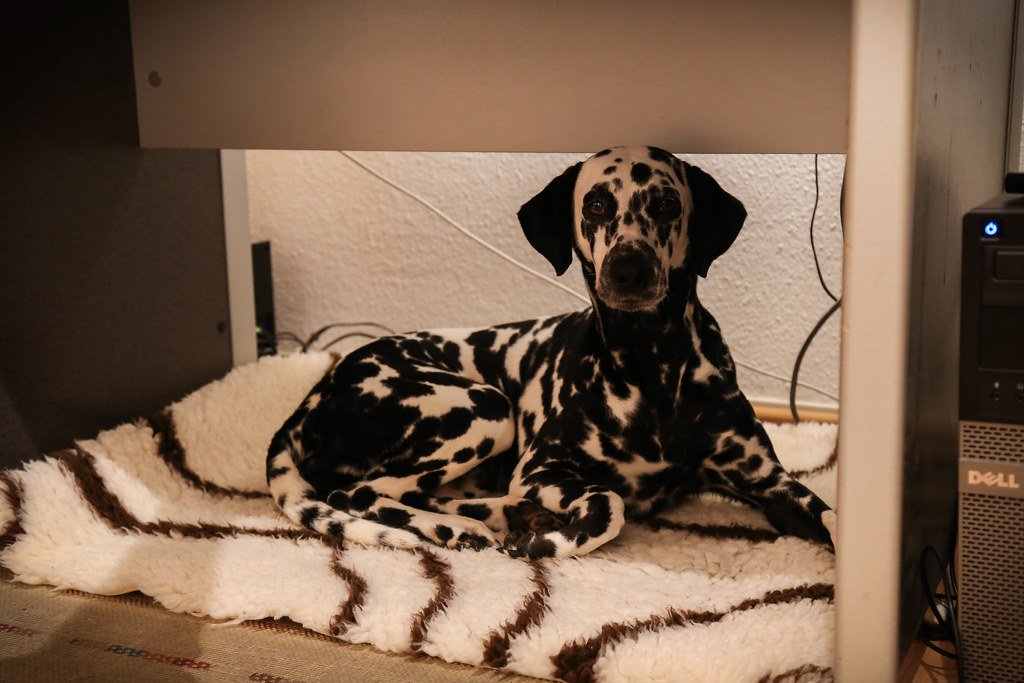
Dalmatians, with their iconic spots, are often imagined as playful companions for kids. But the truth is, their high energy and sensitivity to noise can make family life challenging. Dalmatians are prone to anxiety and can become easily overstimulated by the loud, unpredictable nature of children.
This breed was originally bred for running alongside carriages, not for cuddling on the couch with kids. Without proper outlets for their energy and careful socialization, Dalmatians can develop behavioral issues, including nipping or becoming possessive of their space. Their striking looks might attract families, but their temperament requires careful management around children.
Pekingese
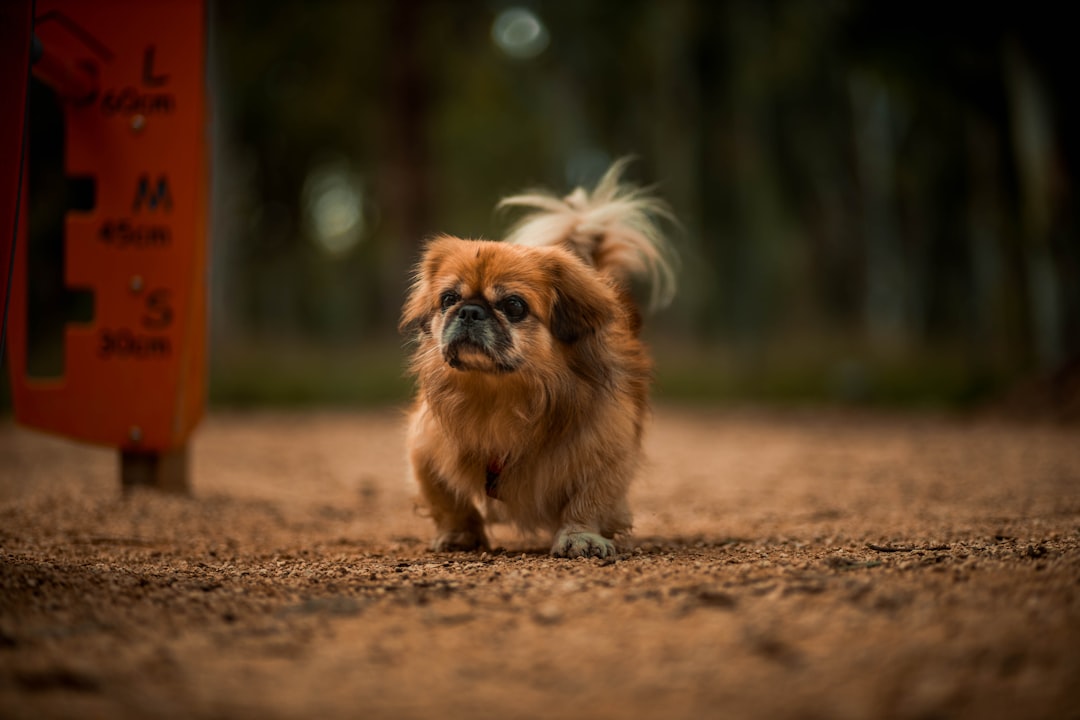
Pekingese are all dignity and fluff, carrying themselves like little emperors. However, their royal attitude can make them less than ideal for a home with rambunctious kids. Pekingese are known for being stubborn and can react poorly if they feel disrespected or threatened by a child’s unpredictable behavior.
Their small size puts them at risk for accidental injury, and their tolerance for rough handling is low. While they might enjoy sitting quietly beside a calm child, they’re more likely to retreat or show teeth if play gets too intense. These dogs thrive in homes where peace and quiet are the norms, not the exception.
Alaskan Malamute
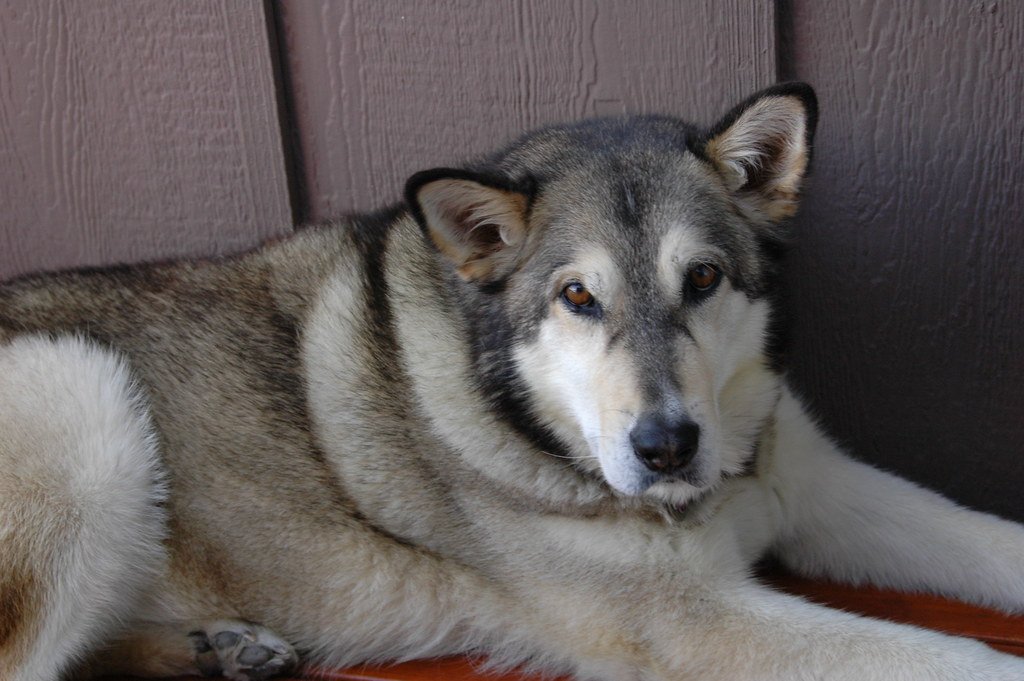
Alaskan Malamutes are majestic and powerful, bred to haul sleds through icy terrain. Their strength and stamina are impressive—but so is their stubborn streak. While their wolf-like looks may attract adventurous families, Malamutes can find it hard to adjust to the unpredictable energy of young kids.
This breed needs lots of exercise and mental stimulation, and they can become frustrated or destructive if they don’t get it. Children’s quick movements and loud voices can overwhelm them, leading to avoidance or even defensive behavior. Malamutes do best with older children who understand how to respect a dog’s boundaries and participate in structured activities.
Chow Chow
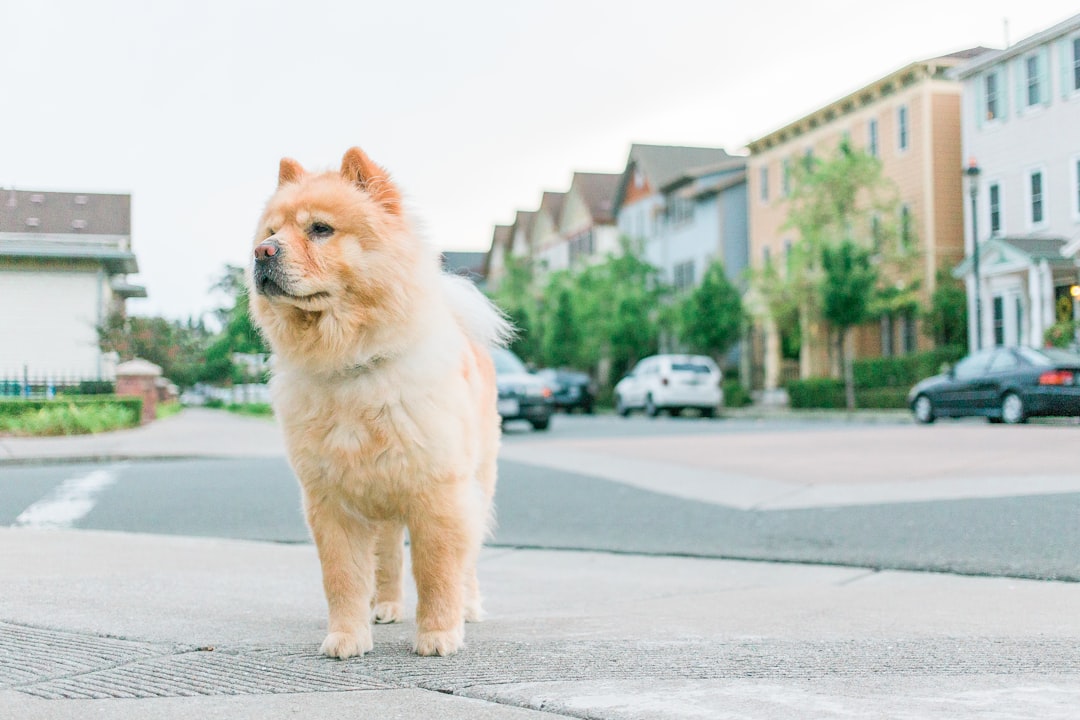
Chow Chows are the teddy bears of the dog world, with their lion-like manes and soulful eyes. But looks can be deceiving: this breed is famously aloof and independent. Chow Chows are fiercely loyal to their families but can be wary of strangers—including small, unpredictable children.
Their patience for rough play is minimal, and they’re not afraid to show their displeasure if they feel harassed. Chows often prefer to keep to themselves, and their tendency to guard their territory can lead to conflicts with kids who don’t understand a dog’s need for space. They require gentle, respectful handling and are often happier in quieter homes.
Basenji
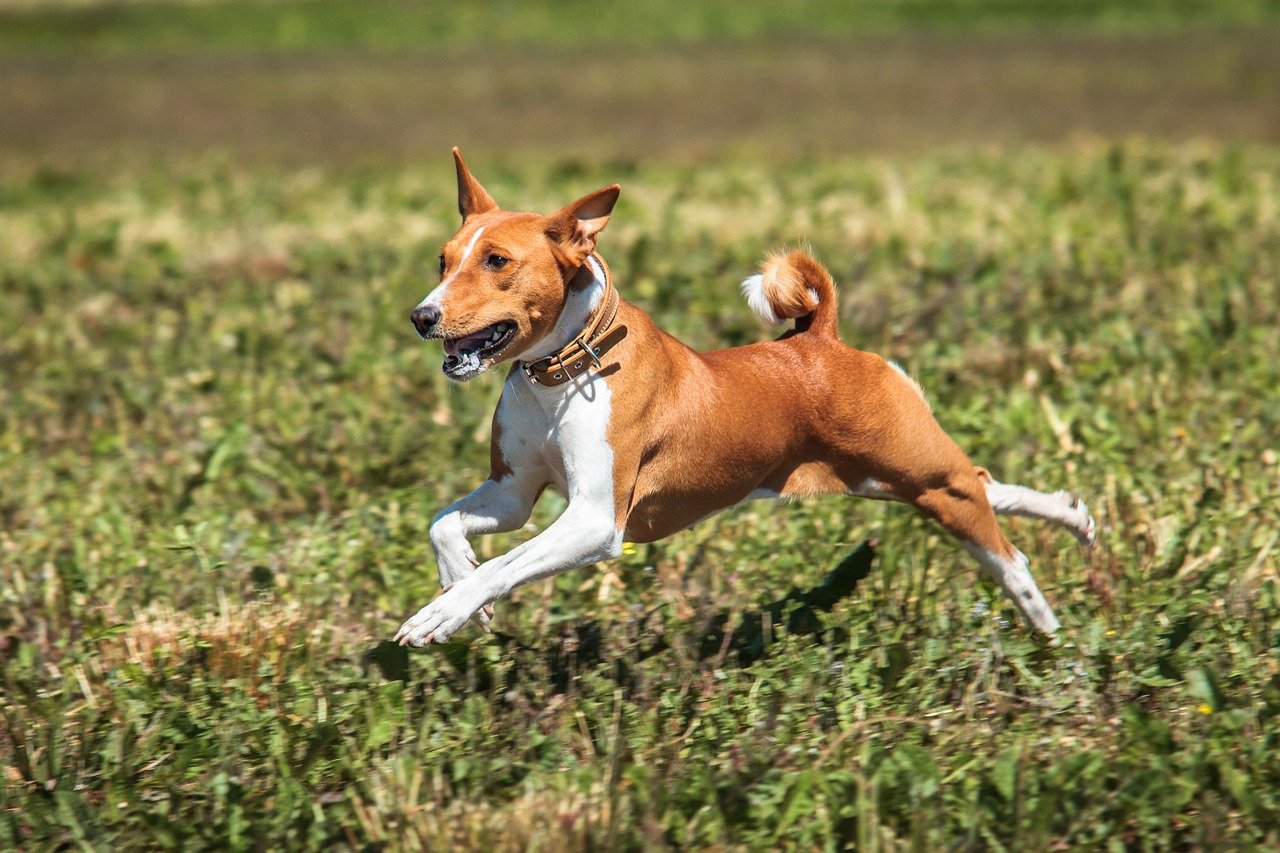
Known as the “barkless dog,” the Basenji is clever, curious, and full of energy. But their independent nature can make them a difficult fit for families with young children. Basenjis don’t always have the patience for noisy play, and their escape-artist tendencies mean they require constant supervision.
This breed is quick and agile, sometimes darting away from well-meaning children who want to cuddle or play. Their sensitivity to stress can make them nervous in chaotic environments. While their intelligence is remarkable, Basenjis are best matched with families who can offer calm, consistent routines and plenty of mental challenges.
Weimaraner
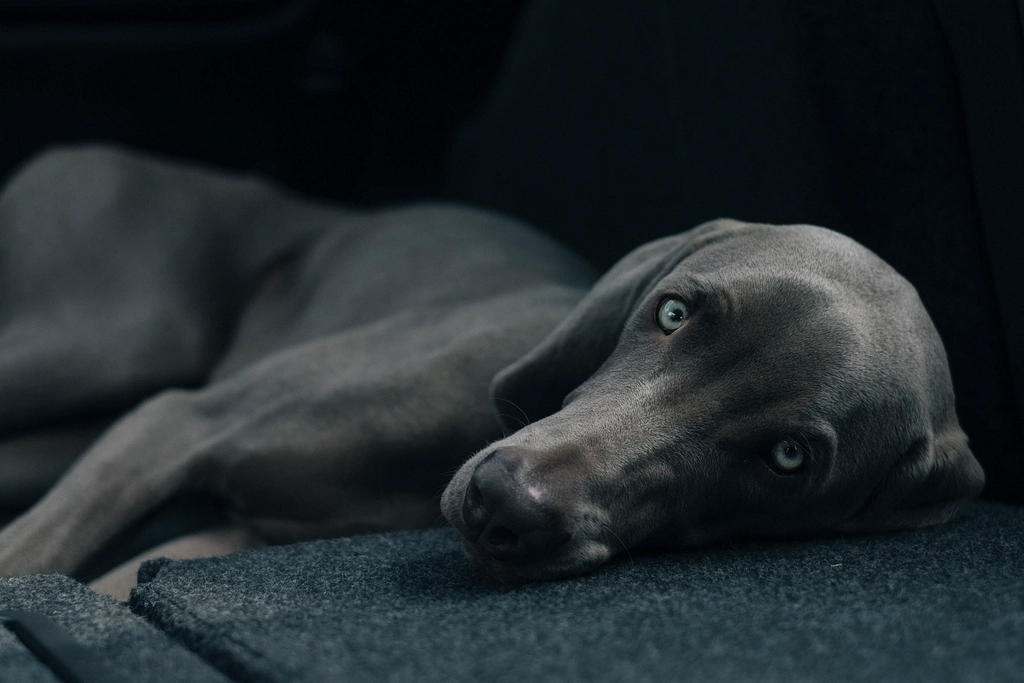
Weimaraners are sleek, energetic, and strikingly beautiful. Their boundless enthusiasm can be a double-edged sword in a home with children. While they love to be part of the action, Weimaraners can be easily overwhelmed by the constant noise and movement of kids.
These dogs need lots of exercise and mental stimulation, or they quickly become bored—and a bored Weimaraner is often a destructive one. Their size and exuberance can unintentionally knock over smaller children, leading to accidents and fear on both sides. Weimaraners do best in active homes with older kids who can keep up with their high energy and respect their need for routine.
Australian Cattle Dog
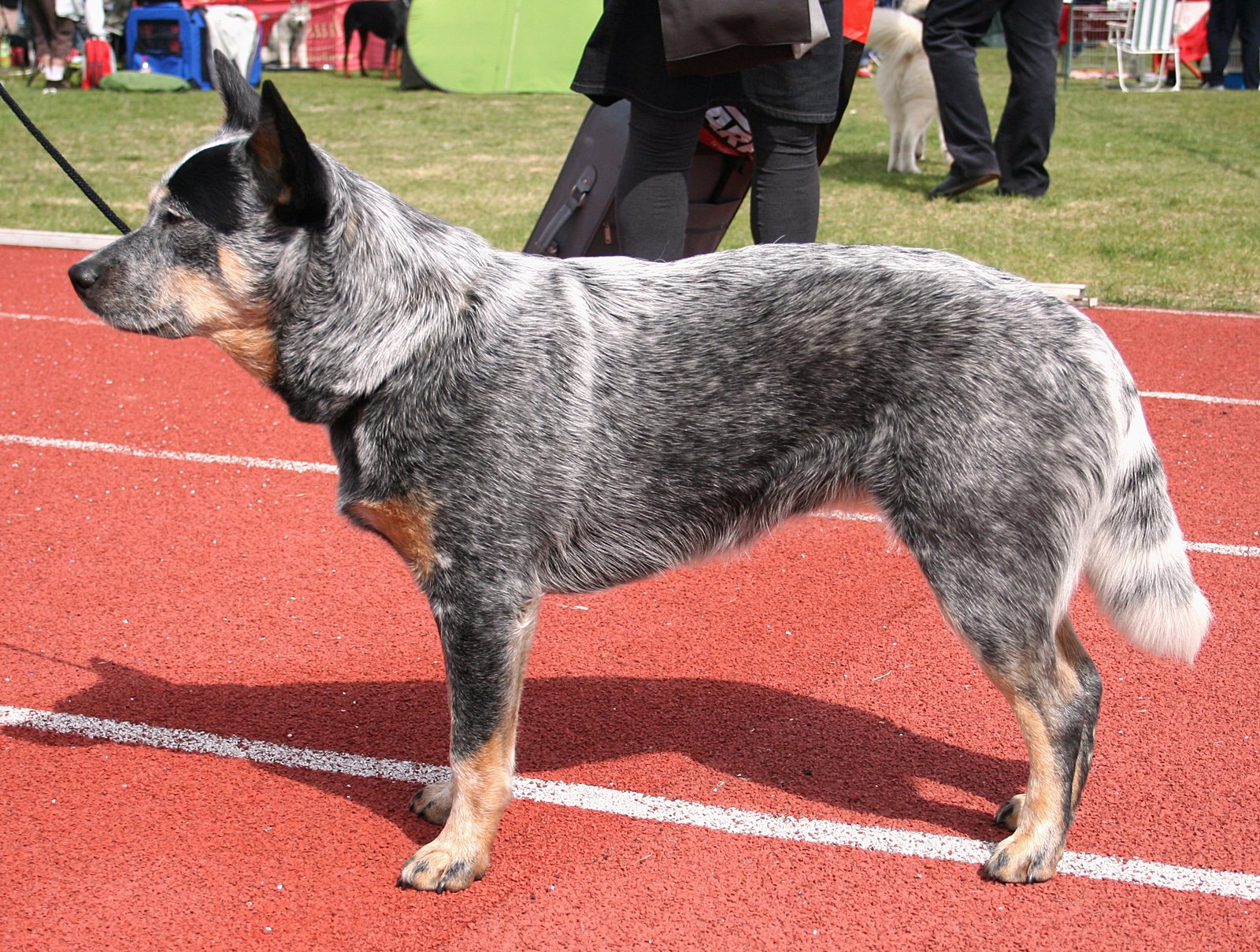
Built for herding, Australian Cattle Dogs are smart, driven, and intensely focused. This makes them excellent working dogs, but it also means they can be a handful in a family setting. Their instinct to herd can translate into nipping at children’s heels, a behavior that can frighten or even injure kids who don’t understand what’s happening.
Cattle Dogs have a strong desire for order and structure, and the unpredictable antics of children can leave them feeling anxious or out of control. Without proper training and boundaries, these dogs may become bossy or even aggressive. They thrive in homes where children are old enough to engage in organized play and respect the dog’s working instincts.
Papillon
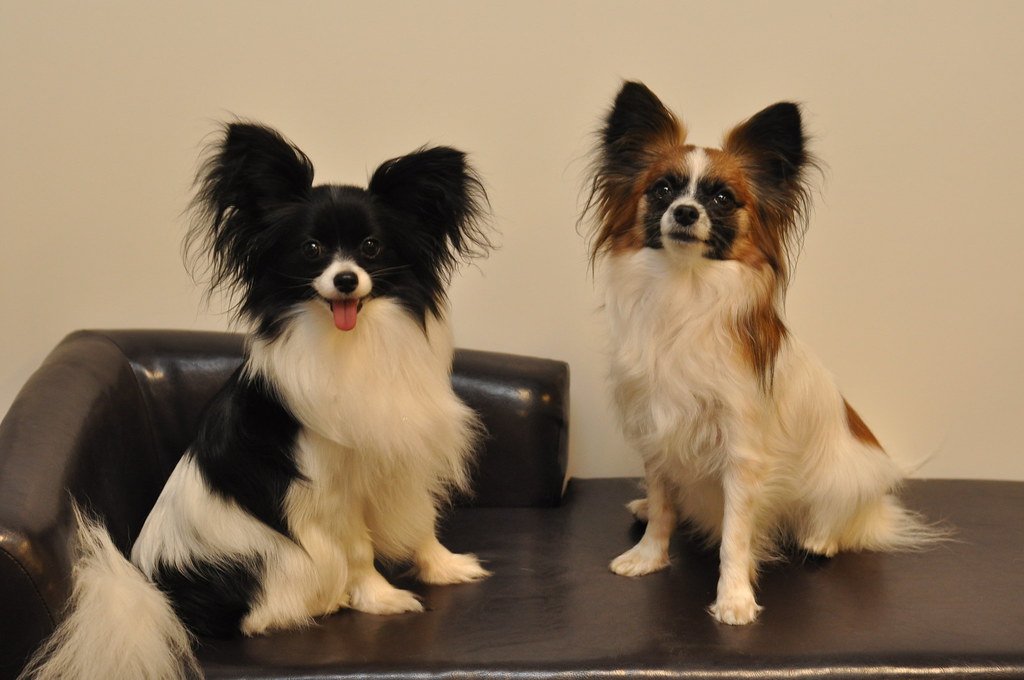
With their butterfly-like ears and playful spirit, Papillons seem tailor-made for families. But under their cheerful exterior, Papillons are fragile and can be overwhelmed by rough or clumsy handling. Their small size makes them vulnerable to injury from well-intentioned but heavy-handed children.
Papillons love attention and play, but they prefer gentle, interactive games rather than chaotic roughhousing. They can become nervous or defensive if they feel threatened, leading to barking or even snapping. For families with small children, it takes a lot of care and supervision to ensure everyone stays safe and happy.
Just because a dog is popular doesn’t mean it’s the perfect fit for every family—especially those with kids. Some breeds simply need a calmer environment, more space, or gentler interactions to truly thrive. Understanding a dog’s unique personality and needs is key to avoiding stress—for both your pup and your children. With the right match, training, and patience, harmony is totally possible.


