
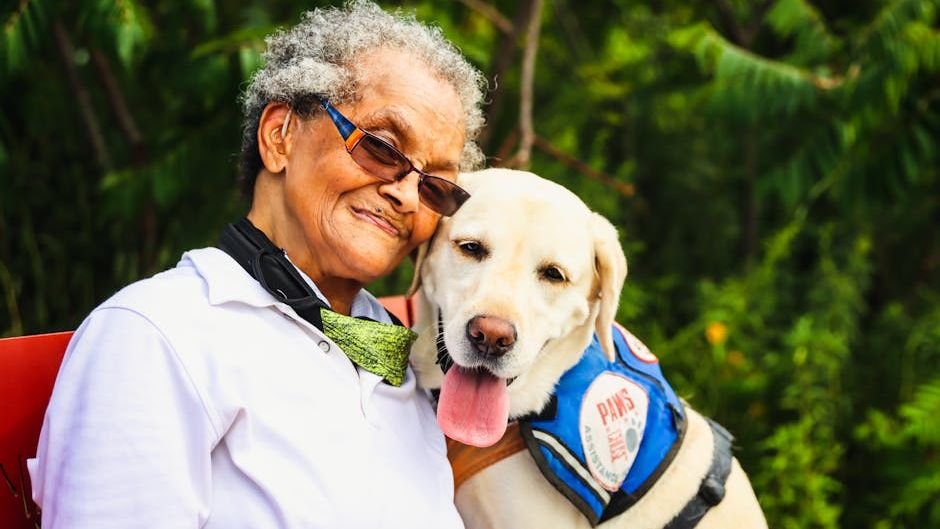
Retirement is supposed to be the golden chapter. No more alarm clocks. No more deadlines. Freedom, finally. Yet for many people, the quiet that follows a busy career can feel less like peace and more like emptiness. The days stretch wide open, and the house suddenly feels too large, too silent, and yes, a little too still.
That’s where a dog changes everything. Not loudly, not dramatically. Quietly, faithfully, one paw at a time. If you’ve ever watched a retired neighbor light up the moment their dog trots into the room, you already know there’s something genuinely magical happening there. Something that science is only now beginning to properly explain.
So let’s get into it. Here are eleven deeply real, research-backed comforts that dogs bring into retired life.
1. A Reason to Get Up in the Morning

Let’s be real: one of the most underrated struggles of retirement is losing the built-in structure that a career provided. Dogs give days a certain structure; fixed times for meals and walks provide older adults with the feeling that they have a purpose and a responsibility towards someone. That’s not a small thing. That’s everything.
Having another living being to care for helps retirees add structure to their day, such as the daily routines of feeding or playing with a pet, and research has shown that having a routine offers improvements in mood and cognitive functioning while also decreasing the chances of developing major depression. Think of your dog as a living, tail-wagging alarm clock that actually makes you happy to hear it.
2. A Steady Shield Against Loneliness
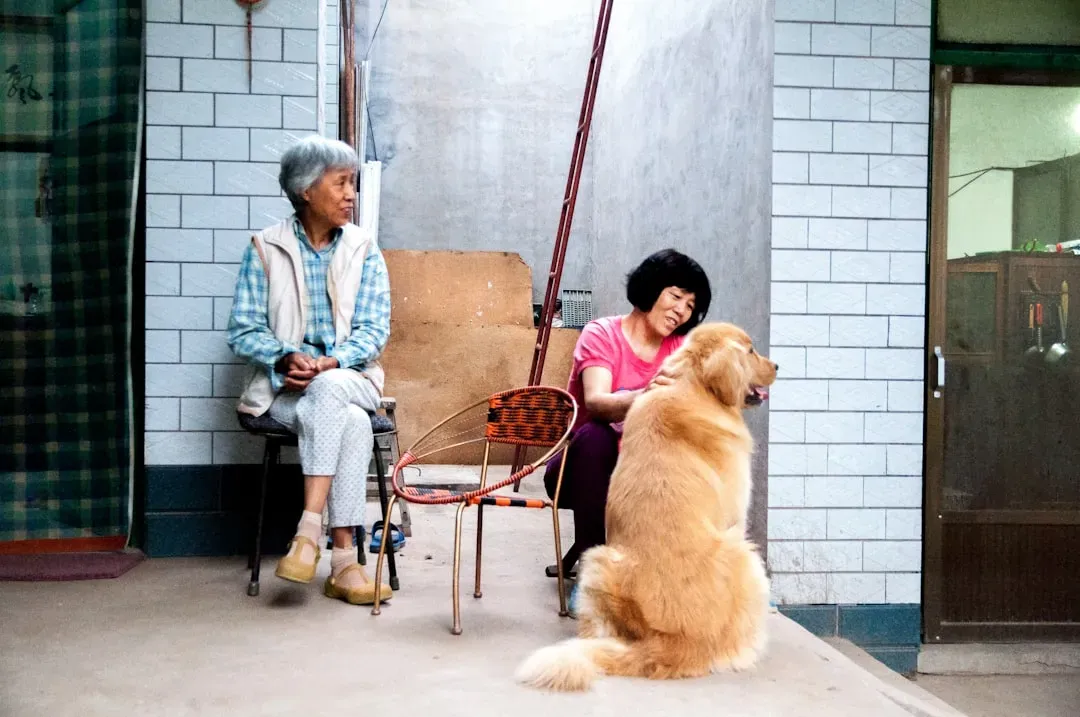
Loneliness in retirement is more common than most people admit. Many older adults suffer from loneliness after they lose their partner or after they retire, often feeling a certain lack of purpose that would give sense to their everyday lives. It creeps in slowly, and it’s far more dangerous than it sounds.
Research found that pet owners were significantly less likely than non-pet owners to report loneliness, even when controlling for age, living status, and other factors. In fact, older adults who reported owning a pet were about a third less likely to report loneliness than older adults without pets. That’s a staggering number for something as simple as a warm body curled up beside you on the couch.
3. Heart Health You Can Actually Feel
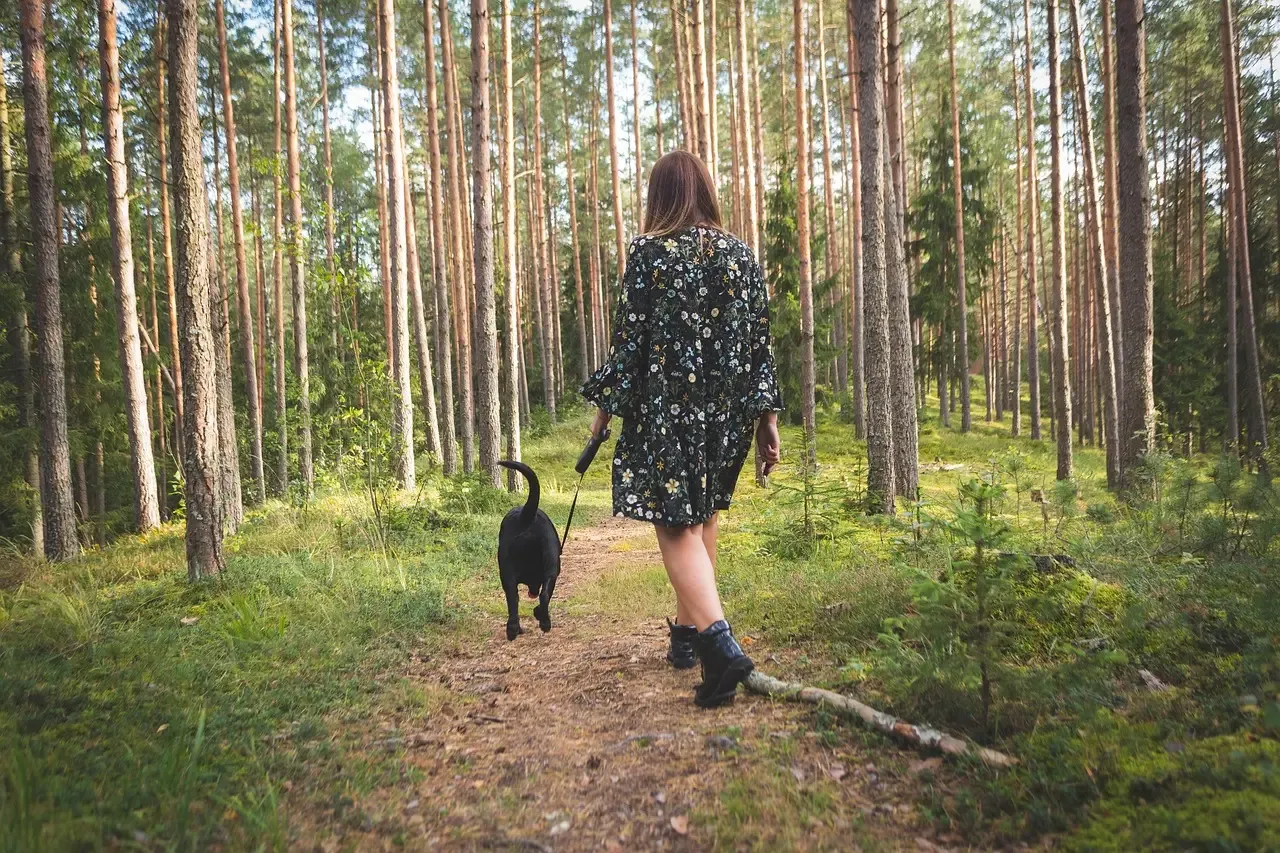
Here’s the thing: owning a dog isn’t just emotionally rewarding. It’s physically protective. Dog owners have lower blood pressure and healthier cholesterol levels, and a lower risk of heart disease, than non-owners. Your cardiologist would probably approve.
Research in the BMC Public Health Journal found that people who own a dog walk about twenty-two minutes longer on average than those who do not have a dog, and even a low-intensity daily twenty-minute walk can improve heart health, lower blood pressure, and relieve stress. Those daily walks add up to something genuinely life-extending. Not bad for someone who just wants an excuse to get some fresh air.
4. A Natural Antidote to Stress and Anxiety

Physical contact with a pet, such as petting or cuddling, can help reduce stress hormones like cortisol and norepinephrine and release oxytocin, which produces feelings of relaxation and comfort. It’s essentially a biochemical hug. One that requires no scheduling and no co-pay.
Pets help you live in the now and increase mindfulness, helping to reduce anxiety and increase a sense of security, which can also lead to improved sleep. Honestly, I think a lot of people underestimate how transformative better sleep is in retirement. A calm dog at the foot of the bed does more than most prescriptions.
5. An Unexpected Social Life
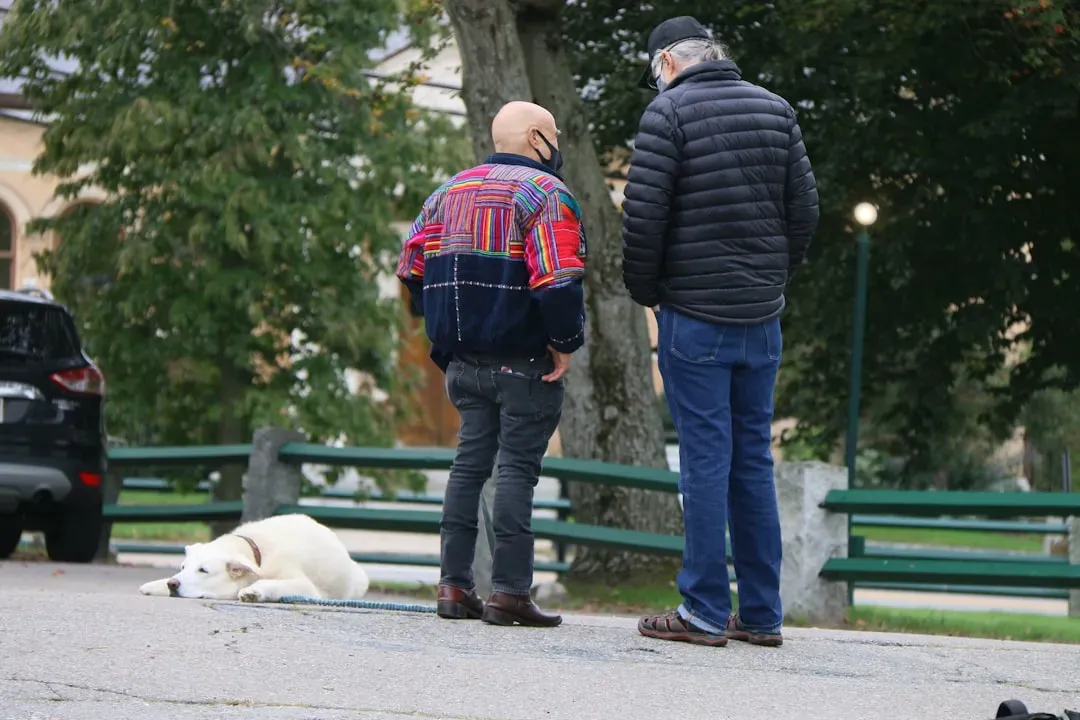
One of the most surprising things a dog does for a retiree’s life? It opens doors to other people. It can be quite challenging for many older people to get regular social interactions, but walking a dog usually means meeting and chatting with other dog owners in parks or green spaces, which can help with a sense of community and feelings of belonging.
Older adults who frequently walked their dogs reported a stronger sense of community. Think about it: every walk becomes a small social event. Other dog owners stop. They chat. They swap names, not yours, the dogs’ names first, which somehow makes it easier. A dog can serve as a kind of medium through which social contacts can be established in everyday situations.
6. A Powerful Boost to Mental Health
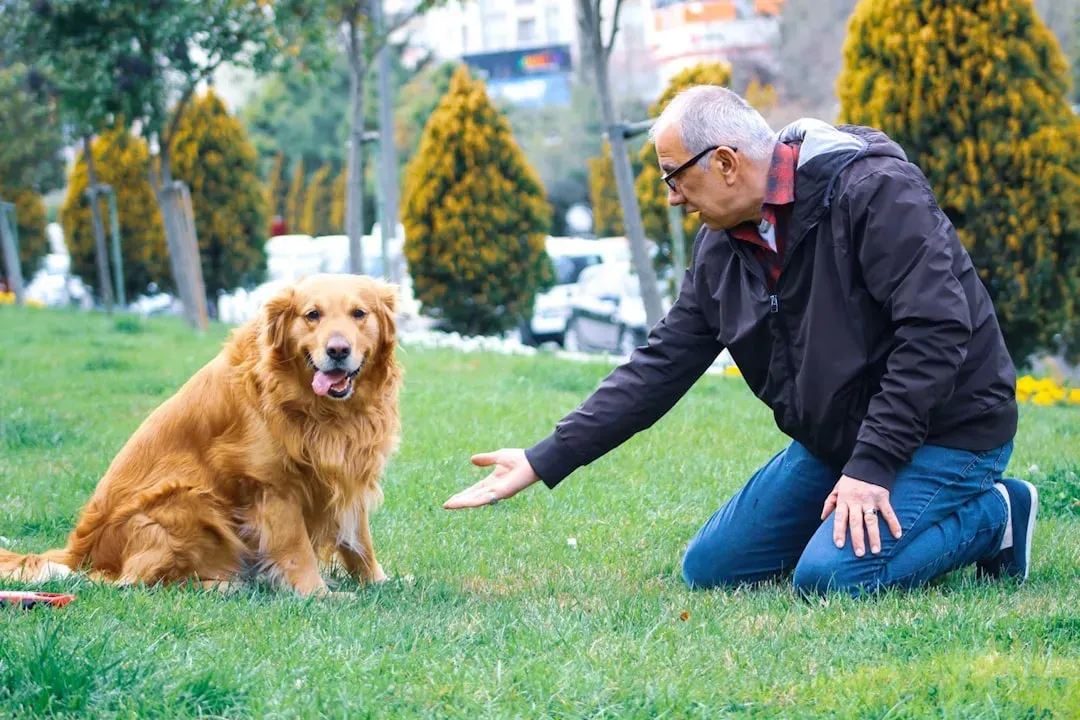
Pet ownership can have significant mental benefits for seniors, including improved cognitive function, reduced stress levels, and enhanced emotional well-being, and interacting with a pet has been shown to lower cortisol levels, which in turn helps in reducing feelings of anxiety and promoting a sense of calm. That’s not just comfort. That’s real, measurable medicine.
Research has shown that pet ownership can provide important forms of social and emotional support for older adults that can reduce distress, loneliness, and improve overall quality of life, with one study finding that strong attachment to a pet was associated with less depression among older adults. For someone navigating the emotional shifts that retirement brings, that’s a lifeline worth holding onto.
7. Help Keeping the Mind Sharp
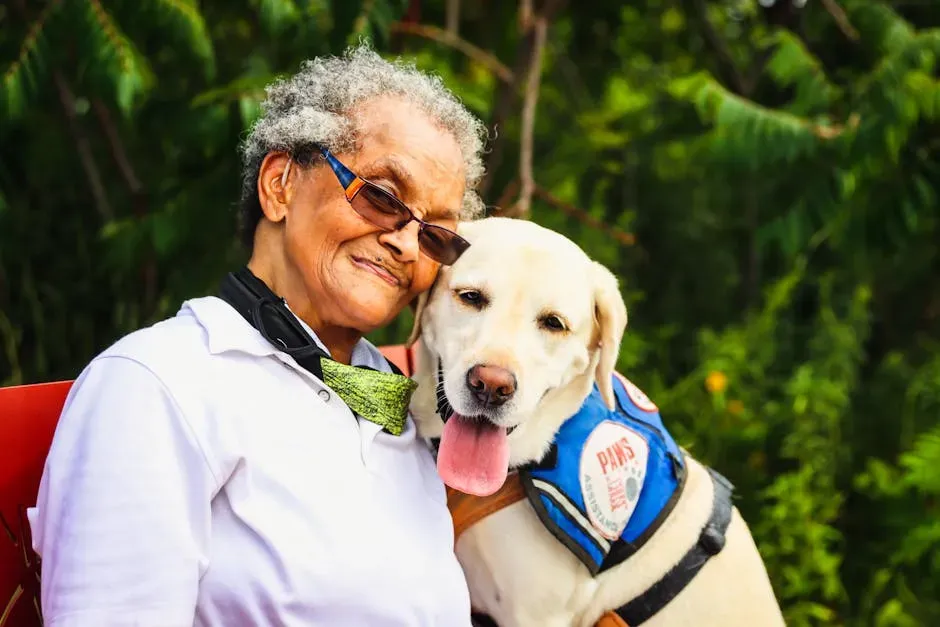
Cognitive health is one of the quieter worries of retirement. Nobody talks about it at the dinner table, but everyone thinks about it. Cognitive stimulation is an important factor for seniors’ well-being as they age, and dog ownership can provide a great source of mental stimulation for seniors, which helps keep their minds sharp and active.
Looking after the needs of a pet means older owners have to use their cognitive function for things like remembering their pet’s mealtimes, medications, grooming, and vet appointments, and this mental stimulation can have a similar impact as brain games for seniors, helping older adults stay sharper and maintain cognitive health for longer. Training a dog to learn new commands, even basic ones, keeps both of you on your toes.
8. Unconditional Presence and Emotional Comfort
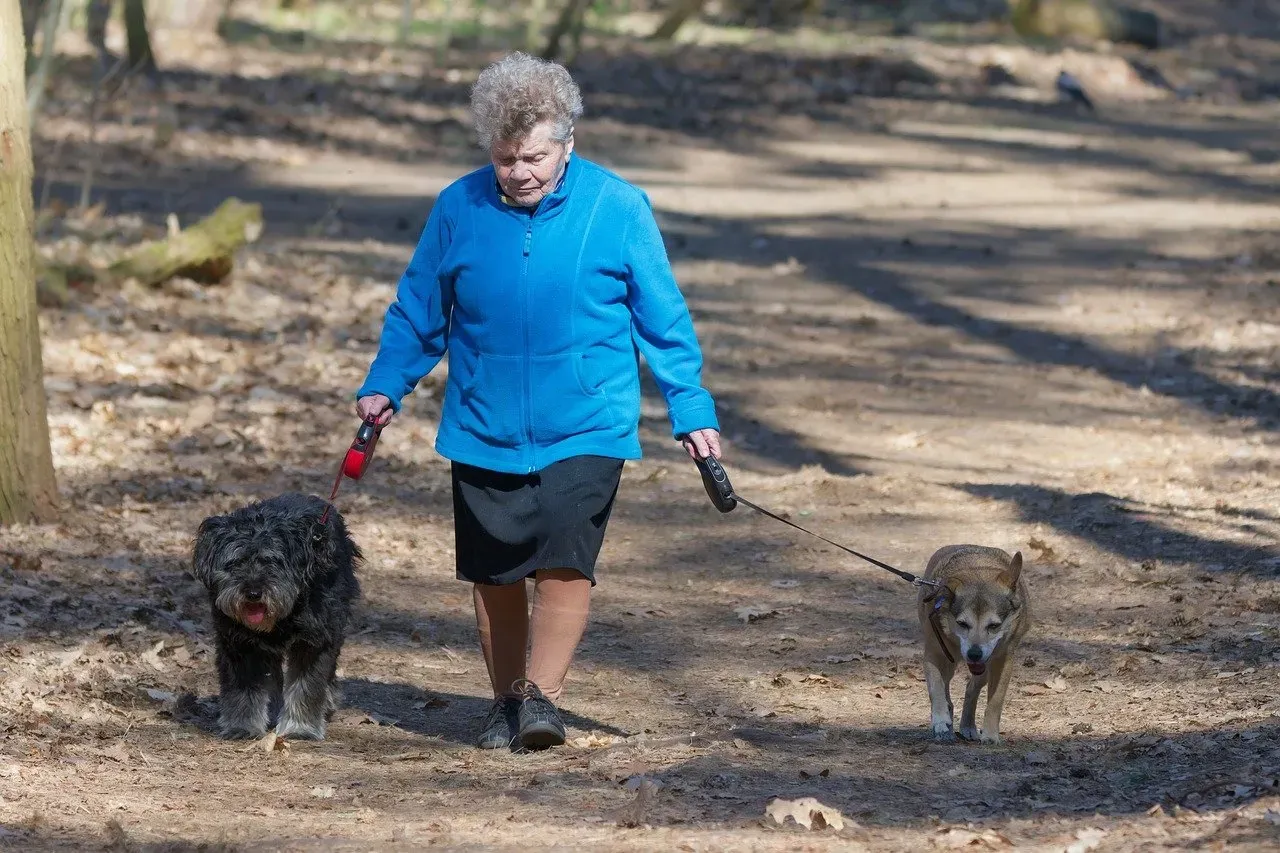
Dogs don’t judge. They don’t care what your house looks like, what you wore today, or whether you said the right thing at lunch. Dogs offer unconditional love and can give seniors a sense of purpose and responsibility, boosting their self-worth and confidence. There is something profoundly healing about that kind of acceptance.
A study by the University of Michigan, sponsored by AARP, found that the vast majority of older adults said their pet helps them cope with physical or emotional symptoms, and nearly half said their pets help take their mind off of pain. A dog can’t fix everything. But it can sit with you through all of it, and sometimes that’s exactly what you need.
9. Gentle Daily Exercise Without the Gym
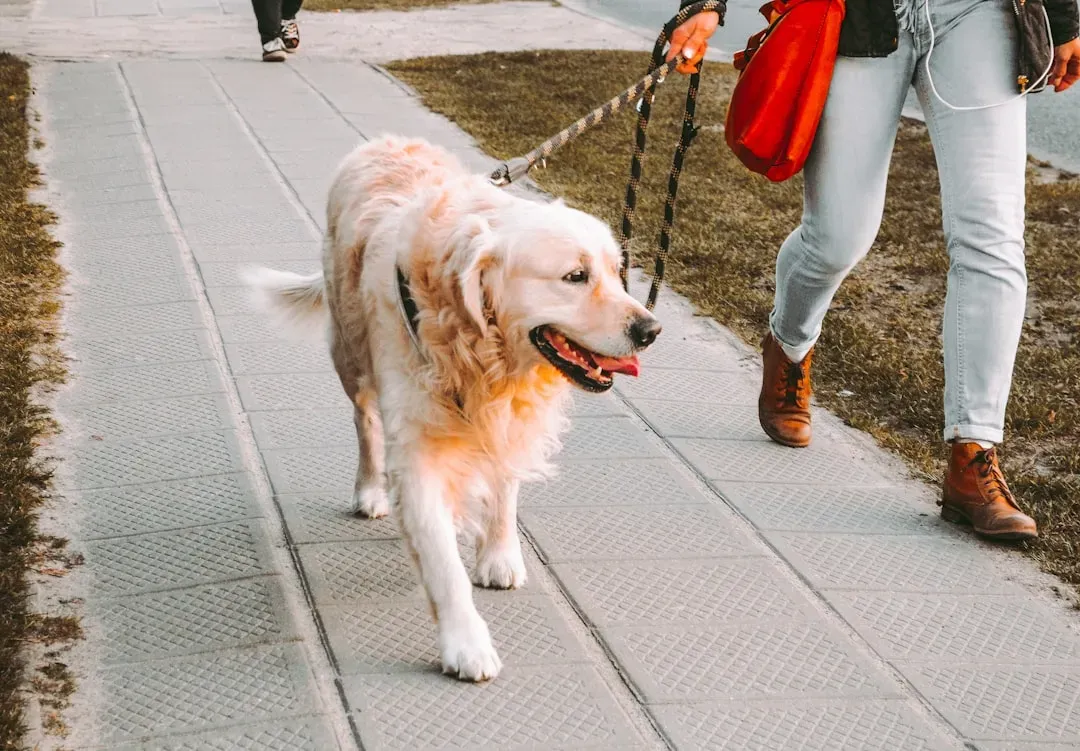
Not everyone wants to take a fitness class. Not everyone can. Research shows that multiple shorter periods of exercise throughout the day, like taking your dog out for fifteen minutes at a time a few times a day, is just as effective as one longer workout. That’s a game-changer for people with joint pain, low energy, or simply a deep aversion to lycra.
Compared to their non-dog-owning counterparts, community-dwelling older adult dog owners spent more time walking every day, took significantly more steps per day, and experienced fewer prolonged sedentary events each day. Movement becomes effortless because it’s purposeful. You’re not exercising. You’re just walking your best friend.
10. A Sense of Being Needed

Here’s something nobody tells you about retiring: you can quietly start to feel less needed. The professional identity falls away, the children are grown, and life can suddenly feel like it revolves around you alone. Having a pet creates a sense of responsibility and purpose, as older adults follow a consistent schedule for feeding, grooming, and walking their furry companions, and this routine can contribute to lower stress levels, boosted mental well-being, and improved overall quality of life.
People who own pets often do so to feel loved, needed, and wanted. That need is real and legitimate at every age. A dog looks to you for food, walks, comfort, and play. It trusts you completely. Being someone’s whole world, even a small four-legged world, is a remarkably grounding experience.
11. Mindfulness Without Trying
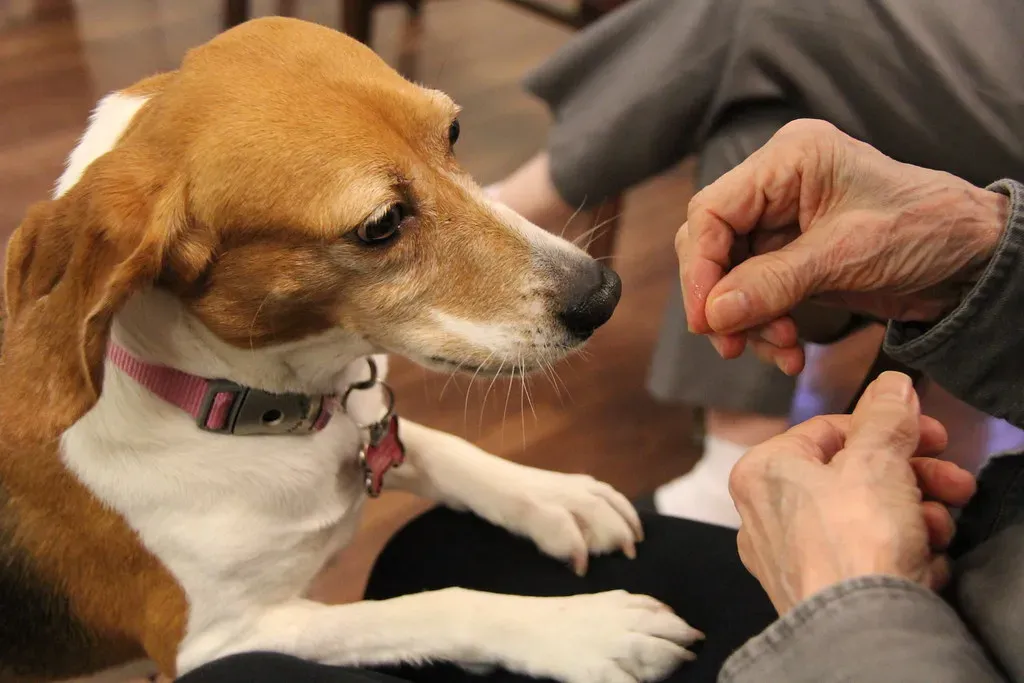
Dogs are the original mindfulness teachers. They don’t worry about yesterday. They have absolutely no opinion about tomorrow. Pets live in the here and now, without worry about the future or thoughts about the past, and playing or cuddling with your dog can help you do the same. It’s present-moment living at its most natural.
One study shows that the vast majority of people feel more relaxed after spending time with a pet, and for people who tend to spiral into worry, pets help them live in the moment and stay mindful. Watch a dog sniff a patch of grass for three full minutes with total concentration and you’ll start to understand what full presence actually looks like. There’s a life lesson in every walk.
A Final Thought Worth Sitting With
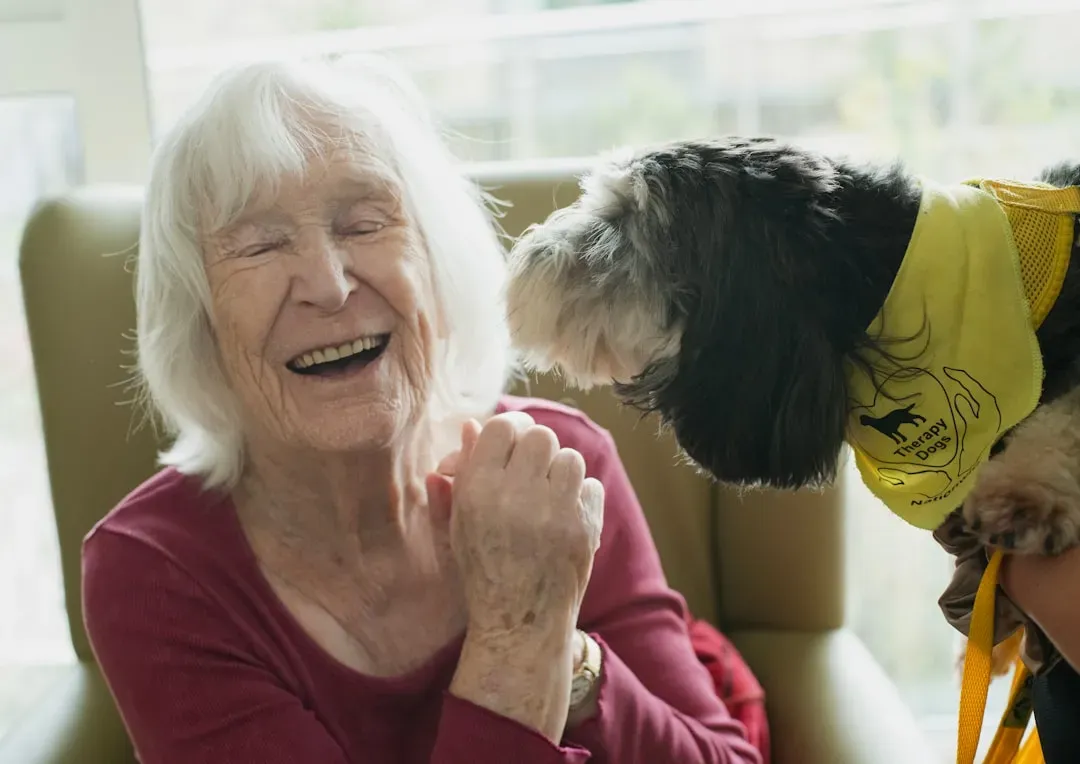
Retirement is a remarkable gift, but it comes with its own quiet challenges. The loss of structure, the creep of loneliness, the worry about health and purpose. A dog doesn’t solve all of that overnight. What it does, slowly and honestly, is offer something profoundly human in a non-human package: companionship, routine, unconditional love, and a reason to go outside every single day.
Pets can make a remarkable difference in the lives of seniors, from offering companionship and emotional support to improving physical and mental health, enhancing overall well-being, alleviating feelings of loneliness, and promoting a sense of purpose and responsibility. That’s not a small thing to offer someone in a new chapter of life.
So if you’re retired, or getting there, and the house feels a little too quiet lately, maybe the answer has four legs, a wagging tail, and is waiting for you at a shelter right now. What kind of dog would be your perfect retirement companion? We’d love to hear your story in the comments.


