

Picture this: you come home after a long day, kick off your shoes, and find your favorite pillow shredded across the living room floor. Your dog looks up at you with those wide, innocent eyes. Was it spite? Mischief? Honestly, it was probably neither. It was boredom. Plain and simple.
Dogs are brilliantly wired creatures. They are curious, social, deeply intelligent, and built for purpose. When they don’t get enough mental and physical fuel to burn, they don’t just sit quietly and wait. They find their own ways to cope, and those ways are rarely pretty. The good news? Once you learn to read the signs, you can make real changes that transform your dog’s world.
So whether your pup has been driving you a little crazy lately or you just want to be a more tuned-in dog parent, this one’s for you. Let’s dive in.
Sign 1: They’re Chewing Everything in Sight

When left to their own devices, bored dogs will chew furniture and shoes, shred pillows, or even unroll your toilet paper, doing whatever they can find to pass the time. It’s not bad behavior in the traditional sense. Think of it like a toddler drawing on the walls because no one gave them paper.
Chewing is a natural behavior, but excessive chewing can be a sign of boredom in dogs. The fix? Redirect that chewing energy. Keep inappropriate chew items out of reach, and provide better chew options. Feed your pet meals out of a KONG Classic Dog Toy so mealtime is also chew time. Swap destruction for satisfaction.
Sign 2: Constant Barking or Whining for No Clear Reason

Vocalizing without a clear reason, especially repeated barking or whining just to get attention, can be a sign of boredom. It’s your dog essentially shouting into the void, hoping someone notices them. Honestly, it’s kind of heartbreaking when you think about it that way.
One of the reasons why dogs bark is because of boredom: an understimulated dog builds up excitement, which is not only satisfied by barking, but barking further stimulates that excitement. This leads to more barking, more excitement, more barking, and so on. Break the cycle by giving them something constructive to focus on before the barking begins.
Sign 3: Destructive Digging in the Yard (or Your Couch)
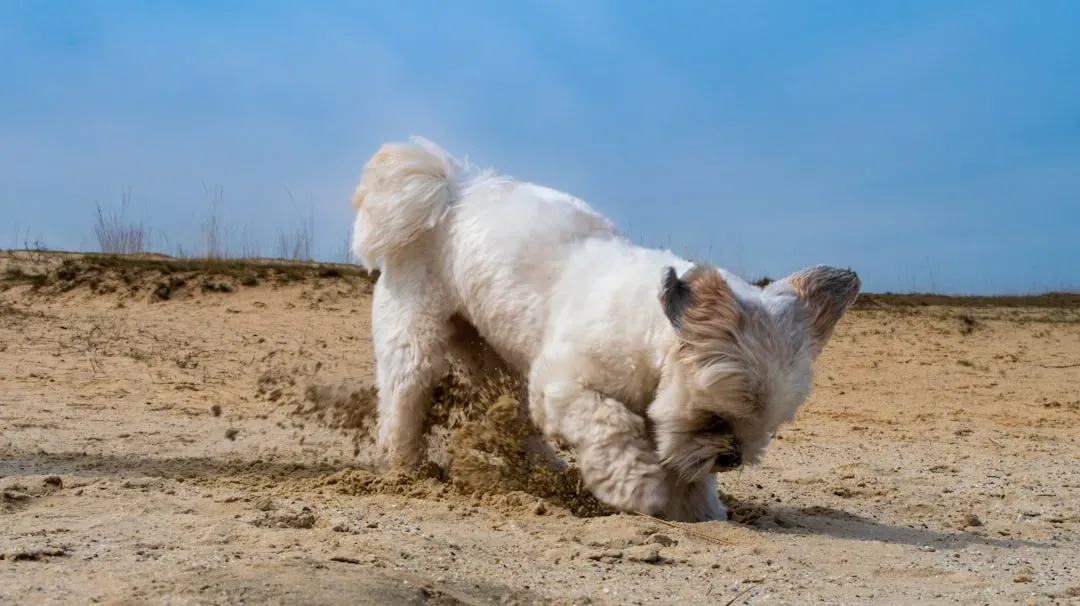
Digging is another normal behavior that can get out of hand. Dogs may dig up flowers, for example. This gets into a deeper issue: people assume the yard is fun, but for most dogs, the yard is boring, which leaves them desperate for something to do. I know it sounds crazy, but a big backyard isn’t automatically a cure for boredom.
As a species, dogs dig, chew, and shred, and many dogs crave outlets for these activities in our modern homes. You can minimize destruction and meet your dog’s needs by noticing what he likes to do and providing opportunities to do so on “legal” items. Try setting up a designated digging spot filled with sand and hidden treats. It’s genuinely a game-changer.
Sign 4: Restlessness and Pacing Around the House
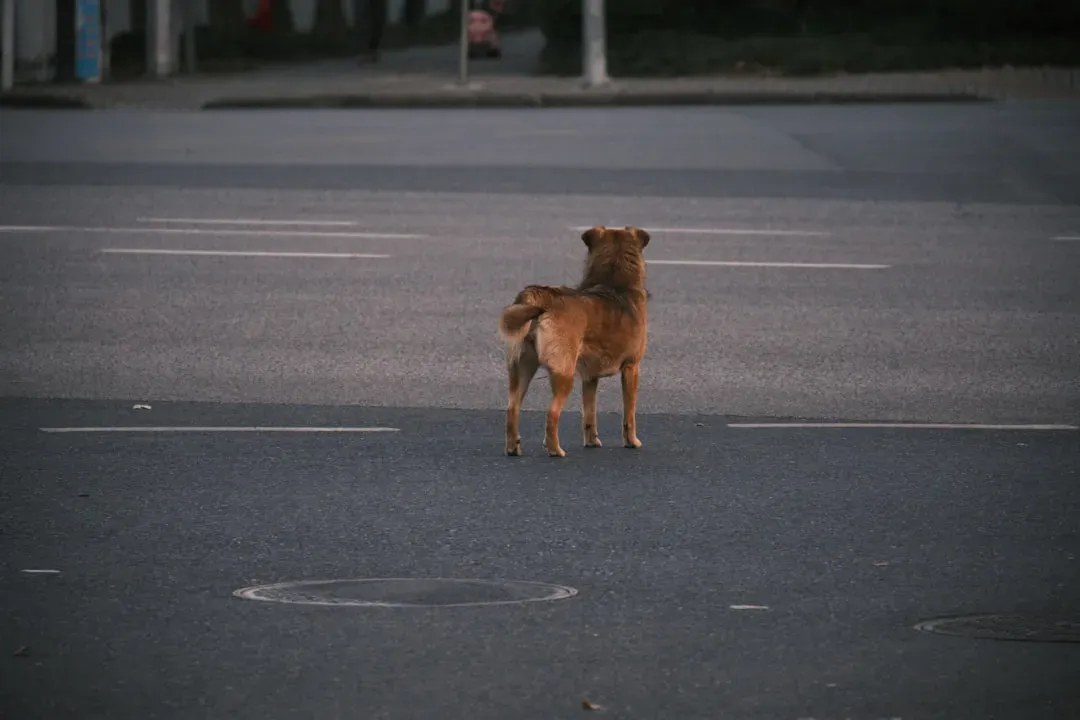
Typical signs of boredom start with restlessness, such as pacing, jumping on and off furniture, or watching you constantly for signs that you may want to play or go for a walk. If your dog can’t seem to settle, it’s rarely about personality. It’s about unmet need. Think of a kid who ate too much sugar with nothing to do on a rainy afternoon.
Pacing, struggling to settle down, or constantly patrolling around the house can often mean that your dog has excess energy with no outlet. Releasing energy can help reduce boredom and encourage relaxation, which is one good reason why it’s important to make sure your dog gets the right amount of exercise for their breed, age, size, and health.
Sign 5: Following You Around Like a Shadow

We all love when our pets are affectionate, but if your dog is sticking to you like glue and shadowing your every move, it may be their way of telling you they’re bored, anxious, or in need of more stimulation. It’s sweet at first. Then you can’t even go to the bathroom alone.
Do you have a little shadow that won’t leave your side? While some dogs are naturally clingy, boredom can make them even more attached. Your dog wants to be your sidekick. He’s a pack animal, and you’re his leader. This means he’ll follow you until you give him something else to do. Give them a puzzle toy before sitting down and watch the transformation.
Sign 6: Excessive Attention-Seeking and Demand Barking

Barking, whining, jumping, and even nipping can be ways for your dog to communicate. Sometimes dogs do these things to let you know they need to go out or are hungry. If your dog barks, whines, jumps, or nips at you many times each day, that may be their way of saying “I’m bored. Pay attention to me!”
When your fur baby is whining, nudging, and begging for your attention constantly, you might tell them to stop the behavior, but they’re communicating a different message to you. They’re most likely bored and need some form of engagement. The trick is to initiate play before the demanding starts, so you’re not accidentally rewarding it.
Sign 7: Repetitive or Obsessive Behaviors

Tail chasing, excessive licking, or spinning in circles can develop into compulsive behaviors when dogs don’t have enough enrichment or healthy outlets to focus their mind and body on. These aren’t just quirky habits. They’re red flags worth paying attention to. Left unchecked, they can escalate fast.
Studies have found that animals, similar to humans, become bored and can develop signs of depression or anxiety if left understimulated for long periods of time. Some animals will even engage in self-stimulating behaviors in an attempt to self-soothe, like repetitive or abnormal behaviors when they lack mental and social engagement. If you’re seeing this, it’s time to take action, not dismiss it.
Sign 8: Sleeping All Day or Looking Completely Flat

In some cases, dogs may become depressed, choosing to sleep all day and showing little interest in anything. Owners can sometimes confuse a depressed dog with a lazy one, although some dogs certainly love to sleep all day, it can be a warning sign in active breeds. There’s a difference between a dog enjoying rest and a dog who has simply given up on the day.
When boredom leads to inactivity, it increases the risk of obesity, joint problems, diabetes, heart disease, and even a shortened lifespan. A once-playful pup who now sleeps all day? Boredom, not laziness, is likely the cause. If your energetic breed suddenly becomes a couch potato, look deeper before assuming it’s just their personality changing.
Sign 9: Getting into the Trash or Counter-Surfing

Big messes when you get home are a clear sign of a dog with nothing to do. You might also see digging in the backyard or tipping over trash cans. Counter-surfing and trash-raiding are classic boredom behaviors that tend to get worse over time if the root cause isn’t addressed. Your dog isn’t being sneaky. They’re just trying to make something happen.
It’s important to understand that a bored dog is not just being “naughty,” they’re trying to find ways to entertain themselves because they’re just not getting enough stimulation. Rather than managing the symptom, address the need. A food-dispensing puzzle toy before you leave in the morning can redirect that foraging energy brilliantly.
Sign 10: Over-Excitement When You Come Home

Jumping, barking, and practically bouncing off the walls whenever anyone comes through the door could be a sign that your pup is under-stimulated and craving more consistent interaction. Of course dogs are always happy to see you. But when the welcome goes from sweet to frantic, something else is happening. That explosion of energy has been building all day.
You can come home to multiple holes dug in your yard, destruction in the home, and you may also come home to a very stimulated dog just when your day is winding down. Here’s the thing: your dog’s day is just starting when you walk in the door. Exercise your dog before you leave to help them settle and nap while you are gone. That morning walk or quick play session makes a massive difference.
Sign 11: Zoomies at Night or Sudden Bursts of Frantic Energy
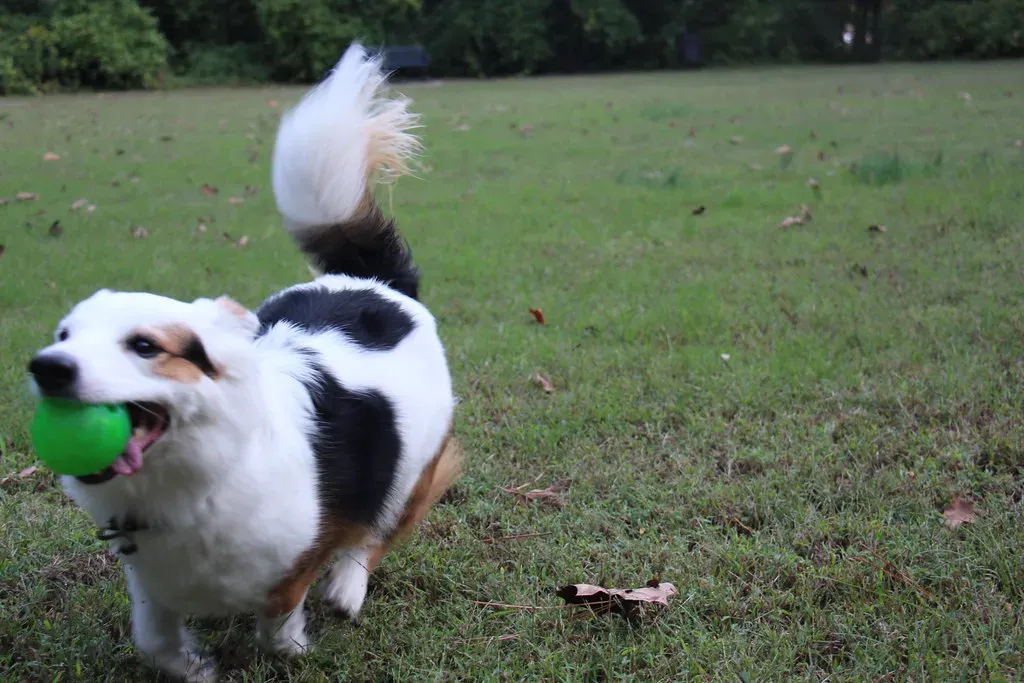
If your dog suddenly gets the zoomies at night, racing around the house like a wild animal, they probably didn’t get enough activity during the day. It’s not mischief. It’s overflow. All that unused physical and mental energy has to go somewhere, and the 10 pm living room sprint is where it lands.
Dogs thrive on routine, but when every day feels identical, boredom can creep in. Sneak in welcome surprises every so often, like a fun hike or a trip to a dog-friendly beach. Variety isn’t a luxury for dogs. It’s a genuine need. Rotate your dog’s toys weekly, introduce new walking routes, and integrate short, fun trick training sessions of five to fifteen minutes to keep their brain engaged.
So, How Do You Keep Your Dog Genuinely Engaged?

Giving your dog’s brain a workout is as important as exercising their body. Plus, it’s equally exhausting. Think of mental stimulation like homework for dogs. A good puzzle toy or scent game can tire them out faster than a forty-minute walk. It sounds wild, but it’s true.
Your dog’s ancestors had to work hard for their food, spending hours tracking and hunting their prey. These days, our dogs usually eat their meals in seconds. Science shows that dogs enjoy working for their food, so try using puzzle toys and LickiMats to extend feed times and challenge your dog at the same time.
Socialization isn’t just for puppies. Even adult dogs benefit from being exposed to new people and places. It’s mentally stimulating and a great way to combat doggy boredom. From scent work to dock diving, dog sports challenge your dog mentally and physically and can help fearful dogs gain confidence. The world of engagement is genuinely endless once you start exploring it.
Training sessions are one of the best ways to make sure your dog gets plenty of mental stimulation. Make sure your dog knows the basics, then move on to more complex commands such as advanced recall and trick training. These sessions don’t need to be long either, as a few five-minute sessions throughout the day will still give your dog plenty to think about.
A Final Thought for Every Dog Parent

Boredom in dogs isn’t just about a lack of fun. It can actually lead to behavioral issues, anxiety, and even health problems. This is something worth taking seriously, not as judgment, but as an invitation to look a little closer at your dog’s daily life.
Typically, beating boredom doesn’t require a full-time schedule of activities, just the right mix of mental and physical enrichment. A snuffle mat here, a new route there, a five-minute training game before dinner. Small shifts add up to a genuinely happier dog.
Your dog shows up for you every single day with a full heart. Recognizing when they’re struggling and responding with creativity and compassion is one of the most loving things you can do for them. After all, a fulfilled dog isn’t just a better-behaved dog. They’re a deeply happy one. And isn’t that exactly what you signed up for?
Which of these 11 signs surprised you most? Drop a comment below and let’s talk about it!


