

Your dog can’t send you a text. They can’t write you a note or leave a one-star review of their kibble on the kitchen counter. What they can do, however, is show you – through their body, their behavior, and sometimes their bathroom habits – that something in their diet simply isn’t working anymore.
The tricky part? Most of these signs sneak up so gradually that even the most devoted dog parents miss them. A little extra scratching here, a slightly dull coat there. It starts small. Before long, your pup is uncomfortable and you’re wondering when things changed. So if you’ve been quietly suspecting that your dog’s food might not be the best match for them right now, trust that instinct. Let’s dive in.
1. Their Coat Has Lost Its Shine and Looks Dull or Flaky

A dog’s coat is basically a walking health report. When nutrition is on point, the fur is full, glossy, and soft enough to bury your face in. One of the first signs of a poor diet in your dog can often be seen in their coat and skin. It’s one of those signals that’s hard to fake – the coat either shines or it doesn’t.
Dogs need a wide range of vitamins and minerals to maintain their healthy skin and fur. Without a nutritious diet, they become prone to hair loss, skin disease, and infection. The fix often starts with looking at the food’s fatty acid content. Switching to a food that contains Omega-3s and Omega-6 fatty acids can be beneficial, and in about six weeks’ time, you should notice a gradual improvement in the smoothness of their skin, as the fatty acids will add luster to their coat.
2. They’re Scratching Constantly – Even Without Fleas

Picture this: your dog is sprawled on the couch, scratching away at their belly or chewing on their paws like it’s a full-time job. No fleas in sight. No rash you can see. If your pet is constantly scratching, licking and chewing itself, it could actually be a sign of internal issues. It’s possible itchiness is a reaction to a dog’s diet. Honestly, this one catches a lot of dog owners off guard.
Overfeeding may result in itchy skin and it can also be caused by an allergy or intolerance to ingredients. If you’re concerned about this, consider cutting out beef, wheat and dairy as these account for more than seventy percent of food intolerance in dogs, and seek advice from your vet. In more persistent cases, if the allergy is caused by a food, the only effective treatment is to remove the allergen from your dog’s diet or to give it hypoallergenic foods. A simple food swap can sometimes feel like a miracle.
3. Digestive Upsets That Just Won’t Quit
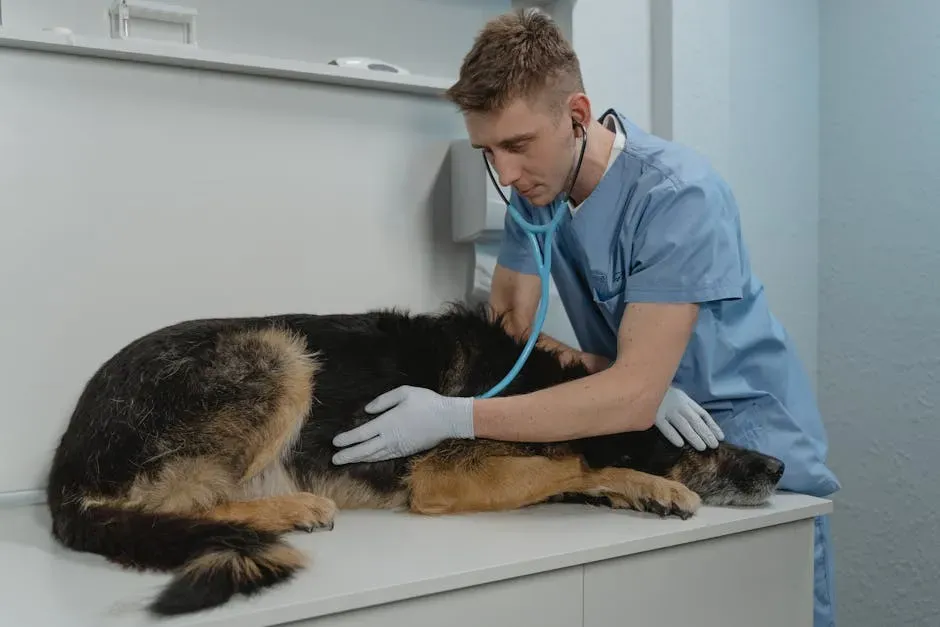
Consistent digestive issues, like diarrhea, constipation, or excessive gas, are hard to ignore. Think of it like your dog’s gut sending out a distress flare – repeatedly. One of the most common signs that your dog’s food needs changing is gastrointestinal upset, such as vomiting or diarrhea. When it happens once in a while, it’s usually nothing alarming. When it becomes a weekly pattern, that’s a different story.
Some possible underlying causes include intestinal parasites, irritable bowel syndrome (IBS), pancreatitis, food intolerance, exocrine pancreatic insufficiency (EPI), Addison’s disease, liver and kidney failure, food allergies or even cancer. So please don’t just assume it’s “normal” for your dog to have loose stools most days. Swapping to a diet with higher-quality protein, fewer fillers, or more fiber can make a remarkable difference in just a matter of days or weeks.
4. They’re Shedding Way More Than Usual

Dog hair on your sofa, on your sweater, on your sandwich – you get used to it. But there’s a difference between seasonal shedding and something more concerning. Over half of pet owners believe it’s normal for their dog to moult all year round, but moulting should only occur once or twice a year as we change seasons. That finding genuinely surprised me when I first came across it.
Continuous moulting can be a sign of excess waste in a dog’s system, which can be caused by poor-quality dog food, or overfeeding. It’s not about how much fur your dog has – it’s about whether the shedding is in sync with the seasons or happening nonstop regardless of time of year. If you’re vacuuming every day and your dog still looks like a snowstorm follows them around, it’s worth a closer look at what’s in their bowl.
5. Their Energy Has Mysteriously Dropped

You know your dog better than anyone. You know whether they’re the type to drag you to the park or the type to drag their feet on the leash. So when your usually bouncy dog suddenly seems tired all the time, that shift matters. If your dog is more lethargic than usual or more than is expected of their breed or age, the answer may be in their diet. Like humans, dogs get all their energy from their food, so if your dog has less energy than usual, it may be a sign that their food does not provide them with all the nutrients and calories they need.
Lack of energy is another telling sign of malnutrition, especially in the carbohydrates department. Carbs are a dog’s main fuel source, and they provide dogs with the energy needed to bounce off the walls in that excited let’s-play-fetch-today kind of way. That said, lethargy is also a common symptom for several other health problems, some more serious than others, so booking a consultation with your vet if you’re concerned about how much they sleep is a good idea.
6. Noticeable Weight Gain With No Change in Exercise

It’s easy to look at a slightly rounder dog and think they’re just “cozy.” Here’s the thing though – unexpected weight gain without a change in activity is a genuine red flag. Obesity can lead to several health problems, including arthritis, heart problems, and even diabetes, so keeping your dog at a healthy body weight for its breed is essential to ensure their health and well-being.
If you notice that your dog has put on a few pounds too many, keep an eye on its physical activity and diet. Keep treats outside mealtimes to a minimum or replace them with healthy snacks, such as carrots or cucumbers. If, despite everything, your pet still has a few excess pounds, you could perhaps reduce the size of its meals or simply consider changing its diet. Weight management formulas exist for a reason – they allow your dog to feel satisfied while consuming fewer calories. It’s a win for everyone.
7. Unexpected Weight Loss That’s Hard to Explain
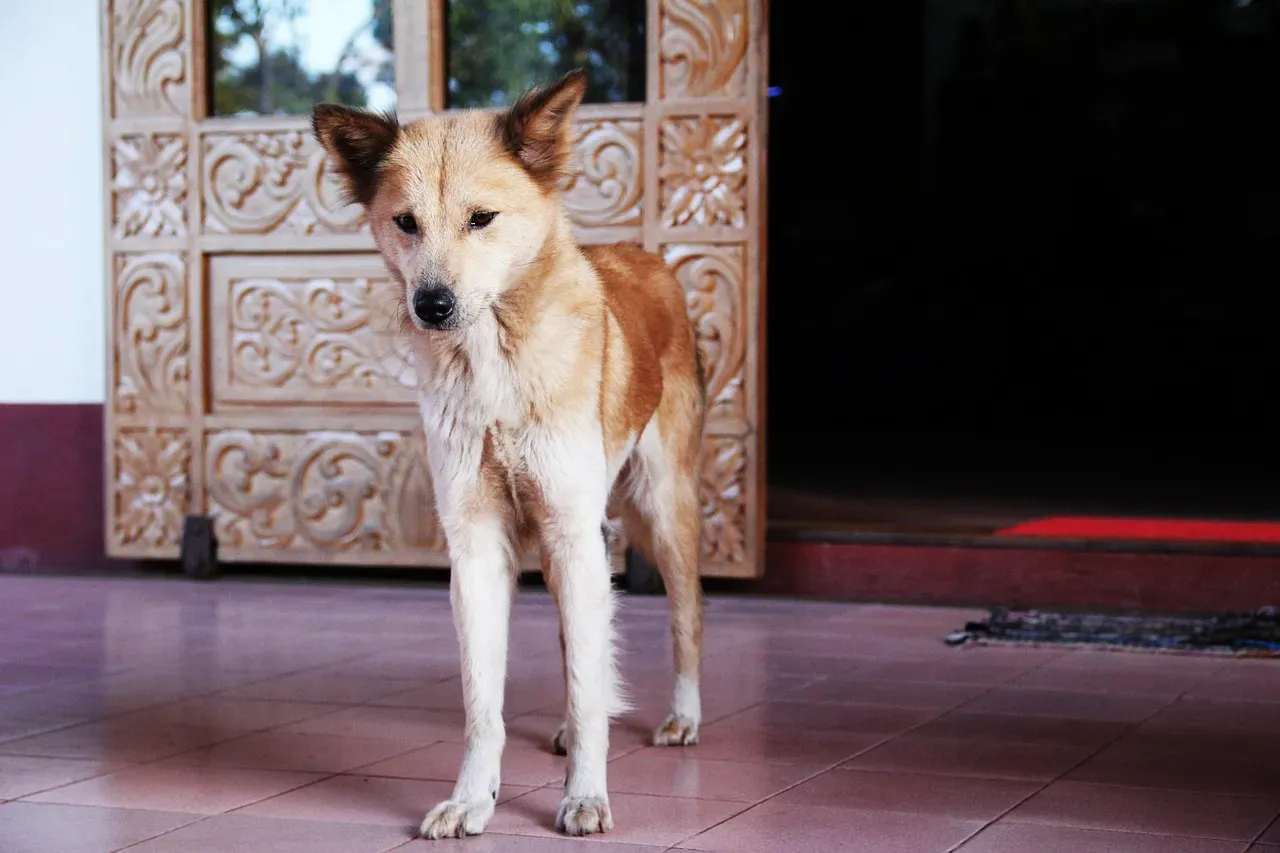
On the flip side, unexplained weight loss is just as concerning – maybe even more so. Weight loss is a sign that should not be taken lightly. To rule out any underlying medical problems, visit your vet for a general examination of your pet. If your dog needs to gain weight, your vet will be able to advise you and, if necessary, adjust its nutritional plan or suggest a new diet.
Some dogs may lose interest in food, experience weight loss, or have a dull, flaky coat due to poor nutrient absorption. Think of it like a car running on the wrong type of fuel – it might keep moving for a while, but things start breaking down under the hood. Nutritional deficiencies in dogs are more common than most pet parents realize, and they don’t only happen in dogs eating poor-quality food. They can occur when a diet is unbalanced, when a dog has absorption issues, or when life stage needs shift and the diet doesn’t shift with them.
8. They’ve Lost Interest in Their Food Bowl

Remember when your dog used to sprint to the kitchen the moment they heard the bag rustling? If that excitement has faded and mealtime now gets a bored sniff and a slow walk away, pay attention. While most dogs aren’t fussy with their diet, there is still a chance they’ll go off their food, and one of the most common reasons for this is boredom. After all, would you want to eat the same thing twice daily for your whole life?
Sometimes, a dog will suddenly decide they no longer want to eat the food they have been enjoying for years. It’s not always stubbornness – sometimes the body genuinely wants something different. I think it’s important to distinguish between a dog who is being clever (some absolutely are) and a dog who is genuinely off food because the current formula no longer appeals to them nutritionally. If your dog is not as excited or motivated by mealtimes as usual, it’s usually a sign that it wants something different, barring a medical issue.
9. Behavioral Changes Like Anxiety or Irritability

This one surprises a lot of dog owners, honestly. We tend to think of behavior as a training issue, not a food issue. Nutrition has a meaningful impact on neurological function and mood. Dogs that seem more anxious, reactive, or difficult to focus during training may have a dietary factor at play. It’s a bit like how you feel after a week of junk food versus a week of balanced meals – the difference in mood is real.
Nutrients like omega-3 fatty acids, vitamins and minerals play a role in brain health. Deficiencies in these nutrients can lead to mood swings and even more severe behavioral problems. Ensuring your dog receives a balanced diet can improve their mental state. Magnesium, B vitamins, and tryptophan – an amino acid precursor to serotonin – all play roles in nervous system regulation. Diets very low in these can contribute to behavioral symptoms. So before blaming the neighbor’s cat for your dog’s sudden edginess, check the ingredient label.
10. Recurring Ear Infections or Chronic Paw Licking
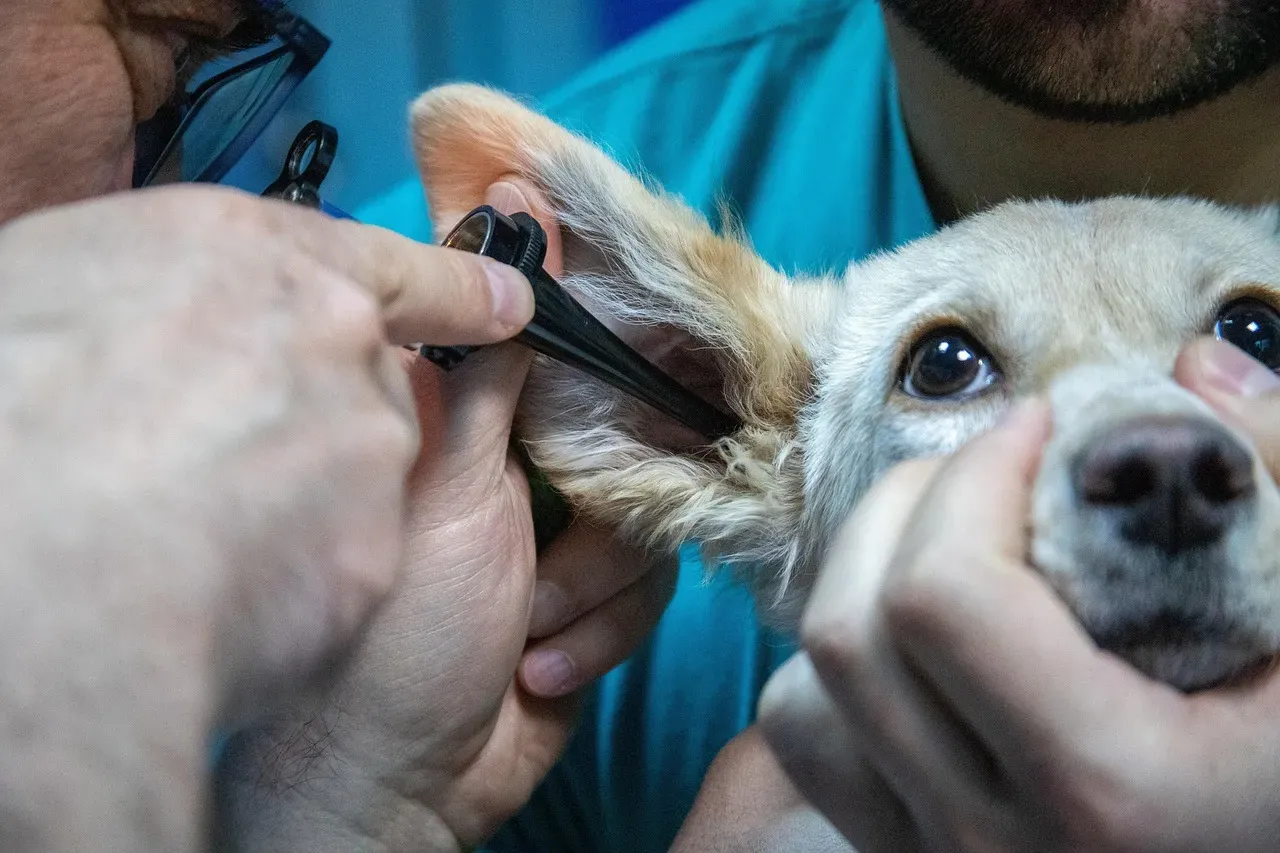
If you’ve been to the vet more times than you can count for ear infections, or your dog licks their paws so obsessively that they’ve turned pink, listen up. Itchy skin, ear infections, or chronic paw licking can also point to food sensitivities or allergies. These are easy to dismiss as environmental problems – pollen, grass, dust – and sometimes they are. But diet is often a key culprit that goes overlooked.
Allergies can cause recurring ear infections, skin disease, and itching affecting many body parts, including the paws, stomach, groin, and face. The frustrating part is that food allergy symptoms can mimic so many other conditions. To identify a food allergy, vets typically recommend an elimination diet. During the diet, a dog is fed a strict diet containing a protein that their immune system is unlikely to recognize as an allergen. The recommended diet must be fed exclusively for several weeks, with no other treats, flavored medications, or other foods. It’s a commitment, but it’s worth it.
11. Their Nutritional Needs Have Changed with Age or Lifestyle
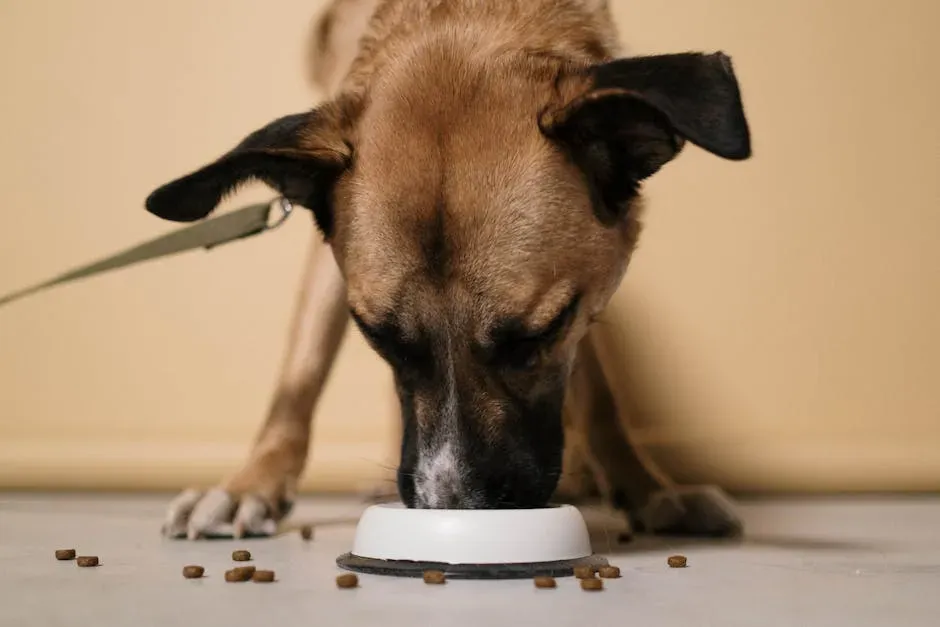
Here’s something that doesn’t get nearly enough attention: the food that was perfect for your dog at two years old may not be the right food for them at seven, or twelve. Nutritional needs evolve with age. Growing puppies have very different dietary requirements compared to senior pets, and certain breeds may have unique nutritional needs or restrictions that require special attention. A dog’s body is constantly changing, and their food should evolve with it.
Seniors can have different nutritional needs. As they get older, they may not get as much exercise, so they need a lower-calorie diet. They may need extra joint support for their creaky joints. Or they may have lost teeth and cannot crunch and chew hard food as easily. A lifestyle change matters too. If your previously sedentary dog goes for a morning walk now or jogs a few miles with you, it will certainly need more fuel. On the other hand, if it has been very active and is now resting more, you may need to adapt its diet to its new routine.
How to Make a Diet Change the Right Way

Once you’ve spotted the signs and decided it’s time to switch things up, don’t go cold turkey. Abrupt changes may result in gastrointestinal disturbances, which can compromise your dog’s health and comfort. To avoid this, slowly transition your dog to any new food over a period of several days. Think of it like adjusting to a new time zone – the body needs a runway.
A solid guideline when changing dog food is this: days one and two, mix roughly a quarter of the new food with three quarters of the old. Days three and four, go half and half. Days five and six, shift to three quarters new with a quarter old. Day seven and onward, feed your dog the new food completely. Dogs with sensitive stomachs may need a longer, more gradual swap. Always keep your vet in the loop, especially if your dog has an existing health condition.
Conclusion: Your Dog Is Talking – Are You Listening?

Here’s what I truly believe after years of learning about canine health: your dog is always communicating with you. The scratching, the low energy, the disinterest in the food bowl, the dull coat – none of these are random. Persistent digestive problems, skin issues like excessive itchiness or a dull coat, sudden weight changes, or shifts in appetite can all indicate your pet isn’t getting the nutrition they need. These symptoms don’t just affect your pet’s physical health – they can also impact their behavior, leading to lethargy, irritability, or reduced activity levels.
The good news? Most nutritional improvements show visible results within six to twelve weeks, making it relatively straightforward to know if changes are working. You don’t have to get it perfect on the first try. You just have to stay curious, stay observant, and never stop advocating for the four-legged soul who depends on you completely. Improved energy, a healthier coat, better digestion, and a restored appetite are all positive signals that a new diet is working.
Every dog deserves to feel their very best – and it often starts with what’s in their bowl. Have you noticed any of these signs in your own dog? What changes made the biggest difference? Share your experience in the comments – your story might just help another dog owner and their pup find the right path forward.


