
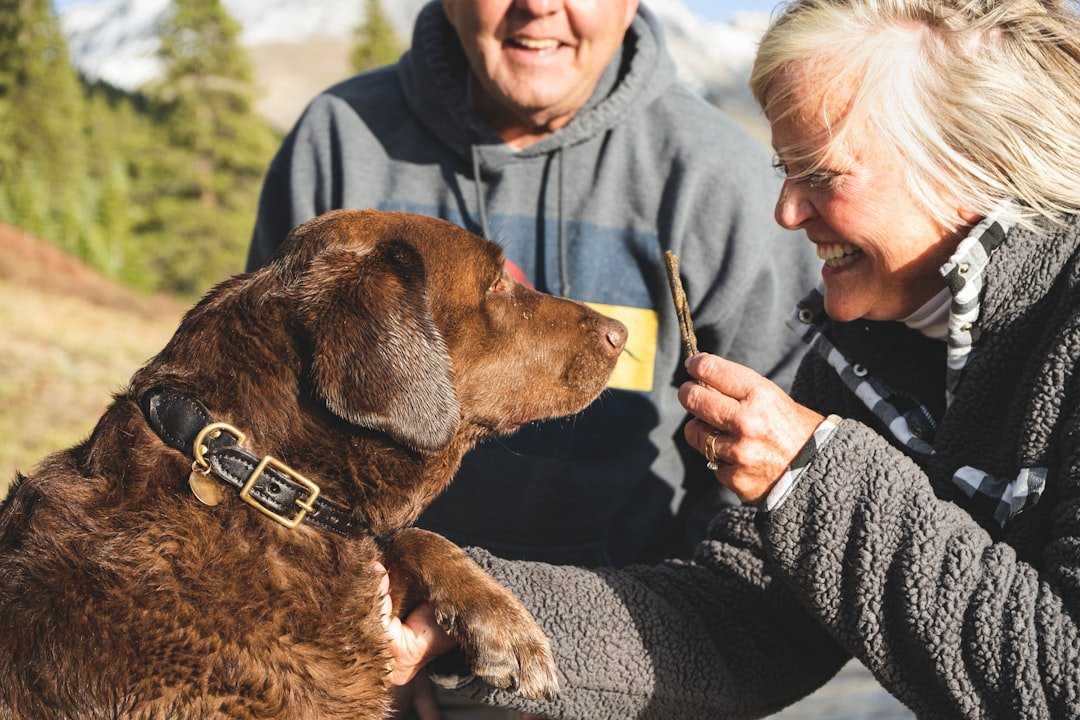
Dogs spend years closely observing the people they love. As those years pass, they quietly notice subtle changes in their owners—changes that many humans might not even recognize themselves.
Because dogs rely heavily on scent, movement, and emotional cues, they often detect signs of aging earlier than people expect. Their awareness of these changes can deepen the bond they share with their human companions.
1. Changes in Scent
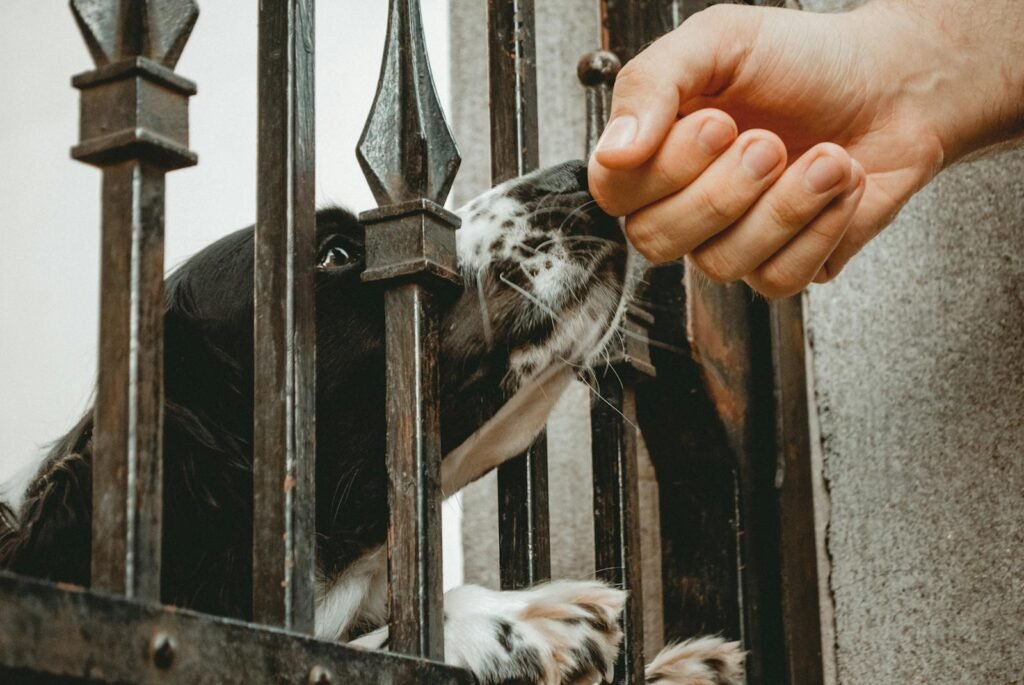
Dogs have an extraordinary sense of smell, far more powerful than that of humans. As people age, natural changes in body chemistry can alter their scent.
Dogs often notice these subtle differences long before humans realize anything has changed.
2. Slower Movement
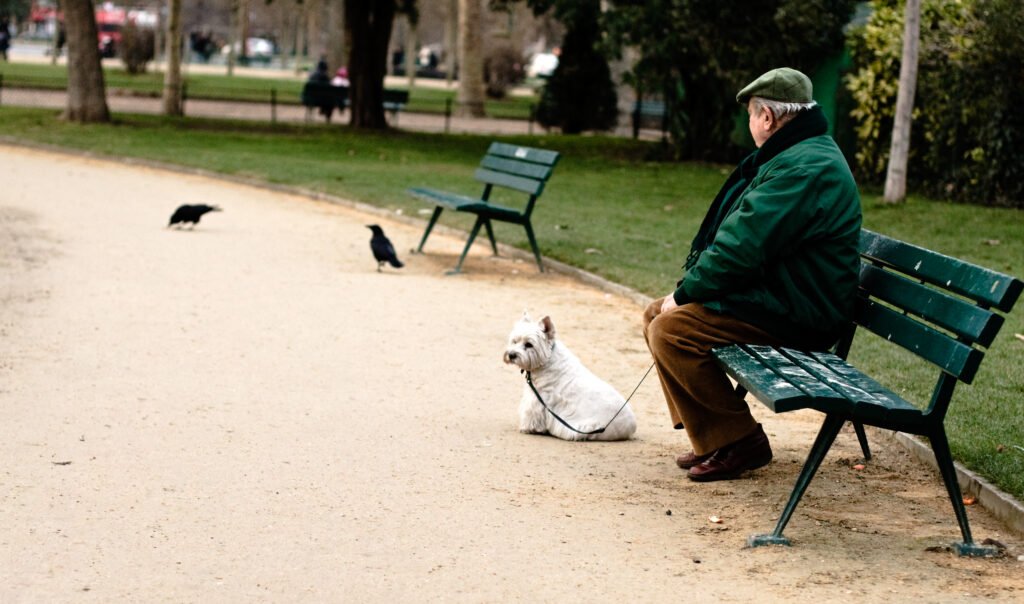
Dogs pay close attention to body movement. When their owners begin walking more slowly or carefully, dogs may adjust their own pace accordingly.
Many older dogs instinctively match the movement patterns of aging owners, showing remarkable sensitivity.
3. Shifts in Energy Levels
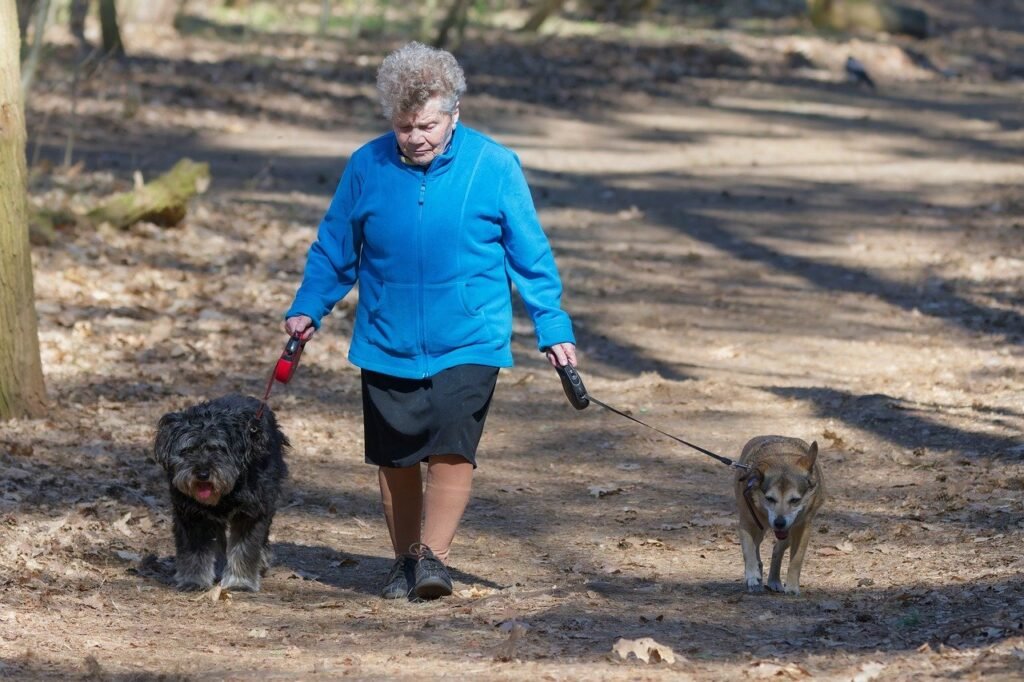
Dogs quickly notice when daily energy levels change. Activities that once involved long walks or energetic play may gradually become calmer routines.
Dogs often adapt by becoming more relaxed companions, adjusting their expectations to match their owner’s pace.
4. Emotional Changes
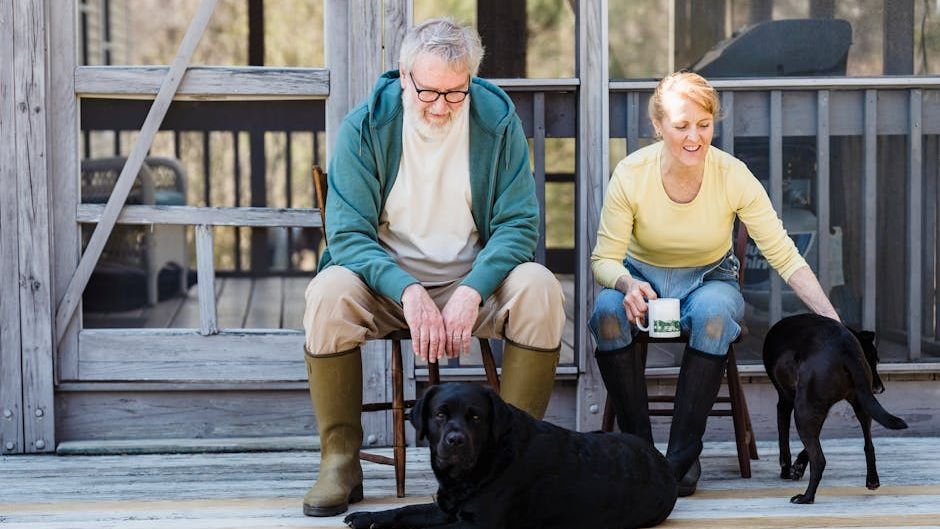
As people age, emotional priorities sometimes shift toward quieter and more reflective moments.
Dogs often respond to these emotional changes by becoming more attentive and affectionate.
5. Changes in Voice Tone
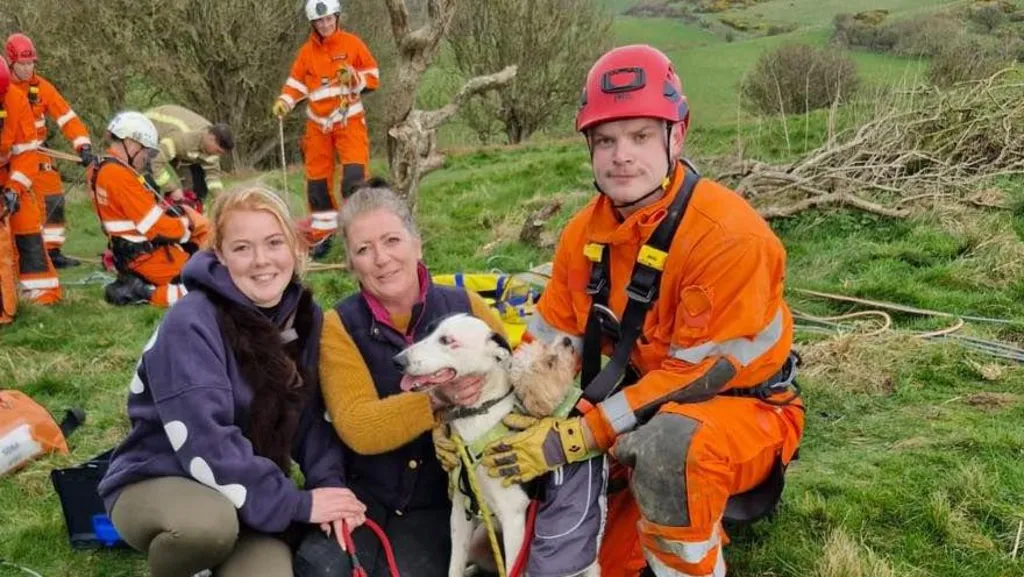
Dogs recognize their owners’ voices with incredible precision. As voices change with age, dogs still remain attuned to familiar vocal patterns.
They often respond more to tone and rhythm than specific words.
6. Routine Adjustments
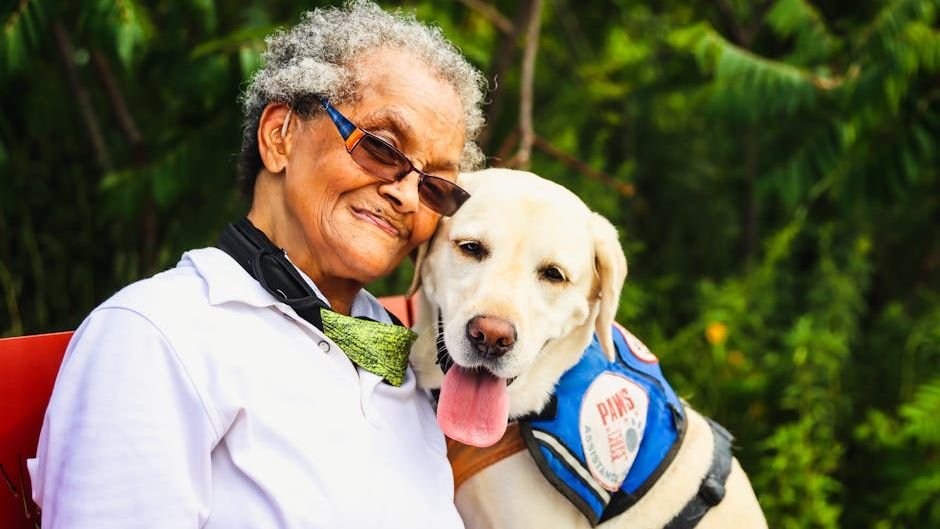
Aging may bring changes to daily schedules—retirement, new hobbies, or quieter lifestyles.
Dogs quickly adapt to these new routines and often enjoy the additional time spent with their owners.
7. Physical Limitations

Dogs may notice when their owners struggle with certain physical tasks or movements.
Some dogs naturally become more protective or attentive during these times.
8. Health-Related Scents

Dogs can detect chemical changes in the body associated with illness or medication.
This ability is why some dogs are trained to detect medical conditions such as diabetes or seizures.
9. Increased Time at Home
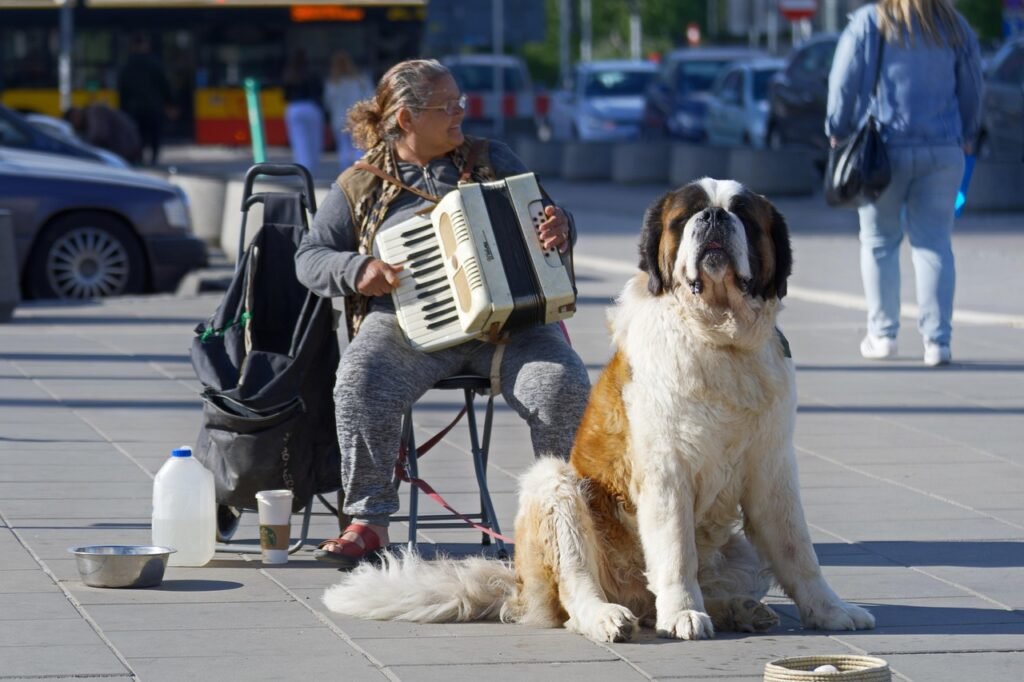
Many aging individuals spend more time at home. For dogs, this often means more companionship and shared quiet moments.
Dogs typically welcome the extra time with their favorite human.
10. Body Language Changes

Subtle shifts in posture or movement are easily recognized by dogs.
They adjust their own behavior accordingly, often becoming calmer or more patient companions.
11. The Strength of the Bond
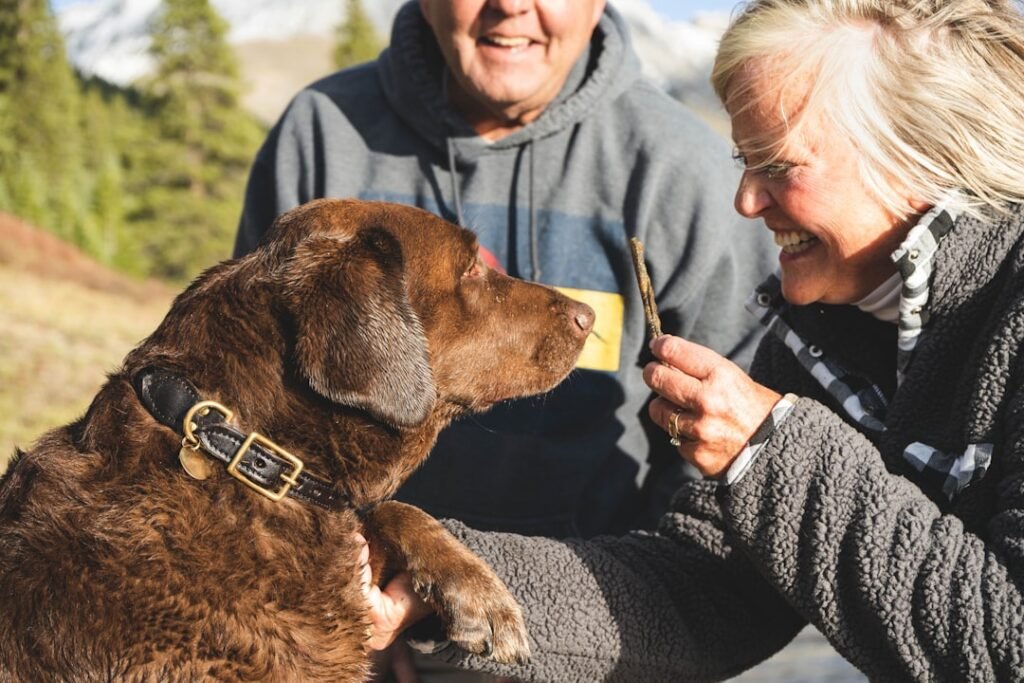
Perhaps the most important thing dogs notice is the emotional connection they share with their humans. Over years of companionship, that bond becomes deeply ingrained.
Dogs often remain devoted companions through every stage of life, offering comfort, loyalty, and quiet understanding.
Conclusion
Dogs experience life alongside us in ways that are deeply observant and emotionally connected. As humans grow older, dogs quietly adapt to the changes they see and sense. Their ability to notice, adjust, and remain loyal companions reminds us why the relationship between humans and dogs is one of the most enduring bonds in the natural world.


