
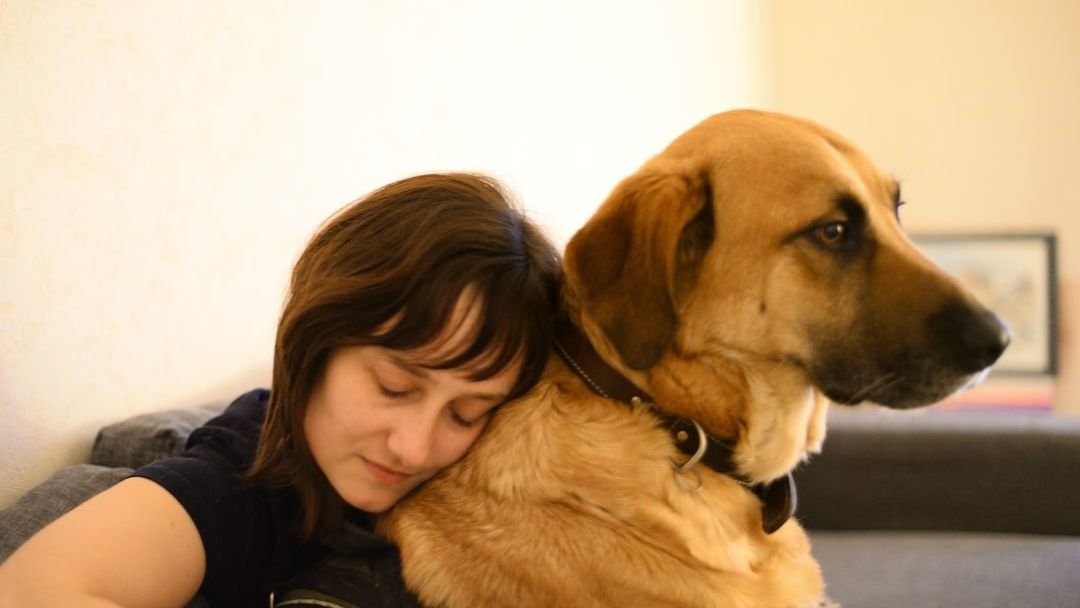
Have you ever wondered how your dog just knows when you’ve had a rough day? Maybe you walked through the door after a stressful meeting, and before you even kicked off your shoes, your furry friend was there with those big, soulful eyes and a gentle nudge. It’s almost eerie how they pick up on things we never explicitly taught them. While we spend countless hours training dogs to sit, stay, and come when called, they’re quietly learning an entirely different curriculum about us.
These innate abilities aren’t just tricks or learned behaviors. They’re deep-rooted instincts and adaptations that have evolved over thousands of years of living alongside humans. Some of these skills might surprise you, others might validate what you’ve always suspected. Let’s dive in.
Your Emotional State
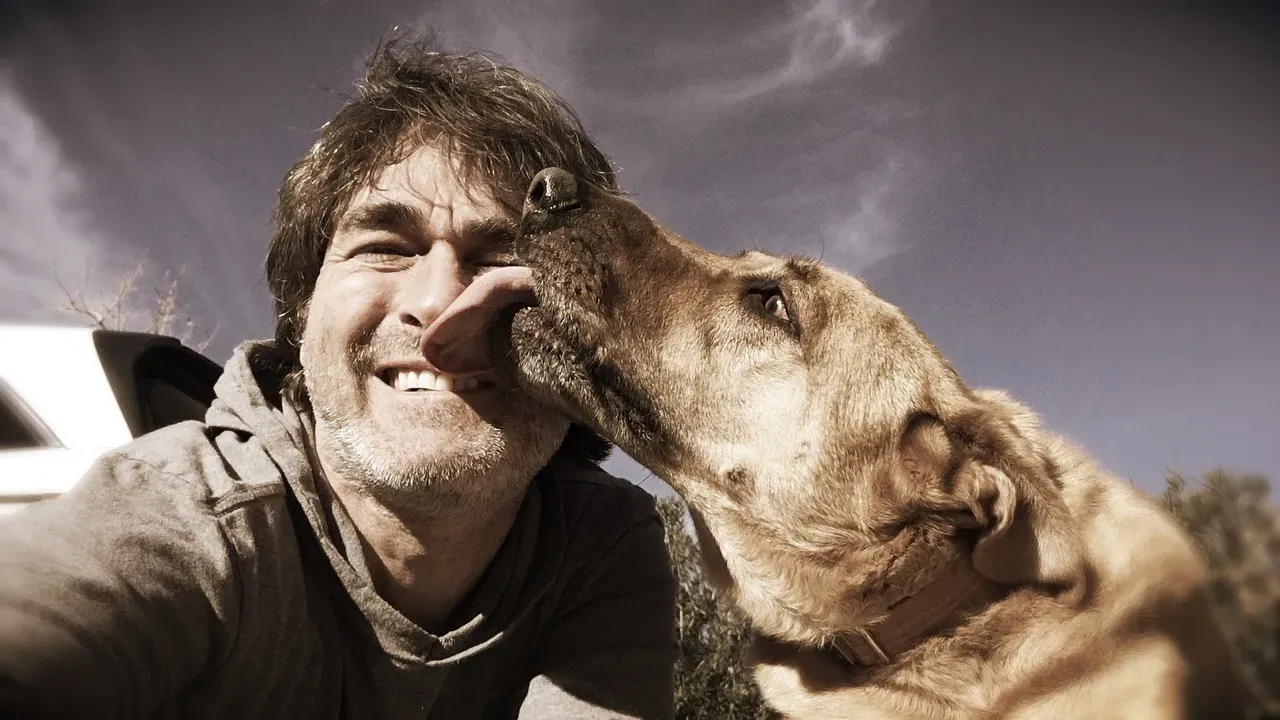
Dogs can recognize emotions in humans by combining information from different senses, and they form abstract mental representations of positive and negative emotional states. Think about it: your pup doesn’t need you to say a word to know you’re upset. They’re watching your facial expressions, listening to the tone of your voice, and even picking up on your body language.
Research has found that dogs behaved differently depending on their owner’s emotion, performing better at a training task with a happy owner. When you’re feeling down, your dog might approach more cautiously, or stick closer to your side. Studies show that dogs gazed and jumped less at owners when they were sad, and their compliance with the ‘sit’ command was also diminished. They’re not being stubborn. They’re responding to your emotional weather.
When You’re About to Leave the House

Your dog watches your morning routine like a detective studying a case file. You grab your keys, put on your coat, check your phone one more time. They know what comes next before you’ve even touched the doorknob.
Dogs are masters at pattern recognition. They’ve learned to associate certain behaviors with outcomes that matter to them. That jingle of keys means you’re heading out, and they’ve figured this out entirely on their own. Some dogs will even try to block the door or bring you their leash, hoping to change the narrative.
Your Intentions Toward Them
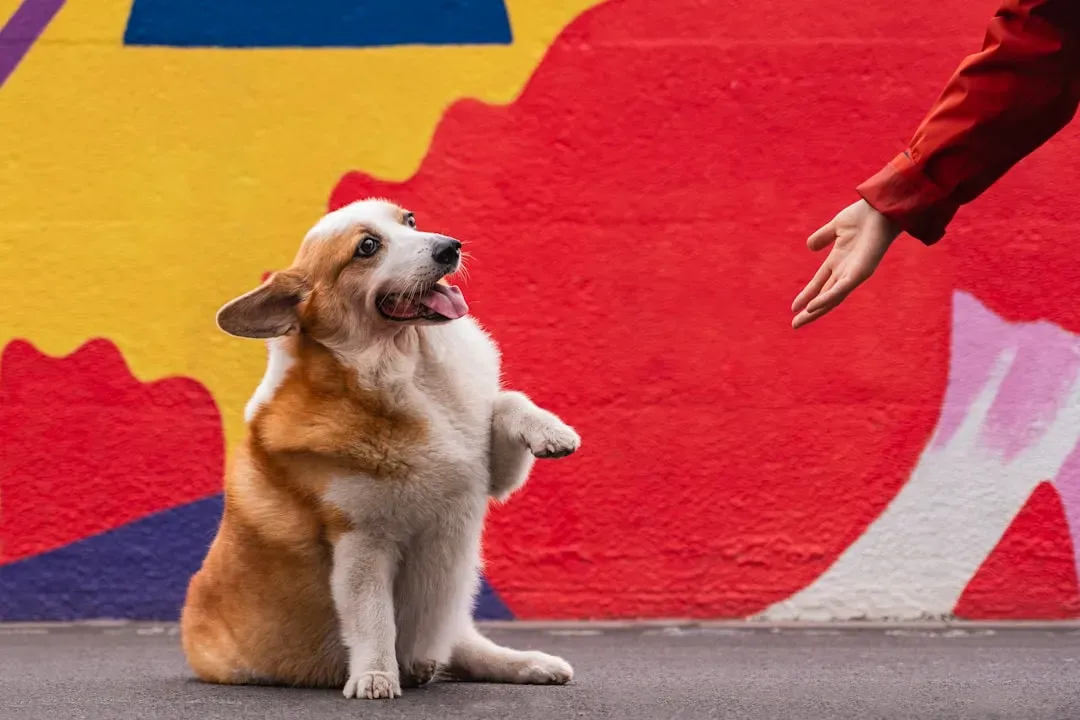
When dogs interact with humans, they show appropriate reactions to human intentional action, and research suggests they can distinguish intentional human actions from unintentional ones, even when the action outcomes are the same. If you accidentally step on their paw versus purposely nudging them away, they know the difference.
Dogs are confronted with different forms of human intentionality on a regular basis, including communicative intentions, when humans either intend or do not intend to communicate with them using certain behavioral and vocal cues. They’re reading context, your body language, and your facial expressions to determine whether that bump was an accident or deliberate. This instinctive understanding helps maintain trust in your relationship.
That You’re Sick or Injured
Let’s be real: dogs have an almost supernatural ability to detect when something’s off with your health. Numerous studies have shown that trained dogs can detect many kinds of disease including lung, breast, ovarian, bladder, and prostate cancers, and in some cases, involving prostate cancer for example, the dogs had a 99 percent success rate in detecting the disease by sniffing patients’ urine samples.
Even without formal training, many dogs will change their behavior around someone who’s ill. Researchers have discovered that Parkinson’s may have a distinct odor, one that trained dogs can detect years before clinical symptoms appear. Your dog might become more protective, refuse to leave your side, or constantly sniff a particular area of your body. They’re picking up on chemical changes we can’t perceive.
Where You’ve Been
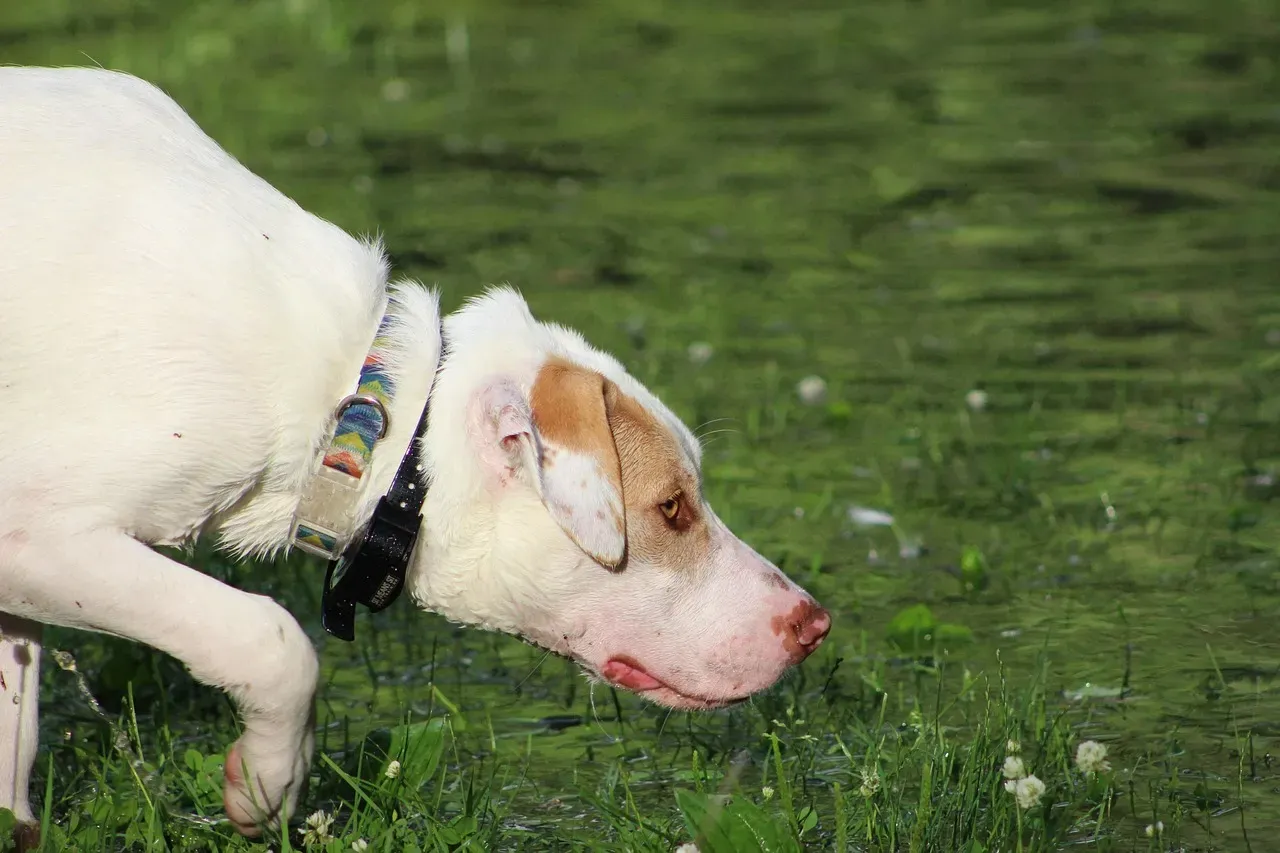
Your dog greets you at the door and immediately starts sniffing you like you’re the most fascinating novel they’ve ever read. That’s because, to them, you are. Every place you’ve been, every person you’ve touched, every animal you’ve passed has left an olfactory signature on your clothes and skin.
Dogs have an olfactory sense 40 times more sensitive than a human’s and they commence their lives operating almost exclusively on smell and touch. They know if you stopped at the park, visited a friend with a cat, or grabbed coffee at that café with the pastries. It’s like reading your daily diary, except written in scent molecules.
Your Stress Levels
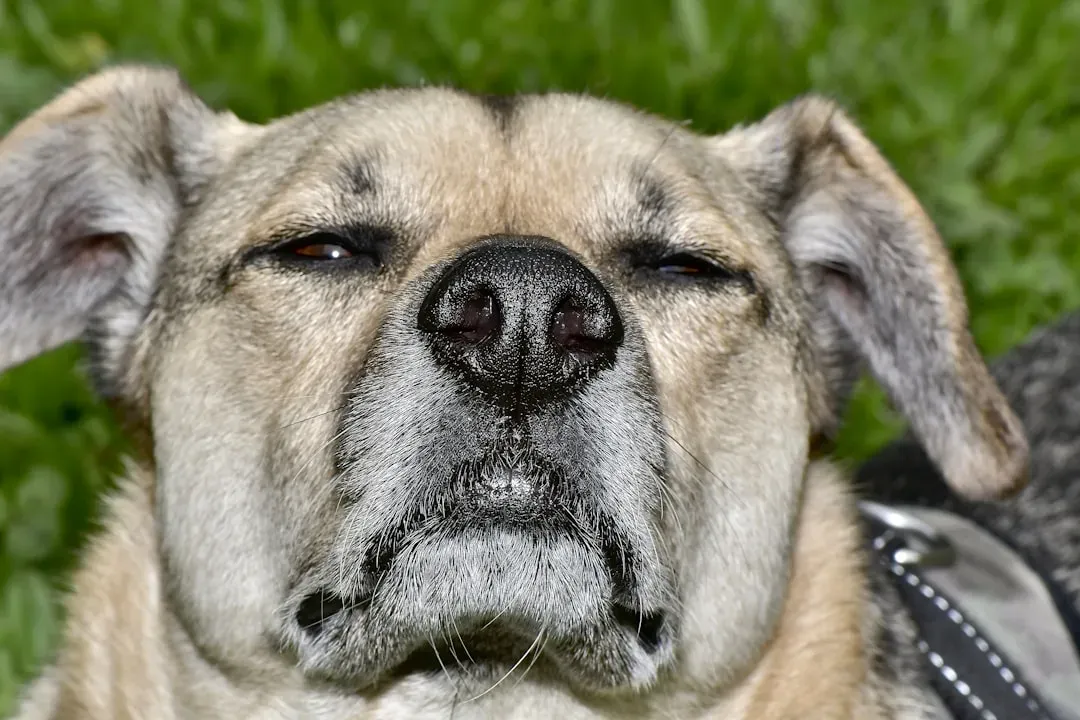
Recent research indicates that dogs show subtle individual differences in reacting to human fear chemosignals. When you’re stressed, your body releases chemical signals through sweat and breath that dogs can detect. They don’t need to see you pacing or hear you sighing to know you’re anxious.
Studies demonstrate that dogs could detect differences in the breath by people with PTSD when they experience distress associated with past trauma, with dogs able to detect the stressed state on breath samples with 81% accuracy. Some dogs will respond by becoming calmer themselves, as if trying to balance out your energy. Others might become more alert or protective.
When Someone Doesn’t Like Them
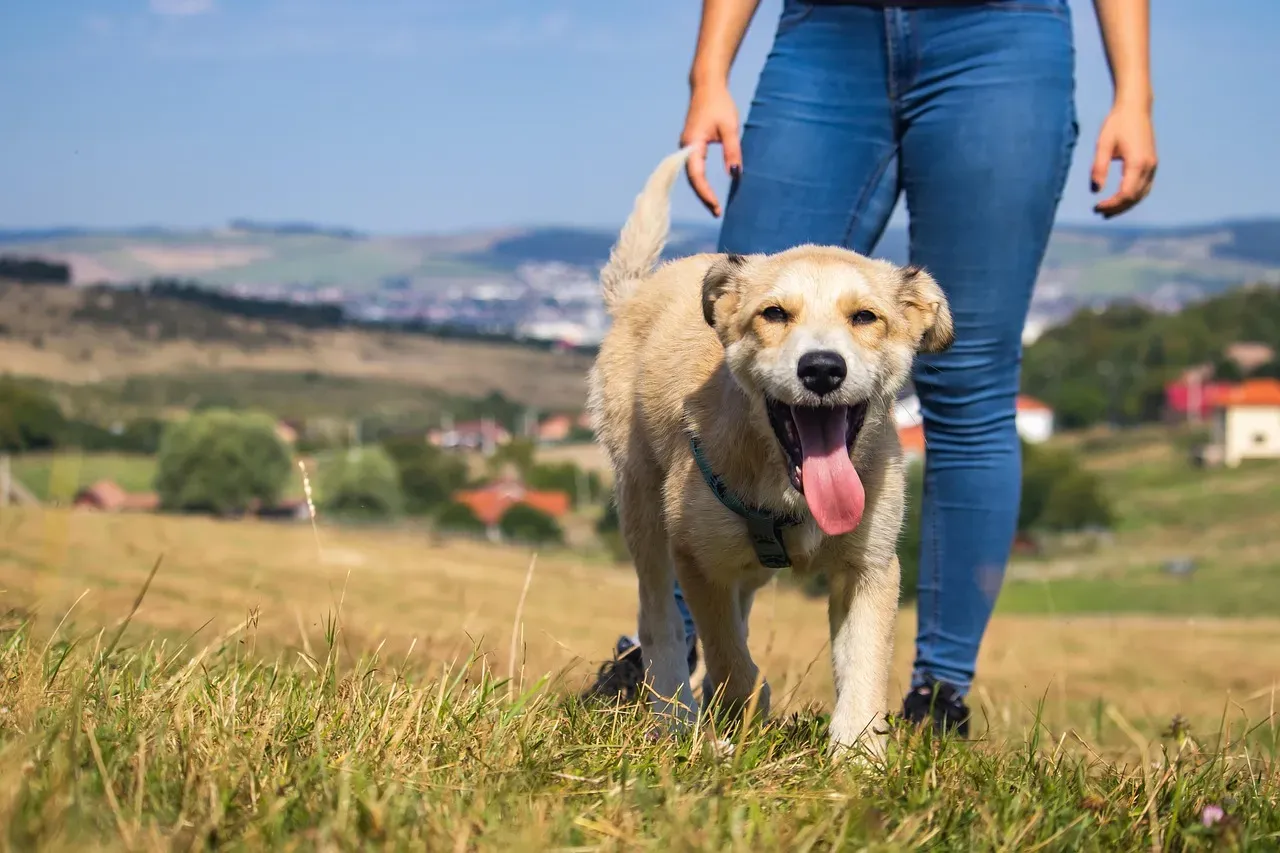
Dogs are surprisingly good at reading human social cues, and they can tell when someone isn’t a fan. Maybe it’s the way that person tenses up, avoids eye contact, or uses a different tone of voice. Whatever the combination of signals, your dog picks up on it.
I’ve seen dogs completely bypass people who are trying to pet them, heading straight for the person in the corner who’s ignoring them completely. Other times, they’ll keep their distance from someone who seems friendly enough but whose body language betrays discomfort or dislike. They’re social detectives, always gathering intelligence.
Your Daily Routines and Schedule

Ever notice how your dog seems to know when it’s dinnertime, even if you’ve never fed them at exactly the same time? Or how they’re waiting by the window five minutes before your partner usually arrives home? Dogs have an incredible internal clock and pattern-recognition ability.
They track your habits with the dedication of a researcher conducting a longitudinal study. Wake-up time, meal times, walk times, bedtime – they’ve got it all mapped out. When you deviate from the routine, they notice immediately. It’s both impressive and slightly unsettling.
How to Read Your Body Language
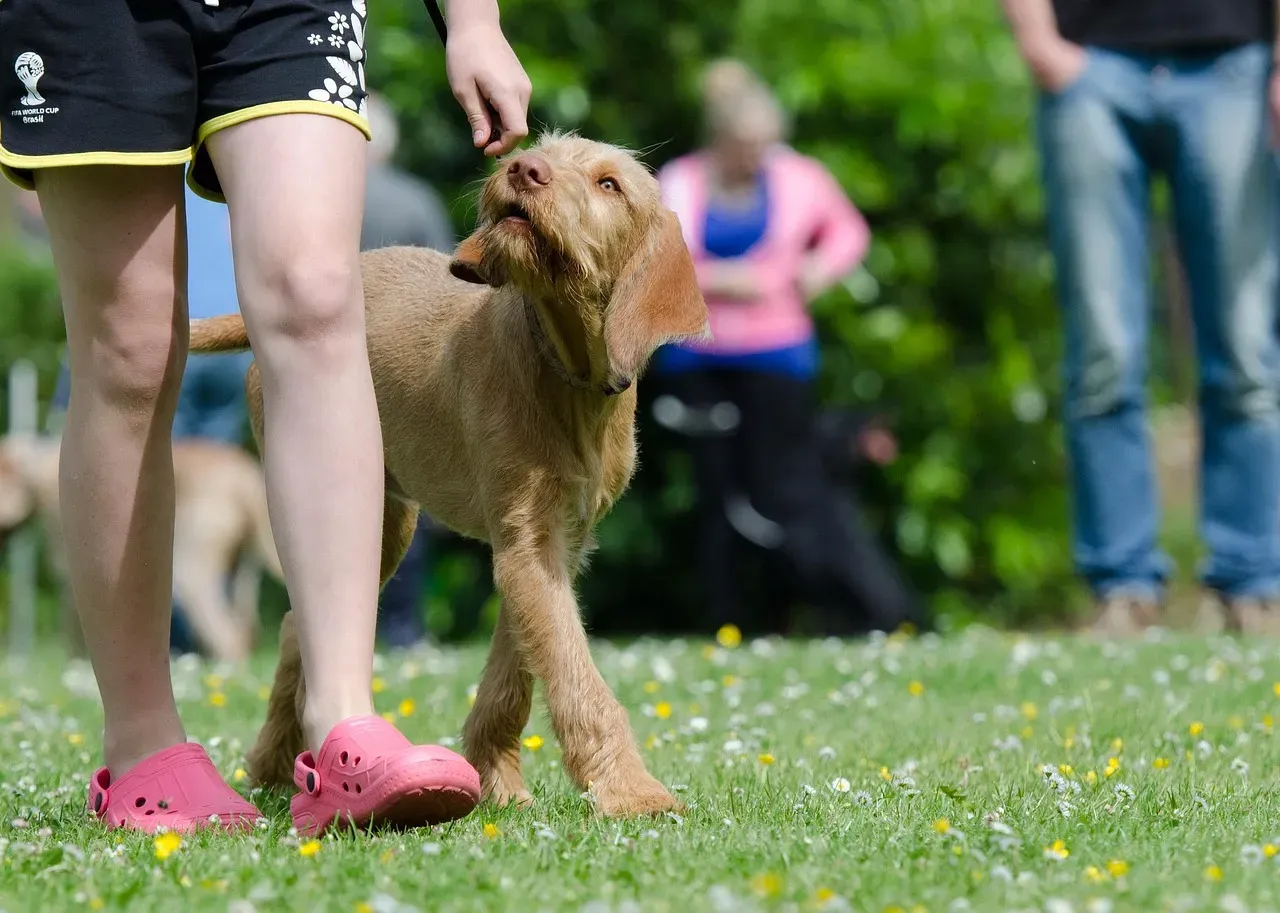
Research shows that dogs could immediately interpret signals indicating the location of food four times better than apes, and more than twice as well as young children, even if the experimenter was a stranger. They understand pointing gestures, head tilts, and eye movements in ways that even our closest primate relatives don’t.
Dogs outperform even chimpanzees in reacting appropriately to human pointing gestures, and attend to the referential nature of the human’s gaze during social interactions, as well as to the communicative intent of the human. You don’t have to teach them that your pointing finger means “look over there.” They just get it. This ability likely developed through thousands of years of domestication.
When Something Is Wrong

Dogs have an uncanny ability to sense danger or unusual situations before we do. Maybe it’s that stranger lingering too long near your car, or the smell of something burning before the smoke alarm goes off. They’ll alert you through barking, whining, or simply positioning themselves between you and the potential threat.
This isn’t paranoia, it’s instinct combined with their superior senses. They hear frequencies we can’t, smell things we never would, and notice changes in the environment that escape our attention. Trust that worried look or that insistent bark. They’re often right.
How Much You Love Them
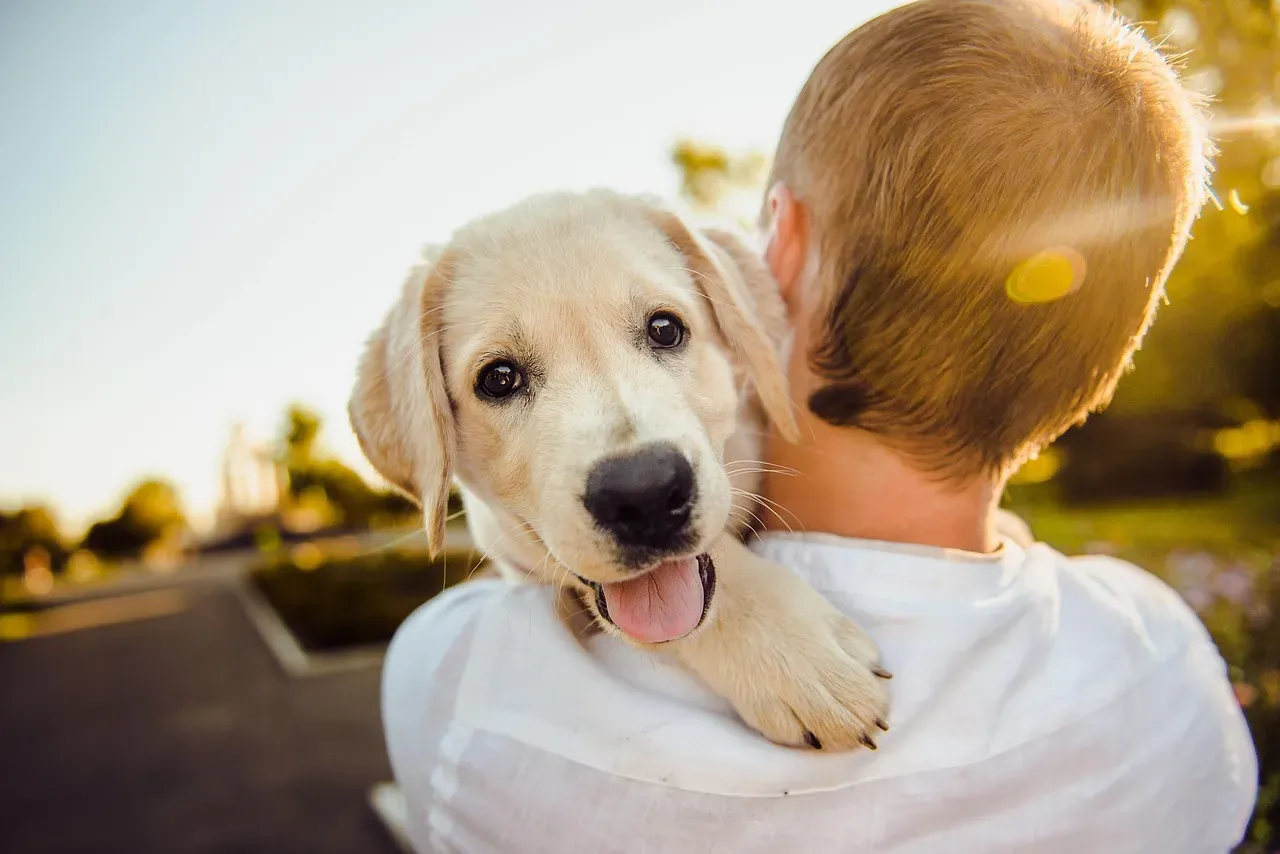
Here’s the thing: your dog knows exactly how you feel about them. Not because you tell them (though I’m sure you do), but because they read it in everything you do. Studies have shown that dogs are remarkably good at recognizing human emotional expressions, and where our comprehension of dogs’ emotions is weak, their understanding of us is remarkably strong.
The way you touch them, the tone you use when you say their name, the time you spend with them, the attention you give – it all adds up in their mind. They know when they’re cherished, tolerated, or neglected. That unconditional love they give you? They can sense when it’s reciprocated, and it matters to them more than any treat or toy ever could.
Conclusion
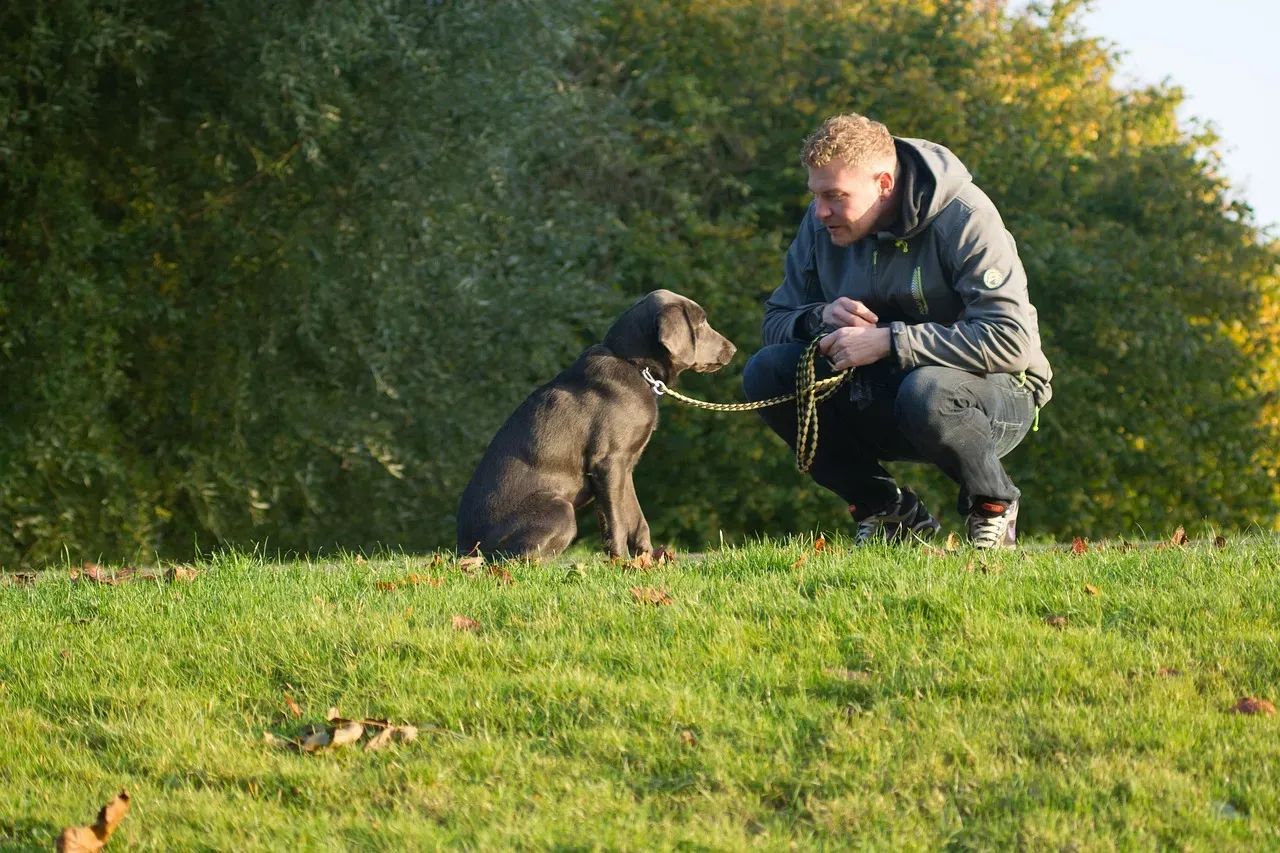
The relationship between humans and dogs is one of the most remarkable interspecies bonds on the planet. While we focus on teaching them our language through commands and training, they’ve been quietly mastering a much more complex understanding of us. They read our emotions, detect our illnesses, memorize our routines, and understand our intentions with a sophistication that continues to astound researchers.
As a result of physical and social evolution, dogs have acquired the ability to understand and communicate with humans, and behavioral scientists have uncovered a wide range of social-cognitive abilities in domestic dogs. These aren’t skills we taught them through treats and repetition. They’re innate, evolved abilities honed over millennia of living alongside us. The next time your dog seems to know exactly what you need before you do, remember: they’re not just man’s best friend, they’re also our most perceptive companion. What amazing thing has your dog understood about you lately? Pay attention – you might be surprised by what they already know.


