
Picture this: just 31 wolves, quietly released into a vast wilderness in 1995, and somehow the rivers start to change course. Trees grow where bare riverbanks once eroded. Birds return. Bears feast. The whole landscape inhales, as if waking from a long sleep. It sounds almost too dramatic to believe, doesn’t it?
In 1995, something remarkable happened in Yellowstone National Park. Fourteen wolves were released into a landscape they hadn’t roamed for nearly seven decades. Scientists expected them to hunt elk. What nobody fully anticipated was that these apex predators would reshape the park’s rivers, stabilize crumbling riverbanks, and trigger one of the most dramatic ecosystem transformations ever documented.
This is a story that ripples in every direction, touching fish, bears, songbirds, beaver dams, and even the drinking water of people living downstream. If you’ve ever wondered what it truly means when nature finds its balance again, the wolves of Yellowstone have the most jaw-dropping answer. Let’s dive in.
1. They Triggered a Trophic Cascade That Stunned the Scientific World
Trophic cascades, the indirect effects of predators propagating downward through food webs, play a critical role in shaping ecosystems. Honestly, most of us learned about food chains in school and thought, “okay, got it.” But Yellowstone showed us that the reality is so much richer and more layered than any classroom diagram.
Since the reintroduction of wolves to Yellowstone National Park in 1995, we have learned much about the effect large carnivores have on an ecosystem. In the past, it was largely thought that an ecosystem was built from the bottom up, with plant life as the foundation from which everything else grew. Once healthy plants were established, insects, small rodents, birds, larger herbivores, and finally the top predators, all fell into balance with each other.
In essence, we have learned that by starting recovery at the top of the food chain, predators like wolves create benefits for the whole ecosystem. A wild wolf population actually makes for a stronger, healthier, and more balanced ecosystem. That one insight changed conservation science permanently.
2. They Completely Rewired Elk Behavior
Here’s the thing – the wolves didn’t just kill elk. They changed how elk think and move. That distinction is enormous. Think of it like a neighborhood where crime suddenly spikes; people stop lingering on certain street corners. Elk did the same.
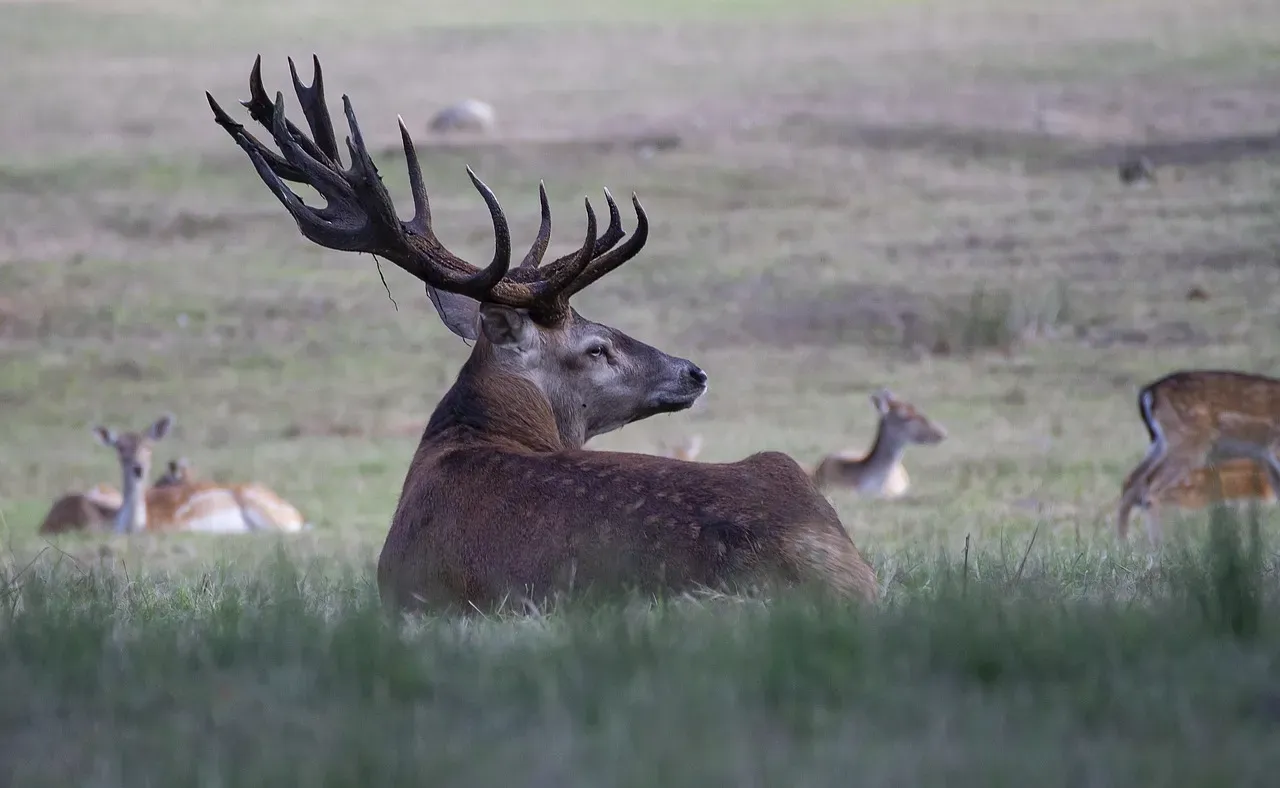
When wolves were brought back to the park, they not only killed elk, but also changed their prey’s behavior patterns. The herbivores started to avoid areas like valleys and gorges where they could be easily hunted by predators.
Elk proved to be pretty adaptable. When wolves are around, they’re more vigilant and do less foraging. Elk move into heavy timber when wolves are around, but return to the grassy, open meadows when wolves go away. This constant push and pull fundamentally reshaped how the whole landscape was grazed – and that mattered enormously.
3. They Gave Willows and Aspens a Fighting Chance
Before the wolves returned, the scene along Yellowstone’s riverbanks was pretty bleak. Elk would park themselves beside streams and devour everything in sight. Willows, aspens, cottonwoods – all stripped before they could grow.
During the seven-decade wolf-free period, the collapse of a tri-trophic cascade allowed elk to significantly impact wildlife habitat, soils, and woody plants. Species such as aspen and willows were generally unable to successfully recruit young stems into the overstory on Yellowstone’s northern winter ranges.
Research utilizing data from 25 riparian sites collected over a 20-year period, from 2001 to 2020, revealed a remarkable 1,500% increase in willow crown volume along riparian zones in northern Yellowstone National Park, driven by the effects on elk due to a restored large carnivore guild following the reintroduction of wolves in 1995–96. A 1,500% increase. Let that sink in for a moment.
4. They Brought the Beavers Back
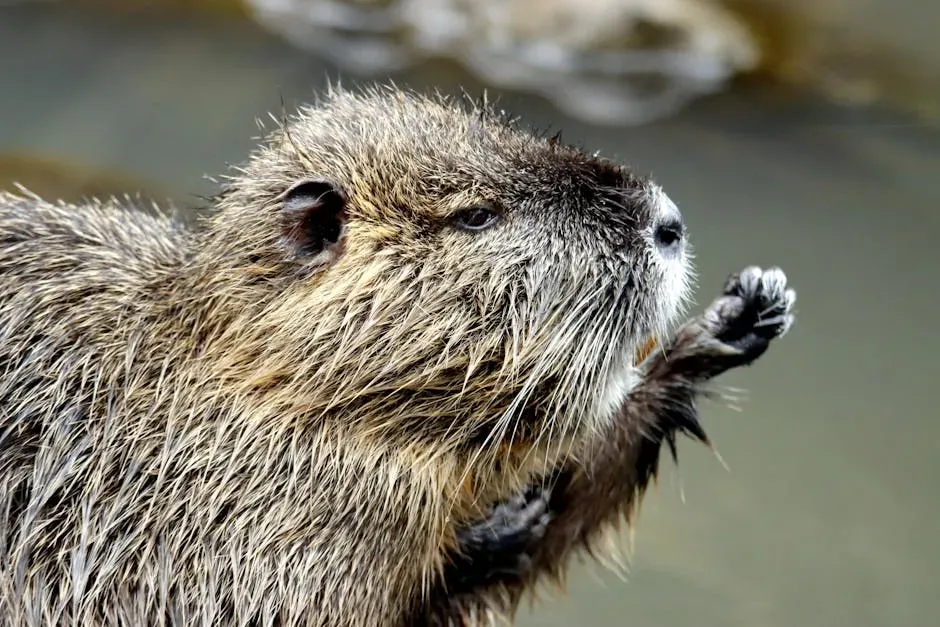
If the willow recovery is impressive, what followed is almost fairy-tale-level. Beavers need willows. No willows, no beavers. It’s that simple. And for decades, the beavers had essentially vanished.
When the grey wolf was reintroduced into the Greater Yellowstone Ecosystem in 1995, there was only one beaver colony in the park. Today, the park is home to nine beaver colonies, with the promise of more to come, as the reintroduction of wolves continues to astonish biologists with a ripple of direct and indirect consequences throughout the ecosystem.
As the beavers spread and built new dams and ponds, the cascade effect continued. Beaver dams have multiple effects on stream hydrology. They even out the seasonal pulses of runoff, store water for recharging the water table, and provide cold, shaded water for fish, while robust willow stands provide habitat for songbirds. One predator. Nine beaver colonies. Cleaner water. You can’t make this up.
5. They Literally Changed the Shape of the Rivers
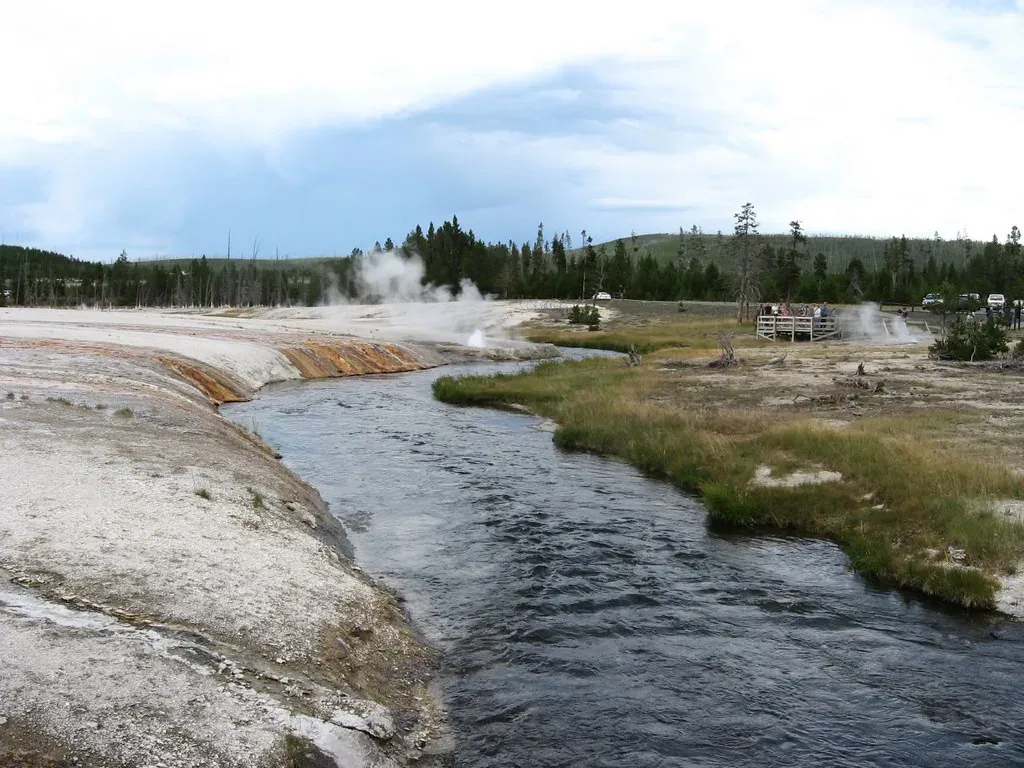
Okay, this one genuinely blew my mind when I first heard it. Wolves changed rivers. Actual rivers. Not metaphorically – physically.
The reintroduction of wolves to Yellowstone not only restored predator-prey dynamics but also physically reshaped the landscape. By reducing elk overgrazing, wolves allowed trees and shrubs to regrow along riverbanks, stabilizing the soil and preventing erosion. With stronger banks, rivers meandered less, deepened, and retained water more effectively, creating healthier wetland habitats.
The bigger trees along the rivers meant greater root structures, which meant stronger riverbanks and less erosion. It’s the kind of chain reaction that makes you realize just how connected everything is. A wolf howls in the valley, and miles away a river quietly shifts course.
6. They Restored Habitat for Songbirds and Small Wildlife
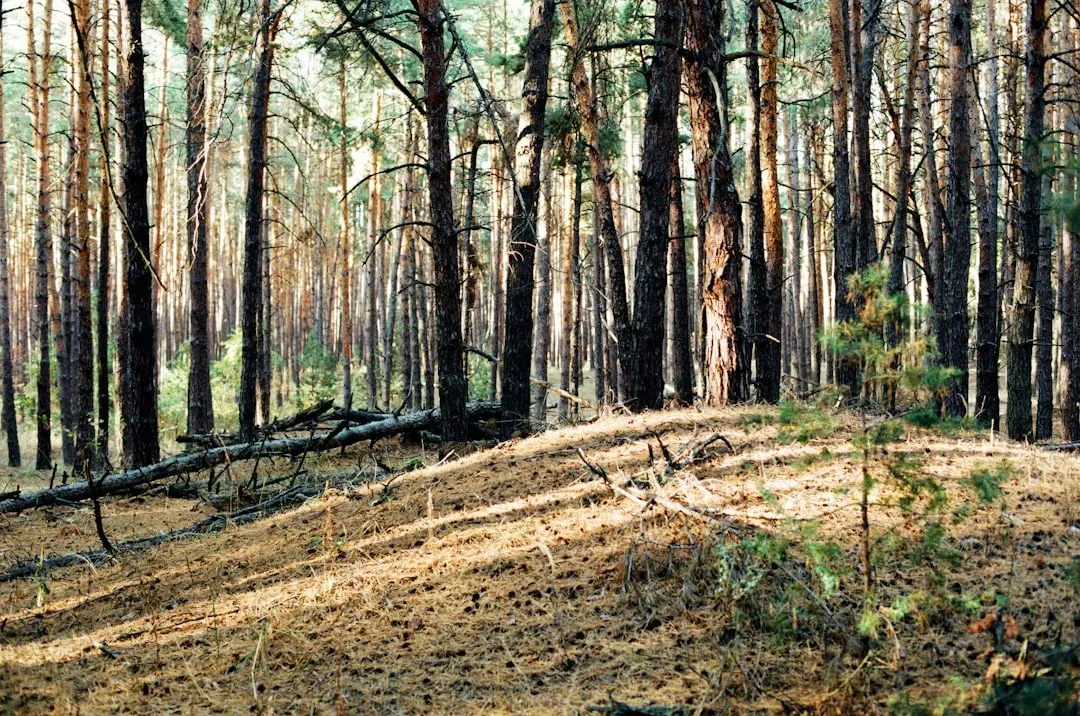
This is one of those changes that most people overlook entirely, but it’s genuinely moving when you think about it. With wolves keeping elk on the move, the trees that had been stripped bare for decades finally got a chance to breathe and grow tall.
Vegetation rebounded, with fewer elk feeding on young saplings, allowing aspen, willow, and cottonwood forests to recover along riverbanks. The return of forests supported songbirds, insects, and small mammals, boosting biodiversity.
Fewer young trees had meant songbirds lost nesting space. Beaver populations had decreased as they relied on this vegetation to survive. Now those trees stood tall again, and entire communities of wildlife moved back in. It’s like watching an abandoned neighborhood come back to life.
7. They Created a Feast for Scavengers
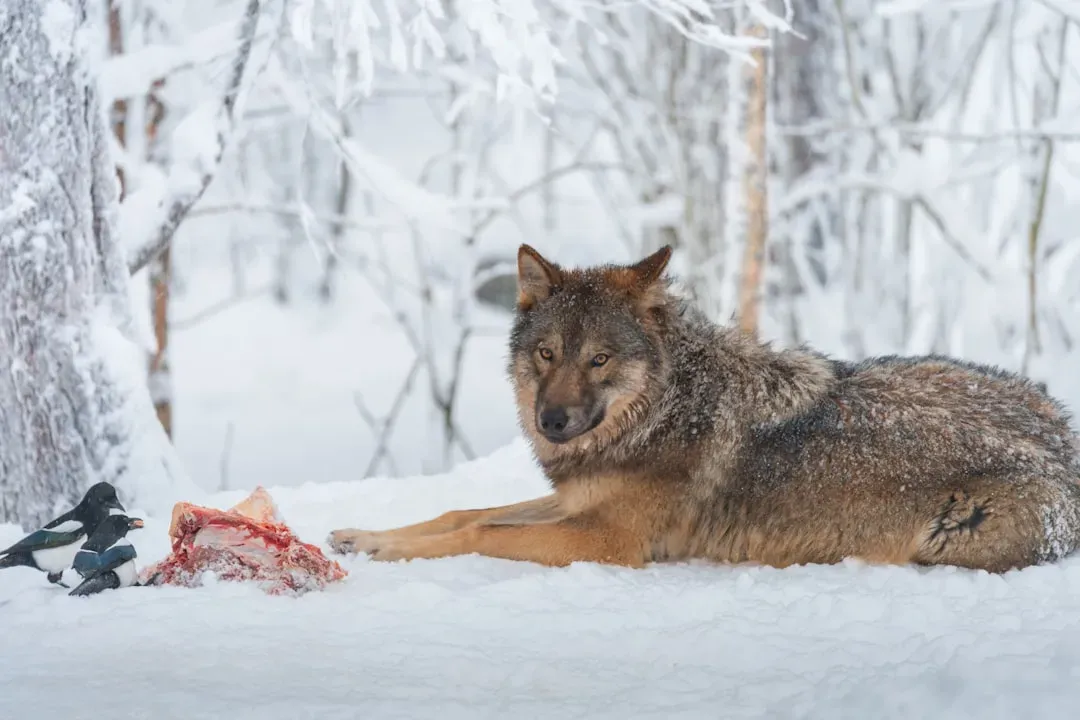
Let’s be real – wolves are predators, and predators leave leftovers. But what those leftovers do for an ecosystem is nothing short of extraordinary. The carcasses from wolf kills essentially became a life-support system for dozens of other species.
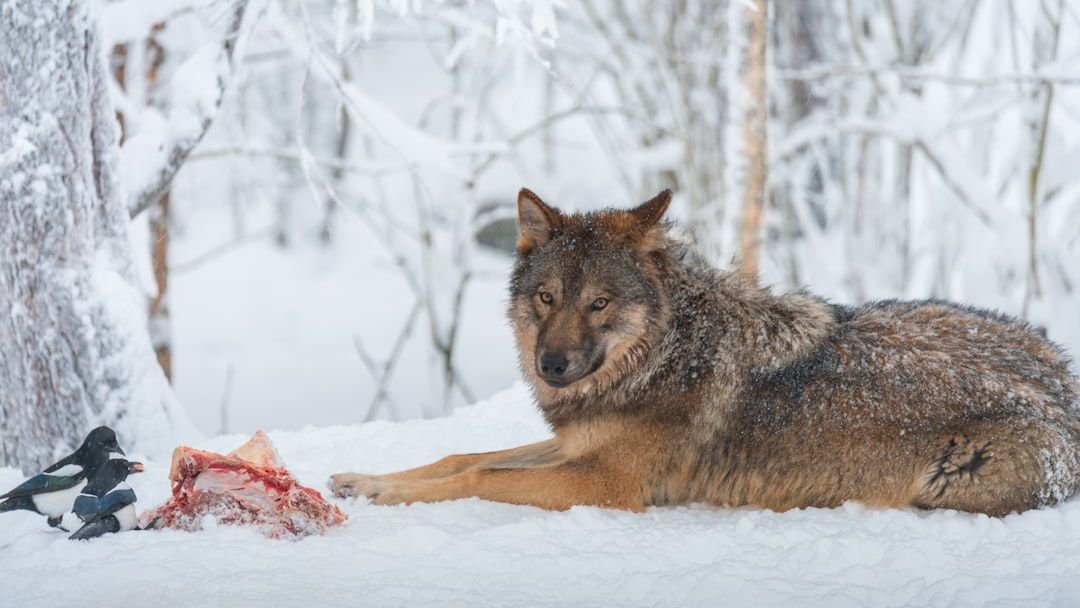
Researchers from the University of California at Berkeley determined that the combination of less snow and more wolves has benefited scavengers both big and small, from ravens to grizzly bears. Instead of a boom and bust cycle of elk carrion availability, there’s now a more equitable distribution of carrion throughout winter and early spring. Scavengers that once relied on winter-killed elk for food now depend on wolf-killed elk. That benefits ravens, eagles, magpies, coyotes and bears, especially as the bears emerge hungry from hibernation.
Besides coyotes, nine other scavenger species have been observed using wolf kills. All wolf kills are visited by ravens, magpies, and eagles. Think about that the next time you see footage of a raven circling overhead in Yellowstone. It likely has a wolf pack to thank.
8. They Knocked Coyote Populations Down to Size
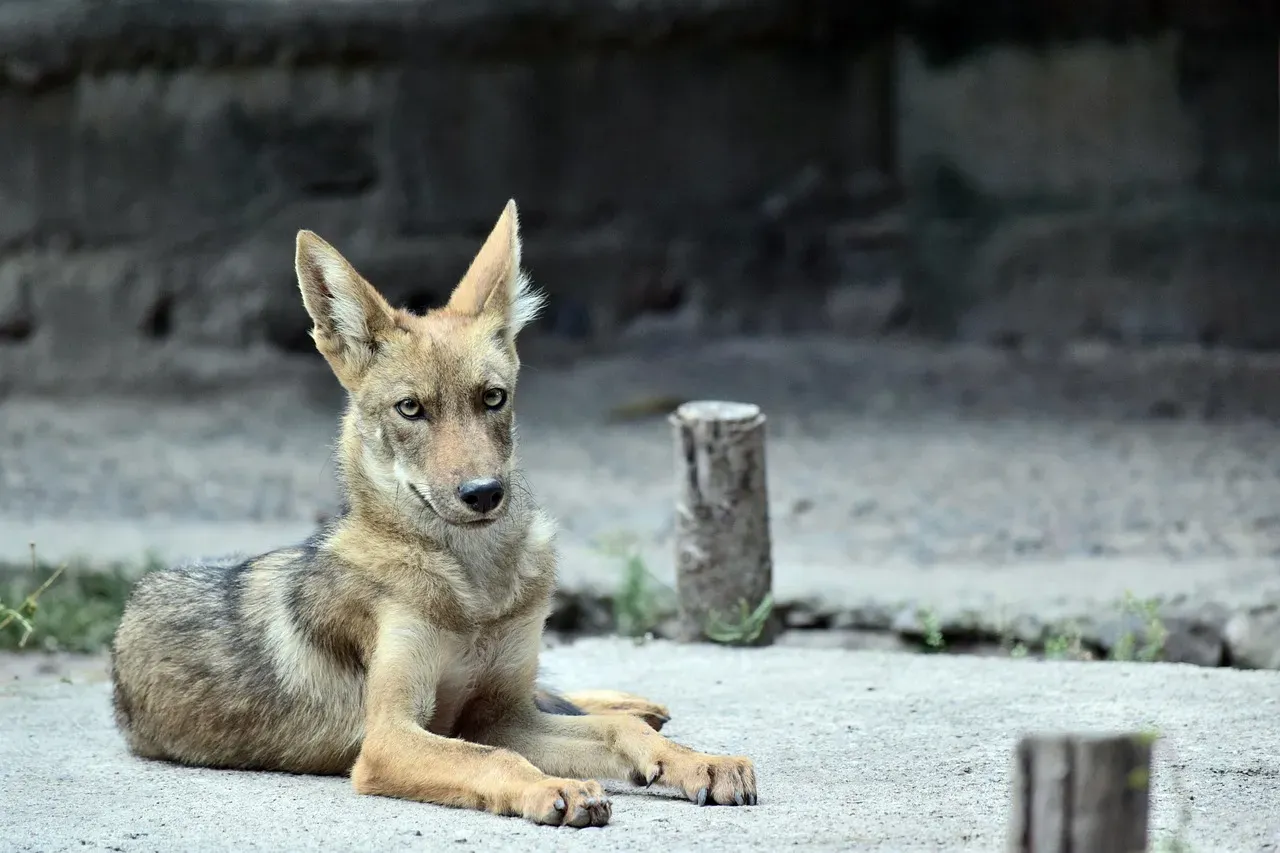
Before wolves returned, coyotes had essentially taken over as Yellowstone’s top predator. They were everywhere. And while coyotes are clever, resourceful animals – don’t get me wrong – an unchecked coyote population has serious knock-on effects for smaller mammals and birds.
Recent studies found that the coyote population in Yellowstone National Park dropped 39 percent since wolves were reintroduced in 1995. Grand Teton National Park reported a 33 percent reduction in coyotes.
Wolves kill coyotes, so rodent populations increase, benefiting struggling birds of prey. Also, with fewer coyotes, pronghorn antelope calves are less likely to be preyed upon. It’s a beautiful example of nature’s balance restoring itself when you give it the right tools.
9. They Strengthened the Elk Herd Itself
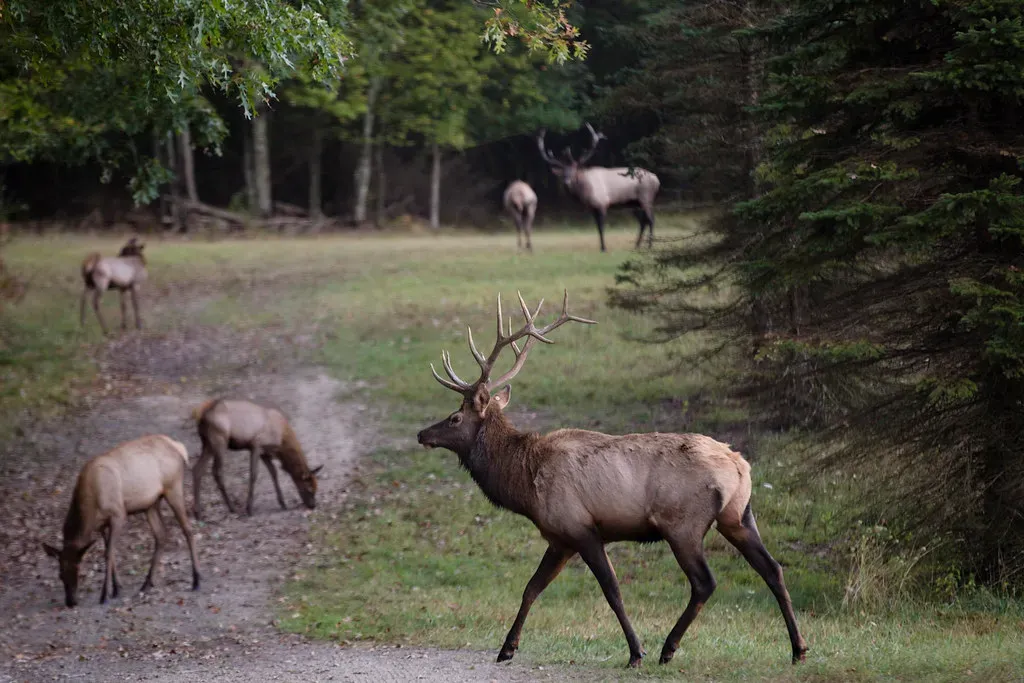
This one surprises people. Wolves killing elk actually made the elk population stronger? It sounds contradictory, but stick with me – this is one of those counterintuitive ecological truths that makes biology so endlessly fascinating.
Wolves cull sick, old and genetically inferior elk and deer, allowing the healthiest individuals to breed and perpetuate their species. Think of it like natural quality control. The weakest individuals are removed, and only the strongest, most robust elk survive and reproduce.
Since only the healthiest of elk survived, the population became much more robust. This is something domestic dog breeders understand instinctively too – health and vitality pass down through generations. Nature figured this out long before we did.
10. They Boosted Grizzly Bear Health and Numbers
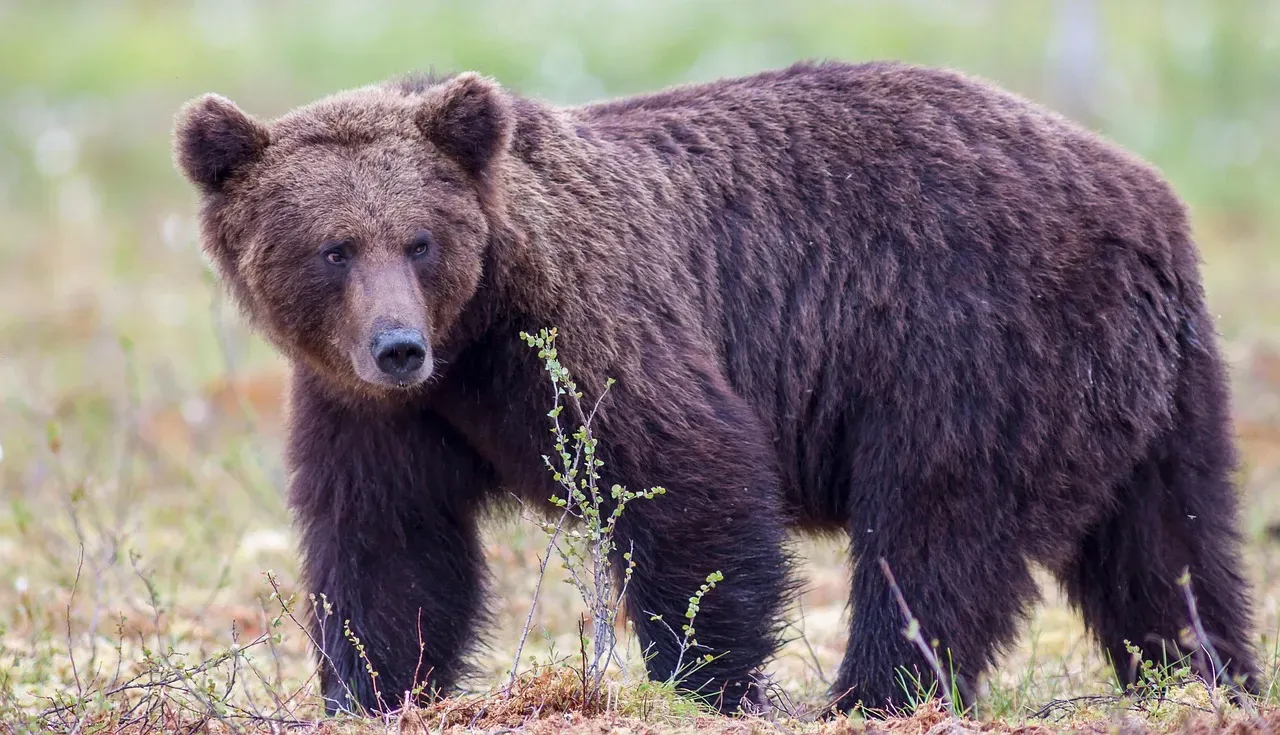
Grizzly bears and wolves aren’t exactly best friends – they compete directly for food, and a grizzly will gladly steal a wolf’s kill if given the chance. Yet in a beautiful twist, wolves have actually helped grizzlies thrive in Yellowstone.
Since the reintroduction of the wolf populations, bears have gained more access to food in a number of ways. Grizzly bear populations have improved availability of plant and berry food sources. Given that wolves primarily prey on elk, there has been a decrease in plant browsing animals. As a result of less browsing by elk, aspen trees have increased their average height, thus allowing for a greater diversity of berry-producing plants to grow.
The grizzlies benefit from the wolves’ elk kills, and less elk also means more berries. More berries, more food sources, more grizzlies. It really is all connected in the most remarkable way.
11. They Transformed Yellowstone Into a Living Classroom for the World
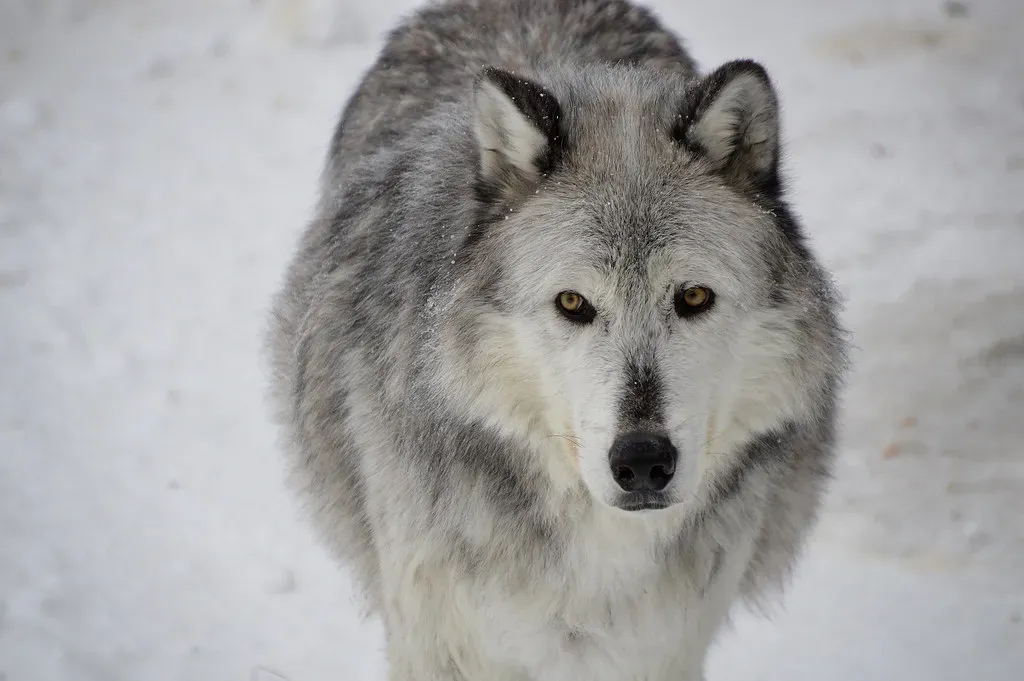
Perhaps one of the most lasting legacies of the Yellowstone wolf reintroduction isn’t found in the park itself but in laboratories, lecture halls, and conservation projects happening around the globe. Yellowstone became more than a national park. It became proof.
The strength of the Yellowstone trophic cascade observed in studies surpasses 82% of strengths presented in a synthesis of global trophic cascade studies, underscoring the strength of Yellowstone’s willow recovery process. That’s not just impressive – that’s a benchmark the entire scientific world now uses to measure ecological recovery.
Ecologists studying rewilding efforts in Europe, Asia, and elsewhere are applying lessons from Yellowstone. Proposals to reintroduce jaguars in the American Southwest draw on the Yellowstone model to predict how apex predators might restore balance to degraded ecosystems. Thirty-one wolves. A global conservation revolution. Honestly, has any story in ecology ever been more powerful than this one?
Conclusion: Nature Knows How to Heal – If We Let It
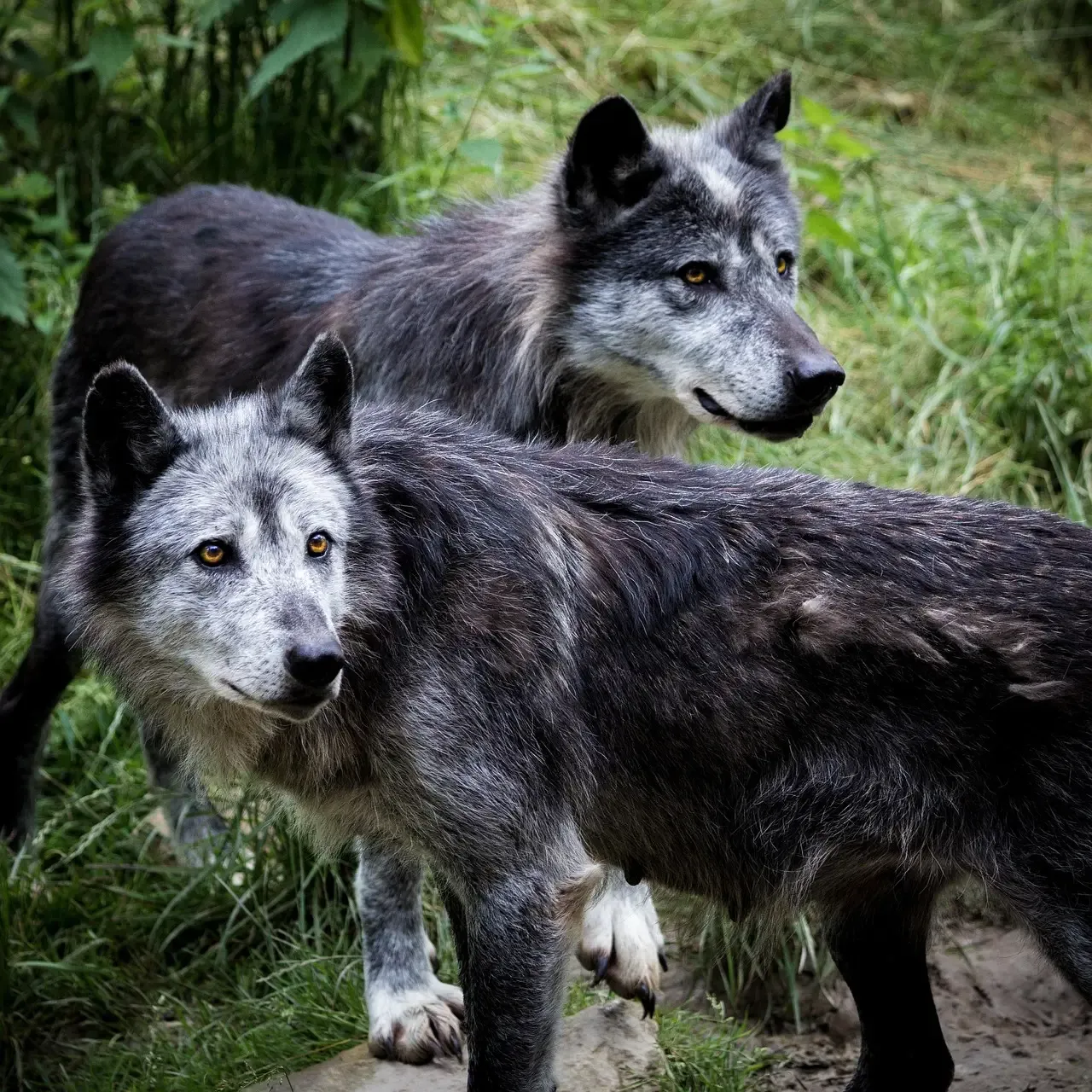
The Yellowstone wolf story is, at its heart, a story about humility. For nearly seventy years, humans decided wolves didn’t belong. And quietly, without us noticing, the rivers muddied, the trees disappeared, the beavers vanished, and the whole system began to unravel.
Then we put them back. And nature did the rest.
This success story underscores a simple but profound truth: when nature’s balance is restored, ecosystems heal themselves. It’s not magic. It’s not even that complicated, really. It’s just what happens when you trust a system that evolved over millions of years to know what it’s doing.
For anyone who loves animals – from wolves in the wild to the dog sleeping at your feet right now – this story is a reminder that every creature, no matter how misunderstood, plays a role that ripples outward in ways we can barely imagine. The wolves of Yellowstone didn’t just change a park. They changed how we think about life itself.
What do you think – does knowing a story like this change how you see the natural world? We’d love to hear your thoughts in the comments below.


