
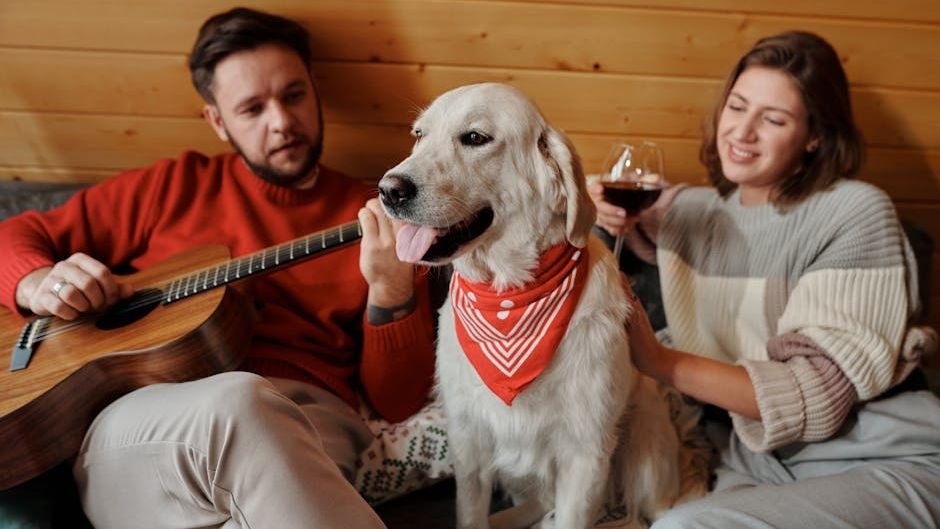
Your dog keeps pacing the hallway. Their ears are pinned back, they won’t eat, and every little sound sends them into a spiral. If you’ve lived with an anxious dog, you know that helpless, heartbreaking feeling of watching your best friend suffer and not knowing what to do. The frustrating part? Most people don’t even recognize the signs until the anxiety has already gotten bad.
Here’s the thing, dog anxiety is far more common than most owners realize. A comprehensive study analyzing the behaviors of over 13,700 dogs across 264 breeds found that roughly three quarters of dogs exhibited at least one anxiety-related behavior. That’s not a rare problem. That’s almost every household with a dog. The good news is, your environment plays a massive role in whether your dog feels safe or constantly on edge. Let’s dive in.
1. Learn to Read the Early Warning Signs
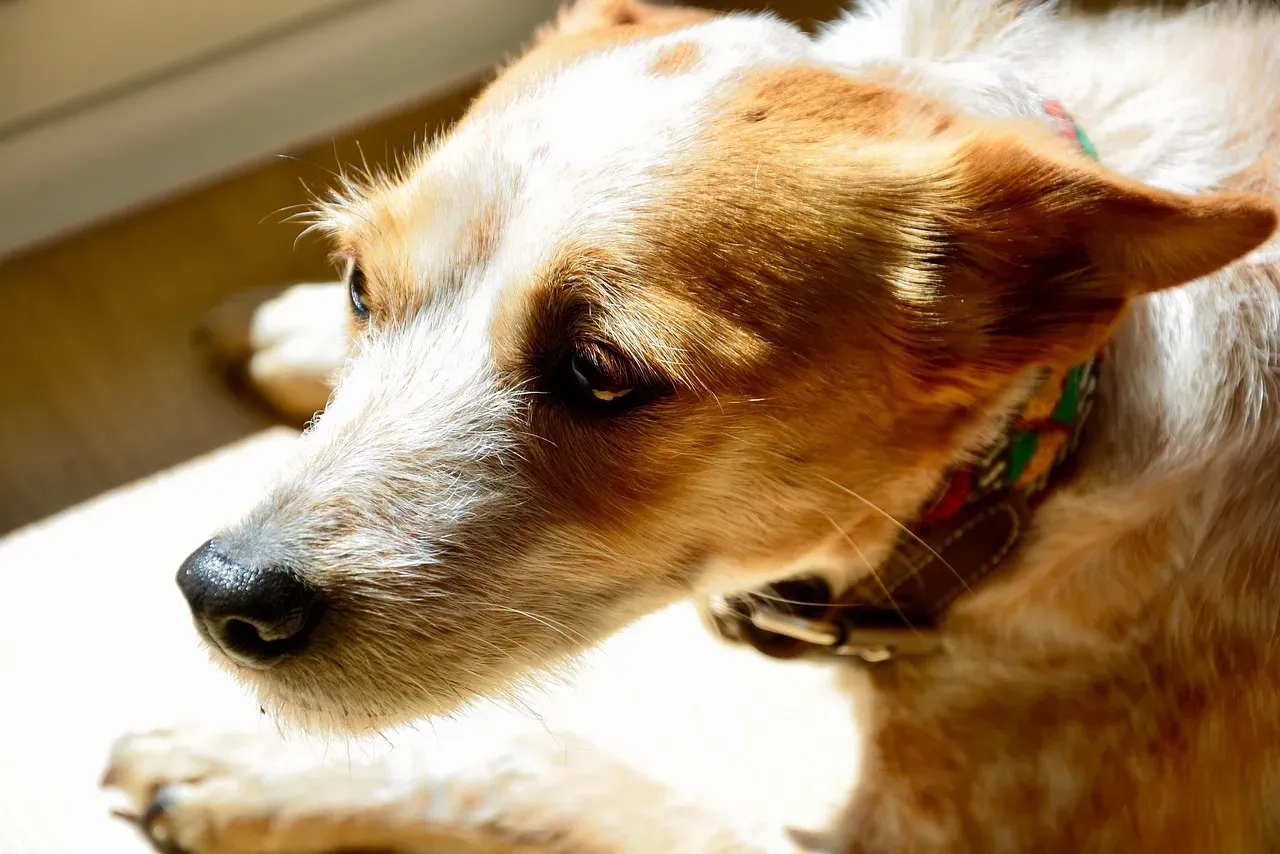
Before you can help your anxious dog, you have to know what you’re looking at. The signs of anxiety in dogs are often subtle and can easily be misinterpreted unless the full context is understood. That’s the tricky part. What looks like misbehavior is often a dog screaming for help in the only language they have.
Watch for behavioral changes like pacing, panting when not hot, excessive barking or whining, destructive behavior, house accidents, hiding, trembling, or aggression. Mild signs include lip licking, yawning, and avoiding eye contact. Honestly, if you catch the lip licking and yawning early, you’re already ahead of most dog owners.
Stressed dogs may have dilated pupils and blink rapidly. They may open their eyes wide and show more sclera, the white part, than usual, giving them a startled appearance. Their ears may be pinned back against their head. Learn your dog’s resting baseline, because once you know what “calm” looks like for them, “anxious” becomes immediately obvious.
2. Create a Dedicated Safe Space in Your Home
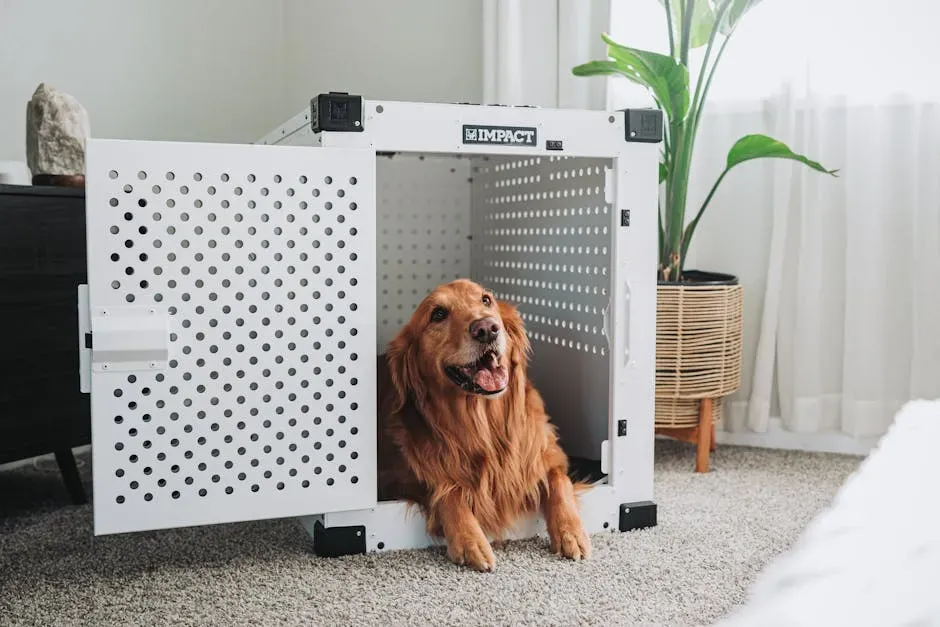
Anxious dogs benefit from a safe place that they associate with positive things, like treats, toys, or undisturbed rest. A dog bed or mat is perfect for this because it’s portable, meaning you can take that safety on the road. The mat can be used at the vet’s office, in the car, or at a friend’s home to help your dog feel calm and secure.
Establishing a peaceful, predictable environment can greatly benefit an anxious dog. This may involve minimizing sudden noises or changes in the home, providing a consistent daily routine, and creating a designated “safe space” where your dog can retreat when feeling overwhelmed. Think of it like giving them their own little apartment inside your home, somewhere that’s entirely theirs.
3. Stick to a Consistent Daily Routine
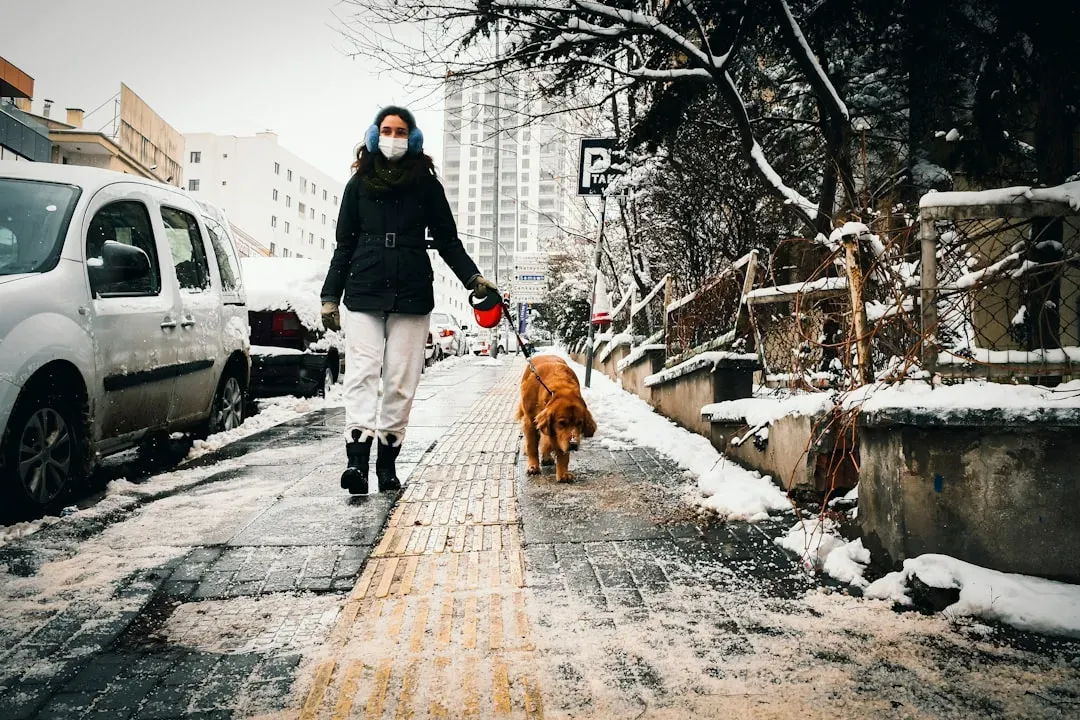
It’s essential to establish a routine for your dog so they feel comfortable and secure. Dogs are creatures of habit and thrive on predictability and structure. Feeding times, exercise times, playtimes, and sleep times are all part of a routine. It’s a bit like how we feel calmer when we know what’s coming next in our own day.
Dogs thrive on routine, so changes in their humans’ schedules, whether due to a new job or altered hours, can set the stage for anxiety. Even small disruptions matter to them. If your schedule is about to change, introduce the shift gradually over a week or two rather than flipping everything overnight. Your dog’s nervous system will thank you.
4. Use Music and Sound to Soothe the Nervous System
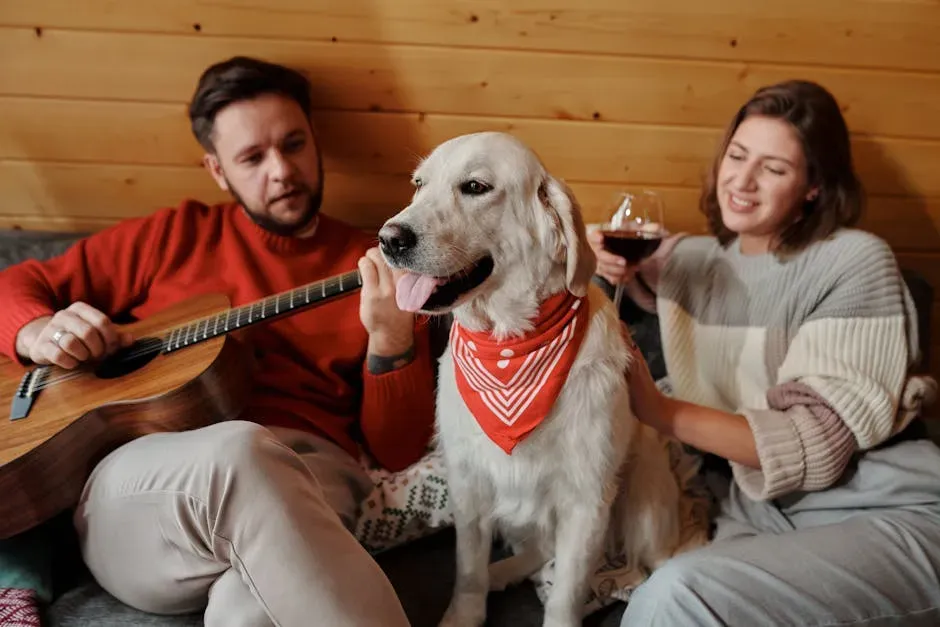
Music therapy has been recognized as an effective way to calm a dog down naturally. The right kind of music has a physiological calming effect on dogs. Music with a slow tempo and soft melodies can help lower a dog’s stress levels and prevent agitation. I know it sounds a little extra, but putting on soft classical music for your dog while you’re out is one of the simplest wins you can give them.
White noise or music can drown out the unpredictable noises from thunderstorms or fireworks that trigger anxiety. Luckily, many apps and playlists are specifically curated to calm and soothe dogs. Search for “dog calming music” on any streaming platform and you’ll find hours of content designed specifically for pups. Simple, free, and surprisingly effective.
5. Try Gentle Massage and Physical Touch
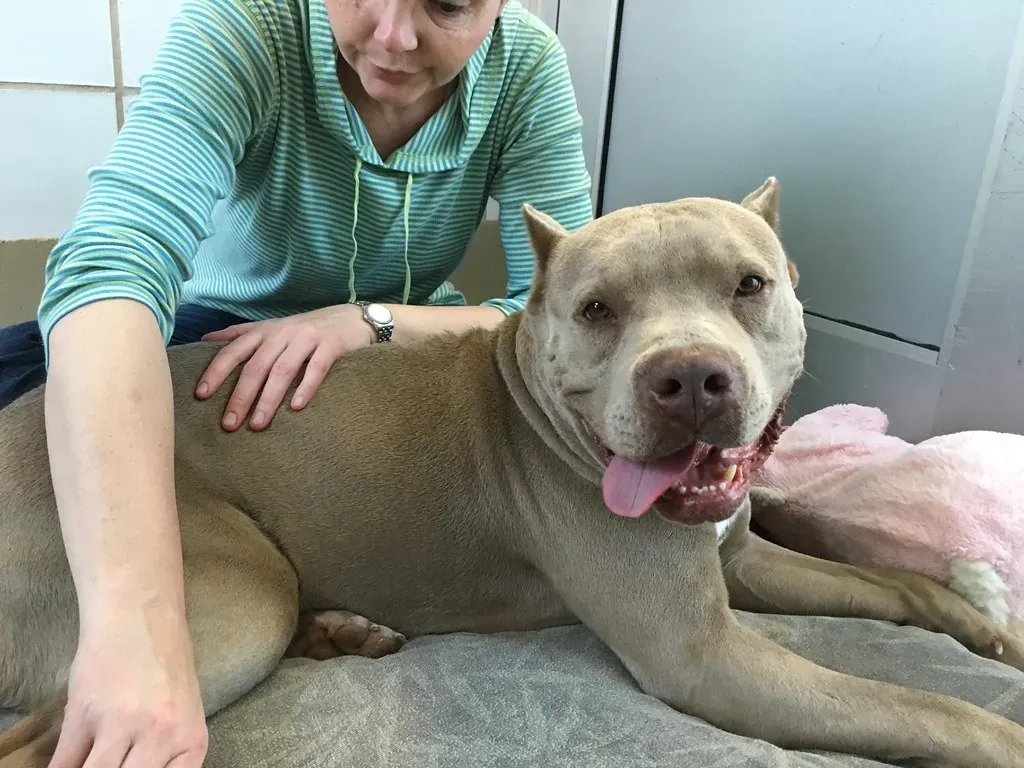
A massage will relax and calm even the most anxious human, and it also works wonders with dogs. Anxiety often causes tensing of the muscles, and massage therapy is one way to alleviate tension. It makes total sense when you think about it. Tension lives in the body, and physical release helps the mind follow.
Start at the neck and work downward with long strokes. Try to keep one hand on the dog while the other works to massage. Over time you may even be able to identify where your dog holds its stress and just work on that one particular area. Not only does it help them relax, but it also provides a sense of physical and emotional closeness between you and your dog. You may even find that massaging your dog also helps you feel less anxious.
6. Explore Calming Wraps and Anxiety Vests
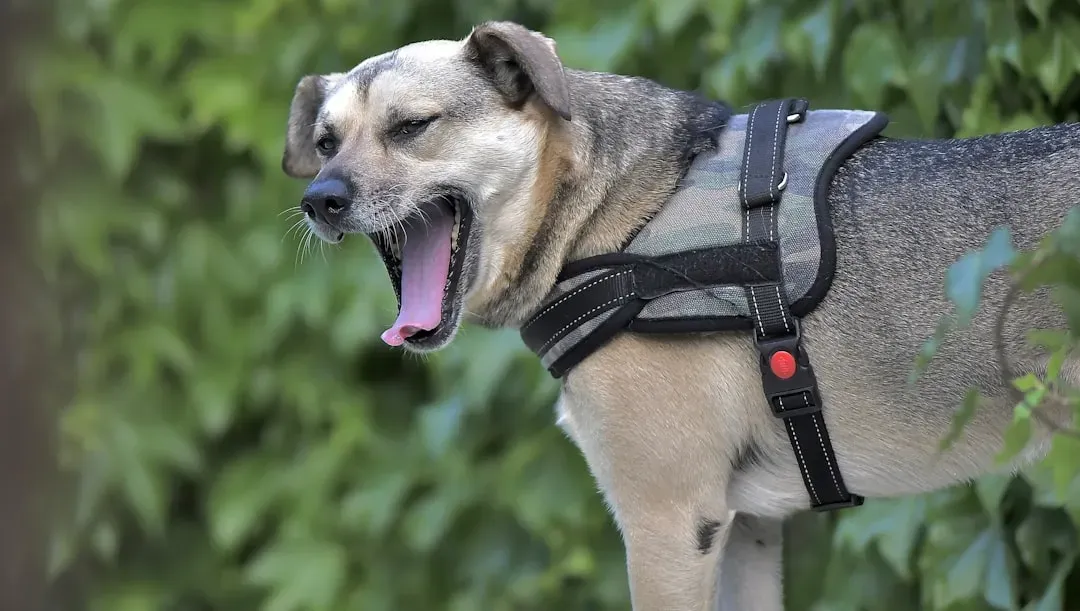
Calming coats and t-shirts apply mild, constant pressure to a dog’s torso, surrounding a dog much like a swaddling cloth on a baby. It’s recommended for dogs with any type of anxiety induced by travel, separation, noise, or stranger anxiety. The comparison to swaddling an infant is actually spot on. That gentle, even pressure triggers a neurological calming response.
Anxiety vests like the ThunderShirt apply gentle, constant pressure that may help some dogs feel calmer during stressful events. If you dress your dog in anti-anxiety clothing for the first time and they show signs of discomfort or stress, remove it immediately. Always supervise your pet while they’re wearing clothing to ensure their safety. Introduce it slowly, maybe during a calm moment, not mid-thunderstorm.
7. Use Pheromone Diffusers to Mimic Natural Calm
Dogs communicate with each other by releasing pheromones. These chemicals are released to show dominance, submission, or to attract a mate. When dogs are in a new environment or are feeling anxious, synthetic pheromones like Adaptil can help calm them down. It’s essentially recreating a chemical message of safety that dogs naturally understand.
Pheromone products like Adaptil mimic the calming pheromones mother dogs produce while nursing. They’re available as plug-in diffusers, sprays, and collars. Research shows mixed results, but they’re low-risk and may help some dogs. Think of it as a low-effort, passive tool that can work quietly in the background, especially in rooms where your dog spends most of their time.
8. Provide Mental Stimulation and Enrichment
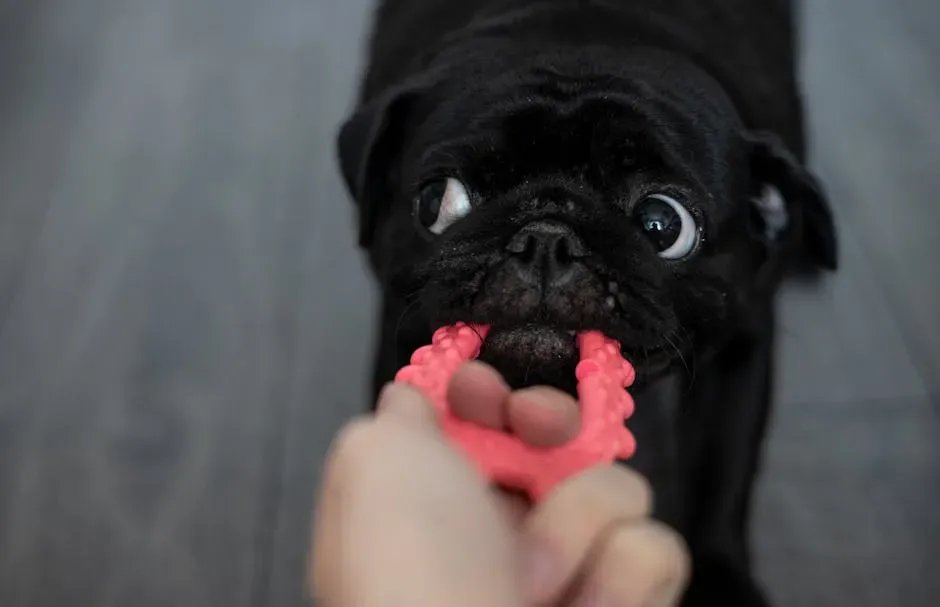
Games can be a great way to ease your dog’s nerves and distract them from their anxiety triggers. Consider calm games that engage your dog’s brain rather than riling them up with roughhousing or high energy activities. Try scattering food across the ground for your dog to sniff out or placing treats behind furniture or pillows in a doggie game of hide-and-seek.
Daily physical activity and mentally engaging toys or games help reduce pent-up energy and offer distraction. A bored dog is an anxious dog, plain and simple. Puzzle feeders, sniff mats, and Kongs stuffed with frozen food are all brilliant for keeping that busy dog brain occupied and calm at the same time.
9. Practice Desensitization to Reduce Fear Triggers
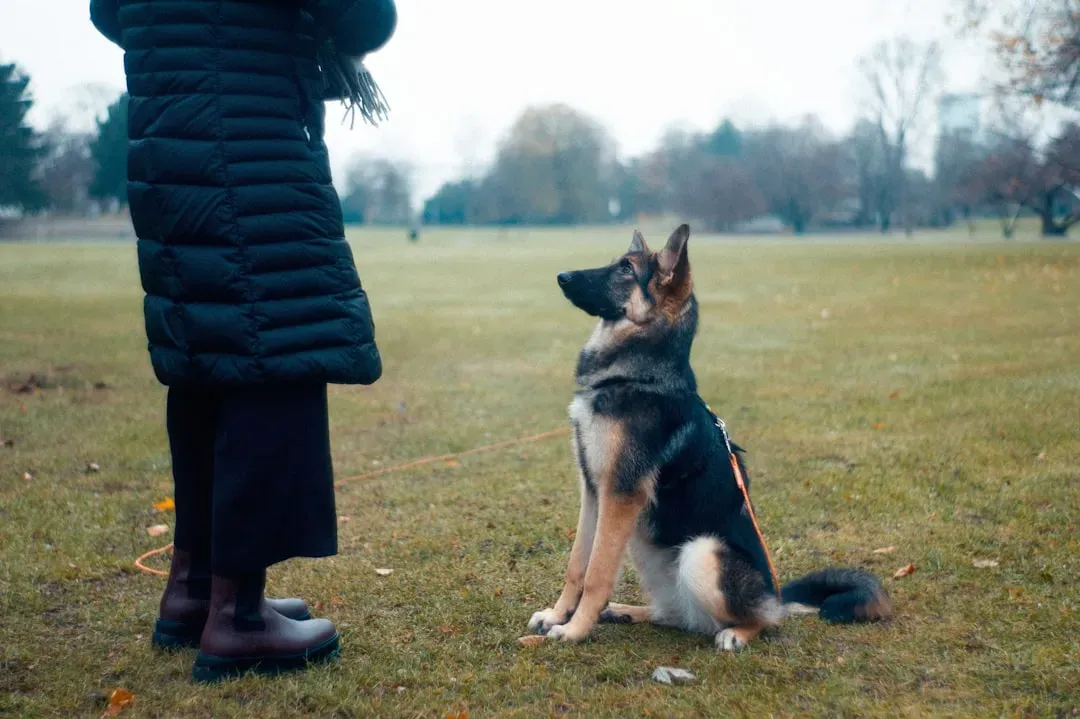
Desensitization and counterconditioning are techniques that help your dog gradually build tolerance to anxiety triggers. They involve slowly exposing your dog to the source of their fear at low intensity, like playing a quiet recording of thunder, and rewarding them with a treat for staying calm. Think of it like slowly turning up the volume on something scary until it no longer registers as a threat.
One example is fireworks. If your dog struggles with a firework phobia, play quiet firework sounds when you’re home with your pet and they’re in a calm state. Doing this repeatedly, while slowly increasing the volume over time, can help them to become more accustomed to the noise. Patience is everything here. Rushing the process can actually set you back weeks, so go slow and celebrate every tiny win.
10. Stay Calm Yourself – Your Dog Is Watching You
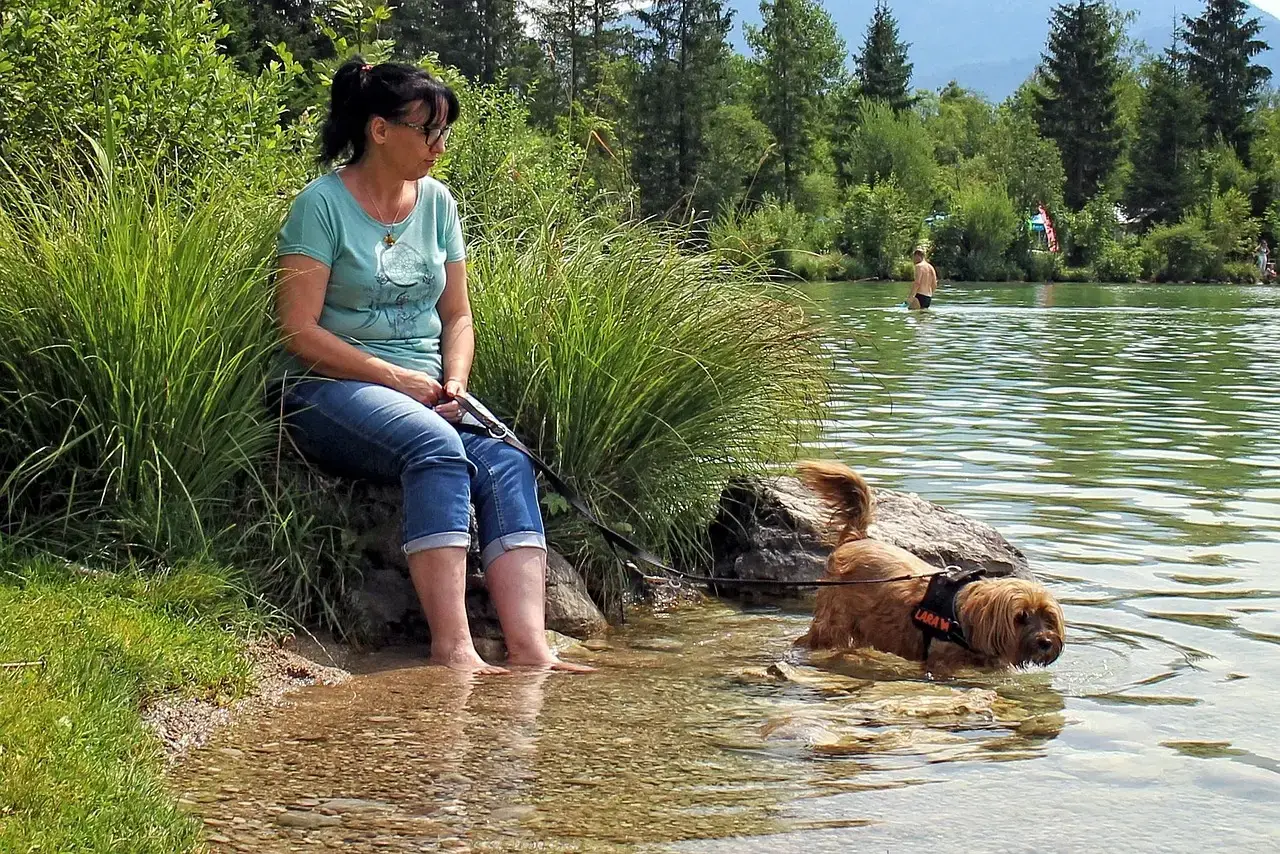
Stay calm yourself. Dogs read your emotions. This one is so underrated. Your anxious energy literally transfers to your dog through your voice, body posture, and even your scent. If you rush in with frantic coddling every time your dog panics, you’re accidentally telling them the panic is justified.
Staying quiet and unemotional during your comings and goings to and from your home helps your dog remain calm. This can be particularly effective for dogs with separation anxiety. It feels counterintuitive, especially for those of us who just want to shower our dogs with love, but a calm, matter-of-fact presence is genuinely one of the most powerful tools you have. Be their rock, not their mirror.
11. Know When to Call in the Professionals
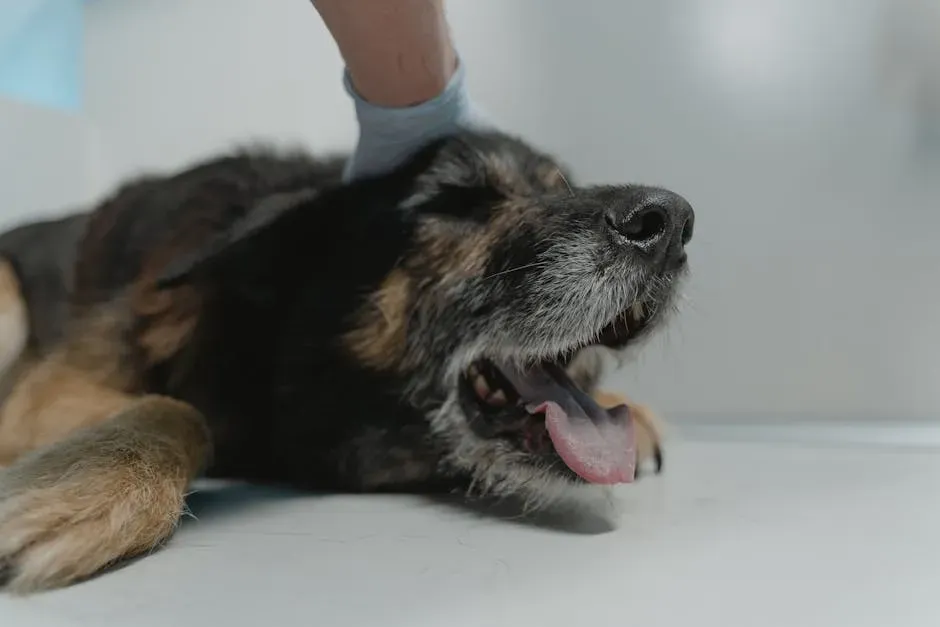
Because there are so many underlying causes of dog anxiety, you can’t effectively address the problem without understanding its source. Watch your dog, take note of their anxiety triggers, and consider their past experiences. Consult your veterinarian to rule out health conditions that could be contributing to the problem. This step matters more than people realize. Pain, thyroid issues, and cognitive changes in older dogs can all look identical to behavioral anxiety.
Since excessive anxiety is often caused by a variety of factors, the best way to treat it is usually through a combination of training, preventive strategies, and in some cases, medications. Behaviorists specialize in the diagnosis and treatment of certain pet conditions, including anxiety. These professionals have the training to address some of the most persistent cases of canine anxiety. There is absolutely no shame in asking for help. The bravest thing you can do for your dog is admit when you’ve hit a wall.
Final Thoughts: Small Changes, Big Peace
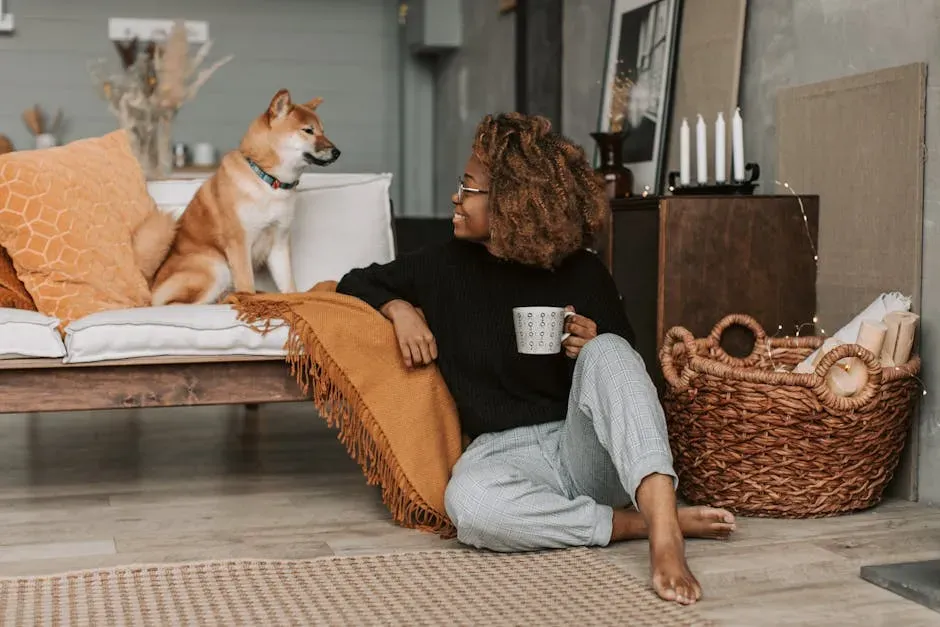
Living with an anxious dog is exhausting, and it can be heartbreaking when nothing seems to work fast enough. But here’s what I want you to take away from all of this: you don’t have to fix everything at once. Start with one change. Maybe it’s a safe corner with a cozy blanket. Maybe it’s a calming playlist on a Tuesday afternoon. Maybe it’s just learning to read that lip lick for what it really means.
Every small step you take toward understanding and supporting your dog is an act of real, meaningful love. If your dog is nervous, and maybe even somewhat fearful at times, it’s wise to look deeply into what may be causing these behavioral issues and devise a plan to help your dog become more confident. An anxious dog is an unhappy dog. You can change that by adding consistency and predictability to your dog’s life.
Your dog can’t tell you they feel safer because of the music you played or the corner you made cozy for them. They show you, in a slower tail wag, a deeper breath, a belly finally offered up for a rub. Watch for those moments. They are everything. So, which of these 11 changes do you think would make the biggest difference for your dog? Tell us in the comments.


