
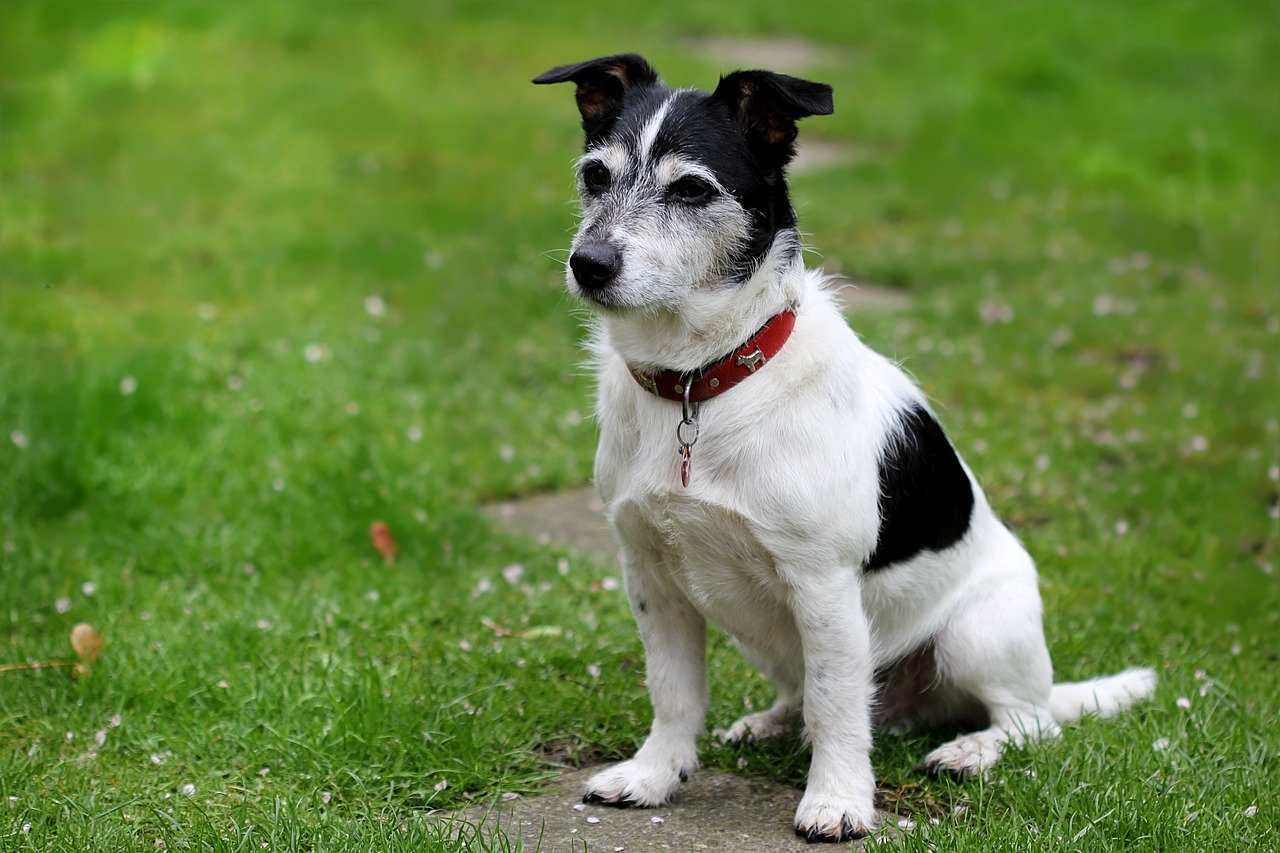
Dogs are often celebrated as man’s best friend, and for good reason. They’re loyal, affectionate, and can be incredibly cute. However, beneath the cuddly exterior, some breeds can exhibit surprising levels of aggression. While their fluffy coats and endearing eyes might make them look harmless, these dogs possess strong instincts that require proper training and socialization. Understanding these breeds can help potential dog owners make informed decisions and ensure a harmonious relationship with their pets. Owning one of these breeds is about ensuring they thrive in the right environment. Let’s take a closer look at these lovable yet powerful pups. Here are twelve adorable dog breeds that are known for their mighty aggression issues.
Charming Yet Feisty: The Chihuahua
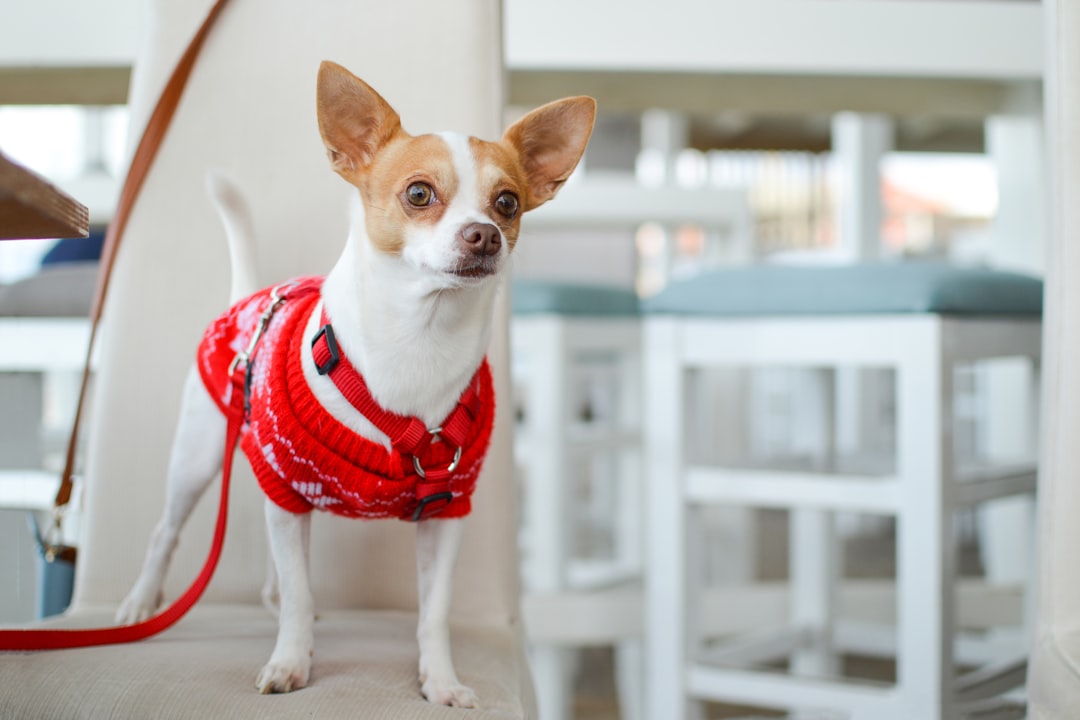
Chihuahuas may be small in size, but they have personalities that are nothing short of grand. Often seen peeking out of a handbag or snuggling in a cozy blanket, these tiny dogs can be unexpectedly feisty. While their aggression is usually a defense mechanism, it’s important to remember that they can be territorial and protective. This breed’s natural instinct is to defend its space, sometimes resulting in aggressive behavior.
Chihuahuas are known to be fiercely loyal to their owners, which can sometimes translate into jealousy or overprotectiveness. They may bark or nip at strangers or other animals they perceive as threats. Early socialization and consistent training are essential to manage their assertive tendencies. With the right guidance, Chihuahuas can be endearing companions who charm everyone they meet.
The Bold and Protective Dachshund
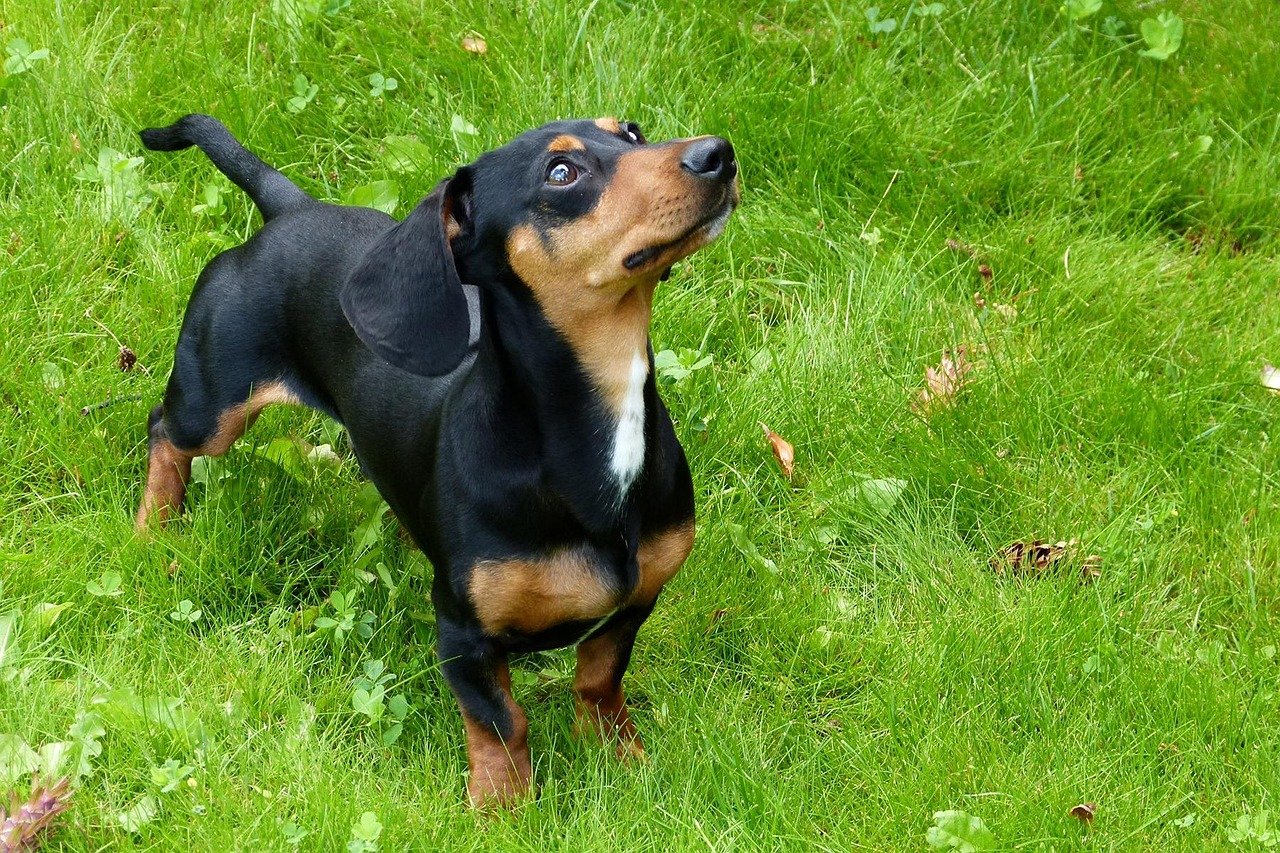
Dachshunds are undeniably cute with their elongated bodies and expressive eyes. However, these little dogs come with a bold streak that can sometimes tip into aggression. Originally bred for hunting, they have a strong prey drive and an instinct to protect their territory. This can lead to them being wary of strangers and other dogs, often barking to assert their dominance.
A well-socialized Dachshund can be a loving and playful pet, but it’s crucial for owners to set boundaries early on. Without proper training, Dachshunds may become stubborn and unyielding, making them more prone to aggressive outbursts. By understanding their need for structure and routine, owners can ensure that their Dachshund remains a delightful member of the family.
Territorial Tendencies of the Jack Russell Terrier
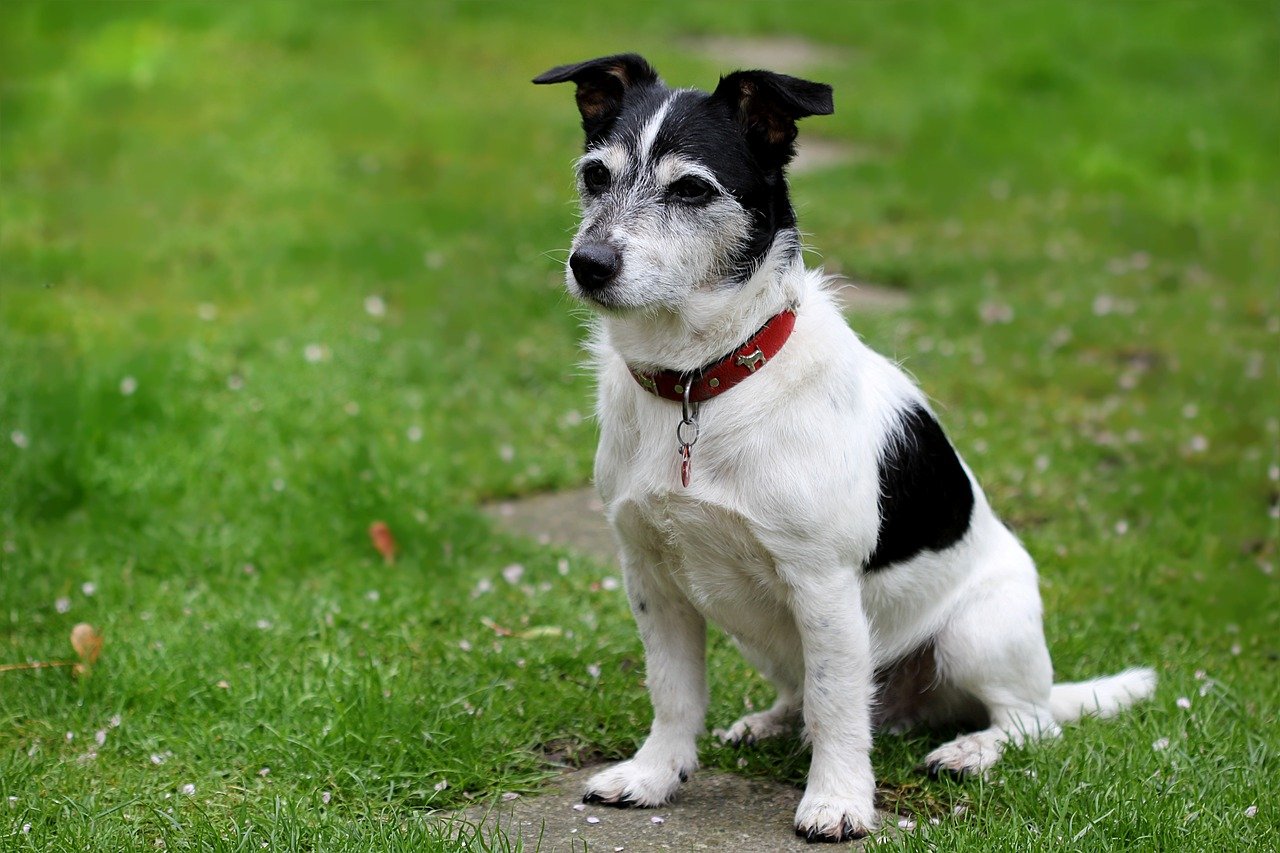
Jack Russell Terriers are energetic and intelligent, known for their lively nature and love for adventure. However, this breed also possesses a strong territorial instinct, which can sometimes manifest as aggression. Their protective nature makes them excellent guard dogs, but without proper training, they might become overly aggressive.
Jack Russells are highly active and require plenty of physical and mental stimulation to keep their behavior in check. They thrive on challenges and enjoy learning new tricks, but they can also become bored and destructive without adequate engagement. Consistent training and socialization are key to managing their aggression, ensuring that they remain the spirited and playful companions they are meant to be.
The Protective Nature of the Rottweiler
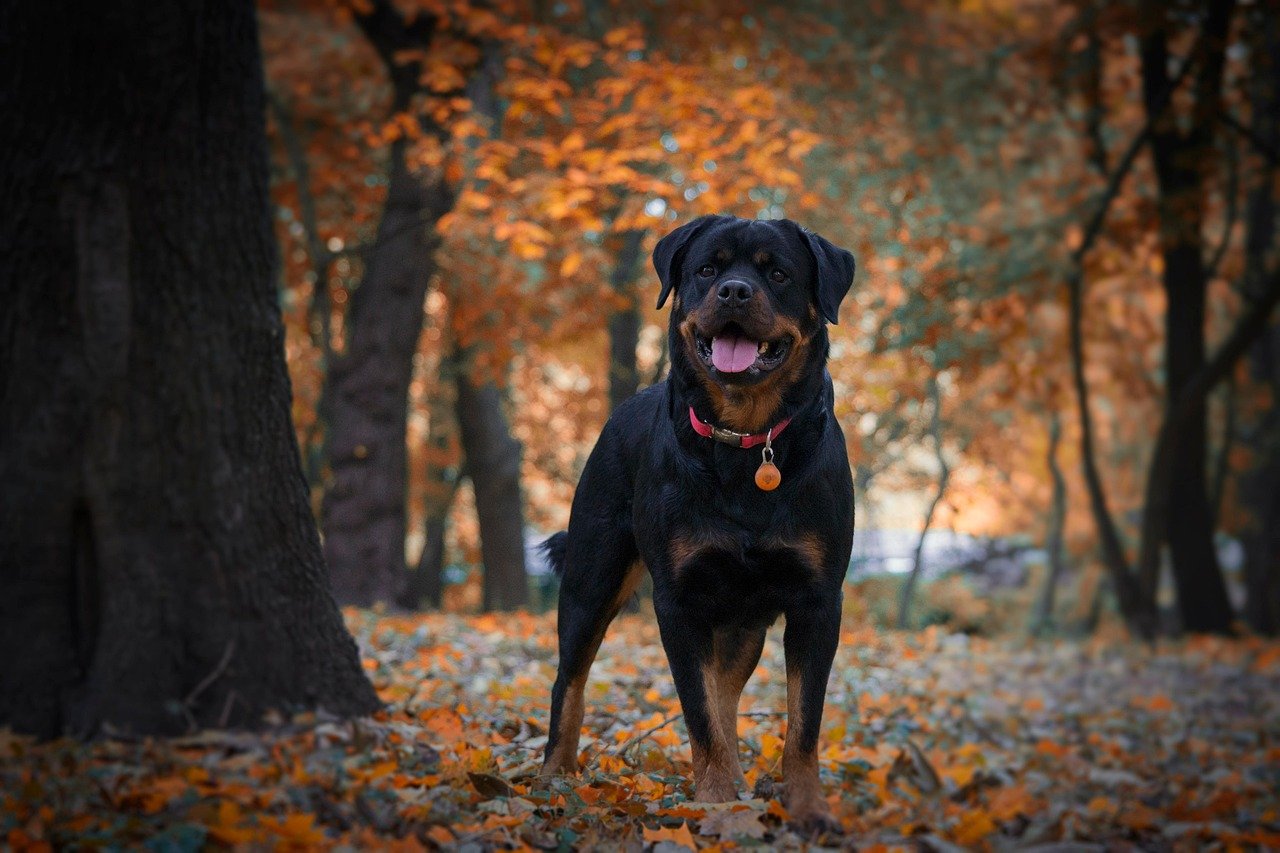
Rottweilers are often misunderstood due to their imposing size and powerful build. Despite their intimidating appearance, they can be affectionate and gentle with their families. However, Rottweilers have a natural protective instinct that can sometimes lead to aggressive behavior, especially if they perceive a threat to their loved ones.
Training and socialization from a young age are crucial in managing a Rottweiler’s aggression. They need strong leadership and clear boundaries to feel secure and confident. With proper guidance, Rottweilers can be loyal and loving companions, providing both protection and affection to their families.
The Intense Loyalty of the Akita
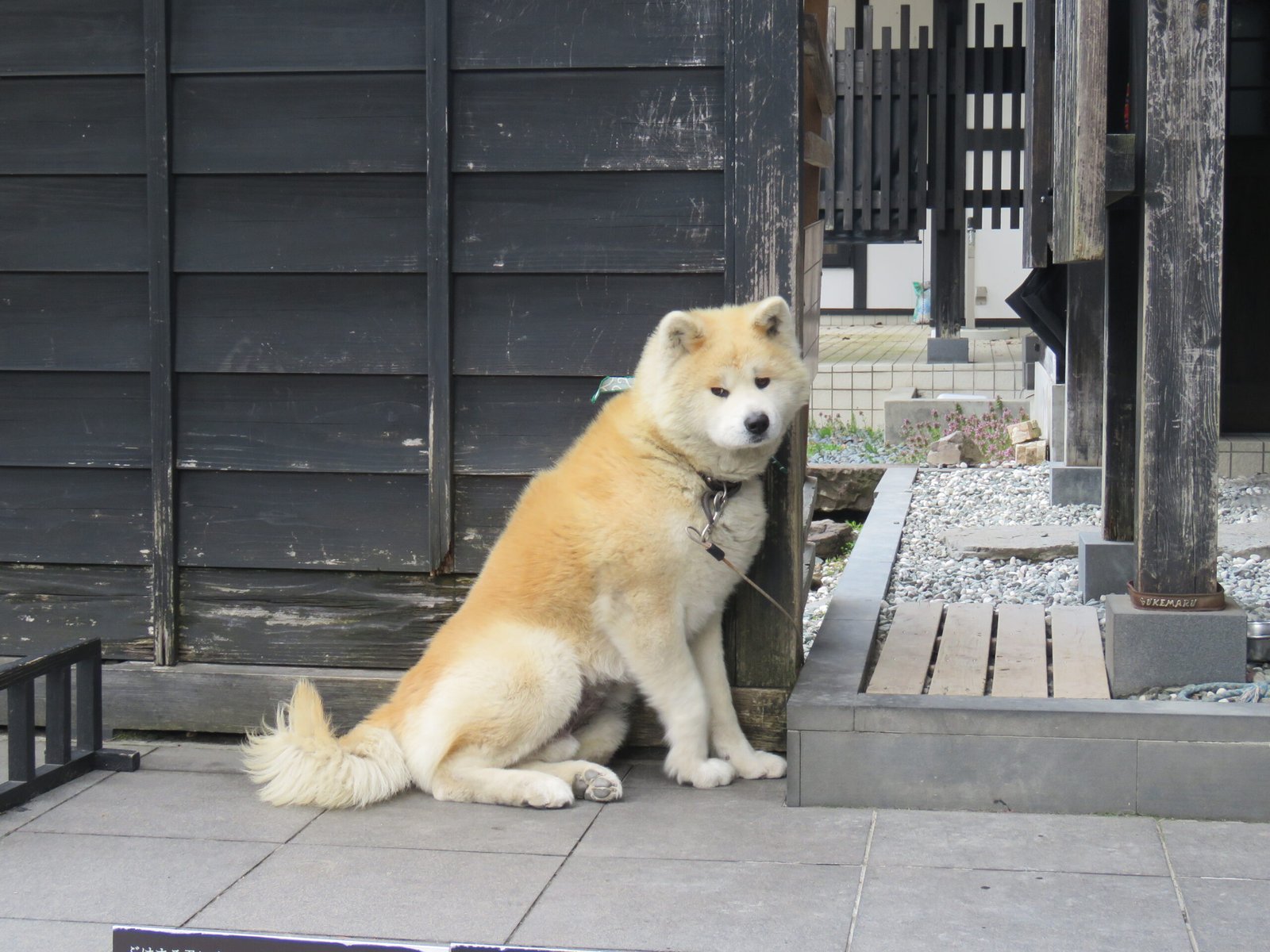
Akitas are known for their striking appearance and intense loyalty to their families. However, this loyalty can sometimes result in aggression, especially towards strangers or other animals. As natural protectors, Akitas have a strong instinct to guard their territory and loved ones.
To manage this breed’s aggression, owners should invest time in socializing their Akita with various people and animals from a young age. Training should focus on building trust and establishing clear boundaries. With the right approach, Akitas can be loving and devoted companions, offering unwavering loyalty and protection.
The Spirited Nature of the Miniature Pinscher
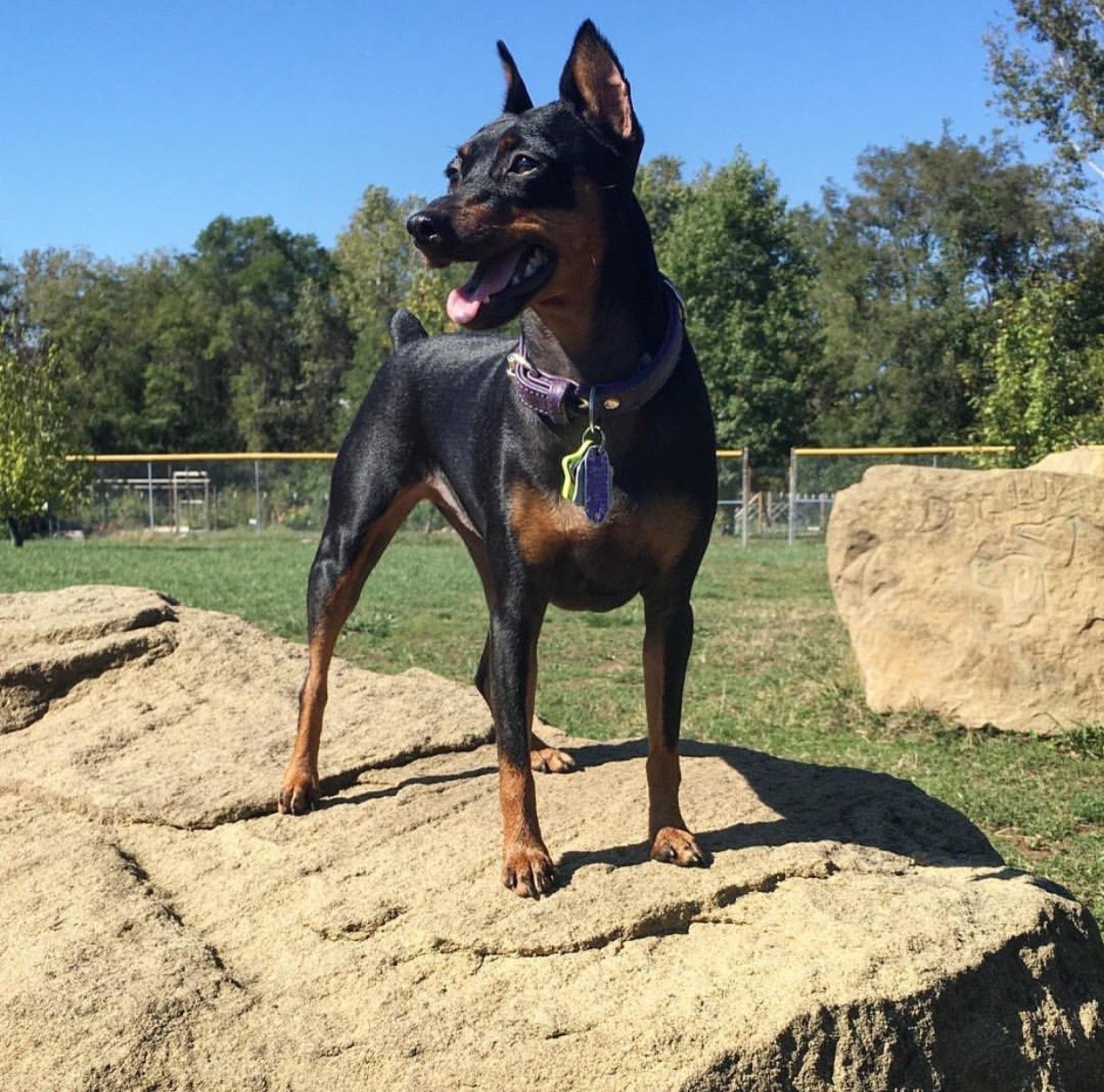
Miniature Pinschers are often described as “big dogs in small bodies.” Their spirited nature and lively personality make them a favorite among dog lovers. However, their confidence can sometimes border on aggression, especially if they feel threatened or challenged.
Socialization and training are essential for Miniature Pinschers to learn how to interact appropriately with others. They need a strong leader who can provide consistent guidance and set firm boundaries. With the right training, these tiny dynamos can be delightful companions, full of energy and enthusiasm.
The Protective Instinct of the Doberman Pinscher
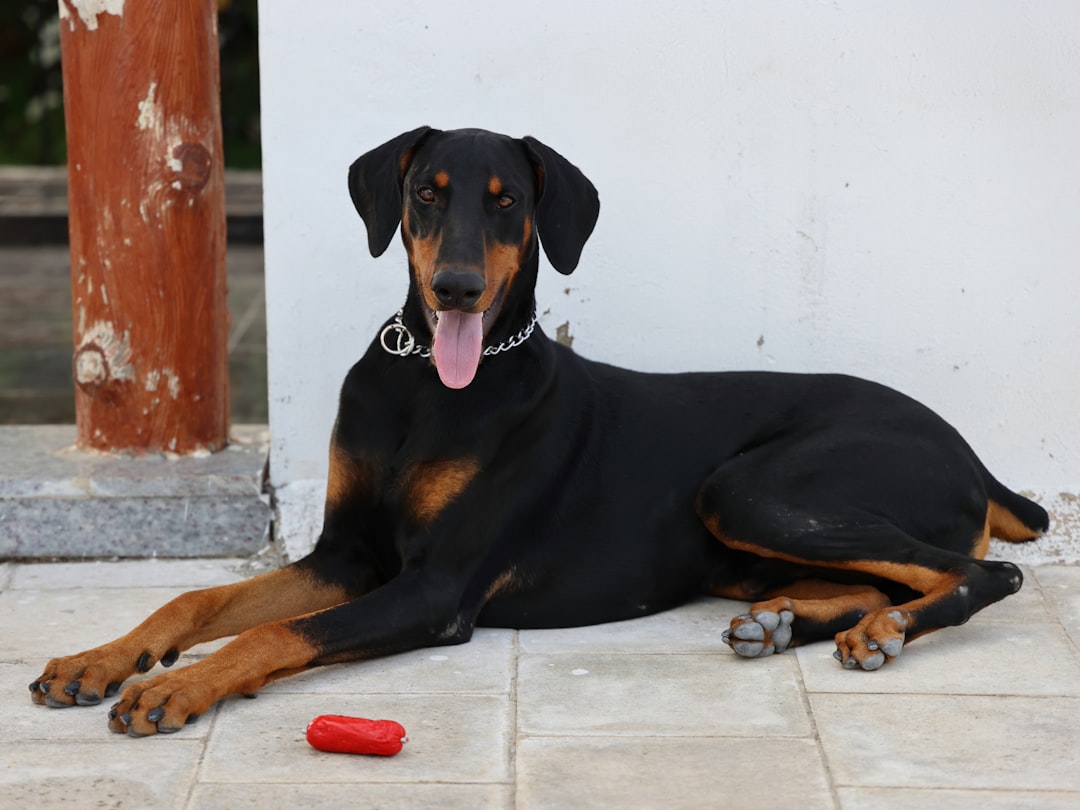
Doberman Pinschers are renowned for their sleek appearance and protective nature. Bred as guard dogs, they have a strong instinct to protect their families, which can sometimes manifest as aggression. However, with proper training and socialization, Dobermans can be gentle and loving companions.
Owners should focus on building trust and establishing themselves as confident leaders to manage a Doberman’s aggression. Consistent training and positive reinforcement can help them develop into well-behaved and affectionate pets. With the right approach, Dobermans can be loyal and devoted members of the family.
The Fearless Nature of the Bull Terrier
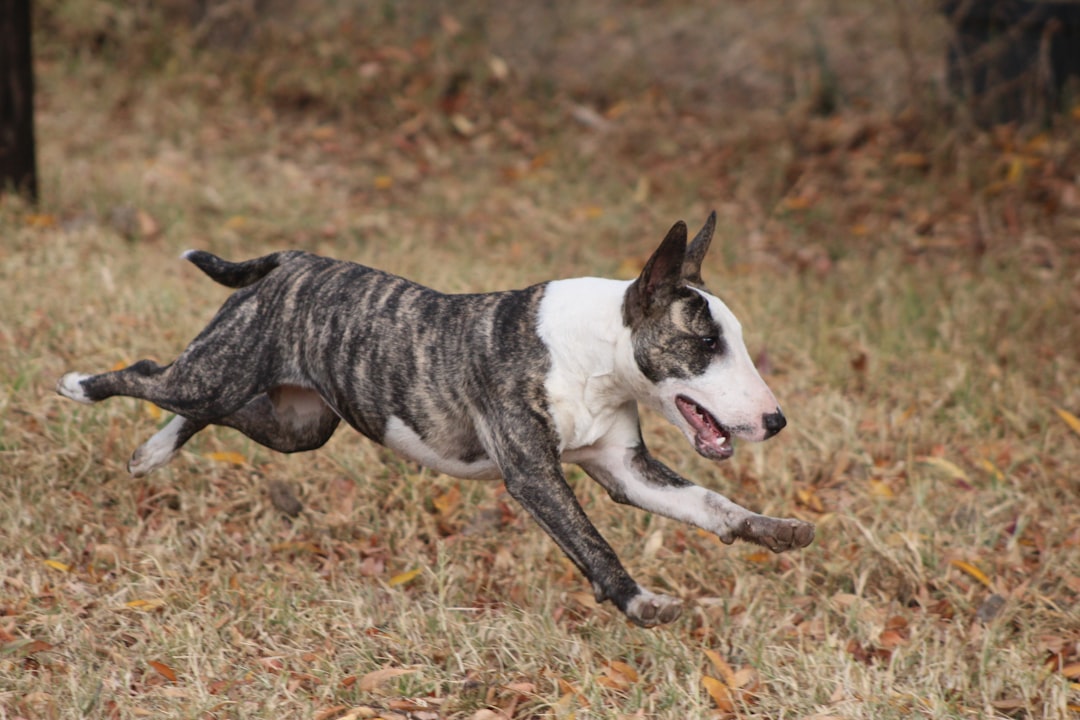
Bull Terriers are known for their distinctive appearance and fearless nature. While they are often affectionate and playful, they can also exhibit aggression if not properly managed. Their strong-willed personalities require firm leadership and consistent training to ensure they remain well-behaved.
Socialization is key to helping Bull Terriers learn how to interact with others. They thrive on positive reinforcement and enjoy learning new tricks and commands. With the right guidance, Bull Terriers can be loving and loyal companions, full of energy and enthusiasm.
The Bold and Independent Chow Chow
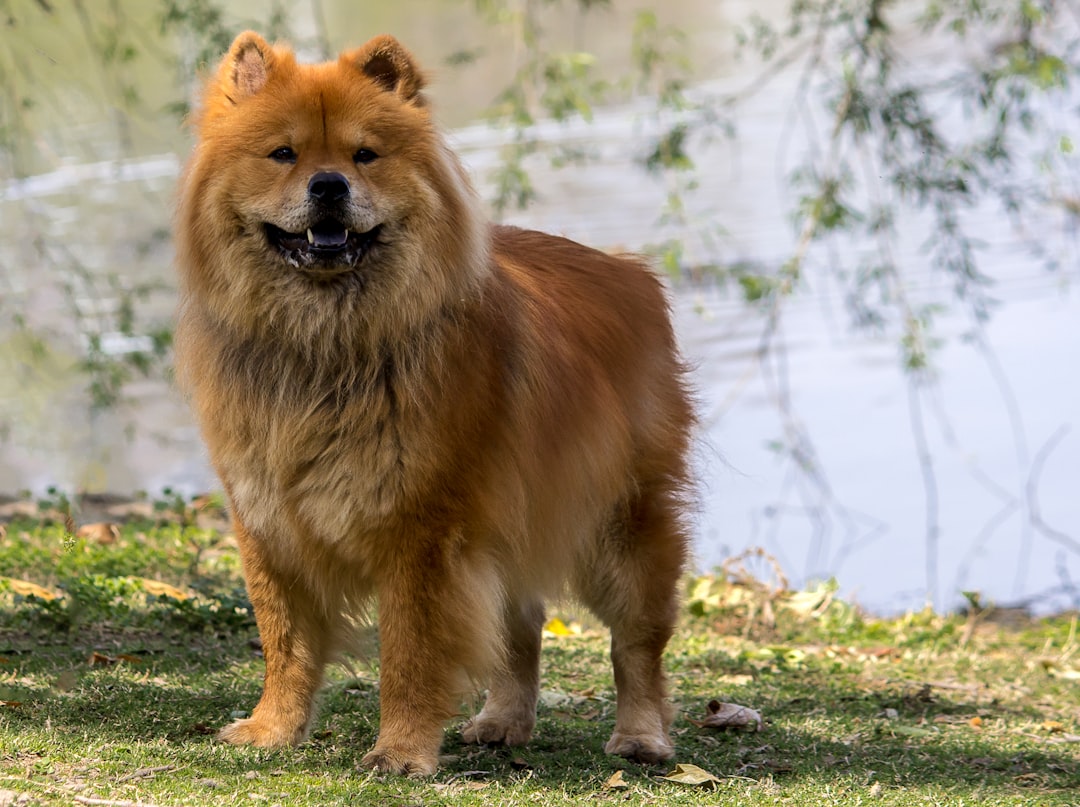
Chow Chows are known for their lion-like appearance and independent nature. While they can be affectionate with their families, they are often aloof and wary of strangers. This breed’s natural protective instinct can sometimes lead to aggression, especially if they feel their territory is being threatened.
To manage a Chow Chow’s aggression, owners should focus on socializing them with various people and animals from a young age. Training should be consistent and positive, reinforcing good behavior and establishing clear boundaries. With the right approach, Chow Chows can be loyal and devoted companions, offering both protection and affection.
The Alert and Watchful German Shepherd
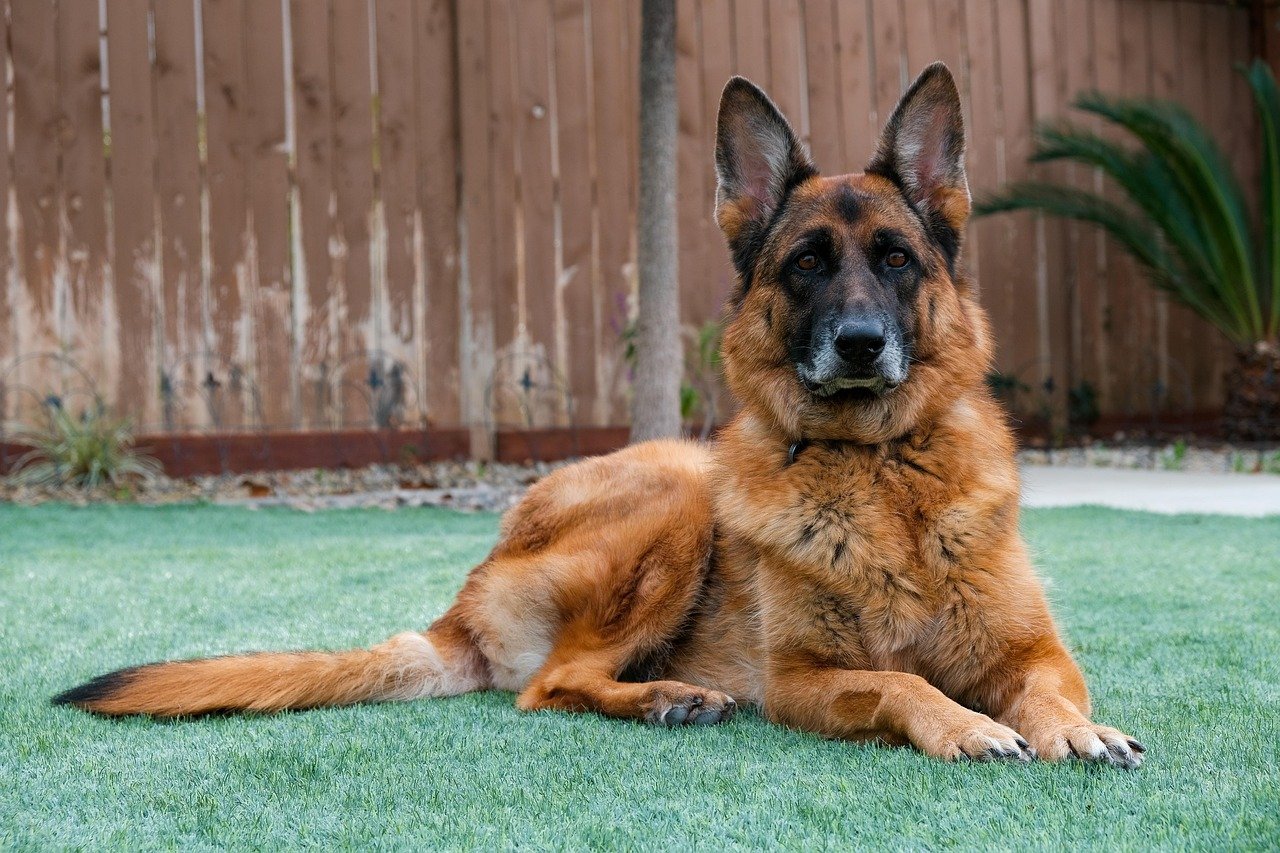
German Shepherds are renowned for their intelligence and versatility, often employed in police and military roles. Their natural alertness and watchful nature make them excellent guard dogs, but can also lead to aggression if not properly managed. German Shepherds require strong leadership and consistent training to ensure they remain well-behaved.
Socialization is crucial for German Shepherds to learn how to interact appropriately with others. They thrive on mental and physical challenges, enjoying activities that engage their minds and bodies. With the right guidance, German Shepherds can be loyal and loving companions, offering both protection and affection to their families.
The Confident and Courageous Boxer
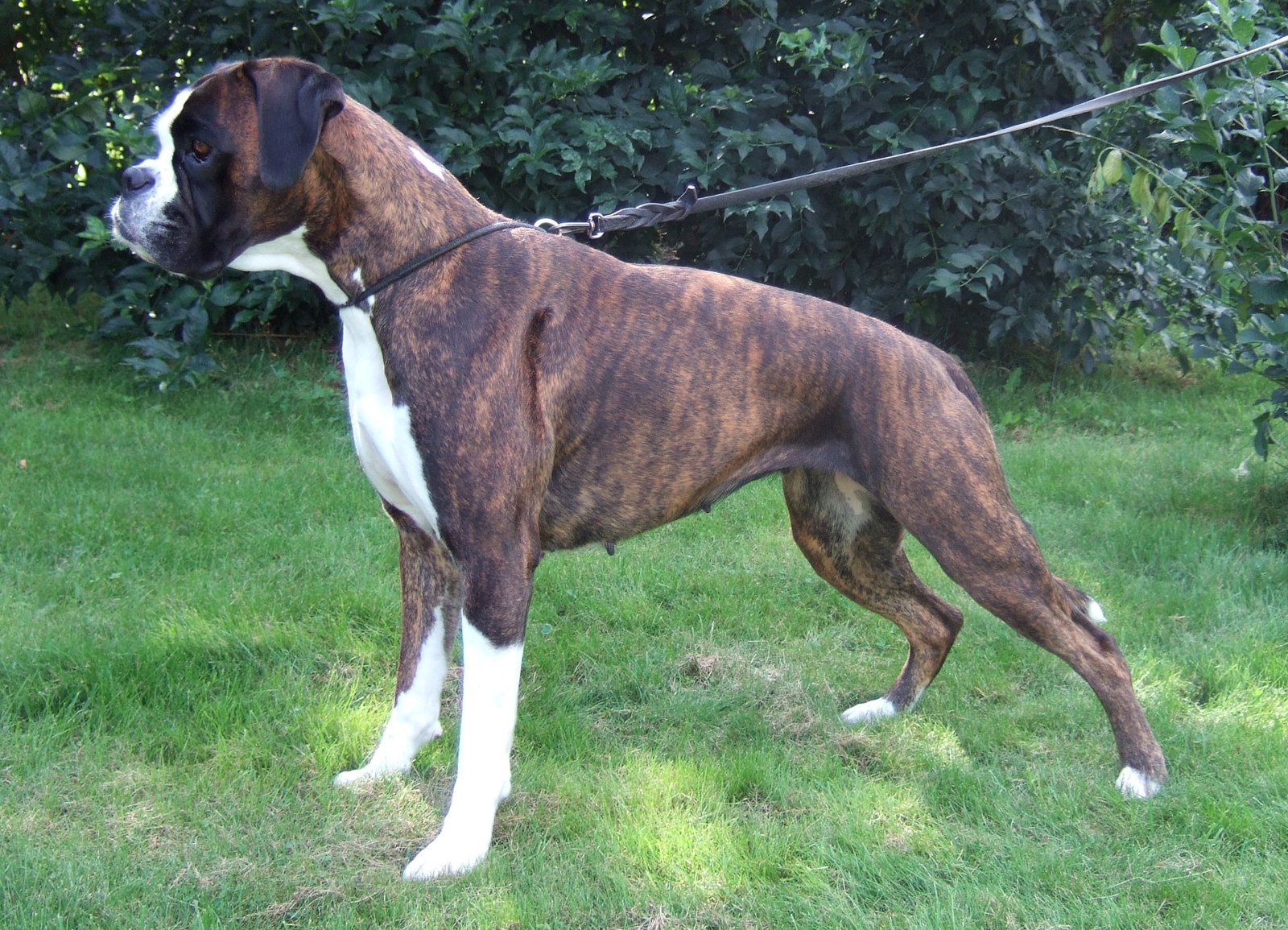
Boxers are known for their playful nature and boundless energy. However, their confidence and courage can sometimes tip into aggression, especially if they feel threatened or challenged. Boxers require strong leadership and consistent training to ensure they remain well-behaved.
Socialization is key to helping Boxers learn how to interact with others. They thrive on positive reinforcement and enjoy learning new tricks and commands. With the right guidance, Boxers can be loving and loyal companions, full of energy and enthusiasm.
The Spirited and Stubborn Shiba Inu
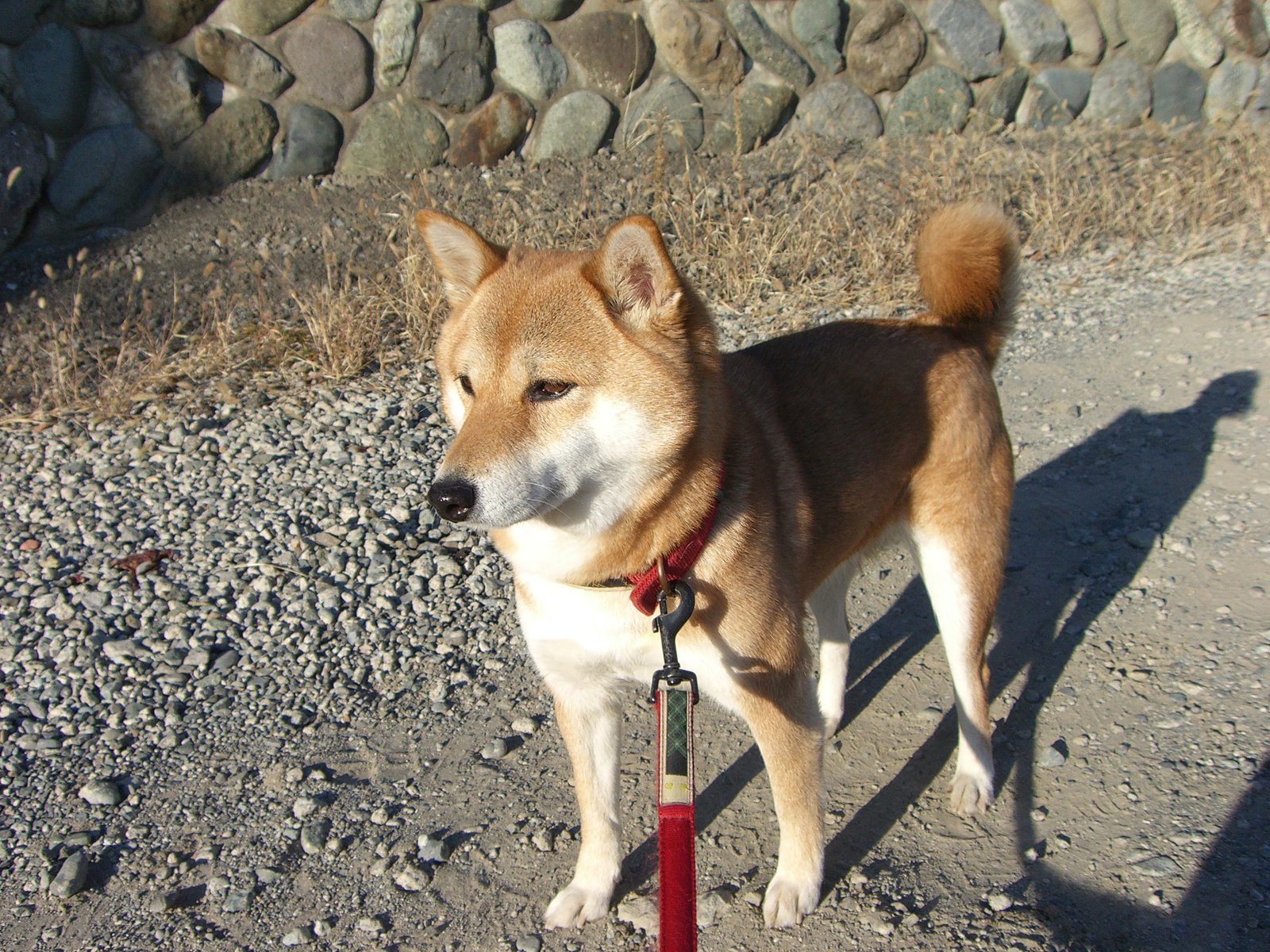
Shiba Inus are known for their spirited nature and distinctive appearance. While they are often affectionate with their families, they can be stubborn and independent, which can sometimes lead to aggression. Shiba Inus require strong leadership and consistent training to ensure they remain well-behaved. Socialization is crucial for Shiba Inus to learn how to interact appropriately with others. They thrive on mental and physical challenges, enjoying activities that engage their minds and bodies. With the right guidance, Shiba Inus can be loving and loyal companions, offering both protection and affection to their families.
Understanding the unique characteristics and potential aggression issues of these breeds can help dog lovers make informed decisions when choosing a pet. With proper training and socialization, even the most aggressive breeds can become loving and devoted companions.


