
Finding the perfect dog to share your apartment space with can be a delightful yet challenging experience. Dogs are wonderful friends, but that doesn’t mean they have the same needs as us. While some breeds are perfectly suited for smaller living spaces, others may not adapt as easily. Having a dog breed that is not suitable for apartment living in your apartment is not the right decision, no matter how much you care for your dog. In this article, we’ll explore 12 dog breeds that might pose challenges in an apartment setting due to their size, energy levels, or specific needs. If you’re considering bringing a furry friend into your apartment, this list will help you make an informed decision.
1. Great Dane
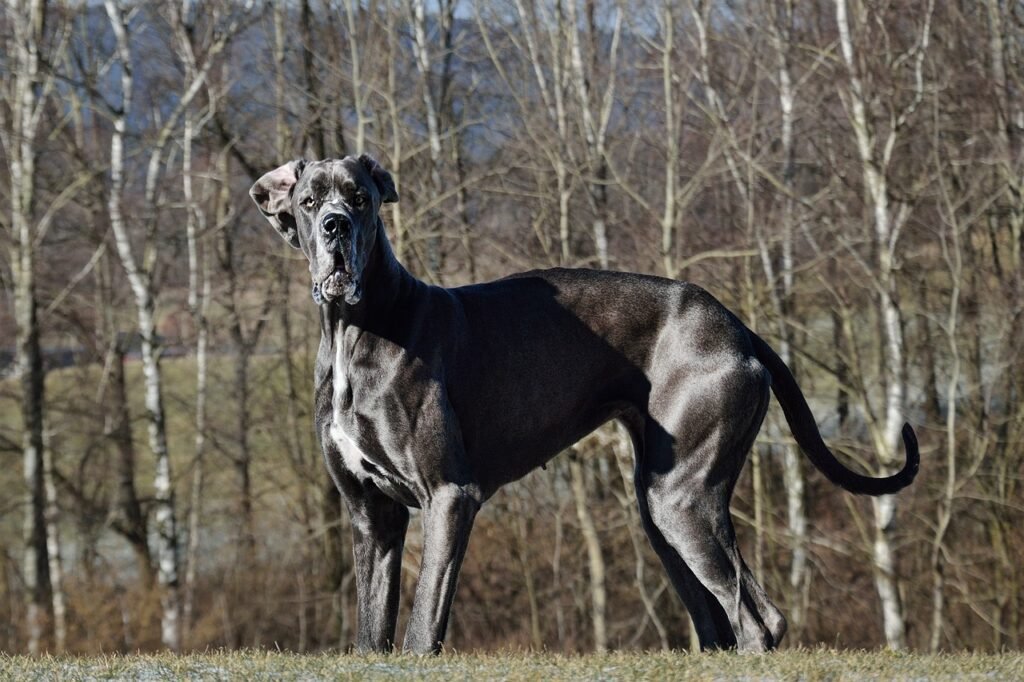
Great Danes, often referred to as “gentle giants,” are known for their impressive size and affectionate nature. However, their large stature makes them less than ideal for apartment living. Despite their calm demeanor, they require ample space to move around comfortably. Imagine trying to navigate a small apartment with a creature the size of a small horse! Additionally, Great Danes are prone to joint issues, making it crucial for them to have space to stretch and move without restrictions. Their booming barks can also be disruptive in a tight-knit apartment community.
2. Siberian Husky
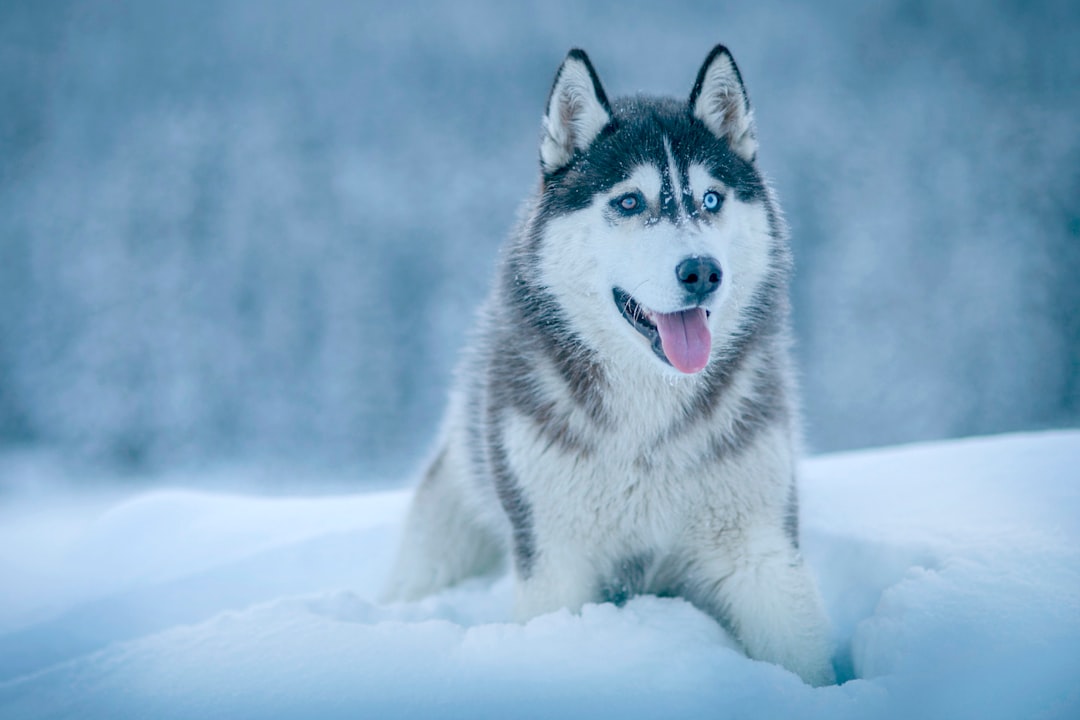
Siberian Huskies are renowned for their stunning looks and boundless energy. These dogs were bred to pull sleds across vast snowy landscapes, so it’s no surprise they thrive in open spaces. Apartments can feel like a cage to a Husky, leading to restlessness and destructive behavior. They also have a reputation for being escape artists, which can be problematic in an apartment with limited outdoor access. Huskies are incredibly vocal, often howling rather than barking, which can be a nuisance in a shared living environment.
3. Saint Bernard
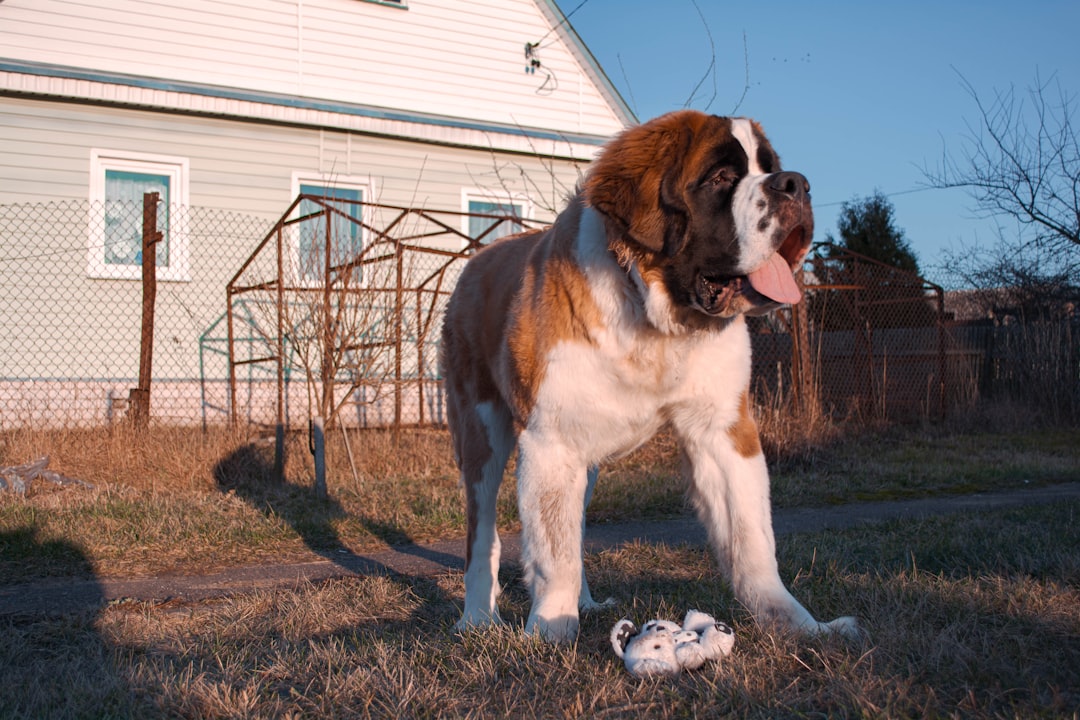
Saint Bernards are lovable and gentle giants, but their sheer size is a challenge in an apartment setting. These dogs can weigh up to 180 pounds, requiring significant space to move and rest comfortably. While they are generally calm, they do drool excessively, which can be a concern in a smaller living space. Their thick coats also mean they shed frequently, contributing to more cleaning and maintenance. An apartment might not offer the space needed for a Saint Bernard to thrive physically and mentally.
4. Border Collie
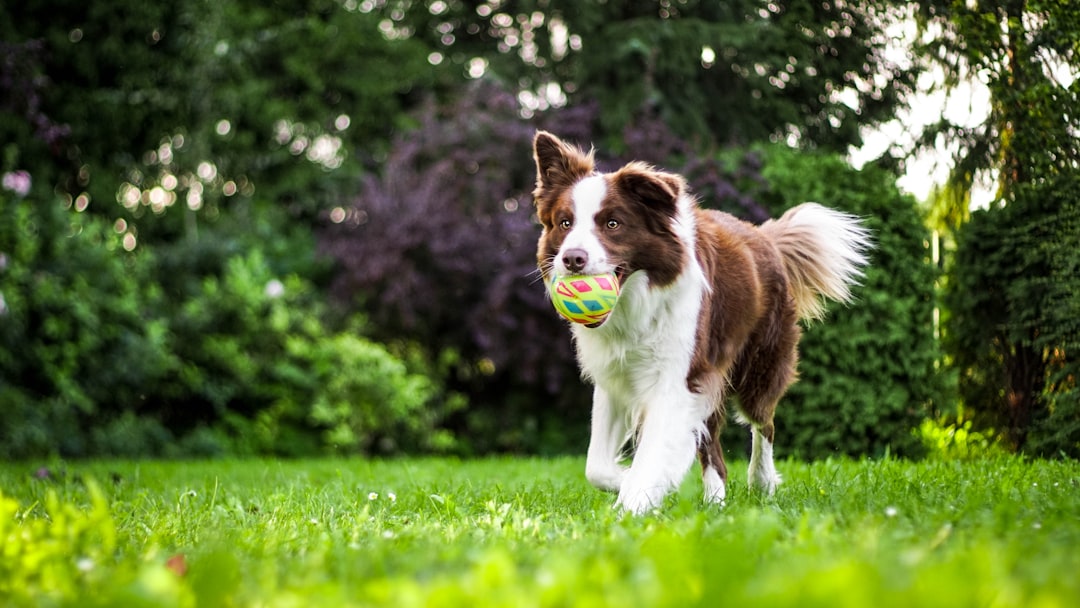
Border Collies are often considered the most intelligent dog breed, but with intelligence comes the need for mental stimulation. These dogs are highly energetic and require a lot of physical exercise, making them ill-suited for apartment life. Without adequate activities, they can become bored and engage in destructive behavior. Imagine a brilliant scholar confined to a small room without books or puzzles! Additionally, Border Collies are known for their herding instincts, which can sometimes lead to nipping, especially around small children or in confined areas.
5. Dalmatian

Dalmatians, with their distinctive spotted coats, have a spirited and playful nature. However, their high energy levels mean they need plenty of exercise, which can be challenging in an apartment. Dalmatians also have a strong protective instinct and can be territorial, making them more suited to homes with a yard. They are prone to separation anxiety, which can lead to barking and destructive behavior if left alone for too long. Their need for constant companionship and activity makes them a challenging choice for apartment dwellers.
6. Alaskan Malamute
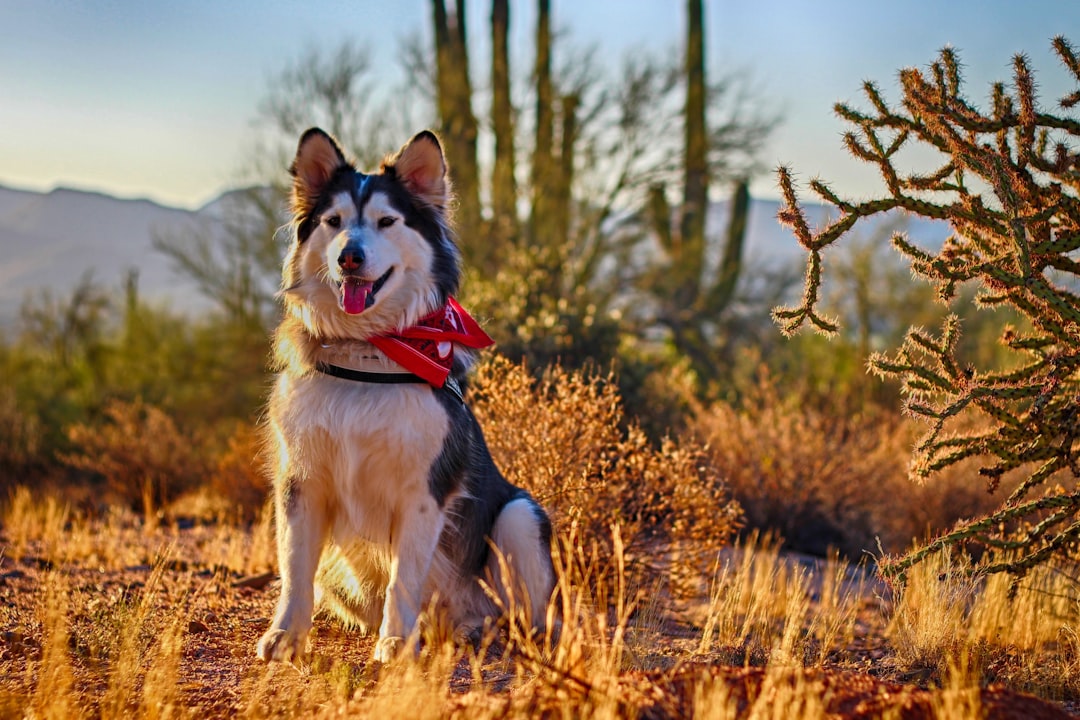
Alaskan Malamutes are strong, independent, and full of energy. Bred for pulling heavy sleds, they thrive in environments where they can work and roam freely. In an apartment, their need for exercise and mental stimulation can be difficult to meet. Malamutes are also known for their vocal nature and can be quite loud, which might not sit well with neighbors. Their thick fur requires regular grooming, and the shedding can be overwhelming in a small space. An apartment might not provide the outlet these dogs need to be happy and healthy.
7. Greyhound
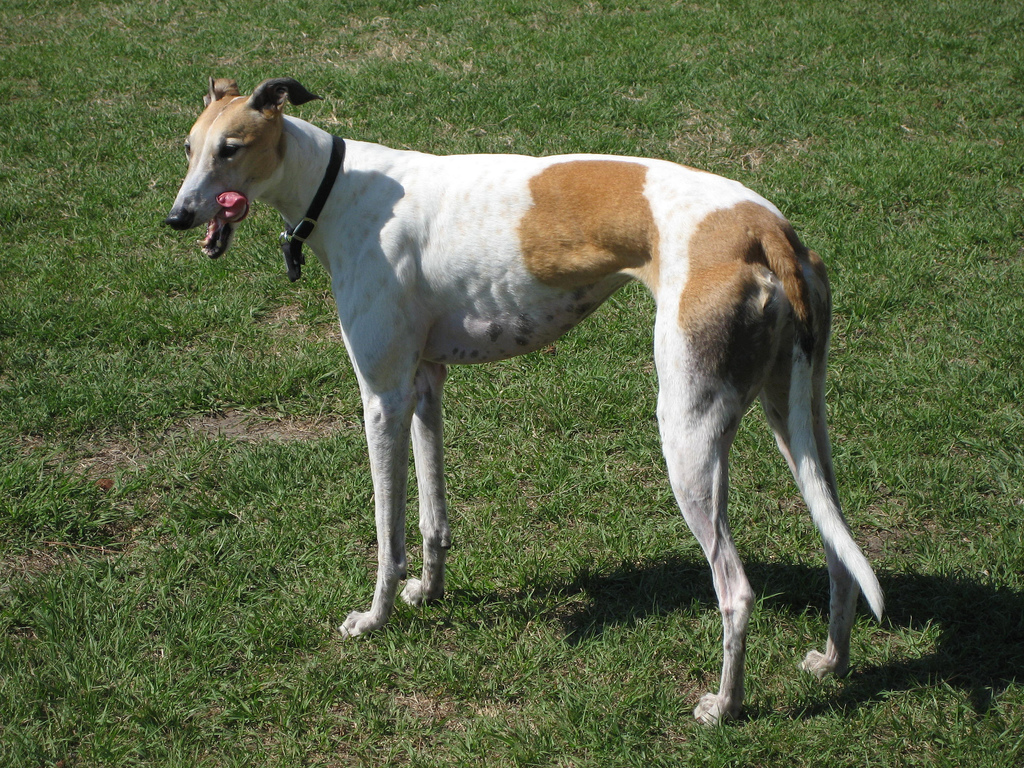
Despite their reputation as racing dogs, Greyhounds are surprisingly lazy and enjoy lounging around. However, their tall, lanky bodies can make maneuvering in a tight space difficult. Greyhounds have a strong prey drive and might not be the best fit for apartments in busy urban areas. They require regular outdoor exercise to burn off energy, and without it, they can become anxious or bored. Their slim build also makes them sensitive to cold, so an apartment without controlled heating might not be suitable.
8. Belgian Malinois
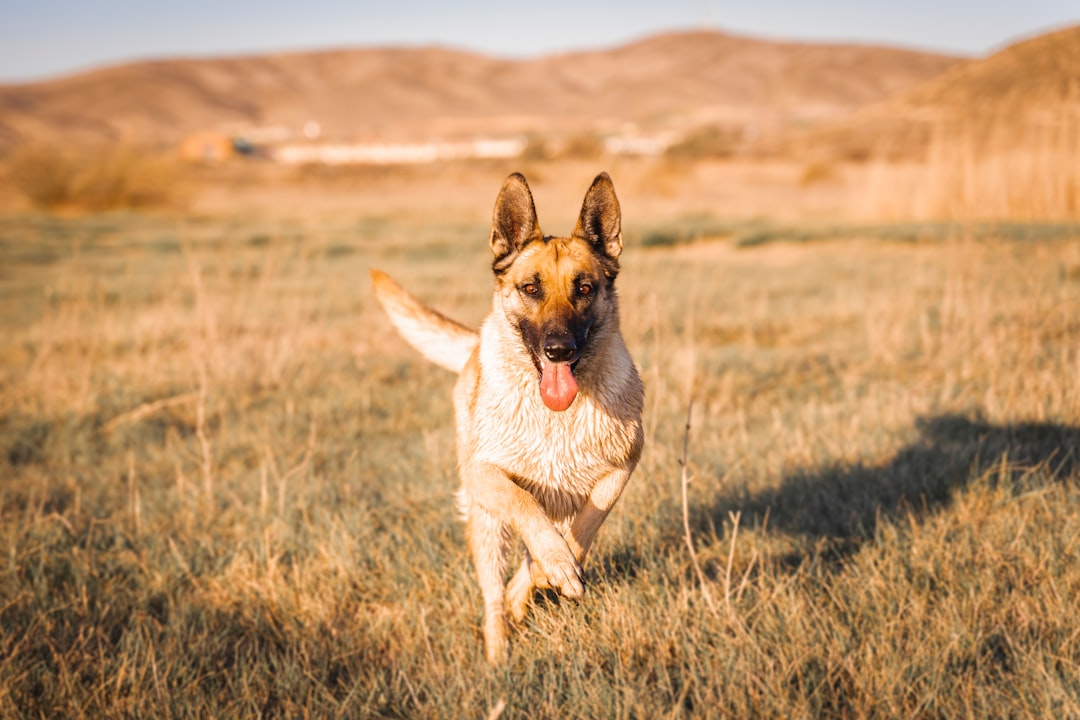
Belgian Malinois are intelligent and versatile dogs often used in police and military work. Their high energy levels and need for stimulation make them a challenging fit for apartment living. These dogs require structured training and plenty of physical activity to keep them content. Without proper outlets, they can become restless and destructive, chewing on furniture or engaging in other unwanted behaviors. Their protective nature can also be a concern in a shared living environment, as they may be wary of unfamiliar faces.
9. Akita
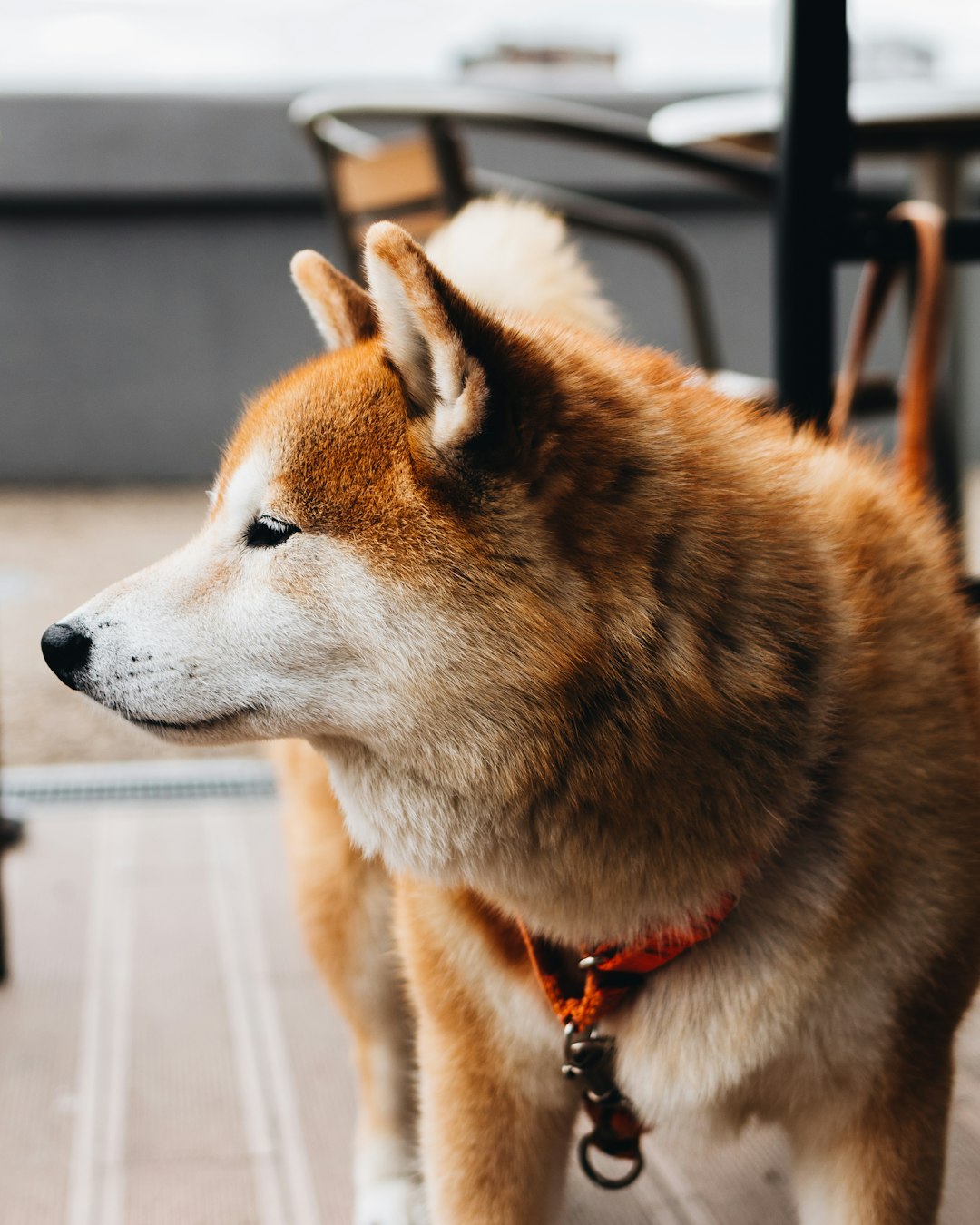
The Akita is a noble and loyal breed known for its protective instincts. However, their independent nature and strong personality can be difficult to manage in an apartment. Akitas are often reserved around strangers and can be territorial, which might not be ideal in a shared building. They need regular exercise and mental challenges to prevent boredom. Additionally, Akitas are known to shed heavily, which can be a concern for maintaining cleanliness in a smaller space.
10. Australian Shepherd
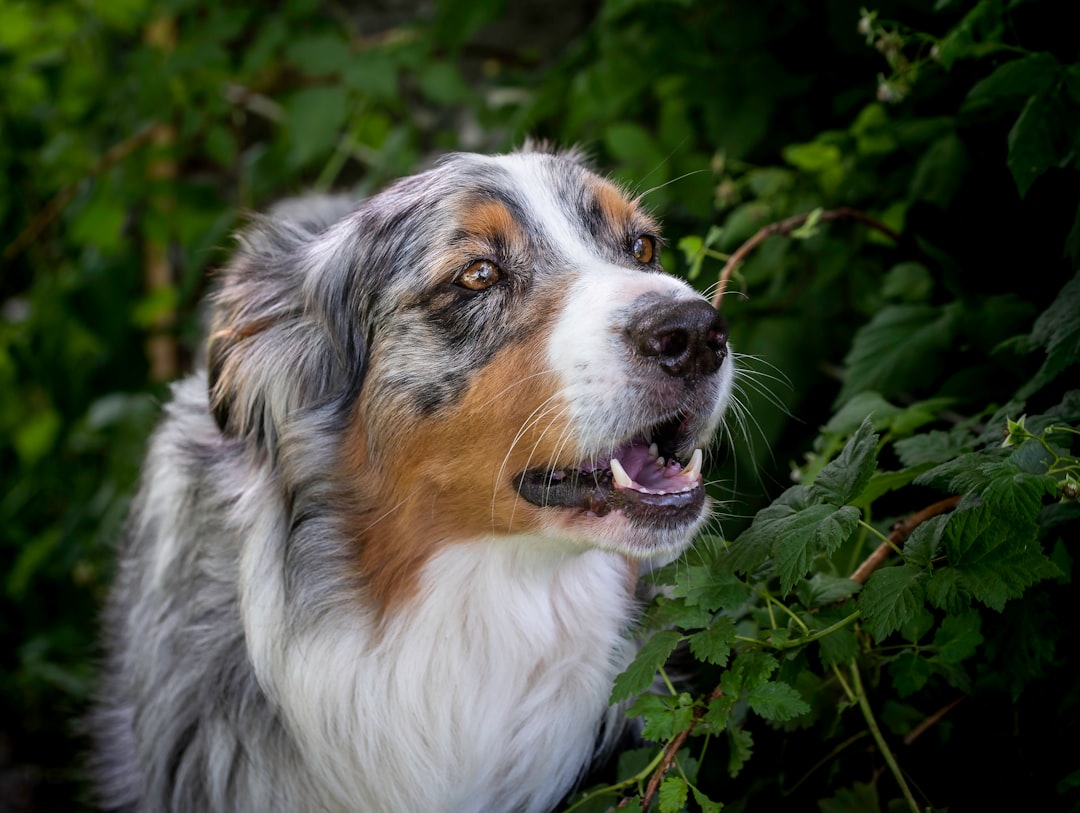
Australian Shepherds are energetic, intelligent, and eager to work. They thrive in environments where they have a job to do, which can be difficult to replicate in an apartment. These dogs need substantial exercise and mental stimulation to prevent boredom and destructive behavior. Their herding instincts can lead to nipping, which might be problematic in close quarters. Without a yard to play in, Australian Shepherds might find apartment life confining and unsatisfying.
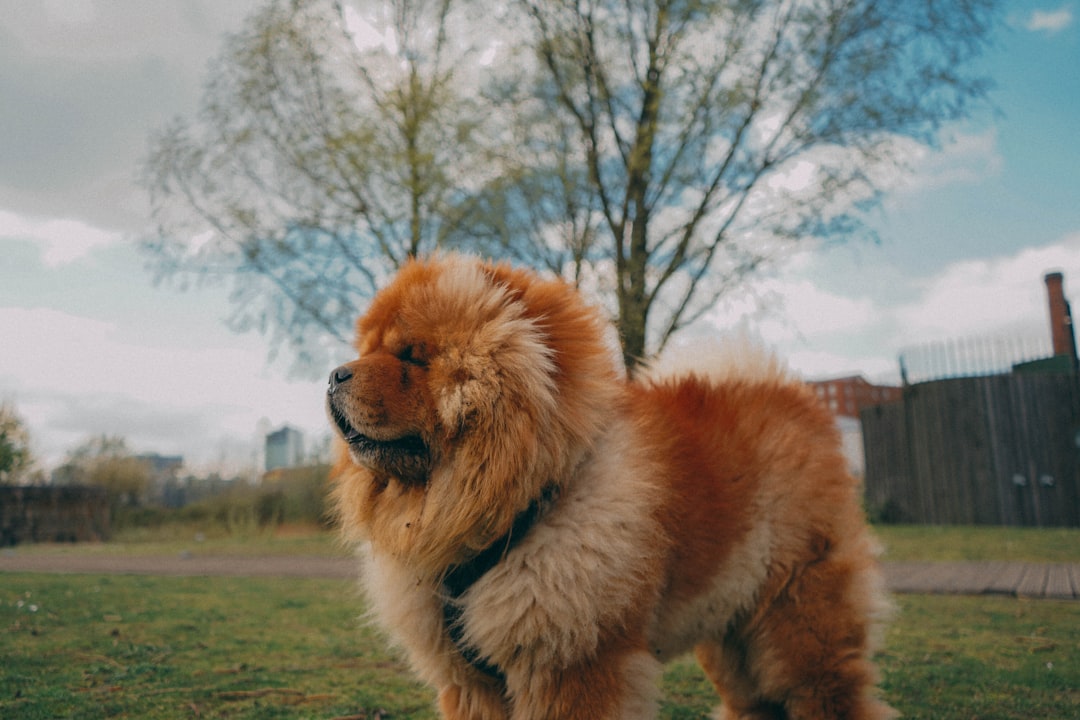
11. Chow Chow
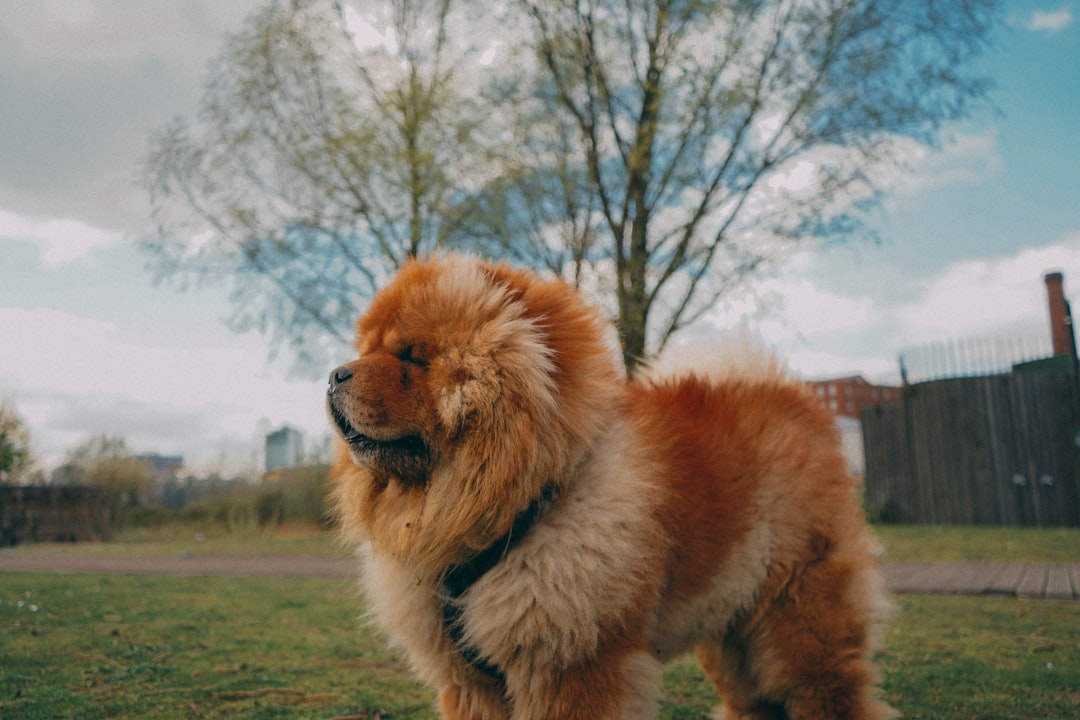
Chow Chows are known for their lion-like appearance and aloof demeanor. While they are generally calm, their independent nature can make training a challenge. Chow Chows can be territorial and may not take well to the constant comings and goings in an apartment building. Their thick double coat requires regular grooming, and they shed heavily, which can be difficult to manage in a confined space. Socialization is crucial for this breed, and without it, they can become wary of strangers, leading to potential issues in a shared living environment.
12. Weimaraner
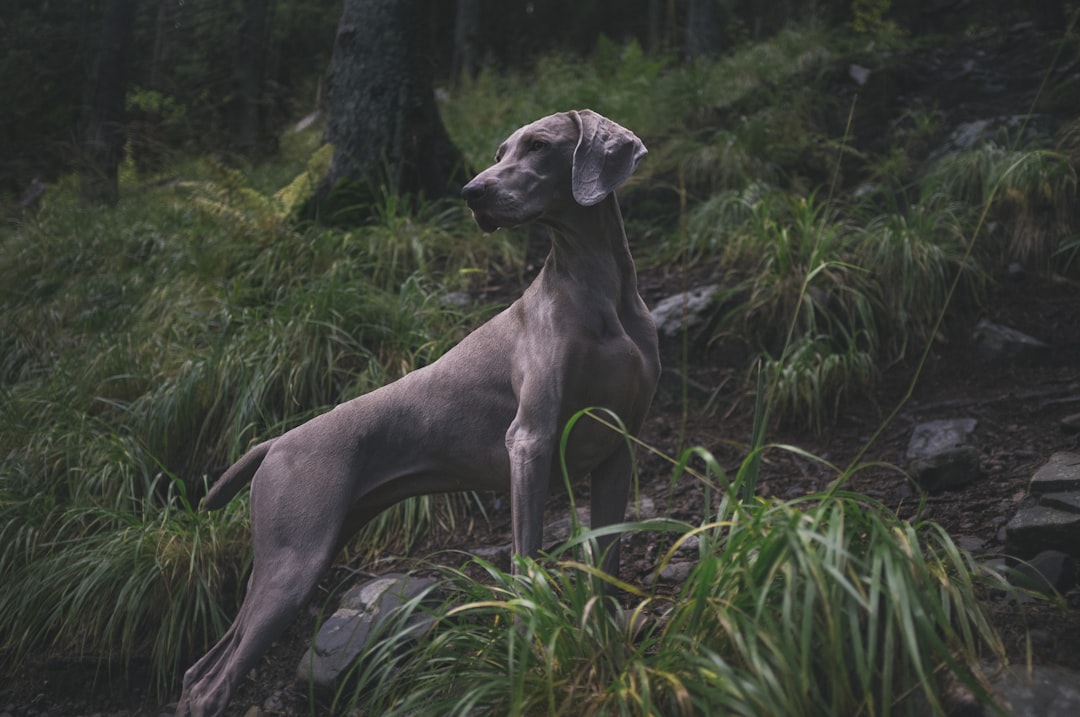
Weimaraners are intelligent, energetic, and require a lot of mental and physical stimulation. These dogs thrive in active households with plenty of opportunities for exercise. In an apartment, their high energy levels can lead to restlessness and unwanted behaviors. Weimaraners are known for their strong bonds with their owners and can develop separation anxiety if left alone for extended periods. Their need for companionship and activity makes them a challenging choice for apartment living.
Every dog lover would agree that all dogs are lovable and unique. However, some breeds have specific needs that can be challenging to meet in an apartment setting. Do not forget to consider the size, energy levels, and temperament of a dog before bringing them into your home. This is the most crucial decision you can make for your furry best friend. By choosing a breed that aligns with your living situation, you can ensure a happy and harmonious life for both you and your furry companion.


