
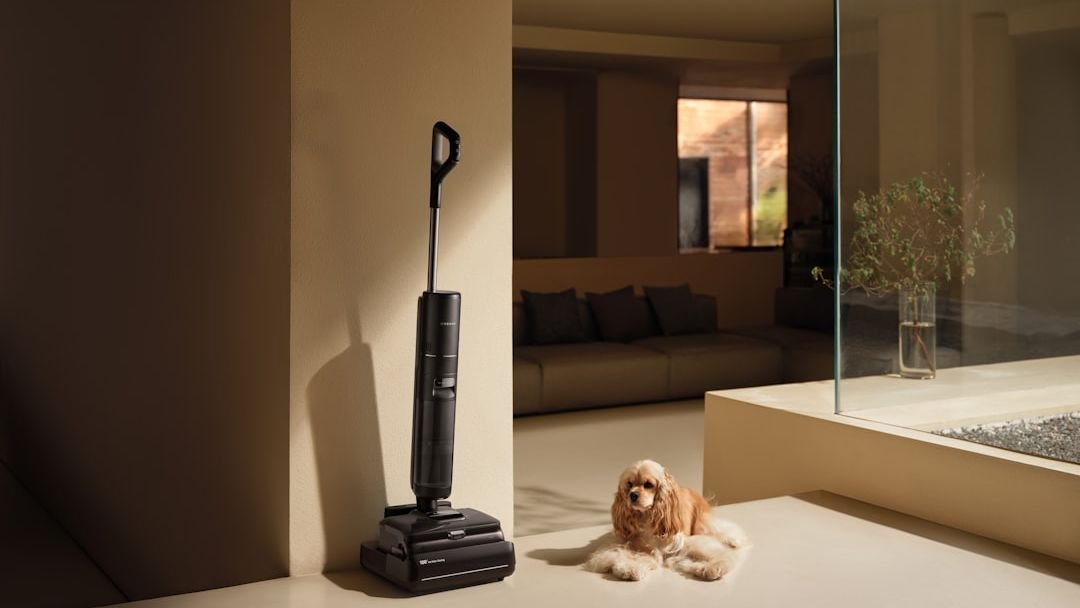
Picture this: it’s a perfectly ordinary Tuesday evening. You’re making dinner, music playing softly in the background, your dog snoozing on the sofa. Then – BANG. A car backfires outside, and suddenly your peaceful pup transforms into a trembling, wide-eyed ball of panic. Sound familiar?
Here’s something that might genuinely surprise you. Dogs’ hearing is far more sensitive than ours, and loud, sudden, or unpredictable noises can trigger a panic response in the brain. Noise phobia in dogs is extremely common, affecting up to roughly half of all dogs according to some estimates. That’s not a small number. That’s potentially your dog, your neighbor’s dog, and the golden retriever down the street all suffering silently in ways we don’t always notice.
The good news? You can absolutely help. Knowing which sounds set your dog off is the first step to making their world a safer, calmer place. So let’s dive in.
1. Thunderstorms: The Classic Culprit
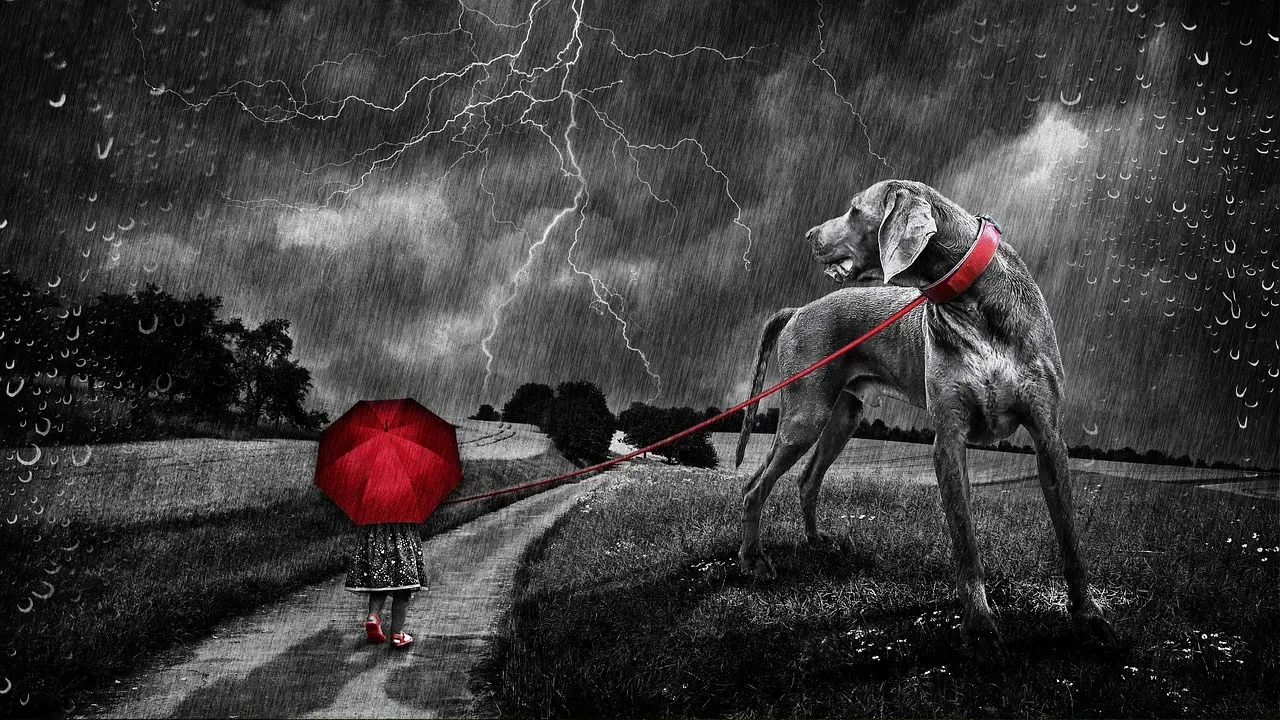
Thunderstorms are probably the most well-known canine fear trigger, and for good reason. Thunder noise is one of the most common scary sounds for dogs, and besides the loud booms of a thunderstorm, changes in barometric pressure, the smell of rain, and the appearance of storm clouds can all be involved in causing fear.
It’s not just the noise, honestly. Storm phobia is multisensory. While it certainly includes the loud noise produced by thunder, other aspects of the storm – flashes of lightning, heavy wind, rain battering the roof, changes in air pressure – may be either independent fear triggers or become anxiety-inducing predictors of impending thunder.
To help, create a designated “safe room” in the quietest part of your home. Playing white noise and layering it with another type of sound can help drown out the noise, and calming classical music may also help reduce stress. Keep the curtains drawn, stay close if you can, and be a calm, steady presence for your dog.
2. Fireworks: The Number One Panic Trigger

Fireworks are likely the most common loud noises that scare dogs. The explosions are sudden, completely unpredictable in timing, and often go on for hours. From a dog’s perspective, the sky is literally under attack. No wonder they lose it.
It’s even largely believed that Independence Day is the day when the highest number of dogs run away. That detail alone should make every dog owner take fireworks anxiety seriously. Always ensure your dog’s ID collar and microchip information are current, and secure your home and yard as a precaution.
Going for a long hike or spending time playing with pals during the day will help wear out your dog before the fireworks begin. A dog that’s mentally and physically exhausted might be less likely to react to fireworks, so plan a day of fun activities that will leave your dog ready for a snooze.
3. Vacuum Cleaners: The Household Monster
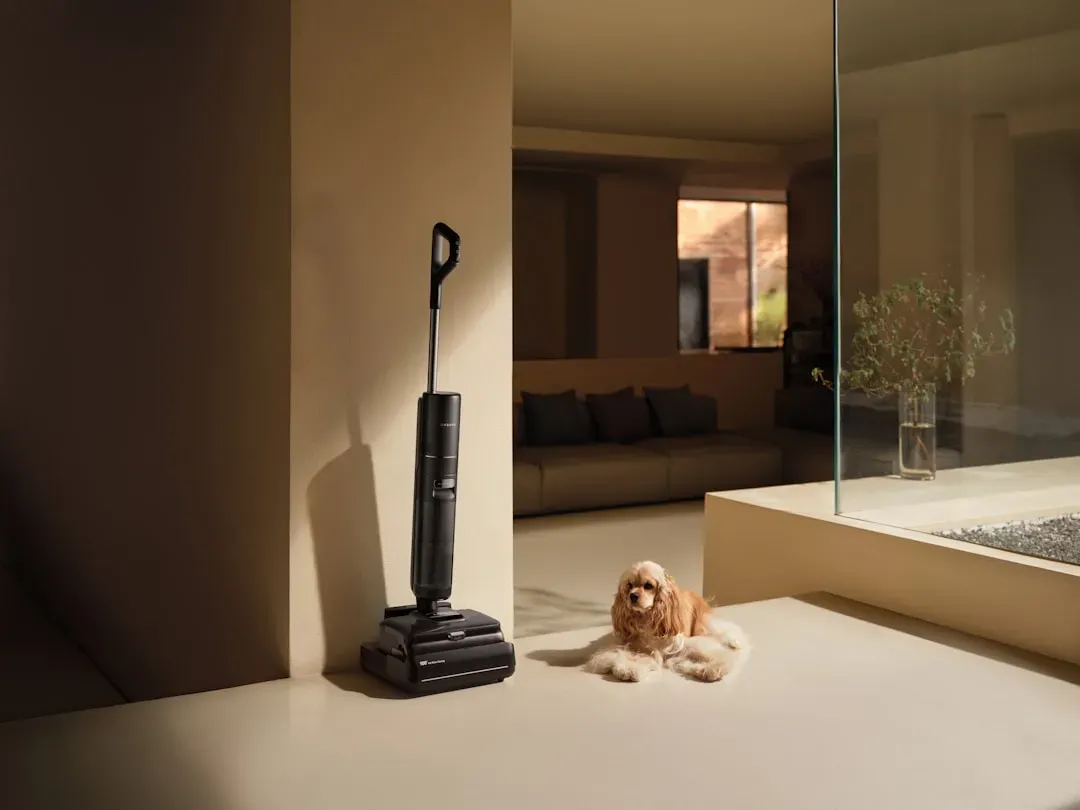
Let’s be real – the vacuum cleaner might as well be a roaring, wheeled beast to your dog. Household appliances such as vacuum cleaners, hairdryers, and even blenders can cause anxiety in noise-sensitive dogs. These sounds are not only loud but also often involve a level of vibration that can be unsettling.
Dogs’ reactions to vacuum cleaners, exhibited in behaviors such as lunging and barking, may stem from emotional reactions other than fear. Some dogs are actually frustrated and territorial, not purely frightened. Either way, the reaction is real and worth addressing.
Try desensitizing your dog gradually by leaving the vacuum switched off in the middle of the room, then rewarding calm behavior around it before you even turn it on. Behavior modification using classical conditioning can encourage a positive emotional response to a sound that induces fear. This technique pairs a positive reinforcer, like a food treat, with the scary sound. Over time, the sound itself can make your dog feel happy.
4. Smoke Alarms and Fire Detectors: A High-Pitched Horror

Dogs are more likely to have a strong, anxious reaction to high-frequency, intermittent sounds, such as smoke detector warning beeps, than to low-frequency continuous sounds. That sharp, piercing beep hits a dog’s ears at a frequency that feels absolutely overwhelming. Think of it like someone holding an air horn directly to your ear.
Dogs may also become phobic of fire alarms and even cooking because they associate it with accidental triggering of the alarm. Once that association is made in their brain, even the smell of something on the stove can kick off anxiety. It’s a surprisingly easy phobia to accidentally create.
If your alarm goes off accidentally, stay calm, air out the room, and follow up with calm reassurance and a high-value treat once the beeping stops. Avoid making a big fuss. Your energy is contagious, and your dog is watching you for cues on whether to panic or relax.
5. Fireworks’ Cousin: Gunshots and Backfiring Cars
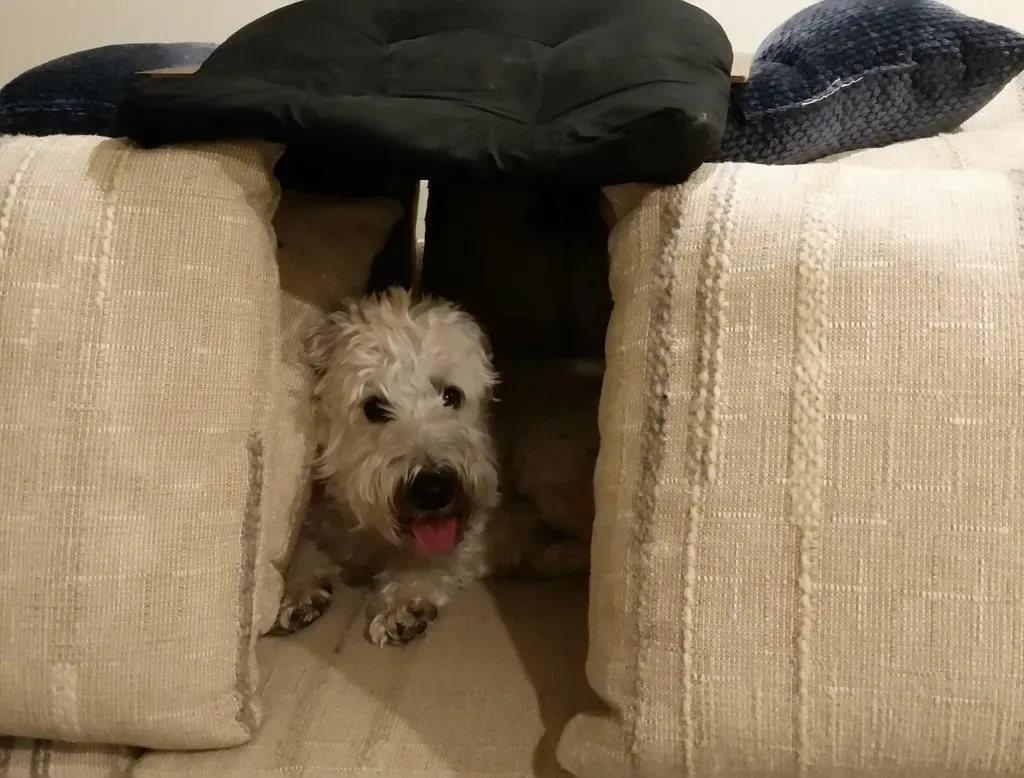
Fireworks, gunshots, and vacuum cleaners are common causes of noise phobia. Gunshots and backfiring cars share something important with fireworks – they’re completely unpredictable. There’s no warning. No build-up. Just a sudden, sharp crack in the air, and your dog’s nervous system fires into full alert mode.
Dogs who live near hunting areas or busy roads are especially vulnerable. Past experiences can significantly influence a dog’s reaction to loud noises. If a dog has had a traumatic encounter with a loud sound, they may develop a lasting fear. For example, a dog caught outside during a severe event might associate that sound with the frightening experience, leading to a phobia.
For dogs in rural or high-traffic environments, consider using white noise machines inside the home as a baseline buffer. You might also consider using white noise machines or calming music to mask the outside sounds. Prevention, in this case, is far easier than recovery.
6. Construction Noise: Relentless and Unpredictable

Living in an urban environment exposes dogs to a variety of loud noises, from construction work to heavy traffic. These constant, often unpredictable sounds can contribute to a dog’s overall anxiety levels. Imagine trying to nap with a jackhammer outside your window every day. That’s your dog’s reality during construction season.
A dog that is left at home with a noisy construction project going on next door may associate these noises with separation, fear, and loneliness. These events can traumatize a dog and induce a severe reaction to those noises and similar noises in the future.
If construction is unavoidable near your home, try moving your dog’s resting area to the quietest room. Close windows, run a fan, and offer a stuffed Kong or long-lasting chew to give them something positive to focus on during the noise.
7. Garbage Trucks: The Weekly Menace

Garbage trucks rumbling down the street might seem totally mundane to us, but common noises that scare dogs include thunderstorms, fireworks, alarms, vacuums, garbage trucks, motorcycles, sirens, and other loud or repetitive sounds. There’s something about the hydraulic grinding and sudden lurching of a garbage truck that truly rattles some dogs to their core.
The predictability of garbage day is actually a small gift, though. Because you know exactly when it’s coming, you can plan ahead. Schedule a longer morning walk before the truck arrives so your dog is tired, or create a positive association by busting out their favorite treats right when you hear the truck approaching. Pair the scary thing with something brilliant, and the brain starts to rewrite the story.
8. Sirens: The Howl Starter

You’ve probably noticed it yourself – a distant siren wails, and suddenly your dog throws their head back and joins in. Common noises that scare dogs include sirens and other loud or repetitive sounds. Whether they’re howling back or trembling behind the sofa, sirens clearly hit a deep, instinctual nerve in dogs.
It’s hard to say for sure whether howling at sirens is fear-based or purely instinctual communication, but many dogs do show genuine signs of distress. Your dog may freeze, pant, cower, attempt to escape, or refuse to go on a walk when triggered by sounds like sirens. Watching their body language closely tells you everything you need to know.
If your dog seems genuinely distressed rather than just singing along, redirect their attention with a calm command and a reward. If your dog appears frightened, it is fine to gently pet them or allow them to sit close to you. Remain calm yourself – don’t make a fuss.
9. Airplanes and Helicopters: Fear From Above
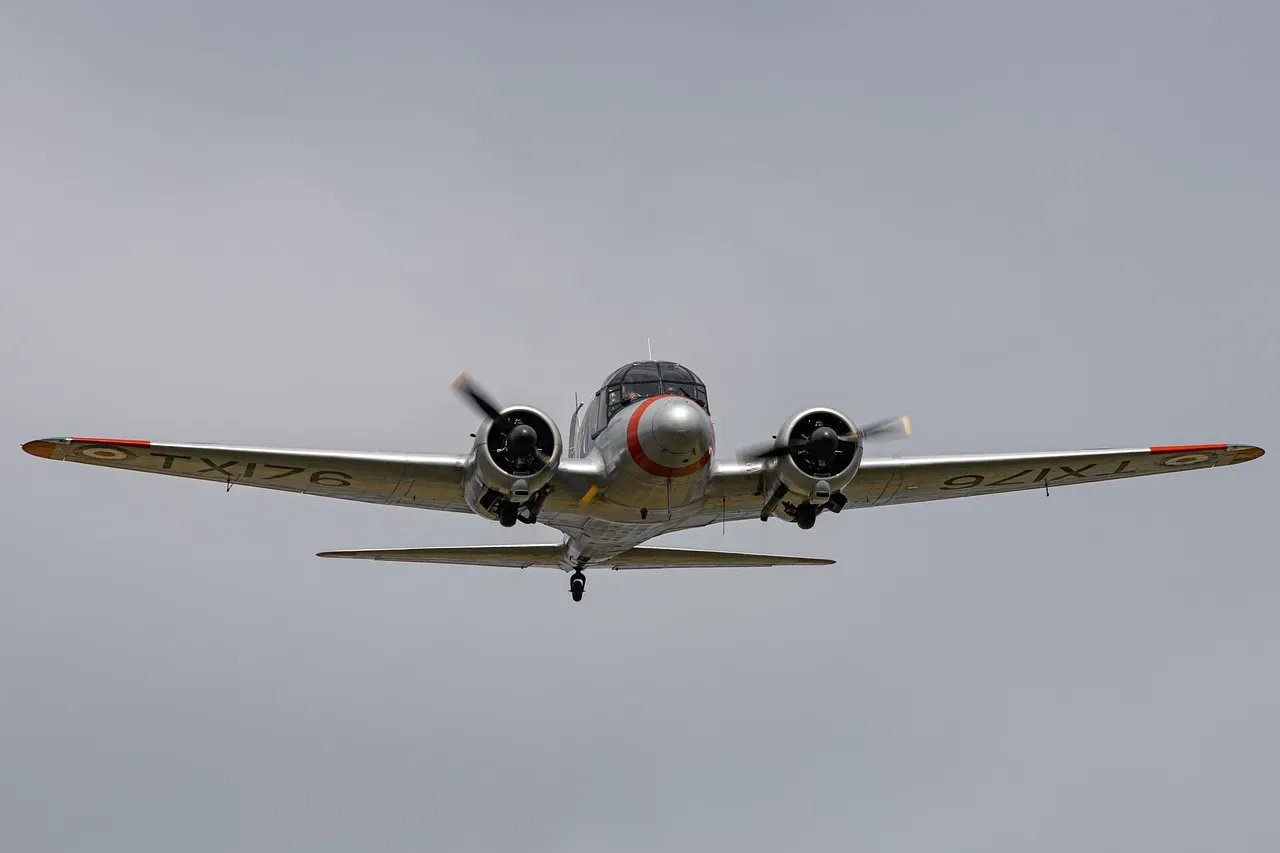
If you live close to an airport, you may notice that your dog behaves fearfully every time a plane flies overhead. This may be especially true if your dog was in a rural area as a puppy and never conditioned to hearing this loud, scary noise. It’s a classic case of missed socialization creating a lasting gap in comfort.
The deep rumble of a low-flying aircraft is genuinely enormous in decibel terms, and dogs feel it as much as they hear it. Dogs have a much more acute sense of hearing than humans, making them more sensitive to loud or sudden noises. Their ears are specially designed to detect a wide range of frequencies and intensities. They can even pick up sounds beyond the range of human hearing, and their ears can move and rotate to locate the source.
Counter-conditioning is your best friend here. Find a way to recreate the loud noise that causes fear – you may be able to find a recording online. Play the sound at a low volume while you engage your dog with a fun activity, game, or offer a treat.
10. Furnace and Air Conditioner Start-Up: The Jump Scare at Home

The sound of an air conditioner or furnace turning on can send some dogs jumping. This is likely due to the sudden nature of this sound, causing them to startle. The clunk and whoosh of a heating system kicking in at 2am is honestly a jump scare for humans too, if we’re being honest.
What makes this particularly tricky is that it happens inside the home, the one place dogs should feel completely safe. Loud noises, especially when unpredictable and when the dog cannot control their exposure to the sound while confined inside a human dwelling, can cause intense fear reactions in dogs.
If your dog startles at the furnace, try placing their bed slightly away from vents and see if they settle closer to the room where the sound is less amplified. Creating a safe space for your dog and using behavioral training techniques can help in managing and reducing noise sensitivity.
11. Baby Crying: An Unexpected Emotional Trigger

Bring a newborn home and suddenly your dog seems unsettled, pacing, or restless at every wail. Less common but notable fear triggers include crying babies, people sneezing and coughing, snow sliding off the roof, and even the clicking of the furnace when it turns on. A baby’s cry is high-pitched, irregular, and emotionally charged – all things that register as alarming to a sensitive dog.
Some dogs become protective, others become anxious. The pitch of infant crying can hit frequencies that genuinely distress noise-sensitive breeds. Certain herding and working breeds may be predisposed to noise sensitivities, which means a Border Collie or Australian Shepherd in a house with a new baby may need extra support.
Introduce recorded baby sounds gradually before the baby arrives, pairing each playback with treats and calm praise. Give your dog a dedicated safe retreat they can go to when the noise becomes too much, somewhere quiet where they feel in control of their environment.
12. Electronic Beeps and Phone Alerts: The Modern Menace

Most of us have high-frequency sounds in our homes, yards, and neighborhoods: electronic doorbells, smoke detectors, microwave ovens, vehicle backup alerts, carbon monoxide test beeps, Roombas, electric fences, and insect zappers. The modern home is genuinely full of beeps, pings, and electronic tones that we barely register anymore – but our dogs absolutely do.
Some dogs are fearful of electronic tones. Dogs that have been trained using electronic collars that give a beep before emitting a shock may become generally fearful of electronic tones, including message alerts on cell phones. Even without that history, some dogs simply find these intermittent high-pitched sounds deeply unsettling.
Respondents in research studies appeared to underestimate their dogs’ fearfulness, and the majority of humans responded to their dogs’ behaviors with amusement – welfare concerns were rarely expressed. So please, take those tiny trembles or side-eyes at your phone seriously. Your dog is telling you something real. A phone on vibrate, an alarm placed in a different room, or simply acknowledging your dog with calm reassurance when alerts go off can make a meaningful difference.
Understanding What Your Dog Is Feeling: A Conclusion Worth Reading
Treatment for noise fears involves a multi-faceted approach, including environmental modifications, behavior modification, and potentially supplements or anti-anxiety medication. There is no single magic solution, and honestly, that’s okay. Every dog is different, every fear has its own texture, and the best thing you can do is pay attention and respond with patience.
Any form of punishment – such as yelling, hitting, or using a shock collar – simply reinforces the dog’s fear and will make noise phobia worse, not better. This cannot be overstated. Your dog is not being dramatic or naughty. They are genuinely scared, and they need you to be their anchor.
Early intervention helps prevent worsening fear and can protect the bond between you and your dog. Whether you start with desensitization exercises, a cozy safe space, calming music, or a visit to your vet, the most important step is simply starting. Your dog trusts you completely, and that trust is both a responsibility and an incredible gift. What sound surprised you most on this list? We’d love to hear your experience in the comments below.


