
Picture this: your cat is lounging on the sofa, tail flicking lazily, when your dog trots over and curls up right beside her. No hissing, no barking, just two completely different species choosing to share a couch. Sounds like a dream, right? For many dog lovers, the idea of adding a canine companion to a cat-filled home feels genuinely terrifying.
Here’s the thing – dogs and cats can become the best of friends, or at least learn to peacefully coexist. While successful integration largely depends on the individual personalities of the pets involved, certain dog breeds have traits that make them more likely to get along well with cats and other pets. The secret is knowing which breeds carry that magical mix of gentleness, low prey drive, and sociability. Keep reading, because a few of these picks might genuinely surprise you.
1. Golden Retriever – The Friendliest Big Dog in the Room
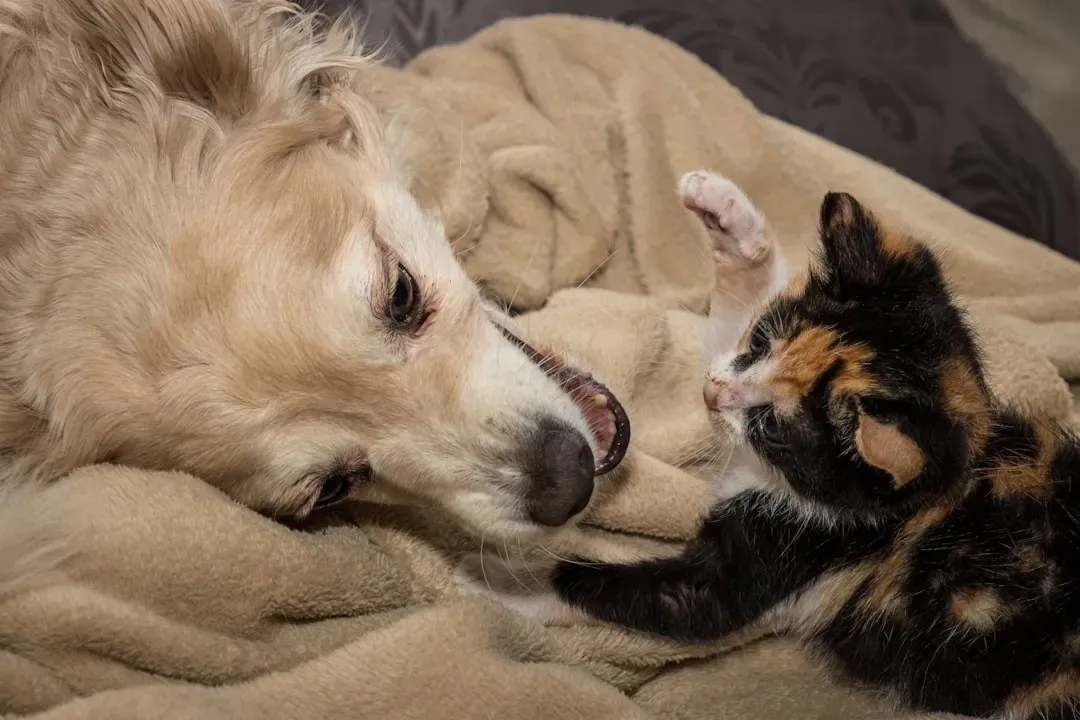
There is a very good reason people have started using “Golden Retriever energy” as a way to describe a person who is just radiantly happy and accepting of everyone around them. The same quality that makes Goldens a terrible choice for guard dogs makes them one of the best dogs for cats: they see everyone as a friend, kitties included. In spite of their indiscriminate friendliness, Goldens are highly intelligent and easy to train.
Known for their friendly and gentle personality, Golden Retrievers are often a great match for cats. With proper socialization, Golden Retrievers can live very well together with cats, enjoying their company without exhibiting predatory behavior. Just keep early introductions calm and structured, and honestly, you will likely find your Golden doing most of the work to keep the peace.
2. Labrador Retriever – The Gentle Giant Who Just Wants to Be Everyone’s Friend

The exuberant Labrador Retriever is a lover, not a fighter. They will happily welcome a cat into their circle of friends. Along with befriending your cat, the Lab is a gentle giant who will make an ideal companion for your children. Honestly, Labs are one of those breeds that just seem to wake up every morning excited about who they are going to befriend next.
The Lab is not only one of the most popular dog breeds but is also known for their friendly and easygoing nature. Labs typically have a low prey drive and are often welcoming to cats when properly introduced. One thing to watch: Labs are energetic, so giving them enough daily exercise keeps their interactions with the house cat a lot calmer and more respectful.
3. Beagle – The Pack Dog That Treats Everyone as Family

Beagles were bred to hunt in packs, so they are already open to sharing their space with other animals and people. Think about it like this – a dog that grew up thinking “the more, the merrier” in a hunting pack is going to see your cat as just another member of the crew. That is an incredibly useful instinct in a multi-pet household.
Beagles bring curiosity and sociability to the table. Their friendly demeanor and playful nature make them great for households hoping to adopt both dogs and cats. Although their hunting instincts might make them a bit too interested in cats at times, proper training and supervision turn Beagles into fantastic friends for felines. Early socialization is the key ingredient here – start young and stay consistent.
4. Cavalier King Charles Spaniel – Small in Size, Enormous in Heart

Cavalier King Charles Spaniels are very people-oriented dogs that are exceptionally good with cats and other dogs. They are a bit more active than most other small breeds but gentle and laid-back. I think this breed might be one of the most underrated choices for multi-pet homes. They are small enough not to intimidate a cat but confident enough not to be intimidated by one either.
Despite their overwhelmingly regal name, Cavalier King Charles Spaniels are non-fussy pups who can adapt to a variety of environments and situations. Accordingly, they typically get along well with cats when properly introduced. With their gentle temperament, Cavaliers often form strong bonds with their feline friends, enjoying companionship and playtime together.
5. Basset Hound – The Low-Key, Floppy-Eared Peacekeeper

This breed is known for its laid-back and easygoing nature, which is naturally helpful with skittish cats. The dogs’ low energy levels make them less likely to chase or insist on playing if your cat is not so inclined. Basset Hounds also tend to respect space and boundaries, which is important for successful integration with cats. If your cat is the type that just wants to be left alone, the Basset Hound is basically the perfect roommate.
Aside from their penchant for howling, the Basset Hound with its long, floppy ears is about as mellow as you can get. They are also incredibly loyal and patient, which will go a long way during the introduction and acclimation period with their feline sibling. Just be prepared for the occasional soulful howl – that is non-negotiable with this breed.
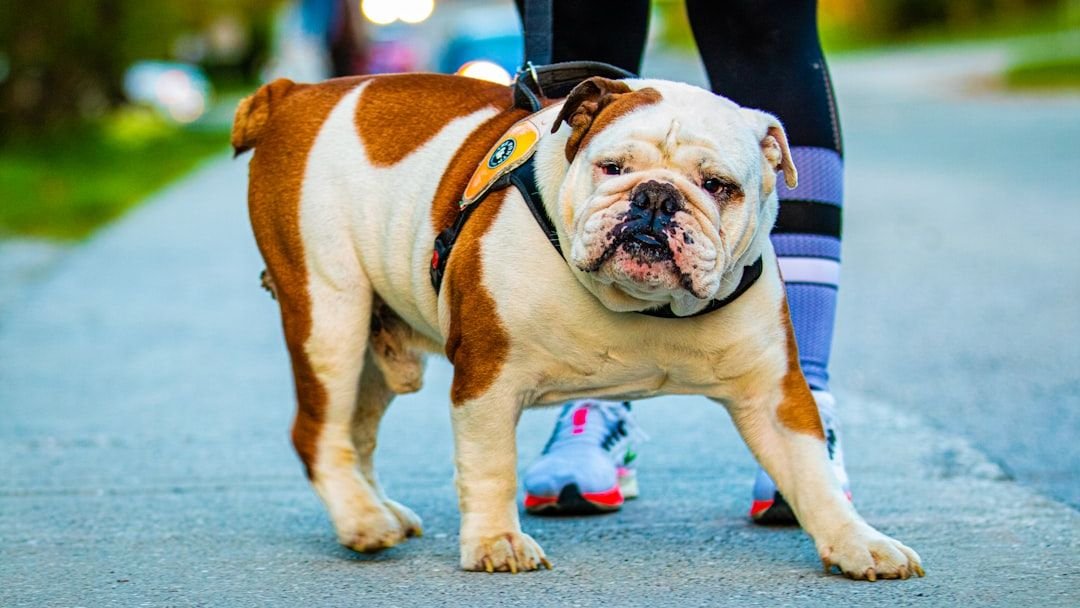
6. Bulldog – Looks Tough, Acts Like a Teddy Bear

Let’s be real – a Bulldog looks like it was designed by someone who wanted maximum intimidation factor. Squashed face, heavy build, permanent frown. Yet beneath all that bravado is one of the most chilled-out companions in the dog world. These thickset dogs could certainly intimidate a cat if they wanted to, but they are renowned for their kind temperaments. Bulldogs are friendly toward other creatures. A Bulldog’s easygoing personality makes it likely that they will enjoy your cat’s company.
The lazy nature of this stout breed makes them great housemates for cats. A smaller type of Mastiff, the Bulldog is known for its sweet, affectionate, and non-aggressive nature – a great match for the nervous cat who isn’t sold on the idea of a new sibling. Think of the Bulldog and your cat as two lazy couch potatoes finally finding their perfect nap companion.
7. Pug – The Social Butterfly of the Toy World

Pugs are undoubtedly full of love, and cats can make for their perfect, unlikely friend that matches their size. Pugs are usually calm and easy to please, but able to stand their ground firmly against their bossy cat friends. Being such social dog breeds, Pugs can get along well with most any pets. There is something deeply endearing about a Pug that gets bossed around by a cat and just… takes it in stride.
Toy breeds like Papillons and Pugs were bred to be lap dogs and companions, so they are friendly and sociable. Their natural role has always been to be close to others, whether human or animal. Their playful but laid-back demeanor allows them to interact with cats in a relaxed and friendly manner. Introduce a Pug to a cat or other pets slowly and carefully to create a comfortable and stress-free bond.
8. Bichon Frise – The Fluffy Diplomat of the Dog World
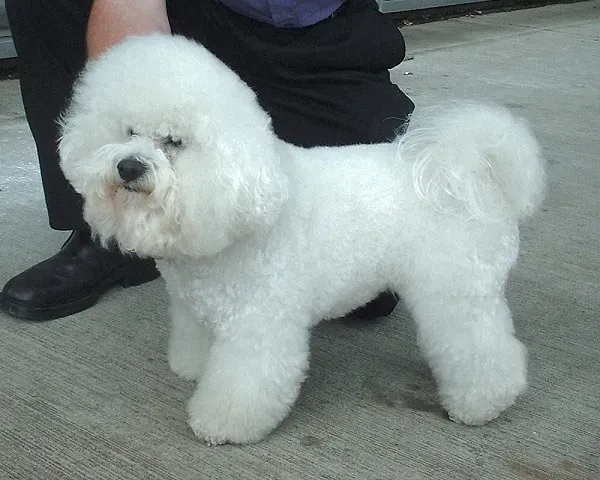
The Bichon Frise is a charming and affectionate breed that can often form close bonds with cats. Their friendly, non-aggressive nature makes them good candidates for a successful inter-species companionship. Imagine a fluffy white cloud that just floats into your home and makes everyone feel instantly at ease – that is basically the Bichon Frise experience.
The Bichon Frise at 12 to 18 pounds isn’t likely to cause problems when moving in with the family cat. They may even be smaller than the cat. You might actually need to watch the cat just as closely as the dog, since intact paws and claws can do real damage. Bred to be a companion animal, they are great with families, children, strangers, and dogs. One thing worth noting: the Bichon Frise is easy to train, eager to please, and gets along well with children. This breed is prone to separation anxiety and does best in homes where someone is present for most of the day.
9. Poodle – The Smartest Kid in Class Who Also Plays Well with Others
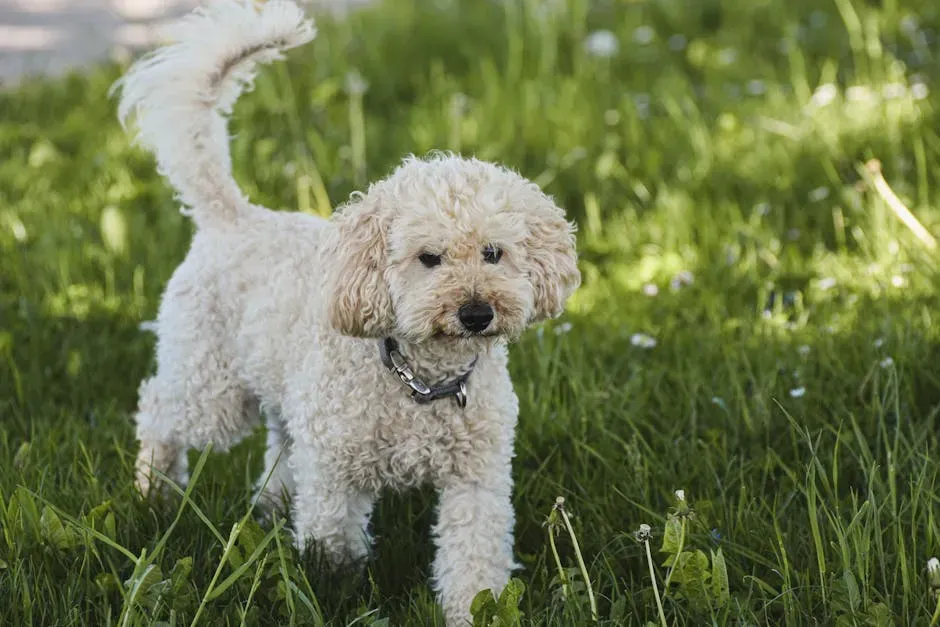
Poodles in any size are the epitome of intelligence and adaptability. Friendly and playful, they naturally tend to get along with cats. Their social personalities and eagerness to please make them a great fit for multi-pet homes. Plus, Poodles’ quick learning ability makes it a bit easier to train them to respect their feline companions. Whether you go standard, miniature, or toy, the Poodle brings that same brilliant, adaptable energy to every household.
Standard Poodles are friendly and intelligent dogs that get along well with children and animals. A playful breed, the large standard Poodle needs plenty of space and exercise to burn off energy. With their small size, friendly temperament, and moderate energy level, toy Poodles are a great dog breed for cats. Their gentle and adaptable nature allows them to have positive interactions with their feline companions, while their intelligence harbors understanding and mutual respect for the cat’s boundaries.
10. Shih Tzu – The Chill Small Dog That Never Picks a Fight

The Shih Tzu is a charming little dog who has never met a stranger. Loving and accepting of all people and pets, a Shih Tzu is not likely to pester or bother your cat, though they might want to cuddle up or play. Luckily, their small size and gentle nature make the Shih Tzu a good match for cat homes. Picture a dog that treats your grumpy tabby with the same gentle respect it would show a sleeping baby. That is Shih Tzu energy, through and through.
Shih Tzus get along with most cats and dogs, especially if they are well-socialized. They are very laid-back, which allows them to get along with cats relatively easily. They aren’t very energetic and can adapt to apartments and small homes. For city dwellers with cats already in residence, the Shih Tzu might honestly be the simplest solution on this entire list.
11. Maltese – Tiny, Gentle, and Gloriously Unbothered

The Maltese is a laid-back breed that likes to be close to people and will curl up in any available lap. Calm in nature and diminutive in size, Maltese make great apartment dogs and are likely to be largely indifferent to any cats in the house. Honestly, “largely indifferent” is sometimes the highest praise you can give a dog in a cat household. It means no drama, no chasing, and no stress.
Maltese dogs are intelligent but can be stubborn, so they respond best to positive reinforcement training. They have moderate exercise needs and are well-suited for apartment living, provided they get daily playtime and walks. The Maltese tend to be calm indoors and enjoy lounging near their loved ones, including feline housemates. If your cat is the quiet, dignified type, the Maltese is probably the ultimate compatible match.
12. French Bulldog – The Adaptable Urban Dog That Keeps the Peace
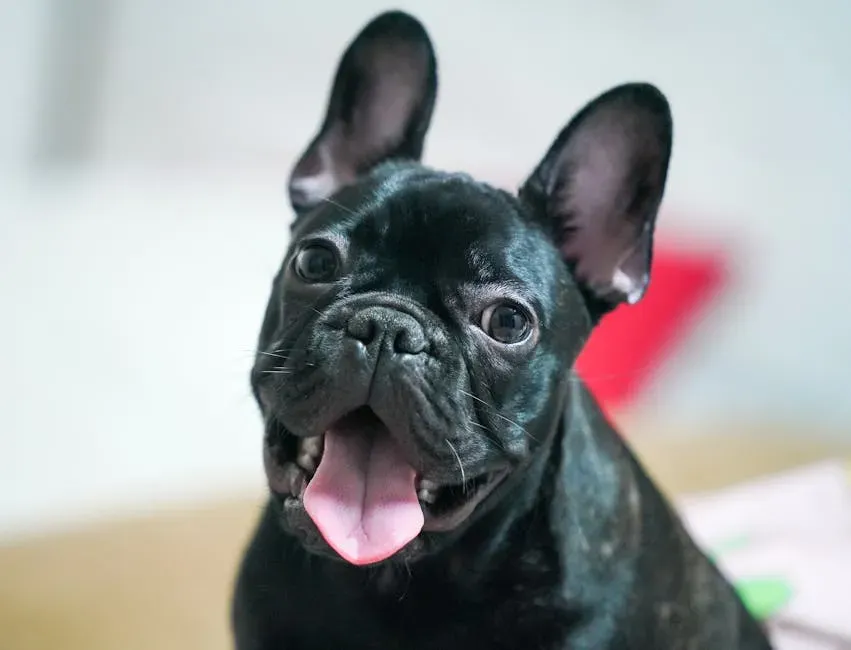
The French Bulldog is a laid-back, friendly, and highly adaptable breed. Frenchies tend to have a low prey drive, so they are not inclined to chase cats, especially those who are part of their household. This brachycephalic breed does have some health issues and can be a little stubborn, but if that is not a deal breaker, they are not likely to need too much training to live peacefully with the family cat.
French Bulldogs thrive on companionship and social connection. They are small enough to live comfortably in apartments and naturally fall into the “companion dog” mindset that makes co-existing with cats feel almost effortless. Think of the Frenchie as a diplomatic neighbor who keeps the noise down and never causes trouble – with the bonus of being genuinely adorable. Teaching your dog a “leave it” cue and a strong “stay” can help keep the peace. Proper introductions will also help, and it is a good idea to make sure the cat always has an escape route.
Bringing It All Together: Your Multi-Pet Home Can Thrive
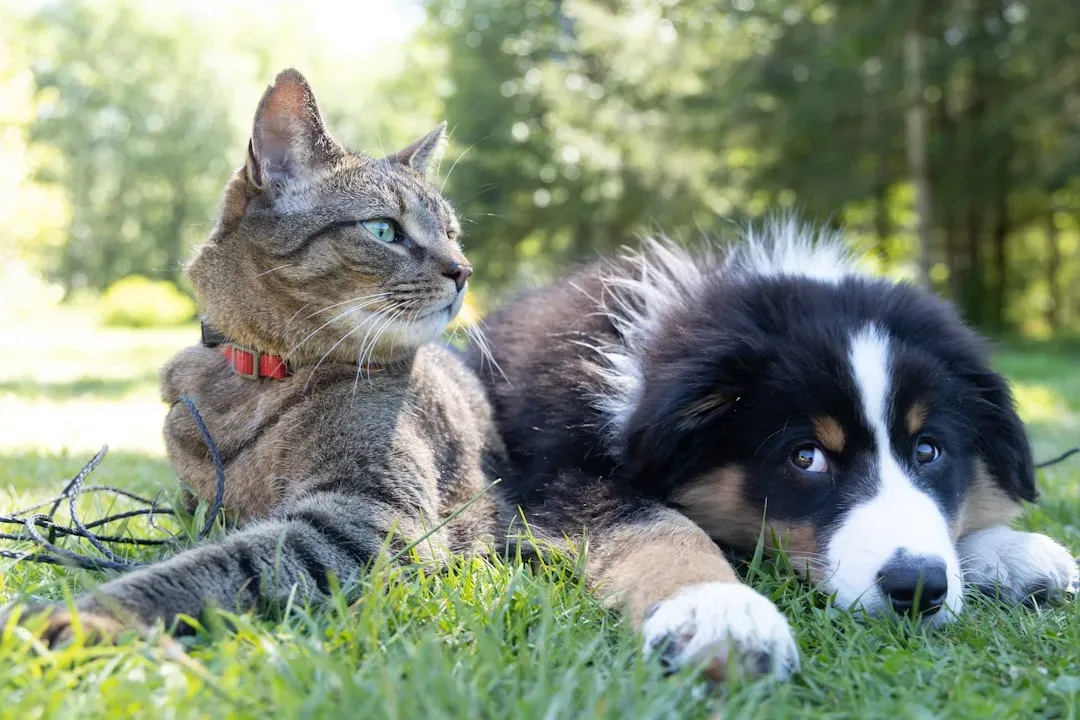
Here is the honest truth about all of this: breed tendencies are a helpful guide, not a guarantee. Any dog can potentially have a harmonious relationship with a cat. Breed alone does not determine the success of their coexistence. Individual personality, early socialization, your home environment, and the patience you bring to introductions all matter enormously.
Most dog breeds can live calmly with a cat if they are socialized as puppies and trained to leave the cat alone. Teaching your dog a “leave it” cue and a strong “stay” can help keep the peace. Whether you choose a big Golden Retriever or a pocket-sized Maltese, the secret ingredient is always the same: go slowly, stay consistent, and give both animals the time and space they need to figure each other out.
The most magical multi-pet households aren’t built overnight. They are built through small, patient, intentional moments every single day. Which breed on this list surprised you the most? Drop your thoughts in the comments – we would love to hear your own story of cats and dogs learning to share a couch.


