
Imagine this: you’re dreaming of a loyal companion in your golden years, a furry friend to share walks and warm evenings. But not every adorable face at the shelter or breeder is a wise match for seniors. Some breeds, as lovable as they are, bring a whirlwind of energy, strength, or stubbornness that can make life harder, not easier. If you’re searching for a canine companion, knowing which breeds to avoid may save you a world of frustration—and keep you and your future pup happy and healthy.
Border Collie
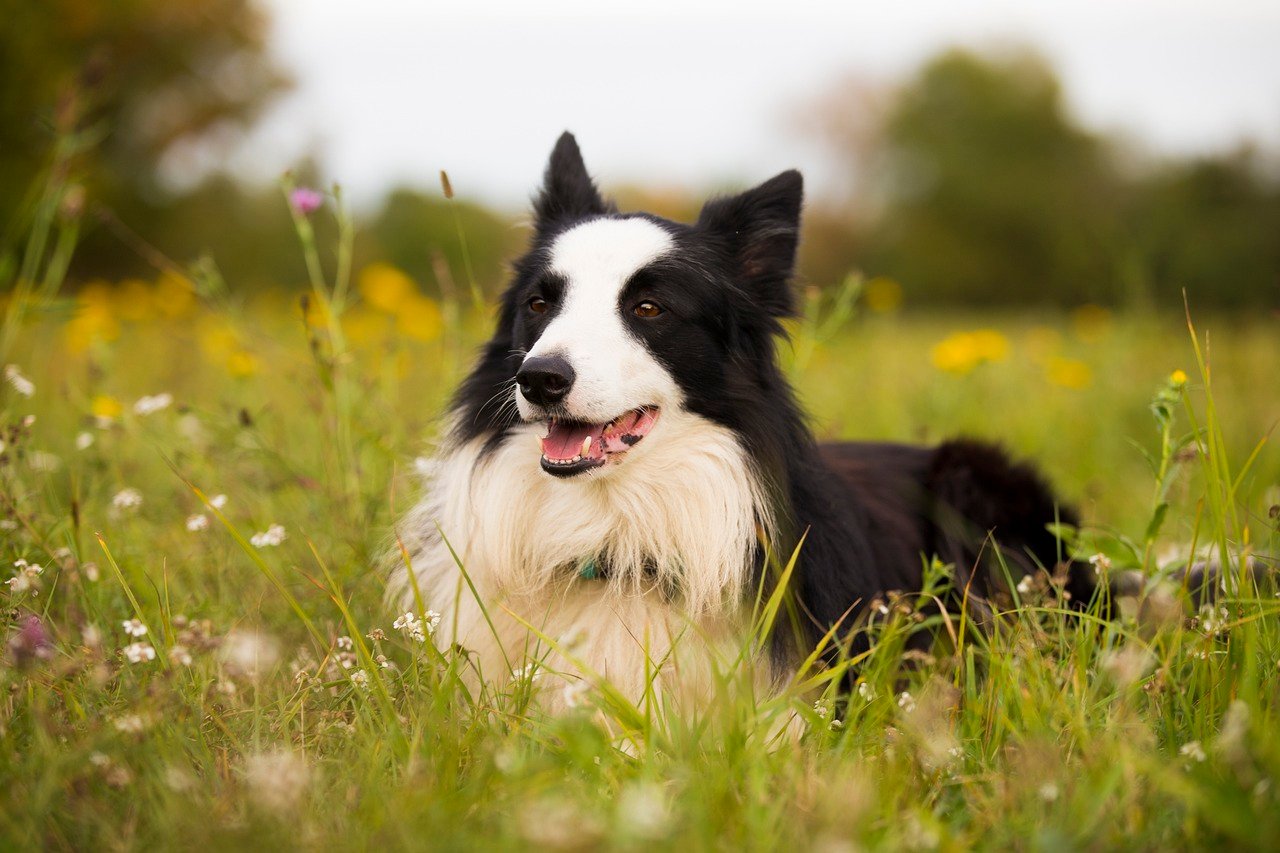
Border Collies are famously intelligent and energetic. They thrive on mental and physical challenges, often needing hours of exercise and stimulation each day. For seniors, especially those with mobility concerns, keeping up with their drive can be exhausting.
If they get bored, Border Collies may become destructive or develop compulsive behaviors. Their herding instinct can even lead to nipping at heels or chasing anything that moves. These lovable workaholics need a job to do—something that not every senior is equipped to provide.
Dalmatian
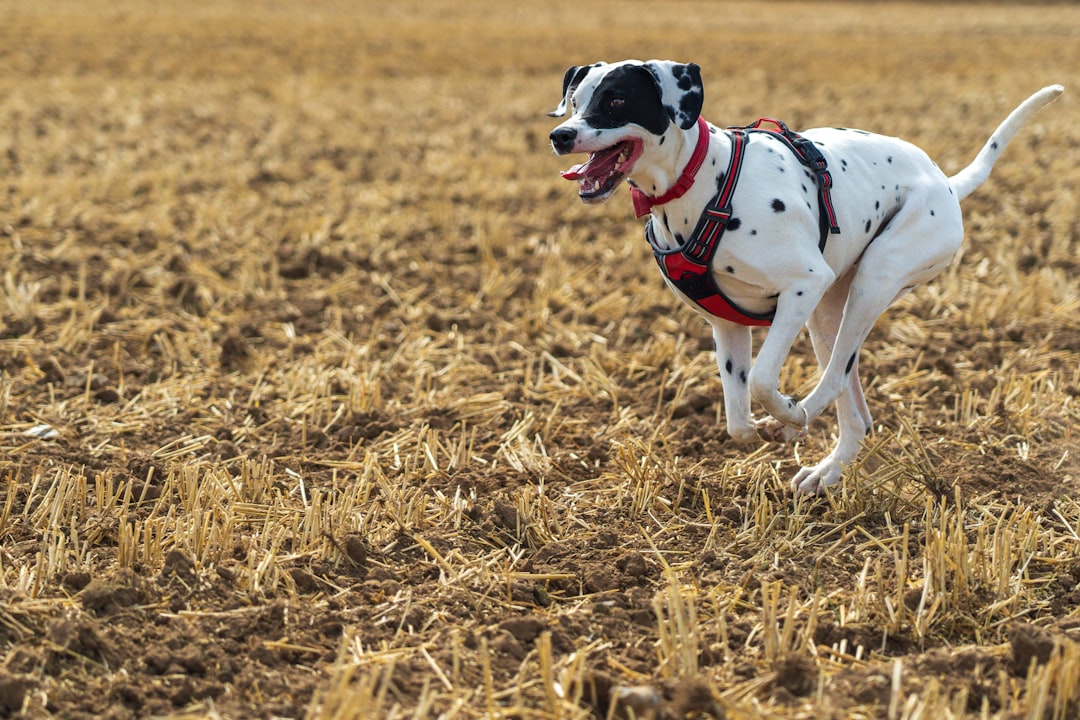
Dalmatians are known for their striking spots and boundless energy. They were bred to run alongside carriages, so their stamina is almost unmatched. This means they need far more exercise than many seniors can comfortably offer.
Their spirited nature can sometimes turn to stubbornness or restlessness if not properly managed. Dalmatians also have a reputation for being a bit headstrong, which can be tricky when it comes to training or managing leash manners on daily walks.
Jack Russell Terrier
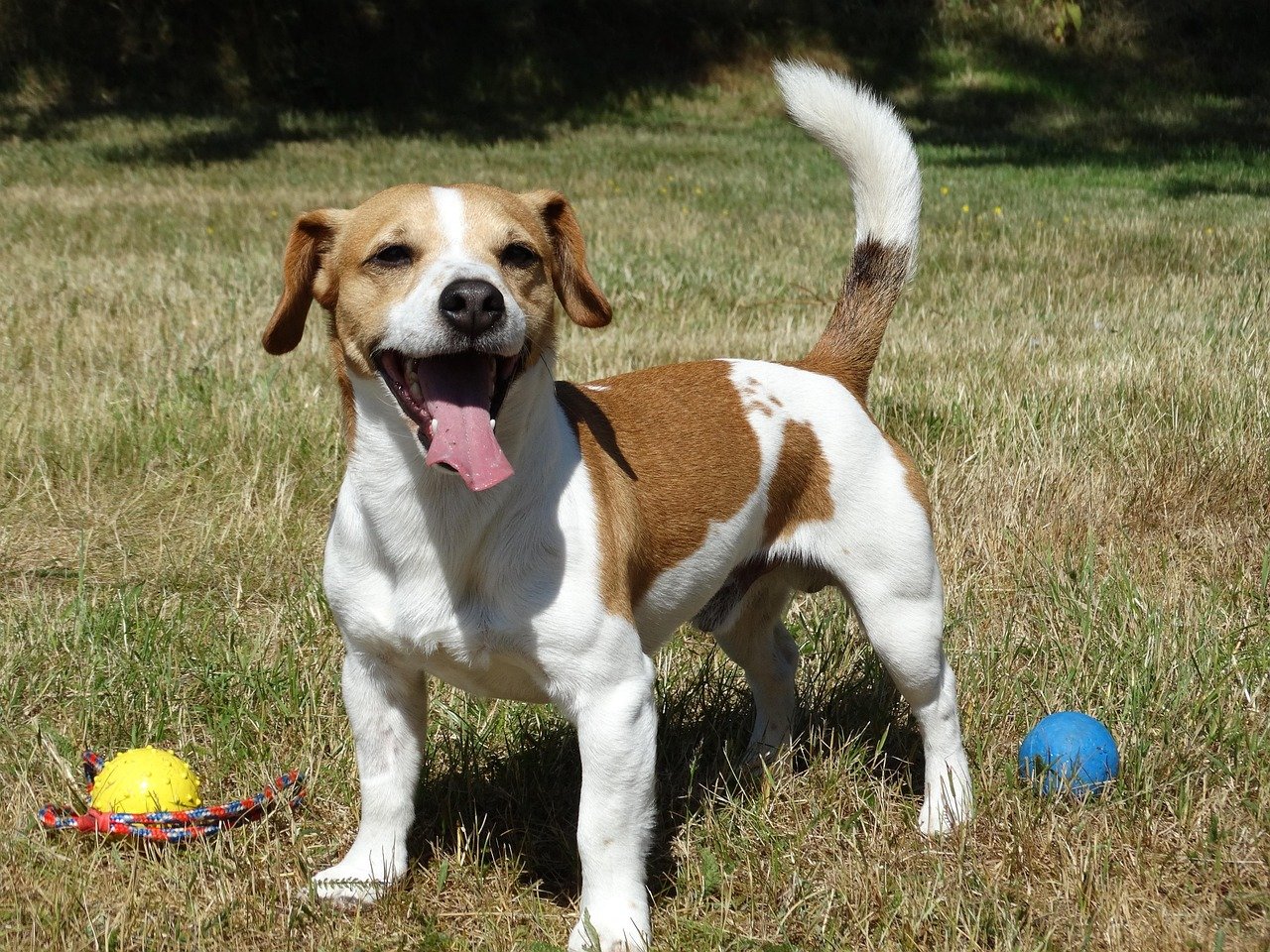
Don’t let their small size fool you—Jack Russell Terriers are dynamos! They’re smart, quick, and absolutely love to dig, chase, and bark. Without daily exercise and mental games, they can quickly turn to mischief.
Their strong prey drive means they’ll chase after squirrels or birds, making off-leash time risky. For seniors looking for a quiet lap dog, the Jack Russell’s non-stop energy and determination may feel overwhelming rather than delightful.
German Shepherd
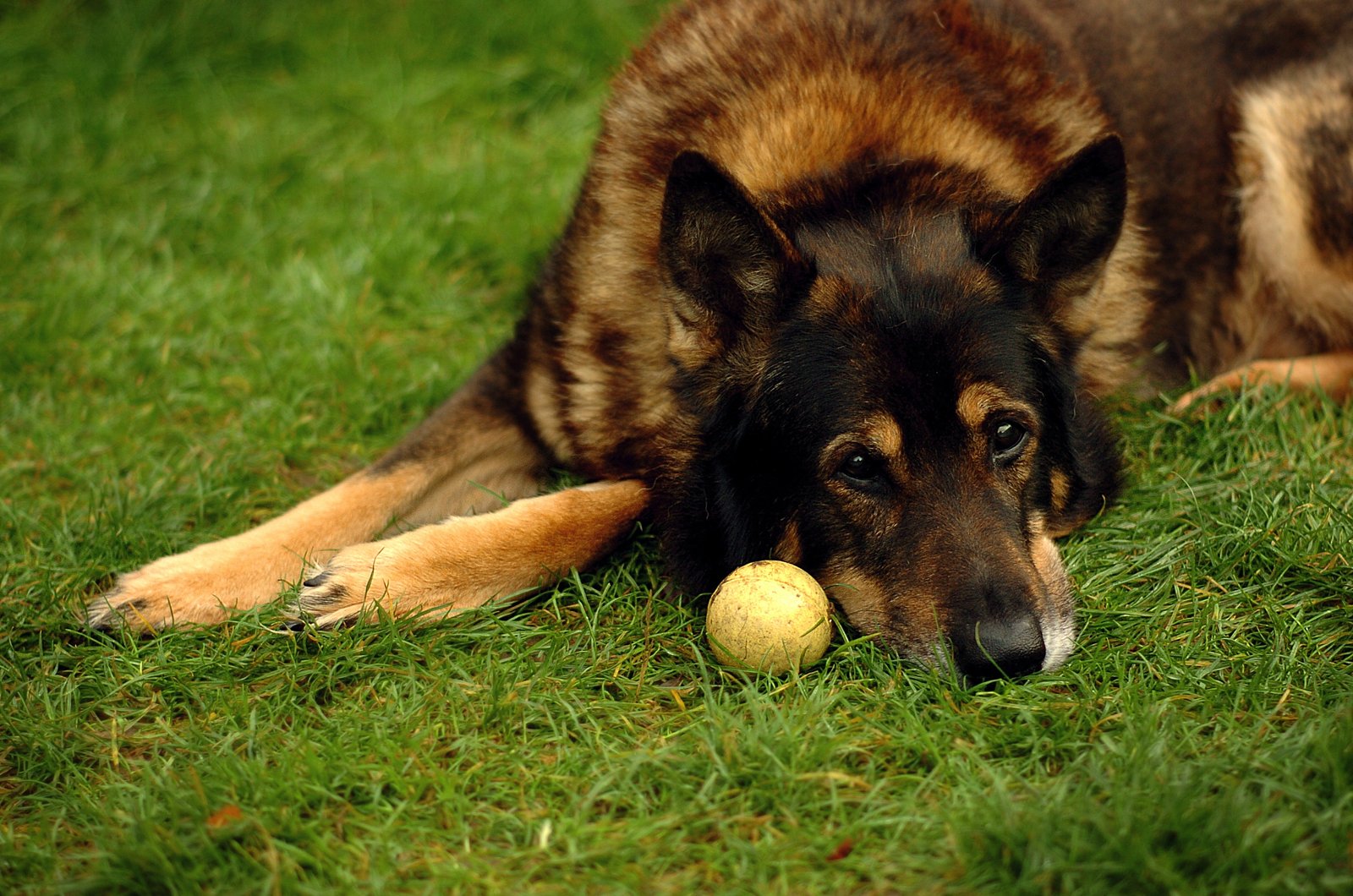
German Shepherds are loyal and protective, but they’re also big, powerful, and sometimes wary of strangers. Their size and strength can make walks a challenge, especially if they pull or react to other dogs.
These dogs need consistent training and socialization from an early age. Seniors with limited mobility or strength might find it hard to manage the breed’s physical demands and need for leadership.
Akita
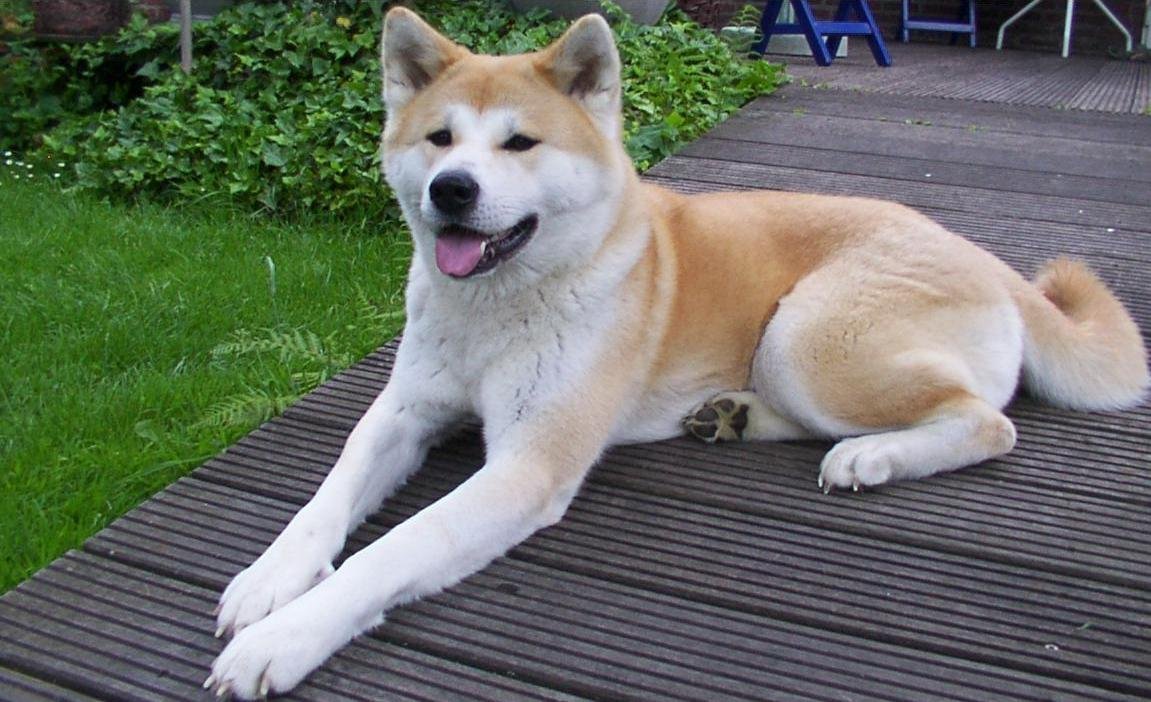
Akitas are majestic and dignified, but they’re also independent thinkers with a strong protective instinct. Their loyalty can turn to aloofness or even aggression toward other animals and unfamiliar people.
With their size and strength, Akitas require confident handling and early, ongoing socialization. Seniors might struggle to restrain them during walks, and their stubborn streak can make training a real test of patience.
Siberian Husky
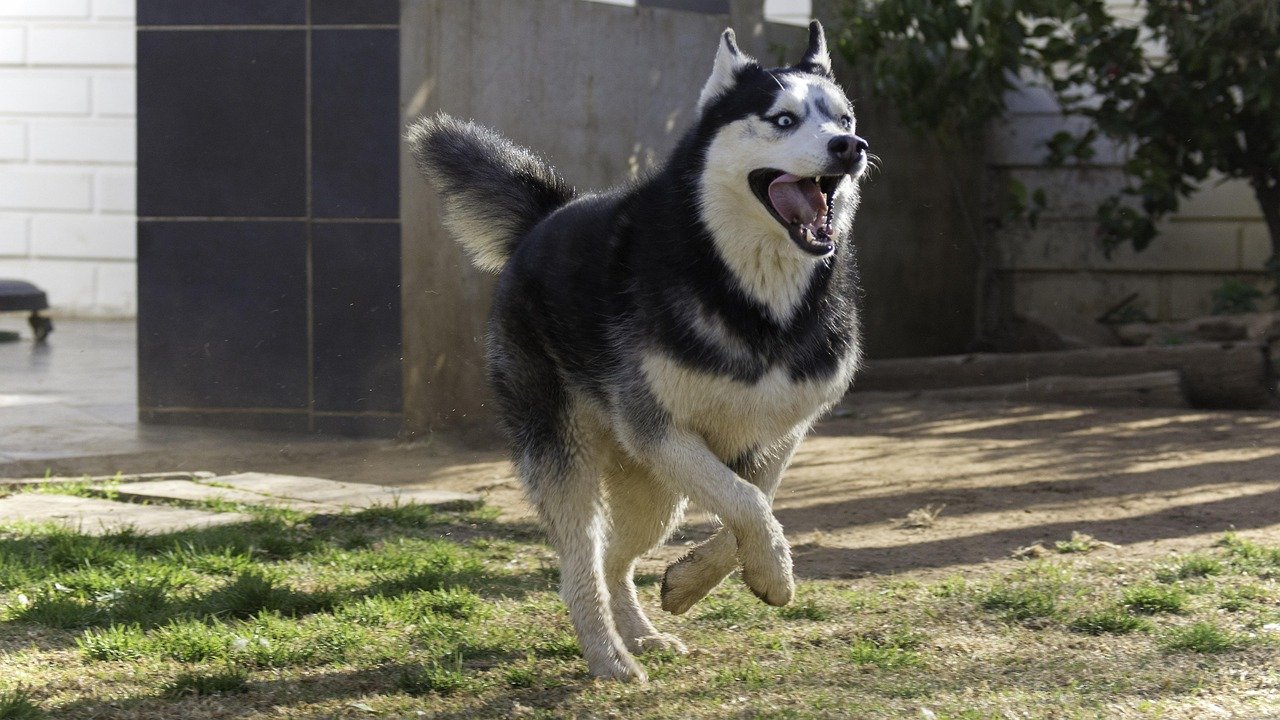
Siberian Huskies are beautiful and full of life, but their zest for adventure is unmatched. They love to run, escape, and explore, often ignoring recall commands if they spot something interesting.
Their thick double coat also means a lot of shedding and grooming. For seniors, especially those with limited mobility, keeping a Husky exercised, stimulated, and contained can be a never-ending challenge.
Chow Chow
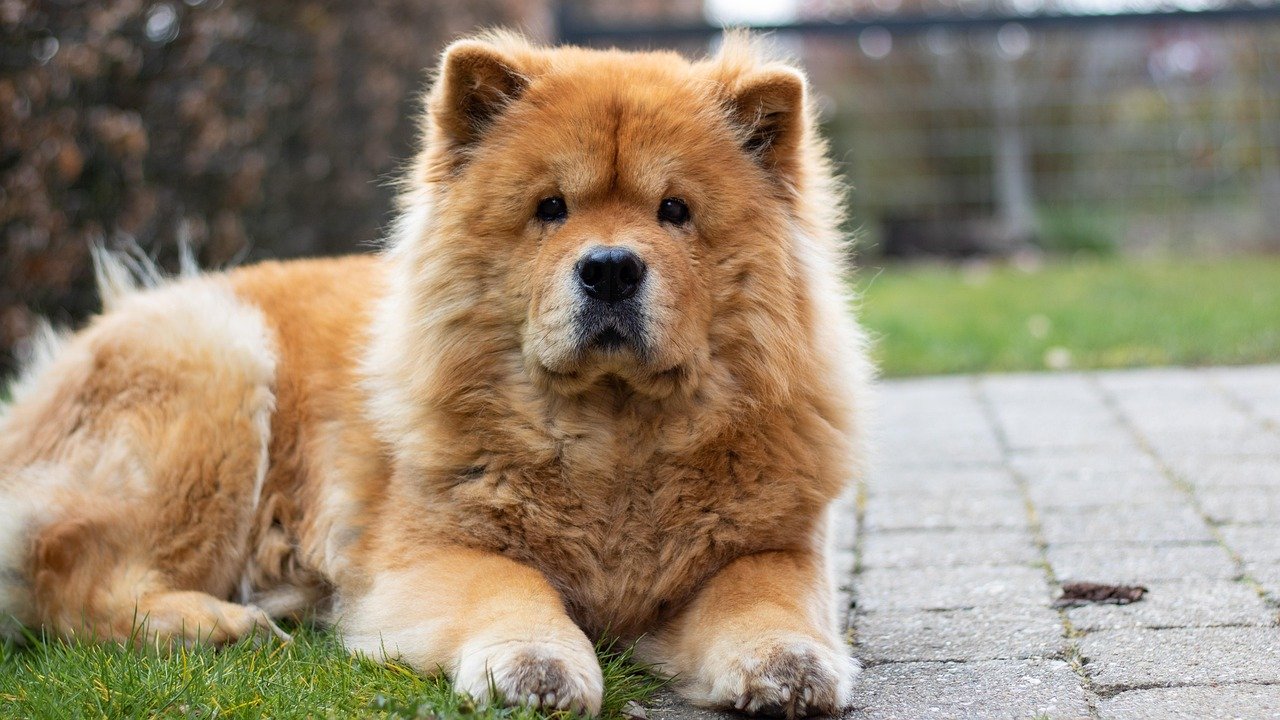
Chow Chows are known for their lion-like mane and dignified demeanor. But they’re also fiercely independent and can be standoffish with strangers. Training them requires patience and a gentle but firm hand.
They can be territorial and may not tolerate rough handling, which is risky if quick reactions are needed. Seniors might find their aloofness and stubbornness difficult, especially during grooming or vet visits.
Belgian Malinois
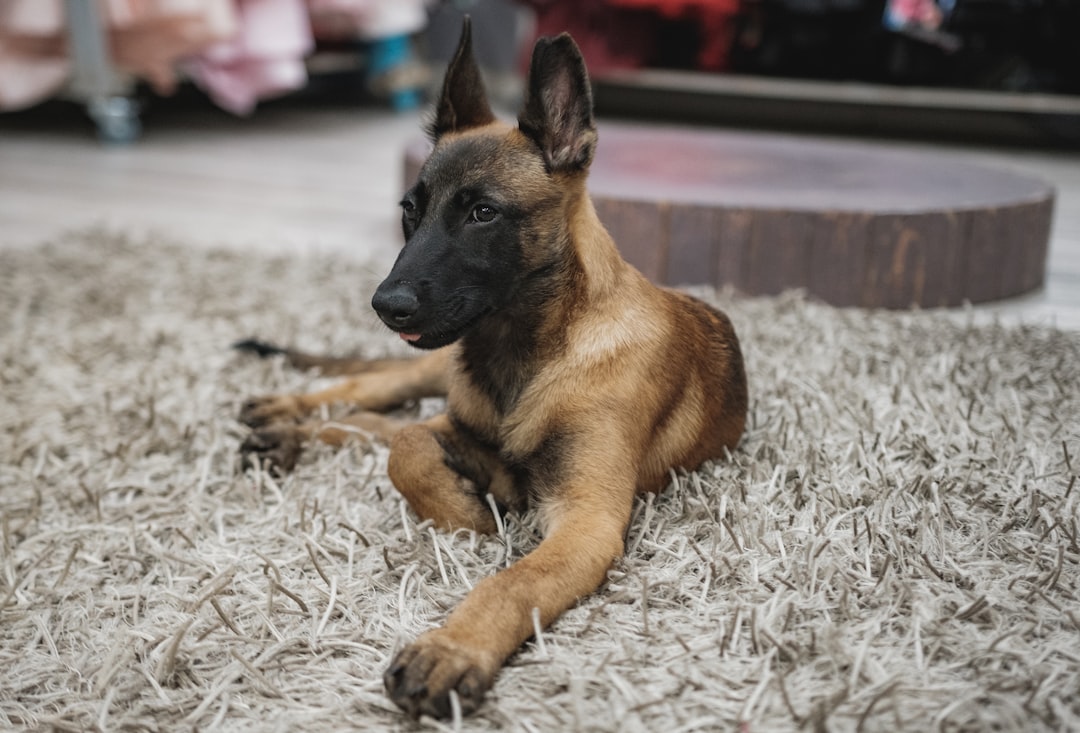
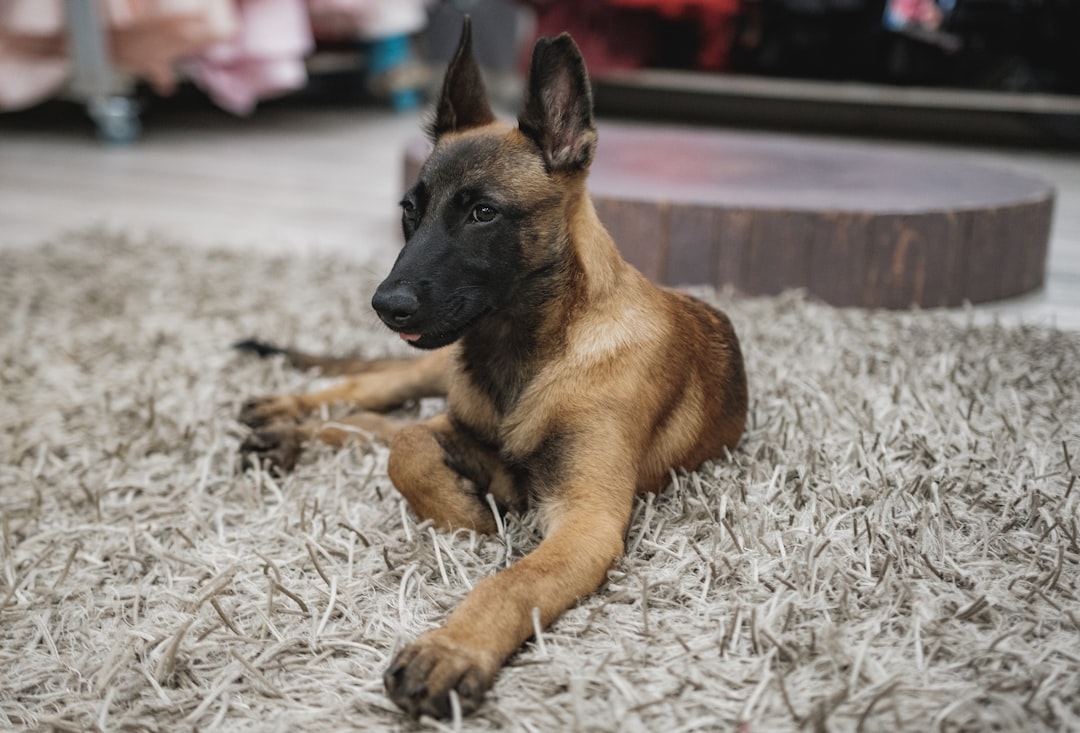
Belgian Malinois are canine athletes—fast, focused, and always ready for action. They’re favorites in police and military work for a reason, and they need serious exercise and mental engagement.
Without a job or purpose, they can become anxious or destructive. Their intense drive and need for structure are often too much for seniors looking for a relaxed companion dog.
Weimaraner
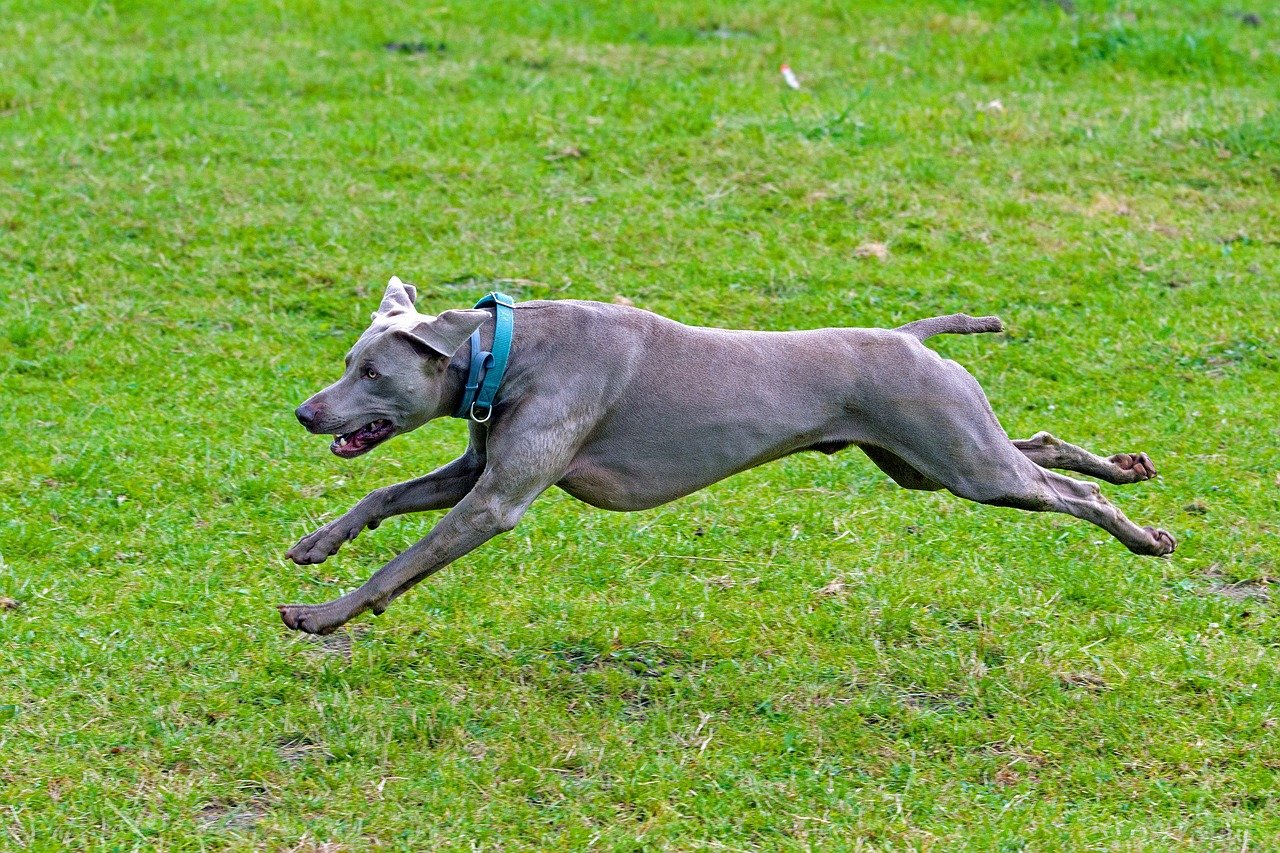
Weimaraners are sleek, elegant, and endlessly energetic. They crave attention and do not like being left alone, often developing separation anxiety if their social needs aren’t met.
Their size and strength, combined with their need for speed, make daily walks a workout. Seniors may find it hard to keep up with their exercise needs or manage their boisterous greetings.
Australian Cattle Dog
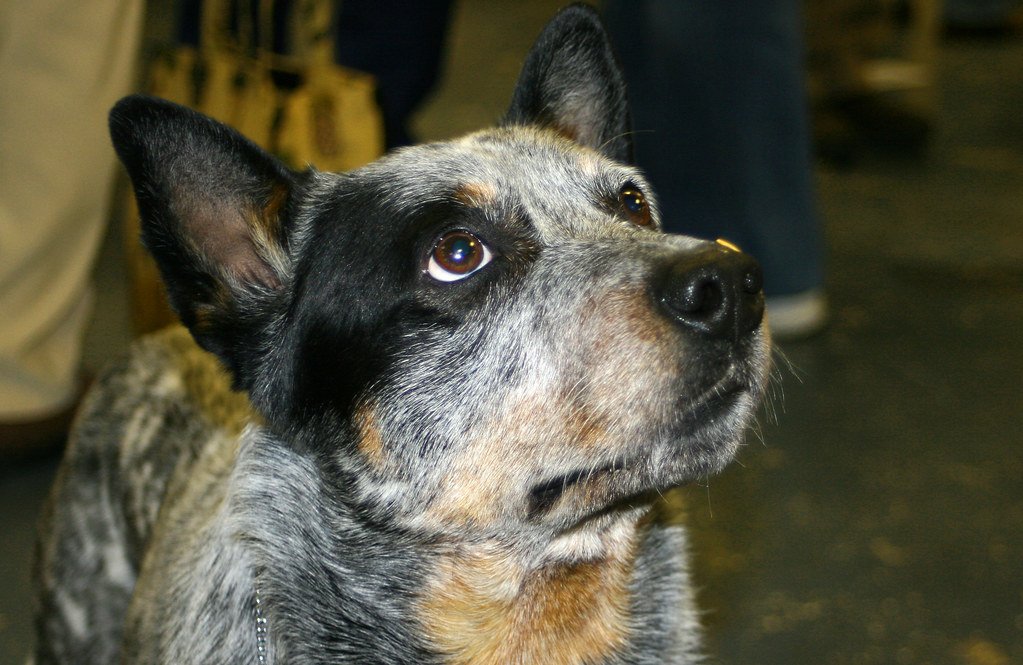
Australian Cattle Dogs are built for herding and endurance, with a brain that never stops. They’ll outsmart most owners if given the chance and need both physical exercise and mental challenges.
Their herding instinct can translate into nipping or obsessive chasing. Without a farm or daily “work,” these dogs can quickly become frustrated, making them a tough fit for most seniors.
Saint Bernard
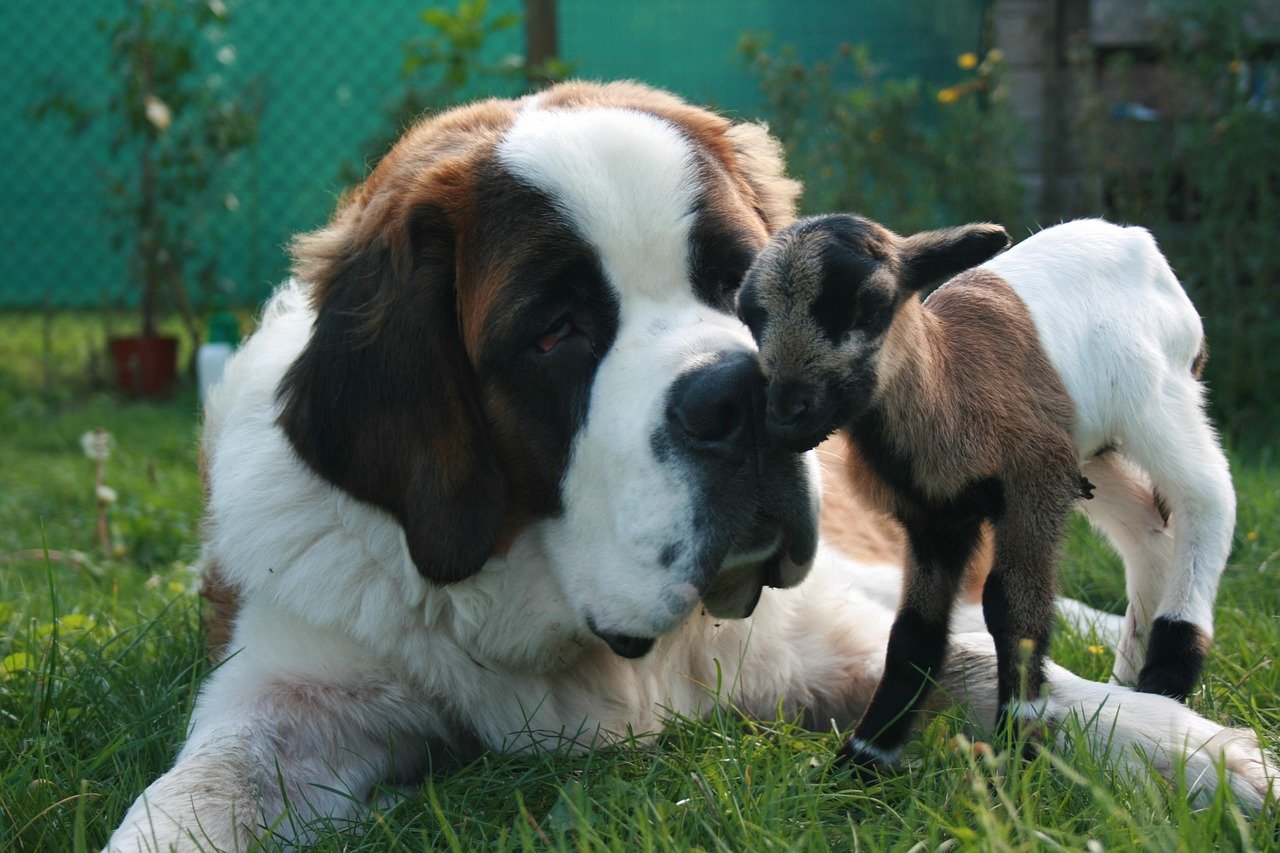
Saint Bernards are gentle giants, but their sheer size means everything—feeding, grooming, and walking—can be a big job. Seniors may struggle to manage these lovable brutes, especially if they decide to pull on the leash or require lifting.
Their drooling and tendency to overheat add to the care routine. If you’re dreaming of a couch potato companion, the logistics of Saint Bernard care might quickly become overwhelming.
Pembroke Welsh Corgi
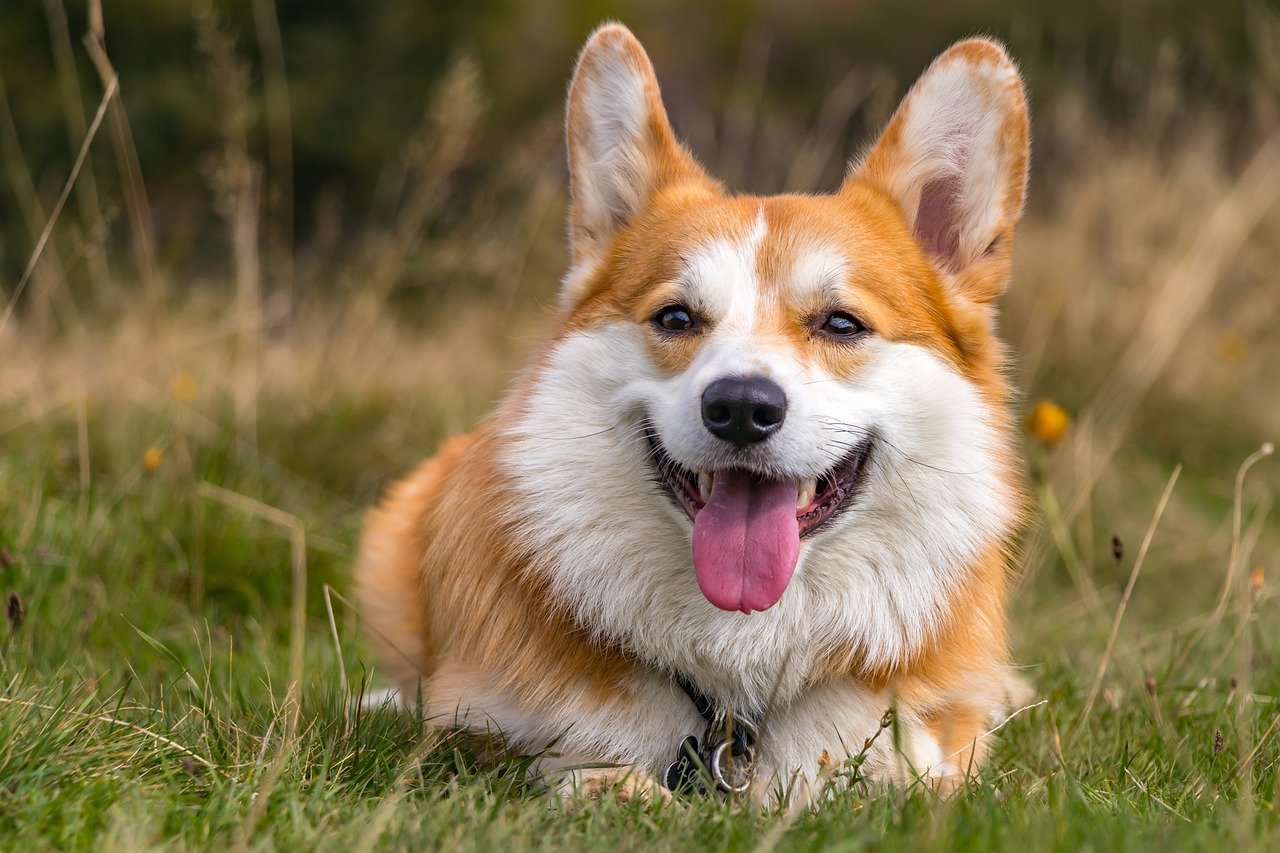
Corgis are adorable, but their strong herding background means they’re active and sometimes bossy. They need daily exercise and thrive on having a job, often herding kids, other pets, or even their owners.
Without enough activity or guidance, they can develop behavioral issues like barking or nipping. Seniors may find it challenging to keep up with a Corgi’s spirited antics and stubborn streak.


