
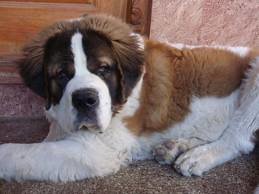
Have you ever locked eyes with a dog and felt your heart skip a beat, only to wonder moments later if you could actually handle their boundless energy or quirky habits? For seniors who crave a loyal companion, choosing the right breed can make all the difference between a joyful bond and a daily struggle. Some dogs, as lovable as they are, just aren’t the best fit for those seeking simplicity, safety, and more peaceful days. Let’s walk through twelve breeds—big and small—that, despite their charm, might pose more challenges than comfort for older adults. You might be surprised by some of the names on this list!
1. Siberian Husky
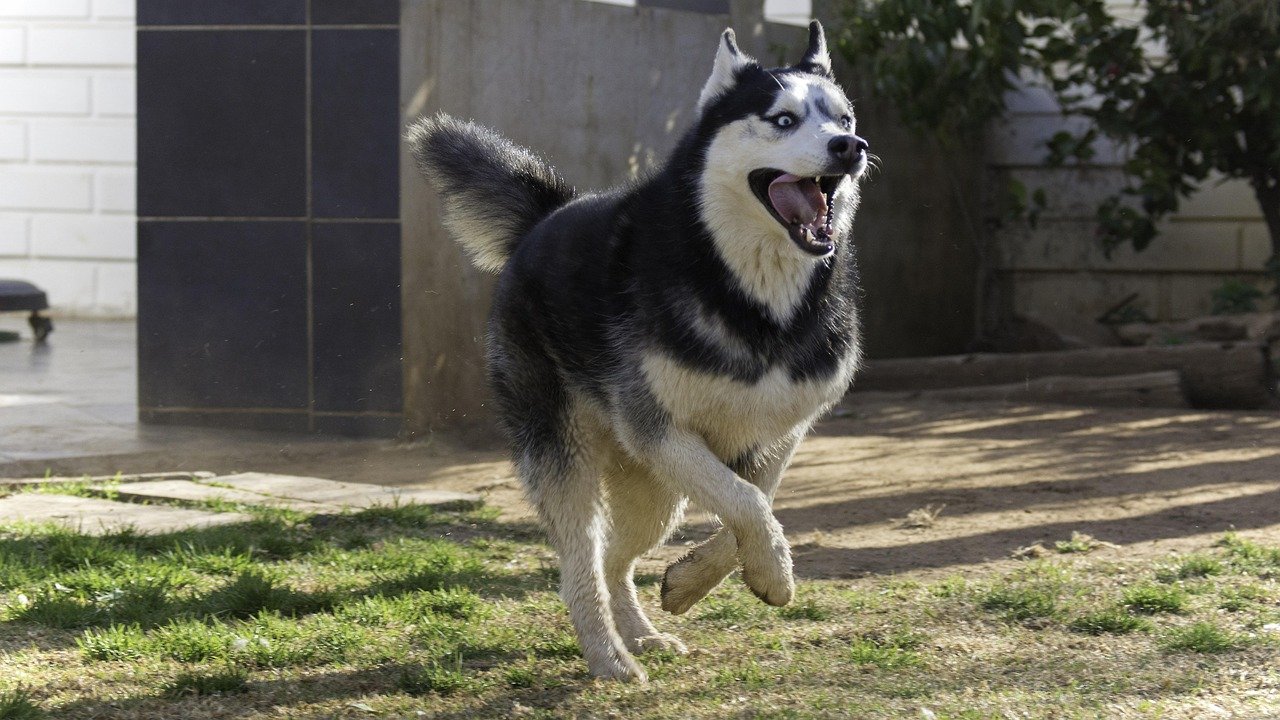
Siberian Huskies are stunning, with their icy blue eyes and wolf-like grace. But don’t let their beauty fool you—these dogs have energy to burn and a stubborn streak that can test even the most patient owner. They love to run, dig, and escape, turning a quiet afternoon into a desperate chase if you’re not careful.
For seniors, the daily exercise needs and strong-willed nature of a Husky can quickly become overwhelming. If you’re hoping for a calm walking partner or an easy-going companion, this breed’s athleticism and mischief might lead to more frustration than fun.
2. Border Collie
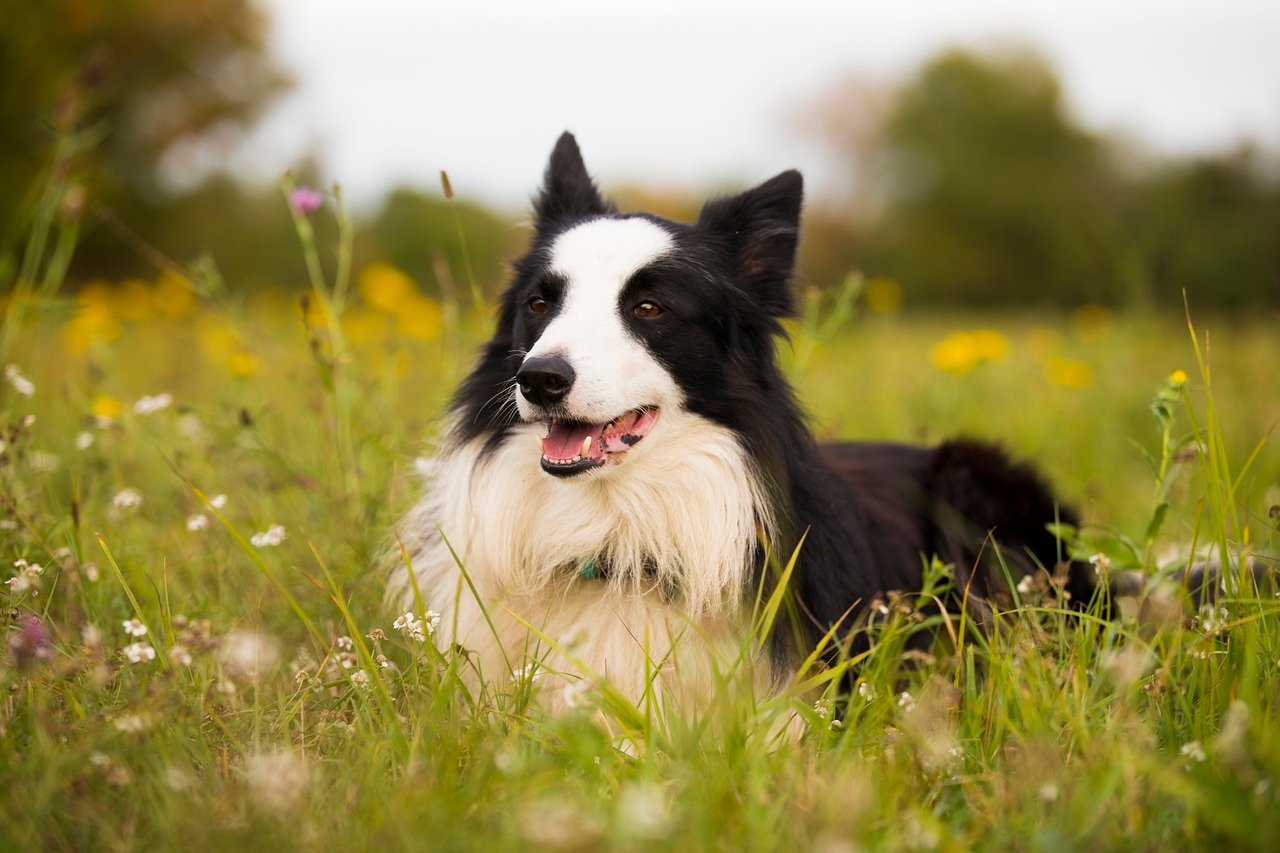
Border Collies are often called the Einstein of the dog world, but their intelligence comes with a price: constant mental stimulation. If they’re not herding sheep (or your grandchildren), they’ll invent their own games, sometimes involving your furniture or garden.
This breed thrives on activity and purpose. For seniors looking for a relaxed pace or anyone with limited mobility, a Border Collie can quickly become bored, frustrated, and even destructive. They need more than just a daily walk—they need a job.
3. Akita
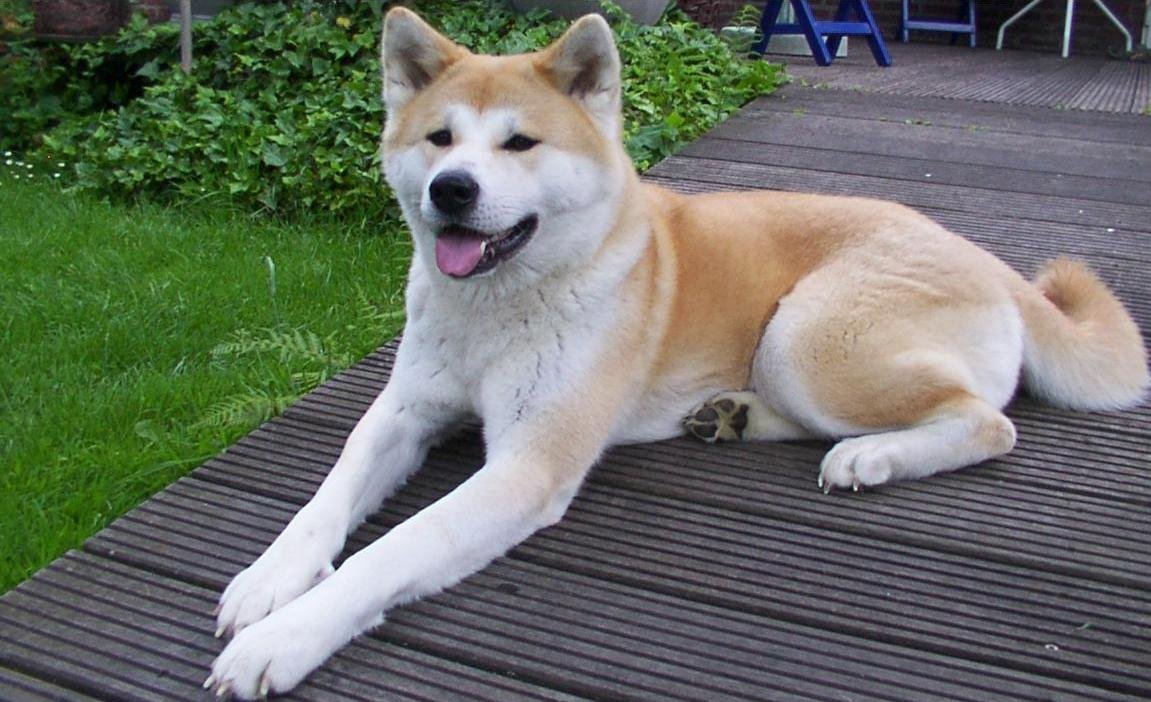
Akitas are noble and fiercely loyal, but they can also be aloof and strong-willed. They require confident, experienced handling and are not always tolerant of other pets or strangers. Their protective instincts run deep, sometimes leading to unpredictable behavior.
Seniors may find Akitas difficult to manage, especially if quick reflexes or physical strength are required. They can be prone to resource guarding and need firm, consistent boundaries—traits that can be challenging for someone seeking a relaxed relationship.
4. Dalmatian
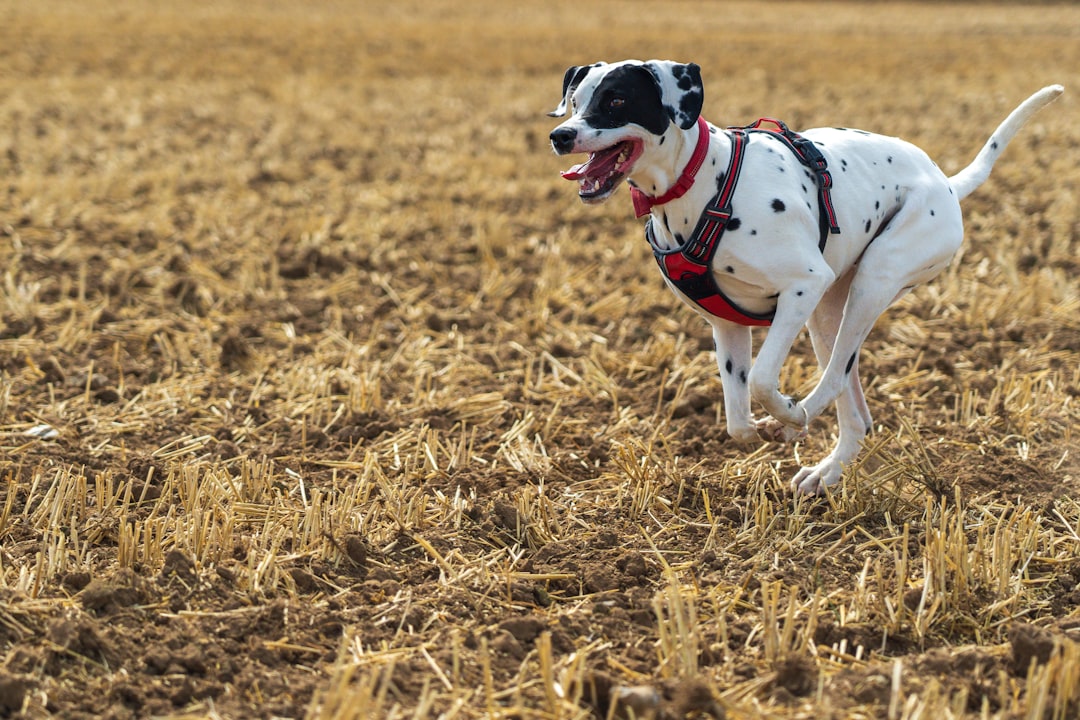
With their iconic spots and playful energy, Dalmatians capture hearts at first sight. But behind that adorable exterior is a powerhouse of stamina and spirit. These dogs were bred to run alongside carriages for miles, and that drive hasn’t faded.
Dalmatians can be stubborn, and their need for exercise is relentless. Without daily, vigorous activity, they can become anxious and destructive. For seniors who prefer cozy afternoons, keeping up with a Dalmatian’s pace can be a full-time job.
5. Jack Russell Terrier

Jack Russells may be small, but their personalities are anything but. They’re clever, energetic, and always ready for action. These terriers were bred to chase foxes, and that hunting instinct still shows up in their endless need for stimulation.
Their high prey drive can make walks unpredictable, especially if squirrels or birds are around. Seniors might find their intensity and stubbornness exhausting, as Jack Russells rarely run out of steam or curiosity.
6. Belgian Malinois
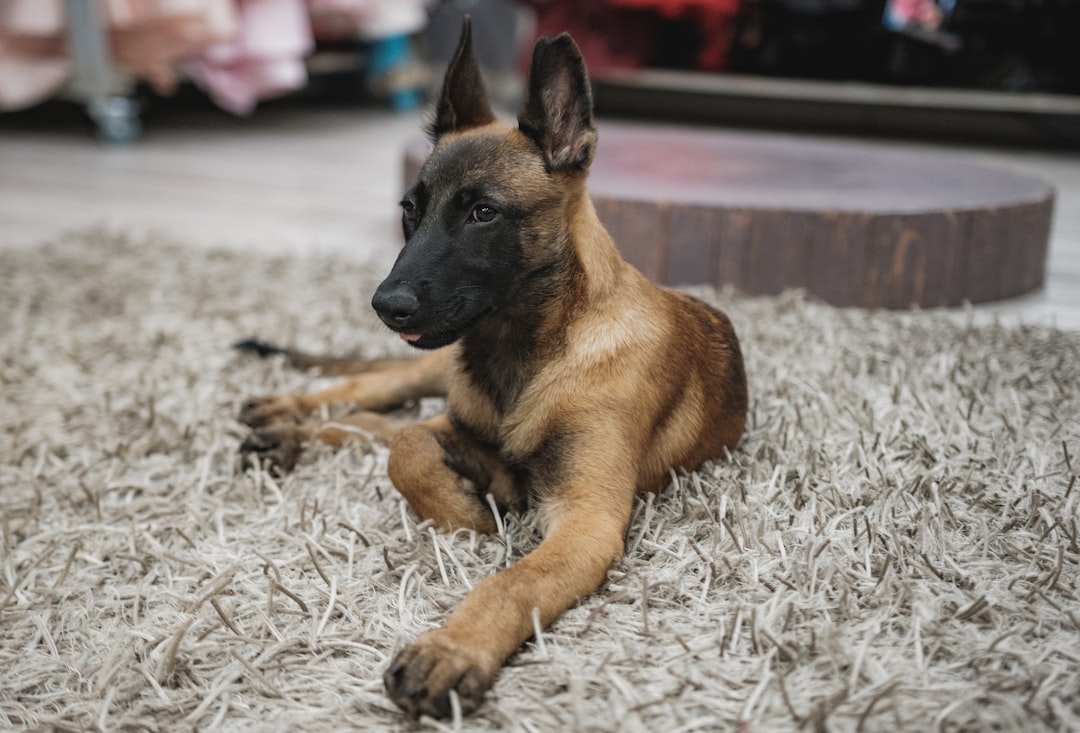
Belgian Malinois are working dogs through and through—often found alongside police or military handlers. Their intelligence and athleticism are second to none, but so is their need for training, structure, and daily work.
For seniors, this breed’s intensity can quickly become overwhelming. Without a real “job,” a Malinois might become anxious or hyperactive. Their strength and drive aren’t for the faint of heart; they demand commitment and consistent leadership.
7. Saint Bernard
Saint Bernards are gentle giants, famous for their sweet nature and rescue history in snowy mountains. But their massive size makes everyday tasks—like walks, grooming, or even moving around the house—challenging for seniors.
These dogs also drool—a lot—and need plenty of space to stretch out. Their strength can be a handful on the leash, and their health issues (like hip dysplasia) require attentive, sometimes intensive, care.
8. Australian Cattle Dog
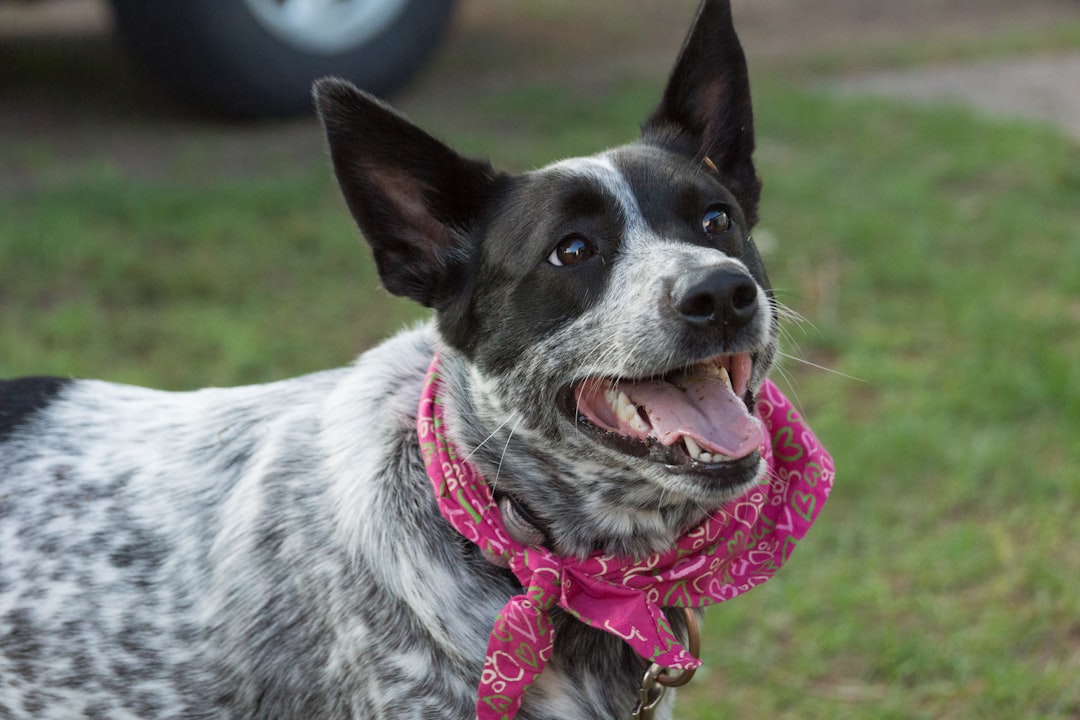
Australian Cattle Dogs are compact, muscular, and packed with energy. Known for their smarts and herding instincts, they need constant activity and mental challenges. Without it, they can become bored and anxious, leading to unwanted behaviors.
For seniors, matching this breed’s pace can be daunting. Their habit of nipping at heels—part of their herding background—can also be startling or uncomfortable, especially for those with mobility concerns.
9. Chow Chow
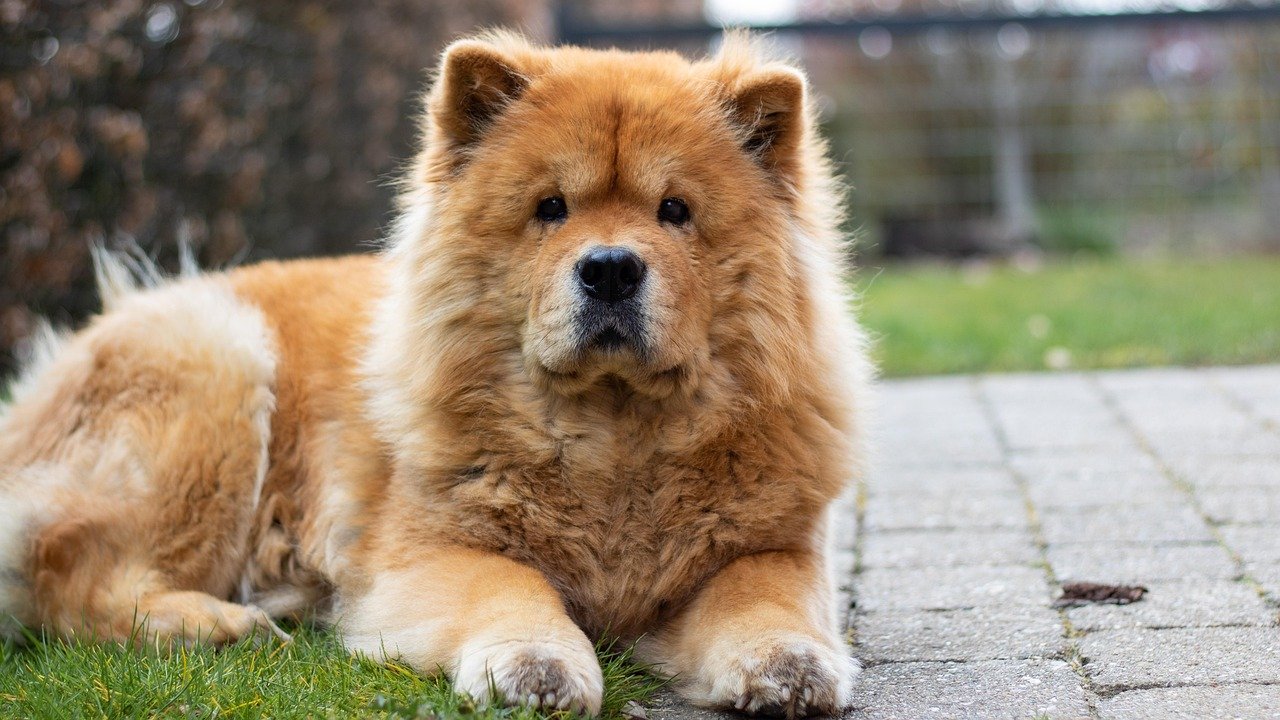
Chow Chows look like living teddy bears, but their temperament is closer to that of a cat—independent, sometimes aloof, and occasionally stubborn. They’re not always eager to please and can be territorial, especially around strangers.
Seniors might struggle with the Chow’s need for consistent boundaries and firm leadership. Their thick coats also require regular grooming, and their reserved nature means they’re not always the cuddly companions people expect.
10. Great Dane
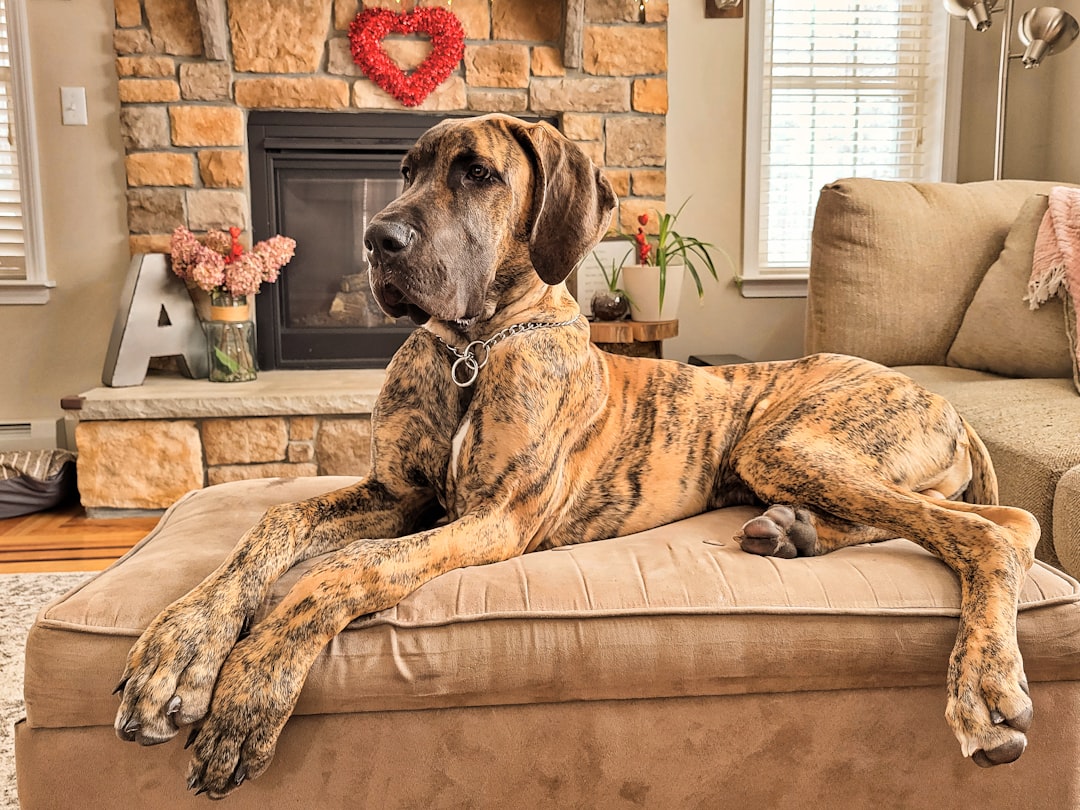
Great Danes are known as gentle giants, but their sheer size can be intimidating. Even a friendly nudge can knock a person off balance. Simple activities like feeding, bathing, or managing stairs become complicated when your dog weighs as much as you do.
Their short life spans and health issues, including joint problems and heart disease, can bring heartache and hefty vet bills. Seniors may find their care physically and emotionally demanding.
11. Weimaraner
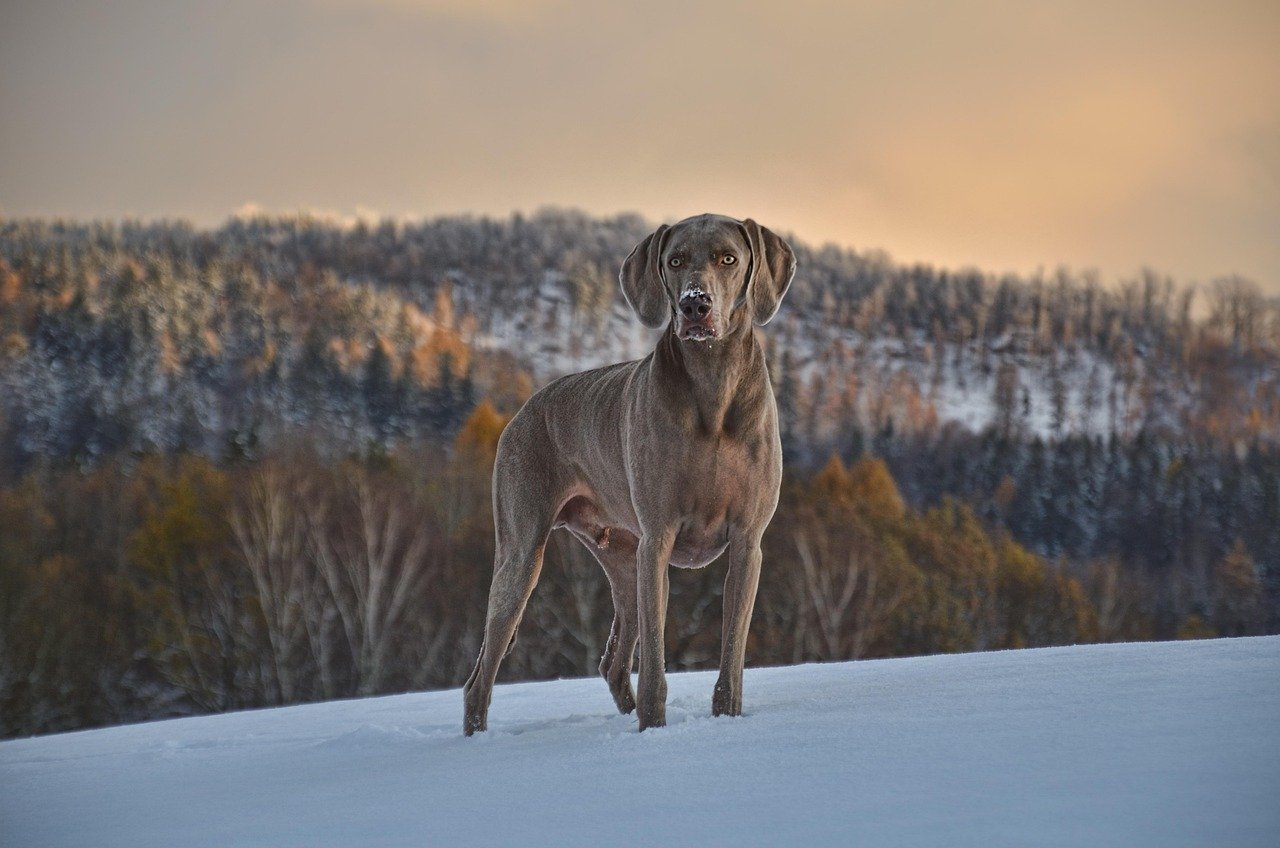
Weimaraners are elegant, athletic, and full of zest. They form tight bonds with their humans and can become anxious if left alone—sometimes leading to howling or destructive chewing. Their energy never seems to run out.
For seniors, this means lots of exercise, training, and companionship. Without it, a Weimaraner’s restlessness can create stress and chaos. Their strength and speed also make leash control a real challenge.
12. Alaskan Malamute

Alaskan Malamutes are as powerful as they are beautiful, bred to pull heavy loads across icy tundra. Their endurance and strength are impressive, but so is their stubborn streak. They need secure fencing and lots of space to roam.
For seniors, handling a Malamute’s physical power and independence can be risky. Their thick coats require constant grooming, and their digging instincts can turn a backyard into a moonscape in no time.


