
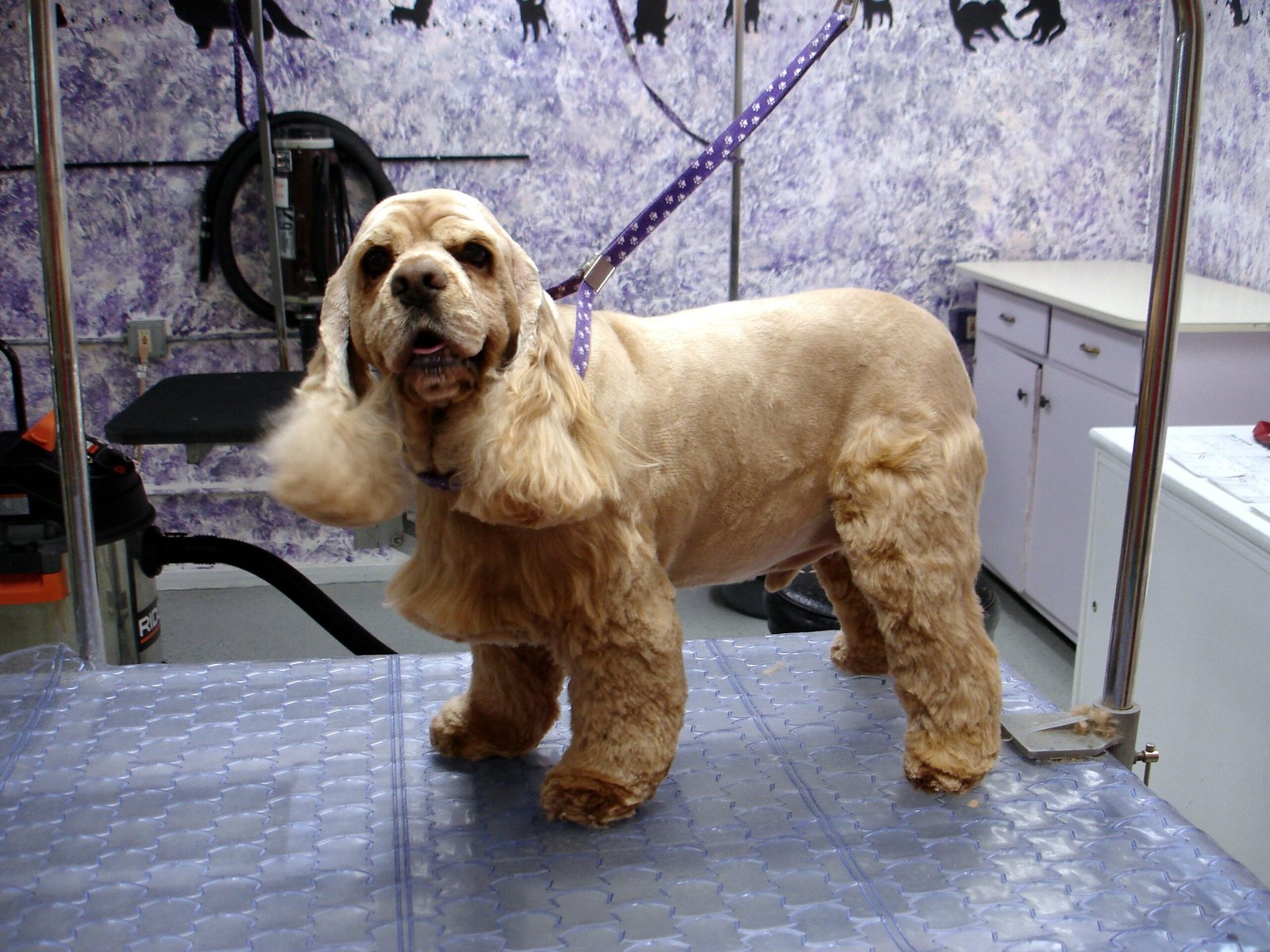
Are you constantly finding your dog scratching, biting, or licking its skin? It’s not just annoying for them—it tugs at your heartstrings, too. Some dog breeds are more prone to itchy skin, allergies, and irritations than others—and knowing which ones can help you stay ahead of the game. From Bulldogs to Retrievers, certain pups need a little extra TLC when it comes to their skin. Regular grooming, a healthy diet, and watching for early signs of discomfort can go a long way in keeping your dog comfy. Whether you already have one of these breeds or are thinking about bringing one home, being informed helps you care smarter. Let’s take a closer look at 12 breeds with sensitive skin and how to keep those tails wagging itch-free!
Bulldogs: Wrinkles That Need Extra Love

Bulldogs are famous for their adorable, wrinkly faces. But all those folds can trap moisture, dirt, and bacteria, making them prone to skin infections like dermatitis. Owners often notice redness, foul odor, or even sores hidden deep in the creases. The best way to keep your bulldog comfortable is regular cleaning and drying of their skin folds—think of it like gently wiping a baby’s face after a meal. Hypoallergenic wipes can help, as well as a weekly bath with gentle, dog-specific shampoo. Watch for signs of irritation and consult your vet if you notice anything unusual. Bulldogs thrive when their unique skin needs are met with patience and care.
West Highland White Terriers: The Itchy Westie

Westies are beloved for their playful personalities and fluffy white coats. Unfortunately, their sensitive skin makes them magnets for allergies and atopic dermatitis. It’s common to see them chew at their paws or rub their face on the carpet. To reduce flare-ups, feed your Westie a high-quality, limited-ingredient diet and avoid harsh grooming products. Routine brushing and regular vet checkups are crucial. Some owners find that adding omega-3 fatty acids to their diet helps soothe inflamed skin. Your gentle touch and a little extra attention go a long way in keeping your Westie itch-free.
Shar-Peis: Folds and Allergies Galore

Shar-Peis are walking bundles of wrinkles, but those skin folds create the perfect home for yeast and bacterial infections. Their genetic makeup also makes them prone to allergies. Regularly checking each fold and gently cleaning with a soft cloth can prevent nastier issues from developing. Use a mild, fragrance-free shampoo and keep your Shar-Pei’s environment clean to reduce allergens. Some owners find that switching to a grain-free diet helps, though it’s always best to talk to your veterinarian before making changes. Vigilance and tenderness are the best tools for keeping Shar-Peis comfortable.
Golden Retrievers: Allergy-Prone Beauties
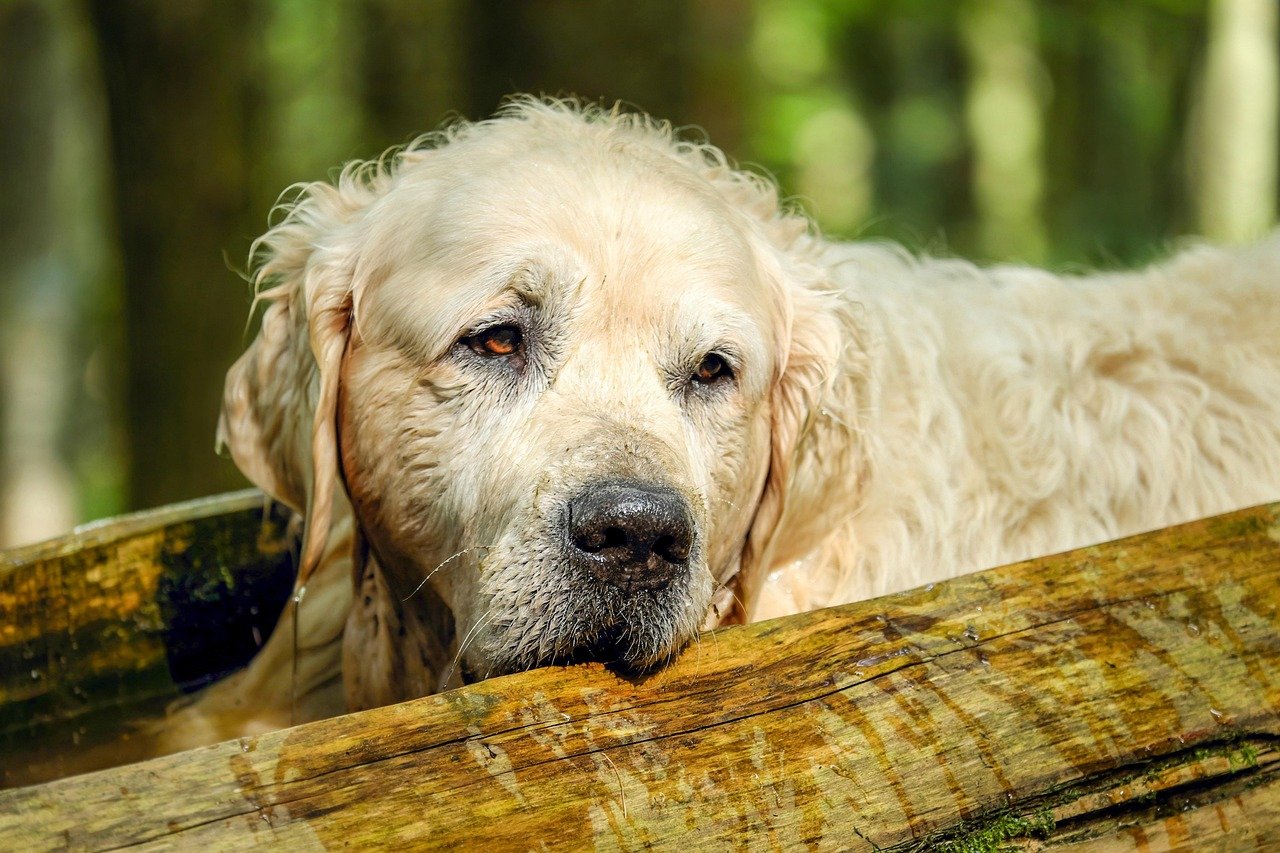
Golden Retrievers are adored for their loving nature, but many struggle with itchy, flaky skin due to environmental and food allergies. You might notice hot spots—painful, red patches—on their bodies. Frequent brushing removes allergens and loose fur, while regular baths with oatmeal or medicated shampoos can calm irritated skin. Try to limit your Golden’s exposure to pollen-heavy areas during peak allergy seasons. Your vet may recommend special diets or supplements to strengthen their skin barrier. Goldens are happiest when their owners are proactive about their skin health.
Labrador Retrievers: A Common Victim of Dermatitis

Labradors have a double coat that can trap moisture, leading to hot spots and bacterial infections, especially after swimming. Regularly drying your Lab after water play and keeping their bedding clean makes a huge difference. Watch for signs like excessive licking or raw patches, which can indicate trouble. A fish-based diet rich in omega-3s can help support healthy skin. Don’t forget to check their ears too, as Labs are prone to ear infections linked to skin issues. Labs are loyal companions who thrive with a little extra skin care.
German Shepherds: Sensitive Skin, Big Hearts

German Shepherds are known for their intelligence and loyalty, but many owners are surprised by how sensitive their skin can be. They’re prone to conditions like pyoderma and allergies, which can cause hair loss and scaly skin. Regular grooming is key—aim for weekly brushing to remove dead skin and distribute natural oils. Choose gentle, non-irritating grooming products and keep up with flea prevention, as flea bites can trigger severe reactions. A vet can recommend hypoallergenic diets or supplements if needed. Your German Shepherd’s comfort depends on your dedication to their unique needs.
Dalmatians: Spots and Sensitive Skin

Dalmatians stand out with their striking spots, but their skin is often thin and sensitive. Allergies, sunburn, and contact dermatitis can plague them. Protect your Dalmatian from harsh sunlight with dog-safe sunscreen and avoid harsh chemicals in cleaning products or grass treatments. Regular baths with moisturizing shampoo and thorough rinsing help prevent residue buildup. Dalmatians benefit from a balanced diet with adequate hydration to keep their skin healthy. They’re happiest when their environments are safe and gentle on their unique skin.
Pugs: Adorable Faces, Prone to Problems

Pugs’ adorable squished faces and deep facial folds make them prone to skin fold dermatitis and infections. You might notice redness or a musty odor in their wrinkles—sure signs of trapped bacteria. Routine cleaning and drying of these folds are essential, especially after meals or playtime. Choose food that supports healthy skin and is free from common allergens. Some pug owners use a damp cloth daily to wipe their pet’s face, which can prevent bigger problems. Pugs are happiest when you’re attentive to their special needs.
Boxers: Allergy-Sensitive Companions

Boxers are energetic, loving, and, unfortunately, prone to allergies that can lead to itchy, inflamed skin. You might notice your Boxer scratching more during spring or after eating certain foods. Identify and eliminate triggers where possible, and consider hypoallergenic diets or treats. Regular baths with soothing, non-irritating shampoos can help, but avoid over-bathing, which can dry out their skin. Keep fleas and ticks at bay, as bites often spark severe reactions in Boxers. A bit of prevention goes a long way in keeping your Boxer comfortable.
Cocker Spaniels: Fluffy Ears, Flaky Skin
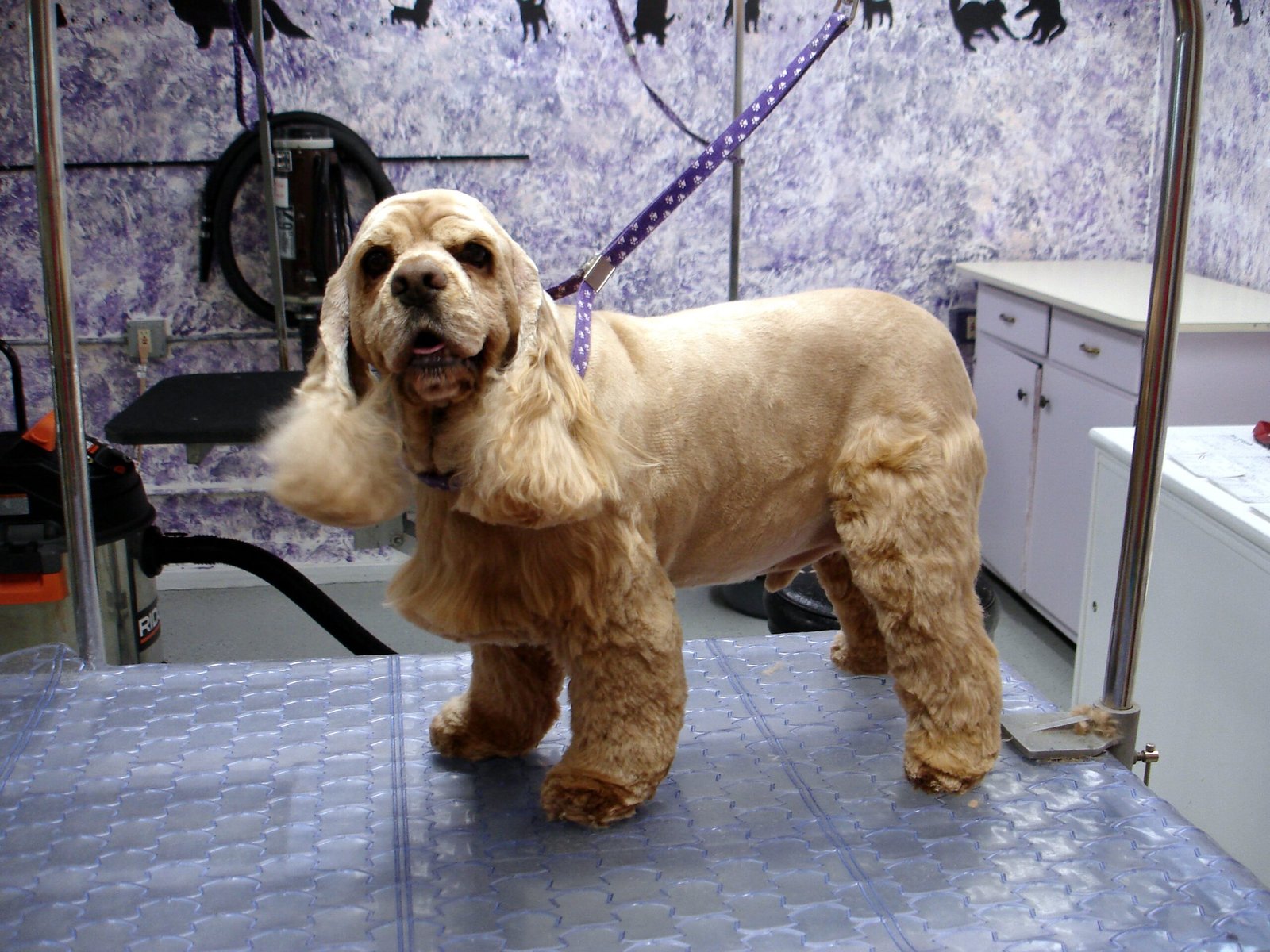
Cocker Spaniels are beloved for their long, silky ears and soft coats, but that beauty comes with a price. They’re prone to seborrhea, which causes greasy, flaky skin, and their floppy ears can trap moisture, leading to infections. Regular ear checks and cleaning are vital, as is a consistent grooming routine. Specialized shampoos can manage seborrhea, and feeding a diet rich in healthy fats supports skin health. Cocker Spaniels thrive when their unique grooming needs are met with love and care.
French Bulldogs: Compact Bodies, Big Skin Concerns

French Bulldogs may be small, but their skin issues can be big. Their short coats and facial folds make them vulnerable to allergies, dermatitis, and yeast infections. Daily cleaning of their folds and keeping them dry is crucial, especially during warm, humid weather. A diet free from common allergens like wheat and chicken may help, but consult your vet before making changes. Watch for signs like excessive scratching or hair loss, and address issues early. Frenchies flourish with attentive skin care and lots of affection.
English Setters: Elegant, Yet Prone to Irritation

English Setters are elegant and graceful, but they often battle skin irritation, especially from allergens or parasites. You might spot dry, flaky patches or notice more shedding than usual. Weekly brushing removes loose fur and keeps their skin healthy. Bathing with gentle, moisturizing shampoo soothes irritation while regular flea prevention protects their sensitive skin. Feeding a balanced diet with added fatty acids can also help. English Setters are happiest when their skin feels as lovely as their personality.
Taking extra care of a dog with sensitive skin can make all the difference in their comfort and happiness. By staying on top of grooming, managing allergies, and providing the right nutrition, you can help prevent many skin issues before they even start. Regular vet check-ups are key too, so any problems are spotted early. With the right attention, even dogs prone to skin issues can enjoy a happy, healthy life. So, if you’re caring for one of these breeds, just remember: a little prevention goes a long way in keeping their skin—and spirit—healthy!


