Ever notice how your dog seems to know exactly when you need a cuddle? Maybe you’ve walked through the door after a rough day, and before you’ve even kicked off your shoes, your pup is already at your side. That connection isn’t just heartwarming. It’s real.
Research confirms that dogs can sense human emotions by recognizing feelings like happiness, sadness, anger, fear and even surprise. Some breeds take this ability to an entirely different level. They don’t just notice your feelings. They absorb them, mirror them, and sometimes carry them as if they were their own. It’s a gift that makes them extraordinary companions, yet it also comes with responsibility. Let’s explore the breeds that live and breathe your emotional world.
1. Golden Retriever: The Emotional Sponge with a Smile
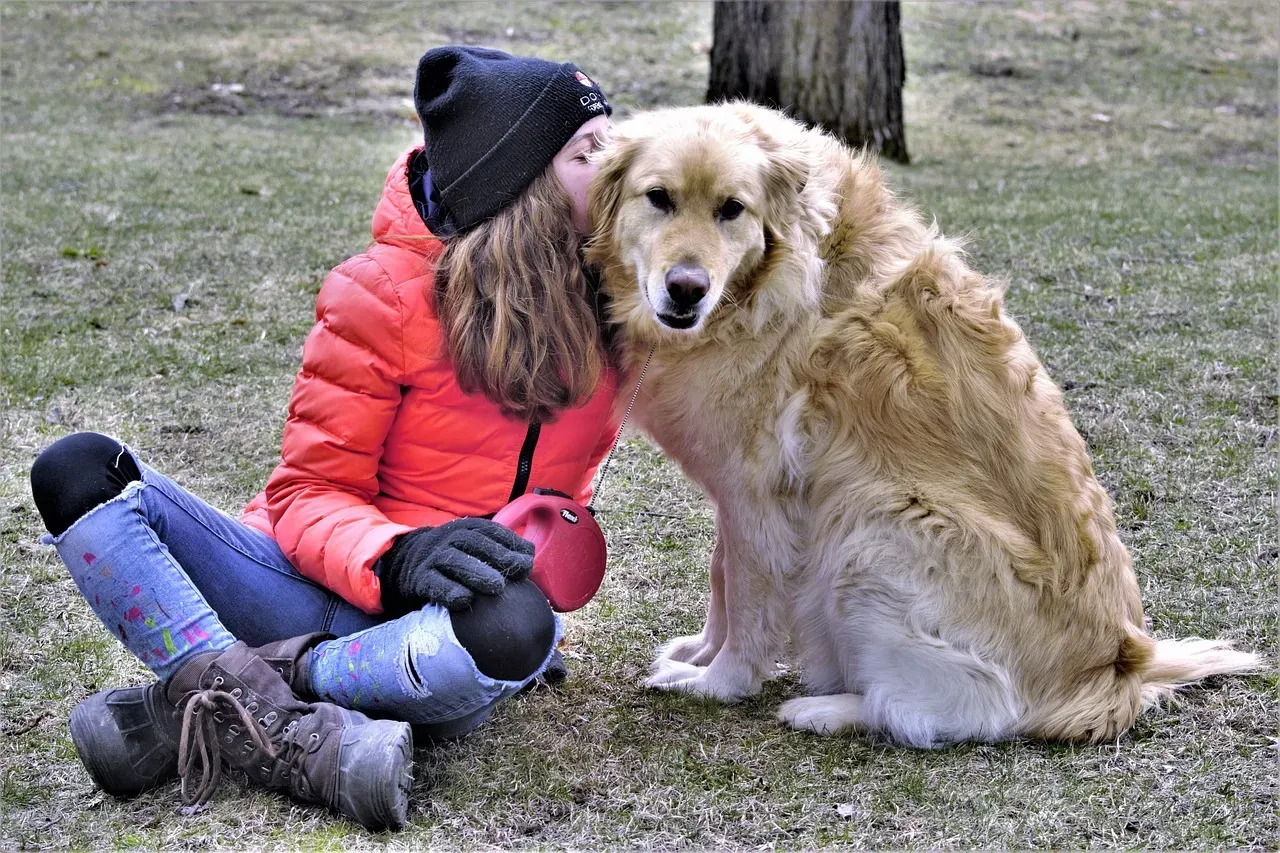
Golden Retrievers are deeply emotionally responsive and tend to absorb the energy of their environment. If you’re feeling joyful, they’ll match your excitement with wagging tails and playful energy. Feeling low? They’ll quietly rest their head on your lap without being asked.
When they sense sadness, they quietly rest their heads on their owner’s laps, and they are unique for their empathetic natures, which is why they are often chosen as therapy and emotional support dogs. This breed needs consistency, structure, and plenty of love. Without that balance, they can become anxious or withdrawn. Their need to be involved in everything means isolation hits them hard. If you’re calm and connected, they’ll thrive. If you’re stressed, they’ll feel it too.
2. Labrador Retriever: The Intuitive Companion
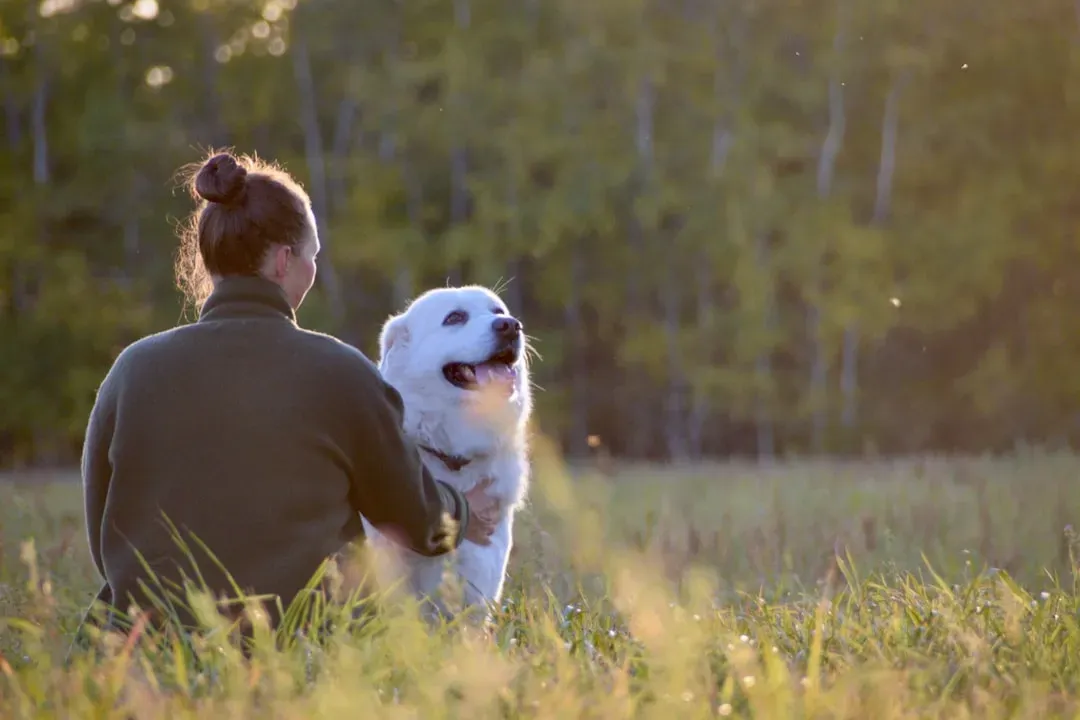
Labradors seem to have a sixth sense for human emotions. They’re affectionate, intuitive, and bond deeply with their families. Whether you’re celebrating or sulking, they’ll be right there with you. They read their owners like a book and genuinely want to be a source of comfort.
Labs are often used as therapy and service dogs because they’re quick to pick up on distress signals and respond with a calm and gentle presence, offering a comforting paw or snuggling up during tough times. Honestly, Labs thrive on routine and attention. Training them is usually smooth sailing thanks to their eagerness to please. Harsh tones or emotional neglect can make even the most confident Lab withdraw. They’re always giving more love than they take.
3. Cavalier King Charles Spaniel: The Velvet Empath

The Cavalier King Charles Spaniel is gentle, affectionate, and emotionally intuitive with a natural gift for tuning in to its owner’s moods, offering comfort through quiet companionship. Their expressive eyes seem to see right through you. They crave closeness and are happiest when near their humans.
Cavaliers are also excellent emotional support dogs, and their ability to sense sadness or stress allows them to adapt their behavior – curling up beside you when you’re down or being playful when you need cheering up. These little souls can become anxious without affection and reassurance. Training them requires patience and positive reinforcement. Harsh tones hurt their feelings easily. If you value a deeply bonded, emotionally responsive companion, this breed is for you.
4. Border Collie: The Sensitive Genius
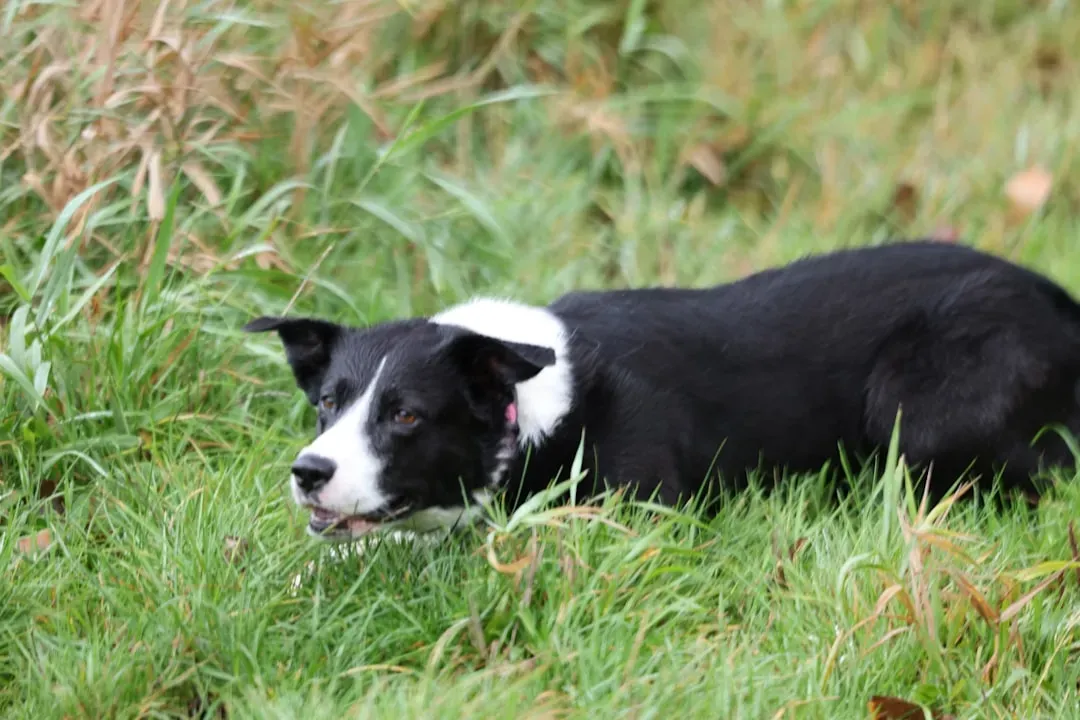
Border Collies are widely regarded as the most intelligent dog breed, but their emotional sensitivity is just as remarkable, and these dogs are incredibly in tune with their owners’ emotions, often reacting to subtle changes in mood with comforting behaviors. They read tone and posture faster than most dogs.
If Border Collies get punished for doing something wrong, they’ll take it very personally, and their feelings get hurt very easily, which can cause them to pout for long periods of time afterward. They love routine and can become anxious in chaotic environments. Without mental stimulation, they may become restless or destructive. Provide them with structure, tasks, and calm guidance, and they’ll be your most loyal emotional partner.
5. Australian Shepherd: The Emotional Co-Pilot
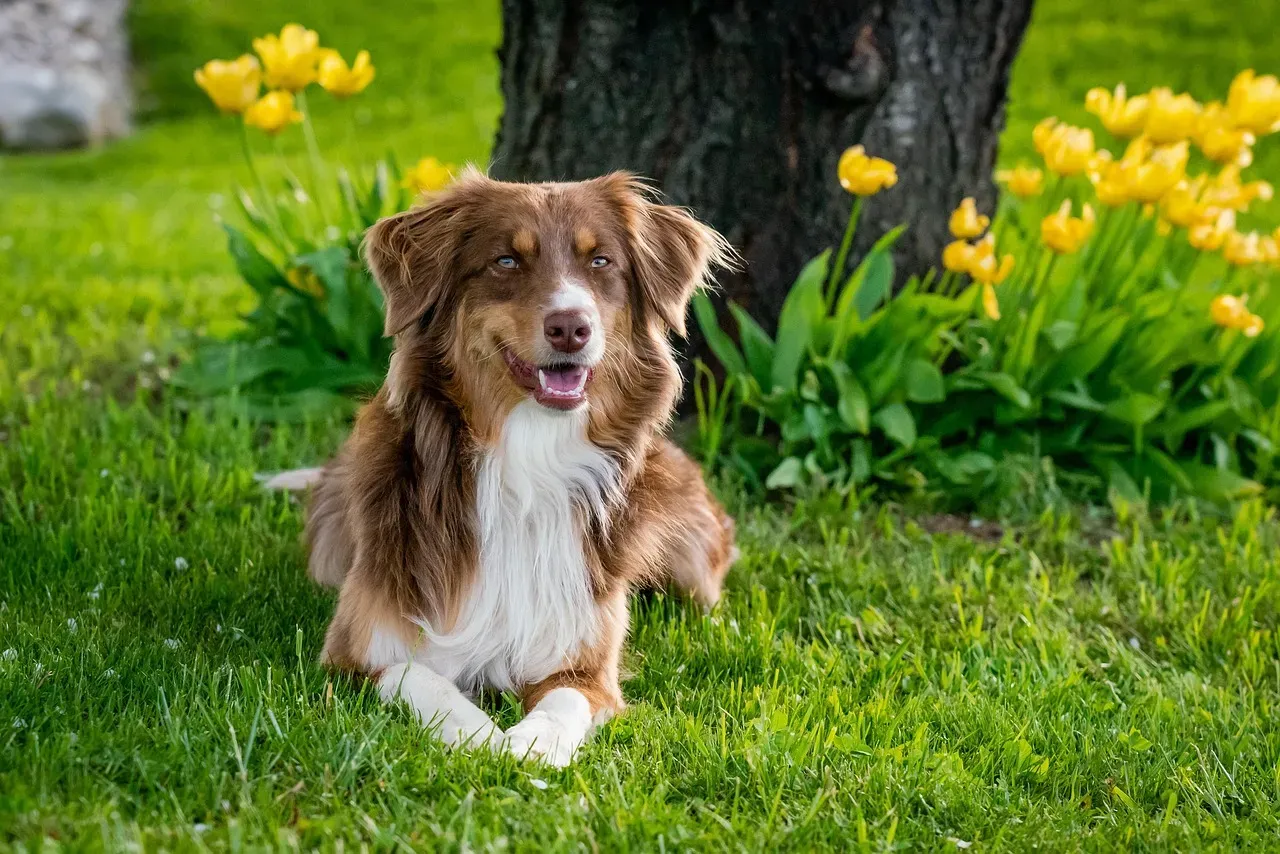
Australian Shepherds are always alert, always involved, and always ready to read the room or your mood, and these emotional dogs don’t just want to be near you, they want to do life with you, excelling at reading human emotions, body language, and even predicting routines. They’re deeply intuitive and emotionally aware, forming incredibly close bonds with their families.
They often mirror their owner’s energy, and if you’re relaxed, they’ll rest quietly beside you; if you’re active, they’ll match your enthusiasm in a heartbeat. Aussies need mental stimulation like most dogs need food. Regular exercise and tasks keep their minds balanced and their emotions in check. Push them too hard or get impatient, and you’ll lose their trust fast. They thrive on structure and strong bonds.
6. Poodle: The Elegant Emotion Reader
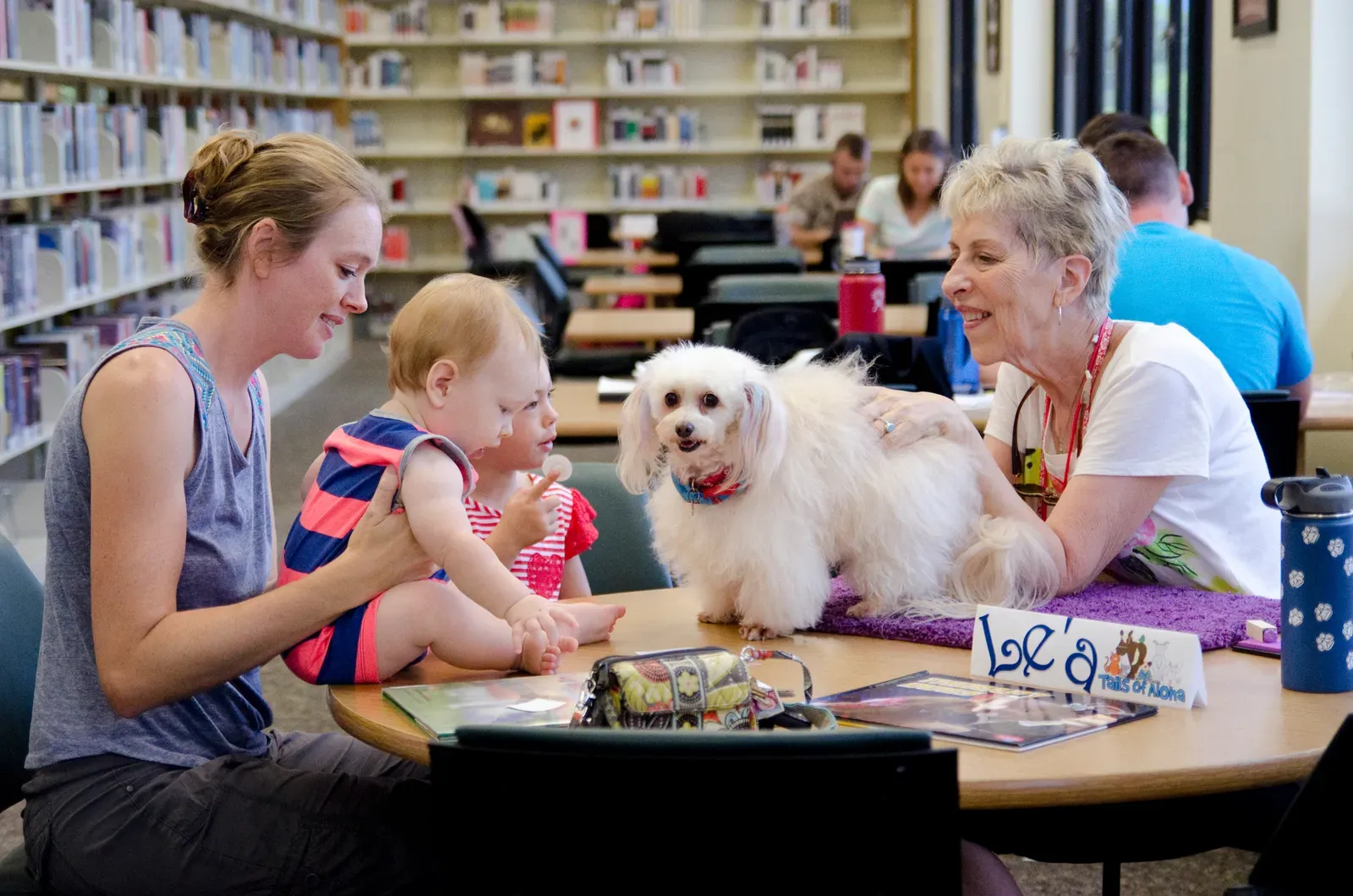
Poodles’ intelligence is legendary, but their emotional depth truly sets them apart, as they form strong emotional attachments with their families and quickly sense when something feels off, and their sensitivity to tone and energy makes them wonderfully responsive companions. All sizes of Poodles share the same empathetic nature.
Poodles excel as therapy dogs and detect stress, sadness, or tension with remarkable accuracy and often adjust their behavior to comfort their humans, with their empathy being instinctive rather than trained. They thrive on human interaction and can become anxious if ignored or left alone too often. Training a Poodle is a joyful experience when done positively. They pick up cues quickly and love encouragement. Their sociable personality and emotional warmth make them ideal for active, affectionate homes.
7. German Shepherd: The Protective Feeler
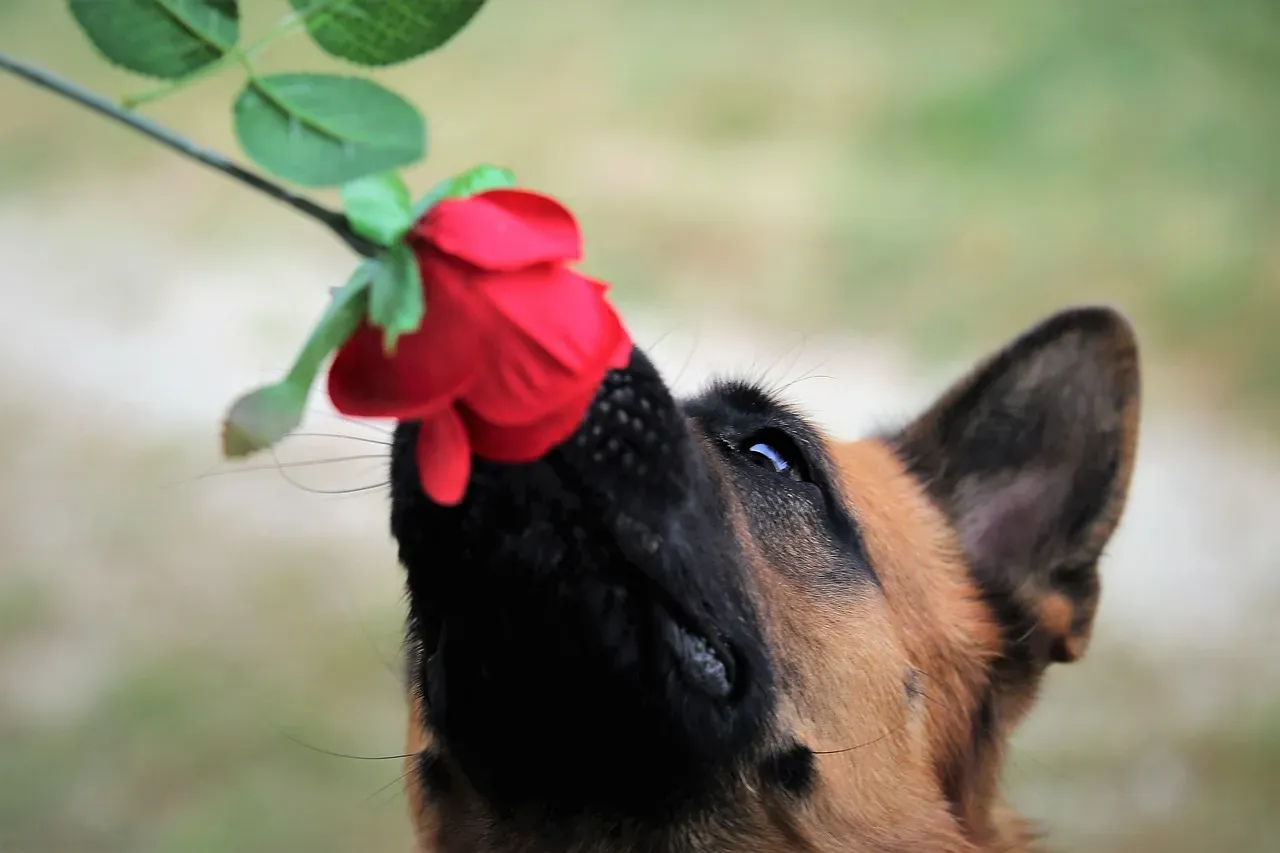
German Shepherds have a muscular build and sharp senses making them excellent working dogs, but they also have a very affectionate side, and while they are protective and often reserved around strangers, they are playful and loving with their families. They’re highly intelligent and trainable yet remarkably sensitive to their owners’ emotions.
German Shepherds need both mental challenges and physical exercise to stay balanced, requiring plenty of exercise and stimulation to avoid anxiety or boredom, and without enough activity, they may become destructive or anxious, so keeping them busy is key. Consistent, positive interactions with their owners help avoid stress. They’re perfect for families or individuals seeking a loyal, empathetic companion who’s also a natural protector. Their sensitivity combined with their strength creates a beautiful balance.
8. Vizsla: The Velcro Dog

Vizslas are often referred to as “velcro dogs” for their tendency to stick close to their owners, and they are deeply sensitive and emotionally connected to their humans, known for their loyalty and desire to please, often sensing their owner’s moods and responding with affection or playful energy to lift spirits. They truly want to be by your side at all times.
Vizslas can become anxious if left alone for long periods, as they thrive on being close to their families, and their sensitive and affectionate nature makes them ideal companions for active, loving homes. They need regular exercise and engagement to stay emotionally balanced. If you work long hours away from home, this breed might struggle. For active, present owners who value an emotionally attuned dog, the Vizsla is a perfect match.
9. Collie: The Intuitive Protector
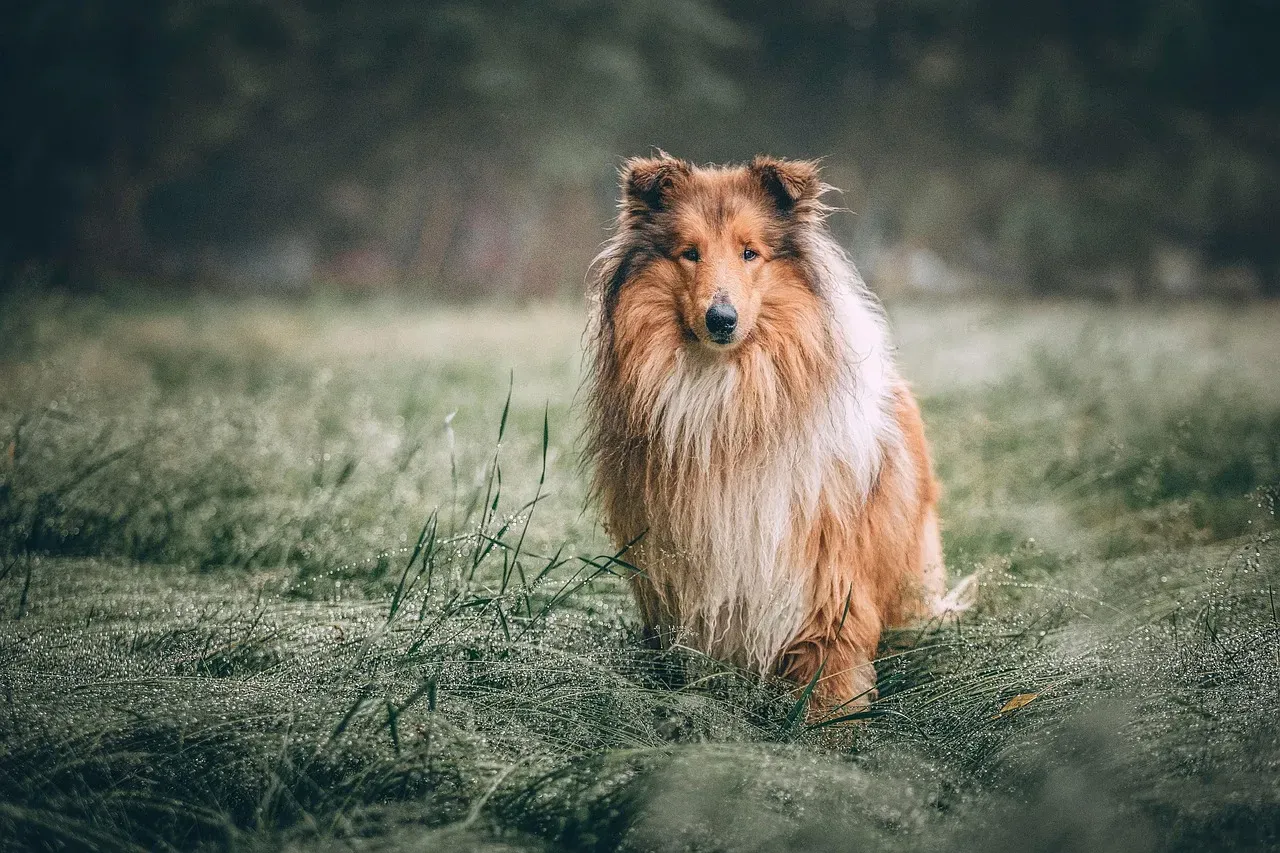
Collies are highly intuitive and capable of detecting subtle changes in their environment or in the emotional state of their owners, and this breed is known for its unwavering loyalty and protective instincts, often sensing danger or distress long before humans do. Think of Lassie. That’s not just Hollywood magic.
Collies can pick up on subtle changes in their owner’s emotions, often responding with a gentle nuzzle or by simply being present, and they are attentive and responsive, making them excellent companions for people with emotional or psychological challenges, and their gentle and understanding nature, combined with their loyalty, makes them particularly good at providing emotional support. They thrive in calm, loving environments and are often used as therapy dogs. Their emotional radar is truly remarkable.
10. Shetland Sheepdog: The Gentle Observer
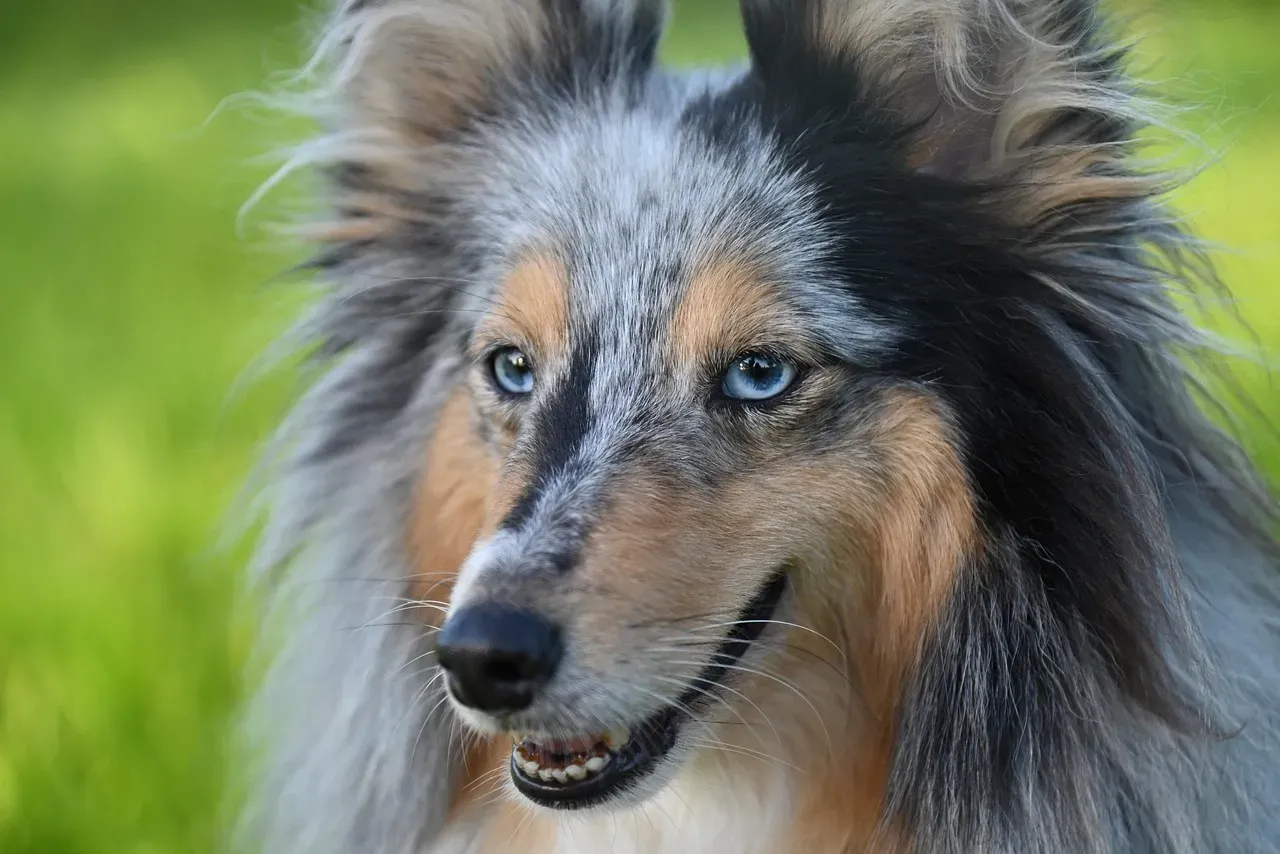
Shetland Sheepdogs, or Shelties, are highly sensitive and attuned to their owners’ emotions, and these intelligent dogs are quick to pick up on changes in their environment and their humans’ moods, often reacting with gentleness and concern. They’re deeply connected to their families.
Shelties thrive on positive reinforcement and can become anxious in loud or tense situations, and their deep emotional connection with their families makes them wonderful companions, especially for those seeking an empathetic and loyal friend. They need calm, consistent interactions and can struggle in chaotic households. If you’re looking for a smaller, emotionally responsive companion, the Sheltie is an excellent choice. They’re always watching, always caring.
11. Great Dane: The Gentle Giant with a Sensitive Soul
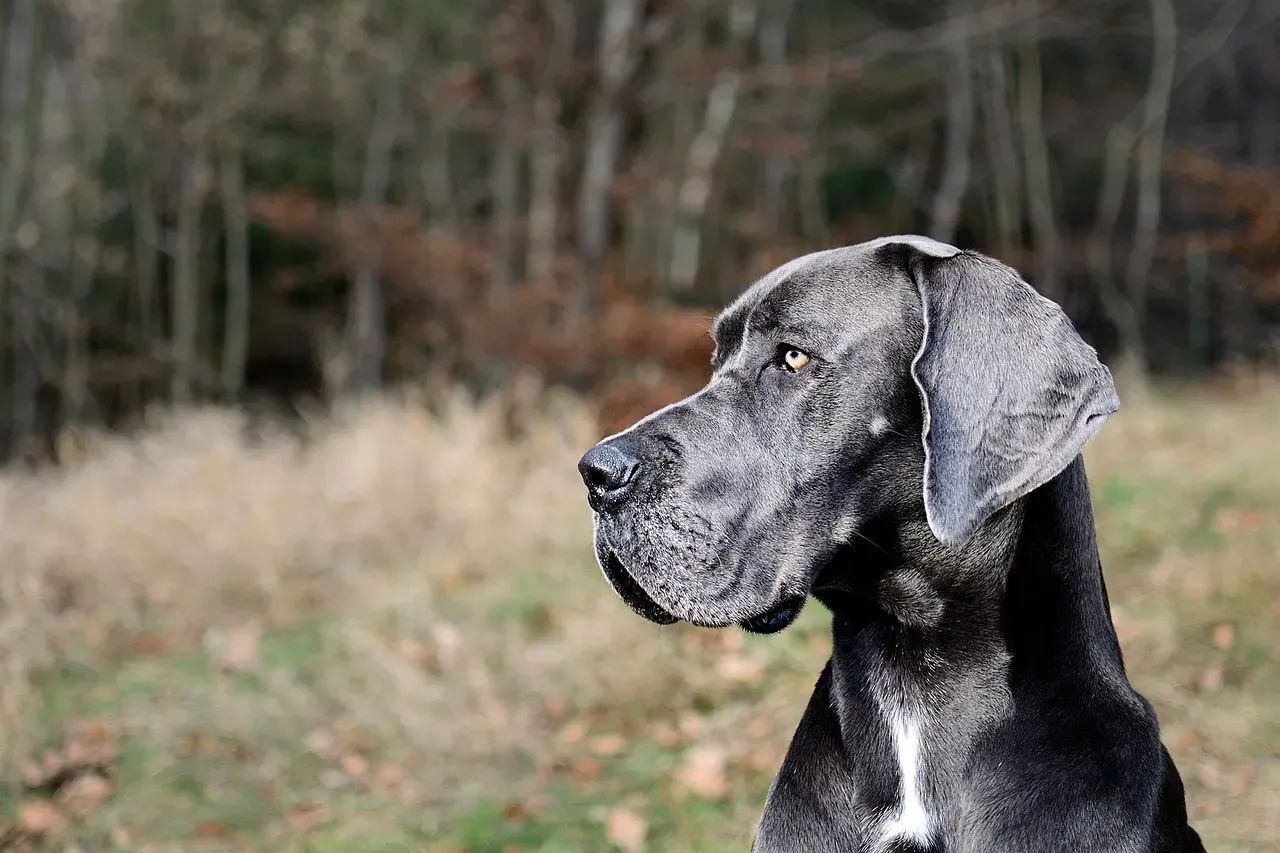
Despite their large size, Great Danes are known for being gentle giants with sensitive souls, and these dogs are incredibly in tune with the emotions of their families, often offering comfort through their calm presence. Their sheer size makes their gentleness even more touching.
Great Danes are affectionate and protective, making them excellent companions for those who need emotional support, and their sensitive nature, combined with their loyalty, makes them one of the most empathetic breeds, always looking to offer comfort when needed. They’re surprisingly attuned to the emotional climate of their homes. If you have space for a big dog with an even bigger heart, a Great Dane might surprise you with their emotional depth.
12. Cocker Spaniel: The Soft-Hearted Romantic

Cocker Spaniels are the soft-hearted romantics of the canine world – equal parts charm and sensitivity, and behind those soulful eyes is a dog that feels everything, and even a stern tone can make them sulk. They bond tightly with their owners and give their full emotional spectrum to their inner circle.
Cocker Spaniels are smart and respond well to patient, positive training, but pushing them too hard or ignoring them may make them anxious or withdrawn. Grooming isn’t just about looks for this breed. It’s bonding time for this sensitive soul. They crave connection, reassurance, and gentle handling. If you’re the kind of person who talks to your dog like a friend, a Cocker Spaniel will be your perfect companion.
Conclusion
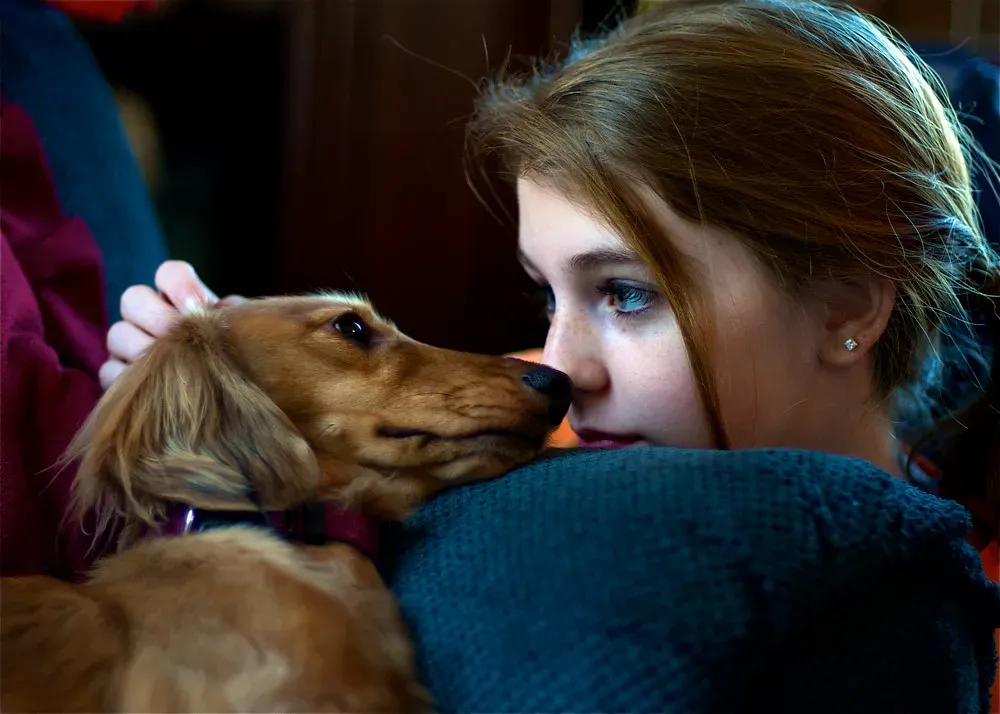
Their sensitivity can be both a gift and a responsibility, as these breeds not only read situations, but they get affected by prolonged negativity in a way that harms their emotional well-being. Living with an emotionally sensitive dog means being mindful of your own emotional state. They’re not just pets. They’re mirrors, companions, and sometimes silent therapists who feel everything we feel.
When you feel stressed, your dog senses your emotions and can internalize them, becoming anxious, and research found that dog owners’ stress levels can significantly influence their canine companions’ stress levels. This isn’t a burden. It’s a reminder to care for ourselves as much as we care for them. What do you think about it? Does your dog seem to absorb your emotions too? Tell us in the comments.