
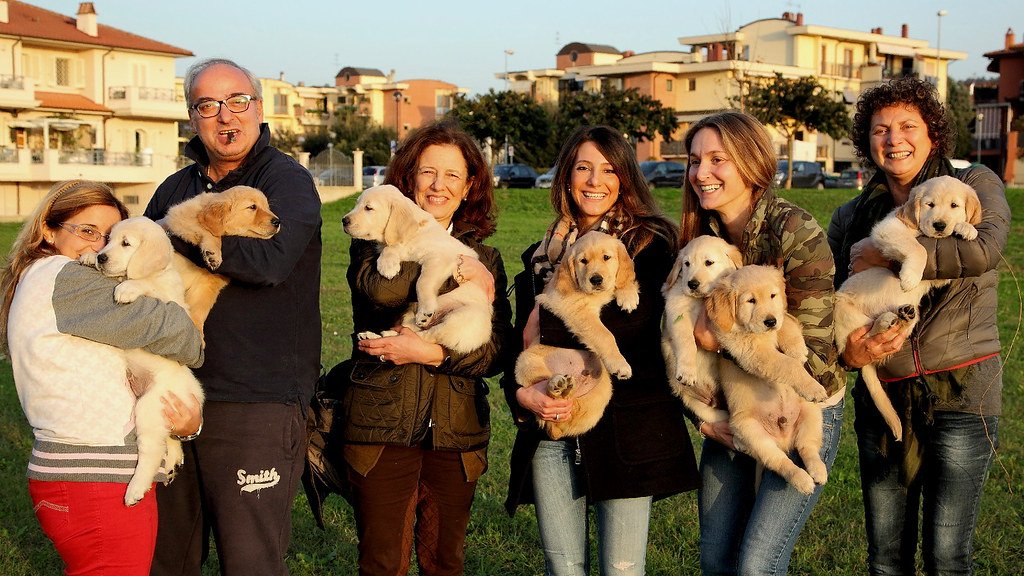
You know that feeling when the world gets a little too loud, a little too much, and you just need to retreat to somewhere quiet? Your dog might feel that way too. Some breeds are emotional sponges, soaking up every bit of energy, every shift in your mood, every sound that most dogs would ignore. They’re tuned in at a frequency that’s both beautiful and, honestly, exhausting for them.
These sensitive souls don’t just hear the doorbell; they feel it in their bones. A raised voice can send them spiraling. Change in routine? Total meltdown potential. I’ve worked with enough pups over the years to know that emotional sensitivity in dogs is real, deeply rooted, and not something they can just “get over.” Let’s explore the breeds most likely to need extra patience, gentleness, and understanding from their humans.
Border Collie
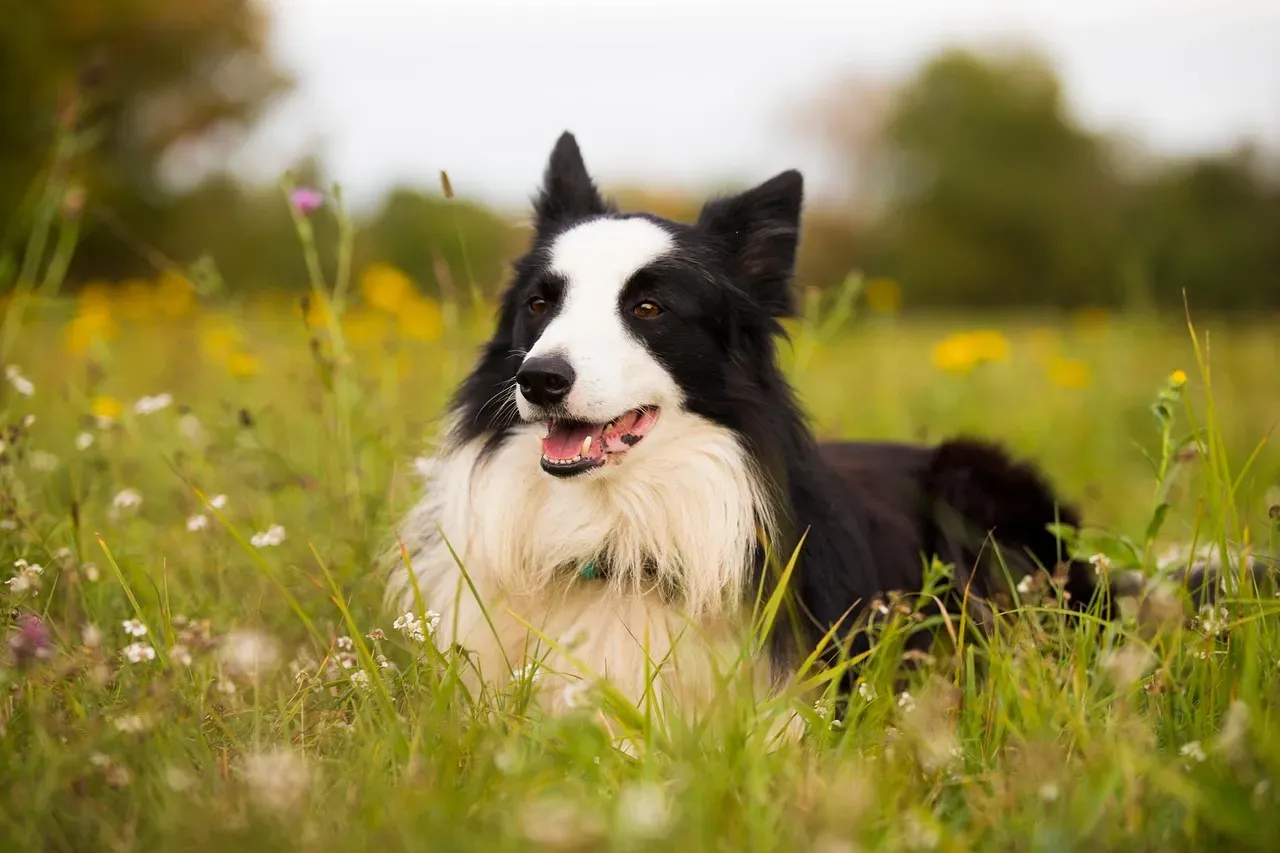
Border Collies are intelligent dogs wired for work, and that sharp mind means they also pick up on emotions like radar. If you’re sad, don’t be surprised if your Collie gently nudges your hand with a toy to cheer you up.
Their deep emotional connection also means they can be easily stressed by harsh training methods or loud noises. This breed’s high energy levels, sensitivity, herding instincts, and intelligence all contribute to their susceptibility to anxiety, and without sufficient physical and mental stimulation, these dogs can get anxious or restless. They need at least one to two hours of intense exercise daily, plus puzzles and tasks that keep their brilliant minds engaged.
Positive reinforcement works wonders for them, with gentle praise, treats, and affection. Harsh discipline? They’ll shut down faster than you can apologize. Their emotional radar is so finely tuned that they often mirror your moods, especially if you’re stressed or anxious.
Cavalier King Charles Spaniel

Cavaliers are highly sensitive and tend to reflect their owners’ emotions, making them ideal for sensitive owners looking for a deeply bonded pet. They’re gentle dogs who seem to sense when you’re off and won’t leave your side until you smile again.
Leave them alone for long periods, and that sweetness can turn to stress, as separation anxiety is a common issue. They are particularly sensitive to their environment and can become anxious if there is tension or stress in the home. These little companions thrive on calm, consistent routines and need reassurance that they’re loved and safe.
Watch for signs like excessive barking, pacing, or clinginess when you’re preparing to leave. Gradual desensitization to your departures can help. They don’t require marathon runs, but moderate walks and playtime keep them emotionally balanced.
Vizsla

Often dubbed “Velcro Vizslas,” these sleek, rust-colored companions are renowned for their deep devotion to their humans and thrive on closeness, making them particularly prone to separation-related stress when left alone for extended periods.
Vizslas have been selectively bred for traits such as sensitivity and alertness, and their heightened sensitivity and alertness mean they are more likely to become stressed or anxious in response to changes or perceived threats. They possess extremely keen senses, particularly their sense of smell and hearing, making them more susceptible to being overwhelmed by everyday stimuli such as loud noises, sudden movements, or unfamiliar environments.
Early training with gradual desensitization is key to helping them feel safe when apart from their people. Puzzle toys that provide mental stimulation can teach them to enjoy alone time, but be realistic: these dogs need near-constant companionship and don’t do well in homes where everyone’s gone all day.
Australian Shepherd
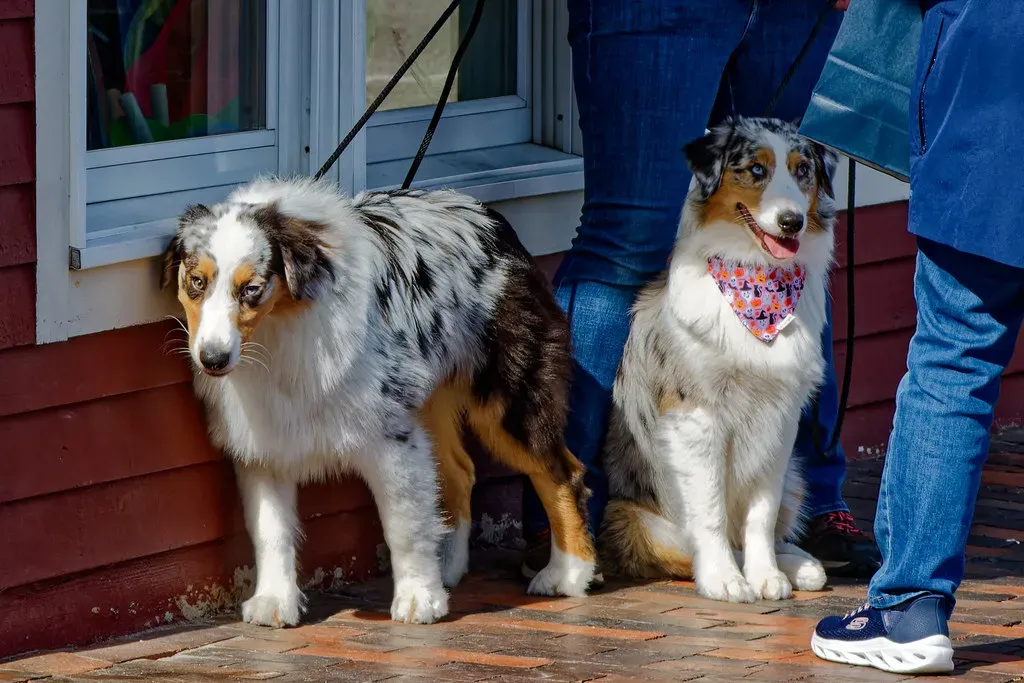
Australian Shepherds are smart dogs who were bred to work closely with their owners, and their ability to read human emotions often surprises new owners as they’re constantly checking in, watching your face, body language, and energy levels.
A change in their daily rhythm, like new schedules or environments, can trigger stress responses, so early socialization and training help these dogs better adapt to various situations. Noisy or crowded spaces can overwhelm Australian Shepherds, causing them to become anxious and stressed, as their acute senses make them more reactive to loud noises, sudden movements, and chaotic situations.
Without enough activity to stay balanced, they may show negative behavior like whining, restlessness, or destructiveness. Aussies respond well to consistent routines and tasks that challenge their minds like herding simulations or scent games. They’re best for active owners who can match their enthusiasm and smarts daily.
Cocker Spaniel

Cocker Spaniels are affectionate and gentle, but they can be prone to anxiety, especially in response to loud noises or being left alone, as their sensitive nature means they can easily become overwhelmed. Behind those soulful eyes is a dog that feels everything.
Even a stern tone can make them sulk, and push them too hard or ignore them, and they may become anxious or withdrawn, with separation anxiety being something to watch out for. Their sensitivity means training methods must be gentle and positive, as harsh discipline can backfire, making these dogs shut down or withdraw, instead responding best to encouragement, patience, and affection-based reinforcement.
While their gorgeous coats demand regular grooming, their emotional wellbeing requires equal care. Early socialization, calm environments, and interactive play can help reduce their stress levels significantly. A bored Cocker can become clingy or exhibit nervous behaviors, so keep them mentally occupied.
German Shepherd
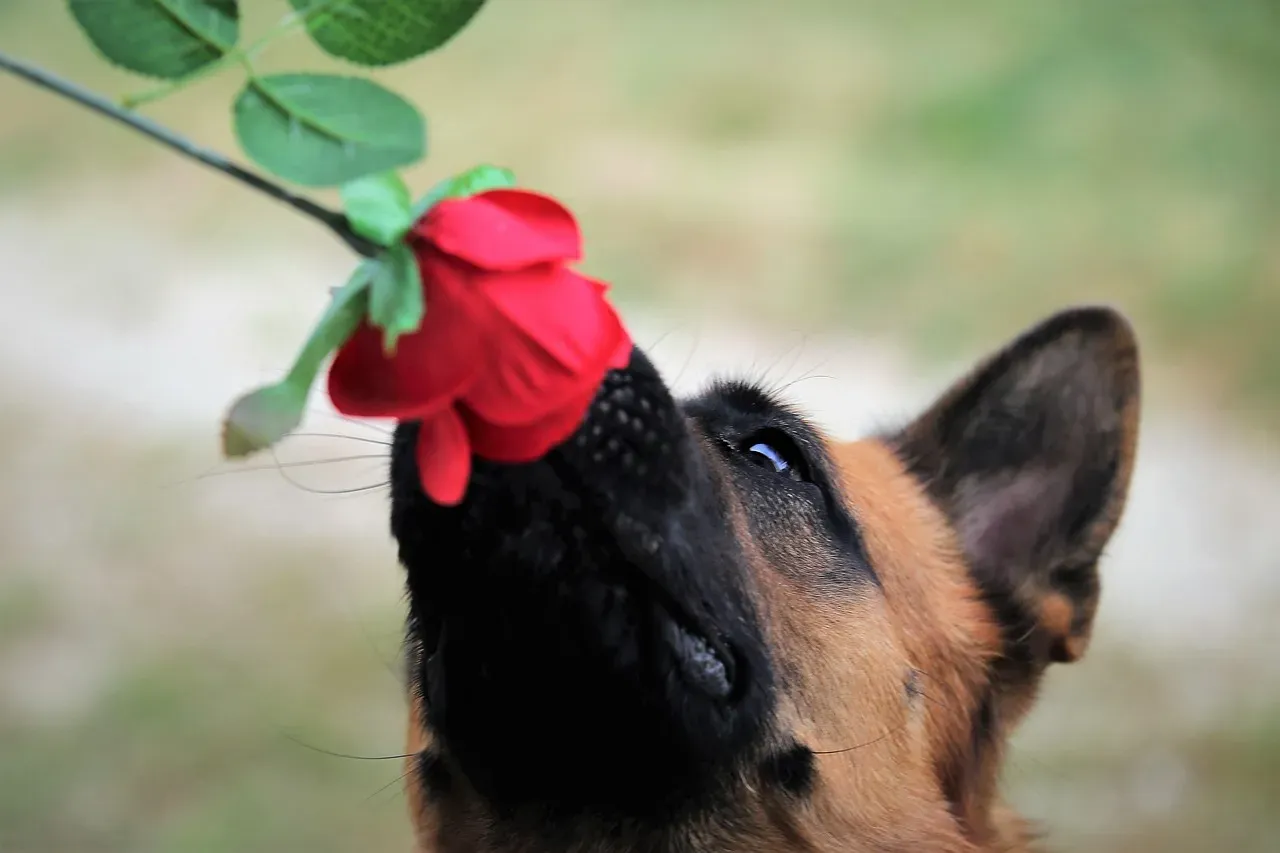
German Shepherds are among the dog breeds prone to anxiety, especially if not properly socialized at a young age, and can suffer from severe separation anxiety, which often manifests as destructive behavior or excessive barking, with their instinct to guard leading to fear-based anxiety when they perceive threats in new environments.
Their sensitive nature and strong attachment to their owners can make them prone to separation anxiety, as German Shepherds thrive on structure and may become anxious if their routine is disrupted or if they’re left alone for extended periods. Originally bred as herding dogs and more recently trained for service as police and military canines, German Shepherds are protective and always on alert, which can lead to stress, particularly separation-related stress responses.
Structured training, calming routines, and human interaction are essential to support their emotional health. Slowly build them up to longer periods of time alone without stress through gradual desensitization. Without enough mental and physical stimulation, they may exhibit destructive behaviors or show signs of aggression rooted in anxiety.
Labrador Retriever

The Labrador Retriever is one of the most sensitive dog breeds out there, incredibly attuned with their guardians’ feelings and often offering comfort when they sense sadness or stress, as they’re natural empathizers, constantly seeking to make their humans feel better.
Labs are particularly prone to separation anxiety, stemming from their strong desire to be with their human family and their historically bred role as companion dogs, and when left alone for extended periods, they can become distressed, leading to destructive behavior and excessive barking. These sweet, lovable dogs are very social and affectionate, and their need for constant connection and companionship makes them wonderful family dogs, but this can also make them prone to separation-related stress, as Labs do not usually do well when left alone for long periods of time.
They love to stay active, whether swimming, playing fetch, or just spending time with their families. Energetic and playful, Labs need ample exercise and mental stimulation to prevent anxiety-driven behaviors. While you’re using desensitization methods, consider leaving them with family so they have a friendly face around.
German Shorthaired Pointer
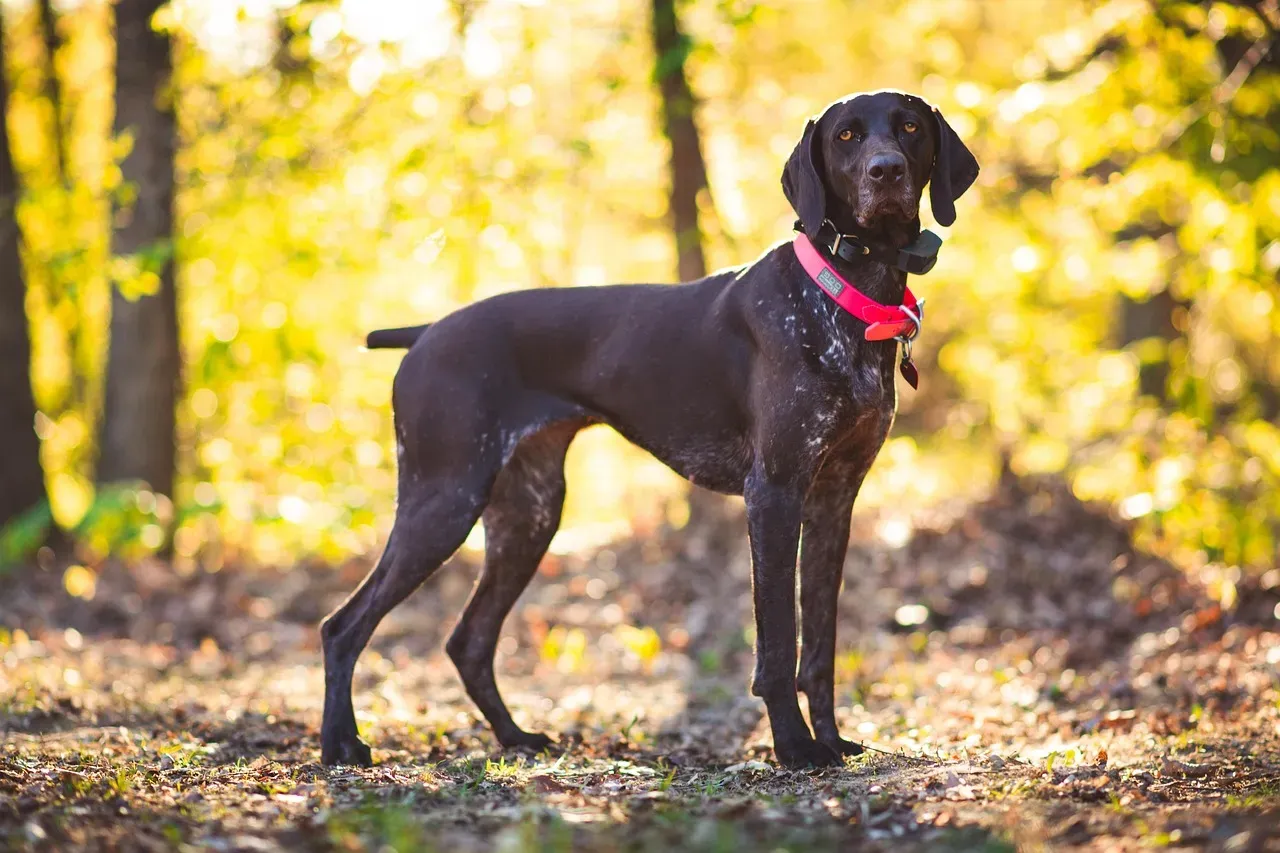
Despite their athleticism and sunny disposition, German Shorthaired Pointers can be surprisingly sensitive, with their sensitivity to unfamiliar environments or abrupt changes triggering stress-related behaviors such as pacing or destructive chewing, and they’re also known to develop phobias or panic in response to specific stimuli, particularly loud noises or isolation.
Proper socialization from an early age, along with consistent routines and daily exercise, can go a long way in easing their anxious tendencies, while training using positive reinforcement helps boost their confidence and builds trust. While their sleek build and expressive faces may suggest a carefree temperament, these dogs often internalize tension, especially in chaotic settings, so owners should be mindful of their emotional wellbeing and provide safe, calm environments.
This high-energy breed thrives in active environments and craves mental stimulation. With structure and support, they can flourish, but they’re definitely a breed that wears their heart on their sleeve. Owners who understand their emotional depth and provide stability will have a devoted, lively companion.
Bichon Frise
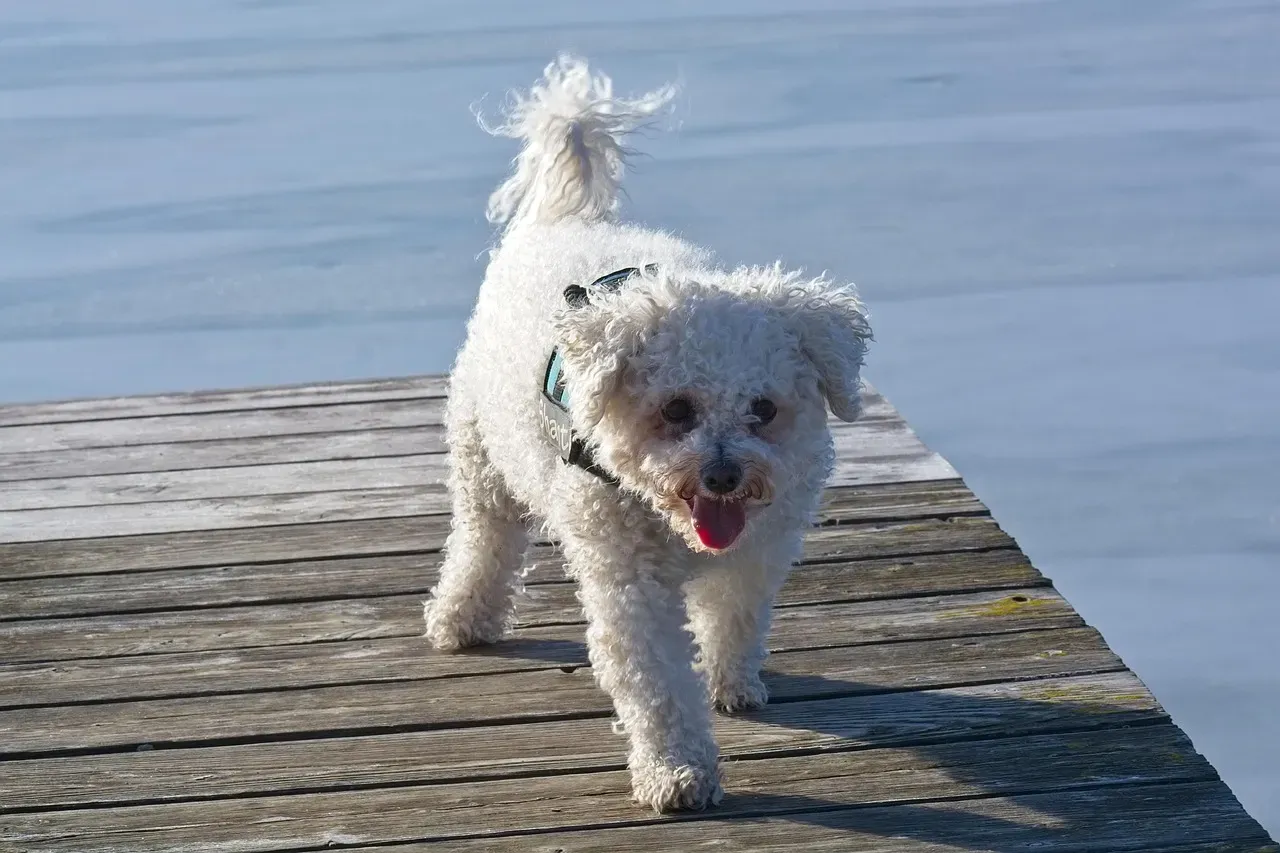
The Bichon Frise is a cheerful and loving breed that is also incredibly sensitive to its owner’s emotions, known for their ability to lift spirits and provide comfort during times of stress or sadness, and will often be found close by when someone is upset.
Bichon Frise is a perfect companion that loves to cuddle, happy-go-lucky dogs who love to be the apple of your eye, but as soon as you leave them alone, they can become aggressive and destructive, with their anxiety, when overlooked, quickly changing into something more serious. Bichons may also become overly excitable and prone to excessive barking when anxious, and though small and sweet, they are among the most anxious dogs when routines shift or mental stimulation is lacking, with their clingy nature, combined with noise sensitivity and high reactivity, meaning they may exhibit behaviors like barking or pacing during stressful moments.
Desensitization and counterconditioning can work well for this breed. A calm environment, consistent schedule, and frequent human interaction help prevent anxiety-driven behaviors and support their emotional balance. Give them attention when you’re home, and gradually teach them that your leaving isn’t forever.
Golden Retriever

The Golden Retriever is one of the world’s most emotionally fragile and sensitive dog breeds, celebrated for its kindness, patience, and loyalty, with their gentle disposition and calm demeanor making them some of the best emotional support dogs, and their deep empathy allowing them to comfort people going through stress or even panic attacks.
Their sensitivity makes them react strongly to harsh words or neglect, so gentle communication and positive reinforcement are key, and they require plenty of mental stimulation, love, and daily exercise to maintain both emotional wellbeing and physical wellbeing. They thrive on affection and don’t handle being ignored very well, with a Golden left alone for long periods potentially showing signs of anxiety or becoming withdrawn.
They’re not just loyal; they’re velcro dogs, always by your side. Their loving temperament makes them perfect companions for children, strangers, and even other dogs. They’re always giving more love than they take, which is what makes them one of the most sensitive breeds out there.
Whippet
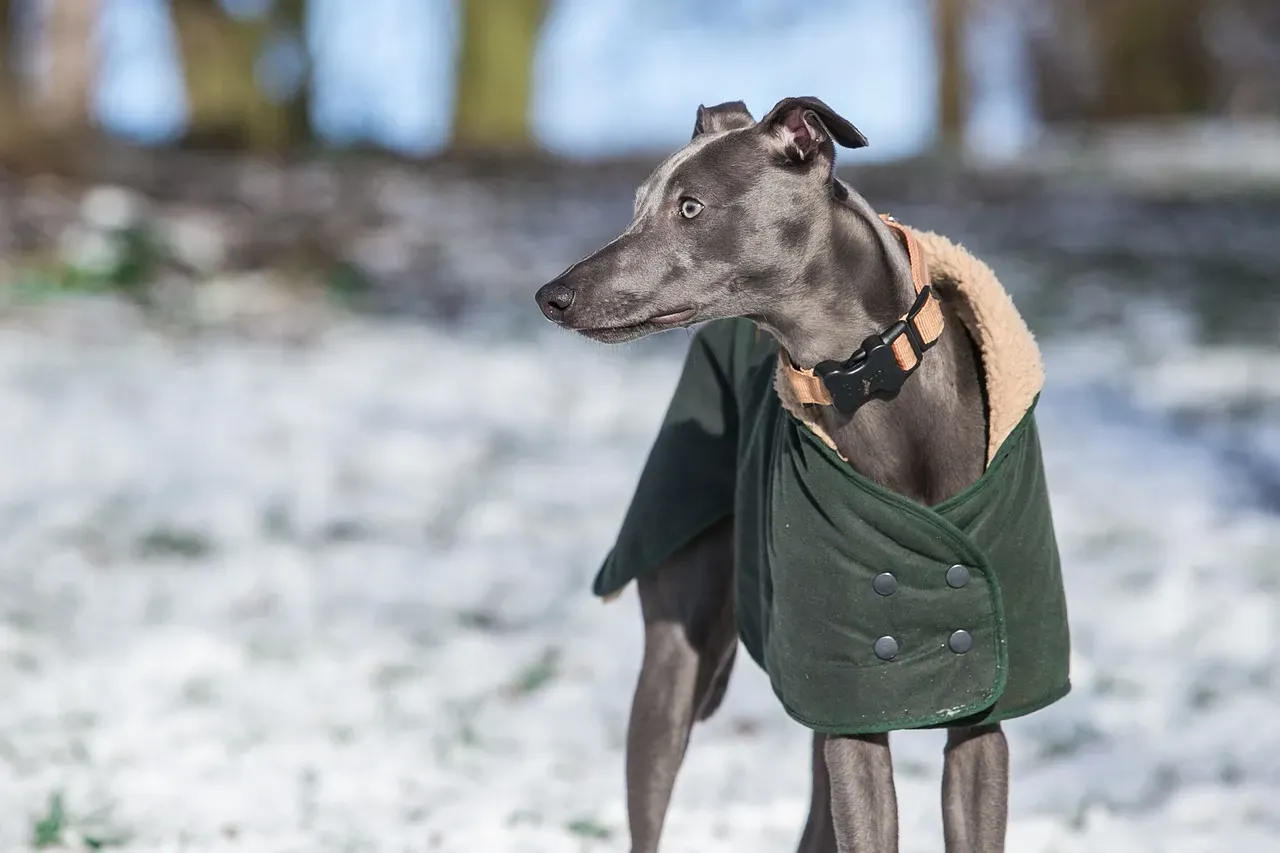
Whippets are calm and sensitive dogs that form strong emotional bonds with their owners, highly responsive to their human’s emotions and will often stay close when they sense sadness or stress, and their sensitive nature makes them great companions, especially for those who need a soothing presence, thriving in peaceful environments and happiest when they can provide quiet companionship.
Whippets can be prone to anxiety, especially in response to separation or loud noises, as they form strong bonds with their families and prefer a peaceful environment, and ensuring they have a routine that includes regular exercise and companionship can help manage their anxiety and provide them with the stability they need to thrive.
Known for their quiet and gentle demeanor, Whippets are happiest in homes where chaos is kept to a minimum. They don’t demand constant stimulation, but they do need reassurance and the presence of their loved ones. Their sensitivity isn’t weakness; it’s depth and connection.
Shih Tzu

The Shih Tzu may be small, but its emotions are anything but, known for its playful nature and gentle disposition, bonding deeply with its human family, with their sensitive nature making them crave attention and love every moment of the day, and when left alone too long, they can develop destructive behaviors or even mild separation anxiety.
They respond beautifully to positive reinforcement, soft tones, and gentle handling, preferring peace and quiet over chaos, as loud noises or harsh treatment can easily upset them, and with consistent love and mental stimulation, they remain joyful, confident, and loyal to their family members.
These little charmers rely heavily on emotional closeness and thrive when they’re treated as part of the family. Their affectionate personality makes them wonderful companions for people who seek comfort and calm. Watch their body language closely; they’ll tell you when the world is too much.
Conclusion
Living with an emotionally sensitive dog isn’t always easy. It requires patience, empathy, and a willingness to see the world through their eyes, or rather, through their finely tuned nervous systems. These breeds don’t just react; they absorb. They feel deeply, love fiercely, and need us to be their safe harbor in a world that can feel overwhelming.
The gift they give us in return? Unconditional love, fierce loyalty, and a relationship built on trust and emotional connection. They teach us to slow down, soften our voices, and recognize that sensitivity isn’t a flaw. It’s a superpower. If you share your life with one of these tender souls, count yourself lucky. They’ve chosen you to be their person, and that’s no small honor. What’s your experience with sensitive dogs? Have you noticed certain triggers or calming techniques that work wonders?


