
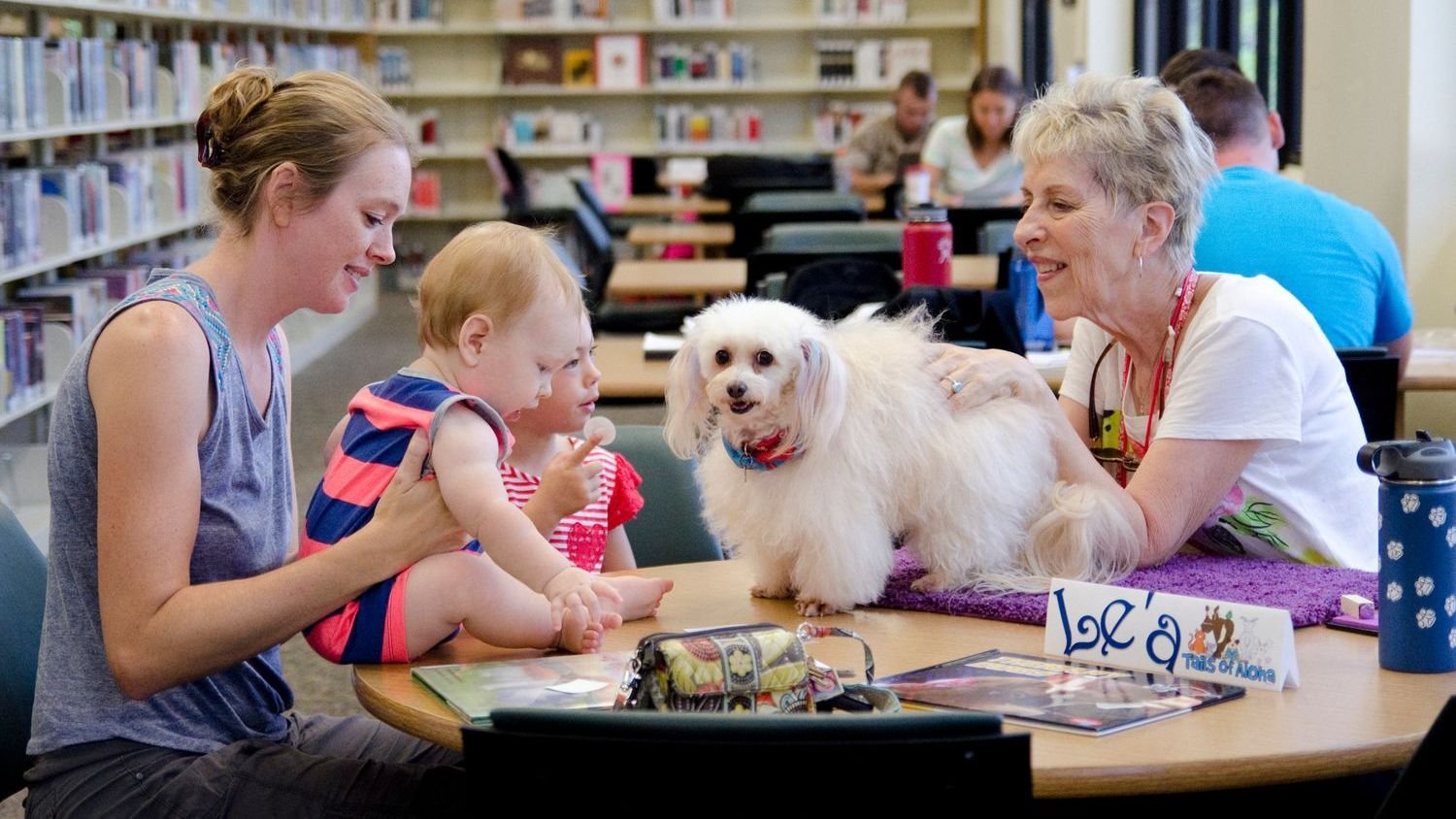
There is something extraordinary that happens when a dog walks into a hospital room, a school library, or a nursing home. The air shifts. People look up. Shoulders drop. Smiles appear on faces that haven’t smiled in days. It sounds almost magical, but honestly, it’s just what dogs do best. They connect. They comfort. They bring people back to the present moment in a way that no medicine or therapy session can fully replicate.
Therapy dogs bring comfort to those in lonely or unfortunate situations. They might be brought to visit children in a hospital or elderly people in nursing homes, and being able to meet a dog often brightens their day. But not every dog is cut out for this role. Certain breeds have personality traits and temperaments that make them almost tailor-made for spreading joy. Ready to meet them? Let’s dive in.
1. Golden Retriever: The Gold Standard of Comfort
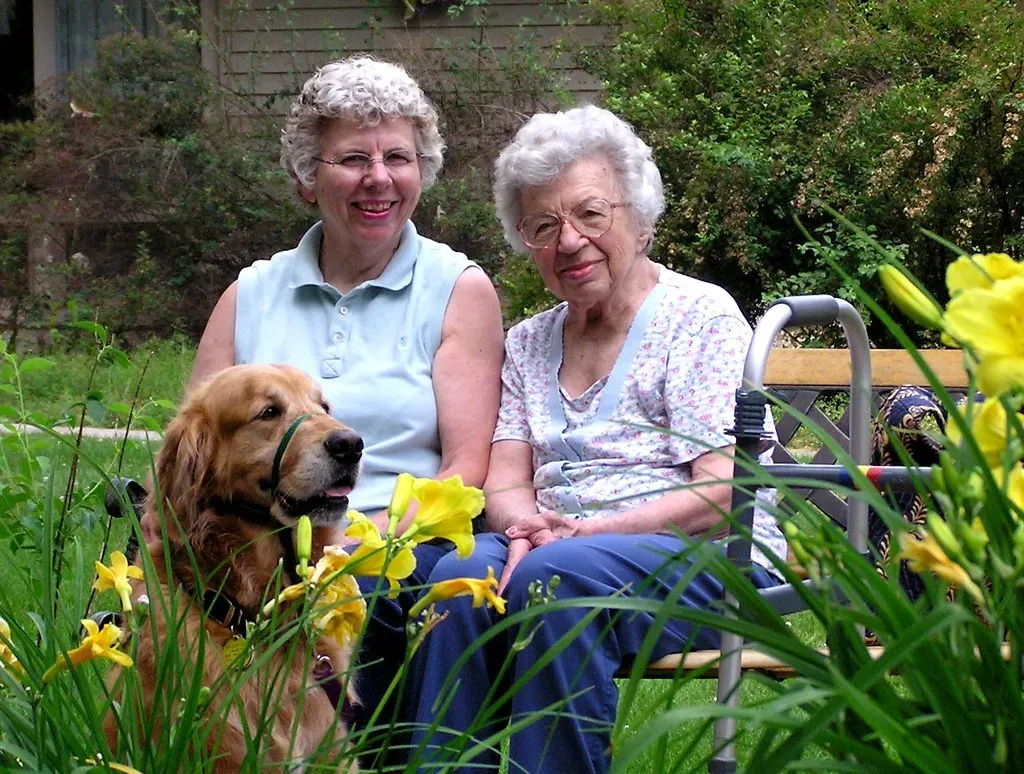
Let’s be real, if there were a Hall of Fame for therapy dogs, the Golden Retriever would have its own wing. Golden Retrievers are the ultimate therapy dogs, known for their gentle temperament, intelligence, and affectionate nature. Their eagerness to please and ability to read human emotions make them ideal for therapy work in hospitals, nursing homes, and with children.
Golden Retrievers are typically affectionate, playful, and patient. They tend to enjoy interacting with a wide range of people, including children, older adults, and individuals with mobility aids or cognitive differences. Picture a Golden sitting quietly beside an elderly woman who hasn’t spoken much all week. Within minutes, she’s petting that silky coat and talking away. That is the Golden’s gift.
2. Labrador Retriever: Friendly, Faithful, and Fearlessly Warm

The Labrador Retriever is not only the most popular dog breed in the US but is also commonly used as a therapy dog. This is in large part due to their gentle temperament and happy-go-lucky nature. Labs absolutely love to please you, so training them is usually a breeze. They tend to be very perceptive as well as affectionate, so they are great for people suffering from depression or anxiety disorders.
Labrador Retrievers are known for being friendly, companionable, and trustworthy. They’re often bred as service dogs due to their reliably stable temperament. They generally love the activity and human attention of therapy visits. Honestly, Labs don’t seem to have an off switch when it comes to warmth. Every room they walk into becomes a little brighter.
3. Poodle: The Brainy Beauty with a Healing Touch
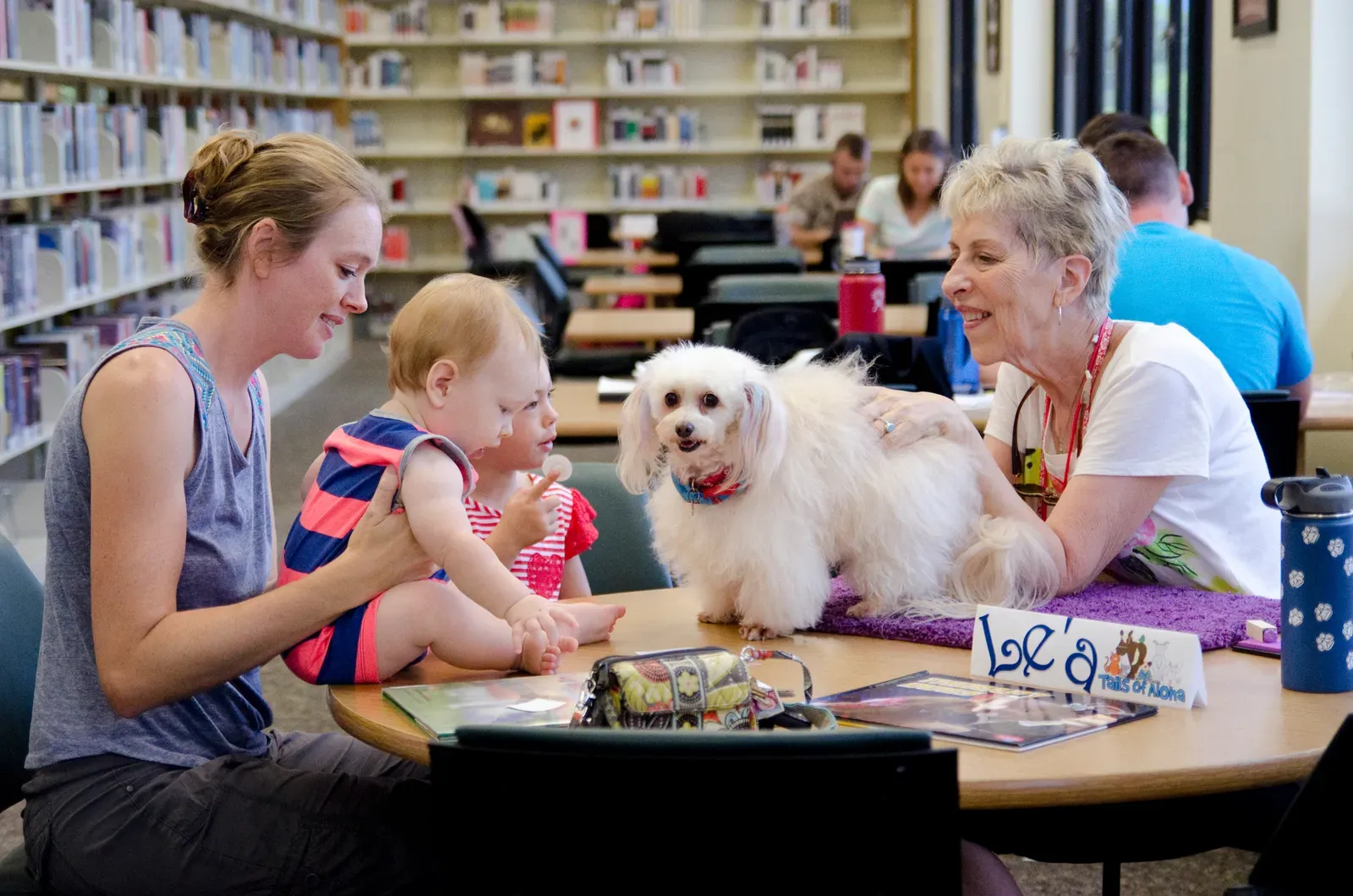
Poodles are practically made for therapy work. They are extremely smart, eager-to-please, and highly trainable. They like to work closely with their owners. Whether it’s a Standard, Miniature, or Toy Poodle, this breed brings serious emotional intelligence to every visit. Think of them as the therapist who also happens to be fluffy and endlessly huggable.
Poodles, both standard and toy, are more hypoallergenic than other breeds, which is a definite plus when visiting medically vulnerable people. The Poodle’s calm nature makes them a good match for people with autism, particularly children. That combination of brains, low-shedding coat, and gentle energy makes them practically perfect for sensitive environments.
4. Cavalier King Charles Spaniel: Little Dog, Giant Heart

Cavaliers make wonderful therapy dogs due to their sweet, gentle nature. They are friendly, easily trainable companions. There is something about their soft eyes and velvety ears that makes people feel immediately at ease. They were literally bred to sit on laps and be adored, which makes them a natural fit for therapy settings.
This breed exudes affection and has a natural ease with people of all ages. Their affectionate nature and gentle temperament make them approachable, which is essential when providing comfort to individuals in need. I think there’s something deeply reassuring about a small dog that chooses to curl up beside you. It feels like an act of pure kindness.
5. Beagle: The Cheerful Mood-Lifter
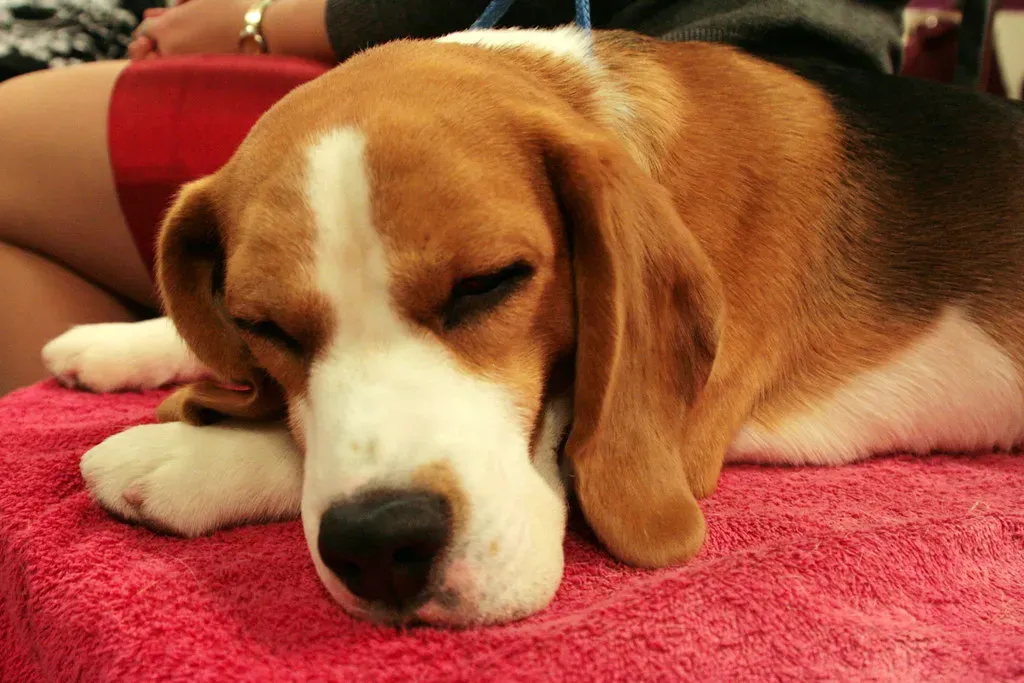
Beagles are lively, playful, confident, affectionate, and outgoing. While this breed can be vocal, they can learn not to bark around strangers if socialized properly. A Beagle’s bouncy nature makes them excellent at cheering people up. Nursing homes, schools, and hospitals are good environments for a Beagle therapy dog.
Here’s the thing about Beagles. They carry this joyful, scruffy energy that is genuinely contagious. Their social behavior and playful demeanor provide companionship and joy. They’re compact, non-intimidating, and have the kind of expressive face that makes even the most reserved person want to reach out and pet them. Sometimes that’s all a person needs to feel seen.
6. Bernese Mountain Dog: Gentle Giant, Grounding Presence
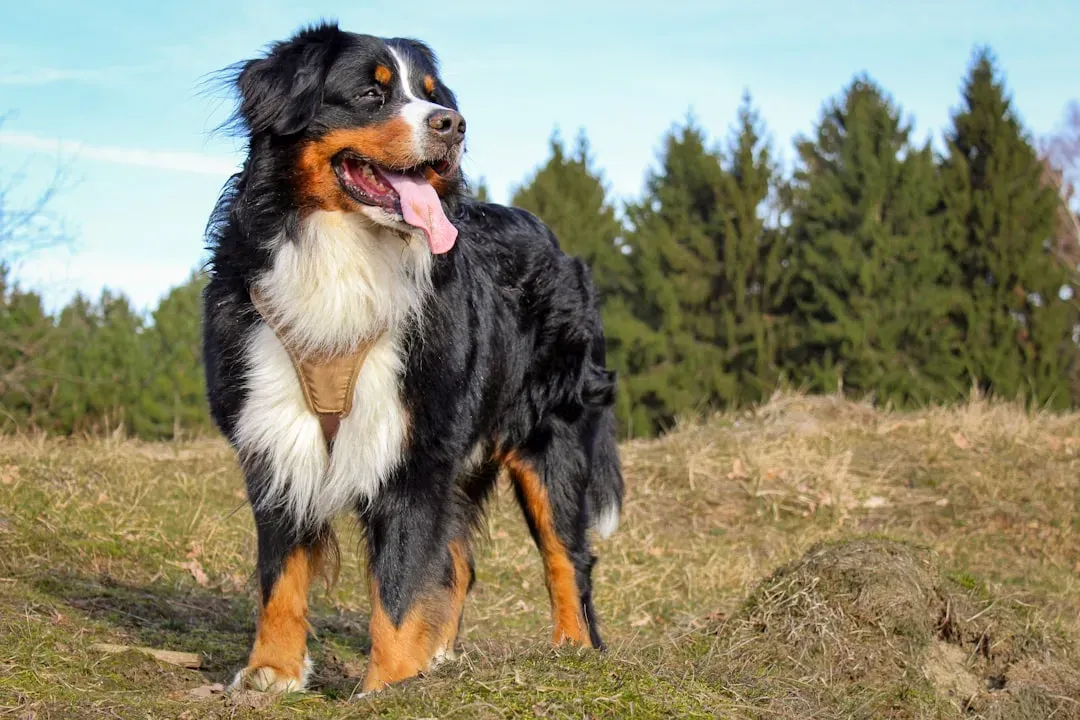
The Bernese Mountain Dog is known for being calm, affectionate, and strong. These gentle giants are extremely loyal and work well with people who need help with balance or support. They respond well to structured training and are often used for therapy work due to their gentle demeanor. Their presence alone can be calming in emotionally intense situations.
A Bernese Mountain Dog naturally exudes a calm presence that can put both parents and patients at ease. Think of them like a living, breathing weighted blanket. Their size, which might seem intimidating at first glance, actually becomes one of their greatest therapeutic assets. There’s real comfort in leaning against something warm and steady.
7. Cocker Spaniel: Soothing Soul in a Silky Coat

Affectionate and eager to please, Cocker Spaniels have a soothing temperament. Their manageable size and loving nature make them effective therapy dogs for both children and adults needing emotional support. They have this gentle, almost unhurried energy that naturally slows a room down in the best possible way.
Cocker Spaniels are highly attuned to the emotions around them. Therapy dogs need to be smart enough to read people to know if their patient wants to play or stay calm, and Cockers seem to understand this instinctively. Their wavy coats are an added bonus. Running your fingers through that silky fur is its own form of stress relief.
8. Bichon Frise: The Little Bundle of Pure Joy

The Bichon Frise has a wonderful personality. The breed is known for its cheerful, playful, social nature and is meant to be a companion. Bichon Frises are great for therapy work due to their adaptability and ability to bond quickly with people. They walk into a room like they already own it, in the most charming way imaginable.
Due to their small size, the Bichon is a great therapy dog to take to places that may not be suitable for larger breeds, such as small apartments. Its size is also perfect for people who may be intimidated by bigger dogs. For someone who has always been a little nervous around dogs, a fluffy white Bichon sitting calmly in their lap can completely change the story they tell themselves about dogs.
9. Greyhound: The Quiet Surprise on the Therapy Circuit
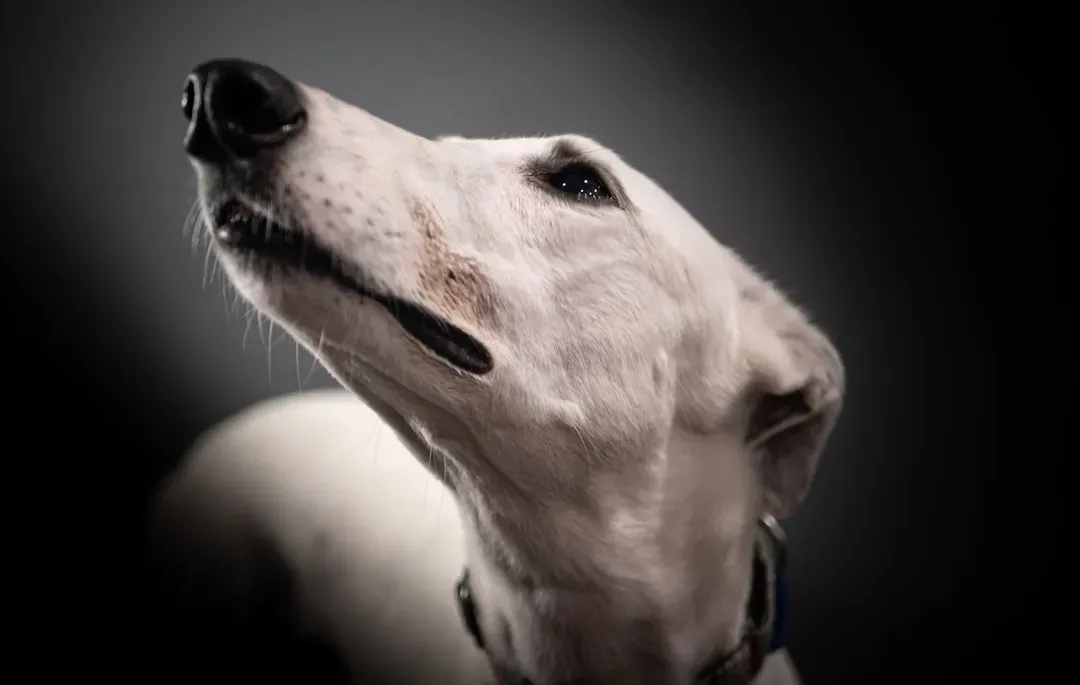
Most people don’t see this one coming. Greyhounds, associated with racing tracks and lightning speed, are actually one of the most surprising therapy breeds out there. Greyhounds are quite the dark horse when it comes to therapy breeds. They are, however, incredibly calm, quiet, and affectionate dogs that can provide comfort to patients in a hospital or those in a retirement home setting. If you’re after a dog that rarely barks, Greyhounds are a good bet.
Surprisingly gentle and calm, Greyhounds are affectionate and quiet. Greyhounds are peaceful and have a sweet character and often work in hospitals, nursing homes, and laboratories. They provide companionship to people in need and are a hugging dog that gives people warmth. It’s hard to say for sure what surprises people more, their speed or their softness. I’d bet on the softness, every time.
10. Saint Bernard: The Legendary Comforter
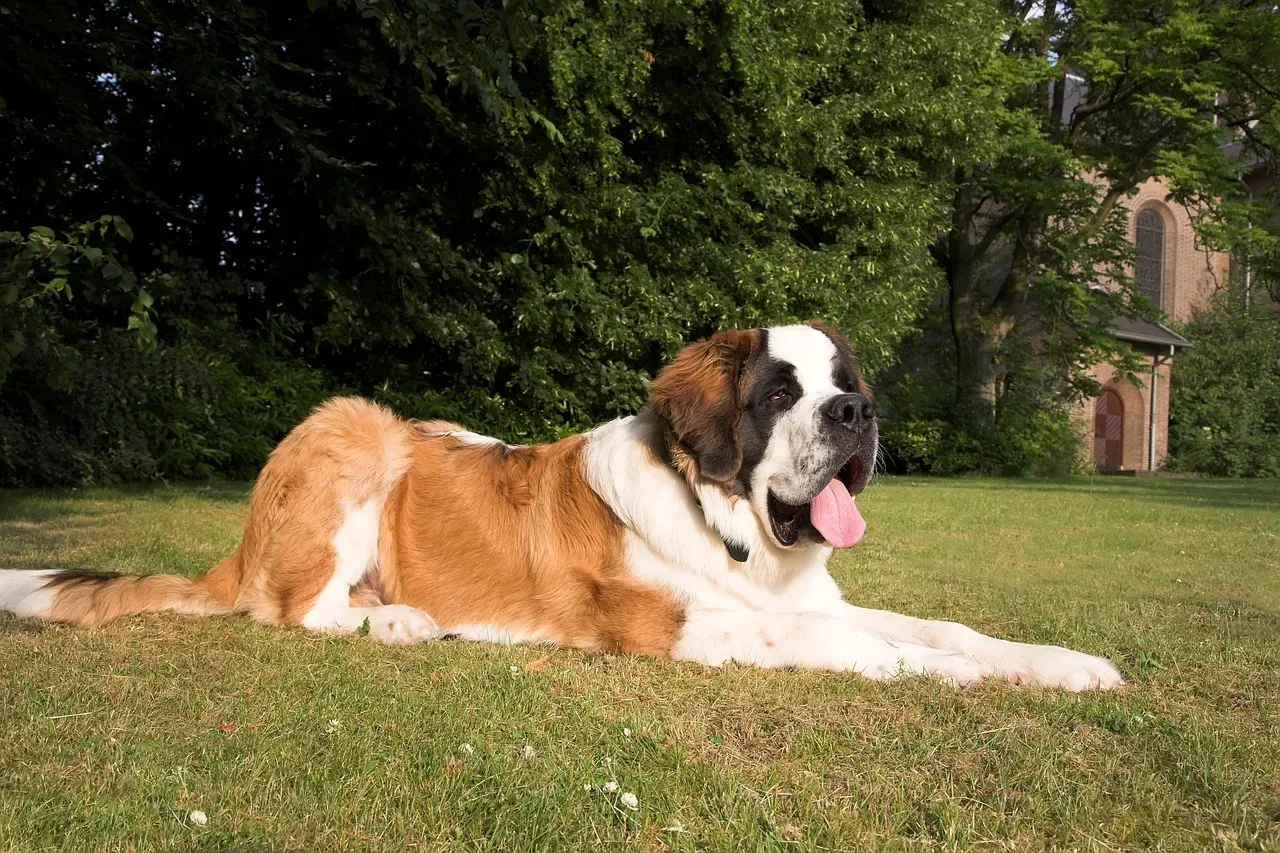
The Saint Bernard has the reputation of an avalanche rescue dog, but can treat patients of all ages patiently. This fabulous dog can assist people to overcome stress during a difficult time. It is caring, trainable, obedient, loyal, and patient. Kids love to hug these adorable big dogs.
Don’t be fooled by their size. Saint Bernards are gentle giants, and oh-so-cuddleable. Children just love to play and nuzzle into their soft fur, and this dog is glad of the attention. There’s something almost mythical about a Saint Bernard showing up when you need comfort. They’ve been rescuing people in one form or another for centuries. Therapy work feels like a natural extension of that calling.
11. Border Collie: The Emotionally Intuitive Overachiever
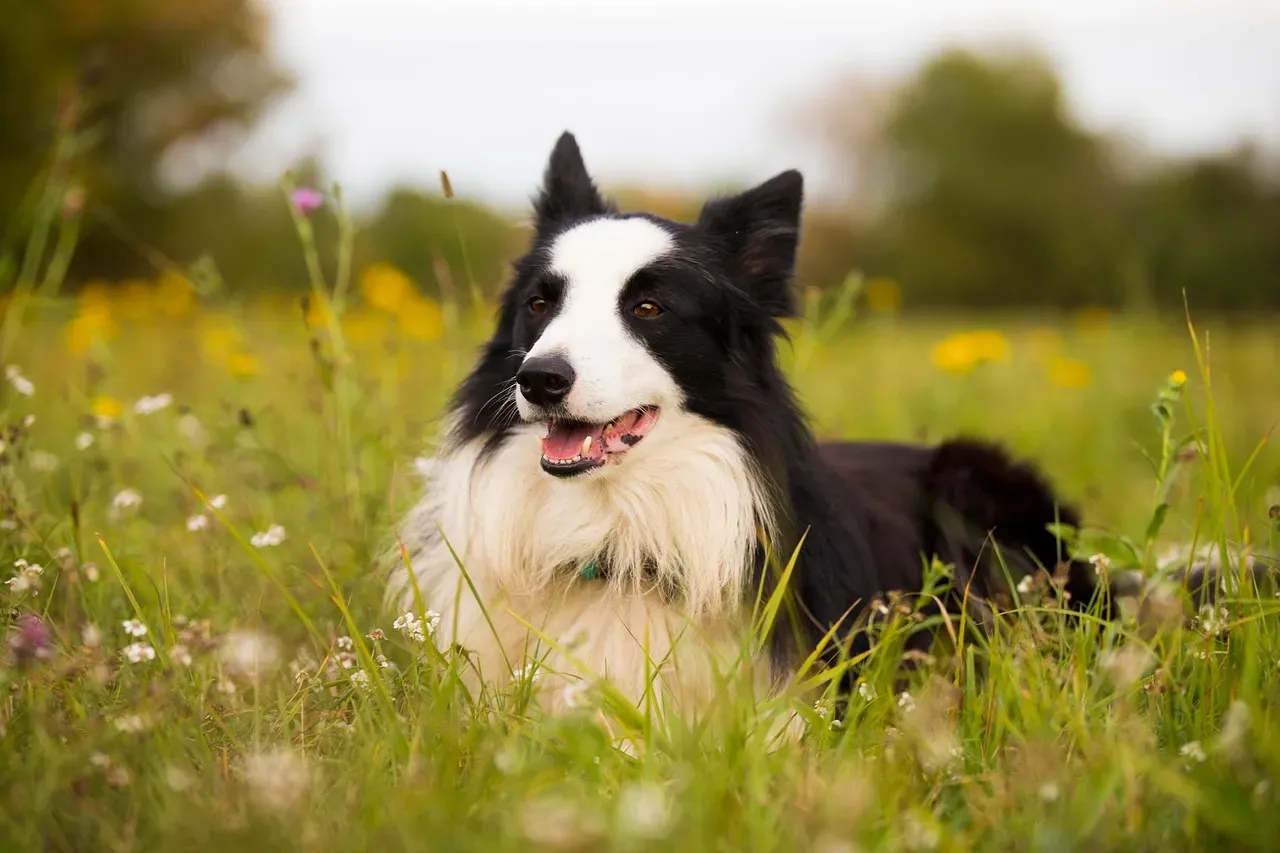
Border Collies are highly intelligent and intuitive. Their ability to read emotions and respond accordingly makes them excellent therapy dogs, particularly for individuals with PTSD or anxiety disorders. They are perceptive in a way that feels almost uncanny. They notice when your breathing changes before you do.
Known for their intelligence, focus, and high energy, Border Collies are one of the smartest dog breeds. Their ability to learn complex commands quickly makes them a strong option for advanced therapy programs. These working dogs do best when they have a clear purpose, and if properly trained, they can assist with tasks such as alerting to panic attacks or interrupting repetitive behaviors. They need structure and mental engagement, but when they find their purpose, they are exceptional.
12. Shetland Sheepdog: The Devoted Little Healer
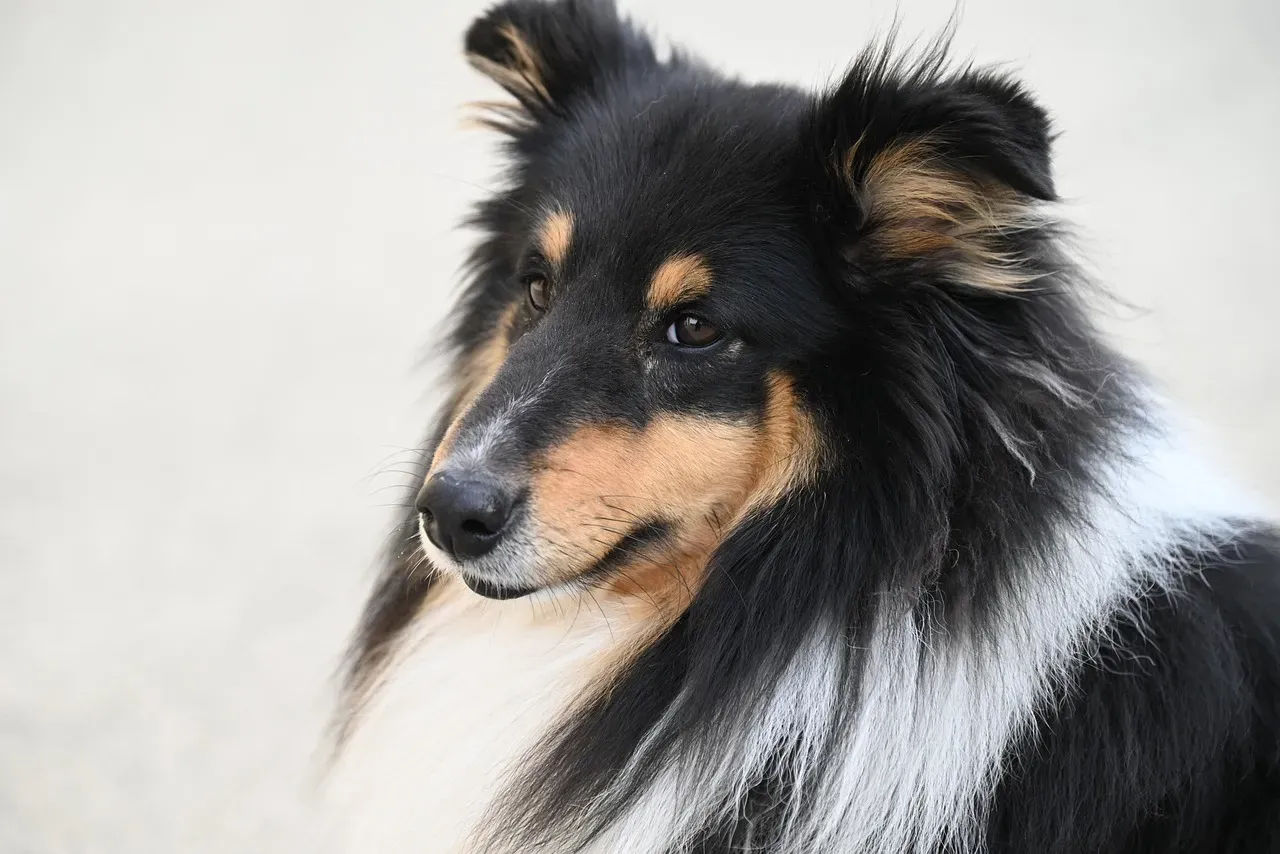
Shetland Sheepdogs are intelligent, loyal, and highly trainable. Often called Shelties, these dogs have a quiet devotion that is deeply moving. They don’t demand attention the way some breeds do. They simply position themselves close to whoever needs them most, like a warm shadow that knows exactly where to be.
Trainability and obedience levels are pivotal for therapy dog breeds, as these qualities influence how effectively they can participate in assisted therapy. A well-trained dog can adapt to various environments, providing emotional support and enhancing the mood of individuals experiencing loneliness or anxiety. Shelties check every one of those boxes. Their gentle spirit and beautiful flowing coat make them as lovely to look at as they are to spend time with.
What Makes Any Dog a True Therapy Dog?
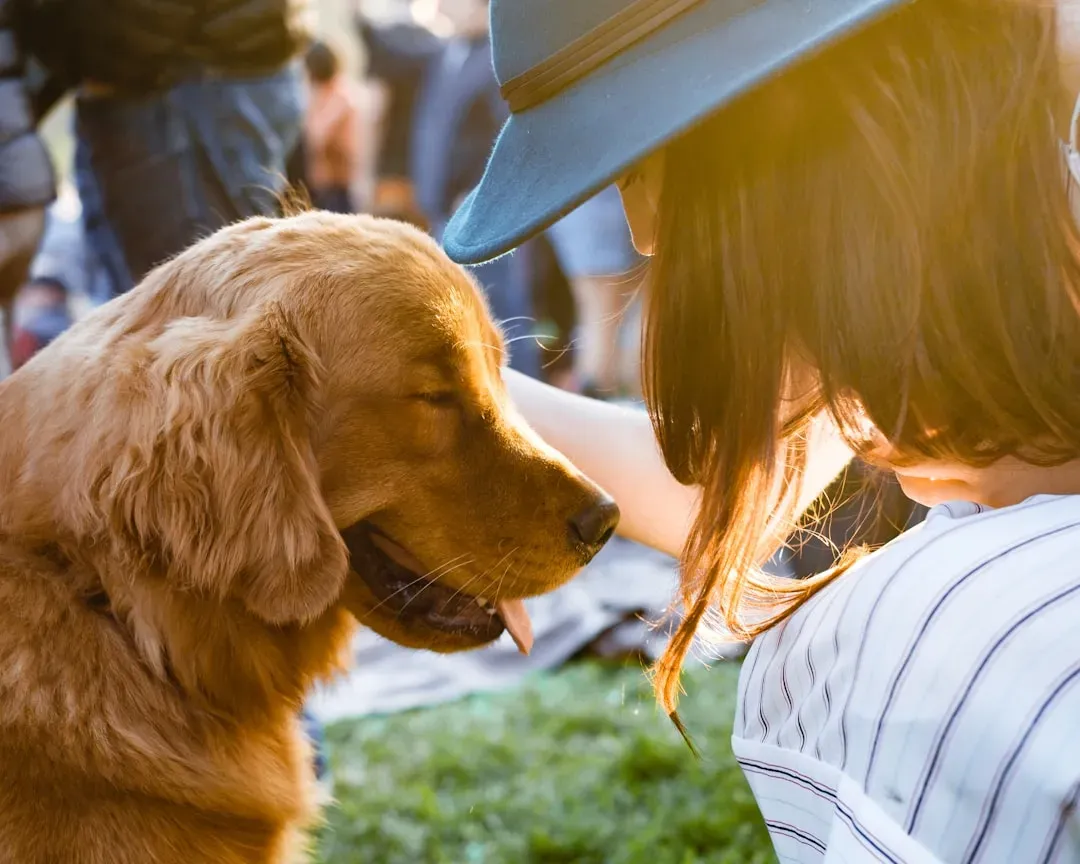
Temperament matters more than breed when selecting a therapy dog. Mixed breeds with the right traits can thrive as therapy dogs. Honestly, that’s one of the most reassuring things about therapy work. It’s not about papers or pedigree. It’s about heart.
A therapy dog needs to be intelligent, calm, gentle, friendly, and patient. They also need to be outgoing, sociable, and confident enough to connect with people easily. They have to be comfortable being petted by strangers. While a naturally calm and friendly temperament sets a good foundation, potential therapy dogs require specialized training and official evaluation to truly earn their title. The American Kennel Club’s Canine Good Citizen test is typically the first step toward certification.
Conclusion: A Paw Extended in Love
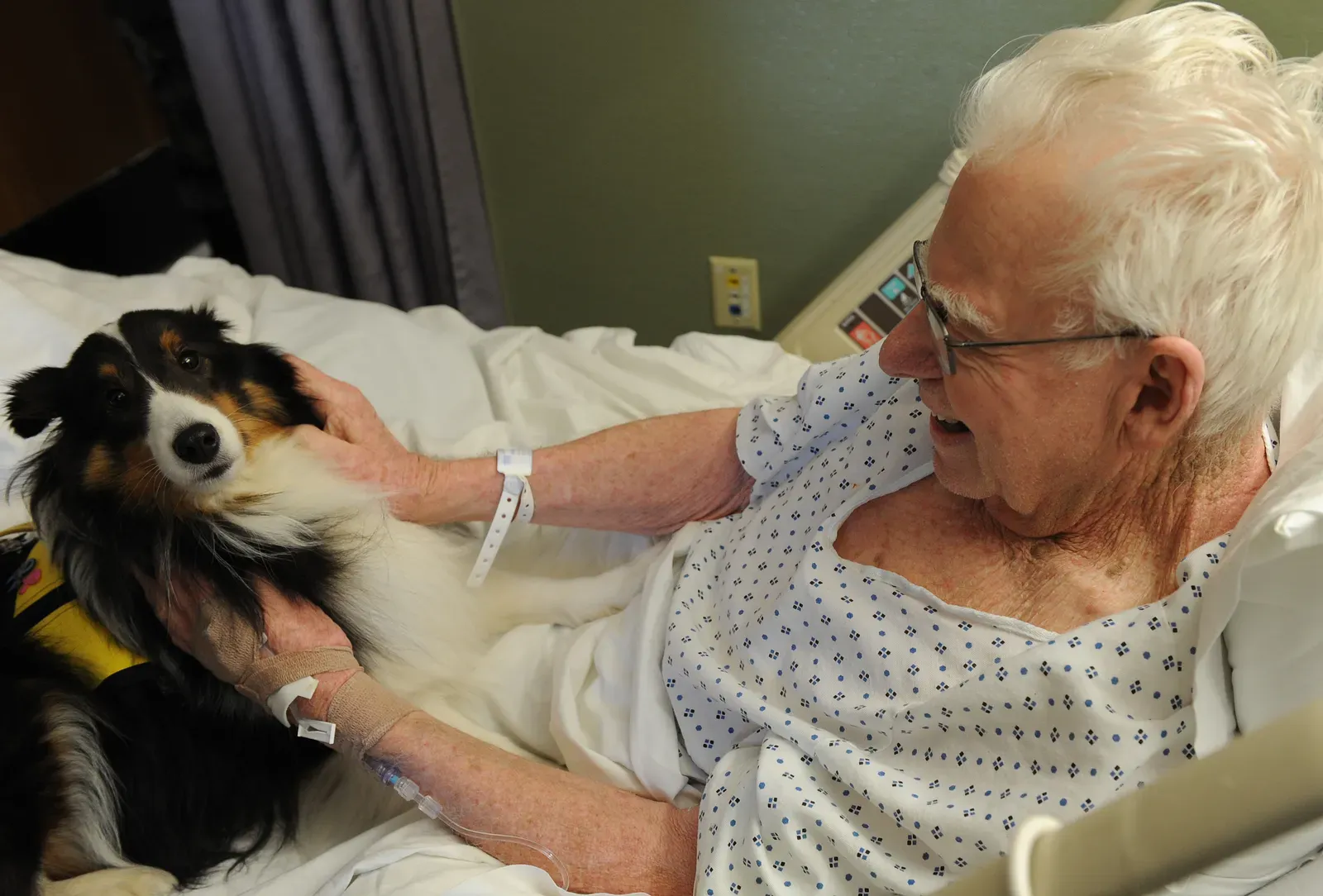
Therapy dogs don’t wear capes. They don’t announce themselves with fanfare. They simply show up, tail wagging, eyes warm, completely present in a way most of us struggle to be. Whether it’s a Golden Retriever brightening a chemo ward or a tiny Bichon Frise curled in the lap of a lonely resident, the impact is real, measurable, and deeply human.
Therapy dog teams offer comfort, connection, and companionship in hospitals, schools, libraries, and other community settings. This volunteer work can be a gratifying way to serve your community and share meaningful time with your pup. If you have a dog with a gentle soul and a love for people, it might be worth exploring whether therapy work could be your shared calling.
Every dog on this list has a different look, a different energy, a different style of showing love. Yet they all share one thing. They remind us that sometimes, the most healing thing in the world is simply being with a creature that loves you without condition. Does your dog have what it takes? What do you think? Share your thoughts in the comments below.


