

Ever notice how some dogs just light up when there’s another furry friend nearby? It’s not just your imagination. Certain breeds genuinely thrive when they have a companion to share their days with, whether that’s a fellow canine, a cat, or sometimes even smaller household pets. This isn’t about them being antisocial with humans – far from it. It’s about their deeply wired social nature, their history, and what makes them feel most complete.
Think about it. We humans get lonely. We crave connection, someone to talk to during lunch breaks or cuddle with on the couch. Dogs feel something similar, especially those bred to work in groups or raised in environments where cooperation was survival. Some breeds were literally designed to function as part of a team, and when that companionship is missing, they can become anxious, bored, or even destructive. Knowing which breeds naturally lean toward multi-pet harmony can make all the difference in creating a peaceful, joyful home.
So let’s get started. Here are twelve breeds that don’t just tolerate other pets – they genuinely blossom when they have a buddy by their side.
Golden Retriever
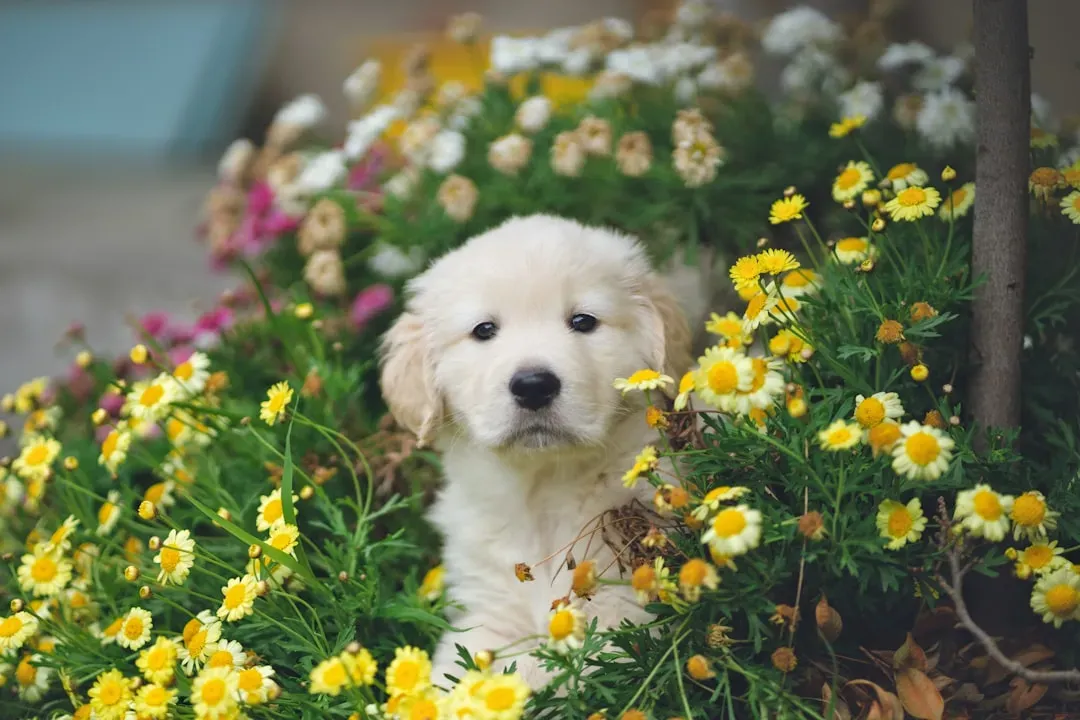
Golden Retrievers want to love everyone in their life, whether that’s a human, dog, cat, or even a hamster. Honestly, if there’s a breed that embodies pure, unconditional affection, it’s this one. They’re friendly and gentle, and their intelligence makes them easy to train, with low prey drive meaning they’re less likely to see other animals as prey.
What I find remarkable about Goldens is their patience. They don’t just tolerate other pets – they genuinely enjoy their company. Whether it’s a rambunctious puppy nipping at their heels or a grumpy senior cat swatting at them, Goldens typically take it all in stride. Their easygoing temperament makes introductions smoother, though you should still go slow and supervise early interactions.
Labrador Retriever

Labrador Retrievers thrive on companionship, bond quickly with other pets, adjust well to different environments, and their love for play makes them an instant hit with other dogs while their balanced temperament allows them to live peacefully with cats. Labs are social butterflies in dog form.
One of the many reasons Labradors are the world’s favorite dog is that they’re flexible when it comes to living arrangements and are equally happy in single-pet or multi-pet homes. Their playful curiosity might initially overwhelm a timid cat or older dog, so monitor those first meetings. Once everyone settles in, though, Labs usually become the glue that holds a multi-pet household together. They’re genuinely happiest when surrounded by friends, both human and animal.
Beagle
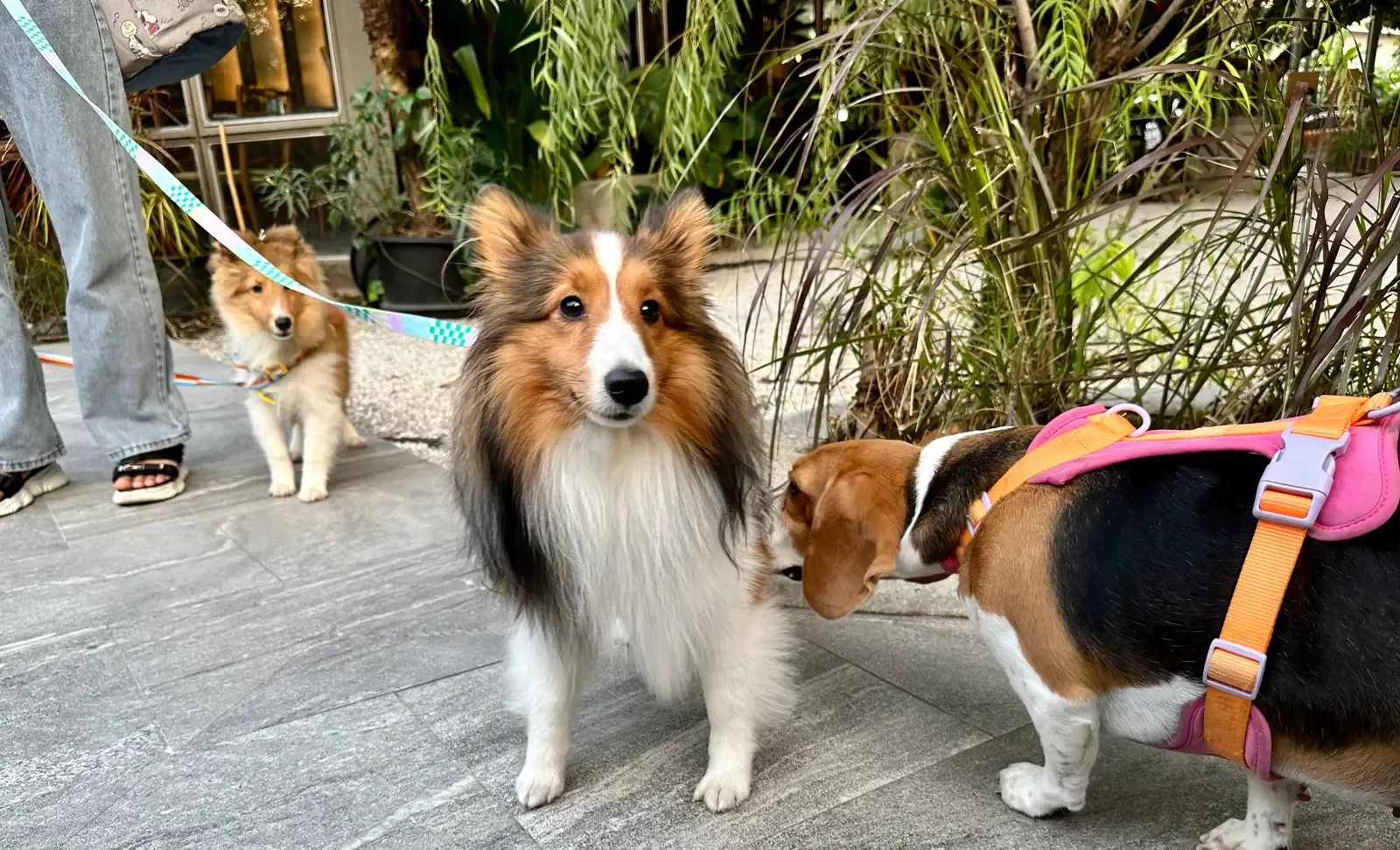
Beagles make an excellent addition to households with multiple dogs because they were bred to work in packs and enjoy being around others. Let’s be real – leaving a Beagle alone for long stretches is asking for trouble. Beagles are affectionate and smart with a gentle yet playful temperament, and they actually prefer the company of other humans and dogs, as Beagles left on their own can develop depression.
Their vocal nature can be a lot, I’ll admit. That signature bay isn’t for everyone. However, their cheerful demeanor and pack hunter history make them a natural fit for multi-pet households, and their social wiring helps them get along with both other dogs and smaller animals or cats. Just remember they’re scent hounds at heart, so smaller pets like hamsters might trigger their tracking instincts if not properly introduced.
Cavalier King Charles Spaniel

Cavalier King Charles Spaniels are affectionate lap dogs that thrive on companionship, rarely show aggression, and have an easy-going temperament making them one of the best breeds for multi-pet households. These little charmers were bred to be companions, and they take that job seriously. They don’t just want human attention – they genuinely enjoy having other pets around to snuggle with and play alongside.
What makes Cavaliers so adaptable is their gentle nature combined with surprising resilience. They’re not pushovers, but they’re also not confrontational. If a cat hisses or another dog gets a bit bossy, a Cavalier will usually just move along without making a fuss. Their size makes them manageable, and their temperament makes them universally loved by other household pets.
Poodle

Poodles are intelligent and versatile dogs that can be trained to do a variety of tasks, are known for being good with other animals, and come in Standard, Miniature, and Toy sizes making them a good choice for families and pets of all sizes. I think people underestimate Poodles sometimes, seeing them as fancy show dogs. The truth is they’re working dogs at heart – smart, active, and incredibly social.
Their intelligence is both a blessing and a responsibility. Poodles need mental stimulation, and having another pet around can provide that. They love interactive play, and their hypoallergenic coats make them a popular choice for families with multiple pets and allergy concerns. Just be prepared for regular grooming – those beautiful curls require upkeep.
Cocker Spaniel
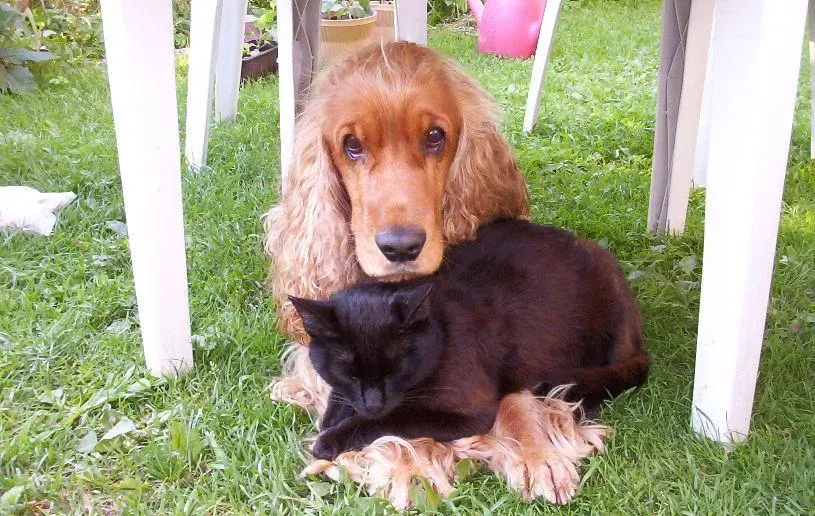
Cocker Spaniels are loving and loveable dogs who get along with just about everyone, making them ideal for multi-pet homes, and they’re great socializers who play with both dogs and cats. Their sweet, happy disposition is infectious. When a Cocker Spaniel enters a room, tails start wagging – both their own and everyone else’s.
Cocker Spaniels are sweet, happy creatures who can get along with humans, dogs, cats, birds and everything else they want to be near, and they’re happy to socialize with other dogs regardless of breed or size. Their medium size makes them versatile for different living situations, and their gentle temperament means they rarely cause friction in multi-pet environments. Early socialization helps, as it does with all breeds, but Cockers tend to be naturally inclined toward harmony.
Bichon Frise

Bichon Frises are one of the friendliest dogs around, adore making new friends including other animals, and see other pets as playmates almost immediately. These little puffballs are social butterflies. Their cheerful energy is contagious, and they approach life – and other pets – with unbridled enthusiasm.
This breed loves receiving attention and makes a great companion dog with a happy and affectionate nature, being very friendly and excellent with children and other pets. Bichons don’t have a dominant bone in their body, which makes them easy additions to existing pet families. Whether you have cats, dogs, or a mix, a Bichon will typically adapt with minimal fuss. Just be ready for lots of grooming – that fluffy coat needs regular maintenance.
Border Collie
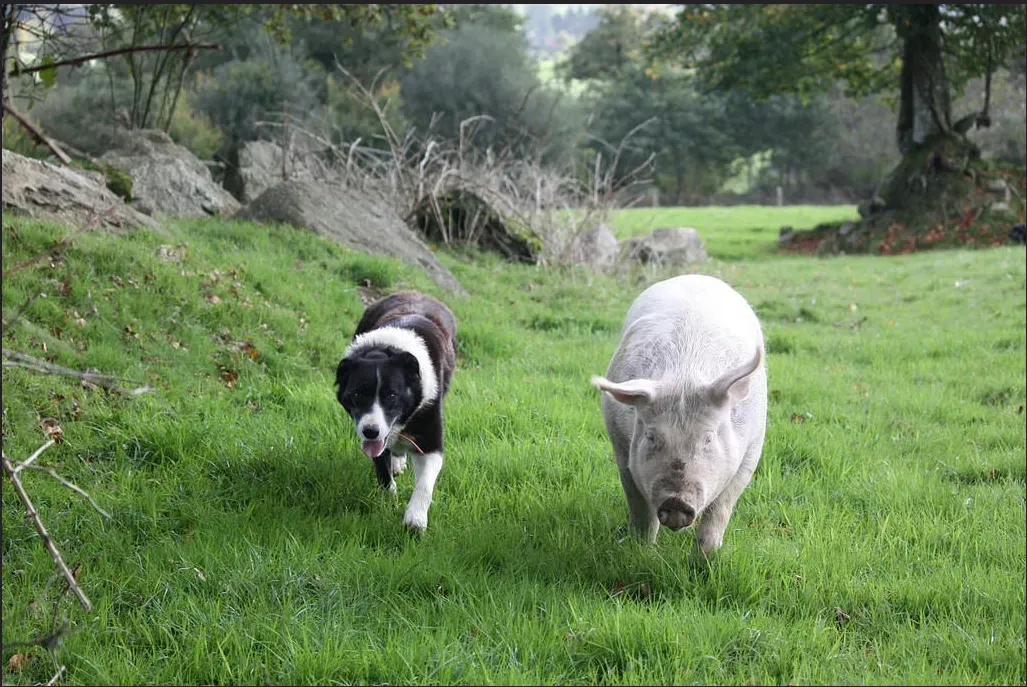
Border Collies can get along surprisingly well with dogs, cats, and smaller animals, though they have a tendency to herd, and early socialization is key since they’re quite active and need plenty of daily exercise. Here’s the thing – Border Collies are brilliant. Like, top-of-the-class brilliant. That intelligence makes them fantastic companions for other pets, but it also means they need serious mental and physical stimulation.
This herding breed requires lots of activity and playtime, perfect for households with other playful canines, and they’re social dogs needing attention from either you or fellow four-legged friends, as without a friend, Aussies can become destructive and lonely. If you’re considering a Border Collie for a multi-pet home, make sure everyone gets enough exercise. A tired Border Collie is a happy Border Collie, and a happy Border Collie is a good housemate.
Maltese

The Maltese dog breed is especially docile and sweet-tempered, making it an ideal addition to an already furry family, and although their size is on the smaller end, Maltese dogs don’t mind playing with larger pets when socialized early. Don’t let their tiny size fool you – Maltese dogs have big hearts and big personalities.
Though small and fluffy, Maltese are happy to play with the biggest and toughest of animals because they’re that social, playful without being hyperactive, and social without being pushy. They genuinely enjoy company, whether that’s a giant Golden Retriever or a laid-back cat. Their adaptability is impressive, though supervision during introductions is wise given their delicate build. Once settled, they become cherished members of any pet pack.
Pug

Pugs are small and playful dogs known for being good with other animals, and they have enough confidence to be happy playing with larger animals just as much as similarly-sized ones. Pugs have this wonderful, almost comical confidence about them. They strut around like they own the place, regardless of how many other pets are in the house.
Their playful nature makes them instant friends with most dogs, and their low prey drive means cats are usually safe too. Pugs aren’t aggressive or territorial – they just want to be part of the action. One health note: watch their breathing, especially during rough play. Their flat faces can make breathing harder, so make sure playtime doesn’t get too intense, especially in warm weather.
Basset Hound

Basset Hounds are gentle and loving dogs known for being good with other animals and children, relatively inactive making them suitable for families with a sedentary lifestyle, and medium-sized so they’re not too big or too small for most homes. With those droopy eyes and long ears, Basset Hounds look like they’ve seen it all and aren’t bothered by much – and honestly, that’s pretty accurate.
Their laid-back temperament makes them wonderful housemates for other pets. They’re not going to compete for dominance or stir up drama. Bassets are content to lumber around, sniff interesting things, and nap beside whoever happens to be nearby. Their calm energy can actually be soothing for more anxious pets in the household. Just be prepared for some serious snoring and occasional stubbornness during training.
Australian Shepherd
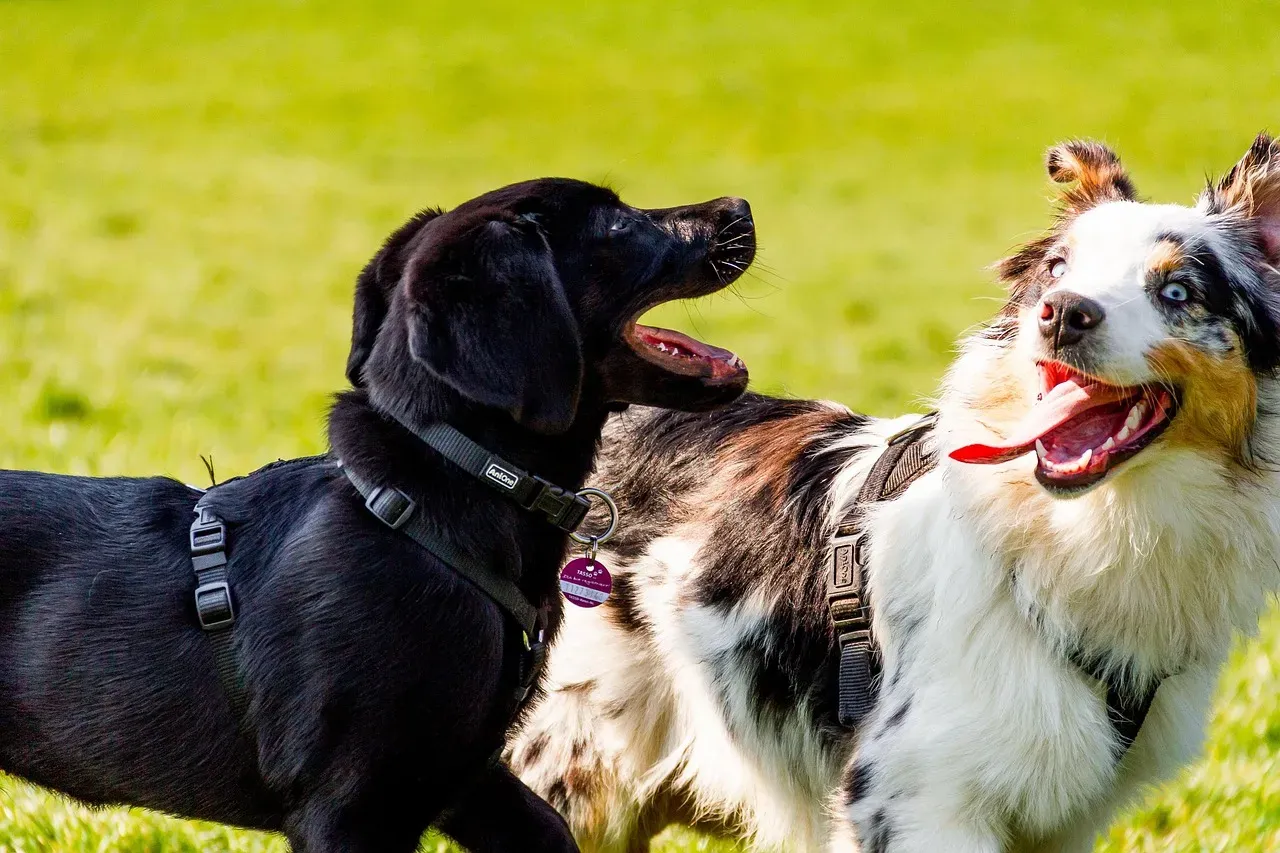
This herding breed requires lots of activity and playtime which is perfect if you have other playful canines in the house, they’re social dogs who need attention either from you or from fellow four-legged friends, and without a friend Aussies can become destructive and lonely. Australian Shepherds are high-energy dogs that genuinely need companionship to stay balanced.
Their herding instincts can be both a blessing and a challenge in multi-pet homes. They might try to herd cats or smaller dogs, which can be amusing or annoying depending on the other pet’s tolerance. Early training and socialization help channel those instincts appropriately. When they have another active dog to play with, Aussies are in their element – running, wrestling, and burning off energy together. They’re loyal, affectionate, and genuinely happier when they’re part of a pack.
Conclusion
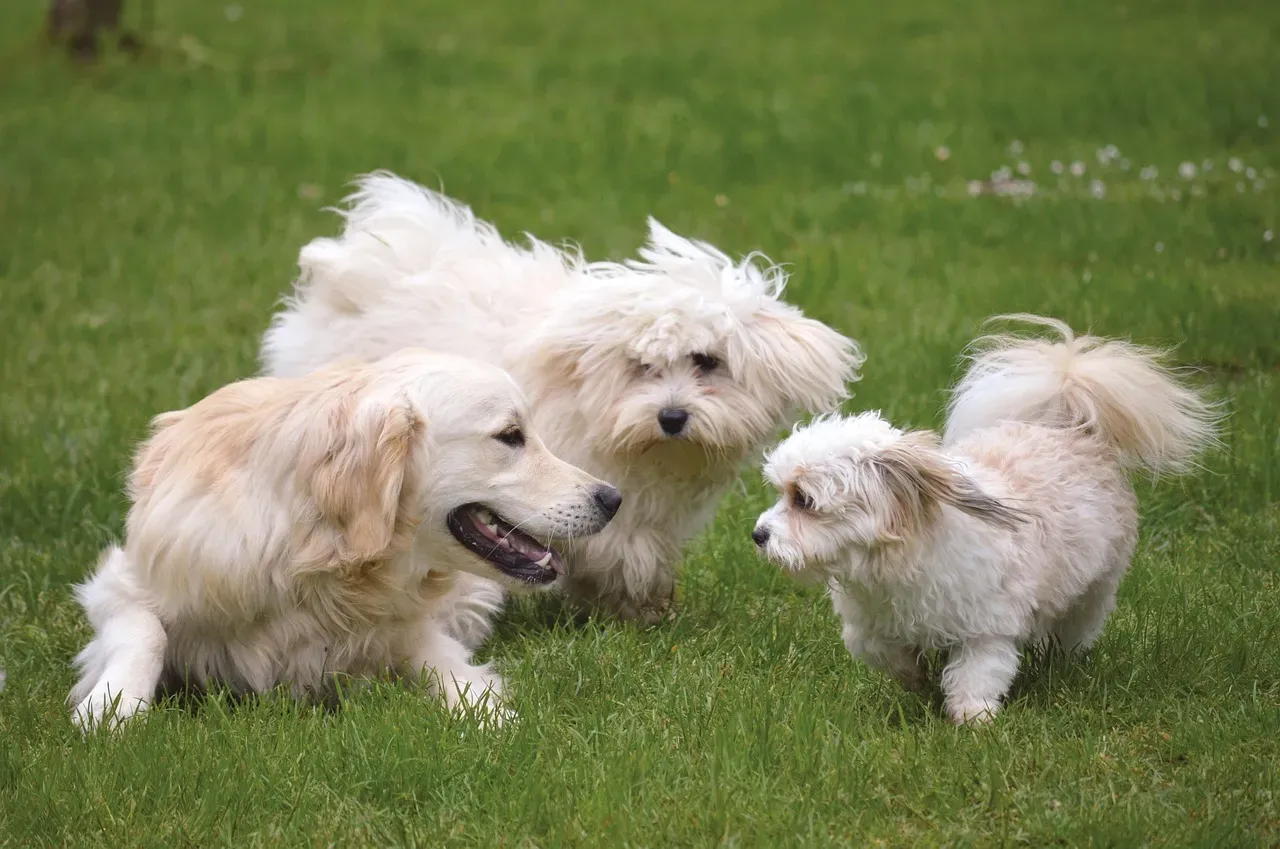
Choosing a dog that thrives with other pets isn’t just about convenience – it’s about respecting your dog’s natural needs and setting everyone up for success. Dogs that interact with other dogs have lower levels of cortisol, a stress hormone, and social interaction with other dogs helps reduce stress. That’s real, measurable happiness.
Every dog is an individual, of course. Breed tendencies give us a helpful starting point, but personality, socialization, and your household dynamics all play crucial roles. Slow introductions, patience, and understanding each pet’s body language will help create a harmonious home where everyone feels safe and loved.
So, what do you think? Have you experienced the joy of watching your pets become best friends? Share your multi-pet stories with us – we’d love to hear about the unexpected friendships and hilarious moments that make it all worthwhile.


