
If you’ve ever looked into the eyes of an aging dog and quietly wished you could have just a few more years together, you already understand what drives so many of us to research longevity before choosing a breed. It’s not morbid thinking. It’s love. Pure, practical, planning-ahead love.
We never want to picture the day our beloved pup is no longer beside us. Dogs aren’t just pets – they’re family, companions, and our most loyal friends. The truth is, some breeds are simply wired to outlast others. Genetics, body size, and overall constitution all play enormous roles. A dog’s lifespan is impacted by breed, size, genetics, and the care they receive. In general, small dog breeds live longer than bigger dogs.
Whether you’re choosing your very first dog or grieving the loss of a beloved companion and wondering what comes next, this list is for you. These twelve breeds consistently show up in health and longevity studies for very good reasons. Let’s dive in.
1. Australian Cattle Dog: The Record-Breaker of the Dog World
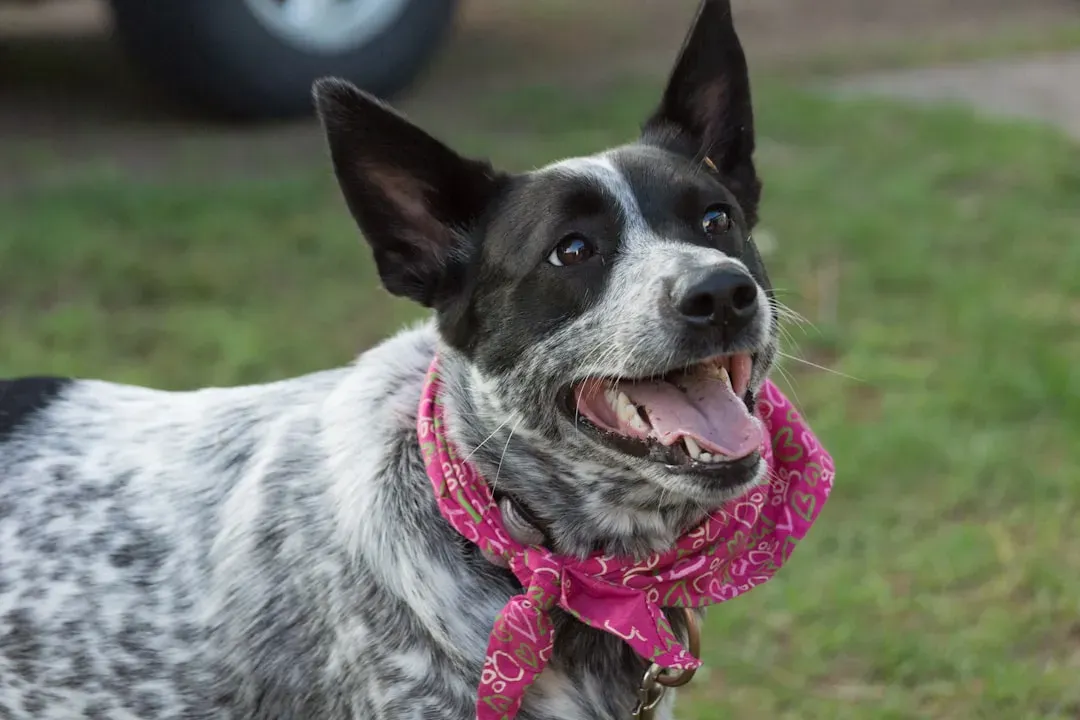
Here’s a fact that genuinely stops people in their tracks: the longest-lived dog ever recorded was not a tiny Chihuahua or a pampered lap dog. When it comes to longevity, the Australian Cattle Dog reigns, living on average for 12 to 16 years. According to the Guinness Book of World Records, the longest living dog ever recorded was an Australian Cattle Dog named Bluey who lived to the ripe old age of 29. That’s not a typo. Twenty-nine years.
The healthiest dog with the longest lifespan is the Australian Cattle Dog. It has very few health issues. Known for cattle herding, the Australian Cattle Dog is energetic and able to work or exercise for long hours. This breed is perfect for families who enjoy hiking, camping, and outdoor activities. Australian Cattle Dogs are high achievers and independent, making them trustworthy enough to be left alone with a herd. If you’re an active person who wants a dog that keeps up with your lifestyle well into its senior years, honestly, this breed might just change your life.
While they are generally one of the healthiest dog breeds, they have some major health concerns, including canine hip dysplasia, elbow dysplasia, progressive retinal atrophy, and deafness. Schedule regular vet eye and joint checks starting around age seven, and keep them mentally stimulated. A bored Cattle Dog is a destructive one.
2. Chihuahua: Tiny Body, Enormous Lifespan

Let’s be real: nobody looks at a Chihuahua and thinks “powerhouse of health.” They’re pocket-sized, sometimes trembling, and often inexplicably convinced they’re the size of a Great Dane. Chihuahuas top the list with a lifespan of 15 to 20 years due to their small size, low genetic disease risk, and active temperament. However, they require consistent dental care to prevent health issues.
The Chihuahua’s secret to a long life is rooted in their size. Most of these dogs weigh less than six pounds, which means there’s a lot less wear and tear on their joints than in a larger, heavier dog. Chihuahuas also have a lower risk of genetic diseases than other breeds, further pushing them toward a longer life. Congestive heart failure is the leading cause of death in older Chihuahuas, so make sure to keep your senior pup up to date on their wellness visits to the vet. Brush those tiny teeth daily. Think of it as your investment in a decade-long friendship.
3. Toy Poodle: The Brainy Beauty Who Just Won’t Quit

Poodles have a bit of an unfair reputation for being fussy, high-maintenance show dogs. I think that’s completely wrong. Poodles enjoy a good, long life because they are also one of the healthiest dog breeds, meaning they have lower genetic disease risks than others. On top of that, they’re loyal companions that are hopelessly devoted to their families and friendly to strangers, other dogs and pets. Plus, they’re wicked smart.
As the smallest of the three Poodle sizes, Toy Poodles weigh between four and six pounds and can live up to 18 years. Despite their extra-long lifespan, Toy Poodles can experience common small-dog health issues like eye issues, dental disease, Legg-Calvé-Perthes disease, and luxating patellas. The good news is that most of these conditions are manageable with routine vet care and early detection. A Toy Poodle that’s mentally engaged and physically active truly ages like a fine wine.
4. Beagle: The Nose That Knows How to Live Long
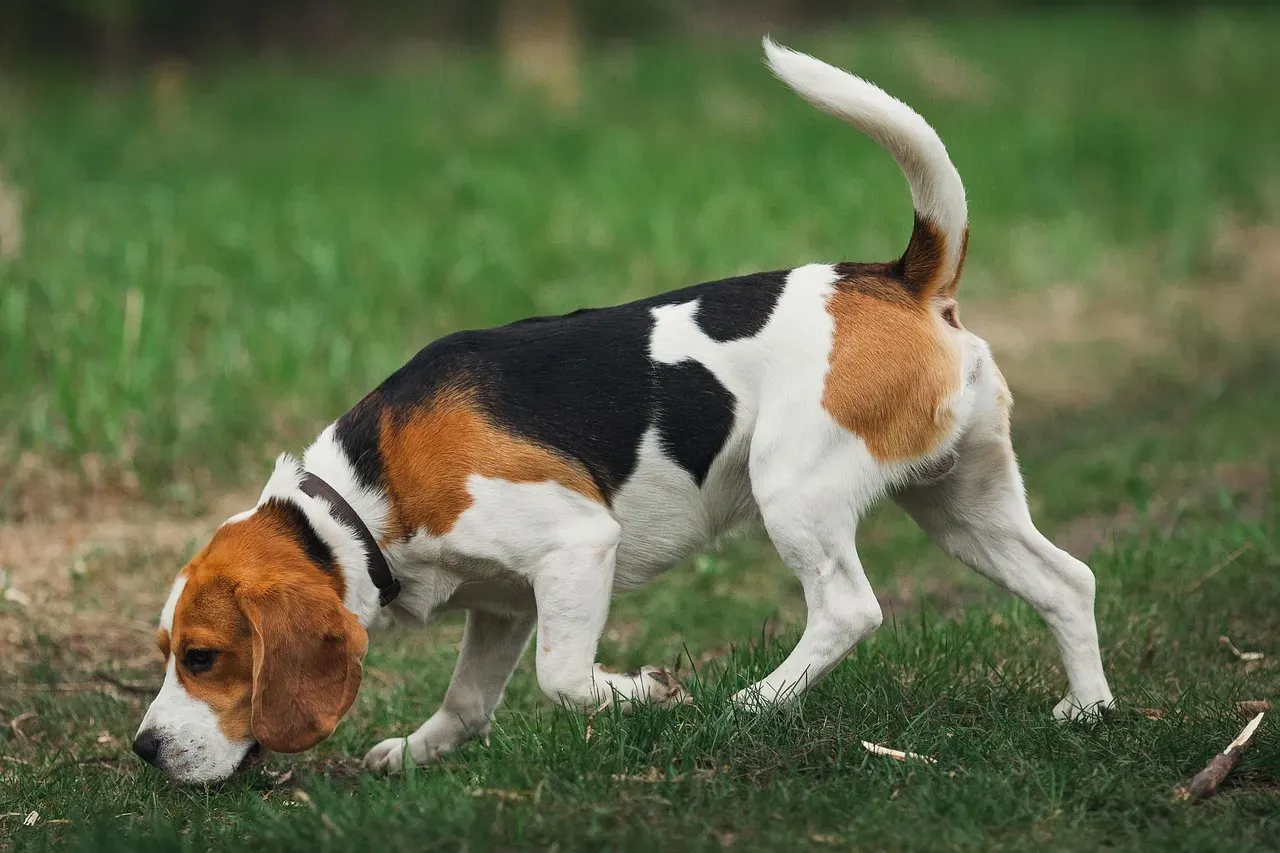
The Beagle may be considered medium-sized, but their personality – and especially their nose – is anything but average. In fact, Beagles come in two size varieties, but no matter the size, one thing remains constant: that powerful scent drive. Originally bred as scent hounds, Beagles are happiest when they’re following their nose. And following their nose tends to mean staying active, which absolutely contributes to their longevity.
Beagles are a sturdy and resilient breed with few serious health problems. Their strong immune systems and overall robustness make them one of the healthiest breeds around. Beagles are also known for their friendly and curious nature, making them great family pets. Because of their floppy ears, Beagles are more prone to ear infections. Regular ear cleaning and routine vet checkups are key to keeping them comfortable and healthy. Think of ear checks as part of your weekly bonding routine, not a chore. Your Beagle will thank you with those soulful eyes.
5. Shiba Inu: The Ancient Breed with Remarkable Resilience
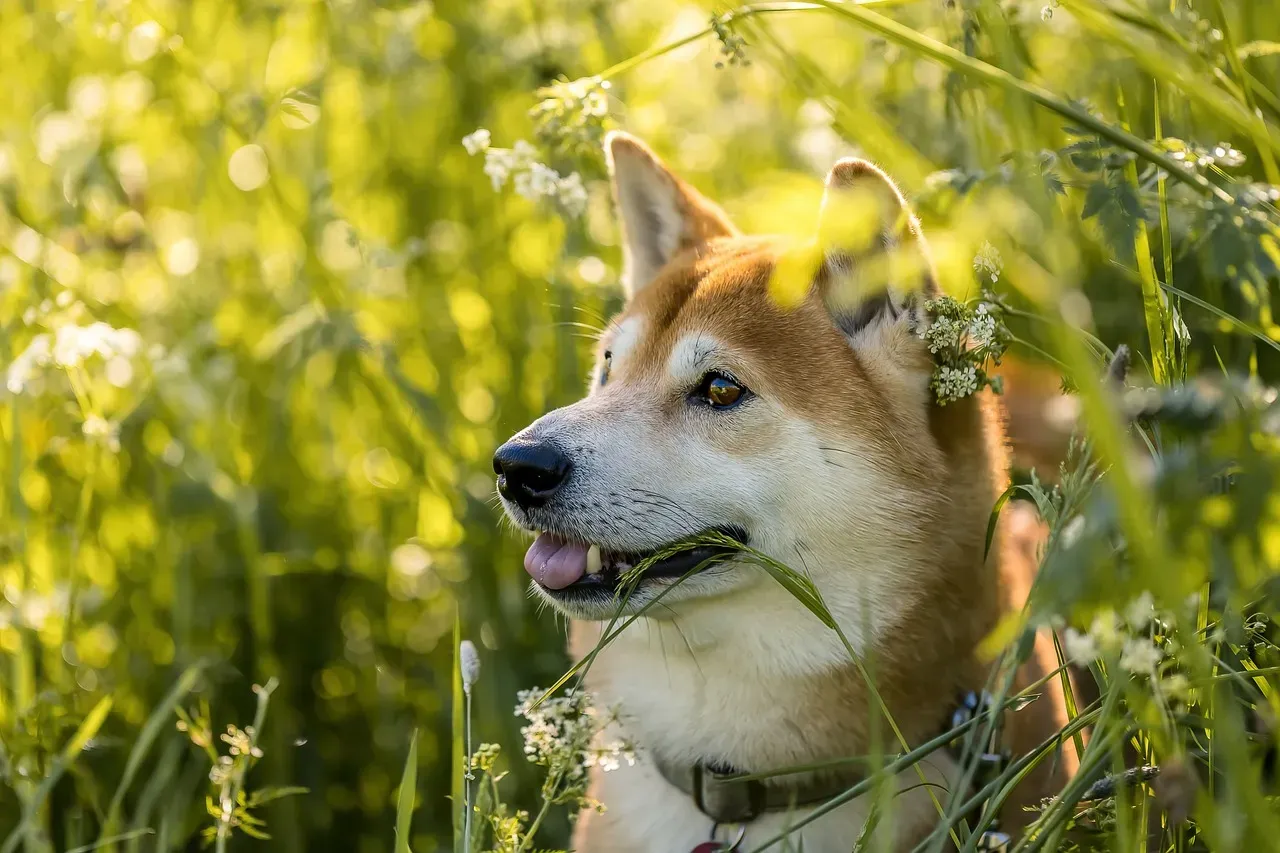
Amongst the oldest breeds in the world, Shiba Inus were originally bred as a hunting dog. That hunting heritage gave them something precious: a naturally strong constitution. Shiba Inus live 13 to 16 years on average. Shiba Inus are known for their excellent overall health and independence. This breed has a clean, self-sufficient nature that makes them one of the healthiest dogs. Shibas are known to avoid common hereditary diseases, making them a smart choice for owners who want a low-maintenance and healthy pet.
Here’s the thing, though. The Shiba Inu is not for everyone. It’s a super-smart pup that needs consistent engagement to keep it from getting bored and, therefore, destructive. However, the Shiba Inu is an affectionate dog towards its family and aloof towards strangers. Common ailments the Shiba Inu may experience include hip dysplasia, patellar luxation, and hypothyroidism. Annual screening for these conditions is wise. Give this breed a job, a puzzle, or a good trail run, and they’ll repay you with years of devoted, dramatic companionship.
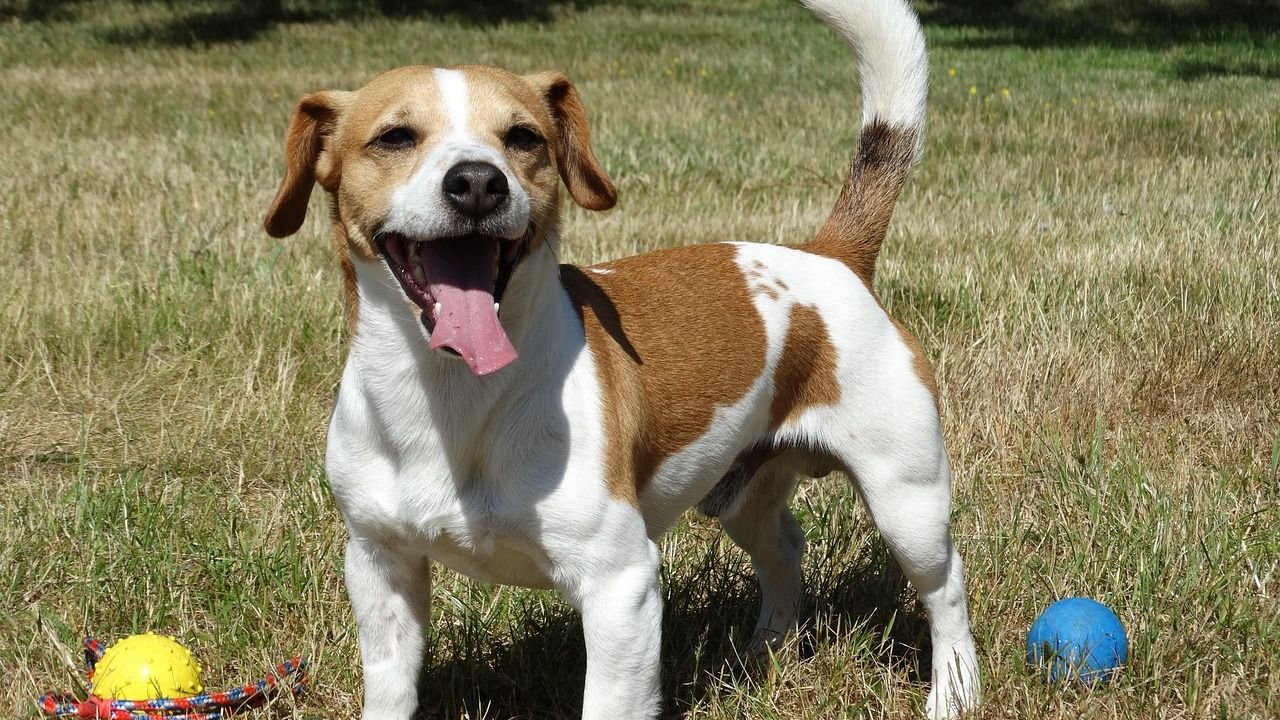
6. Jack Russell Terrier: The Small Dog with Legendary Stamina

If energy could be bottled and sold, Jack Russell Terriers would be the source. The Jack Russell can live for up to 20 years, although they tend to average a lifespan closer to 16 years. A study found that Guinness World Records states that the oldest Jack Russell on record was Willie, who lived to be 20 years old in 2014. That’s extraordinary, and it’s not just luck.
Jack Russells are built for action. Their working terrier background means they carry a natural robustness that many purely decorative breeds simply lack. They need vigorous daily exercise and firm, consistent training from an early age, otherwise that intelligence becomes mischief. Keep them lean, active, and mentally challenged, and you could genuinely be looking at a two-decade friendship. I know it sounds crazy, but it’s well documented. Their secret weapon is an almost comical refusal to slow down.
7. Havanese: Cuba’s Cheerful Gift to the Dog World

The only dog breed native to Cuba, the Havanese has a long lifespan of 14 to 16 years. This affectionate small breed loves his pet parents and is easy to train due to his exceptional smarts. One of the breed’s strengths is a low coefficient of inbreeding, measured at approximately 2.7%, significantly below the recommended maximum of 6.25%. This reflects a diverse gene pool which helps reduce the likelihood of inherited health issues.
These sociable dogs love being around people, children, other dogs and pets. Their boundless love is so great that it follows its owners wherever they go and sticks to them like glue. This is why the dog is also called the “Velcro dog.” However, the breed can face a few medical conditions, including progressive retinal atrophy and patellar luxation. Annual eye exams and keeping them at a healthy weight go a long way. Their grooming needs are real, but so is their devotion. It’s a fair trade.
8. Miniature Schnauzer: The Wiry Workhorse of Long-Living Small Breeds

Miniature Schnauzers don’t get nearly enough credit in the longevity conversation. Part of the terrier group, Miniature Schnauzers do well in a quiet family home or on a farm. Their muscular body and fearless attitude contributes to their 15-year lifespan. Miniature Schnauzers are known for their lively personality and low-shedding coats. They are generally healthy dogs with an average lifespan of 12 to 15 years and are often considered one of the healthiest small dog breeds.
Their trademark bearded face and expressive eyebrows give them a remarkably wise, almost professorial look, which turns out to match their personality. They’re alert, spirited, and adaptable to both city apartments and rural settings. Watch out for pancreatitis in this breed, as they tend to love rich foods a little too enthusiastically. Feed them a consistent, high-quality diet, give them daily walks, and schedule those annual checkups. This little dog is built for the long haul.
9. Bichon Frise: The Fluffy Cloud That Refuses to Age

The average Bichon Frise lifespan is 14 to 15 years, but they can develop a few common health conditions during their long life. Bichon Frises tend to live quite a long time, 16 years usually, and it could even be as much as 20 years. They aren’t prone to many health issues, which means they often live long and healthy lives. These little powder puffs are genuinely among the most resilient small breeds around.
Bichons are particularly prone to dental problems such as tartar buildup, gum disease, and tooth decay. Left untreated, dental disease can lead to serious infections that may affect the heart, kidneys, and other organs. Daily tooth brushing is not optional with this breed. Think of it as part of keeping that adorable white smile going for years to come. A healthy lifestyle that includes regular veterinary check-ups, vaccinations, and preventive health measures can significantly impact their longevity, allowing these joyful companions to remain by your side for many years.
10. Pomeranian: The Fluffy Firecracker with a Long Fuse
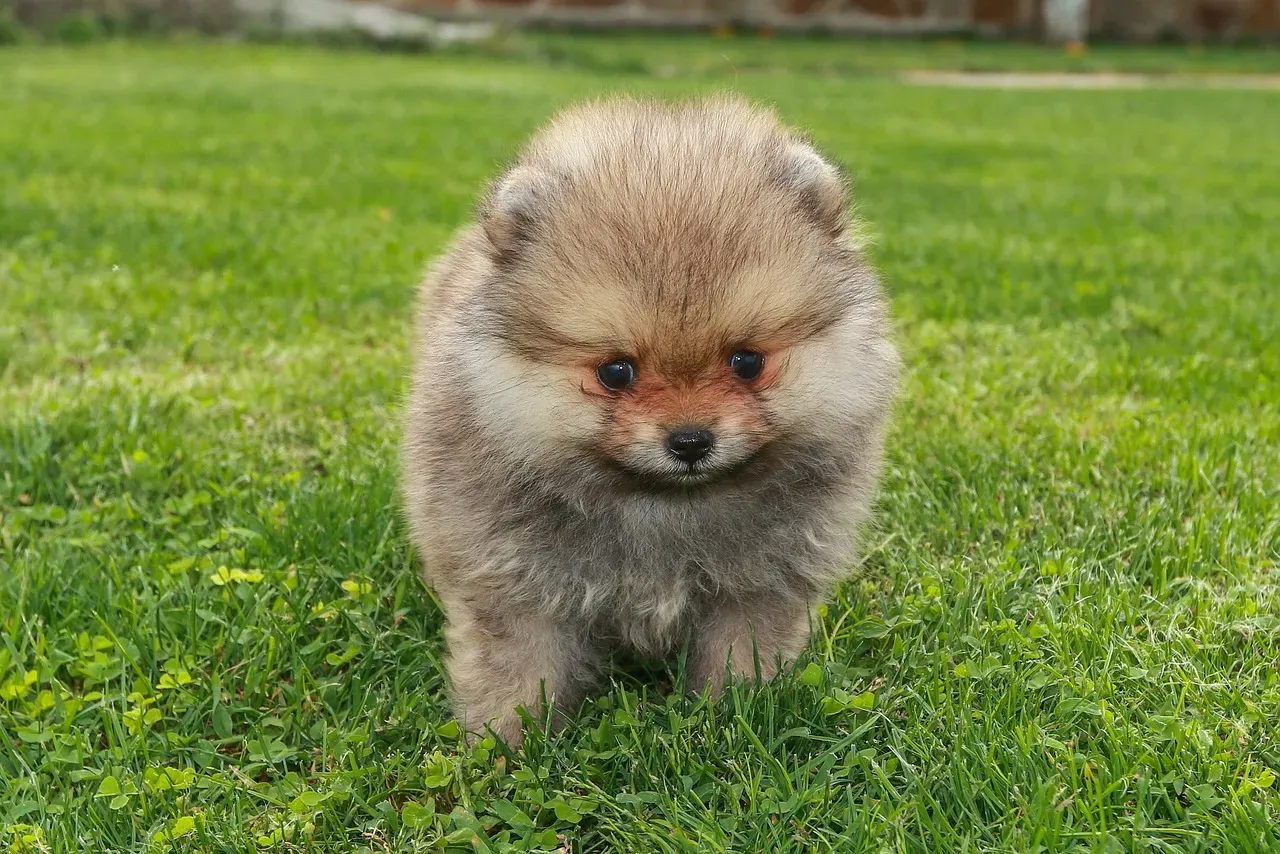
Pomeranians are a good fit for pet parents who want a small dog with a confident, outgoing personality. They enjoy short walks and playtime but don’t require intense exercise. This makes them an excellent choice for seniors, apartment dwellers, and anyone who loves personality in a compact package. Pomeranians don’t let their small bodies keep them from being the life of the party. Their furry coats help them stay warm during short walks. If it’s too cold, they can exercise indoors instead.
Poms typically live between 12 and 16 years with excellent care. Their most common health concerns include collapsing trachea, dental disease, and luxating patellas. Using a harness instead of a collar reduces tracheal stress, and regular dental cleanings are non-negotiable for this breed. Getting regular vaccinations, check-ups, and dental cleanings can help your dog live a longer, healthier life. The Pomeranian’s secret weapon is attitude. They simply refuse to act old.
11. Border Collie: The Ageless Athlete of the Dog Kingdom
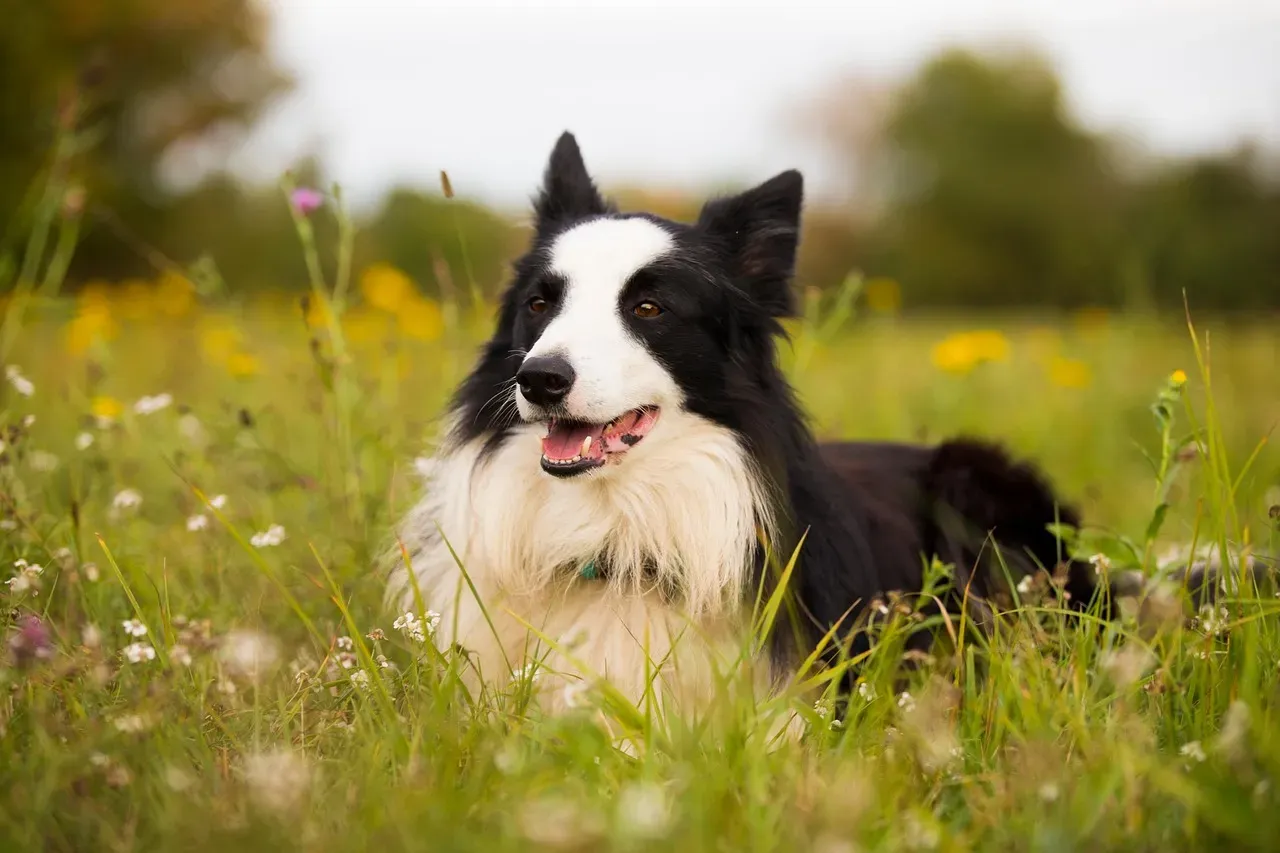
With an average lifespan of 10 to 15 years, Border Collies are one of the most active and resilient herding dog breeds. Their intelligence and highly athletic natures allow them to remain healthy even in their senior years. They usually prefer activities that require both mental and physical energy. Honestly, the average Border Collie at age 10 moves with more agility than many dogs half its age.
The need to move keeps Border Collies young at heart, well into old age. With an average lifespan of around 12 years, they stay busy herding livestock and winning first place at dog shows with their agility. As a breed, they can be prone to certain diseases such as hip dysplasia, elbow dysplasia, and some eye diseases. Nevertheless, they are generally healthy dogs. If you’re considering a Border Collie, be honest with yourself about your activity level. These dogs need a purpose. Give them one, and they will give you years of extraordinary companionship in return.
12. Dachshund: The Long Dog with an Even Longer Life

The Dachshund was named the sixth most popular dog breed in 2024 by the American Kennel Club. These pups can live up to age 16, with the oldest one on record reportedly making it until age 25. That’s a staggering number for any dog, let alone one shaped like a submarine. Often called wiener dogs because of their short legs and long back, Dachshunds are spunky little dogs with big personalities. As they age, protecting their neck and back becomes extremely important. Keep your dog at a healthy weight, use a harness instead of a neck collar, and offer ramps and pet stairs so they can avoid jumping.
Intervertebral disc disease is the big one to watch with this breed. Think of their spine as a delicate bridge: every time they jump off the couch without support, there’s unnecessary stress on that structure. Prevention is far easier than treatment. Despite their spine issues, these dogs are high-energy, because they used to be pest hunters. To prevent this, Dachshund parents should be very careful when picking up their dogs and monitor how much they jump around. Set up ramps, maintain a healthy weight, and you could be sharing your couch with this dog for a very, very long time.
A Final Word: Breed Is Just the Beginning

Choosing a long-lived, healthy breed is a wonderful head start, but it’s honestly only half the equation. Regular exercise, a healthy diet, preventive care, and mental stimulation all play a role in a dog’s longevity. Dogs that are well-cared for tend to live longer than others. No matter the breed, what you do day by day matters enormously.
When it comes to keeping your dog healthy, there are three cornerstones to follow: diet, outdoor exercise, and regular vet visits. A healthy diet not only promotes good health but gives them the nutrients and energy they need to get the exercise that’s vital to staying fit and their overall well-being. Vet visits are equally important because veterinarians are educated to catch diseases and issues before they become problematic.
Every year of good health your dog enjoys is a year earned together, not just given. Despite all odds, both of the longest living dogs reached well beyond the average dog’s lifespan. This just goes to show that every dog is unique and with good preventive veterinary care and lots of love, any dog can live a long and happy life. The breeds on this list give you a great foundation. What you build on top of it is entirely up to you.
Which breed surprised you most on this list? Let us know in the comments. We’d love to hear about the long-lived dogs in your life.


