
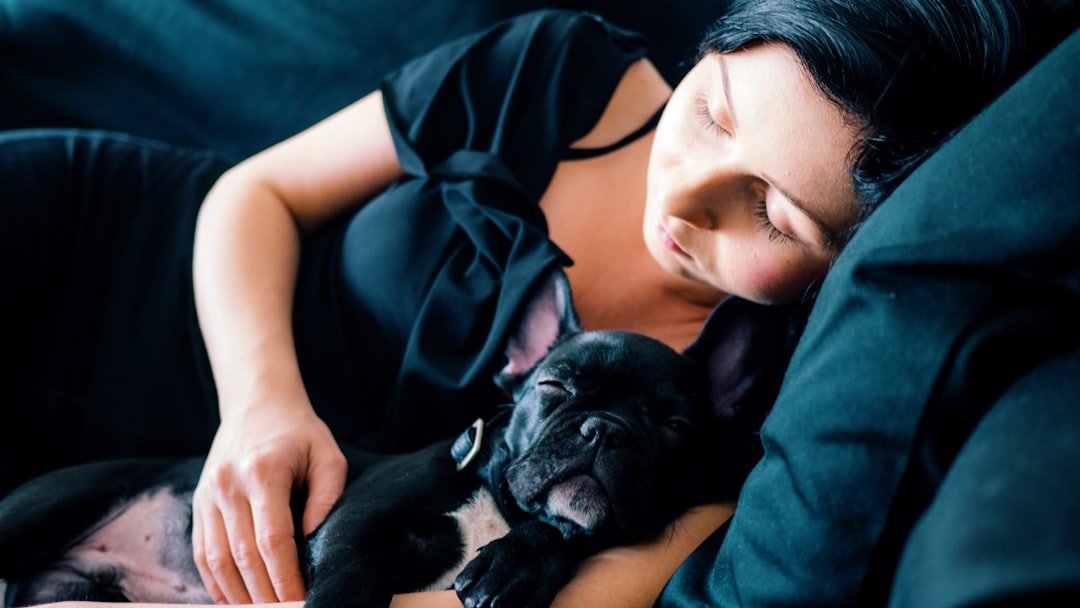
Picture this: it’s a lazy Sunday morning, coffee in hand, soft light streaming through the window, and your dog is curled up beside you in perfect, peaceful silence. No alarm-barking at the mailman. No frantic yapping at a leaf that dared to fall in the backyard. Just you, your dog, and blissful calm.
For many dog lovers, that scenario isn’t just a dream. It’s absolutely achievable, depending on the breed you choose. While all dogs have the potential to bark, certain breeds are naturally quieter than others. The reasons behind it are fascinating, rooted in history, purpose, and personality. Whether you live in a city apartment, have close neighbors, or simply cherish a tranquil home, knowing which breeds lean toward quiet can change everything. Let’s dive in.
1. The Basenji: Africa’s Famously “Barkless” Dog
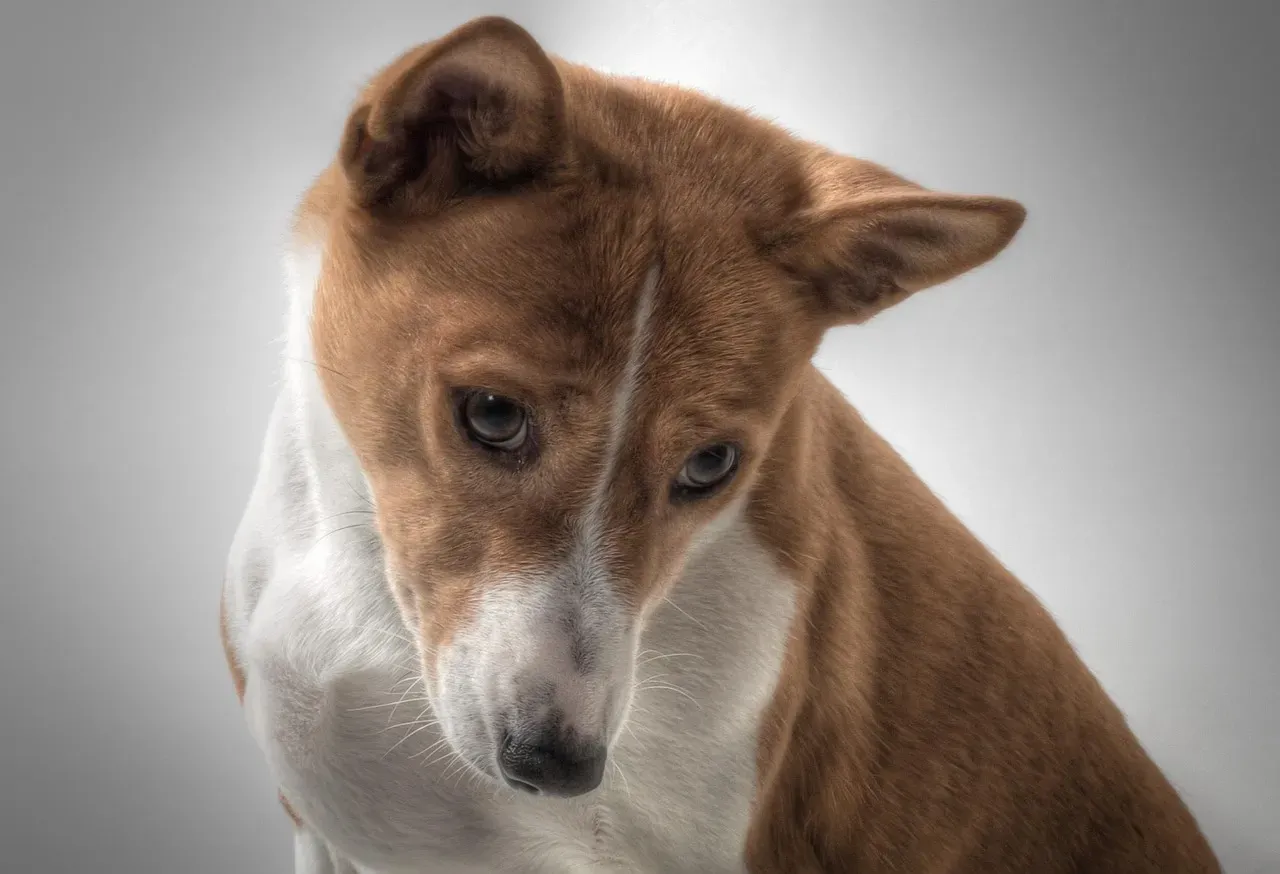
Here’s something that genuinely surprises most people. The Basenji, sometimes called Africa’s “Barkless Dog,” is one of the oldest AKC breeds. While it’s true the Basenji doesn’t bark, when they do express themselves, they make a unique sound that is something between a chortle and a yodel. Honestly, it’s one of the most delightful sounds you’ll ever hear from a dog.
As a calm dog that barks less than many of their counterparts, it’s no surprise that many people say the Basenji is “quiet like a cat!” They’re also incredibly clean, fastidious groomers, and fiercely intelligent. If you want a dog with personality and poise who won’t rattle the walls, the Basenji is hard to beat.
2. The Greyhound: Speed Meets Serenity
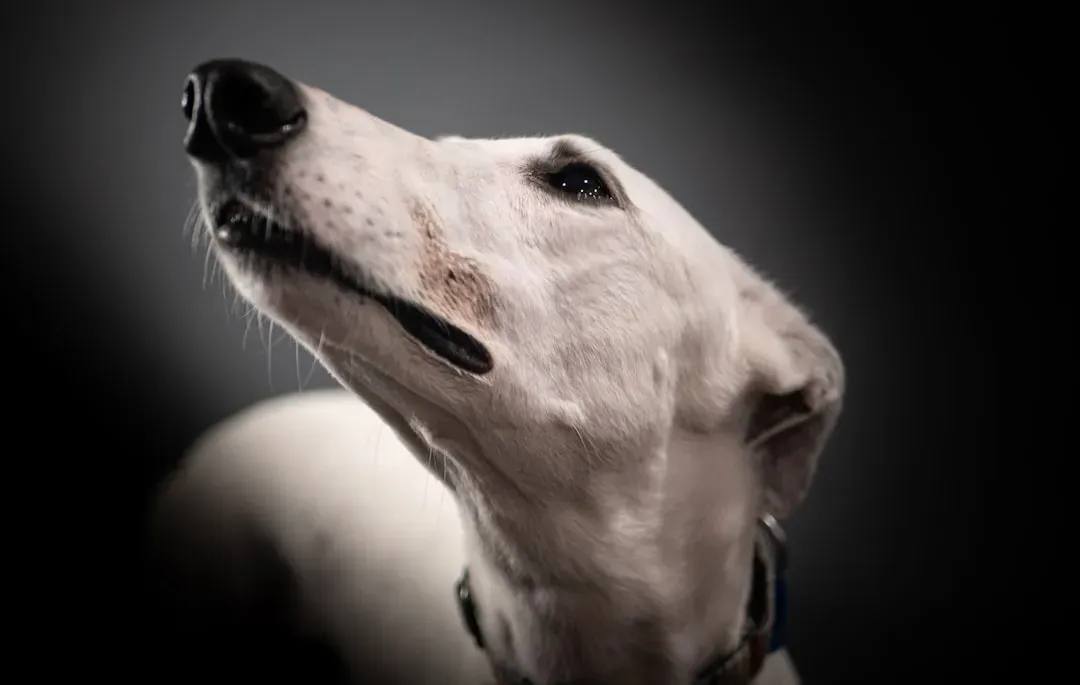
More well known for their speed around the race track, you’ll rarely hear a Greyhound bark unless it’s necessary. Greyhounds make great pets! Some may bark more than others, but they are generally quiet dogs that only bark when they need attention, feel bored, or have anxiety. Think of them as the introverts of the dog world. Fast when they need to be, restful the rest of the time.
They can develop the habit of barking if another dog in the house barks often. To keep it at bay, Greyhounds respond well to physical or mental exercise, and you can also teach them to “shush” on command. A long daily run, a warm couch, and a calm environment is basically all this elegant breed asks for.
3. The Cavalier King Charles Spaniel: Royally Relaxed

The Cavalier King Charles Spaniel is the namesake of British Royalty and known for their go-with-the-flow disposition. They are always up for a frolic in the park or snuggling on the couch, and they rarely cause a royal fuss, only barking when denied the company of their favorite people. That last part matters. These dogs adore their humans deeply.
Placid and quiet, Cavalier King Charles Spaniels love to play with humans and other dogs, but are not especially aggressive with strangers. Any random barking is easily curbed with training. If you want a gentle, loving shadow who won’t announce every passerby, this breed will wrap itself around your heart with barely a whisper.
4. The Bernese Mountain Dog: The Gentle Giant With a Golden Heart
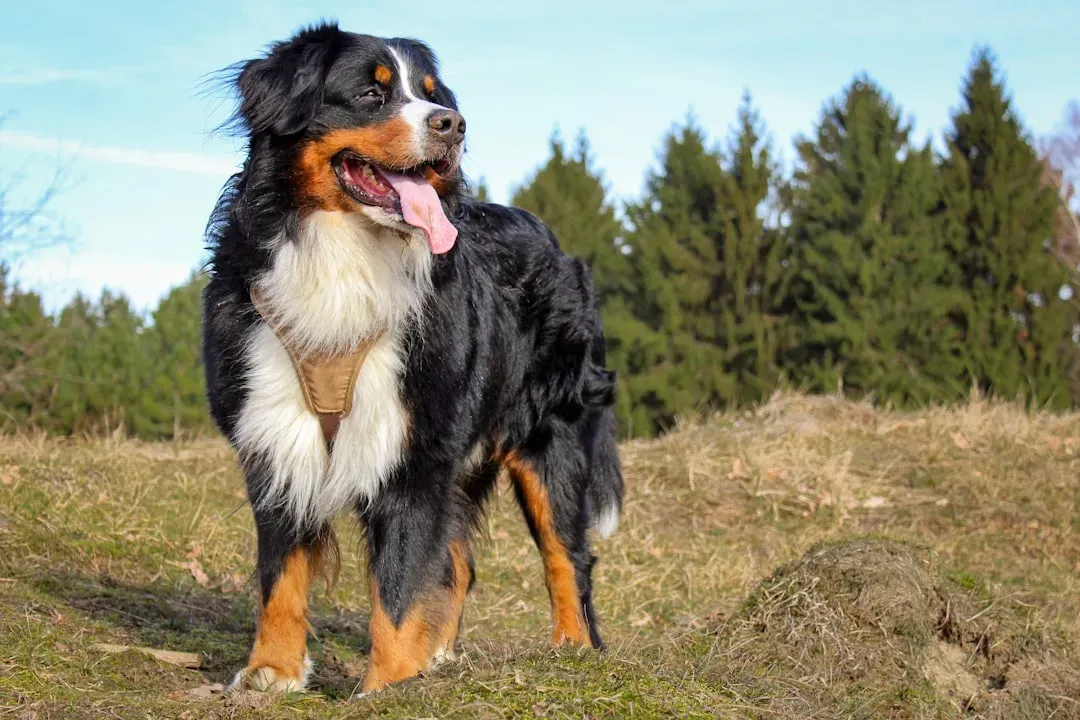
Despite their large size, Bernese Mountain Dogs are known for their calm and serene nature. They are a Swiss breed, originally used as farm dogs. In a family setting, they are gentle giants known for their loyalty and affectionate behavior. Bernese Mountain Dogs do not typically bark without cause, making them suitable for families and individuals who prefer a quieter dog.
The “Berner” is a family favorite for many reasons, including their quiet nature. This large dog breed can weigh over 100 pounds, so even if they don’t bark, they’ll grab your attention one way or another. There is something incredibly reassuring about a giant fluffy dog who simply chooses silence. They make you feel safe without ever having to shout about it.
5. The Newfoundland: The Nanny Dog Who Keeps Its Voice Down
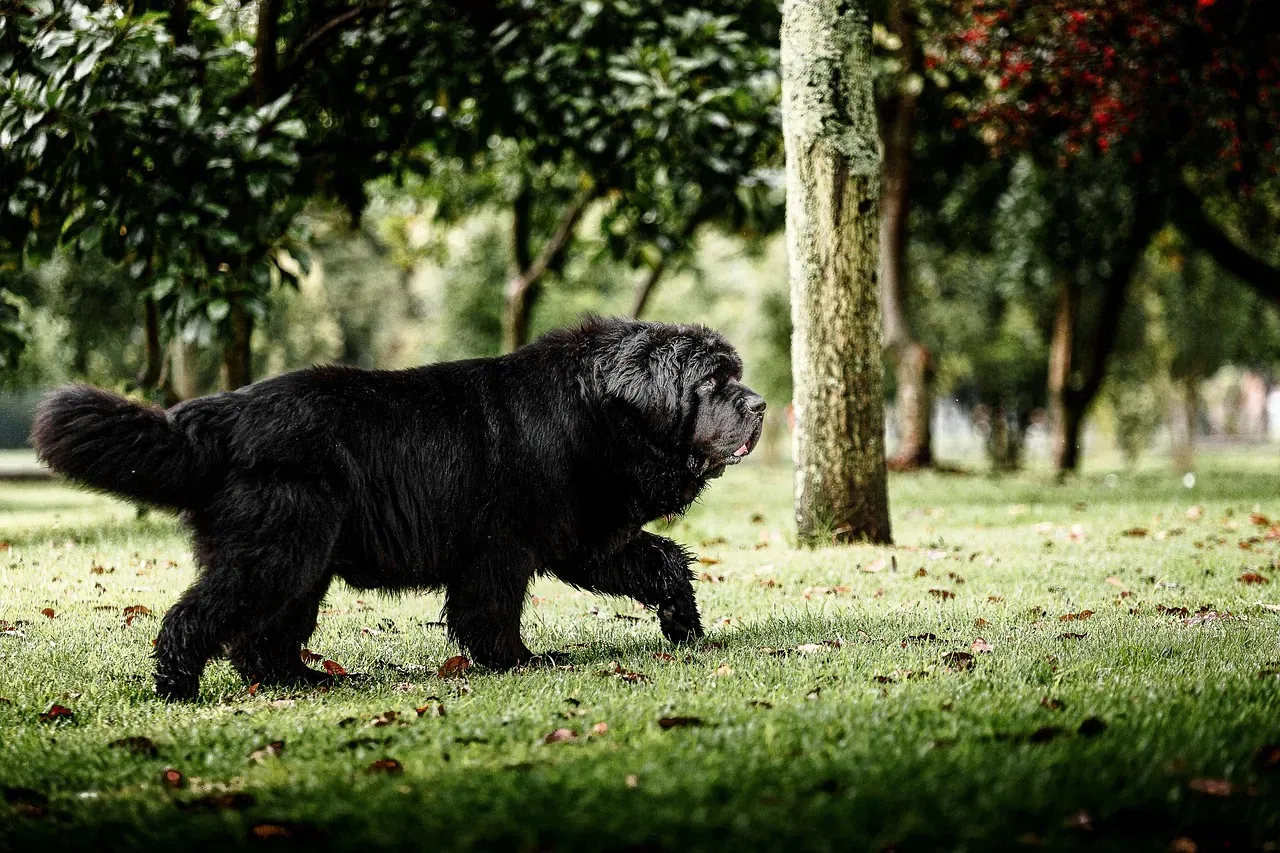
Newfoundlands are sweet, patient, and devoted dogs with a rich history of hard work and dedication to humankind. Newfies get their name from the Canadian island where they were originally bred, where local fishermen relied on them for dangerous water rescues. These gentle “nanny” dogs rarely bark unless it’s a must. I think that history of calm reliability just runs deep in their bones.
It’s hard to fathom this large breed sitting on your lap, but they are known for their inclination to be a lapdog. They are top-notch swimmers and well suited in rescue efforts. Because of their quiet nature, they don’t bark much, a welcome trait if you already have a house with noisy kids. They tend to do well with children and have even earned the name “nanny dog.”
6. The French Bulldog: Small Dog, Big Calm

Little pups often get a bad rap for being yappy, but the French Bulldog is a small dog breed that doesn’t bark much. This playful companion thrives on human contact and generally has low energy, which makes them well-suited for apartment living. Although Bulldogs in general tend to be quieter, you might hear some loud snores during nap time. Fair warning: invest in earplugs for sleeping.
They are known to love their naps and time spent on the sofa, and they tend to be less of a barking breed, which adds to their appeal. They may not bark much, but they often snore, wheeze, and snort. Frenchies also tend to make a lot of soft chortles and other noises. Let’s be real, those soft little grunts are arguably more entertaining than any bark ever could be.
7. The Whippet: Quiet Speed Demon of the Dog World
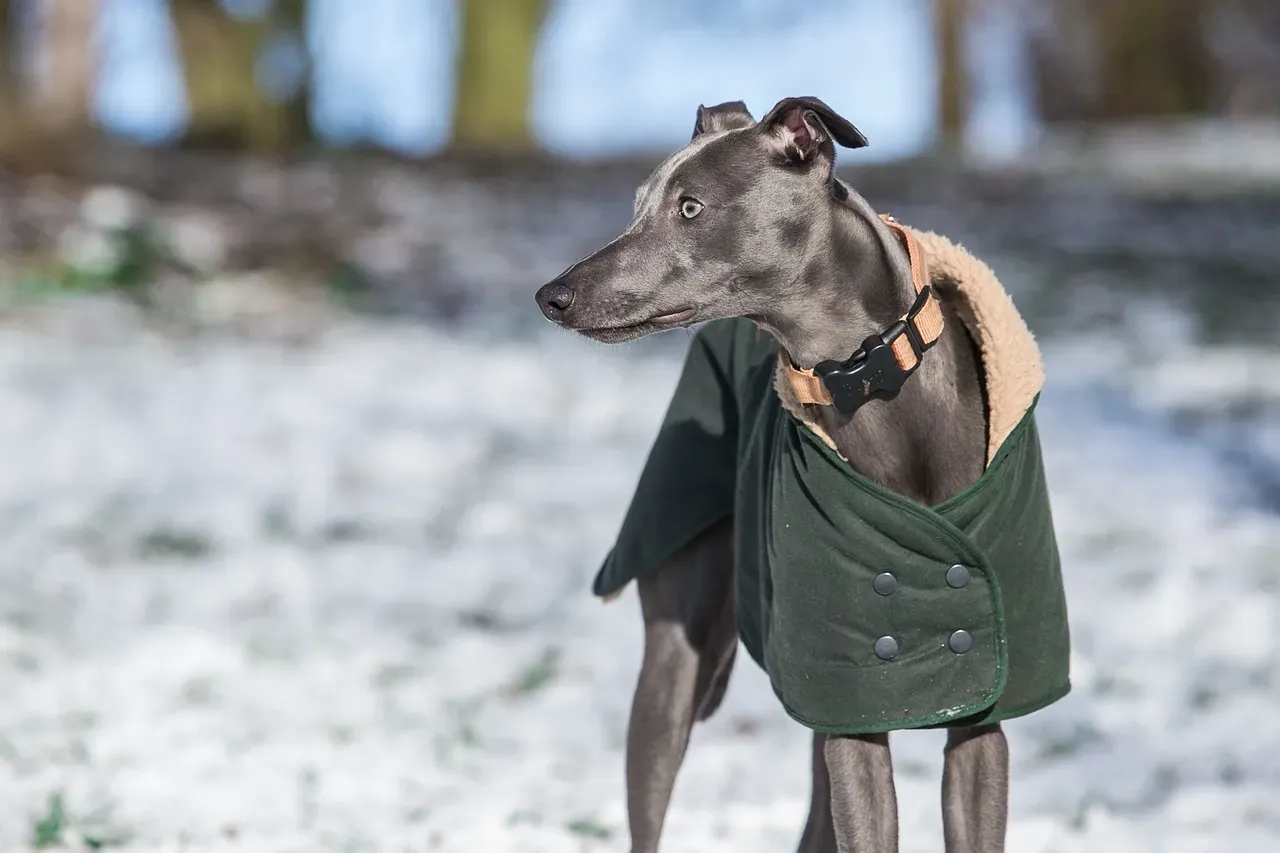
Similar to the Greyhound, the Whippet is a quiet breed that rarely makes its presence known by barking. If you’re looking for a good guard dog, this may not be it. However, they’re the perfect breed for those looking for a quiet, peaceful dog. Whippets are considered low-barking dogs but may bark more depending on their early training or individual personality.
If you’re planning on getting a Whippet based on their quiet personality, keep in mind they need a lot of exercise. When they don’t get enough, they can become destructive and stubborn. Think of it this way: a Whippet is like a sports car. It needs to be taken out for a proper run regularly, or the engine starts rattling. Give them that, and you’ve got pure, quiet grace at home.
8. The Borzoi: The Aristocrat of Quiet
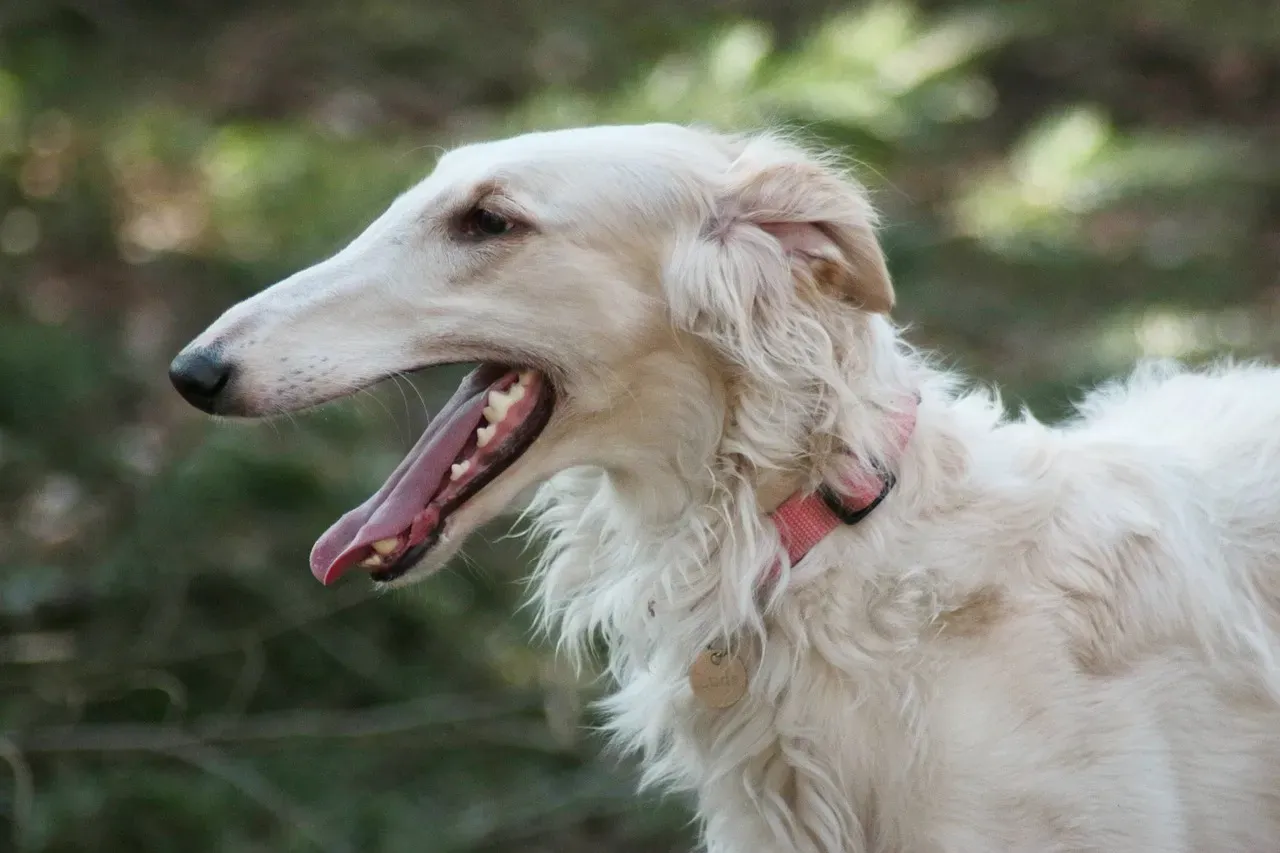
The Borzoi is known as an intelligent, independent, kind, and most importantly, silent breed. It’s also famous for imposing respect mainly through its stature and proud stance. Just like a couple of other breeds on this list, the Borzoi was developed to hunt by sight and was once used to hunt wolves. A dog that once hunted wolves but chooses to move through your home in near-total silence? Honestly, iconic.
The Borzoi is recognized by its athleticism and distinctly long snout, but you might not know that they are also a quiet dog breed. They are selective learners who may not want to learn everything you show them. To keep your dog happy, you’ll have to learn as many commands as possible, just in case they refuse to obey some. A little patience with this one goes a very long way.
9. The Saint Bernard: Calm Giant of the Alps
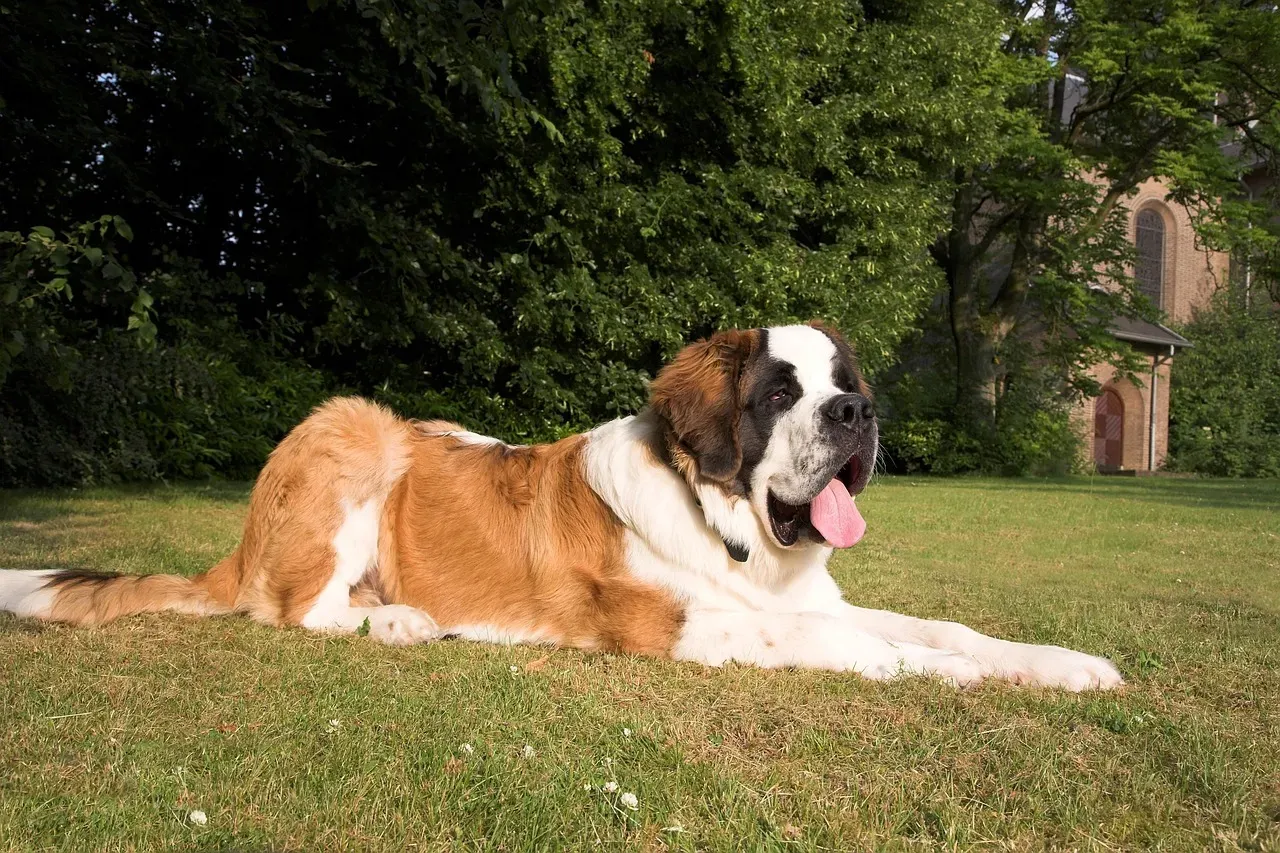
Saint Bernards are the ultimate family dog, and rarely bark unless there’s a need. If they do bark, experts suggest teaching the “quiet” command, reinforcing corrective behavior with treats and affection, and making them more comfortable around their triggers so the reaction is minimal. Overall, this breed is patient and makes for a quiet, lovable companion.
These dogs are essentially living, breathing comfort blankets. Their sheer size could intimidate anyone at the front door, so they’ve never really needed to rely on a noisy bark to make their presence felt. If you can handle the drool, which is considerable, you’ll have one of the most serene housemates imaginable.
10. The Shih Tzu: The Quiet Little Emperor
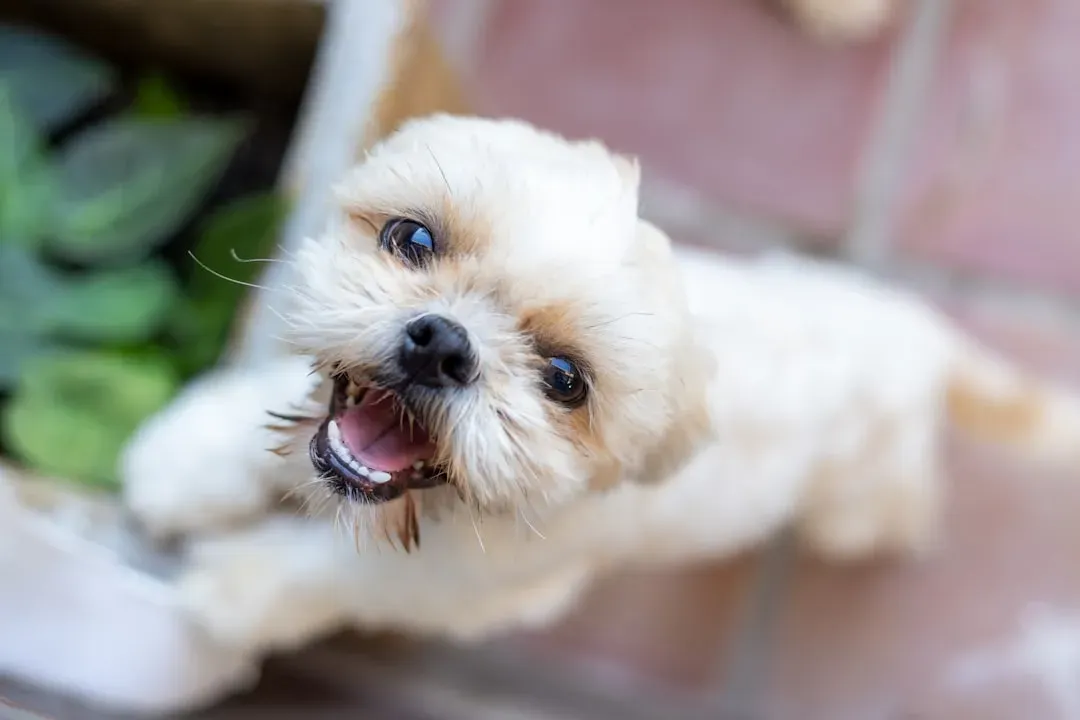
The Shih Tzu is known as a clever, independent, and adaptable breed. It is a toy dog breed and a mix between the Lhasa Apso and the Pekingese. Even though the breed possesses a playful personality, it is also known for being calm and friendly. There’s a certain dignified confidence about a Shih Tzu that just doesn’t feel the need to announce itself loudly.
Although Shih Tzus were bred as palace watchdogs and occasionally barked at people or dogs passing by, their barking can be controlled through training. Moreover, if they get enough attention and exercise, Shih Tzus will rarely bark. The key word there is “attention.” Give them love, engagement, and a good brush, and they’ll reward you with blissful quiet.
11. The Japanese Chin: The Feline Dog
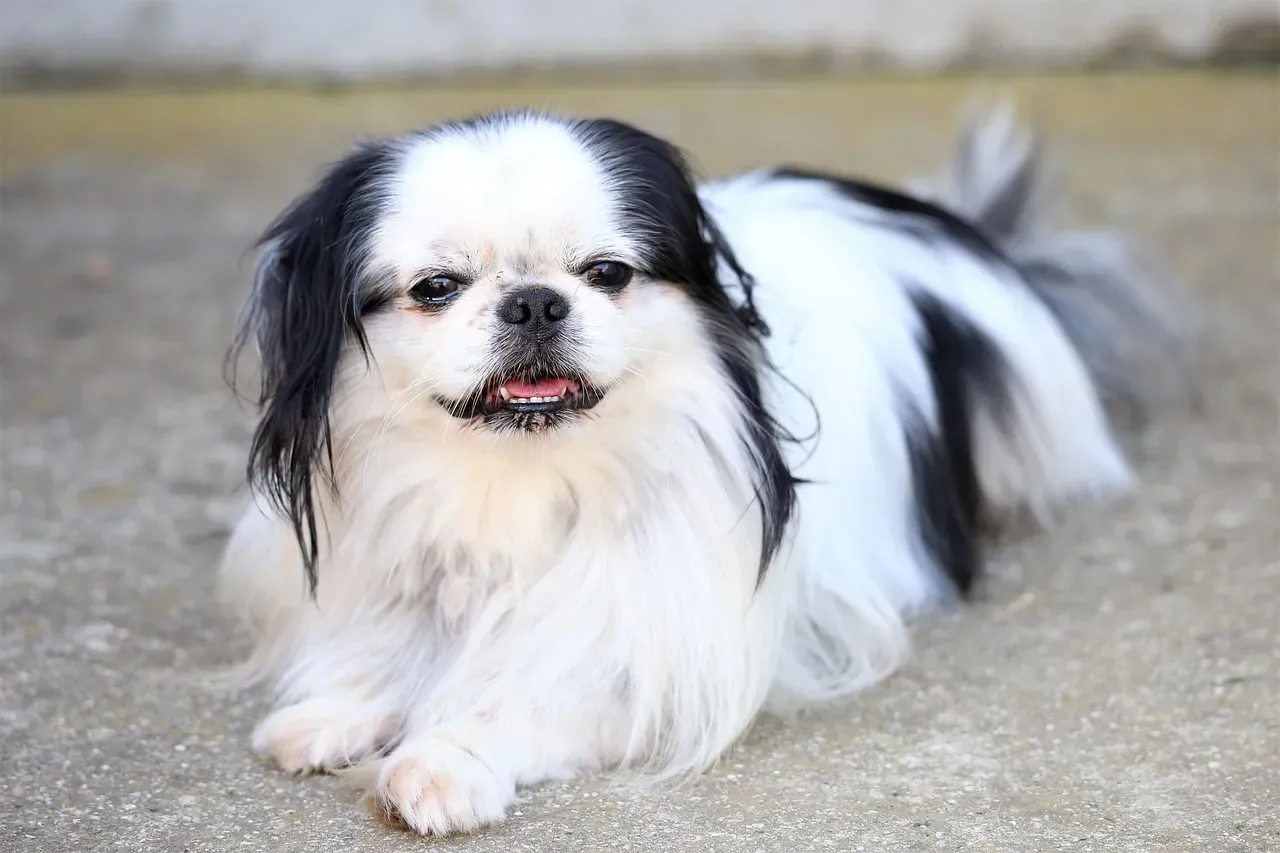
The Japanese Chin is a charming and elegant toy breed, renowned for its distinctive pushed-in face and feathered coat. Known for their aristocratic demeanor, these dogs are surprisingly low-key and quiet, making them ideal for those seeking a serene companion. Unlike many small breeds, the Japanese Chin is not prone to excessive barking. They tend to be reserved and thoughtful, often observing their surroundings with a calm and composed attitude.
Japanese Chin are described as being distinctly “feline” due to their graceful and generally quiet nature. It’s hard to say for sure, but I think this breed genuinely believes it is a cat. They perch on the back of sofas, they groom themselves fastidiously, and they observe the world with a cool, detached elegance that is equal parts hilarious and endearing.
12. The Newfoundland’s Cousin in Calm: The Irish Setter
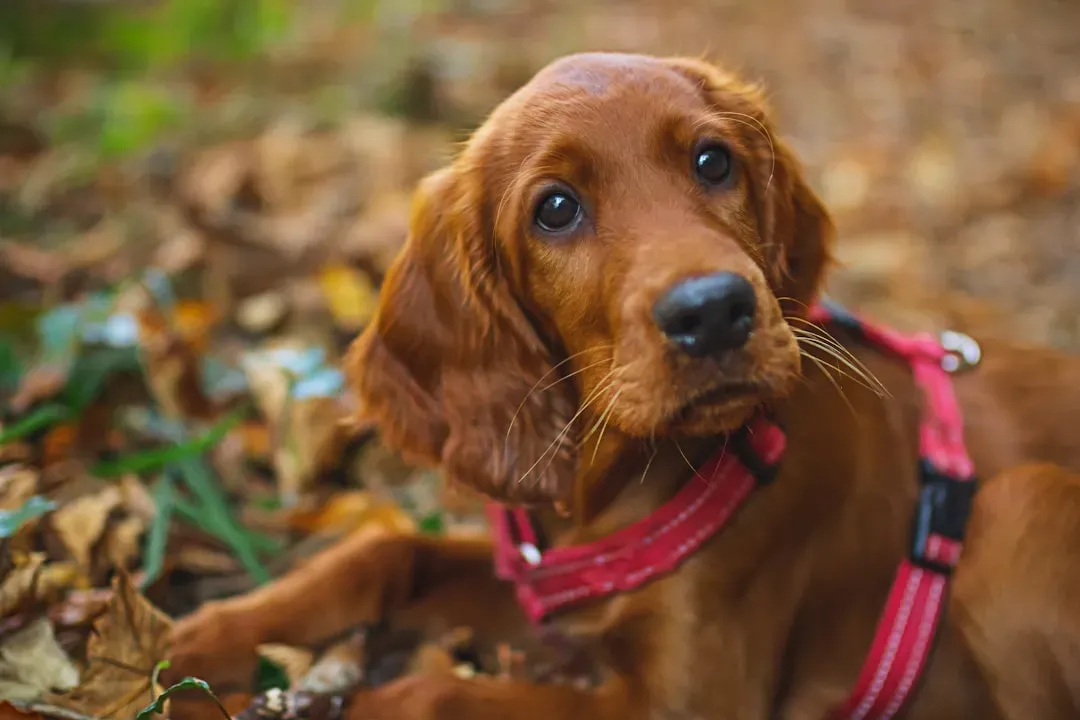
The Irish Setter is known as an independent, playful, energetic, and sociable breed. This setter is a family dog and will behave impeccably around children and large families. Irish Setters are silent dogs. While they aren’t suited as guard dogs, they make perfect therapy dogs. Their gorgeous, flame-red coat says “look at me,” but their quiet temperament whispers something much gentler.
Irish Setters may have a reputation for clownish, frolicking behavior and bottomless energy, but with ample exercise and play, they rarely exhibit nuisance barking. The important thing is to keep them busy and wear them out. Think of a well-exercised Irish Setter as a happy, exhausted athlete. Run them well, and the house stays wonderfully peaceful.
Now, The 5 Breeds Known for Being Vocal: The Beagle
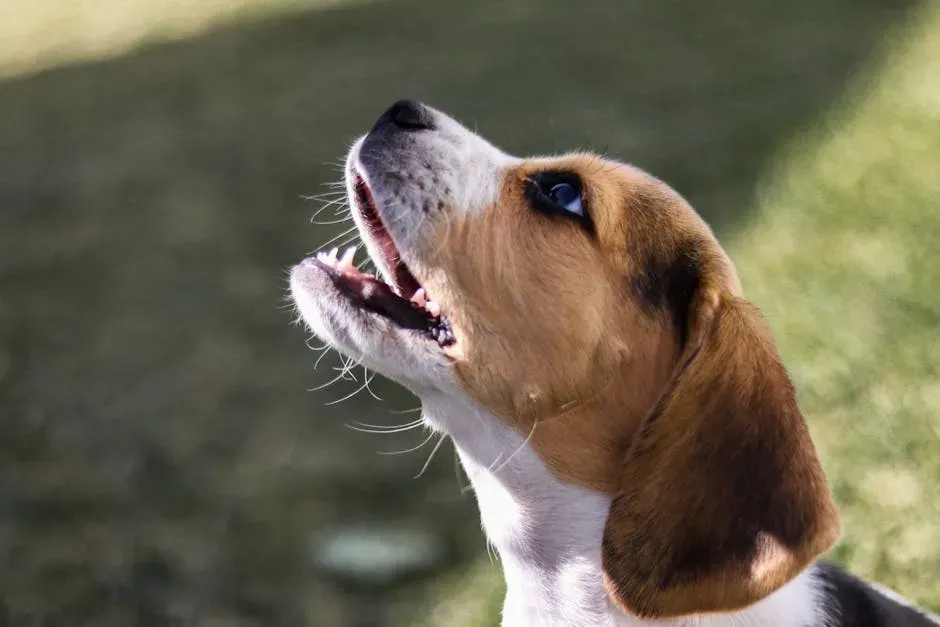
Beagles are high-energy dogs that need a lot of physical activity. The hound breed was created to follow the scent of small animals. Most beagles are not used for hunting anymore, but their breed was specifically designed for it, which is why they tend to bark when they spot movement. It’s not misbehavior. It’s literally in their DNA.
These scent hounds will give long, baying howls when they are on the scent. They will also pick up the howl from other dogs in the neighborhood, from trains, or other noises. One fun fact about the Beagle is that if you begin to howl, so will they. They have a third sound, the short bay, that they use when hot on the trail of prey. A musical, boisterous dog with a nose for adventure and a voice to match.
The Chihuahua: Tiny Dog, Enormous Opinions
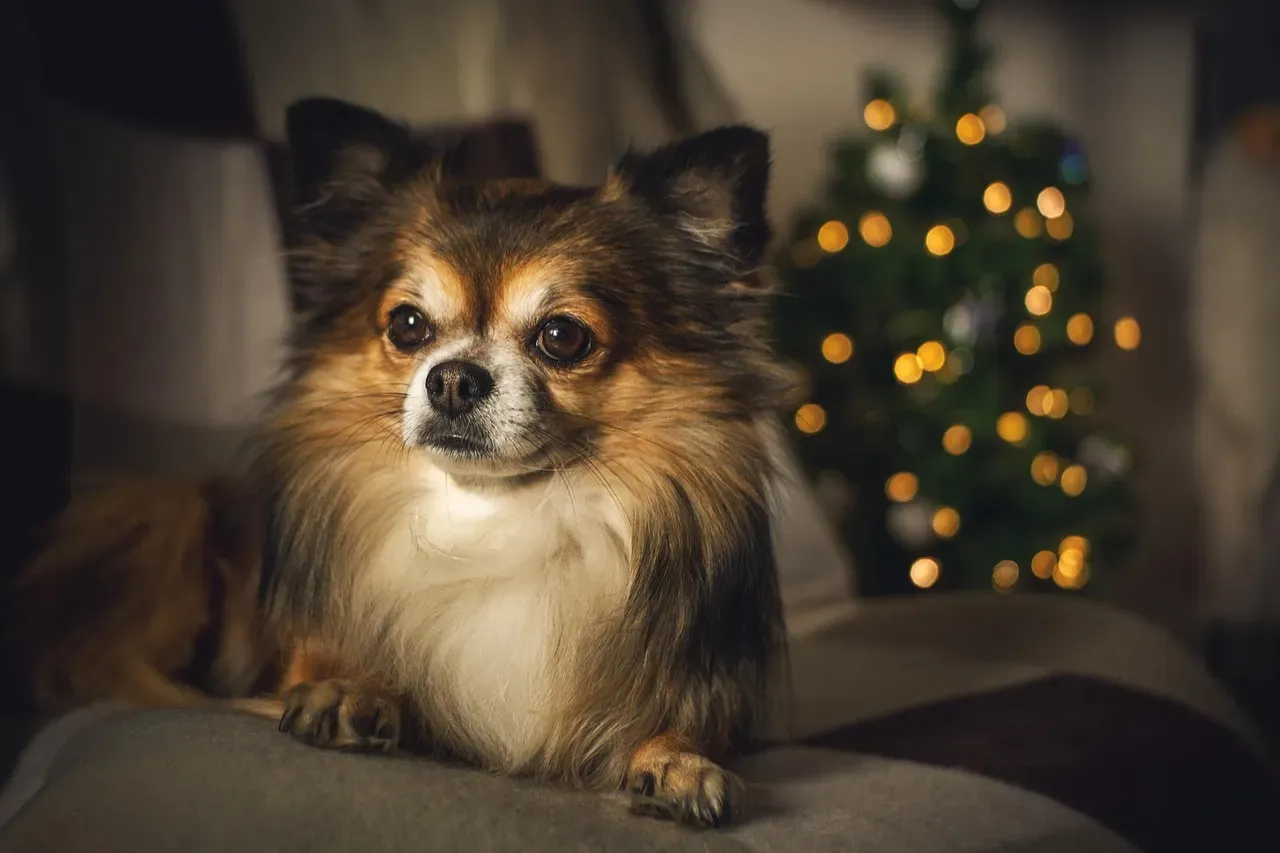
Most people love Chihuahuas. They’re one of the smallest and cutest breeds of dogs. They may be small in size, but they are very territorial. When they perceive something or someone as a threat, the incessant barking will begin. Given their size, the threat can be anything and everything. A shadow on the wall. A bag rustling in another room. A slight change in the wind direction. Fair game for a Chihuahua bark-fest.
Here’s the thing: Chihuahuas are fiercely loyal and deeply bonded to their person, and all that barking is largely about love and protectiveness. With proper training, socialization, and attention, even the most vocal dogs can learn when to speak and when to stay quiet. Early socialization is absolutely key with this breed. Start young, be consistent, and reward the quiet as much as the cute.
The Yorkshire Terrier: Big Bark in a Tiny Tuxedo

Also known as Yorkies, these terriers are tiny bundles of joy. In fact, they’re one of the smallest dog breeds. Who would’ve guessed that they’d be on the list of the biggest barkers? To Yorkies, there’s no situation that doesn’t warrant a bark. Yorkshire Terriers aren’t afraid to make themselves known, barking away until they’ve grabbed the attention of the whole room.
Much like the other terriers on this list, they do need a lot of exercise to meet their energy levels and keep those frustrated yaps to a minimum. A bored Yorkie is a loud Yorkie. Mental stimulation, puzzle toys, and training can do wonders. These are genuinely brilliant little dogs; they just need a productive outlet for all that energy and opinion.
The Siberian Husky: The Drama Queen of the Dog World
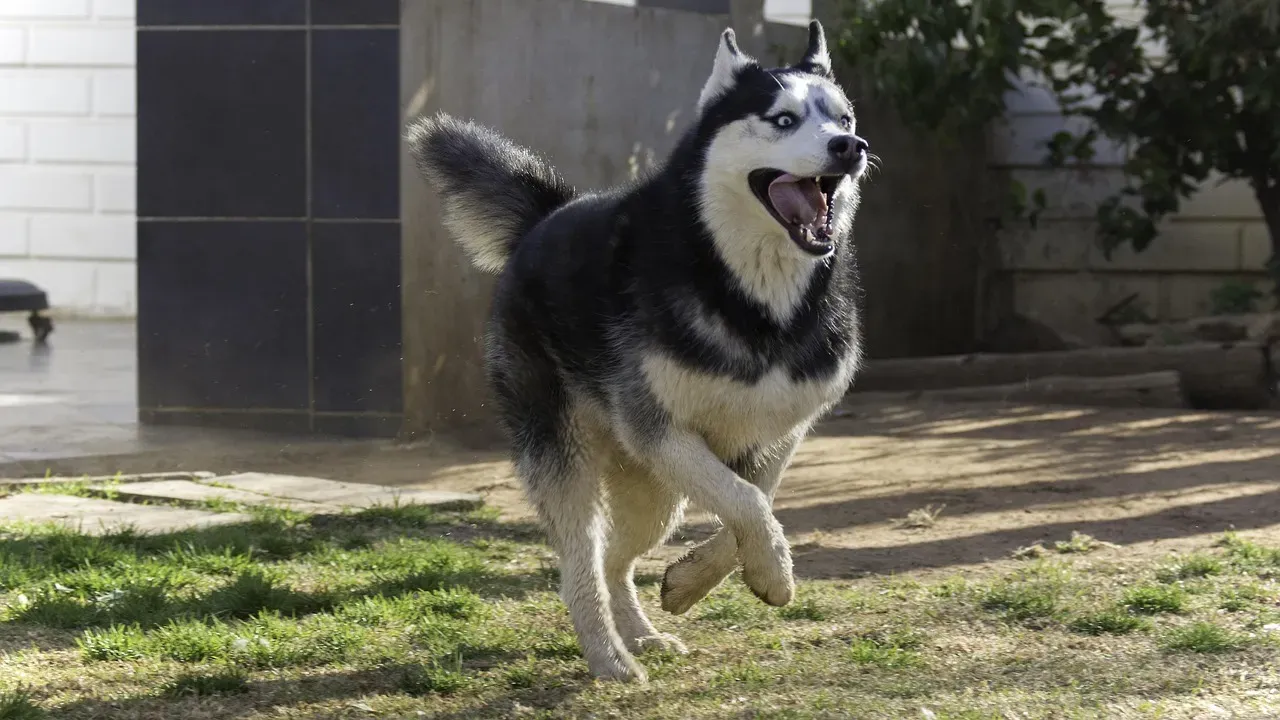
The Siberian Husky is the bigger breed on the loudest list. These working dogs are covered in a thick double coat and sport adorable triangular ears. Huskies are infamous for their barking and howling. They do a great job of telling you when they need something. This breed was originally bred to tug sleds and lead humans through icy weather, so they’re naturally going to have a lot of energy and a keen sense of wanting to protect you.
While this breed may not bark a lot in the traditional sense, they sure do love to howl. Huskies can be one of the most talkative breeds, and some sounds can often mimic human words. Watch a Husky “talking back” to its owner on a video online and you’ll understand immediately. They are communicators of the highest, most theatrical order. Deeply lovable, wonderfully exhausting.
The Dachshund: The Dog That Barks Like It’s Twice Its Size
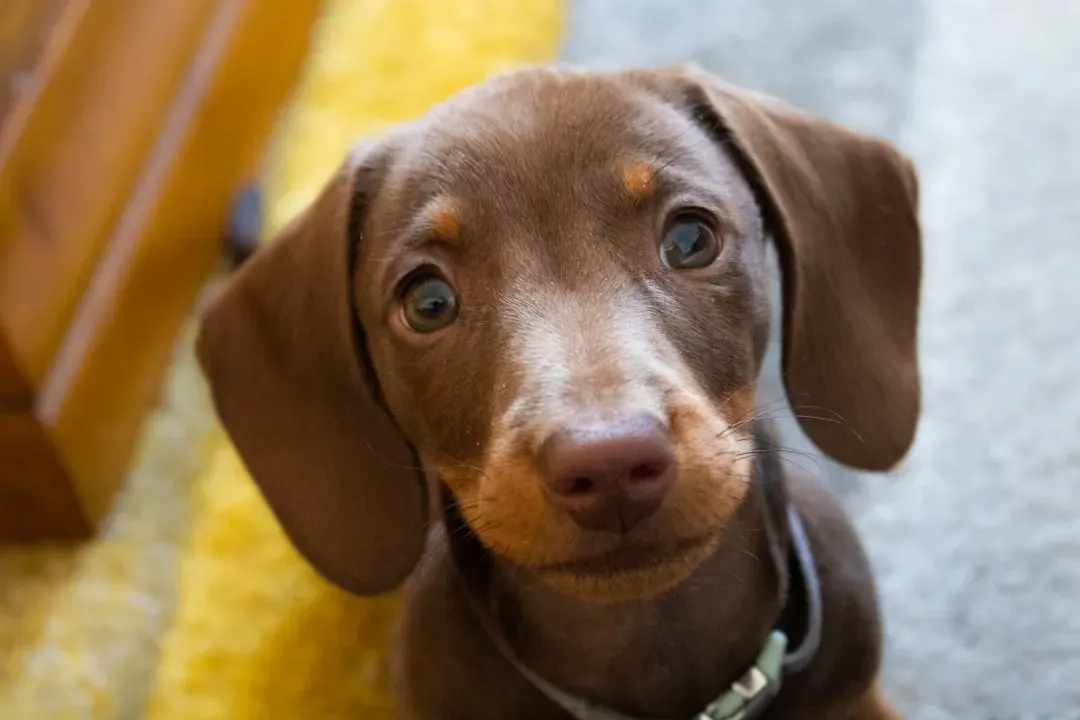
The Dachshund has a unique bark, which is somehow both high-pitched and exceptionally loud, and they are notorious for using it all the time. For a dog that looks like a stretched-out sausage, the volume it produces is genuinely shocking. Also known as a “Dachsie,” their name literally means badger dog. These little dogs were bred in Germany to hunt badgers. A dog bred to go underground after a fierce, stubborn animal has earned the right to be a little vocal.
These most talkative dog breeds are still hunting dogs at heart and love barking, digging, and chasing. They are independent, but with a patient, experienced trainer, they can curb these desires. The takeaway? A Dachshund requires consistent, patient training from puppyhood. They are smart enough to learn the rules; they just need to decide whether following them is worth their while.
A Word of Comfort: All Barking Has Meaning
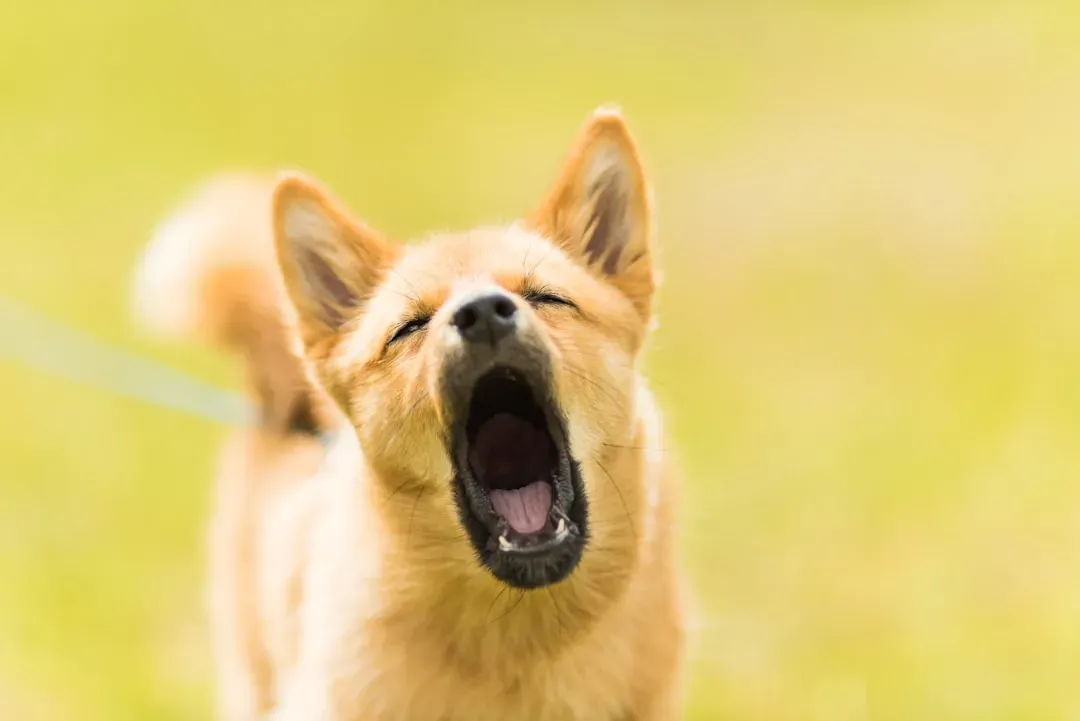
All dogs bark, whether out of boredom or to alert someone that there is danger. There is not a completely barkless dog, which is actually a good thing. Barking on occasion is a sign of pet wellness. It’s a reminder that your dog is alive, alert, and communicating. Silence isn’t the only goal; understanding is.
While barking is normal, sudden or excessive noise can sometimes indicate a problem. Dogs experiencing pain, cognitive dysfunction, or anxiety may bark more frequently or in new ways. If your normally quiet dog suddenly becomes vocal, that’s worth a vet visit. Sometimes a bark is a symptom, not a habit, and your dog is simply asking for help in the only language it has.
Conclusion: Finding Your Perfect Quiet Match
Choosing the right breed isn’t just about size, coat, or cuteness, though all three matter enormously. It’s about matching your lifestyle to a dog’s natural temperament. A quiet home deserves a quiet companion. Dogs that don’t bark tend to be well socialized, feel less anxious, and are overall more confident in various social situations. That means your role as an owner matters enormously too.
Exercise, mental stimulation, and companionship help maintain dogs’ calm, quiet temperaments. No breed guarantee comes without your contribution. Walk them well, love them deeply, train them consistently, and even the most naturally vocal breed will find its quiet. The dog of your dreams, the one curled up beside you in that perfect Sunday morning silence, is absolutely within reach.
So, which quiet companion surprised you most on this list? Drop your thoughts in the comments, we’d love to hear which breed stole your heart.


