
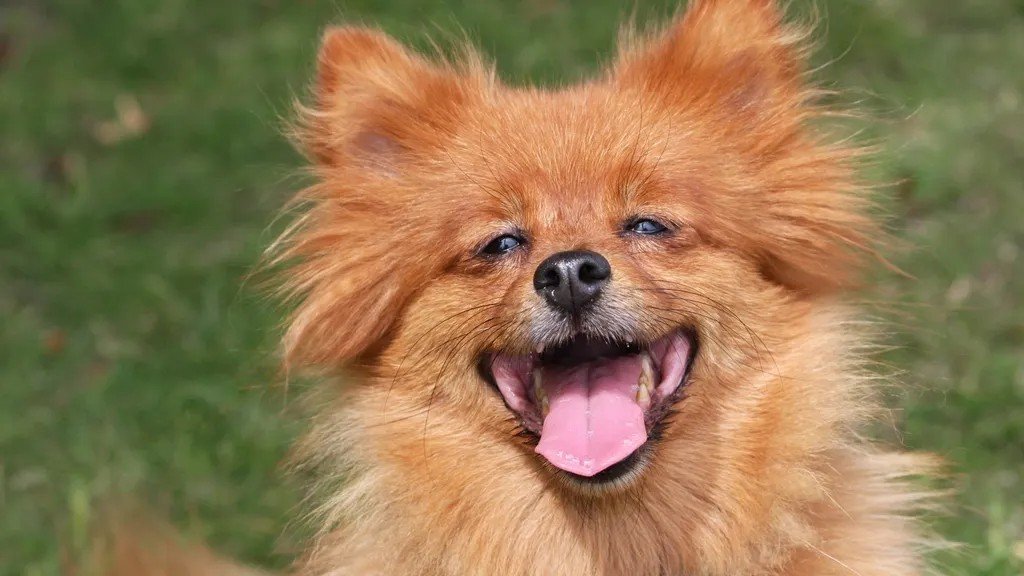
Let me ask you something. Have you ever watched a dog owner desperately try to shush their barking pup, only to have it start right back up the moment they turn around? Maybe you’ve been that owner yourself. Honestly, there’s something both frustrating and endearing about dogs who just can’t seem to help themselves when it comes to using their voice.
Some breeds are simply hardwired for noise. Their vocalizations aren’t just a quirk or a training gap. They’re deeply embedded in their DNA, bred into them over generations for specific jobs that required constant communication. Sure, training can help manage the behavior, but let’s be real: certain dogs will always find a reason to sound off.
1. Beagle
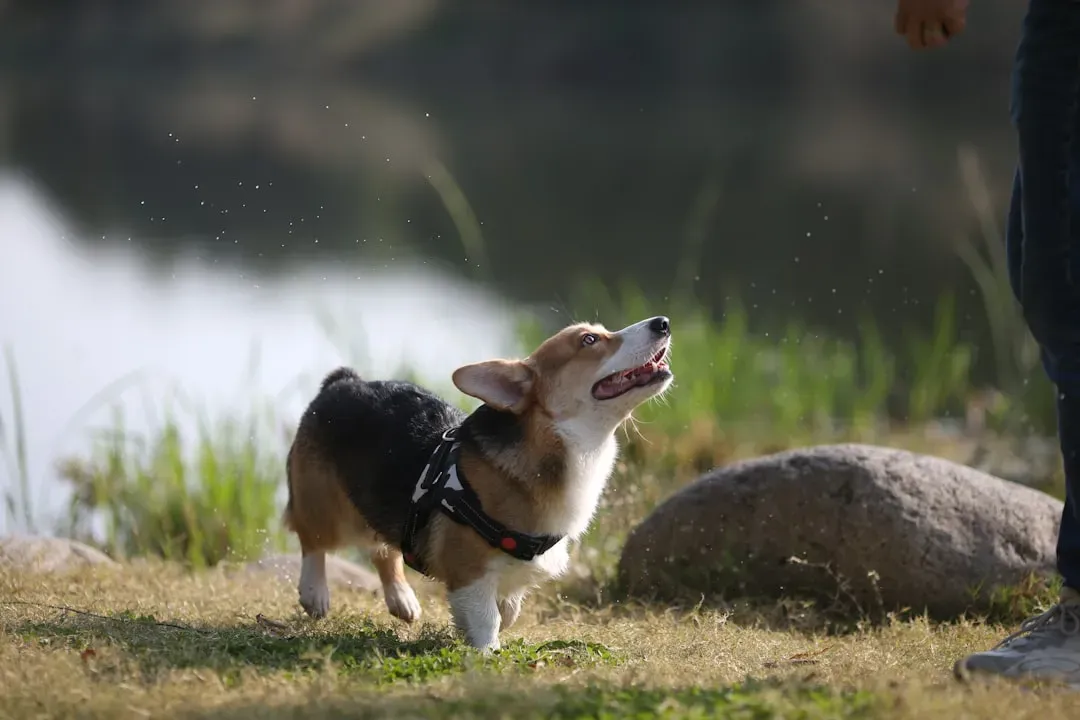
Beagles were bred to howl during hunts to alert hunters of their location and prey, and they possess a wide variety of vocalizations. That distinctive baying isn’t just noise for the sake of it. It’s in their blood, passed down through countless generations of scent hounds. When a Beagle catches an interesting smell or gets excited, that instinct kicks in hard.
Their loud bay is often heard when they’re tracking or excited, and they bark constantly when they catch a scent or are left alone. Picture this: your Beagle spots a squirrel in the yard, and suddenly it’s like someone flipped a switch. The barking continues until they’ve either caught what they’re after or completely exhausted themselves, which sometimes feels like it takes forever.
2. Chihuahua
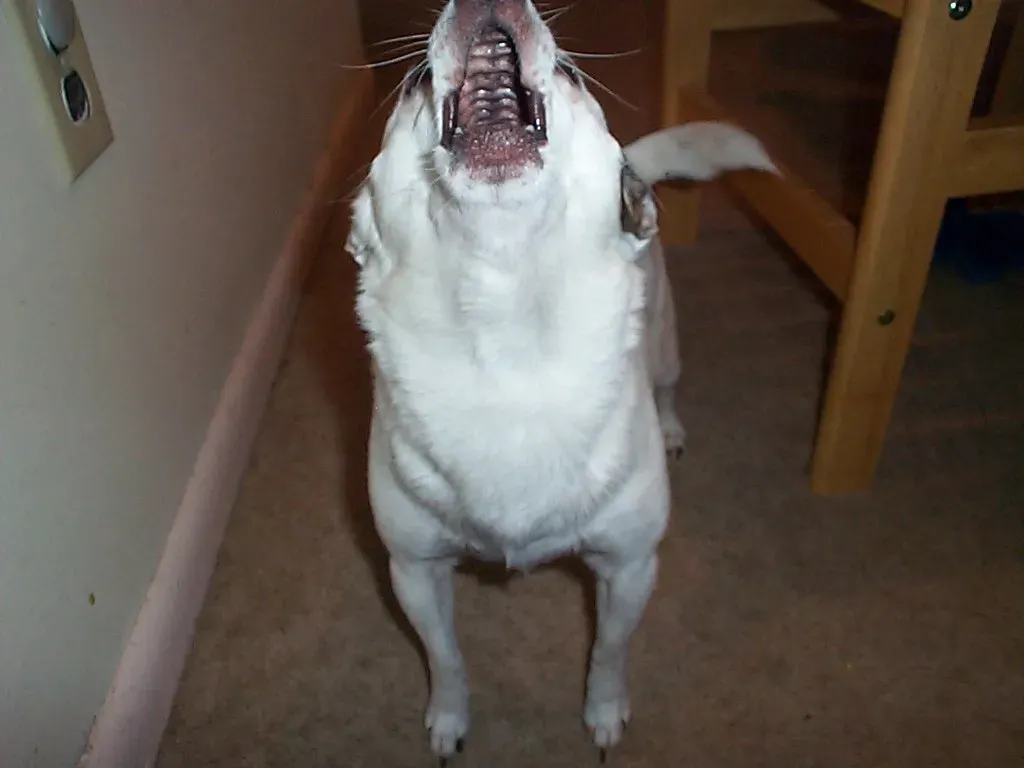
Don’t let their tiny size fool you. Chihuahuas are known for their excessive barking despite their size. These pocket rockets come with voices that seem impossibly loud for such small bodies. They’ve got what you might call a Napoleon complex, always ready to take on the world with their bark.
Weighing about 7 pounds, they seem to think they are much bigger, and their natural belligerence toward other dogs and possessiveness over their home can lead them to be excessively noisy. They’ll bark at visitors, at sounds outside, and sometimes at absolutely nothing you can identify. It’s their way of protecting their territory and their people, even when there’s zero actual threat.
3. Dachshund

The dachshund has a unique bark, which is somehow both high-pitched and exceptionally loud, and they are notorious for using it all the time. Those strong lungs were originally meant for hunting badgers underground, where they needed to communicate with hunters above ground. That purpose hasn’t left them, even though most modern Dachshunds will never see a badger in their lives.
Doxies are equipped with strong lungs, giving them the capacity to be particularly vocal. Whether they’re bored, anxious, excited, or just feeling chatty, Dachshunds find endless reasons to use their impressive vocal cords. The barking can be piercing, persistent, and incredibly difficult to quiet once it starts.
4. Miniature Schnauzer

The Miniature Schnauzer is quite vocal and barks a lot, with their history of being a guard dog contributing to their strong watchdog instinct that led to excessive barking. Originally bred on farms to ward off pests and vermin, these little guys had to be alert and ready to sound the alarm at any moment. That vigilance remains strong today.
These dogs bark the most if they are bored or anxious, and they might bark to get attention or to tell you they want to play or be petted. The challenge is that even with consistent training, their natural inclination to announce every little thing can be tough to completely suppress. They genuinely believe it’s their job to keep you informed about everything happening in and around your home.
5. Yorkshire Terrier
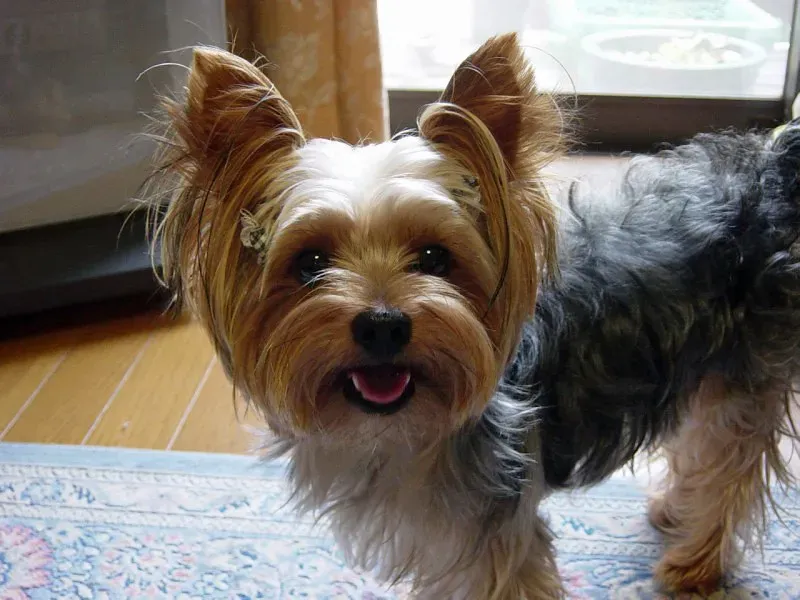
The Yorkie seems to enter the world barking, and like the Chihuahua, has an overestimated opinion of himself and will bark whenever anything enters his realm. These tiny terriers pack an enormous amount of confidence into a very small package. They’re fearless, sometimes to a fault, and they want everyone to know they’re in charge.
They’ll bark when they’re thirsty, tired, anxious, hungry, or just want some cuddles. It becomes their primary form of communication, and honestly, it works for them. The moment they make noise, they know you’ll pay attention. That reinforcement makes the barking habit incredibly difficult to break, even with the best training efforts.
6. Siberian Husky
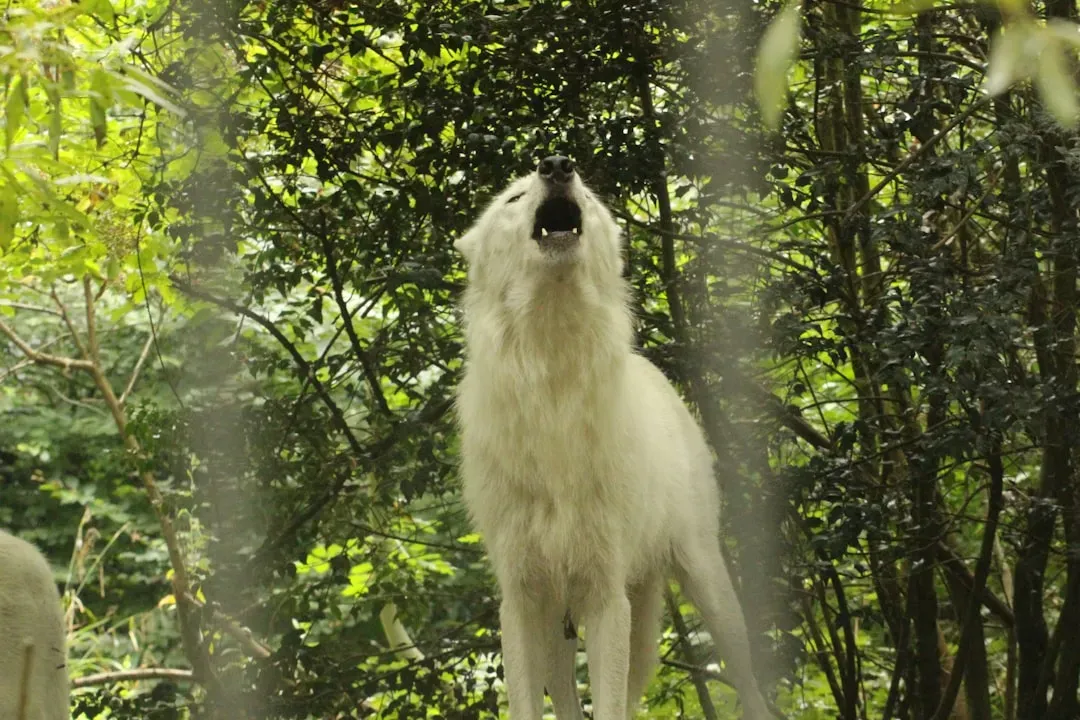
Siberian Huskies don’t necessarily bark a lot, but they’re described as a talkative breed, and they will whine, howl, groan and talk for hours. If you’re looking for a quiet dog, a Husky is definitely not your answer. These dogs are famous for their dramatic vocalizations that sound eerily close to human speech sometimes.
Their DNA is closely linked to wolves, so their vocalization is more similar to their ancestors, and they were sled dogs that traveled over large distances where communication was important. A howl or a whine travels much farther than a bark when you’re working as part of a team across vast frozen landscapes. That need to communicate constantly hasn’t gone anywhere, even if your Husky is lounging on your couch instead of pulling a sled.
7. German Shepherd
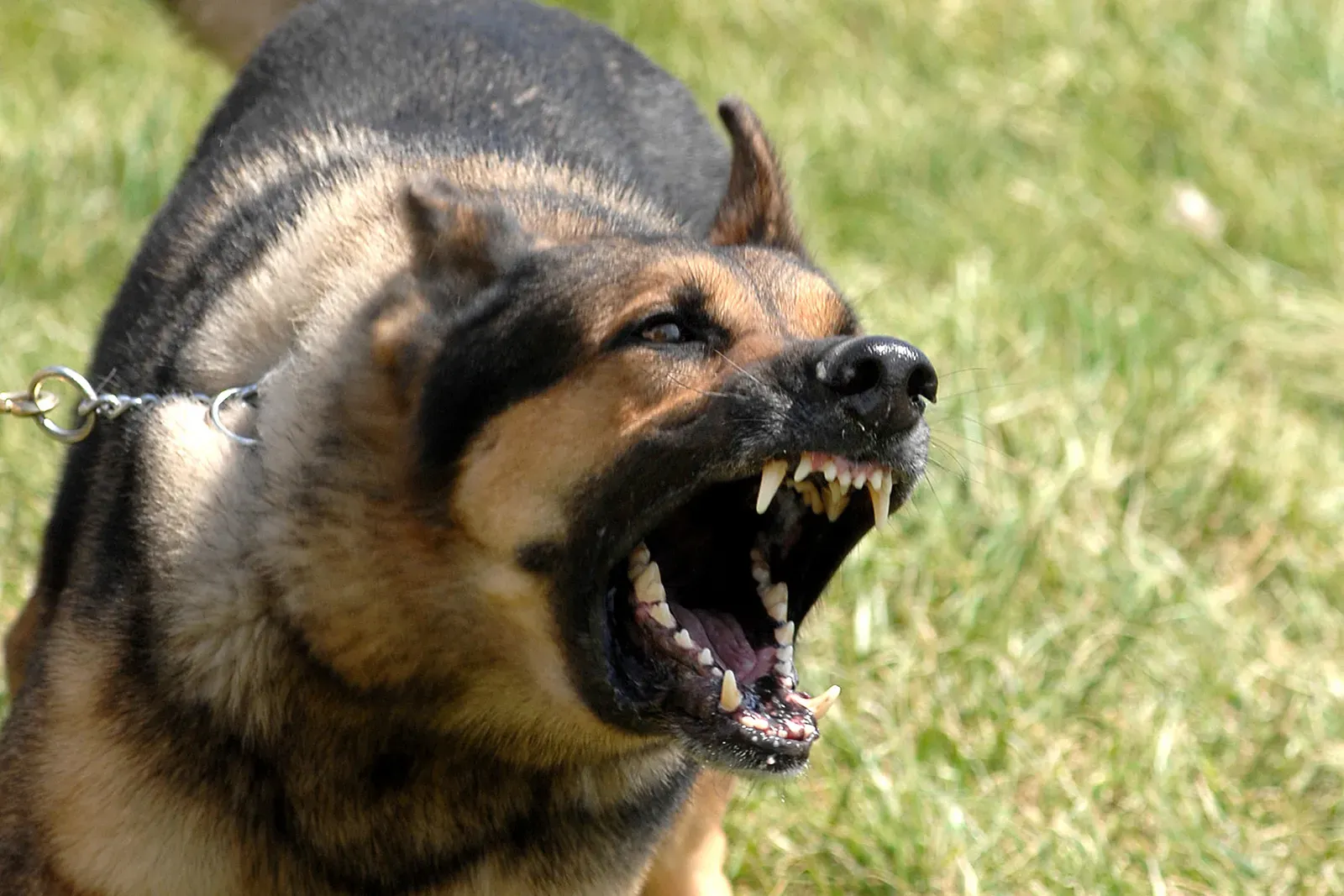
German Shepherds are generally more expressive and have a very distinctive loud bark, with a long history of working alongside humans in herding livestock and for protection. When a German Shepherd barks, you know it. Their voices are powerful, commanding, and meant to be taken seriously. These dogs were bred to be guardians and herders, roles that required clear, authoritative communication.
Even with extensive training, a German Shepherd’s protective instincts run deep. They’re naturally suspicious of strangers and will bark to alert their family to anything they perceive as unusual or threatening. It’s part of what makes them excellent working dogs, but it can also make them challenging pets in quiet neighborhoods.
8. Scottish Terrier
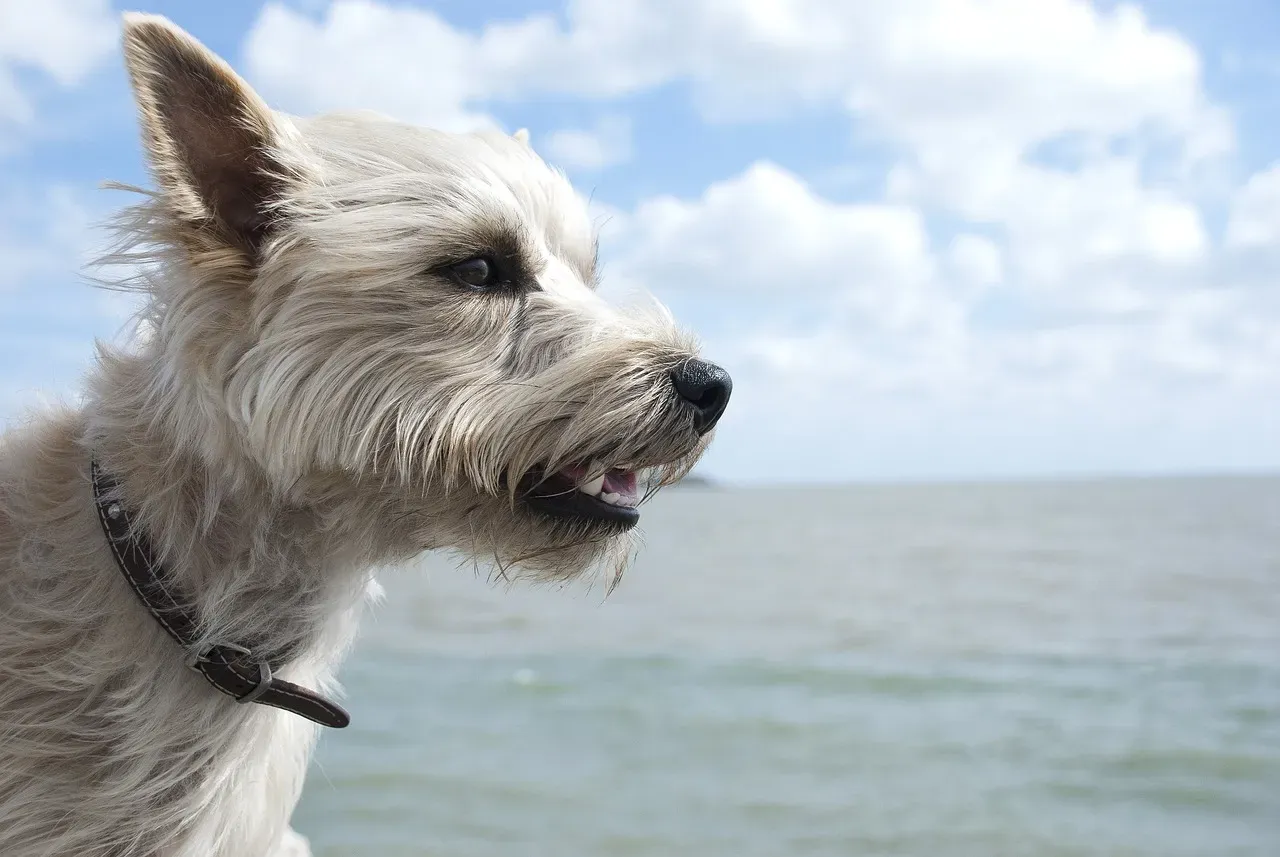
Scotties have a distinct bark, and they’re independent and sometimes stubborn, which often comes out in their barking. These little terriers have personalities far bigger than their bodies suggest. They’re confident, determined, and absolutely convinced they’re running the show. That attitude translates directly into their barking habits.
When a Scottie decides something needs to be said, they’re going to say it loudly and repeatedly. Training can help manage when and where they bark, but their stubborn streak means they’ll often decide for themselves when a situation warrants vocalization. Their bark is strong, distinctive, and surprisingly persistent for such a compact dog.
9. Jack Russell Terrier
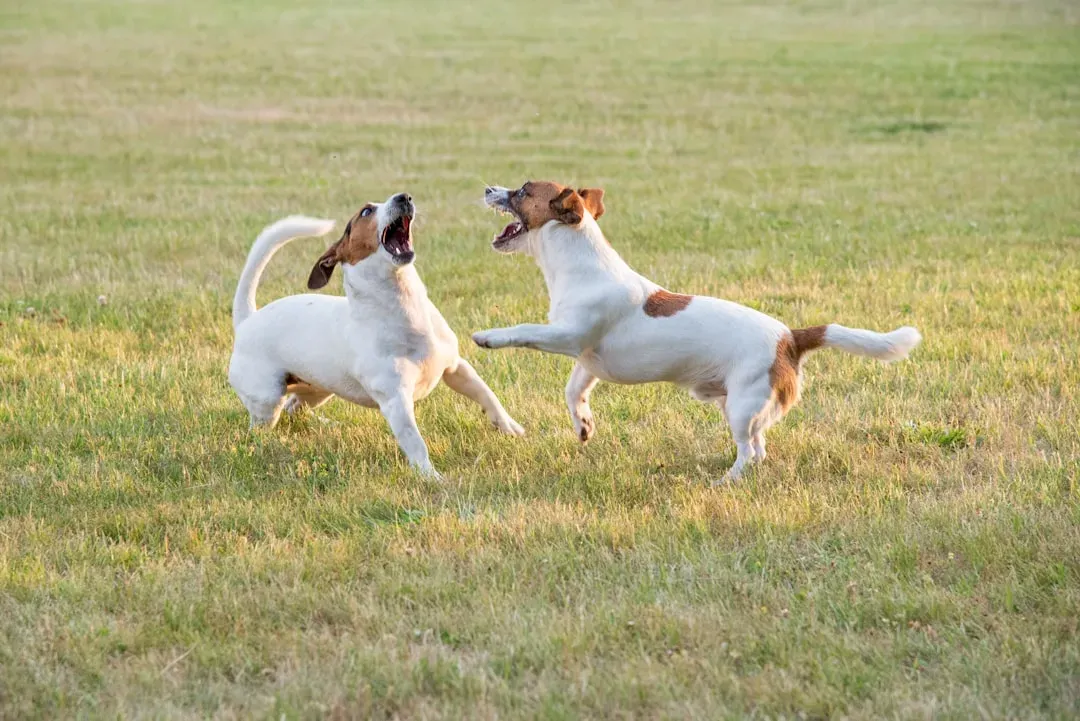
Jack Russells are small but pack a big personality, often barking to express excitement or get attention, and they were bred for hunting which means they are highly energetic and vocal. These dogs are like tiny balls of pure energy wrapped in fur. When they’re excited, bored, or just feeling particularly lively, they let the whole world know about it.
Their barking level is very high, and Jack Russells bark often with barking that can be very persistent, especially if they’re bored. Without proper stimulation, they channel all that energy into barking. Even with plenty of exercise and mental challenges, their natural hunting instincts keep them alert and ready to announce anything that catches their attention.
10. Maltese

The little Maltese will greet everyone you know with a happy bark and a wagging tail, and is highly alert, wanting to let every intruder know that they’ll have to deal with him. These fluffy little companions take their watchdog duties very seriously. They might look like adorable teddy bears, but they’ve got the heart of a guard dog.
Unfortunately, that often means barking in the middle of the night at sounds you can’t even hear. Their alertness is both a blessing and a curse. They’re wonderful at letting you know when someone’s at the door, but they’re equally enthusiastic about announcing every car that drives by, every leaf that falls, and every distant sound that disturbs their peace.
11. Pomeranian
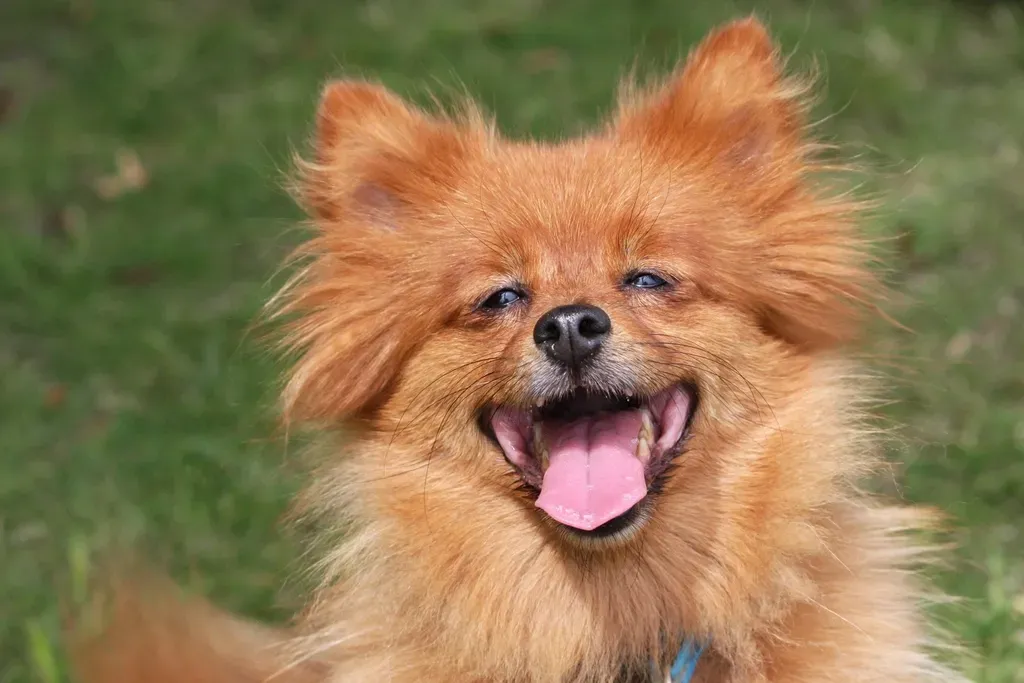
Small companion dogs like Pomeranians are prone to being more vocal, and these small breeds often make excellent watchdogs by alerting you to any perceived dangers. Pomeranians are fluff balls with big opinions and even bigger voices. They’re descended from larger sled-pulling dogs, and they’ve retained that bold, confident personality despite their miniature size.
Being vocal can become a strategy that they’ve learned gets them attention, and sometimes small breeds will bark because they feel more anxious or vulnerable due to their small size. It’s a mix of genuine alertness and learned behavior. Once a Pomeranian realizes barking brings you running, they’ll use that strategy whenever they want something.
12. Basset Hound
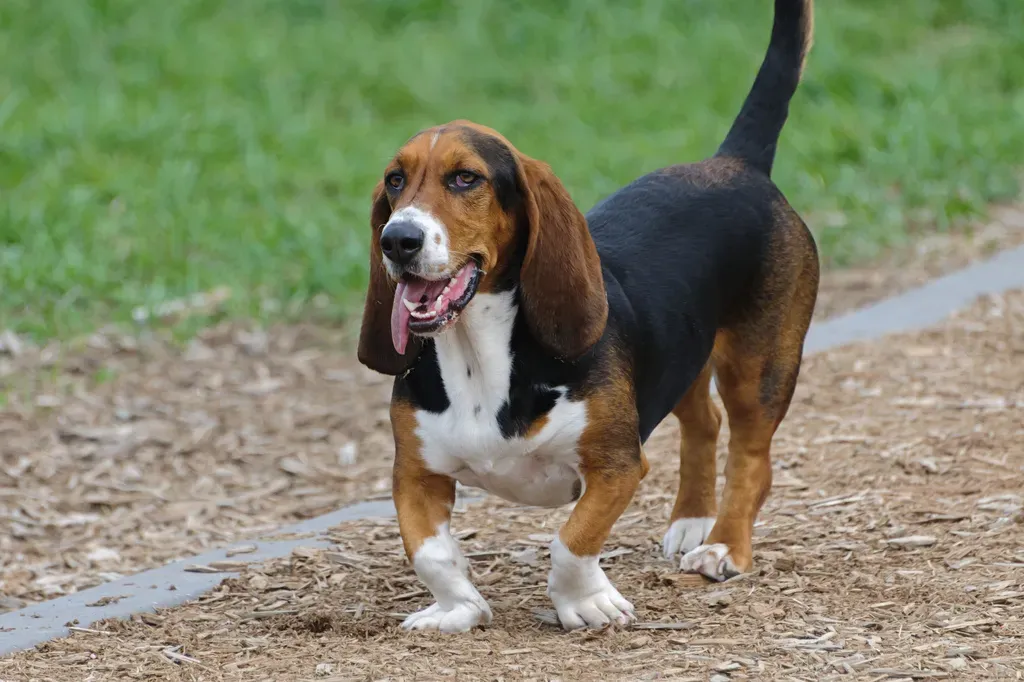
Basset Hounds are known for their loud and frequent barking. With their droopy ears and soulful eyes, Basset Hounds might look laid-back, but they’re hounds through and through. Like their Beagle cousins, they were bred for tracking game, and vocalization was a crucial part of that job. Their deep, resonant bay can be heard from quite a distance.
When a Basset gets on a scent trail or hears something interesting, they’ll let loose with that characteristic howl. It’s musical in a way, but it’s also incredibly loud and persistent. Training can teach them when it’s appropriate to vocalize, but you’ll never completely eliminate the instinct to bay when their hunting drive is activated.
Conclusion
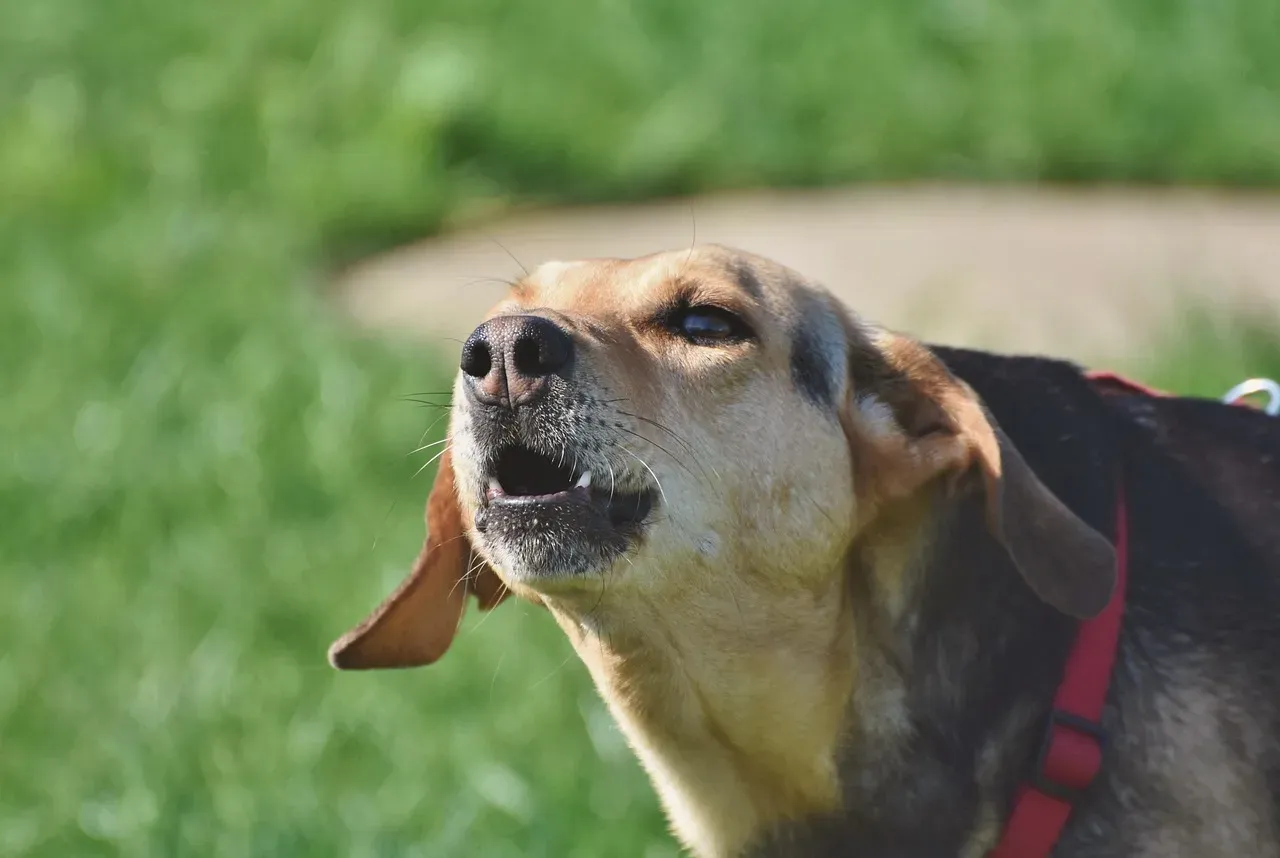
Living with a naturally vocal breed means accepting that some level of barking is simply part of the package. These dogs aren’t being difficult or disobedient when they bark excessively. They’re doing exactly what centuries of breeding designed them to do. Understanding this helps us approach training with more patience and realistic expectations.
Training can absolutely help manage barking behavior, teaching your dog when vocalization is appropriate and when silence is needed. Consistency, positive reinforcement, and addressing the underlying causes of barking like boredom, anxiety, or lack of exercise make a real difference. Sometimes, though, you just have to embrace the noise as part of loving these spirited, talkative companions.
Have you experienced the joys and challenges of living with a vocal breed? What strategies have worked best for managing the barking in your home?


