You know that sinking feeling when you come home to shredded cushions or scratch marks on the door? Maybe you thought your dog was just being naughty. The reality is often more heartbreaking. Some dogs don’t just miss you when you’re gone. They emotionally unravel.
These aren’t bad dogs. They’re breeds whose histories, genetics, and temperaments make them incredibly sensitive to emotional neglect. When you ignore their need for connection, mental stimulation, or companionship, they don’t just sit quietly and wait. They destroy, bark, pace, and sometimes hurt themselves trying to cope with feelings they can’t express any other way.
Let’s be real. Not every dog handles solitude the same way. Some breeds were literally designed to work alongside humans every single day. Without that bond, without purpose, they fall apart. So let’s dive in and explore which furry friends need your heart just as much as they need your home.
Border Collie

Here’s the thing about Border Collies. They’re not just smart. They’re considered by many to be the most intelligent dog breed. That genius-level brain is both a blessing and a curse.
They can easily get bored without mental stimulation, which may manifest itself in anxious and destructive behaviors. Picture a brilliant child locked in a room with nothing to do. Now add the instinct to herd, problem-solve, and work all day long. That’s a Border Collie without a job.
Border Collies can become bored and anxious when left alone for too long, leading to destructive behaviors such as chewing, digging, or even attempting to escape. They will literally chew through doors or rip apart furniture trying to manage their stress. These aren’t tantrums. Anxious behaviors are not the result of disobedience or spite. They are distress responses!
Labrador Retriever

Labs simply love being around people, and, as a result, struggle when left alone for long periods of time. They weren’t bred to be solitary animals. They were bred to work closely with hunters, retrieving game and being constant companions in the field.
When you emotionally neglect a Lab, they often turn to comfort behaviors. They may become anxious when left alone, leading to behaviors like chewing, digging, or excessive barking. Some will eat compulsively or engage in repetitive licking. It’s not attention-seeking. It’s an emotional breakdown.
Labs bond intensely with their families. Without that daily connection, they can spiral into genuine depression. A lonely Lab is a heartbroken Lab, and they’ll show it through destructive outlets they can’t control.
German Shepherd

German Shepherds, Labrador Retrievers, and Australian Shepherds often struggle more with being left alone. German Shepherds were literally designed to work all day every day alongside their handlers. This is due to their high intelligence and need for companionship.
When neglected or lacking attention, they may feel isolated and unloved and develop sadness and despair. Unlike some dogs that just act out, German Shepherds internalize their pain. Without sufficient outlets for this excess energy – like long walks, agility training, fetch, or scent work – they can become bored, anxious, and even destructive.
I’ve seen German Shepherds who chewed through walls, destroyed entire rooms, and developed severe anxiety disorders simply because they were left alone too much without mental engagement. The top reasons why your German Shepherd becomes destructive are a lack of the right type of exercise, not enough mental stimulation, normal puppy teething, stress or illness, separation anxiety, and acting out for attention. Emotional neglect triggers all of these at once.
Vizsla

They’re often called “Velcro dogs” because of how closely attached they are to the people they love. Honestly, the nickname says it all. Vizslas don’t just want to be near you. They need it like oxygen.
These athletic and affectionate dogs thrive on constant interaction and feel deeply distressed when left alone. Their anxiety often results in destructive chewing, barking, or even attempts to escape. I know it sounds dramatic, but Vizslas can genuinely panic when separated from their humans.
They are very affectionate and loving dogs that enjoy being around people. However, they can also be prone to separation anxiety if they do not have enough human interaction during the day. Without that emotional connection, they become shadows of themselves. Destructive, yes. Desperate, absolutely.
Australian Shepherd

Border Collies and Australian Shepherds are highly sensitive and intelligent, which can lead to over-alertness and anxiety. Australian Shepherds share that herding heritage, that intense work ethic, and that desperate need to have a purpose.
They can become nervous and destructive if left alone too much without exercise. Think about it. These dogs were bred to move livestock across vast distances, making split-second decisions all day long. Now imagine asking that dog to sit in an apartment for eight hours with zero stimulation.
The Aussie Dalmatian mix is known to become destructive when not given enough exercise and mental stimulation. Even mixed breeds with Aussie genetics inherit this sensitivity. When emotionally ignored, Aussies don’t just destroy things. They develop obsessive behaviors like tail chasing, spinning, or fixating on shadows.
Bichon Frise

The Bichon Frise is a small, cheerful dog that loves being around people. They were bred as companion animals, so being alone is extremely stressful for them. Their affectionate nature means they thrive on human attention, and extended periods of solitude can lead to separation anxiety.
This isn’t a dog that can entertain itself. As soon as you leave them alone, they can become aggressive and destructive. Their anxiety, when overlooked, can quickly change into depression. People assume small dogs are low-maintenance, but Bichons need constant emotional connection.
Their cheerful disposition can quickly become anxiety when separated from their loved ones, leading to barking, whining, or destructive chewing. They’re lap dogs through and through, bred for centuries to be human companions. Emotional neglect hits them harder than you’d expect from such a fluffy little creature.
Cocker Spaniel

Cocker Spaniels form deep bonds with their families and can develop separation anxiety if they don’t receive enough attention. They may bark excessively, whine, or engage in destructive behaviors when left alone. These are sensitive souls wrapped in silky fur.
Cocker Spaniels can often get anxiety when separated from their owner. This can manifest destructive behavior, excessive vocalization, and other forms of distress in them. Unlike some working breeds that channel frustration into purposeful destruction, Cockers just crumble emotionally.
They’re companion dogs to their core. When you emotionally neglect a Cocker Spaniel, you’re denying them their entire reason for existing. They don’t understand why you’re suddenly distant or absent. They just know the world suddenly feels unsafe.
Jack Russell Terrier

Jack Russell Terriers may be small, but they are bursting with energy and curiosity. They form strong bonds with their families and don’t do well with being left behind. Without enough stimulation and human interaction, they can become anxious and channel their stress into destructive behaviors like digging, chewing, or excessive barking.
Here’s what people don’t get about Jack Russells. That boundless energy isn’t just physical. It’s mental. This breed is known for its high energy and intelligence, making it difficult for them to be left alone. They need jobs, puzzles, interaction, and purpose.
They may become destructive or even aggressive when left alone, making them difficult dogs to live with. Emotional neglect doesn’t just bore them. It genuinely distresses them. They’ll tear apart your home not out of spite, but because they’re trying to cope with overwhelming anxiety they can’t verbalize.
Siberian Husky
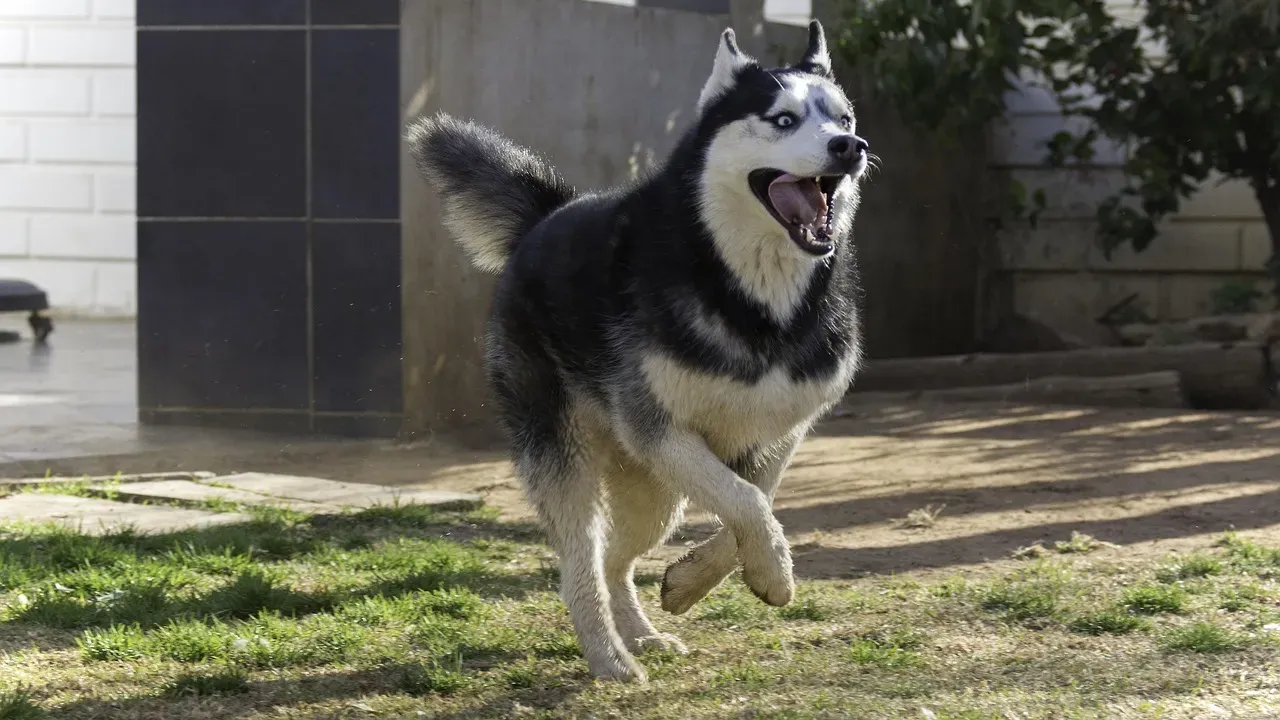
Huskies are independent, right? That’s what everyone thinks. Wrong. Huskies are known for their high energy and for being extremely social dogs that love being in packs. They were bred to work in teams, running for miles with their pack mates and mushers.
Siberian Huskies are also prone to anxiety, which can manifest as barking, destructive chewing, digging, escape attempts, or fixation. When you emotionally neglect a Husky, they don’t just sit quietly. They howl, dig, destroy, and try desperately to escape to find their pack.
I’ve heard countless stories of Huskies who jumped fences, chewed through walls, or destroyed entire yards simply because they felt abandoned. They’re not being bad. They’re pack animals who genuinely believe they’ve been left behind, and the panic that creates is real and overwhelming.
Dalmatian

Dalmatians have this reputation as high-energy firehouse dogs, but people forget they were also bred to run alongside coaches for hours, protecting their humans. He has a lot of energy that needs to be expelled. Otherwise, he is known to be destructive in the home.
First up, the Boxmatian is one of the most energetic dogs around. The mixed breed lives for exercise sessions, and if they’re left alone for too long without anything to do, don’t be surprised if they engage in destructive or anti-social behavior to amuse themselves. Even Dalmatian mixes inherit this intense need for activity and emotional connection.
Some breeds have more intense attachment styles and are more likely to act out when bored or lonely, including Dalmatians, terriers, and Irish setters. When emotionally ignored, Dalmatians become anxious wrecks. They need structure, purpose, and connection. Without it, they fall apart.
Boxer

Boxers are clowns. Everyone knows that. They’re goofy, playful, and always up for fun. But beneath that silly exterior is a deeply sensitive dog who bonds intensely with their family. They need plenty of exercise and mental stimulation to stay happy and healthy. If left alone too much, they can become destructive.
It loves to be with its family and finds joy in staying busy. If left to its own devices, your Boxmatian may engage in property destruction due to sheer boredom. This can be avoided by providing mental and physical stimulation each and every day. Boxers aren’t independent dogs. They’re Velcro dogs in disguise.
When you emotionally neglect a Boxer, they don’t understand. They just know the playmate, protector, and beloved human they adore is suddenly unavailable. The destruction that follows isn’t revenge. It’s heartbreak manifesting as chewed furniture and torn pillows.
Cavalier King Charles Spaniel

The Cavalier King Charles Spaniel is often referred to as a “velcro dog” because of its tendency to stick close to its owner. These small, affectionate dogs were bred as lap companions, so they crave constant attention and physical closeness. Being left alone for extended periods can cause them significant stress, often manifesting as whining, barking, or destructive chewing.
These are the ultimate companion dogs. They were literally bred to sit on royal laps and provide comfort. When you emotionally neglect a Cavalier, you’re going against centuries of breeding that programmed them to be constantly connected to humans.
They don’t cope well. At all. Their sensitive nature makes them particularly vulnerable to separation anxiety when left alone. They thrive on attention and affection, and prolonged isolation can lead to stress, resulting in destructive chewing or excessive barking. It’s honestly heartbreaking to watch such gentle souls struggle so much with being alone.
Conclusion

Dogs aren’t accessories. They’re emotional beings with needs that go far beyond food and shelter. The breeds we’ve explored today aren’t difficult or broken. They’re just wired differently, bred for centuries to work alongside humans, bonding deeply and finding purpose in that connection.
When we ignore their emotional needs, we’re not just being neglectful. We’re causing genuine psychological distress that manifests as destruction, anxiety, and sometimes even self-harm. These dogs need us. They need routine, mental stimulation, physical activity, and most importantly, they need to feel like valued members of the pack.
If you have one of these breeds, or you’re considering adopting one, ask yourself honestly if you can meet their emotional needs. Can you provide daily interaction, training, exercise, and genuine companionship? Because if you can’t, you’re setting both of you up for heartbreak.
Did any of these breeds surprise you? What’s your experience with emotionally sensitive dogs? Share your thoughts in the comments below.