
Picture this: you’re relaxing on your porch in the Blue Ridge Mountains, and suddenly your dog goes stiff, ears pricked, staring into the tree line. Then you see it. A large, dark shape moving through the brush. A black bear – and not a small one.
North Carolina is home to roughly 20,000 black bears, with about 12,000 along the coast and nearly 8,000 in the mountains. As the black bear population continues to grow in North Carolina, encounters with people have been increasing over the years. This is real life for many dog owners across the state, from Asheville to Carteret County. The good news? Certain dog breeds are built for exactly this kind of moment.
One Asheville woman found all three of her dogs alive after they confronted a black bear that had climbed a neighbor’s tree and dropped into her fenced yard. Not every dog is equipped to handle that scenario. Some will bolt. Some will panic. The twelve breeds below? They hold their ground. Let’s dive in.
1. Plott Hound: North Carolina’s Own Bear Dog
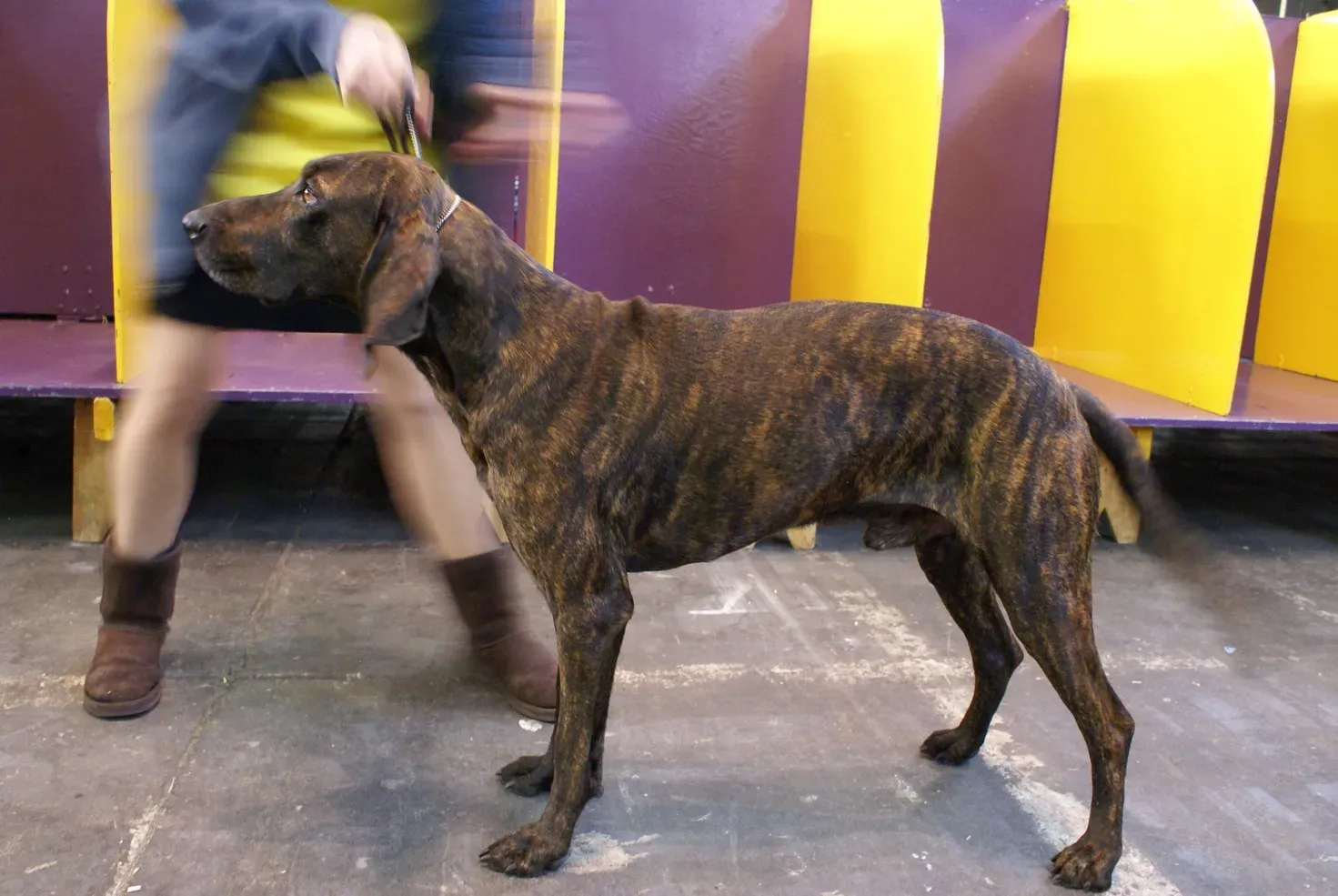
Here’s the thing about Plott Hounds – they didn’t become North Carolina’s state dog by accident. Plott Hounds are renowned for their exceptional tracking abilities and unwavering tenacity, and this breed is the State Dog of North Carolina, a testament to its significant cultural and practical contributions. That’s not a ceremonial title. These dogs earned it one bear track at a time.
The Plott Hound is a medium-sized hunting dog that originated in North Carolina and was bred to hunt bears and wild boar, known for intelligence, courage, and endurance. Their founding breeder moved to North Carolina, managed to keep the dog line pure as he passed it down to family members, and for the next 200 years the Plott family continued to breed this line of dogs, with their popularity growing across the Appalachians and Great Smoky Mountains.
Today, approximately 70 percent of hunters in North Carolina use hounds to pursue bears, including the Plott Hound, the official North Carolina state dog and famous bear-hunting breed. If you live in bear country and want a dog that truly belongs there, the Plott Hound is your answer. Train them early, give them plenty of exercise, and never underestimate what those instincts are capable of.
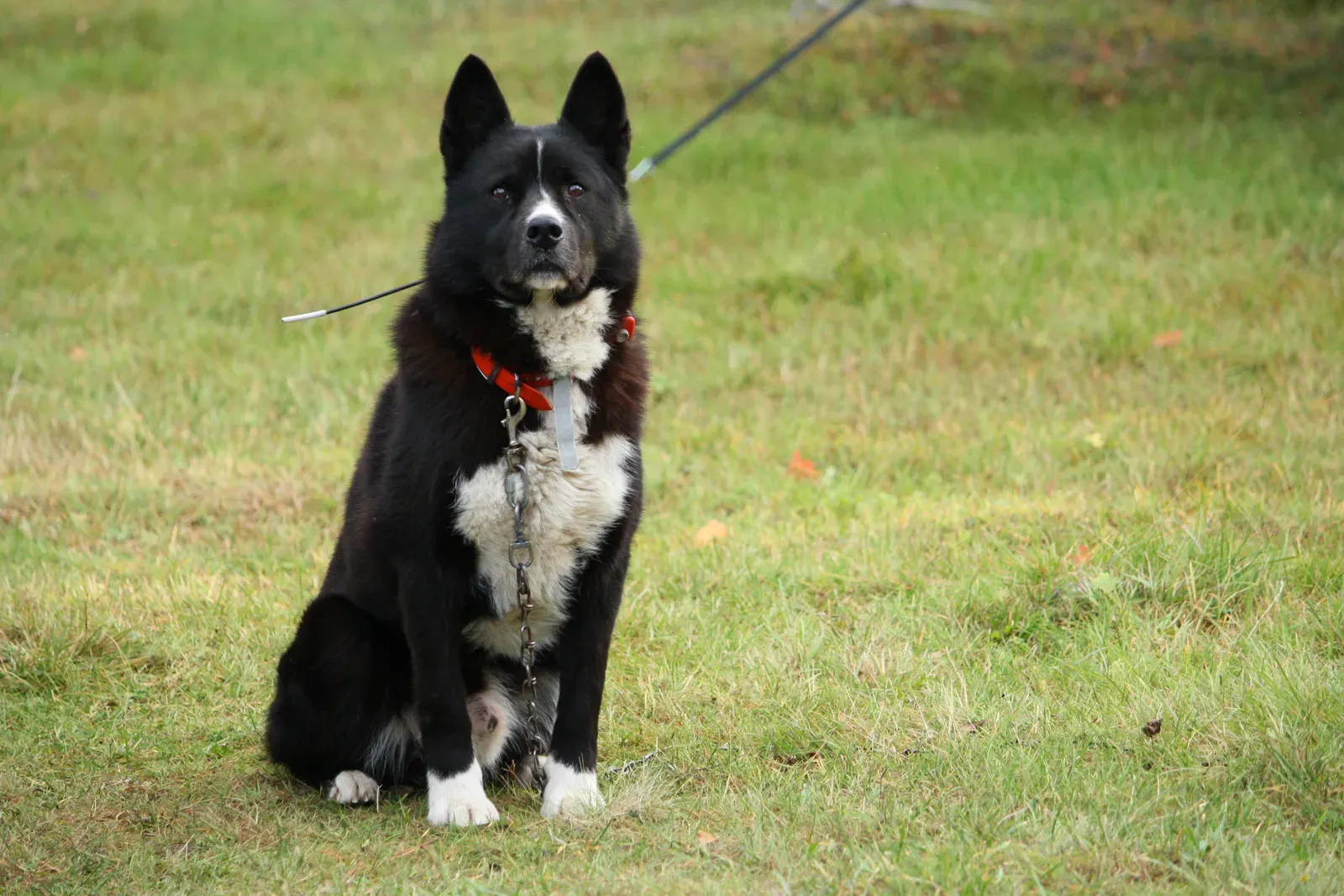
2. Karelian Bear Dog: The Silent Storm
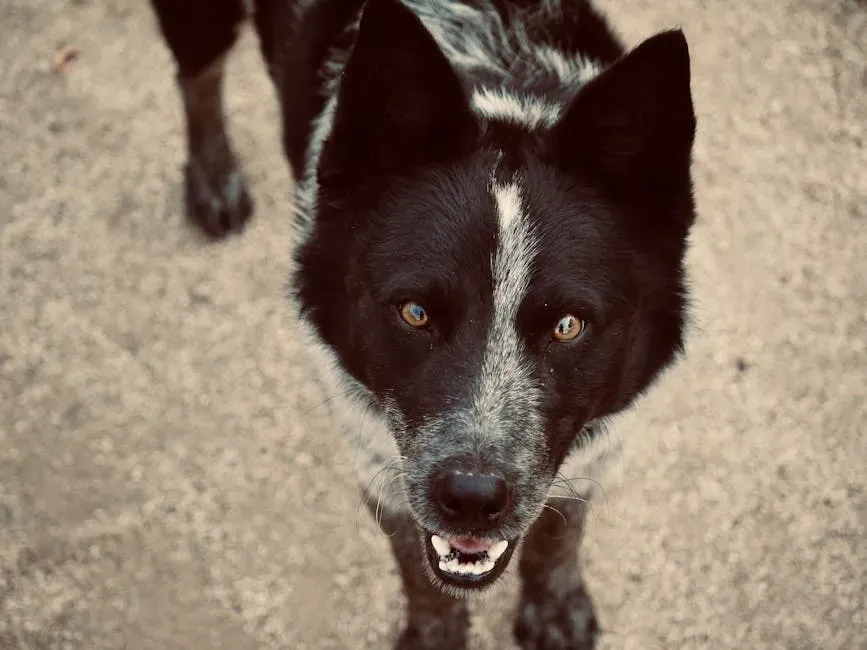
Don’t let the modest size fool you. The Karelian Bear Dog is arguably the most purpose-built bear deterrent on this entire list. The Karelian Bear Dog is a Finnish breed that has been used for centuries to hunt large game like bears, optimally suited for tracking, hunting, and facing off with aggressive bears, with a nimble, sturdy build and tireless work ethic.
Though relatively small, Karelian Bear Dogs are great for stopping bears. They don’t engage bears directly. Instead, they use their loud barks and superb agility to harass and distract bears, sometimes even chasing them away. They seem to know how to stay just out of reach of a bear’s teeth and claws, and keep a black bear fully occupied. That is genuinely brilliant strategy for a dog.
They’re definitely not a good breed for first-time dog owners. They’re absolutely fearless, noisy, energetic, extremely strong-willed and can be difficult to train. So be honest with yourself before committing to one. They need a confident, experienced handler who respects their nature.
3. Caucasian Shepherd: The Mountain Guardian
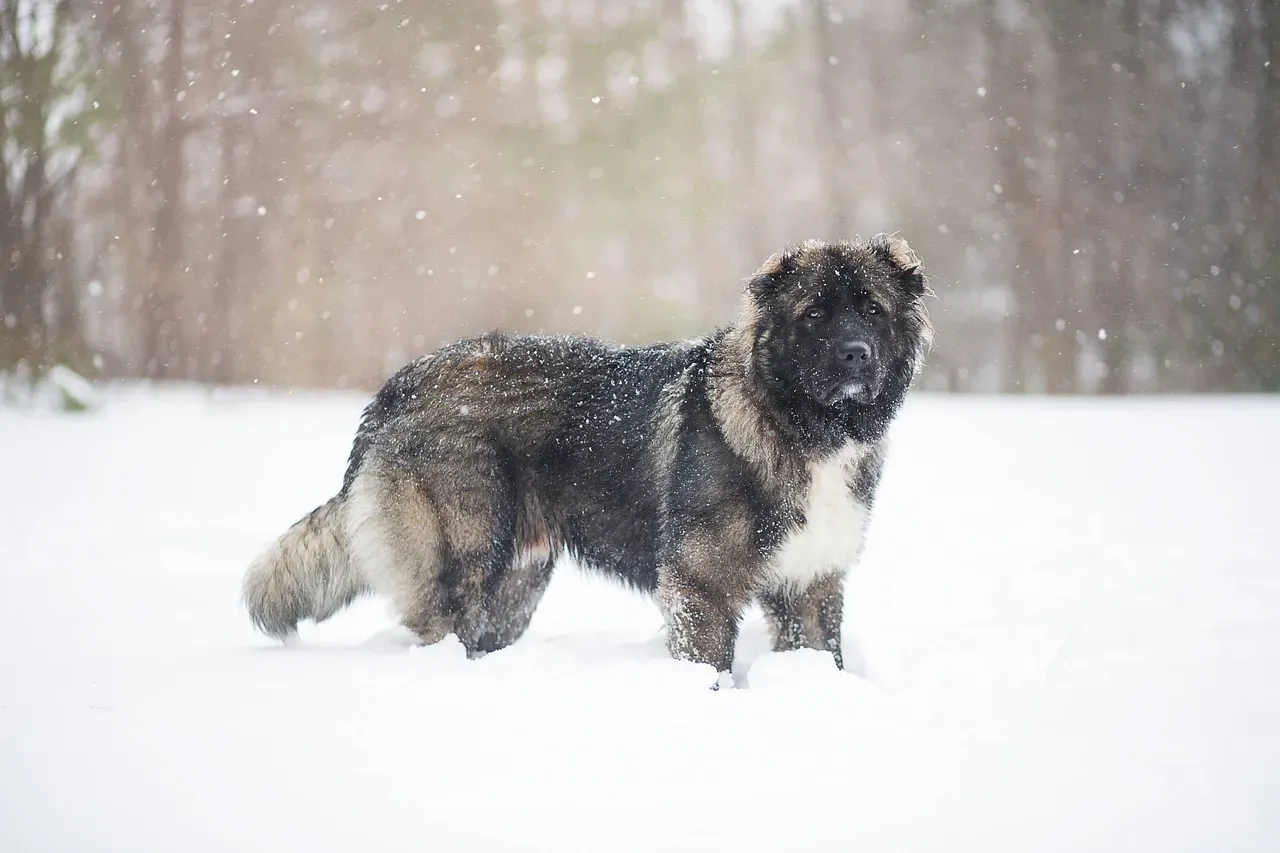
Known for their massive size and fearlessness, Caucasian Shepherds have been used to guard livestock against predators like wolves and bears in the Caucasus region. Their dense fur and formidable presence can deter larger threats. Think of them as a living fortress that moves through your yard at night. Something bears genuinely want no part of.
The Caucasian Shepherd dog is built for direct confrontation. With a heavier bone structure, greater bulk, and a naturally dominant temperament, it was bred to face powerful predators head-on. This breed does not hesitate when it perceives a threat. That instinct alone can be the difference between a bear moving on and one sticking around.
Be aware that the Caucasian Shepherd Dog is a fierce and powerful livestock guardian from the Caucasus region, fearlessly standing up to wolves, bears, and other threats, but requires experienced handling due to its strong-willed nature. Socialization from puppyhood is absolutely non-negotiable with this breed.
4. Kangal Shepherd: Power Meets Precision
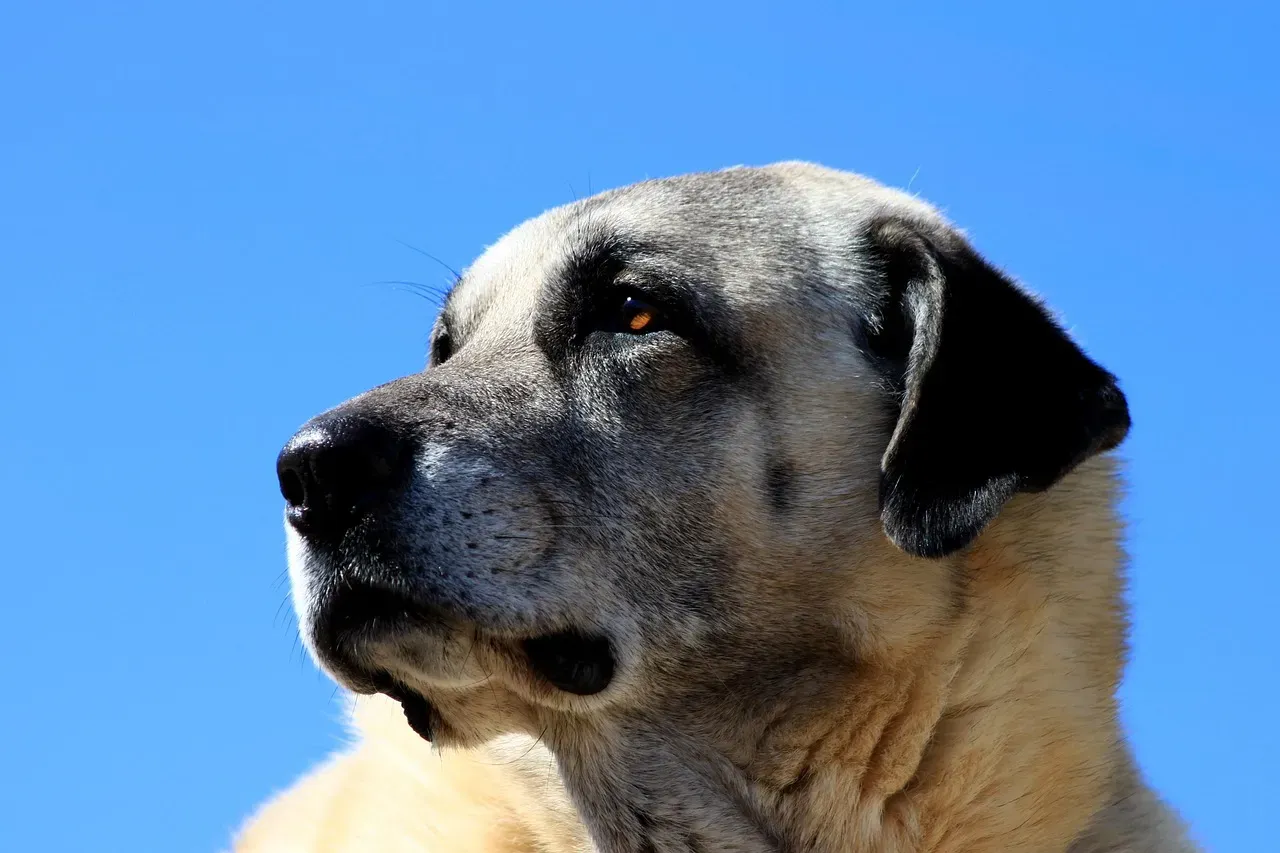
The Kangal is basically what you get when you combine raw power with a calm, strategic mind. The Kangal dog comes from Turkey, specifically the Sivas region, where these dogs have been helping Turkish shepherds protect their flocks from wolves, bears, and other dangers for thousands of years – and it holds a special place as a national symbol, with protection from the Turkish government.
It boasts one of the strongest bite forces among dog breeds, averaging around 700 PSI. Traditionally used to defend livestock from wolves and even bears, this breed is loyal, intelligent, and gentle toward its owners, making it a dependable family guardian when properly trained and socialized. That calm energy at home shifts in an instant when threat shows up.
Kangals are very good at alerting their owners of any imminent threat. In the face of danger, these dogs will prioritize their masters and the sheep and place themselves between them and the danger. That instinct to position between family and threat is exactly what you want in bear country. It’s noble, honestly.
5. Great Pyrenees: The Gentle Giant Who Isn’t So Gentle With Bears
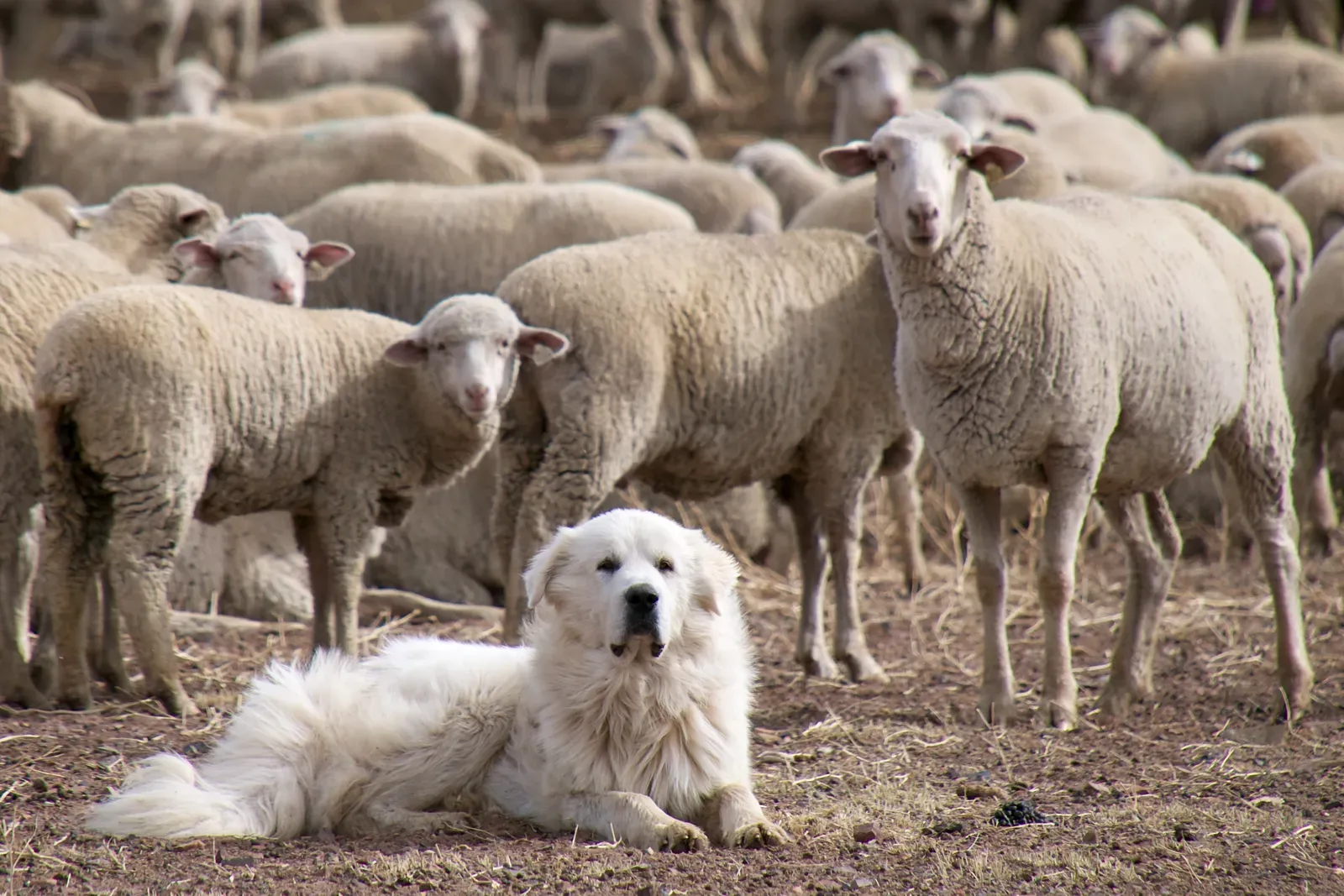
People see a fluffy white dog and think lap dog. They are wrong. Bred to guard livestock from wolves and bears, the Great Pyrenees has an impressive yet balanced frame. The Great Pyrenees is naturally calm, patient, and deeply devoted to its family. Although large and powerful, it is not overly aggressive by nature. Instead, it is watchful and protective, always alert but usually controlled.
The Great Pyrenees was developed to guard sheep in the Pyrenees Mountains against wolves and bears. Its strength lies not just in muscle, but in endurance and smart decision-making. Rather than attacking immediately, this breed often uses warning barks, body positioning, and intimidation to drive predators away. That’s a smart, energy-efficient approach to bear deterrence.
Livestock owners in grizzly and wolf country have successfully protected their animals with Great Pyrenees dogs. With proper socialization, the Great Pyrenees is gentle with children, respectful toward the elderly, and generally accepting of other pets in the home. So yes, they can snuggle on the couch and still mean business in the yard.
6. Tibetan Mastiff: Ancient Power, Modern Presence
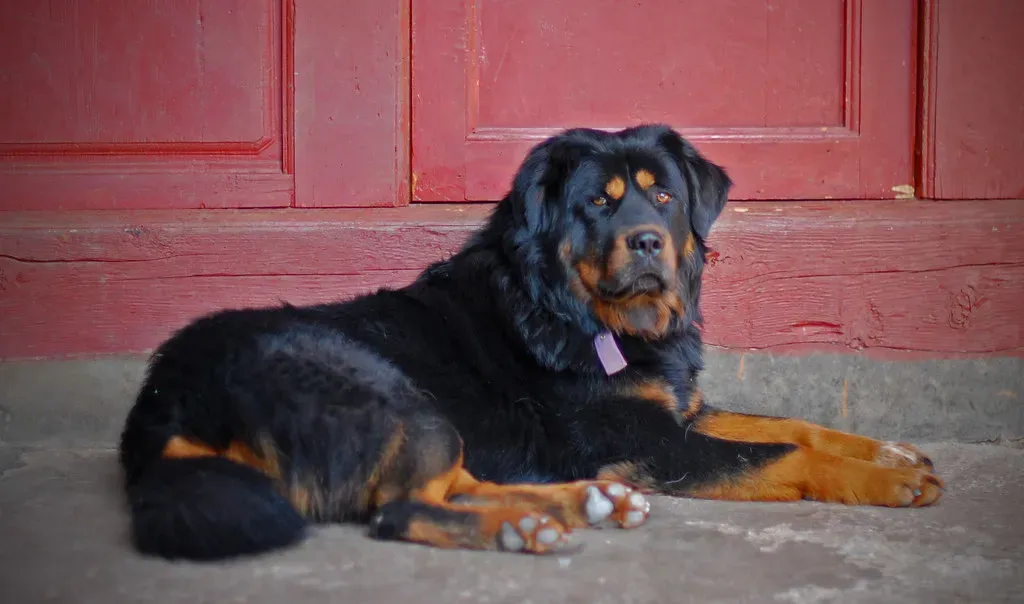
The Tibetan Mastiff is one of those breeds that commands an entire room just by walking into it. The Tibetan Mastiff is a large, powerful breed with a thick, double coat that protects it from harsh weather, making it well-suited for rugged terrains. It is known for its impressive size, with a broad, heavy build, and a mane-like fur around its neck. Tibetan Mastiffs possess a strong territorial instinct and are highly intelligent, independent, and can be reserved with strangers.
The dog breed is large in size, weighing about 100 to 150 pounds. They are efficient livestock guarding dogs, protecting flocks from large predators like bears. One of the most ancient livestock guardian breeds, the Tibetan Mastiff has been guarding livestock in the Himalayas for centuries. These massive dogs are highly independent and protective, making them excellent at keeping other livestock safe from predators.
Honestly, one look at a Tibetan Mastiff in full winter coat would make most creatures reconsider their life choices. The key with this breed is early socialization and consistent structure. They are not easily told what to do, so clear, confident leadership from day one matters enormously.
7. Akita: Japan’s Bear Hunter, Now in Your Backyard
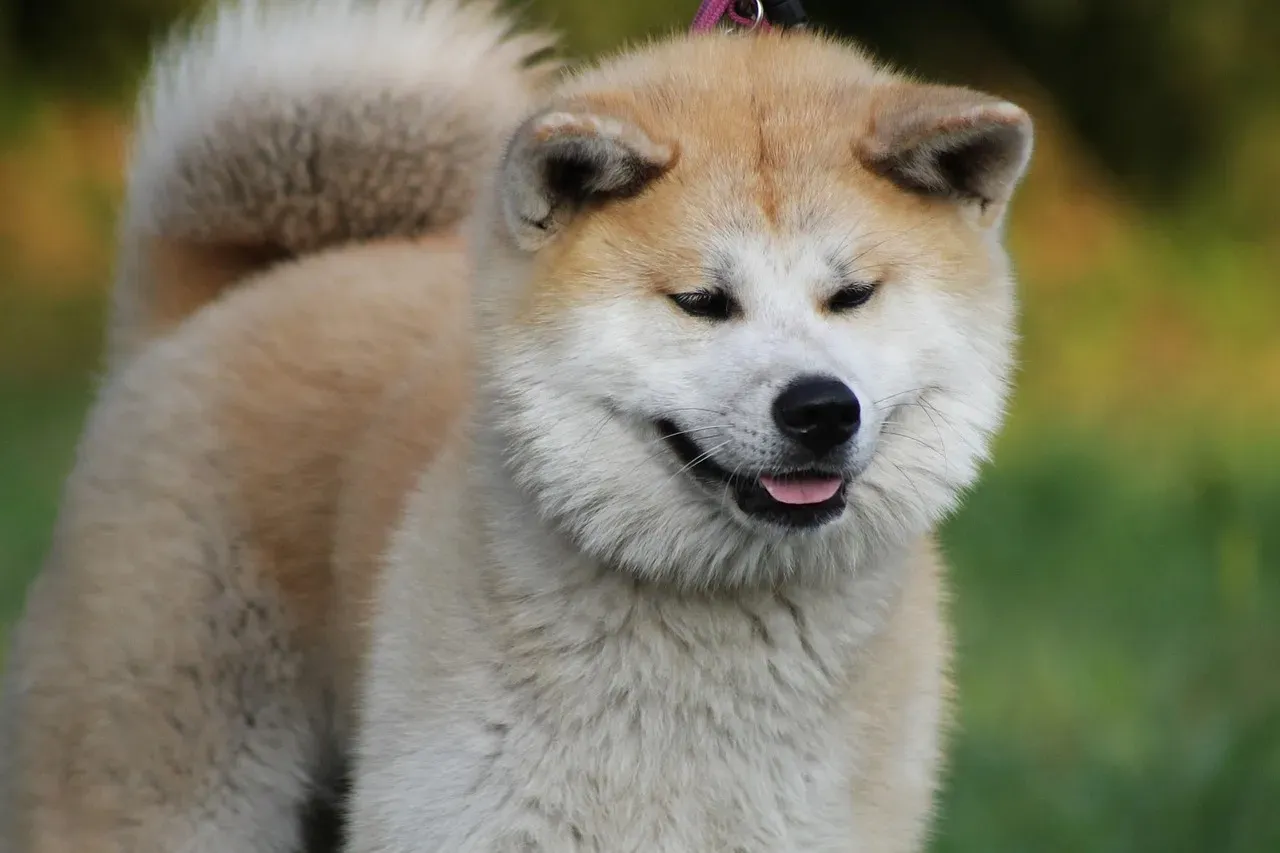
The Akita carries itself like it already knows it can handle whatever comes next. Originating from Japan, the Akita is known for its courage and strong protective instincts. Used historically for hunting bears, the Akita’s tenacious nature and imposing size are assets for anyone facing the possibility of a bear encounter. Their loyalty and alertness make them devoted protectors.
The Akita is fairly big and very strong, which makes it great protection against a bear. In the past, the Akita used to hunt bears in pairs, one male and one female. The male’s job was to distract the bear so that the female could bite and hold it until the hunter arrived. That’s centuries of refined teamwork baked directly into their DNA.
Training an Akita to confront bears involves enhancing their natural guarding instincts through socialization and controlled exposure to wildlife. Their unwavering loyalty and dominant presence make them a steadfast protector. With Akitas, it’s less about teaching them to be brave and more about channeling the bravery that is already there.
8. Anatolian Shepherd: The Independent Thinker
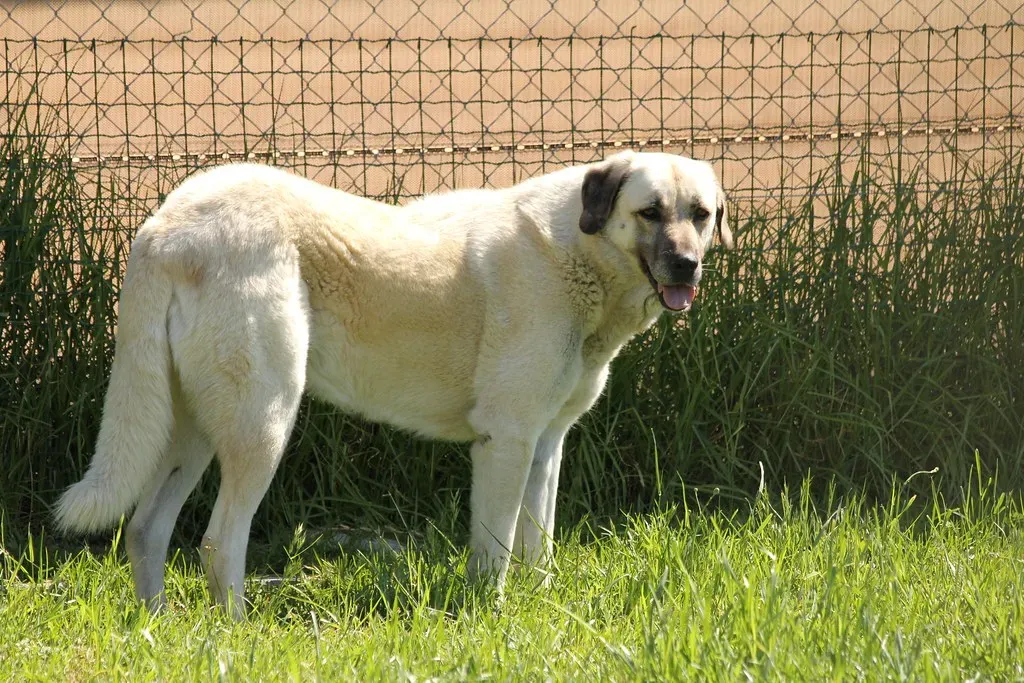
Here is a dog that doesn’t wait for instructions when danger shows up. When it comes to livestock guardians who could literally stare down a bear, the Anatolian Shepherd stands proudly at the top of the list. Hailing from the rugged hills and open plains of Turkey, this ancient breed was built for endurance, independence, and bravery. These large dogs take their duties seriously.
Anatolian Shepherds are stalwart guardians with a history rooted in protecting livestock from predators. Their muscular build and confident demeanor make them natural deterrents to any threat. While they are affectionate with family, they are always on alert. That constant vigilance means a bear rarely gets close without being noticed first.
The Anatolian Shepherd is fast, alert, and fiercely loyal, often taking a leadership role within its territory. Farmers still use them today to deter wolves from attacking sheep or goats. With firm training, they also make steady, dependable family protectors. Give this breed a job and they will do it with everything they have, every single day.
9. Alaskan Malamute: Built for the Wild
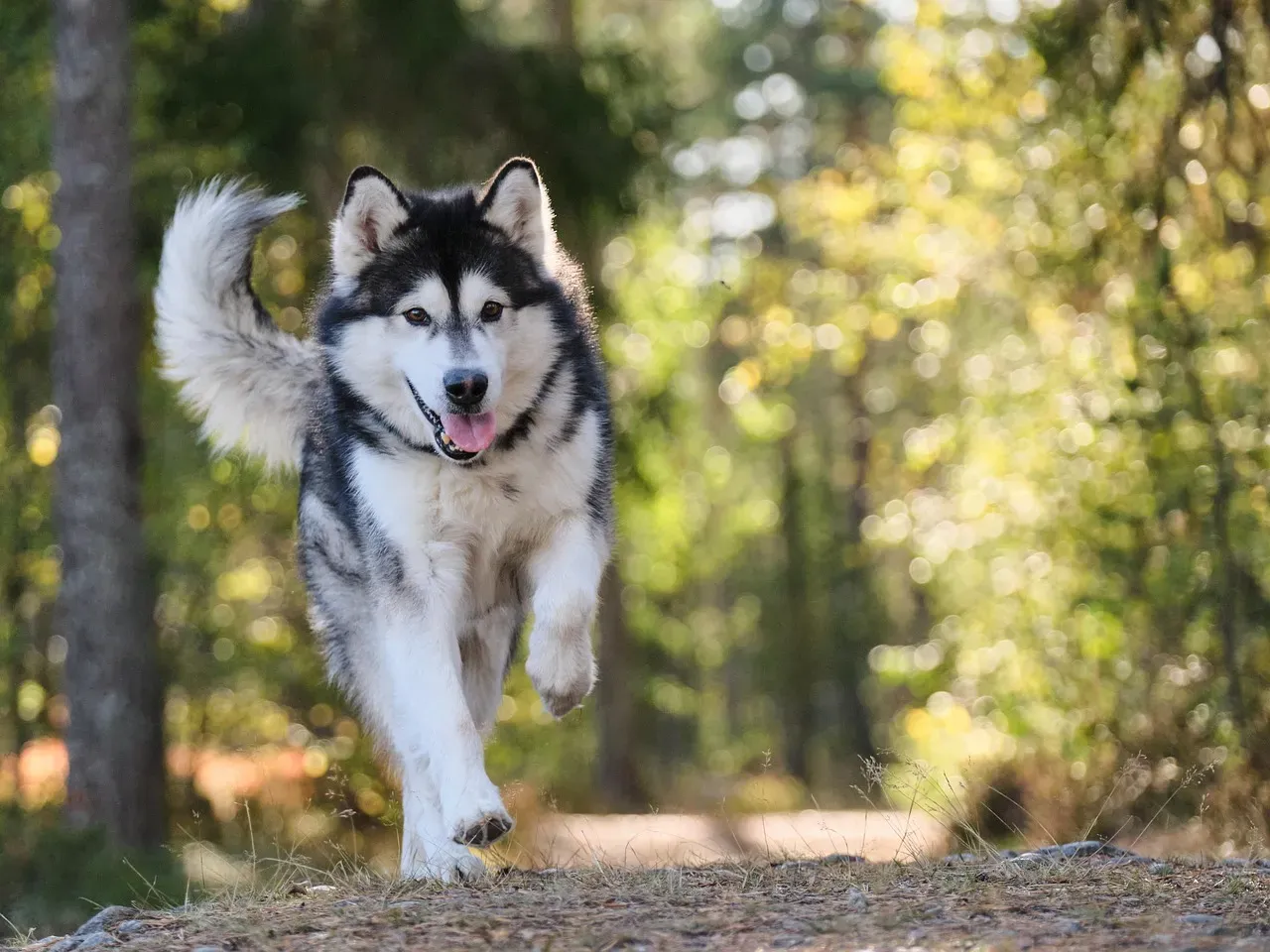
Most people associate the Alaskan Malamute with pulling sleds across frozen tundra. That framing undersells them. Though typically associated with sledding, Alaskan Malamutes are also known for their strength and endurance. Their wolf-like appearance and instincts make them formidable against larger predators. Malamutes thrive in cold climates and can be invaluable on wilderness treks in bear country.
Think of the Malamute as a canine athlete who never quite stops being a working dog at heart. Their size, power, and confident presence give a bear serious pause. They are also deeply pack-oriented, which means they will naturally position themselves between a threat and their family. That instinct doesn’t need to be trained in; it’s simply there.
If you own a Malamute and live near the western North Carolina mountains, regular outdoor exercise and engagement keep them sharp, happy, and alert. A bored Malamute is a challenge. An active, well-exercised Malamute is a formidable companion in the field.
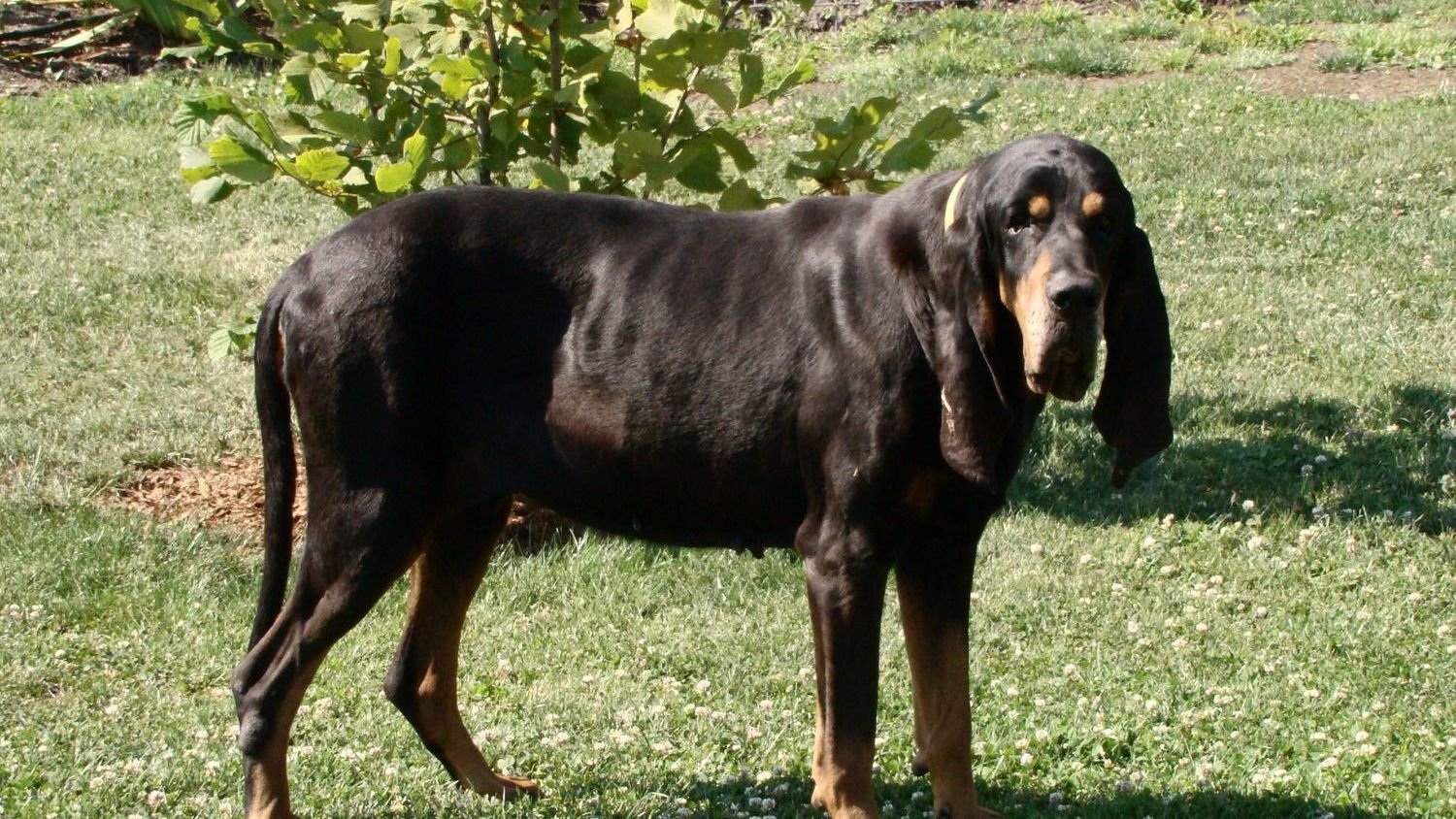
10. Black and Tan Coonhound: Loud, Relentless, Effective
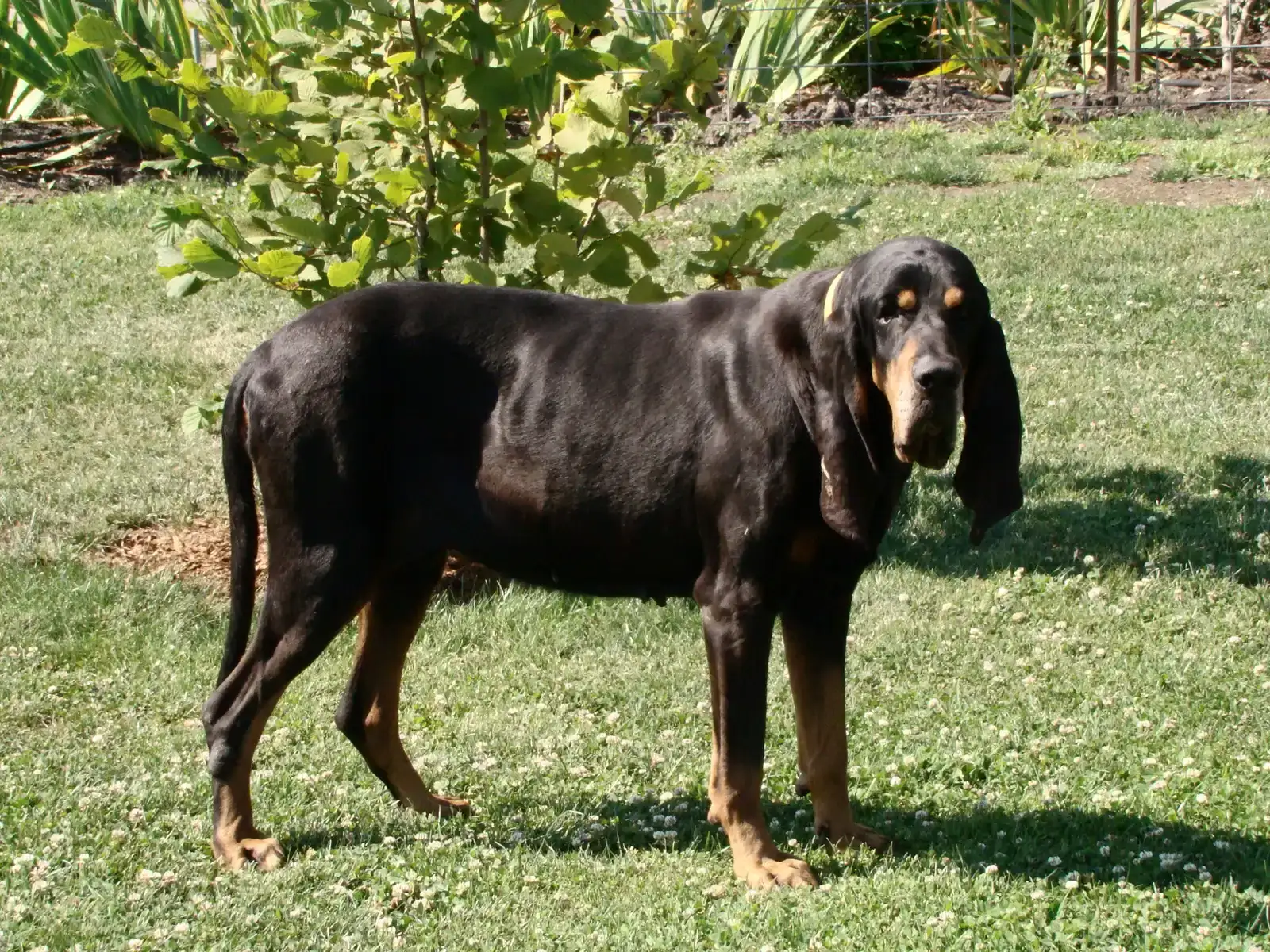
Let’s be real – in North Carolina’s forests and swamps, the Coonhound has deep roots. The Black and Tan Coonhound is among the most common coonhound breeds. This breed was originally bred specifically to track raccoons, but they also make great bear-hunting dogs. Their noses are almost unfairly good, and they simply don’t quit once they’re on a trail.
Known for their distinctive black and tan coat, these dogs are strong, with long ears and a keen sense of smell. They are versatile hunters that combine speed with stamina. They are excellent for trailing and treeing bears, and their loud baying helps hunters keep track of the dog’s location in dense terrain.
One thing worth knowing: their baying voice is not a quiet alarm. It is a full, resonant declaration that something is happening right now. In the context of deterring bears from your property, that vocal intensity is actually a feature, not a flaw. Bears that hear that kind of noise tend to conclude there are better places to be.
11. German Shepherd: The Versatile Protector
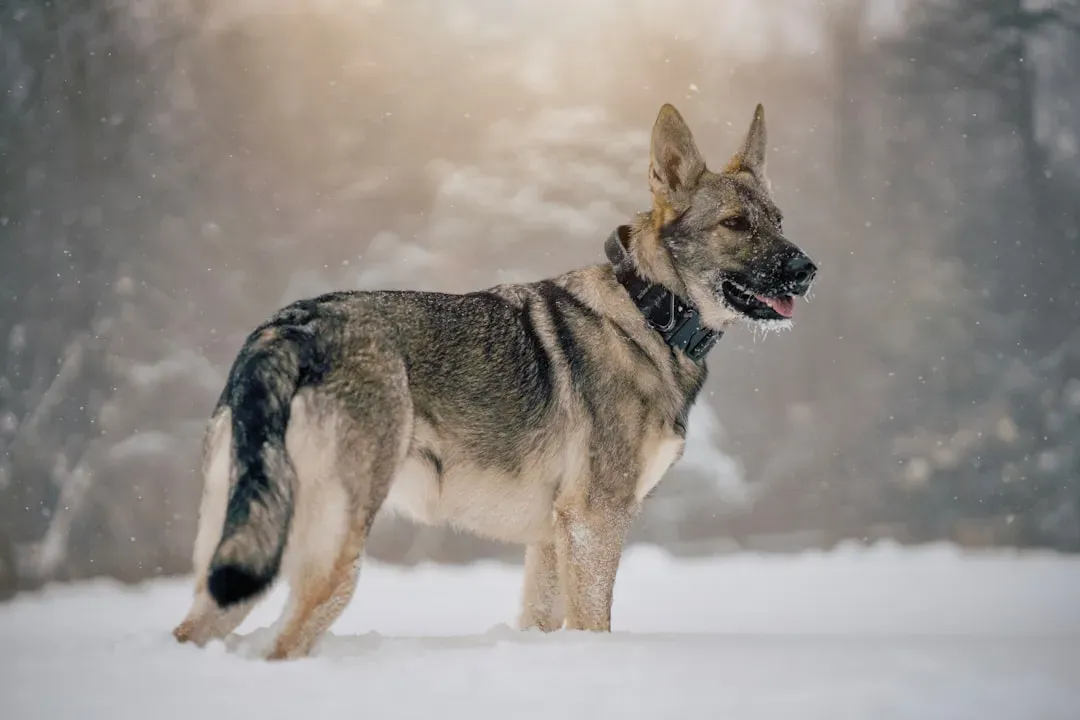
You already know and love the German Shepherd. What you might not fully appreciate is just how capable they are in bear territory. German Shepherds are known for their intelligence, loyalty, and strong protective instincts. Originally bred as herding dogs, they have since become one of the most versatile working breeds in the world. Their muscular build, keen senses, and powerful bite make them formidable opponents against intruders, including large predators like bears.
With the right training, German Shepherds can be conditioned to recognize and react to bear threats. Professional trainers focus on obedience, command recall, and controlled aggression to ensure that the dog responds appropriately without putting itself in unnecessary danger. Their bravery and adaptability make them a reliable companion in bear-prone regions.
The German Shepherd’s greatest asset here is not just its courage, but its ability to take cues from you. A well-trained GSD in bear country is like having a partner who thinks on their feet. They respond, adapt, and alert you without spiraling into reckless behavior. That combination of bravery and discipline is genuinely rare.
12. Rottweiler: Underrated Force in the Field
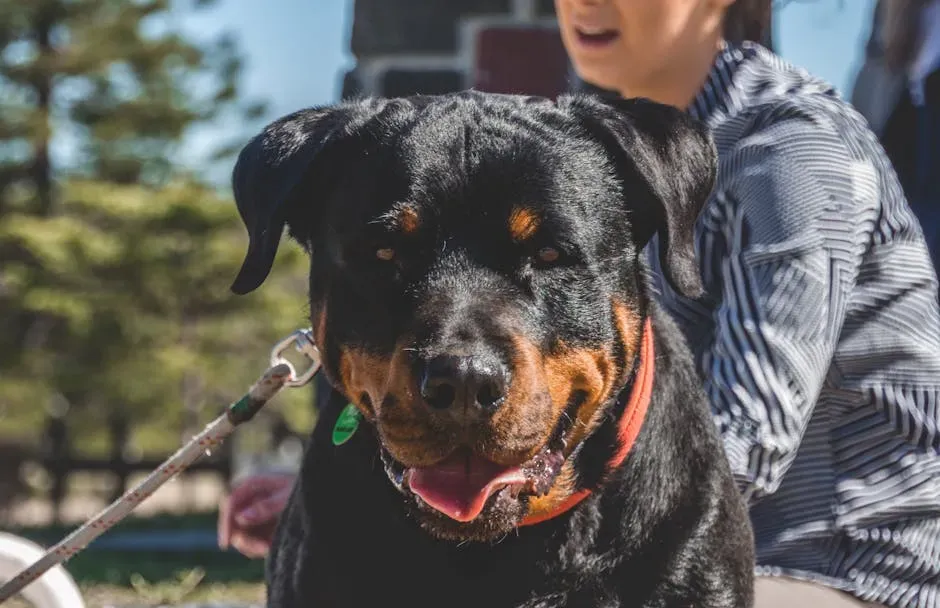
People don’t always think of Rottweilers in the context of wildlife encounters, which is honestly their loss. Rottweilers are renowned for their intelligence and guarding skills. Their strong build and assertive nature make them capable of protecting their owners from bears and other threats. Their loyalty and alertness ensure they always keep an eye out for potential dangers in the wild.
Rottweilers are powerhouse dogs with a natural instinct to guard and protect. What makes them particularly interesting for North Carolina’s landscape is their combination of physical power and emotional attunement to their owners. They read situations well. They don’t charge blindly. They assess, they position, and they communicate.
A well-socialized, properly trained Rottweiler near bear country is a serious deterrent. Their deep bark alone signals to wildlife that something powerful is present. Pair that with their muscular frame and protective instincts, and you have a dog that any bear with common sense would prefer to avoid entirely.
Final Thoughts: Choosing the Right Dog for Bear Country
Living alongside black bears in North Carolina is part of the charm of this state, but it also comes with real responsibilities as a dog owner. Even if you have a fenced-in backyard, it’s important to go out with your dog, and experts suggest pets stay on a leash outdoors in bear-active areas. No breed, no matter how capable, is a substitute for your own vigilance and awareness.
Medium to large-size guard dogs that are nimble, light-footed, and properly obedience trained can be a deterrent against an attack by a bear. The key phrase there is “properly obedience trained.” Courage without direction can actually put your dog in more danger, not less. Every breed on this list needs consistent training, clear leadership, and regular physical engagement.
The twelve breeds above each bring something unique to the table, from the Plott Hound’s deep North Carolina roots to the Karelian Bear Dog’s brilliant tactical approach and the sheer physical presence of the Caucasian Shepherd. Regardless of the breed, give your dog plenty of training, proper socialization beforehand, and love because a well-rounded dog is effective, loyal, and a great companion. At the end of the day, the best bear dog is the one you raise right, trust completely, and keep safely by your side.
Which of these twelve breeds surprised you most? Drop your thoughts in the comments – we’d love to hear from fellow dog lovers in NC bear country.


