
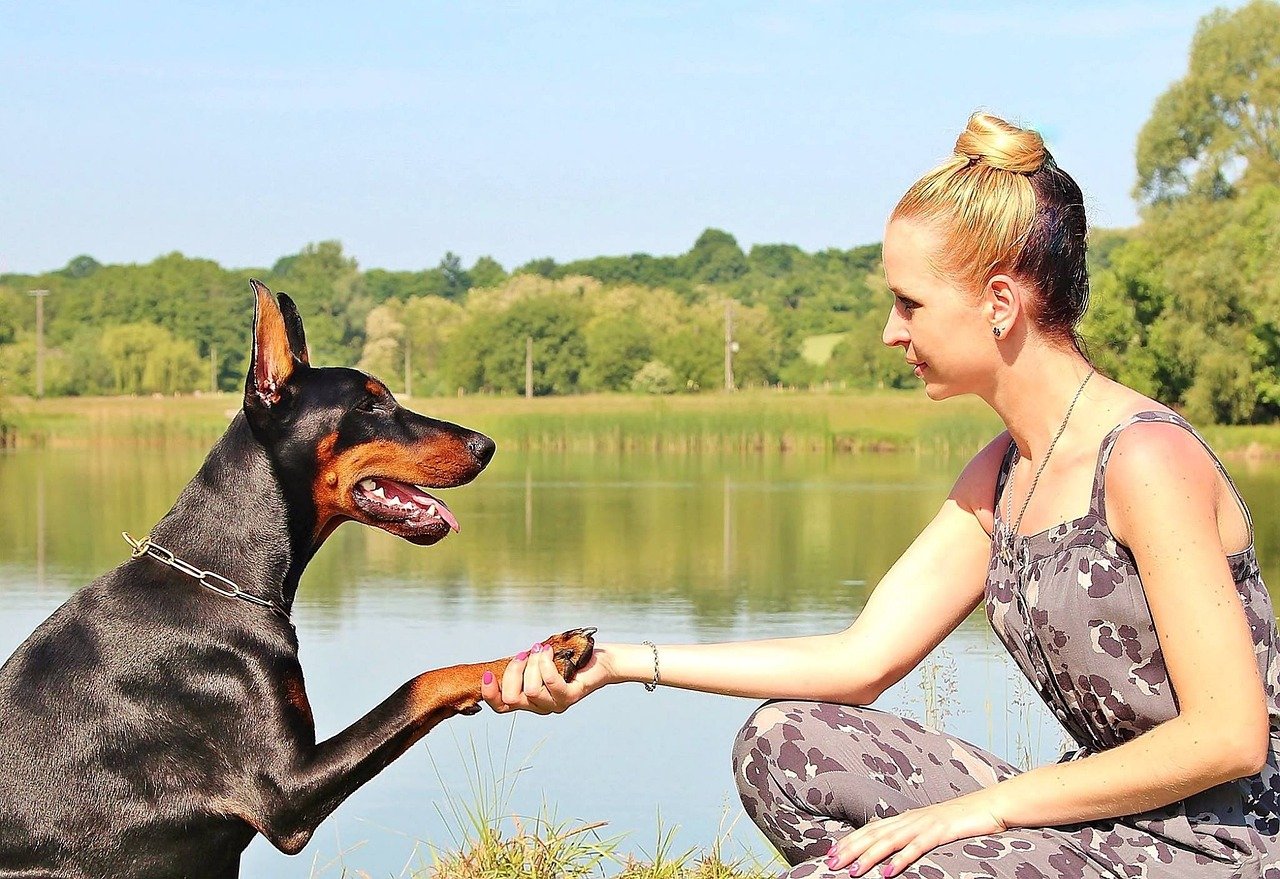
Some dogs have hearts that beat a little louder when things get tense. They’re steady, focused, and – when trained kindly – utterly reliable in scary moments. That spirit can live in a 120‑pound guardian or a six‑pound pocket rocket, and it’s as thrilling as it is humbling.
I’ve seen it up close: a little terrier in my life once squared up to a blaring leaf blower like it owed him money. It reminded me that courage isn’t about size; it’s about nerve, preparation, and a dog who trusts their person. If you love that kind of grit, these breeds will make your jaw drop – and your training plan matter.
German Shepherd Dog
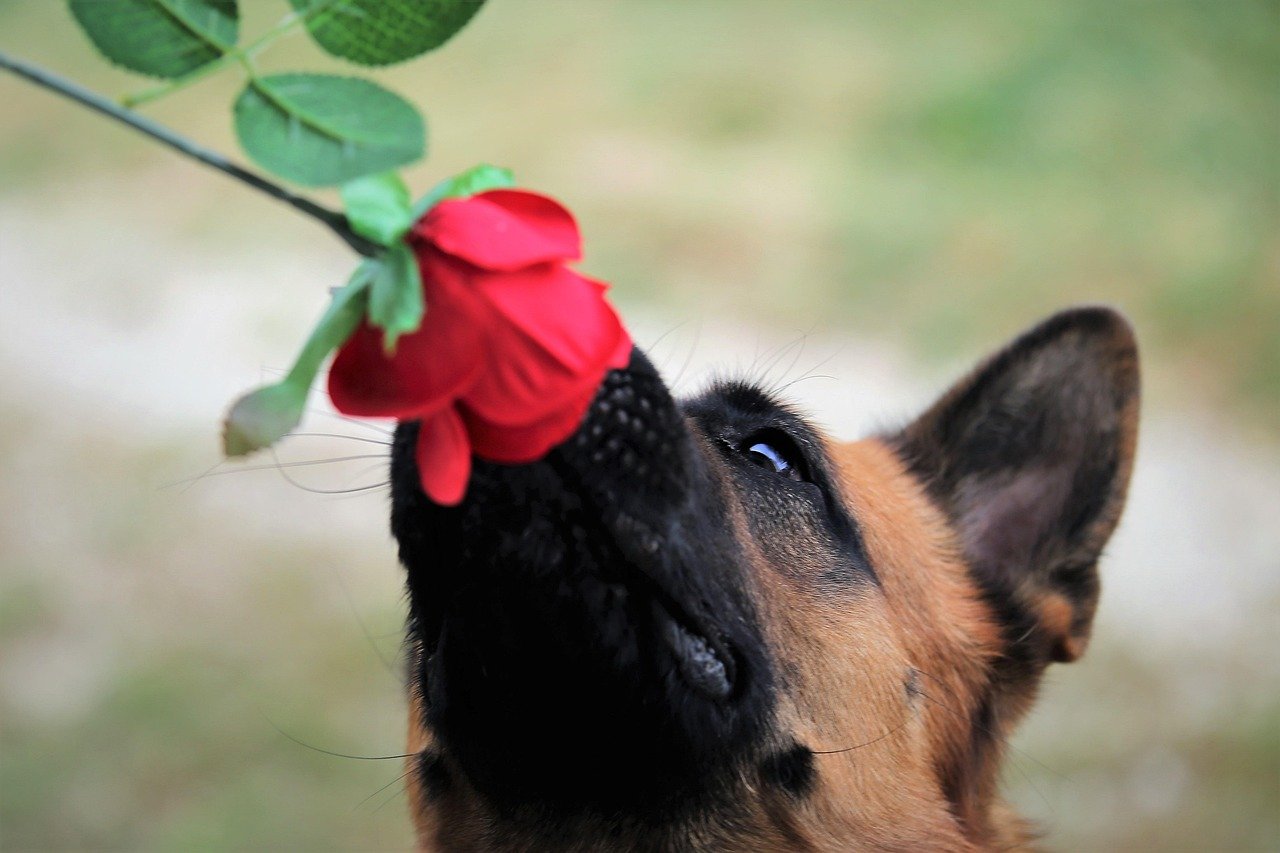
Here’s the shocker: the bravest GSDs are usually the calmest. Bred for herding and protection work, they tend to step forward with cool confidence, not chaos. You’ll often see a solid stance, pricked ears, and a scanning gaze long before they choose action.
Keep that bravery safe with early socialization to people, surfaces, and sounds, plus impulse-control games like “place” and structured heelwork. Watch for stress signals – tight mouth, stiff tail, sudden stillness – and redirect with distance and a cue they love. Hip and elbow health matter; keep them lean, build core strength, and talk to your vet about screening.
Belgian Malinois
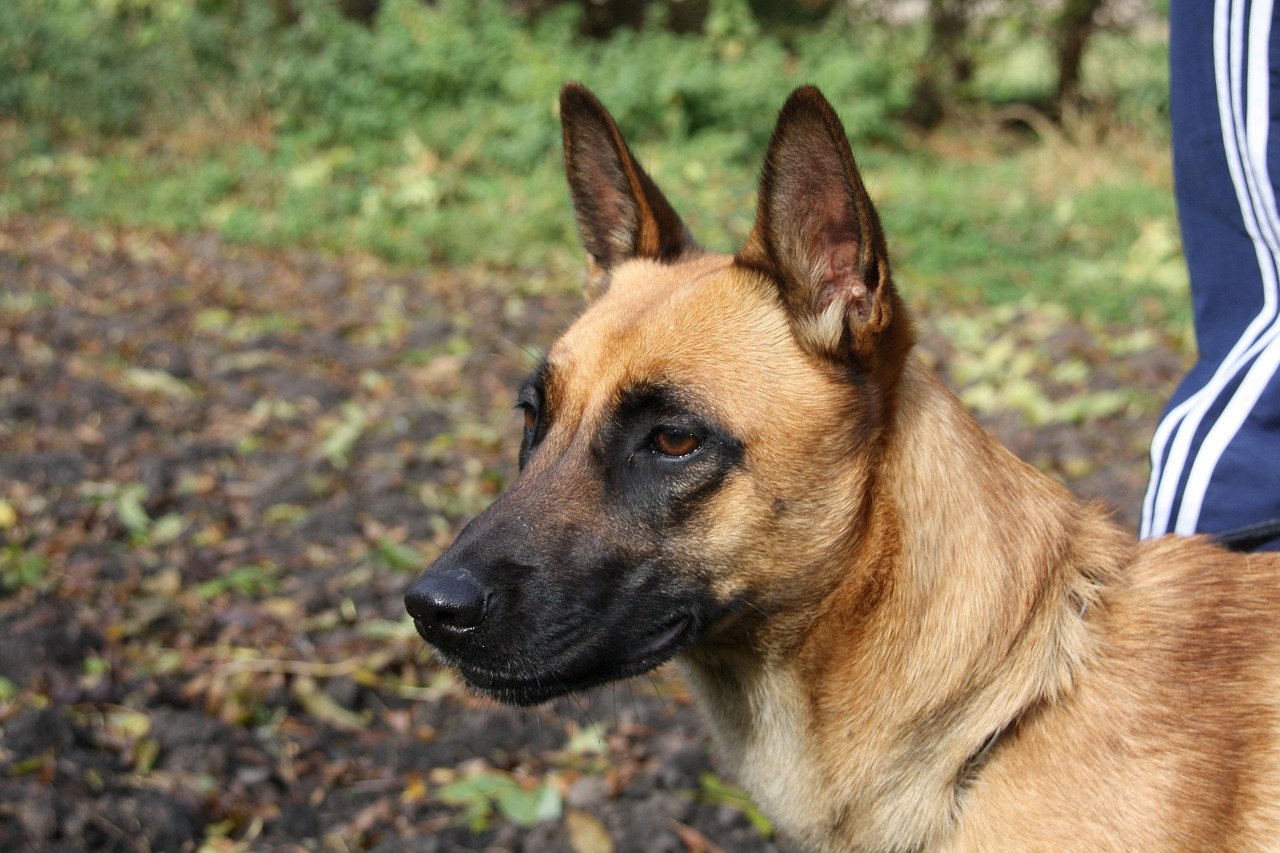
This is the athlete who never turns off unless you teach them how. Malinois rush toward pressure because that’s their job, which is thrilling and a lot to manage. Expect laser focus, fast responses, and a body that loads weight forward when arousal spikes.
Channel it with bite-safe toys, scent work, and decompression walks away from busy spaces. Teach settle on mat, off-switch cues, and clean recalls before you ever chase “high-drive” sports. Joint checks, heat management, and mental outlets are non‑negotiable to prevent burnout and injury.
Rottweiler
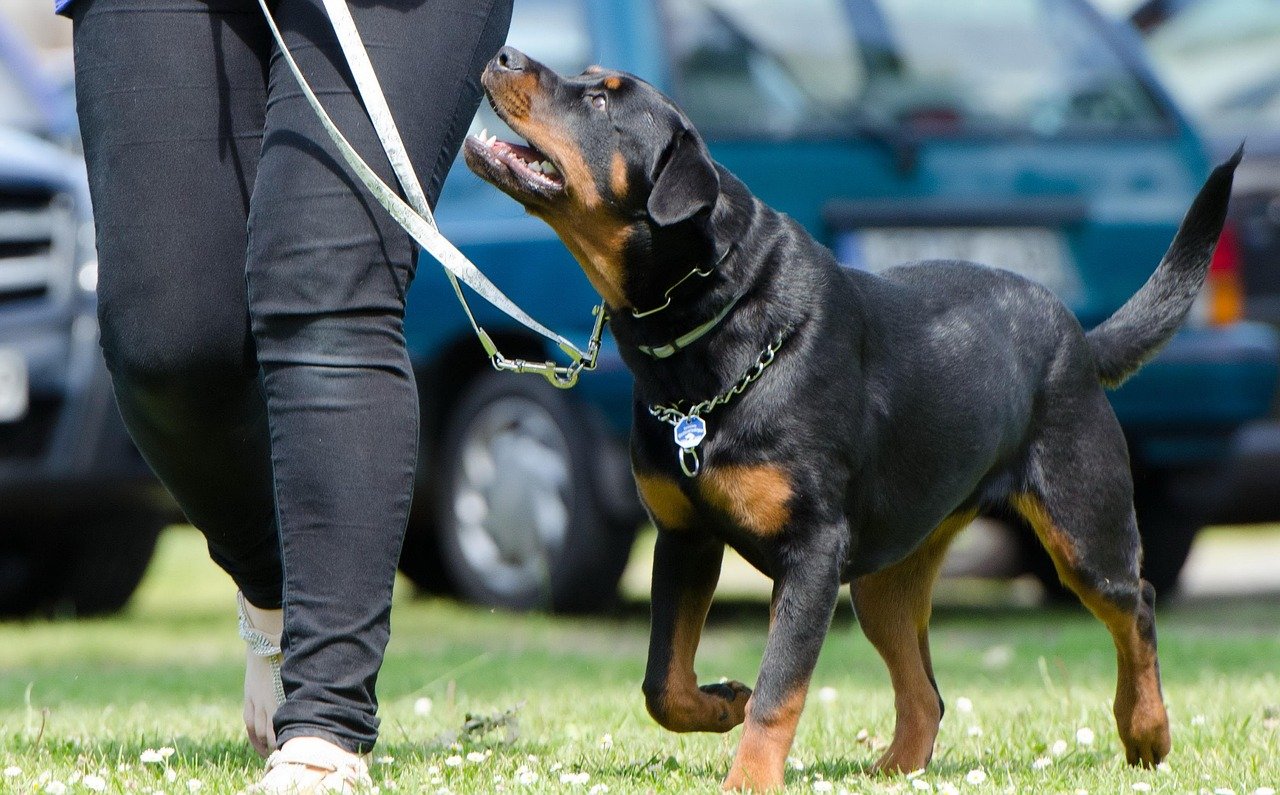
Courage in a tuxedo – calm, steady, and serious when it counts. Many Rotties offer a cool head, a low rumble, and a blocking body position rather than frantic barking. Look for the tell: square stance, soft to neutral eyes that harden only if a real threat appears.
Protect that temperament with respectful introductions and clear house rules around doors, fences, and greetings. Practice “go to bed” when the doorbell rings and use muzzles proactively for vet visits if needed. Keep them fit, screen hips and hearts, and train with kindness to prevent overguarding.
Doberman Pinscher
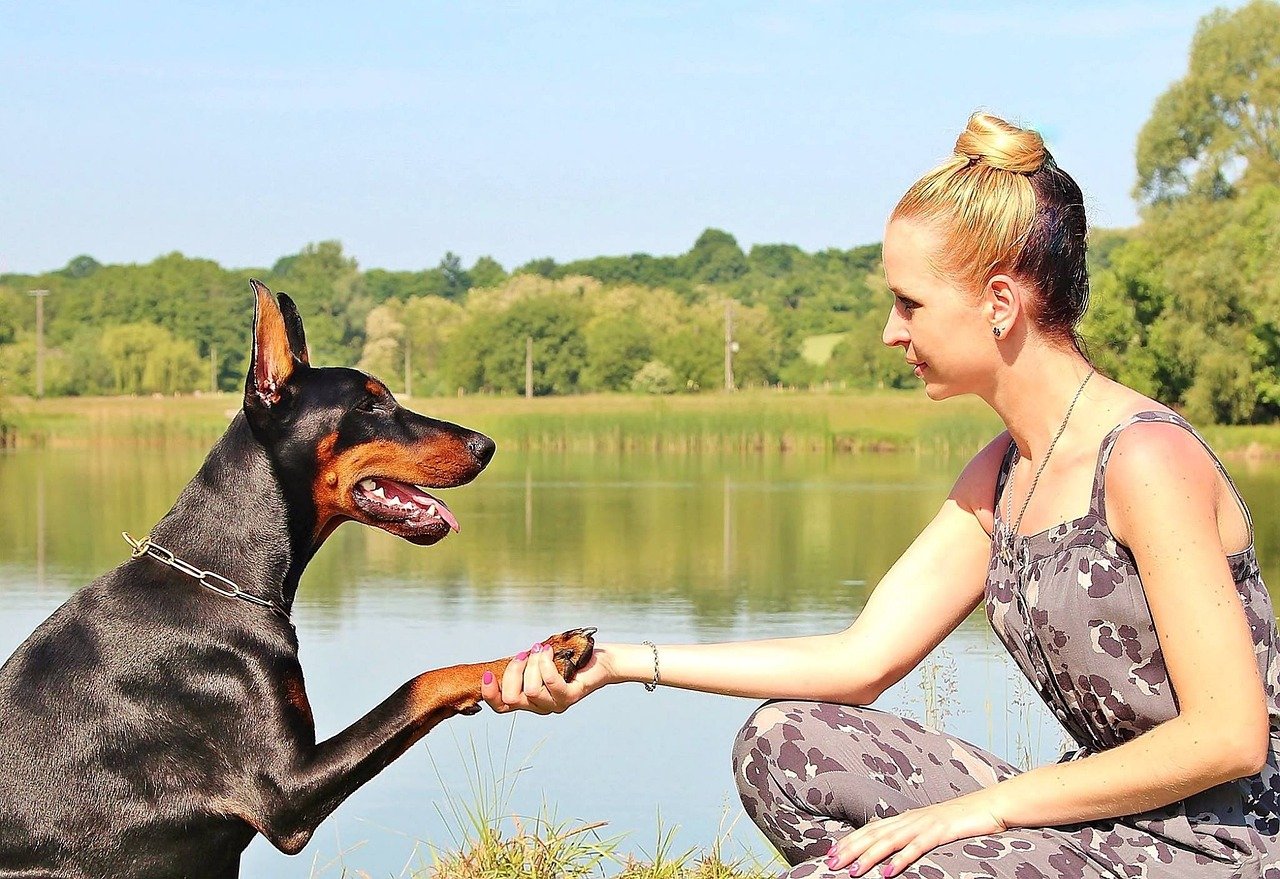
Elegant doesn’t mean timid. Dobermans are famously people‑focused and notice changes in their environment in seconds. You might see a high head carriage, forward ears (cropped or natural), and a taut tail when they clock something suspicious.
Build confidence with predictable routines and rock‑solid obedience that works under mild stress first. Cardiac health matters in this breed; schedule regular heart checks and keep conditioning gentle but consistent. Teach hand targets and emergency “behind me” to reorient them quickly in tense moments.
Cane Corso
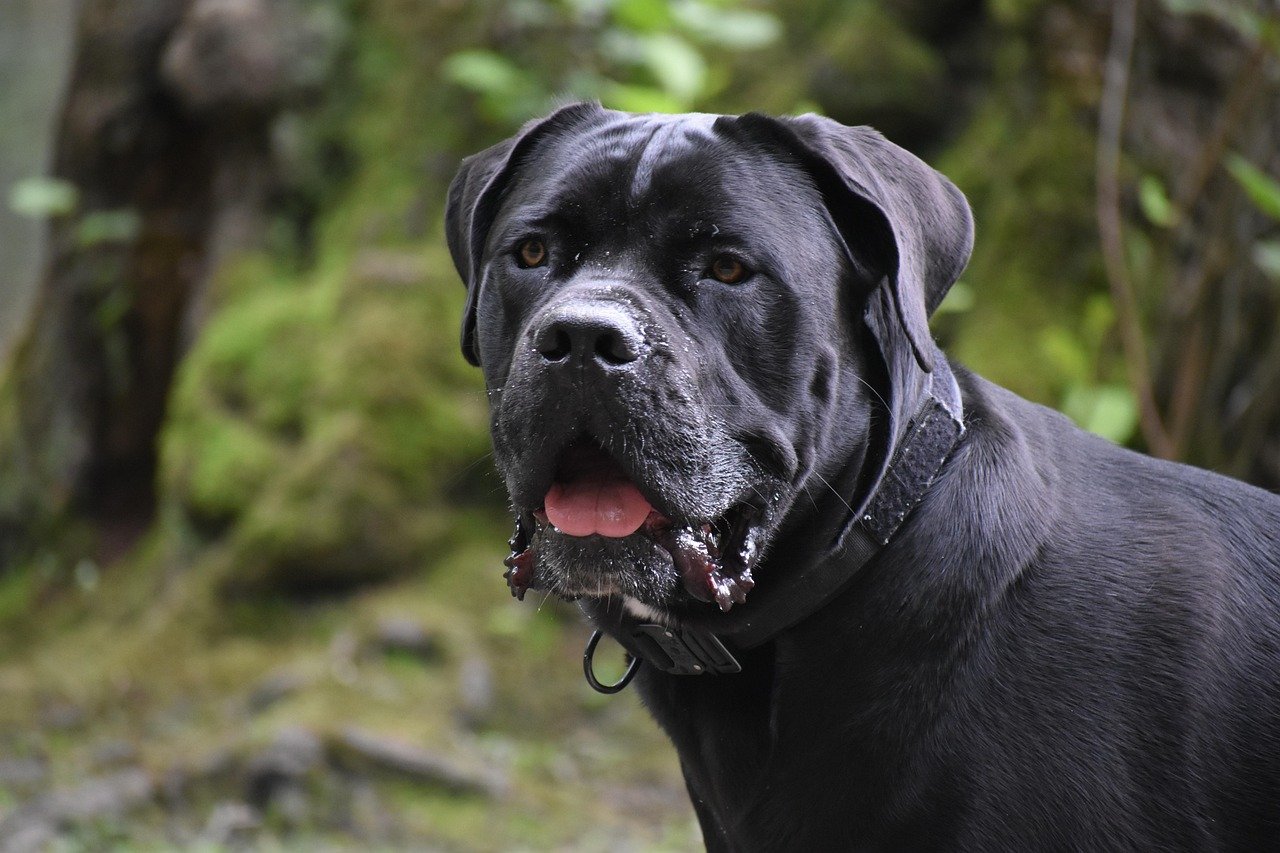
Composure is their superpower. A well-bred Corso is watchful and deliberate, often freezing to assess before stepping in. You’ll notice a steady gaze and weight shift as early cues that it’s time to intervene and create space.
Early, positive exposure to visitors, delivery folks, and car traffic pays off for life. Use barrier training, place cues, and structured leash handling to keep arousal in the green zone. Screen hips and elbows, manage heat carefully, and consider slow‑feeder bowls to reduce bloat risk.
Bullmastiff
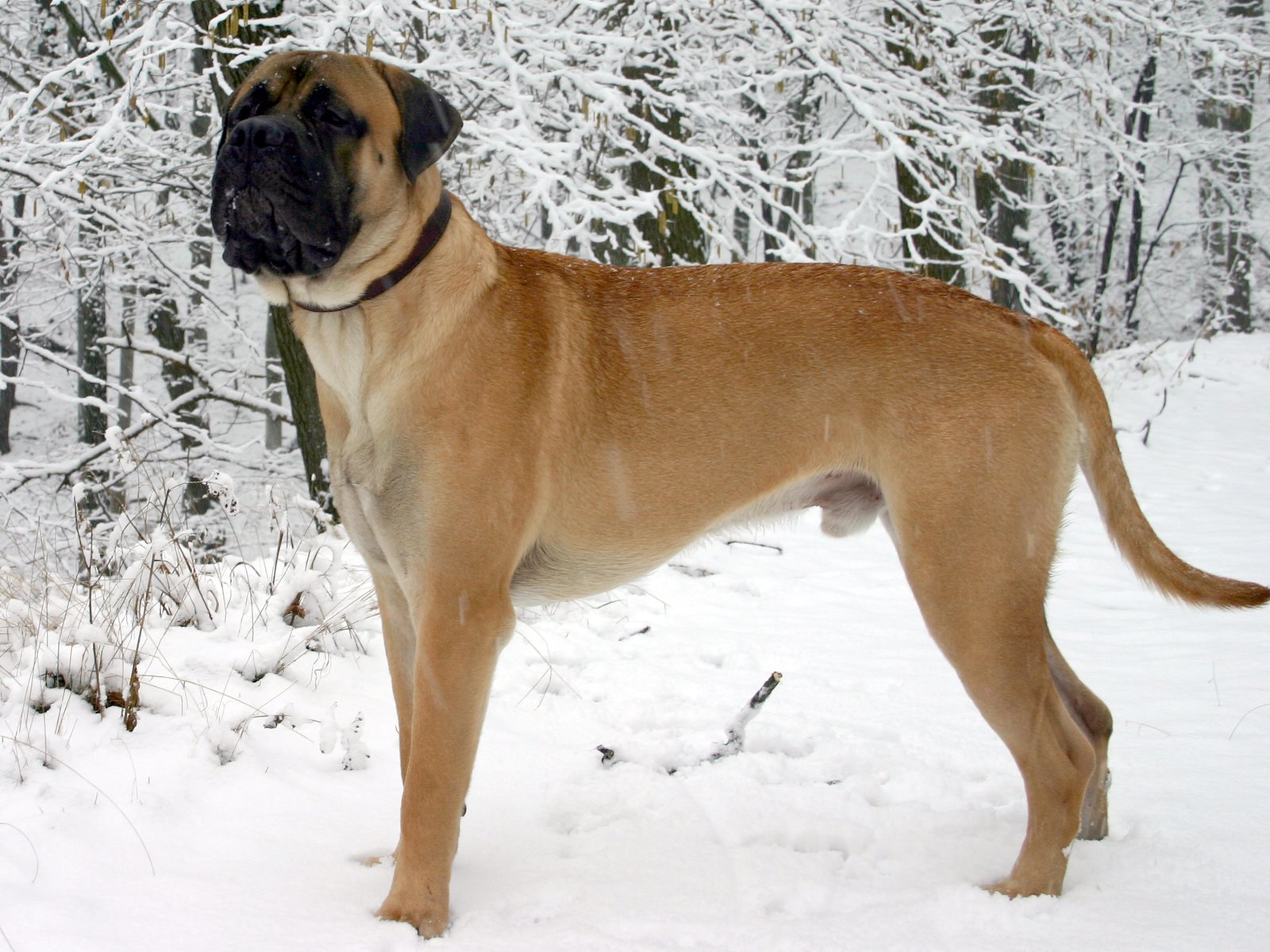
The strong, silent type – literally. Historically used to deter poachers, many Bullmastiffs prefer body blocking to barking. Their signals can be subtle: stillness, a forward lean, and a calm head tilt toward the concern.
Teach polite door skills, reinforce calm sits for greetings, and practice moving them with a harness, not just a collar. Heat can be a risk; keep workouts short on warm days and prioritize cool floors and hydration. Joint care, weight control, and short, quality training sessions keep them safe and sharp.
Akita
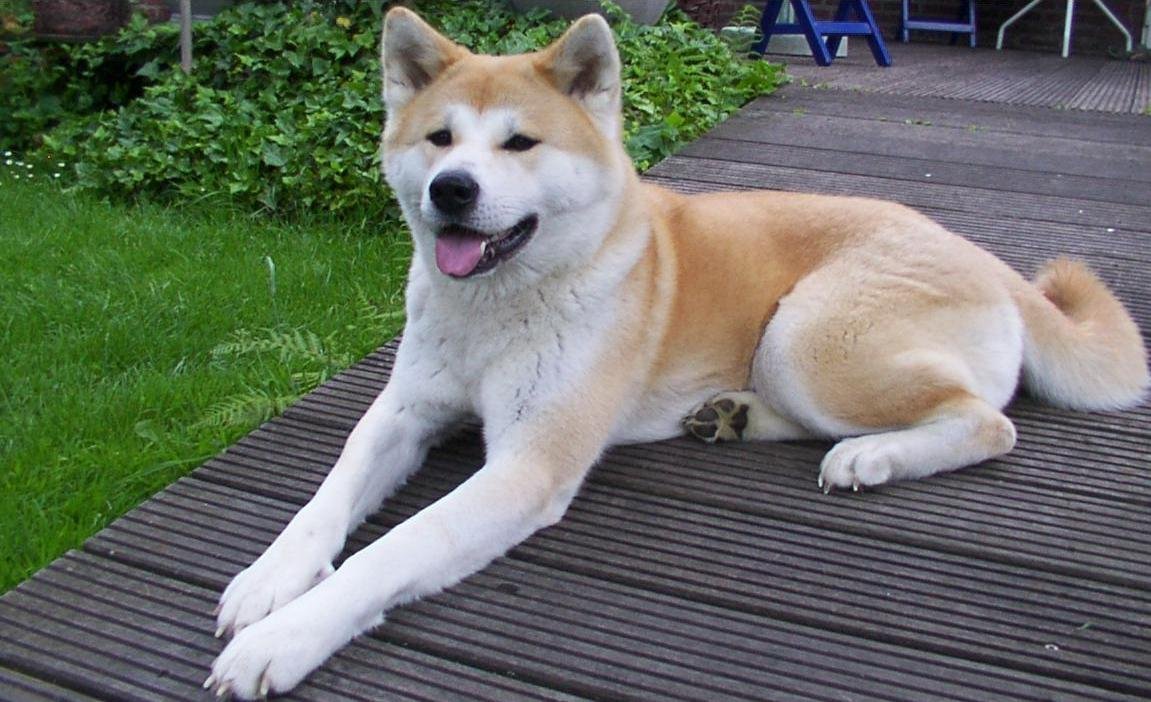
Dignified, independent, and quietly brave. Akitas don’t waste motion; they’ll place themselves between you and the problem without noise. Watch for a lifted tail carriage, sideways glance, and tightened lips when they’re uncomfortable.
Start socialization early but keep it respectful – quality over quantity. Teach a clean “leave it,” relaxed muzzle training for vet care, and easy position changes to reduce tension. Keep an eye on thyroid health and bloat risk, and maintain lean muscle with steady, moderate exercise.
Anatolian Shepherd Dog
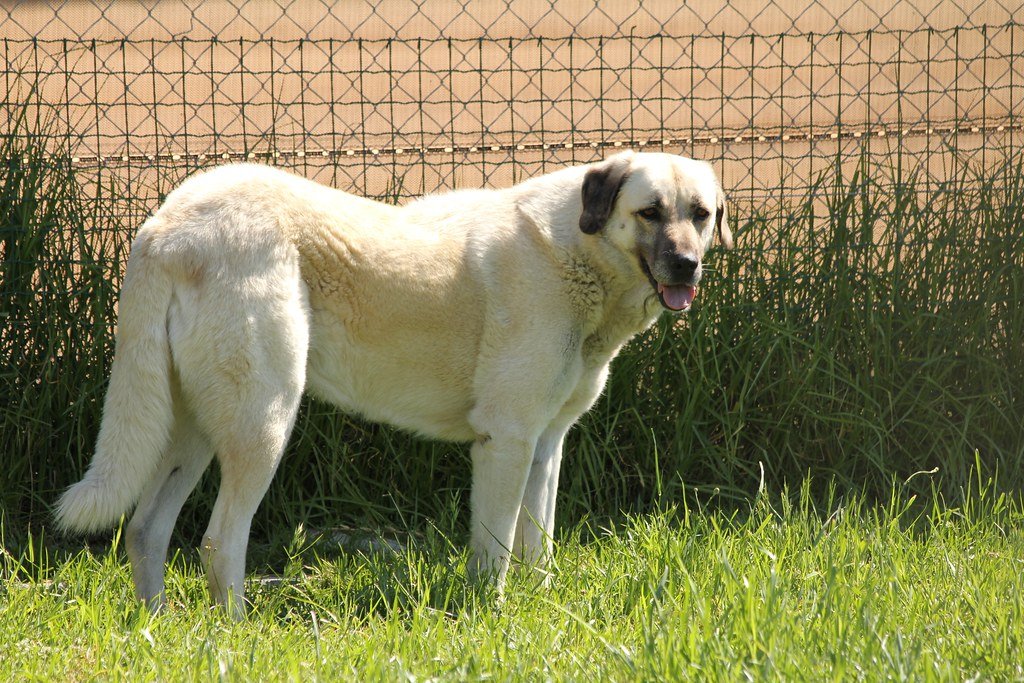
The countryside sentinel. Bred to guard flocks, Anatolians tend to warn first, stand their ground second, and commit only if needed. Expect measured movement, a big bark, and a habit of placing their body between “their” group and the unknown.
They thrive with real jobs: boundary walks, livestock chores, or property patrols paired with decompression time. Build bulletproof recalls and gate routines, and use secure fencing – these dogs take perimeter work seriously. Screen hips and eyes, and keep enrichment simple but daily.
Jack Russell Terrier
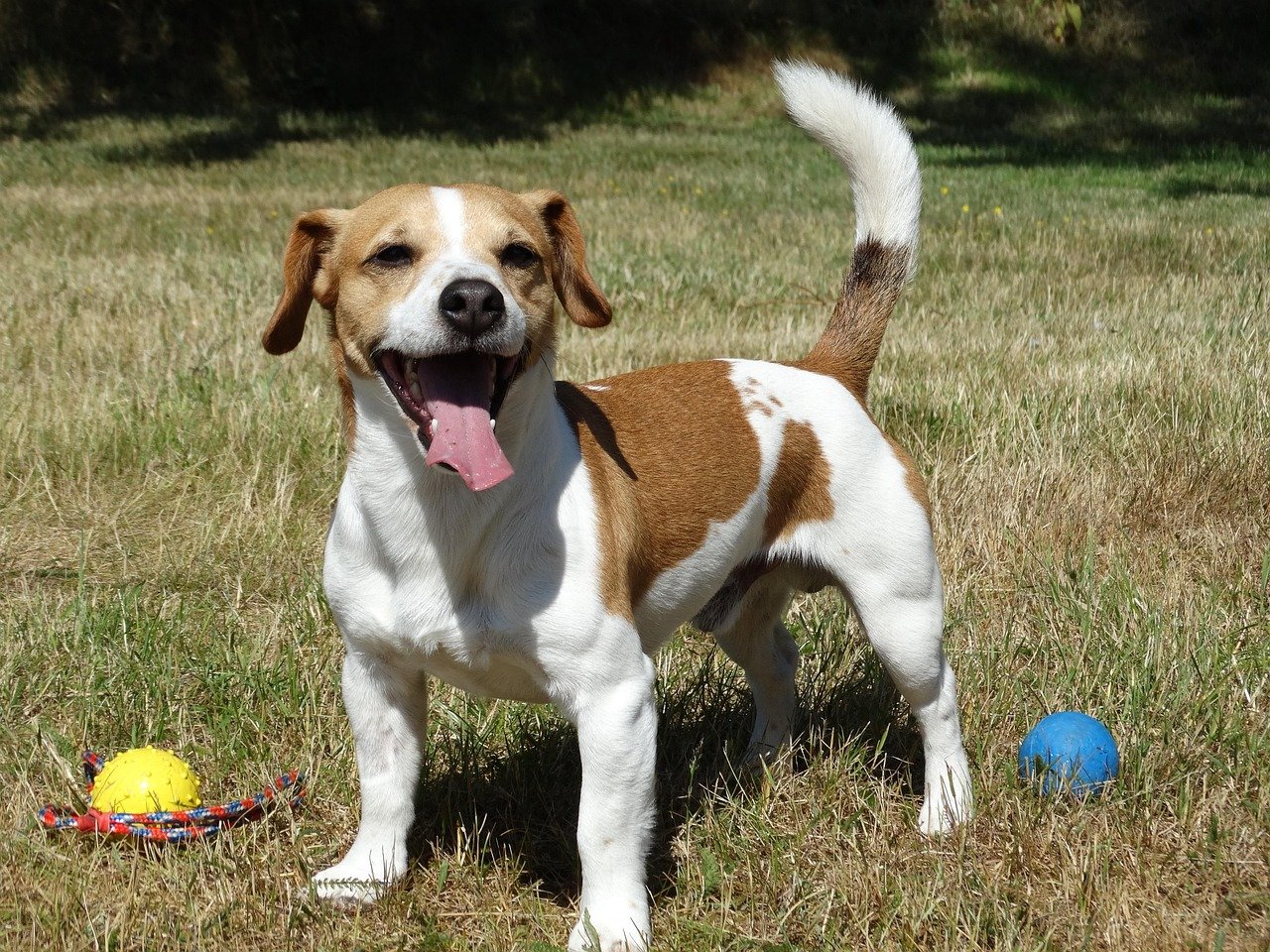
Small dog, full‑throttle courage. JRTs were bred to go to ground, so they don’t blink at big noises or fast movement. You’ll see intense eye contact, quick paw placement, and a springy body that zips toward the action.
Give that fire a safe outlet with dig pits, flirt‑pole play with hard stops, and nosework puzzles. Teach “find it” to redirect chase and supercharge your recall with high‑value rewards. Watch knees and eyes, warm them up before sports, and keep their minds busy to prevent nuisance boldness.
Dachshund
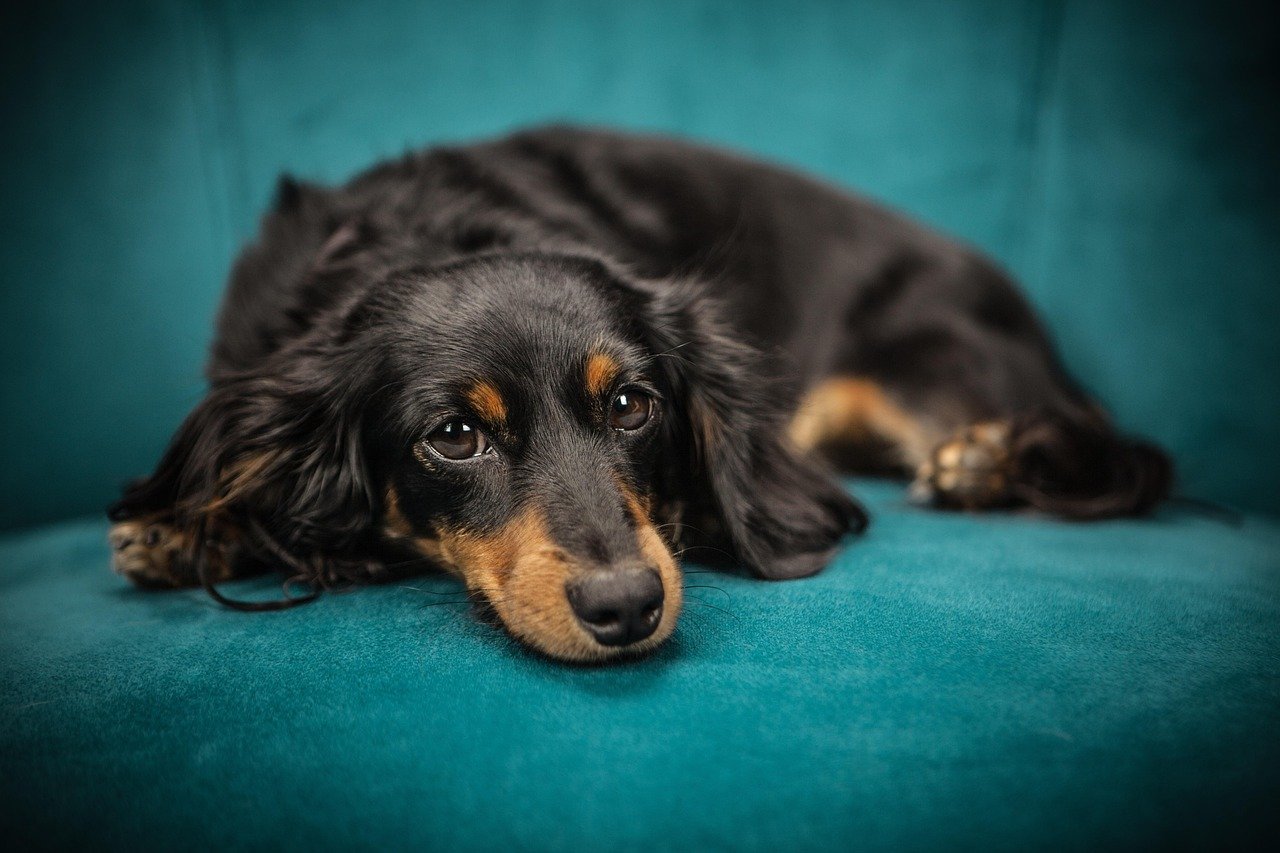
The low rider with lion guts. Bred to face badgers underground, many Doxies confront the world with a fearless bark and a tunneling obsession. Signs of overarousal include frantic digging, baying, and sudden stiffening of the back.
Protect their spine with ramps, harness walks, and weight management – back health is everything here. Turn bravery into games: safe tunnel runs, scent trails, and short training bursts with rest breaks. If you see hesitation or pain when jumping or stairs, stop and call your vet immediately.
Yorkshire Terrier
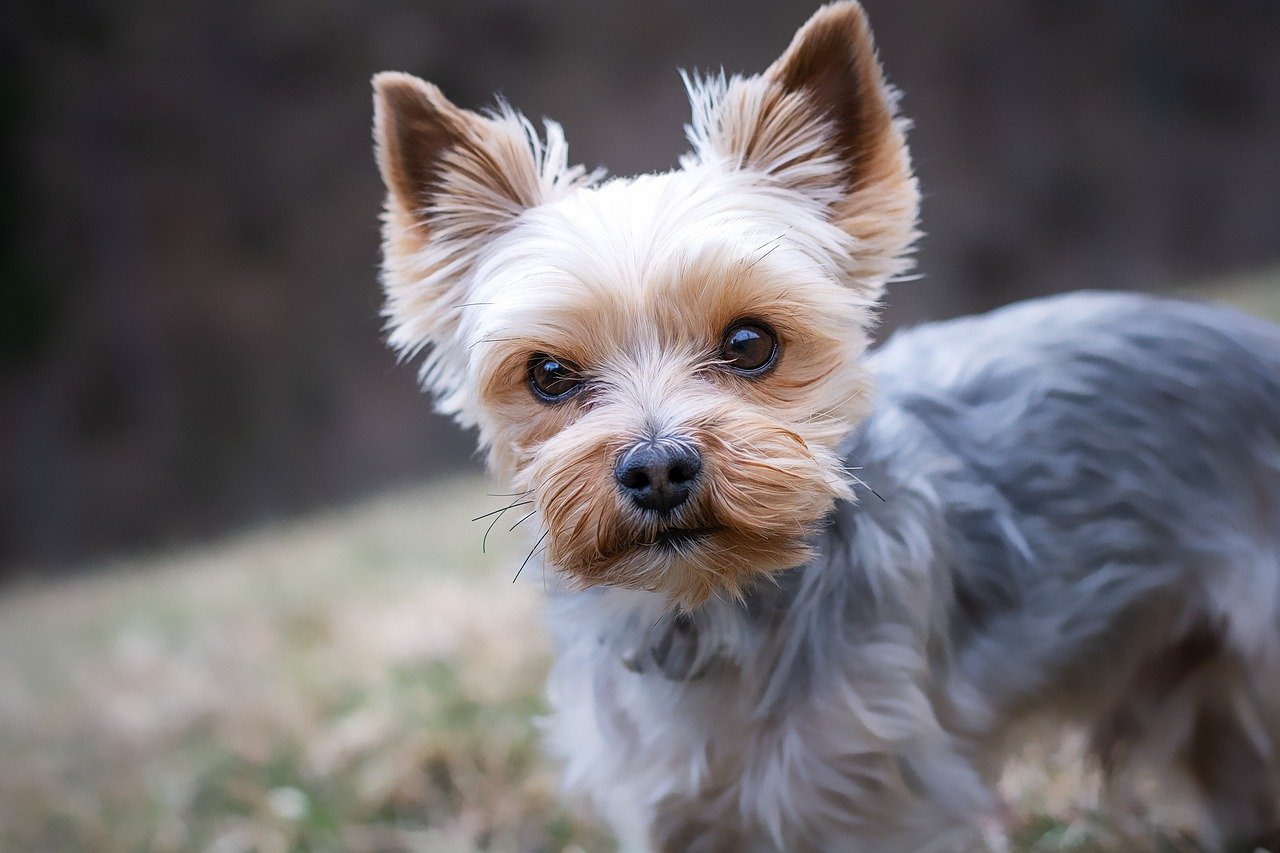
Feather‑light body, heavyweight attitude. Yorkies were ratters first, lap dogs second, and that grit shows up as forward posture and fearless vocal warnings. They’ll often hold eye contact and puff up like they’re twice their size.
Shape safer choices with calm mat training, quiet “watch me,” and carrier conditioning for crowded places. Dental care and trachea health matter; use a harness and keep grooming sessions short and positive. Keep socialization gentle – no rough handling – and reward curiosity over shrill reactivity.
Chihuahua

Tiny, yes; timid, not necessarily. Many Chihuahuas will stare down a stranger without blinking, especially if they’ve had to advocate for themselves. Trembling can mean excitement or stress, so read the whole picture: mouth tension, ear set, and weight shift.
Build trust with consent‑based handling, predictable routines, and safe “up” cues onto your arm or into a carrier. Teach polite greeting rituals and give them vertical spaces to observe instead of confront. Mind teeth, knees, and airway health, and keep training fun, tiny, and frequent.
Brave dogs are a gift – but only when that courage is guided with empathy, structure, and rock‑solid training. Choose the right breed for your life, meet their needs every day, and you’ll turn raw nerve into clear-headed confidence where it truly counts.


