

Ever watched a dog gracefully soar over jumps, weave through poles like a furry ribbon, and dash through tunnels with absolute joy? That’s the magic of agility training. It’s more than just a sport. It’s a dance between handler and dog, a conversation spoken in trust and movement.
Some dogs seem born for this whirlwind of obstacles and split-second decisions. Their eyes light up at the sight of a course. Others? Well, they’ve got different talents, different rhythms. Neither is better. They’re just beautifully different.
Let’s explore the breeds that thrive in the agility ring and those who’d rather take life at a gentler tempo. Maybe you’ll discover where your own pup fits in, or perhaps you’re dreaming about your future companion. Either way, prepare to be surprised by what makes certain dogs agility superstars and others perfectly content with slower adventures.
Border Collie: The Agility Einstein

Border Collies are renowned for their intelligence, high energy, and trainability. Honestly, if there’s a poster child for dog agility, it’s this breed. In agility trials, Border Collies are the dogs to watch, displaying the most speed, grace, and sheer athletic ability, though they may not always be the most accurate.
Border Collies are fun, active, and biddable dogs that love having a job to do. Without proper stimulation, these dogs will invent their own jobs, which might involve redecorating your couch from the inside out. The speed and motivation of a Border Collie are his greatest assets, but speed can be a problem, as the dog will turn in circles or flash over any obstacle in front of him if the handler doesn’t snap out commands fast enough.
Australian Shepherd: The Cowboy’s Acrobat

Australian Shepherds are exuberant pups that are agile movers of stock, work-oriented, and intelligent. These dogs bring both brains and brawn to the agility course. I think what sets them apart is their sheer enthusiasm for everything they do.
Australian Shepherds are highly regarded for their speed, agility, and drive, making them excellent competitors, possessing remarkable speed and agility essential for excelling in agility courses. They’ve got that perfect combination of athleticism and eagerness that makes training sessions feel less like work and more like play. Their only downside? Sometimes they get so excited they might knock a bar or two.
Shetland Sheepdog: Compact Powerhouse

The Shetland Sheepdog loves to put their thinking skills and high energy to good use on an obstacle course, as these quick and obedient herders come from the rugged Shetland Islands of Scotland. Don’t let their fluffy appearance fool you into thinking they’re all show and no go.
Shelties are equal parts cute and intelligent, serving as loving, loyal pets that aim to please and will put their heart into running an agility course. What I love about Shelties is their devotion to their handlers. They’re always checking in, always ready for the next cue. After a hard run? They’re equally happy to curl up on your lap.
Jack Russell Terrier: Small Dog, Giant Spirit

Jack Russell Terriers make up for their size with lots of energy and heart, as these dogs love to work, and originally bred to hunt vermin, they put their skills to the test by zipping around obstacles. These compact dynamos pack more determination per square inch than seems physically possible.
Jack Russells possess an unmatched tenacity and drive, always ready to tackle the next obstacle with enthusiasm, and they have a strong desire to please. Training a Jack Russell feels like harnessing lightning in a bottle. They’re quick learners but need consistent mental challenges. A bored Jack Russell is a mischievous Jack Russell.
Papillon: The Butterfly With Hustle
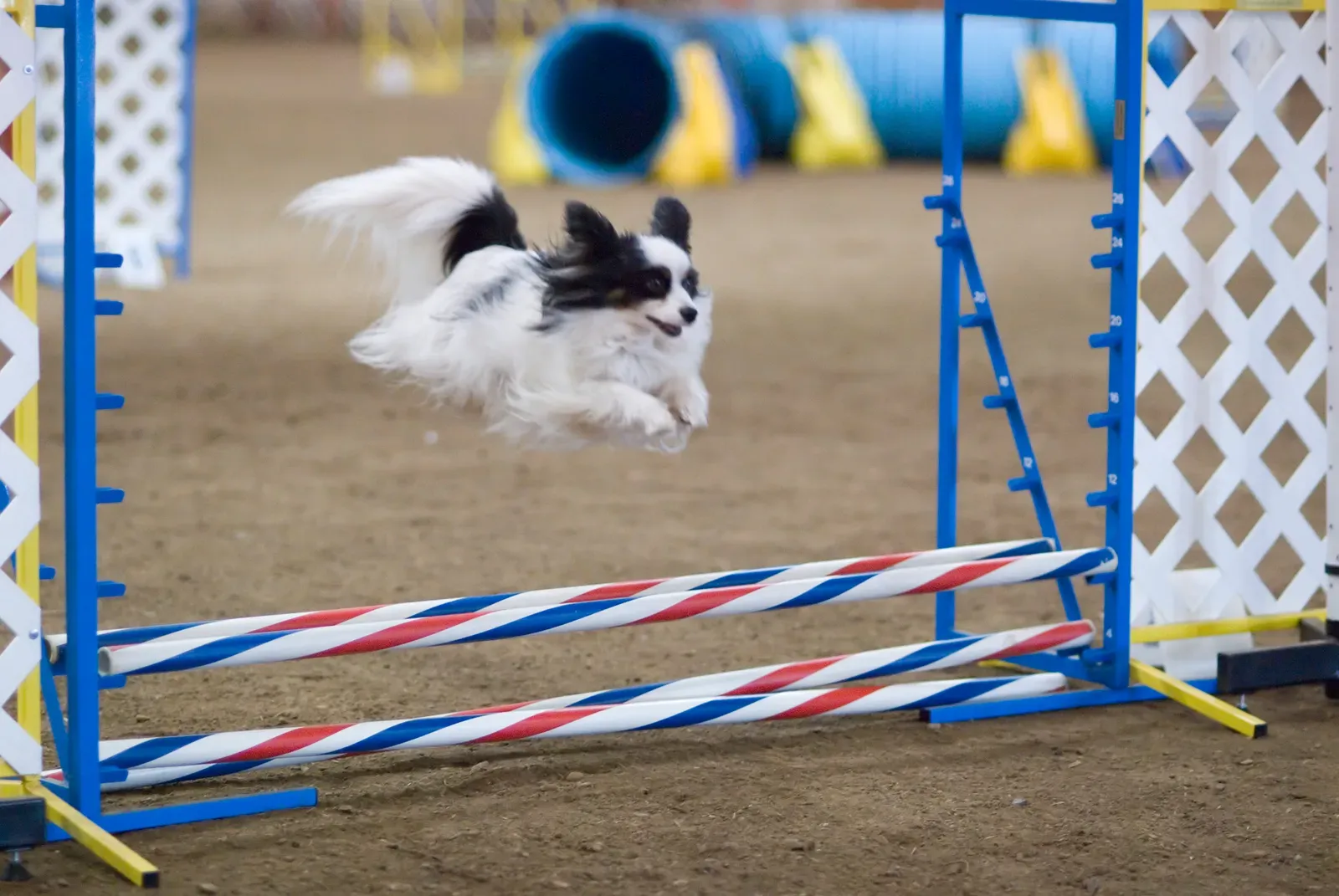
The Papillon is an upbeat little athlete that can fly over hurdles and through tunnels with proper training, described as happy, alert, and friendly, and these toy dogs take a certain level of control and obedience but are known to have great success in the performance ring.
These little dogs defy expectations constantly. People see their delicate appearance and butterfly ears and assume they’re lap warmers only. Wrong. Papillons often excel at agility and at other dog sports, as do Russell terriers and their variations. Their small size gives them an advantage in tight turns, and they move with surprising speed and precision.
Australian Cattle Dog: Relentless Energy

The Australian Cattle Dog, also called Heeler, is a great agility dog, strong with a lot of power and endurance, and this breed will not quit no matter how often you want to repeat a course. These dogs have work ethic written into their DNA.
Australian Cattle Dogs are great agility dogs, strong with power and endurance, though similar to Australian Shepherds, Heelers have a tendency to become mouthy when overly excited. They need clear boundaries about what’s appropriate on the field. Still, their determination and focus make them formidable competitors once they understand the rules.
Pembroke Welsh Corgi: Low Rider, High Achiever

The Pembroke Welsh Corgi may be short in stature, but they still have what it takes to make the jumps, as these little dogs are surprisingly sturdy and athletic with powerful legs, and they also have the speed and smarts to whip through the most challenging obstacles.
Short legs and a long body won’t stop the Pembroke Welsh Corgi from breezing through agility obstacles, as these herding dogs were bred to be low to the ground to avoid cattle kicks, which also gives them an advantage running through tunnels. Their center of gravity works in their favor on certain obstacles, and watching a Corgi navigate a course brings smiles to everyone’s face.
Standard Poodle: Elegant Athlete

Standard Poodles stand proud as true aristocrats and make elegant athletes, possessing the combination of drive, trainability, and intelligence that agility training requires. Those fancy haircuts? They were originally functional, designed to protect joints while allowing freedom of movement in water.
Poodles are renowned for their sharp minds and versatile abilities, excelling in various dog sports with agility being no exception, and their curly coats and poised appearance may make them seem more suited to the show ring, but poodles are agile, fast, and eager learners. They’re quick studies who genuinely seem to enjoy problem-solving. Training a Poodle feels like a collaboration rather than instruction.
German Shepherd: The Versatile Performer

Larger, heavier dogs like German Shepherds may not be as fast on the course as the lighter breeds, but they can definitely hold their own, and any dog breed used for jumping out of planes in military gear deserves to be considered an athlete.
German Shepherds are highly versatile dogs that excel in various activities including agility training, as they are intelligent, agile, and have a strong drive to work. Their size means they approach obstacles differently than smaller breeds, but their determination and trainability compensate beautifully. They’re steady, reliable performers who take their work seriously.
Rat Terrier: Fearless and Fast

Rat Terriers make fearless and lively athletes, as these incredibly nimble little dogs were developed to be efficient exterminators and have the speed and reflexes to handle all the twists and turns in an agility course.
As a cousin to the Jack Russell Terrier, the Rat Terrier is another small breed with extra energy that loves having puzzles to solve and will happily figure out any agility obstacle they come to, though be ready to run the course several times before they’re out of energy. Their enthusiasm is infectious, and they bring genuine joy to every training session.
Belgian Malinois: The Intensity Champion

Belgian Malinois, Border Collies, and German Shepherds combine strength with speed and agility, excelling in activities like agility training and herding. Malinois are basically the definition of focus and drive wrapped in fur.
These dogs don’t just do agility. They attack it with purpose. Their work ethic is legendary, which makes them favorites in police and military work. For agility, that same intensity translates to lightning-fast course times and laser focus on their handlers. They need experienced handlers who can match their energy and provide sufficient mental challenges.
Australian Kelpie: The Unsung Hero

The Australian Kelpie is an Australian cousin to the Collie brought over from Scotland, a smaller herding dog that aims to please, and they’re fast, smart, and love a good challenge, making them a great choice on an agility course.
Kelpies are work-oriented herding dogs that thrive on having a job to do, and agility training fits the bill perfectly, as their natural athleticism and intense focus make them adept at handling the physical and mental challenges of agility courses. They’re less common in agility circles than Border Collies, but those who work with them know they’re something special.
Basset Hound: The Lovable Lounger

Here’s where we shift gears entirely. Basset Hounds may find it a little hard to take part in agility classes because they are simply not designed to do this type of activity. Those adorable long ears, soulful eyes, and low-slung bodies are built for tracking scents, not soaring over jumps.
While not every breed will breeze through agility levels, some Basset owners note that their dogs can move fast and be agile when they put their minds to it, though their size and body type present challenges. Sure, some Bassets participate in agility for fun, but it’s about bonding and gentle exercise rather than competition. Their disproportionately short legs relative to their long, heavy bodies make exercise physically challenging. Bassets prefer leisurely walks where they can investigate every fascinating smell.
English Bulldog: The Gentle Couch Potato
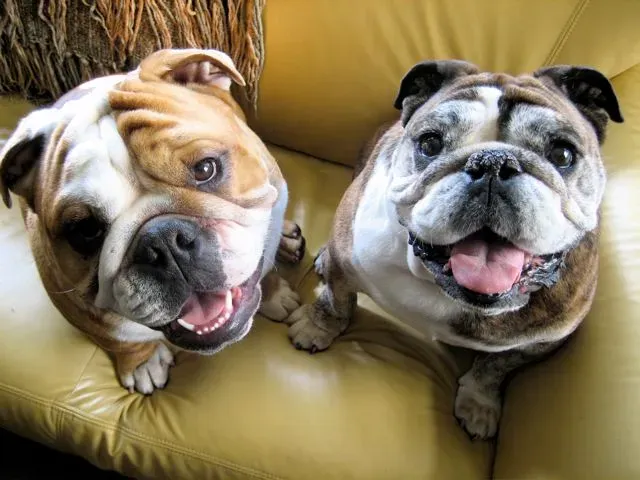
Because of the shape of their faces and ultra short noses, taking part in very energetic exercise would do Bulldogs no good at all and could be quite dangerous, which is why it’s just as well that Bulldogs much prefer the life of a couch potato.
Bulldogs are natural entertainers with wonderful personalities, but agility just isn’t their thing. Boxers and Bulldogs may not do well in activities that require lots of heavy breathing. Their brachycephalic facial structure makes intense exercise risky. These dogs prefer short, gentle walks and plenty of air conditioning. That’s perfectly fine. Not every dog needs to be an athlete.
Great Dane: The Gentle Giant
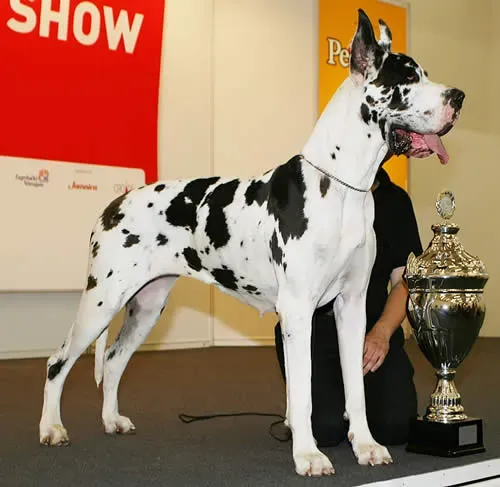
Great Danes might be large gentle giants, but there is nothing they enjoy more than a cuddle, and if the truth be known they are quite low-energy characters who do love taking part in agility and other doggy activities but would probably prefer to be part of the audience and cuddle up next to you.
Great Danes tend to be energy-less at agility training. Their size alone makes navigating typical agility obstacles challenging. Add in their naturally calm, laid-back temperament, and you’ve got a dog who’d rather watch from the sidelines while leaning against your leg. They’re lovers, not jumpers.
Shih Tzu: Too Regal for All That

The Shih Tzu is far too regal to take part in agility or flyball although very happy to play a game of fetch with the people they love. These little companions were bred to be palace dogs, warming laps in ancient Chinese courts.
Their long, flowing coats and compact build aren’t suited for obstacle courses. More importantly, their temperament leans toward companionship rather than athletic performance. A Shih Tzu is perfectly content with gentle play sessions and lots of snuggle time. That’s their superpower, and it’s a valuable one.
Saint Bernard: Slow and Steady

This gentle giant has better things on their mind than to take part in doggy sports because they are so gentle by nature that competing would not be something they might not even contemplate, preferring to take things at a much easier pace just loping around a back garden in their own time or cuddling up on a sofa with their owners.
Saint Bernards are rescue dogs at heart, bred for strength and endurance in harsh alpine conditions, not for speed or agility. Their massive size makes jumping and tight turns impractical and potentially harmful to their joints. These dogs are happiest with leisurely walks and the occasional opportunity to pull a cart, activities that honor their heritage without risking injury.
Understanding Your Dog’s Natural Gifts

Dogs of all sizes and types can learn agility training, but certain breeds excel at this skill. The key is understanding what your individual dog loves and is physically capable of doing. The good news is that every healthy and fit dog can enjoy agility, though some breeds such as Border Collies will be faster and more agile than others, but athleticism is not the only trait of a great agility dog.
Successful agility dogs have boundless energy and copious amounts of drive, which makes it easier for their handler to motivate them to complete the course in the fastest time possible. Whether your dog is built for speed or prefers a gentler pace, there are activities perfectly suited to their abilities. The goal is always the same: building that beautiful bond between you and your dog through shared experiences.
Some dogs were born to fly through agility courses with the wind in their fur. Others were designed for different joys entirely. Both paths lead to the same destination: a happy, fulfilled dog and the human who loves them. What matters most isn’t the speed of the run but the quality of the connection you build together. So which path will you and your dog explore? The choice is yours, and honestly, there’s no wrong answer.


