
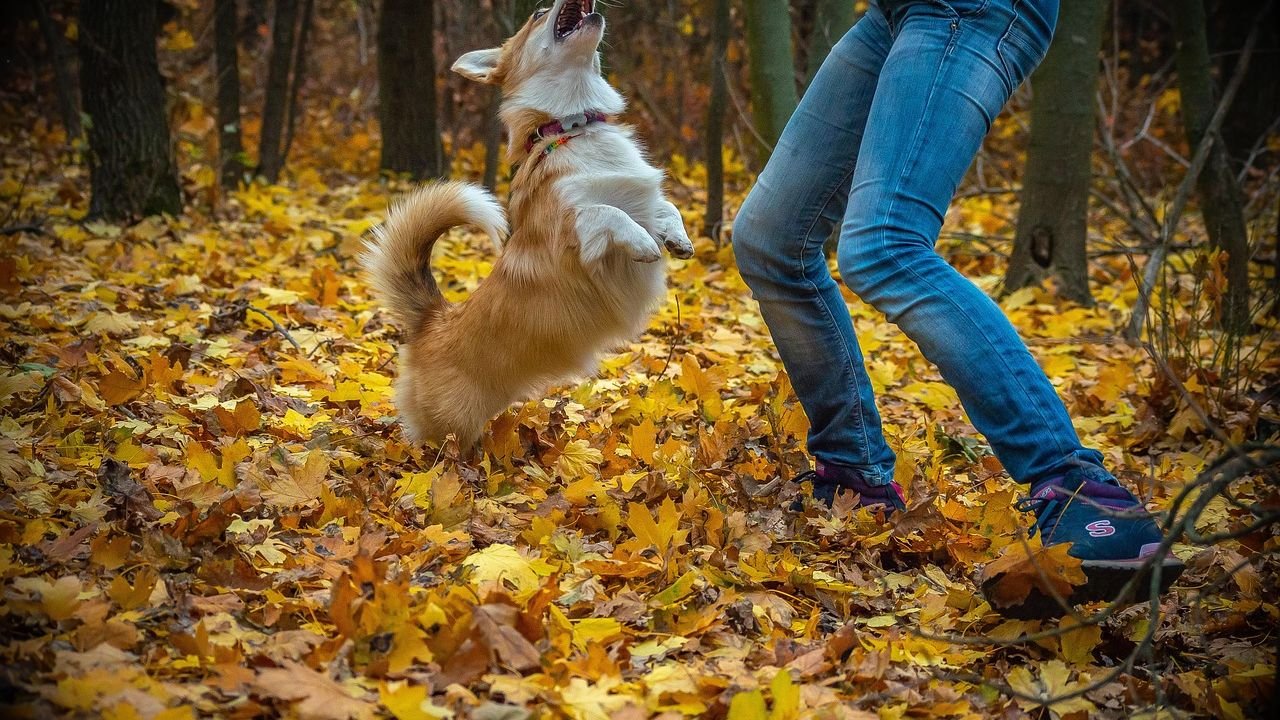
Have you ever noticed how some dogs seem to light up around their own kind? There’s something absolutely beautiful about watching two dogs become best friends, sharing toys, curling up together at naptime, and racing through the backyard side by side. While every pup has a unique personality, certain breeds genuinely thrive when they have a canine companion. These are the dogs that were literally born to be part of a pack, and honestly, they’re often at their best when they’re not flying solo.
If you’re thinking about adding a second dog to your household or wondering whether your current pup would appreciate a furry sibling, you’re in the right place. Let’s explore the breeds that genuinely flourish with another four-legged friend around.
Beagles: The Original Pack Animals
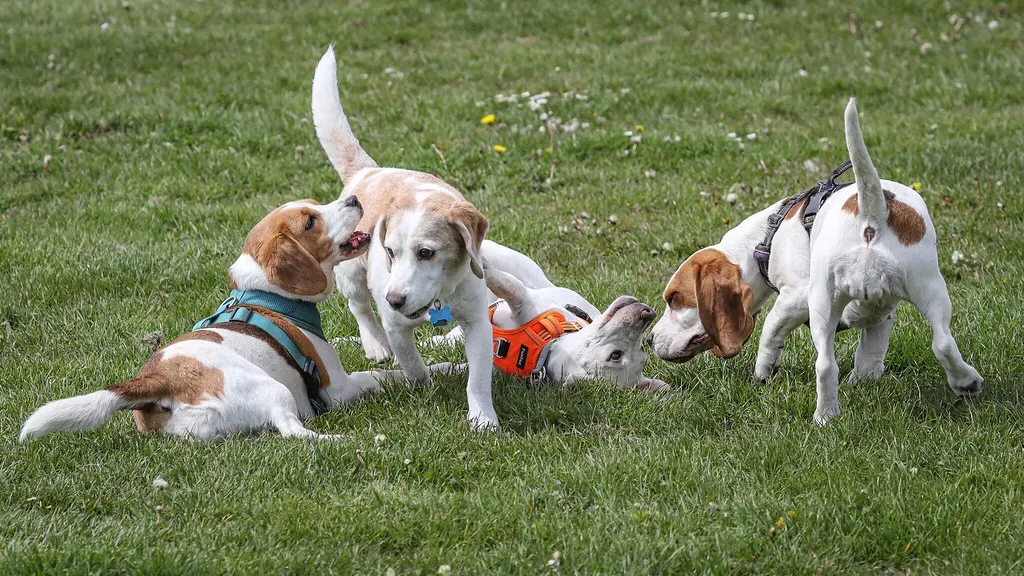
Beagles were originally bred as pack animals, so they are naturally good with other dogs and pets. This hunting heritage runs deep in their DNA. Watch a Beagle at the dog park and you’ll see exactly what I mean – they’re the ones greeting every single dog with enthusiastic tail wags and hopeful sniffs.
They have a gentle yet playful temperament, and actually prefer the company of other humans and dogs. Beagles left on their own develop depression and aren’t as healthy and happy as they are with some company around. Their signature howl? It’s even more entertaining when they’ve got a buddy to harmonize with. These social butterflies genuinely struggle with loneliness, making them perfect candidates for multi-dog homes.
Siberian Huskies: Sled Team Superstars
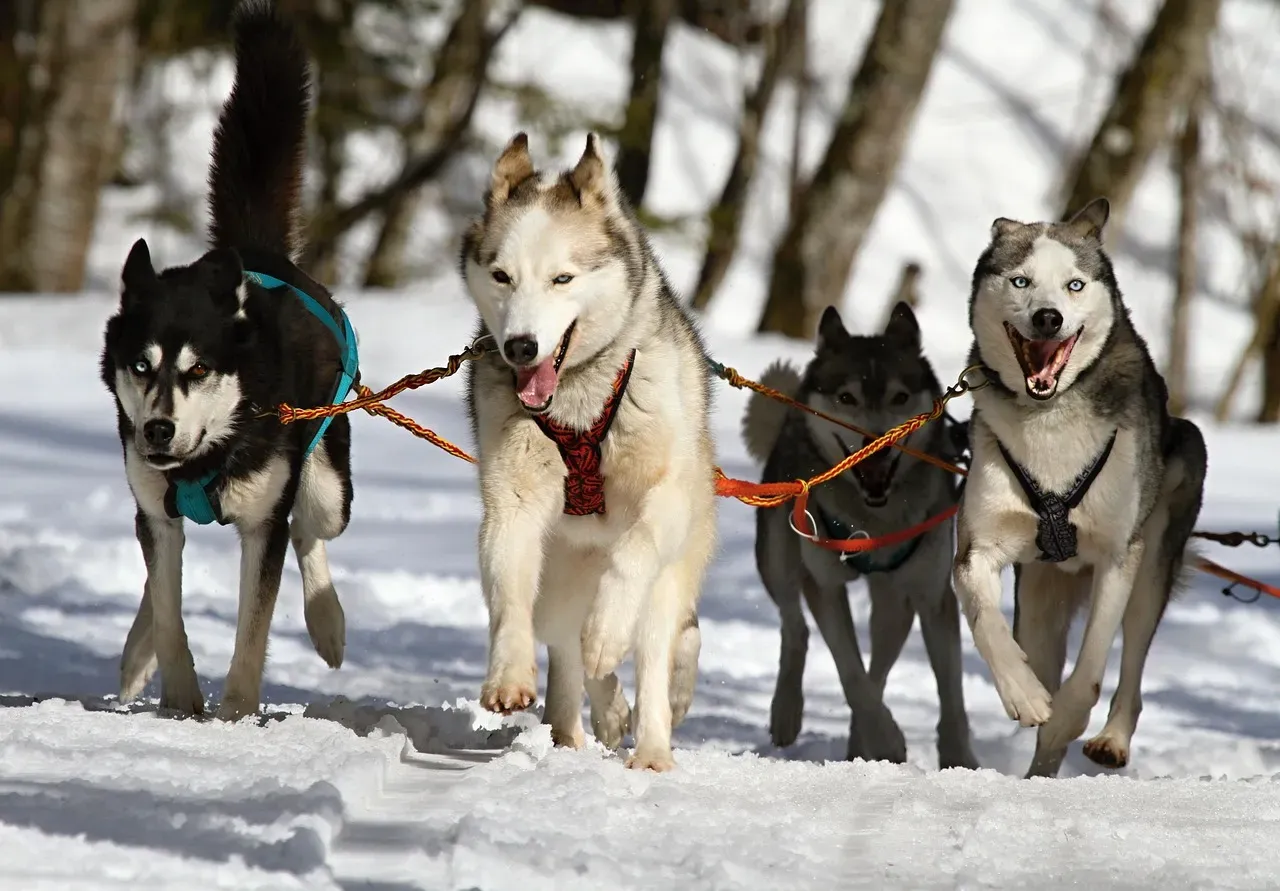
Think about those magnificent sled teams racing across frozen tundra. Siberian Huskies were originally bred as sled dogs; they work in teams of 8-16 dogs across frozen wilderness. That teamwork mentality is so deeply ingrained that most Huskies genuinely prefer the company of other dogs over you or other humans. It might sound harsh, but it’s just who they are.
These gorgeous dogs have an incredible communication style with their own kind. Their heart truly belongs to the pack, and they understand hierarchy and cooperation in ways that constantly amaze their owners. Living alone can genuinely make a Husky miserable, so if you’re considering this breed, seriously think about getting two. They’ll thank you with years of entertaining antics and beautiful pack dynamics.
Labrador Retrievers: Everyone’s Best Friend

Labrador Retrievers: Very enthusiastic dogs that love the companionship of other dogs. Labs are famous for their friendly disposition toward everyone, but there’s something special about how they bond with other pups. Their playful nature never really fades, even as they mature.
Their love for play makes them an instant hit with other dogs, and their balanced temperament allows them to live peacefully with cats and even smaller pets when introduced properly. Labs seem to view life as one big adventure that’s better shared. Whether it’s chasing balls, swimming, or just lounging in the sunshine, these social butterflies want company.
Golden Retrievers: The Gentle Giants of Friendship
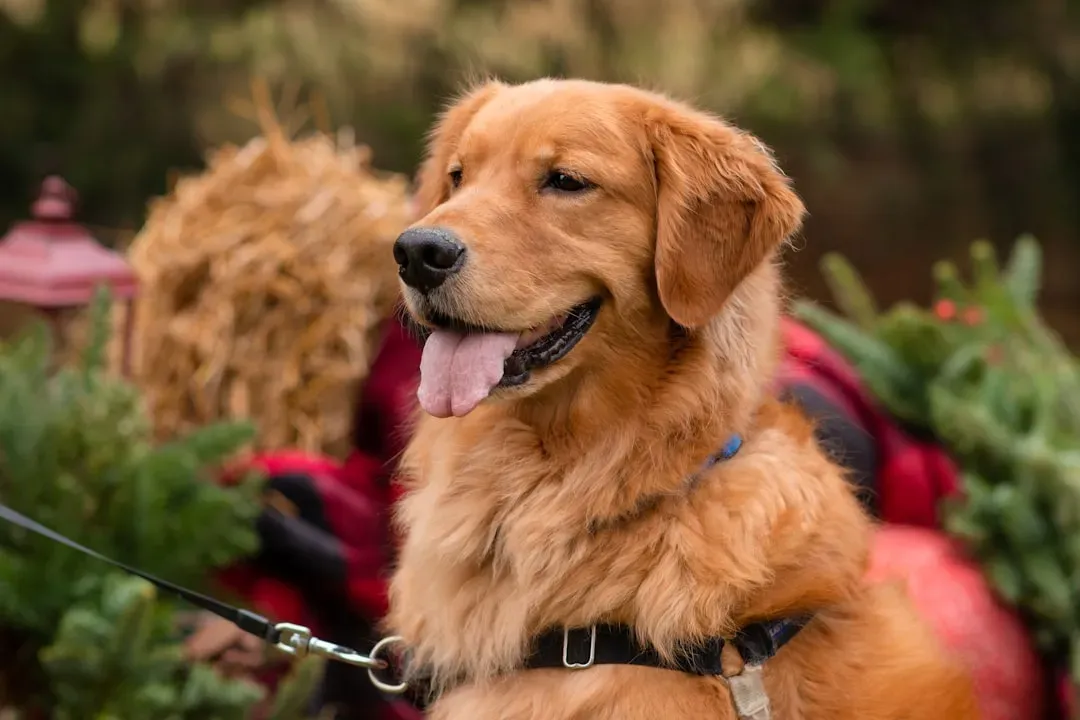
Golden Retrievers embody everything wonderful about dogs who love other dogs. Their gentle, patient nature makes them exceptional housemates for other pets. They’re not pushy or dominant – they’re the diplomats of the dog world.
What sets Goldens apart is their ability to read other dogs’ energy levels and adjust accordingly. They can romp with an energetic puppy one minute and gently snuggle with a senior dog the next. Their friendly demeanor toward strangers extends to strange dogs, too, making dog park visits and playdates absolute breeze. Honestly, a Golden without a friend just seems incomplete.
Australian Shepherds: Work Hard, Play Harder
They are social dogs who need the attention, either from you or from fellow four-legged friends. Without a friend, Aussies can become destructive and lonely. These herding dogs were bred to work alongside other dogs, and that collaborative spirit remains strong today.
Aussies are incredibly intelligent and need constant mental stimulation. Having another dog around provides built-in entertainment and exercise opportunities. They’ll organize games, invent challenges, and keep each other thoroughly occupied. Just be warned – two Aussies means double the energy and double the mischief.
Cocker Spaniels: Sweet Socialites

Cocker Spaniels are loving and loveable dogs who get along with just about everyone, so adopting a Cocker Spaniel into your multi-pet home would be a breeze. They are great socializers, so don’t be surprised to see them playing with other dogs or even cats.
These beautiful dogs have moderate exercise needs and absolutely adore companionship. Their gentle temperament means they rarely start conflicts and usually serve as peacekeepers in multi-dog households. They bond strongly with their families, which includes any four-legged siblings you bring home. The more love to give, the happier they are.
Basset Hounds: Low-Riding Pack Members

Since Basset Hounds are pack dogs, they get on well with other animals as long as you socialize them early. They also love to around their humans and will often howl when left alone for long. Those droopy eyes and long ears aren’t just adorable – they’re attached to a dog with serious pack instincts.
Basset Hounds move at their own leisurely pace, but they genuinely enjoy having another dog to share their space with. They’re not high-energy playmates, but they’re excellent at companionship. Two Bassets lounging together is pretty much the definition of contentment.
English Foxhounds: Born for the Hunt

English Foxhounds: As these are pack dogs they actually prefer to be around other dogs. They can quickly get bored if they are on their own and need lots of exercise and playtime. This breed was developed to hunt in large packs, so solo living really doesn’t suit their nature.
These athletic dogs have energy to spare and need playmates who can keep up with their stamina. An English Foxhound living alone is likely to become bored and potentially destructive. Give them a canine companion with similar energy levels, and you’ll have two happy, well-adjusted dogs who exercise each other.
Border Collies: The Intelligent Herders
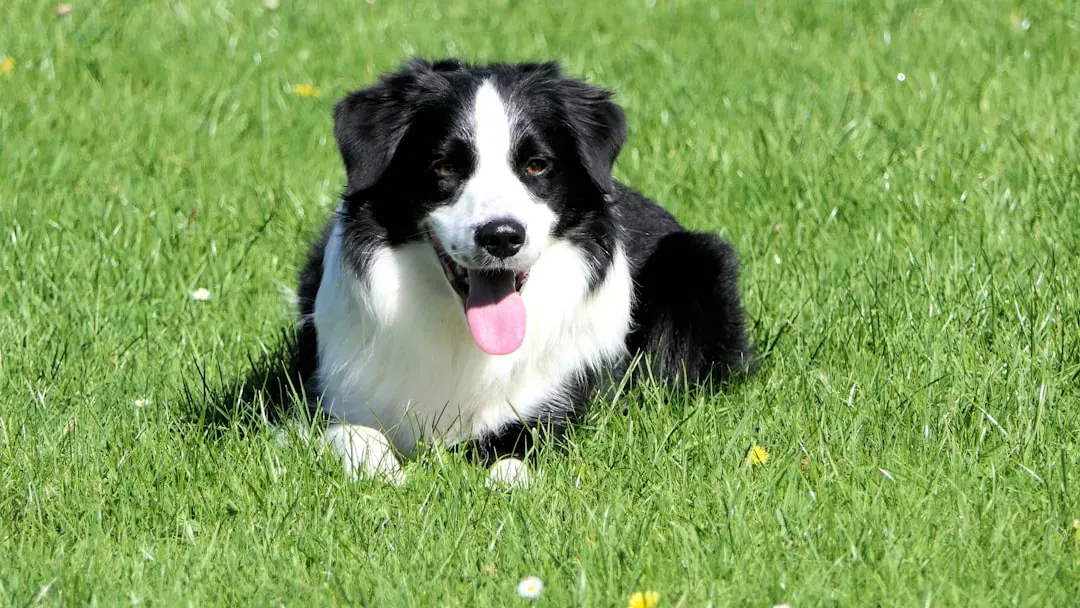
Border Collies make great family companions, no doubt, but they also are adept to making friends with your other animal family members. They love to play and interact with other dogs and even cats, who might swat at your Collie to ignite playtime.
These brilliant dogs are famous for being the smartest breed around. Their intelligence means they need constant stimulation, and another dog provides endless opportunities for interaction and problem-solving. Border Collies can be intense, so pairing them with another active, confident dog works wonderfully. They’ll invent games, create routines, and genuinely become a bonded team.
Cavalier King Charles Spaniels: Royal Companions
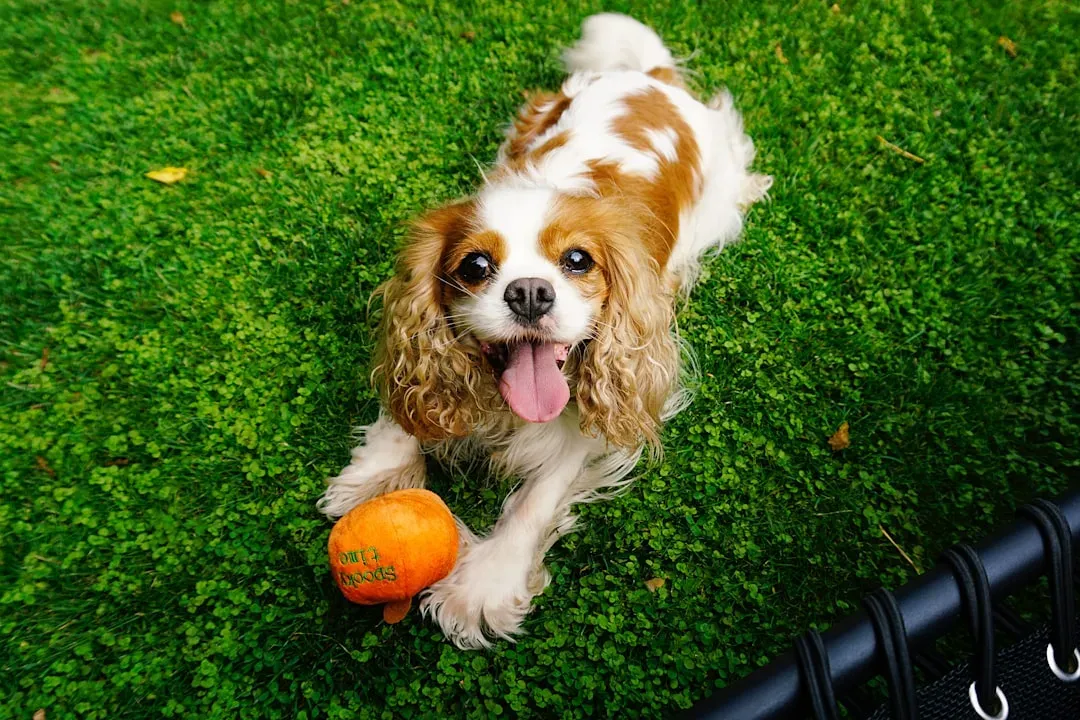
Cavalier King Charles Spaniels are affectionate lap dogs that thrive on companionship. They rarely show aggression and have an easy-going temperament, making them one of the best breeds for multi-pet households.
These little charmers were literally bred to be companions, and they take that job seriously. They’re equally happy cuddling with humans or snuggling up to another dog. Their gentle, adaptable nature means they fit seamlessly into multi-pet homes. They don’t have a jealous bone in their tiny bodies – there’s always room for more love.
Corgis: Royal Favorites with Pack Mentality
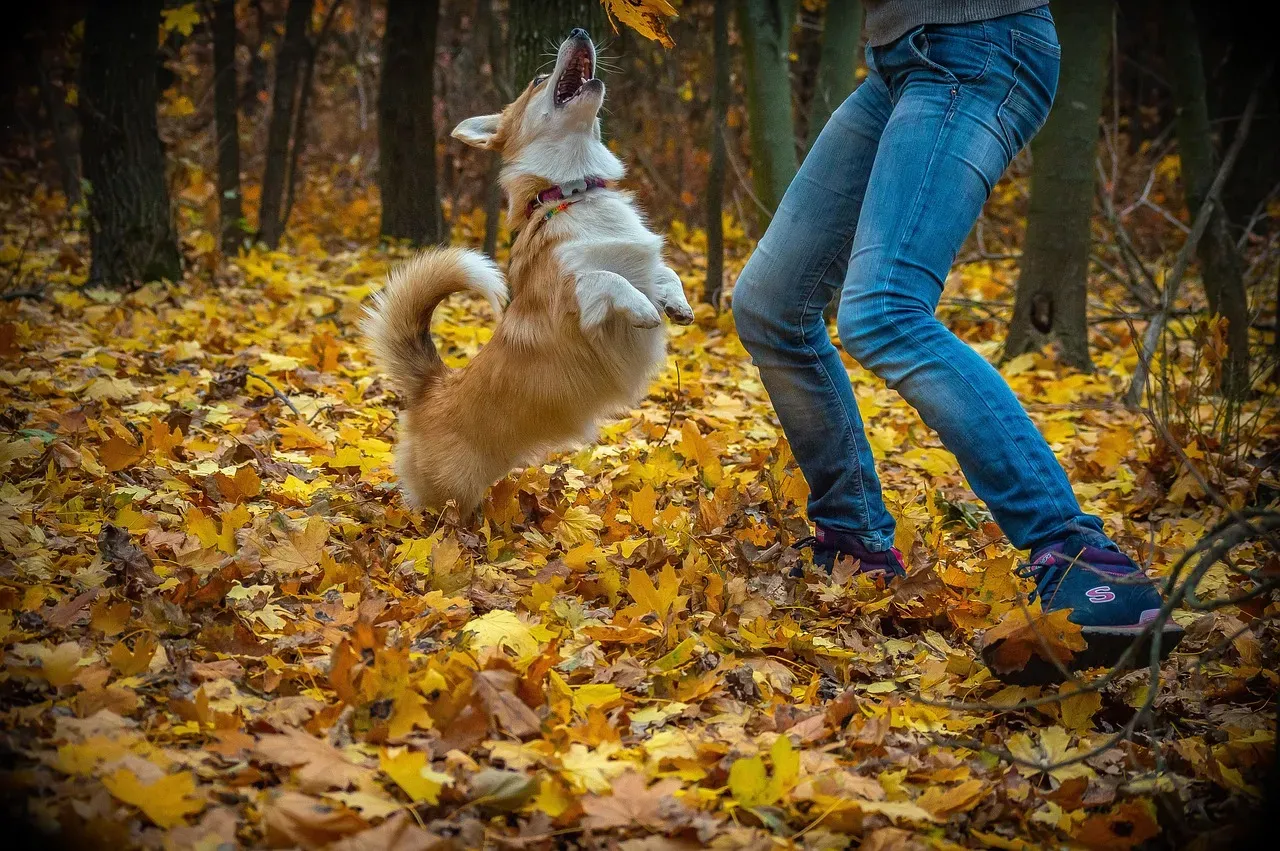
Corgi: A ‘royal’ dog that loves being in the company of other dogs. These short-legged herders have big personalities and even bigger hearts. Their herding background means they’re naturally oriented toward working with other dogs.
Corgis are active, playful, and social. They need attention and stimulation, which another dog can provide beautifully. Watch two Corgis play together and you’ll see their herding instincts kick in as they chase and circle each other. Their sturdy build means they can handle rougher play, and their cheerful disposition makes them excellent playmates.
Newfoundlands: Gentle Giants with Big Hearts
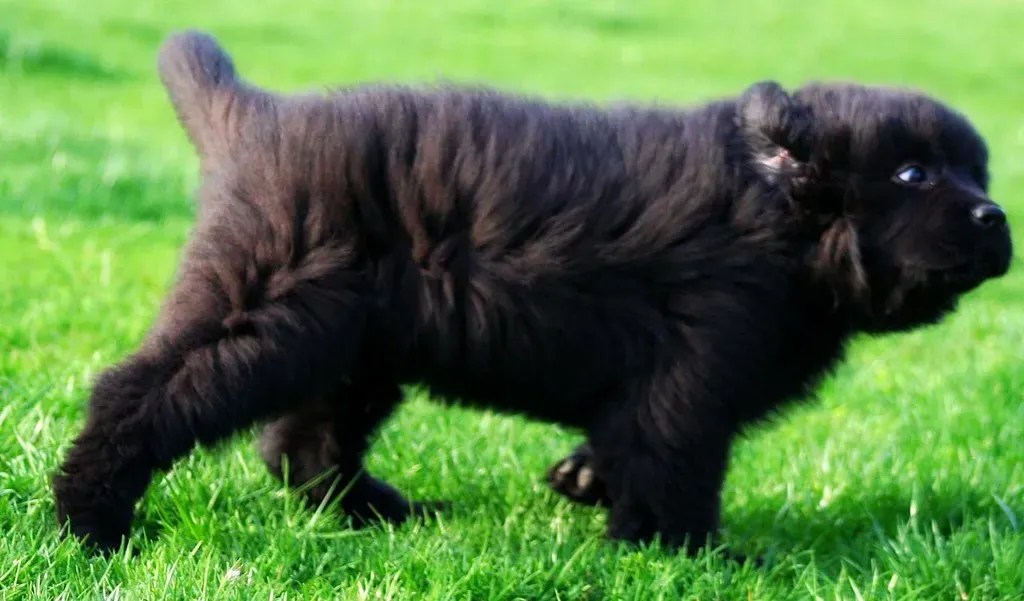
Newfoundlands are famously gentle giants. Their calm, tolerant, and patient disposition often helps them form strong bonds with smaller, quieter animals. Despite their massive size, Newfies are incredibly gentle and nurturing.
These gentle giants are known for their calm and patient demeanor, making them wonderful companions for multi-pet homes. Despite their size, Newfoundlands are incredibly gentle with smaller animals and have a nurturing instinct that makes them protective of their furry family members. They often take on a guardian role with smaller dogs, watching over them with patient devotion.
Conclusion: The Joy of Canine Companionship

Bringing home a second dog isn’t always the right choice for every household, but for these particular breeds, it’s often the key to their happiness. These pack-oriented dogs genuinely flourish with canine companionship. They play harder, rest better, and seem more fulfilled when they have a furry friend by their side.
Remember, proper introductions matter regardless of breed. Take your time, supervise interactions initially, and give both dogs space to adjust. The reward – watching two dogs become genuine friends – is absolutely worth the effort. Did you recognize your dog on this list? What’s your experience been with multi-dog households? Share your stories in the comments below.


