
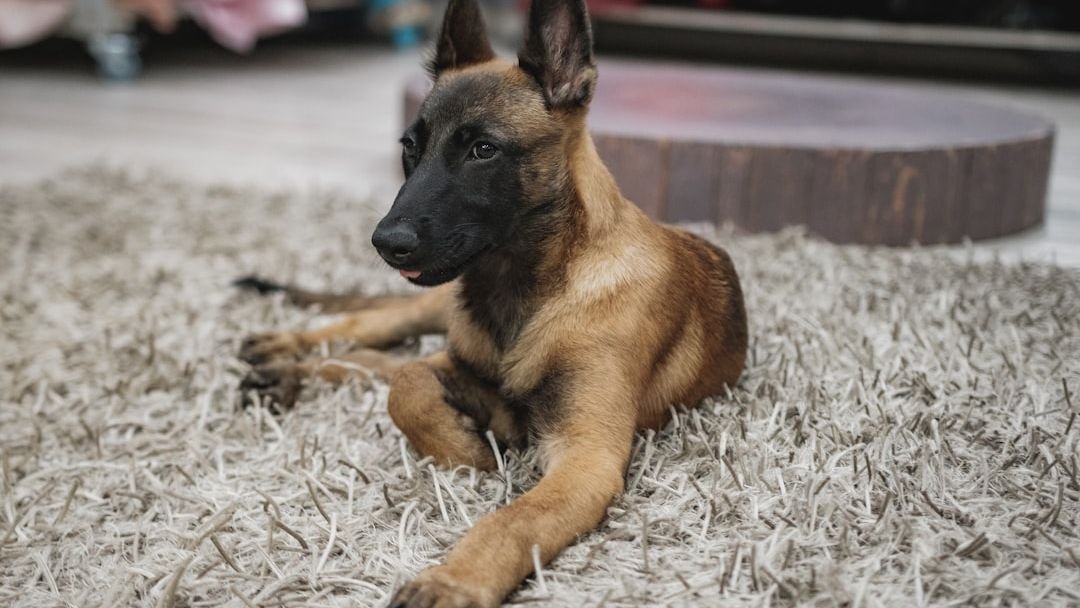
Picture this: you’ve come home after a long day, settled onto the sofa with a cup of tea, and your dog is staring at you with those big, burning eyes, pacing back and forth like a four-legged lawyer making a case for the great outdoors. Sound familiar? You might be living with one of these breeds.
Not every dog was built for the couch. Some dogs carry centuries of working DNA in their bones, and no amount of Netflix or air conditioning is going to scratch that itch. If your dog seems restless, a little “extra,” or downright impossible to settle indoors, this list might finally explain why. Let’s dive in.
1. Border Collie – The Outdoor Obsessive
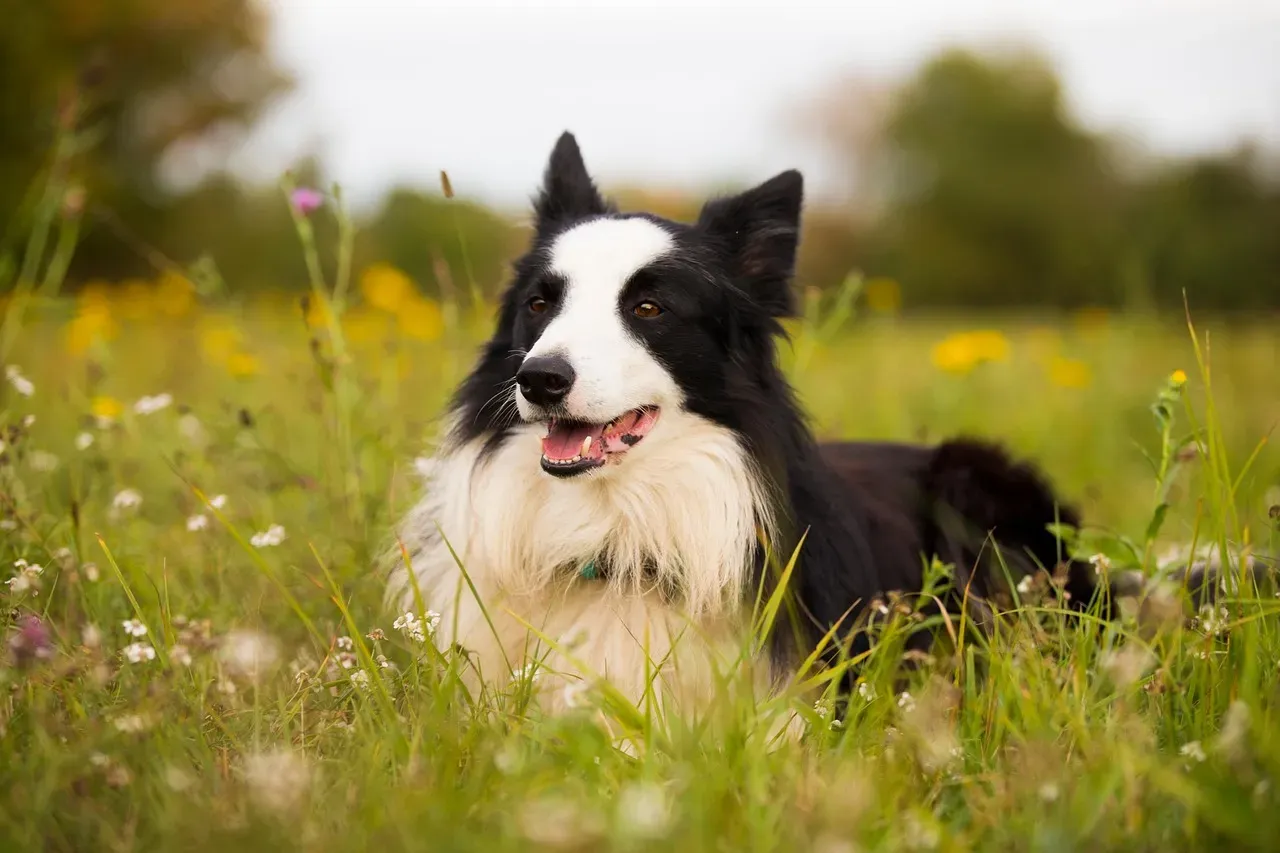
Border Collies are celebrated for their exceptional intelligence, remarkable agility, and herding prowess. These attributes make them outstanding working dogs, but they also bring forth some very distinct behavioral complexities. Let’s be real: this is not a dog that’s ever going to be okay with a 20-minute stroll around the block.
If you want a happy Border Collie, give your dog at least two hours of exercise every single day. They are great companions for jogging, biking, and hiking, and their exercise program should include much more than just a walk or two around the block. Monotony in their routine can result in undesirable behaviors like furniture chewing, digging, and other destructive activities. When boredom strikes a Border Collie, your home becomes the target.
2. Australian Shepherd – The Ranch Dog in Your Living Room
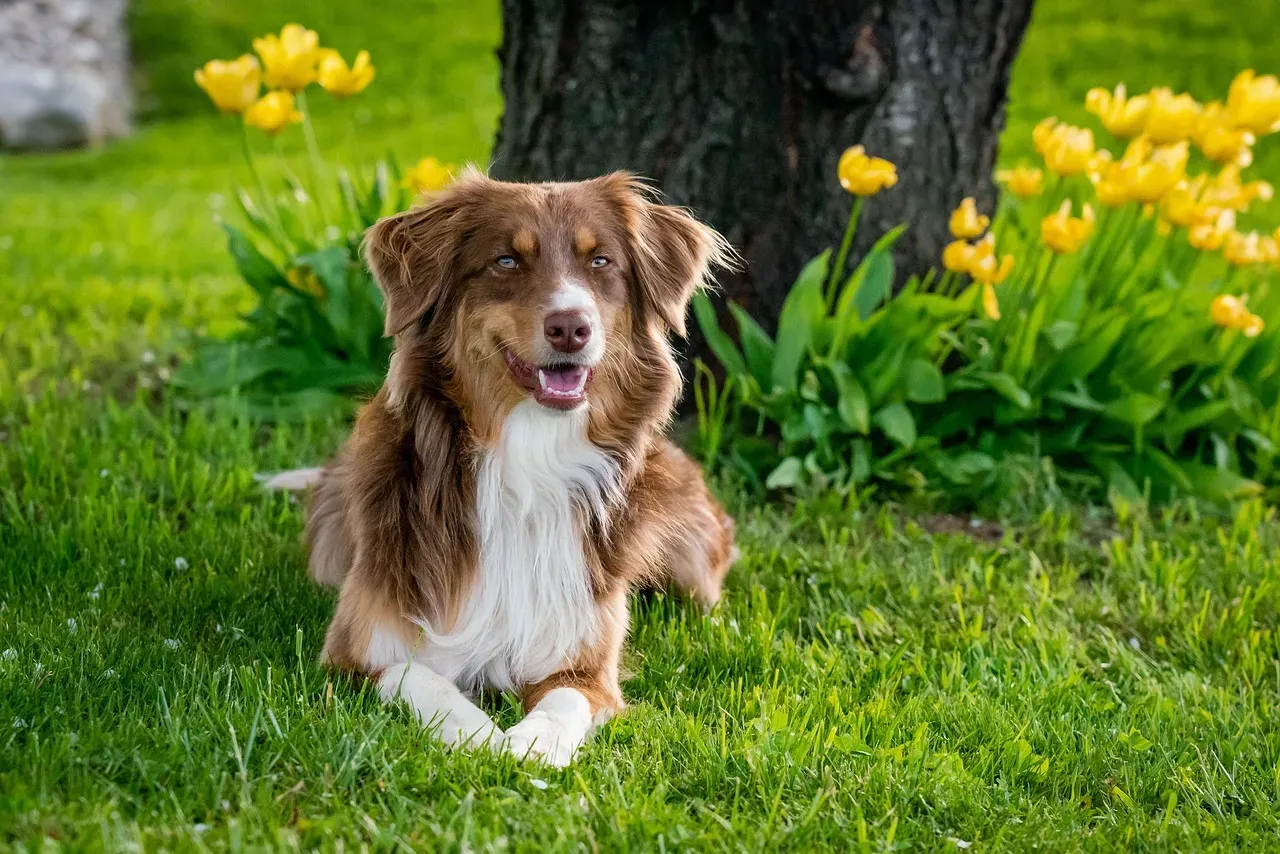
Australian Shepherds are energetic herding dogs who thrive when they have a job and lots of room to roam. These intelligent and loyal dogs are known for being eager to please their people, but due to their strong herding instincts, they tend to herd other pets and even their human family. Yes, including toddlers. Honestly, it’s equal parts hilarious and chaotic.
Australian Shepherds may not be the best choice for those without time for physical exercise and mental stimulation. Without this, they may develop destructive behaviors. Originally bred to herd livestock, they’re happiest when mentally and physically engaged. Without structure, they can become restless and potentially destructive, but give them a task and they’ll excel.
3. Siberian Husky – The Arctic Wanderer
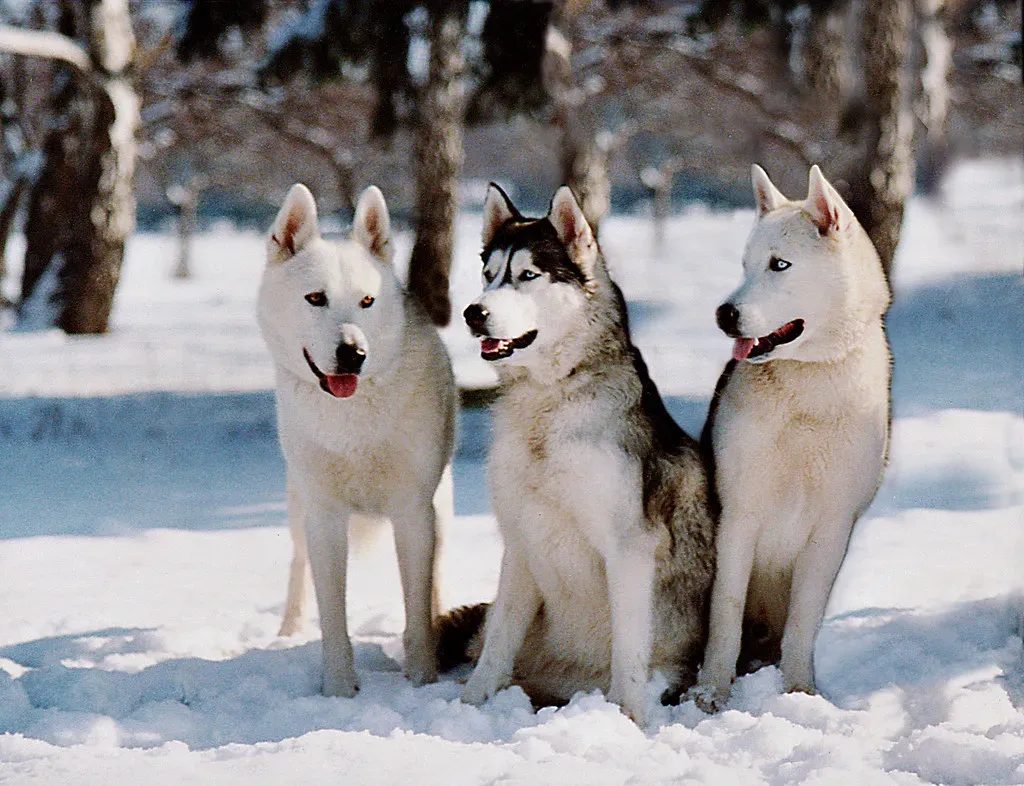
The Siberian Husky is an outdoor dog breed well suited for cold climates. They are working dogs that enjoy a physical challenge, and with their weight ranging from 45 to 60 pounds, they are well equipped for hard work. They have high energy levels and need plenty of exercise to prevent boredom and destructive behaviors. Think of them as sled engines that you accidentally brought inside your house.
Siberian Huskies were bred for endurance and made to pull sleds across snow for miles on end. They’re playful, social, and happiest when they can run or explore. Keeping a Husky cooped up indoors is a bit like keeping a marathon runner strapped to an office chair. They will let you know about it, loudly and repeatedly.
4. German Shepherd – The Working Dog That Never Clocks Out
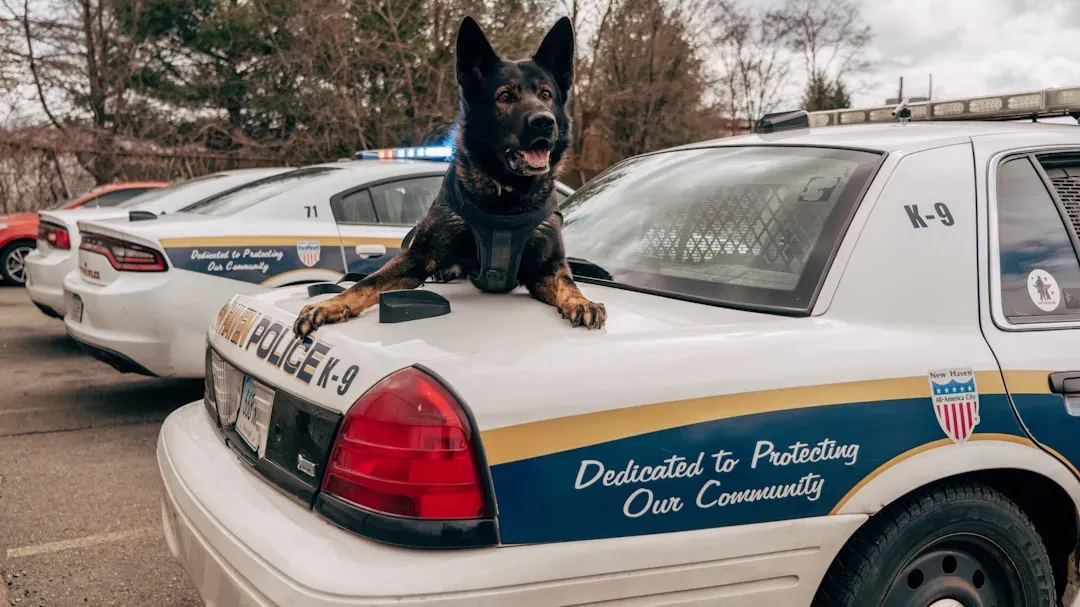
Originally developed to herd and guard livestock, German Shepherds have also been used in a variety of police and military contexts, where their intelligence, strength, and bravery serve them well. German Shepherds tend to love spending time outdoors and are well suited for a variety of climates. They’re essentially born with a permanent job description and a serious work ethic to match.
German Shepherds are highly intelligent and do best when they have a job. This is perhaps why they are frequently used in the police force. This breed needs plenty of exercise and mental stimulation, otherwise they can become frustrated and bored. A frustrated German Shepherd is not a quiet one. Prevention tip: channel their drive into agility, tracking, or obedience training before it finds its own outlet.
5. Belgian Malinois – Not for the Faint-Hearted
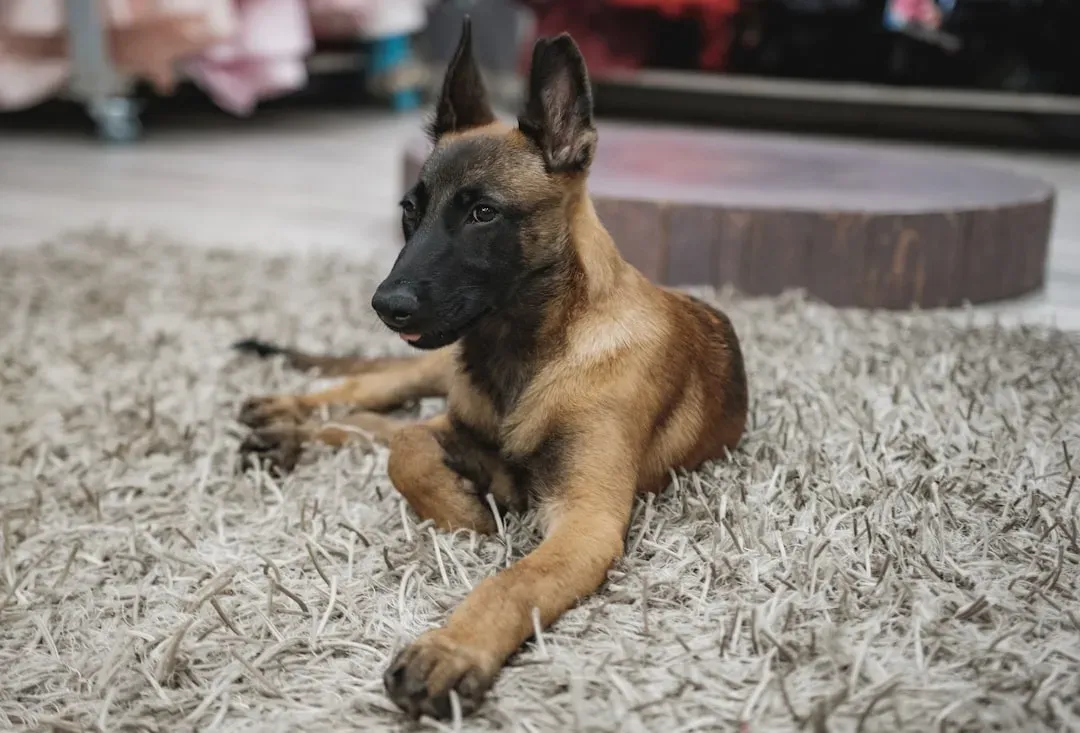
The Belgian Malinois is not a pet that happens to need exercise. It is a working dog that happens to live in your house. Originally bred as a Belgian herding dog, the Malinois has become the breed of choice for military special operations, police K-9 units, search and rescue teams, and border security agencies worldwide. This is one of those breeds where “a good walk” is just a warm-up.
Under-exercised Malinois develop serious behavioral problems including destructive behavior like destroyed furniture, chewed-through drywall, and ripped curtains. A bored Malinois can cause thousands of dollars in damage in a single afternoon. Daily walks are simply not enough for this breed; Belgian Malinois dogs need high levels of aerobic exercise. You’ve been warned.
6. Jack Russell Terrier – Small Dog, Enormous Outdoor Appetite
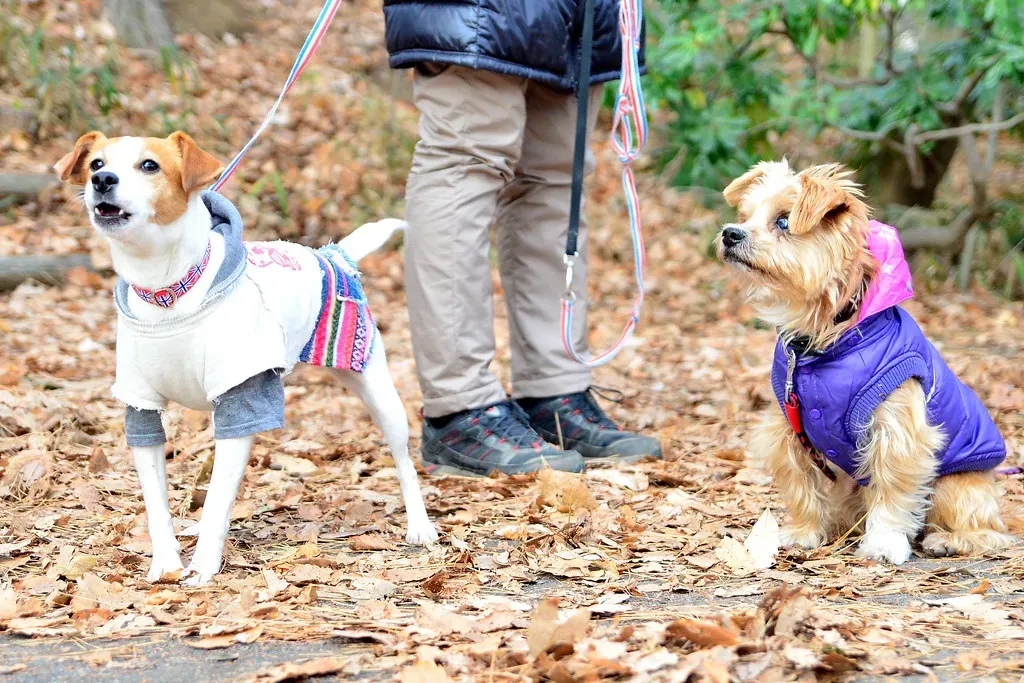
Jack Russell Terriers are full to the brim with energy and love to partake in activities that are reminiscent of the original purpose of their breed. Their job was once to hunt animals that burrow underground, which means they’re happiest when they get to chase and dig. Jack Russell Terriers need both mental and physical stimulation to thrive, meaning they enjoy everything from a walk and a simple game of fetch to higher intensity activities like agility training.
Here’s the thing about Jack Russells: their tiny size fools a lot of people. They look like a lap dog but behave like a caffeinated athlete. Jack Russell Terriers are especially notable for their high energy levels. These small dogs pack a big punch when it comes to activity. They were bred to hunt foxes, which means they have a lot of stamina. Jack Russells need plenty of exercise and mental stimulation to stay happy. If they can’t dig outside, they’ll figure out how to dig inside. Your garden, your sofa, it’s all fair game.
7. Dalmatian – The Born Runner
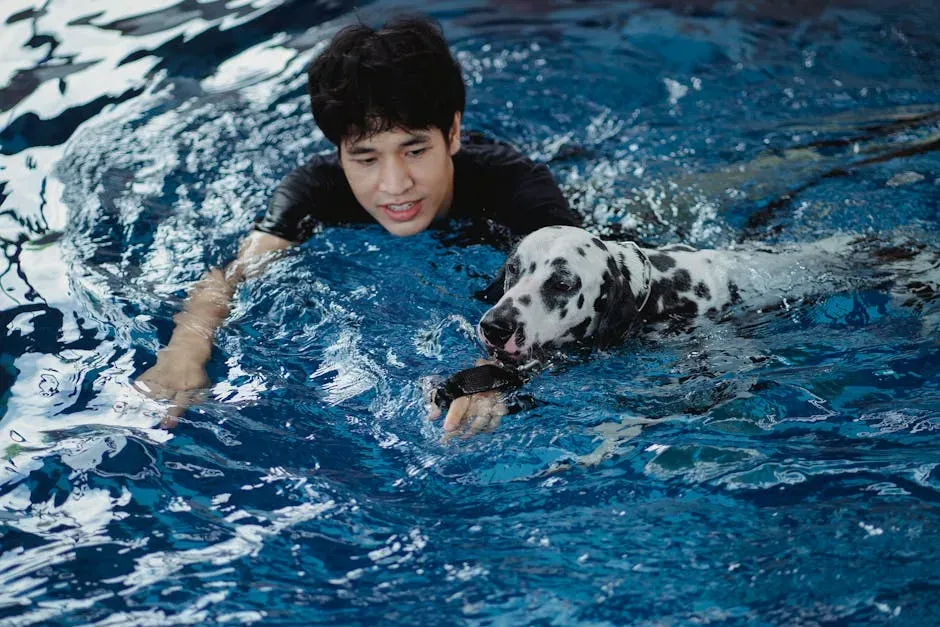
Known for their intelligence and enthusiasm, Dalmatians are one of the best dogs for active families who enjoy spending time outdoors. These confident pups are also easy to train and very smart. Historically, Dalmatians were bred to run alongside horse-drawn carriages for hours, which tells you everything you need to know about their stamina levels.
Thanks to their natural stamina, Dalmatians make ideal running and hiking partners for people with an active lifestyle. They have a lot of stamina and a smooth, effortless running gait, so they make great running and hiking partners too. This breed tends to be friendly, love playing, and want to be active all day. An under-exercised Dalmatian is a restless, bouncy, occasionally destructive one. Get those running shoes on.
8. Australian Cattle Dog – The Tireless Herder
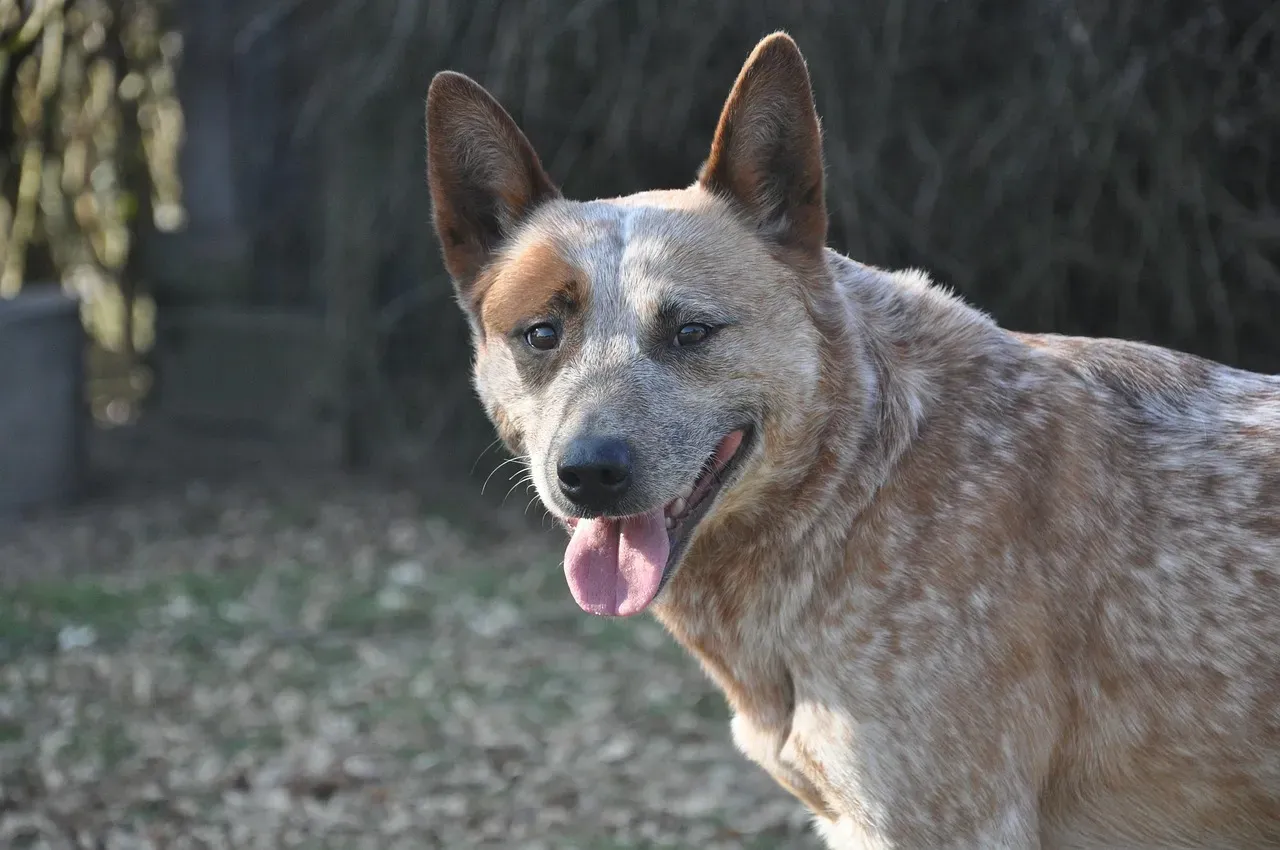
Very smart, the Australian Cattle Dog was bred for herding purposes. Thriving when able to run around, they don’t make the best pets if someone doesn’t have enough space or needs to keep the animal indoors. They are very disciplined if taught well. I think of them as the breed that will actually organize your other pets while you’re not looking.
Australian Cattle Dogs can get into all kinds of mischief if they get bored, so keeping them busy is absolutely essential. These dogs were built for long days on dusty cattle stations, not apartment life. They need room to run, tasks to complete, and ideally a job that keeps their relentlessly sharp minds occupied.
9. Weimaraner – The Ghost Dog Who Needs Open Space
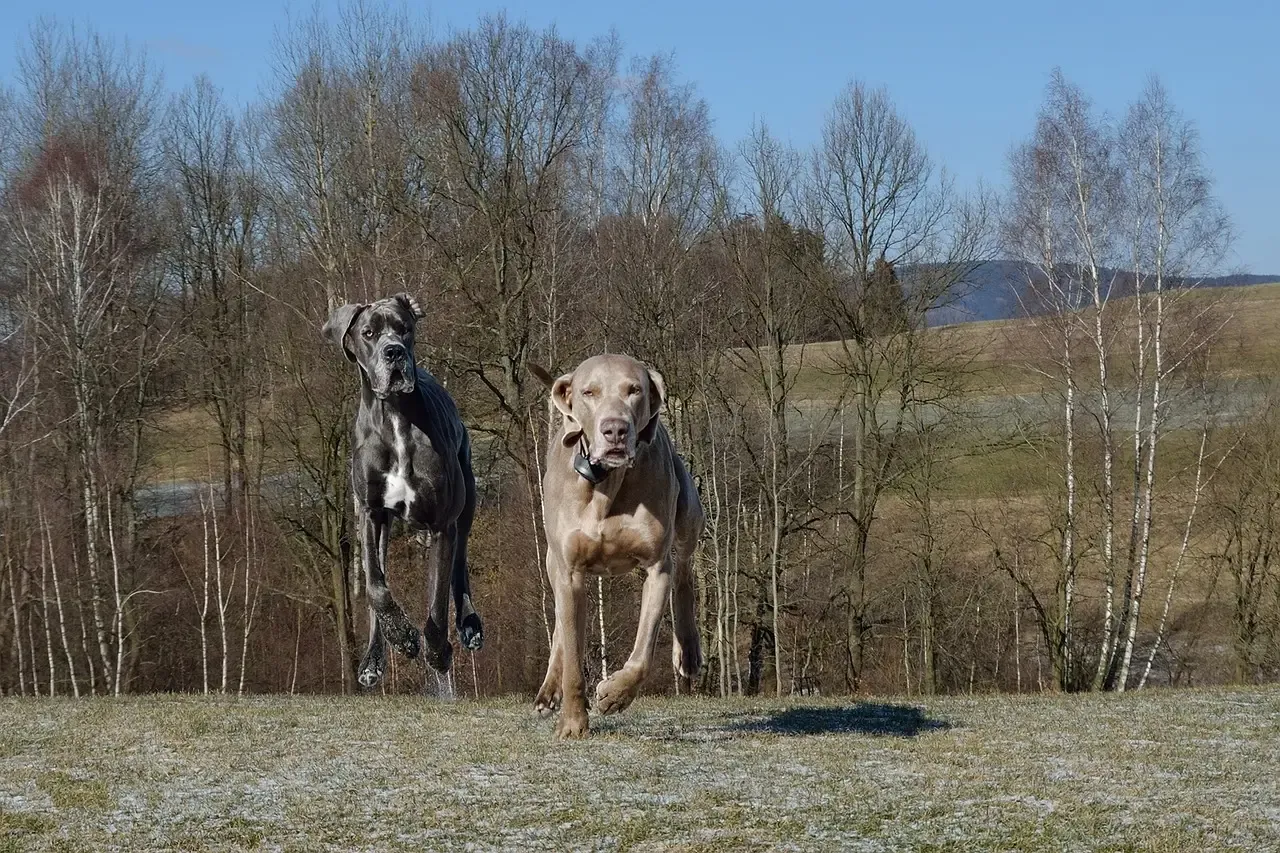
Weimaraners are speedy with lots of stamina, so activities like running, swimming, and agility training can be great options for this breed. In addition to their athleticism, Weimaraners are very loving and loyal, enjoying spending time with their families. If you want a gorgeous breed that can show you love and keep up with your activities, you may have just found the ideal pooch for you.
Weimaraners are very athletic and intelligent. This breed are also great swimmers, thanks to their webbed feet, and they will enjoy spending lots of time outdoors. According to the People’s Dispensary for Sick Animals, Weimaraners require about two hours of exercise daily. Confine a Weimaraner to a small indoor space and you’ll witness anxiety, separation distress, and the kind of howling that brings the neighbors over. These silver-coated athletes genuinely need the world to roam.
10. German Shorthaired Pointer – The All-Day Athlete
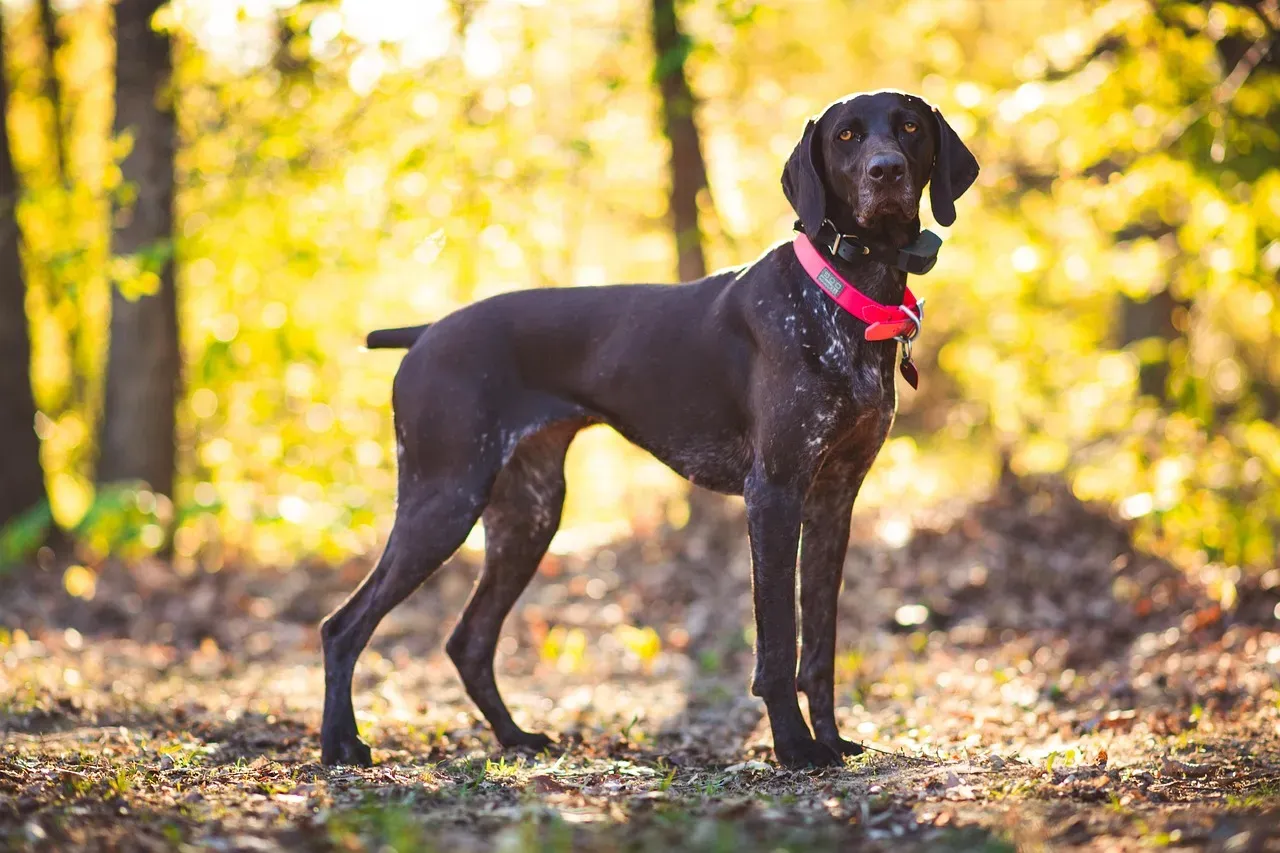
The first German Shorthaired Pointers were bred in Germany in the late 1800s by breeders who wanted an all-around hunting dog. As the name suggests, this dog breed points to game birds, alerting hunters to their position, and many also serve as excellent retrievers. These pointers are known to be one of the world’s most accomplished hunting and sporting breeds and are great athletes with incredible speed and agility.
The German Shorthaired Pointer is a friendly, smart, eager-to-please dog that historically was used to hunt all day in the field. GSPs thrive on exercise, like most other pointing breeds, and love being involved in outdoor activities with their families. Without enough activity, they can develop behavior issues, so this breed is best suited for active owners. A bored GSP is basically a very fast, very clever tornado wearing fur.
11. Vizsla – The Velcro Dog Who Needs Fresh Air
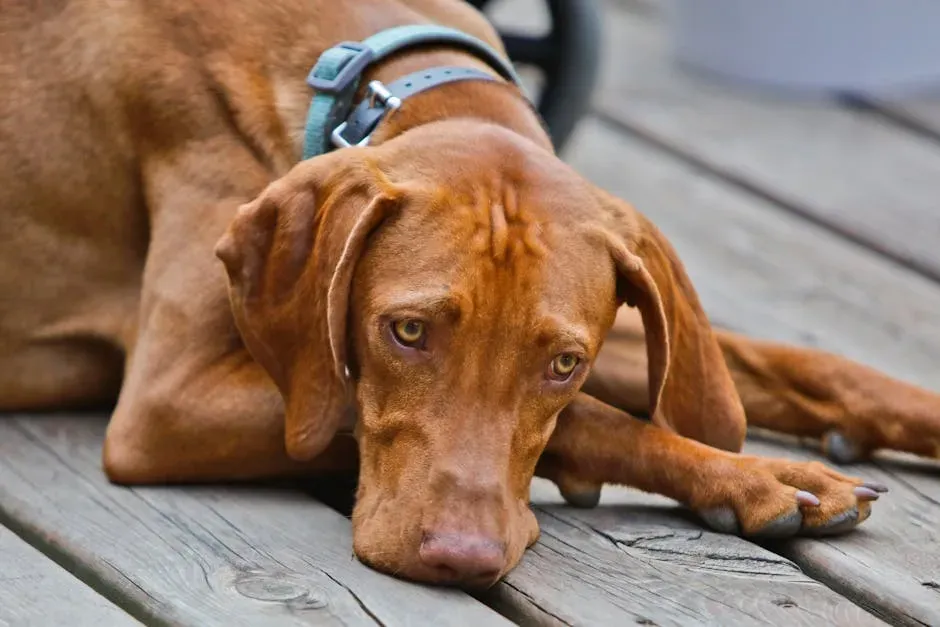
The Vizsla is a sleek, affectionate, and athletic breed often described as a “Velcro dog” for their close attachment to people. They were bred as hunting companions and thrive on both physical exercise and emotional connection. It’s actually a beautiful combination, until they start bouncing off the walls because they haven’t had enough outdoor time.
Swimming and scent-tracking games are right up a Vizsla’s alley, and their endless stamina makes them the perfect running buddy. They are best suited for families or individuals who spend lots of time outdoors and want a loving, energetic companion who’s always by their side. The Vizsla is one of those rare breeds that genuinely loves people and genuinely can’t function without movement. They need both in equal measure.
12. Norwegian Elkhound – The Viking Breed That Refuses to Settle
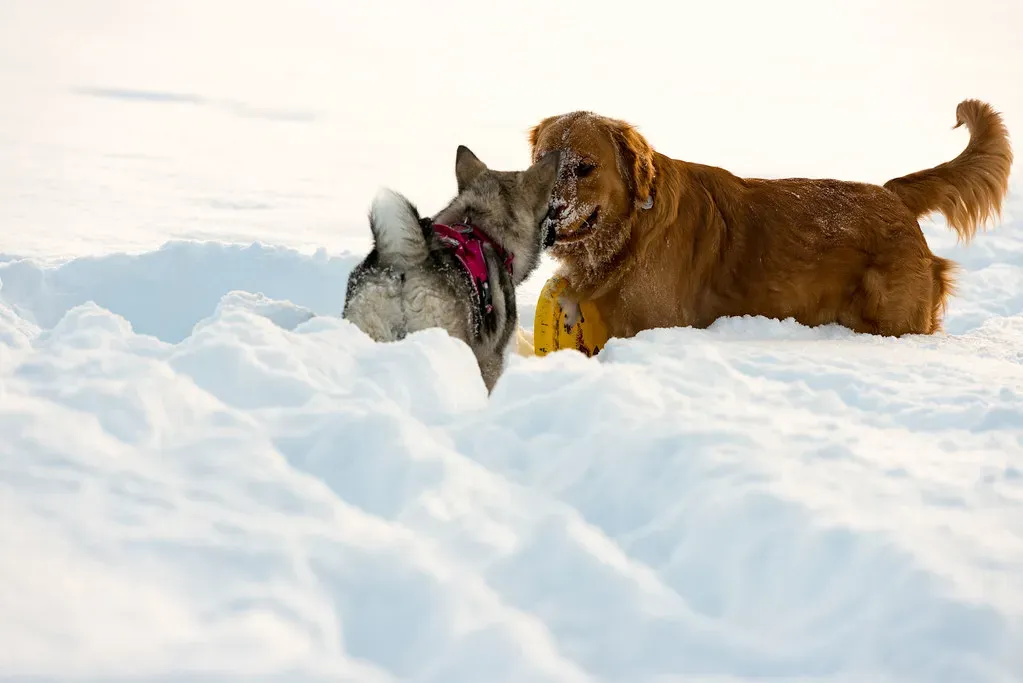
The Norwegian Elkhound is a hunting breed originally developed for pursuing elk, bear, and other formidable prey. An extraordinarily strong dog breed, the Elkhound needs the chance to burn off plenty of energy every day. They thrive best in large, outdoor areas where they can freely roam, just be sure to keep them leashed or within fenced areas, as they have a tendency to wander.
A true outdoor dog breed, the Norwegian Elkhound prefers to be outdoors rather than inside on the couch, and they’ll quickly become frustrated if forced to spend their lives indoors. Bred to withstand Norwegian winters, their thick coat acts as a buffer against the cold. This woolly coat sheds heavily and needs weekly brushing to stay healthy. It can also cause overheating in warm weather, so Elkhounds should not be exposed to the sun or heat in the summer without access to shelter or water.
Conclusion: Know Your Dog, Love Your Dog
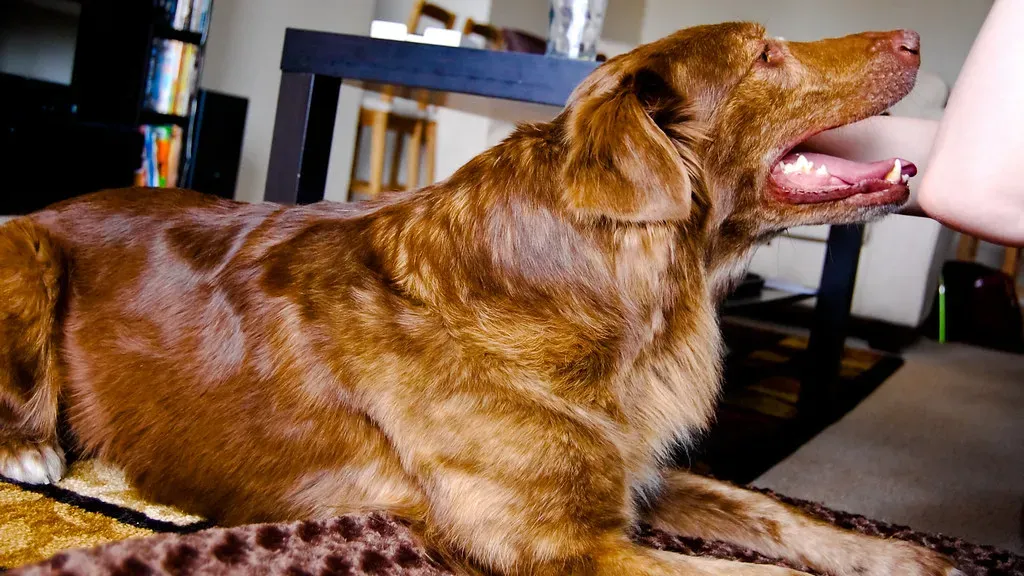
Here’s the beautiful truth beneath all of this: every single one of these breeds is extraordinary. They are smart, loyal, passionate, and deeply connected to their humans. The challenge isn’t that they’re “difficult.” The challenge is that they were built for something big, and they need owners who understand that.
High-energy dog breeds require plenty of physical activity and mental stimulation to stay happy and healthy. While these dogs are incredibly fun and loyal, they can also be a handful if their exercise needs aren’t met. If you see your dog restless, destructive, or anxious, that’s not a “bad dog.” That’s a dog trying to tell you something important.
Matching your lifestyle to your dog’s needs is one of the most loving things you can do. So, which one of these breeds is currently staging a protest in your hallway? Let us know in the comments. Your dog might have more to say about it than you think.


