
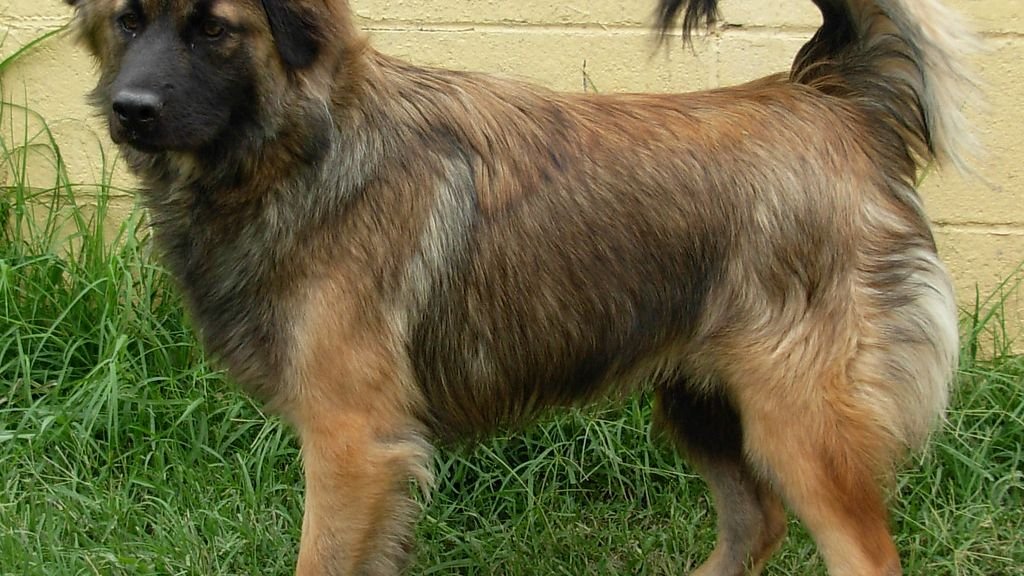
You ever come home to find your couch cushions scattered across the living room like confetti? Or discover your favorite pair of shoes chewed beyond recognition? Let’s be real, sometimes our beloved dogs can turn into tiny tornadoes of destruction when left to their own devices. The thing is, it’s rarely about them being bad or spiteful.
Most of the time, it’s because they’re bored out of their minds. Certain breeds were designed to work all day, solving problems and herding livestock across vast fields. When those razor-sharp minds don’t get the engagement they crave, well, they’ll create their own entertainment. Trust me, you won’t like their version of fun. So let’s explore which breeds absolutely need mental gymnastics to stay happy and well-behaved.
1. Border Collie: The Einstein of the Dog World
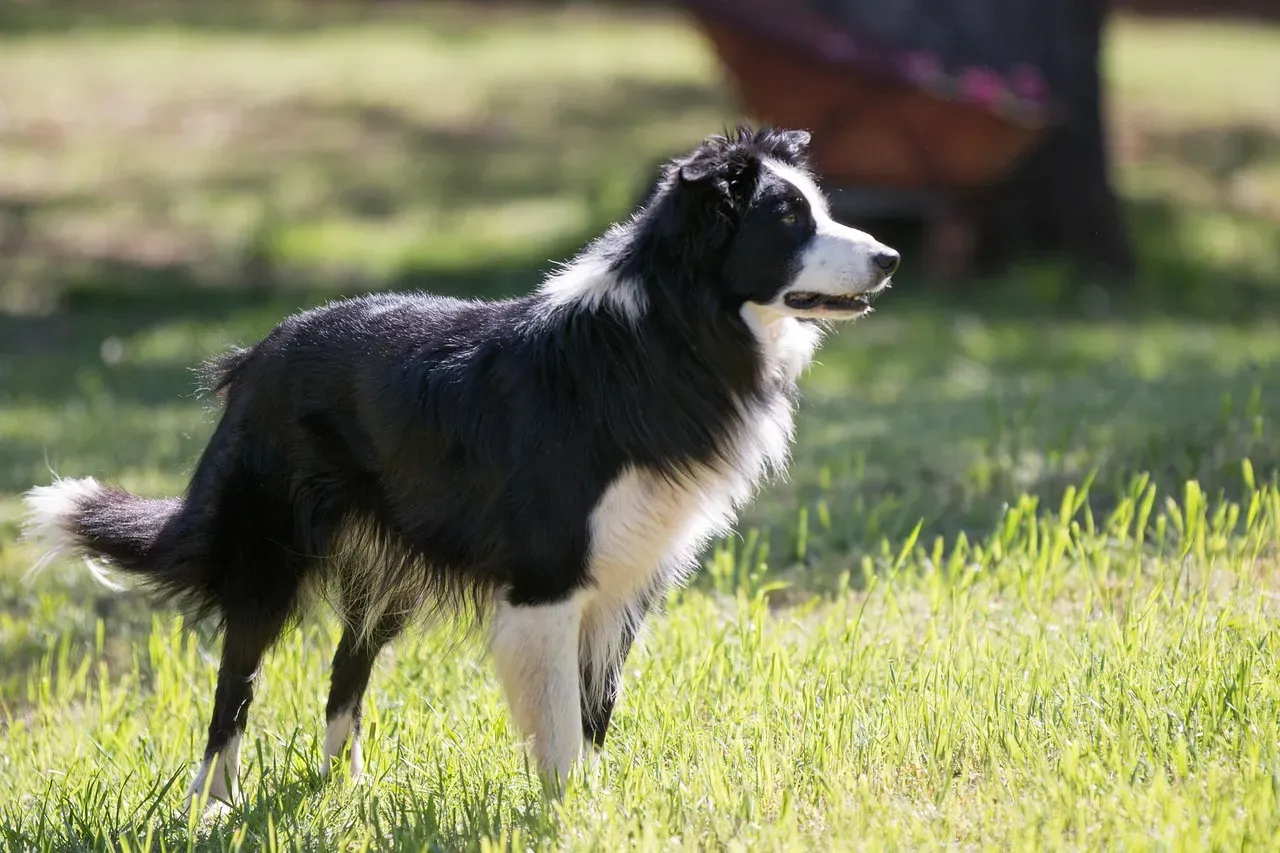
Border Collies are undisputed top dogs when it comes to intelligence, commonly utilized to herd sheep but capable of far more. Often cited as the smartest dog breed, their abundant energy and intelligence mean they need dedicated time for exercise and mental stimulation, or they may turn to destructive forms of entertainment like chewing furniture or digging.
A bored Border Collie becomes destructive and cannot be left in the backyard day after day without exercise and mental stimulation. Without proper outlets, these dogs develop obsessive behaviors like compulsive spinning or fixating on shadows and light reflections. They need at least one to two hours of exercise every day, especially when young.
The good news is they learn insanely fast. The challenge? They also pick up bad habits just as quickly. Puzzle toys, agility training, and herding activities aren’t optional extras for this breed – they’re necessities. Think of mental stimulation as their daily job requirement.
2. Australian Cattle Dog: The Tireless Worker
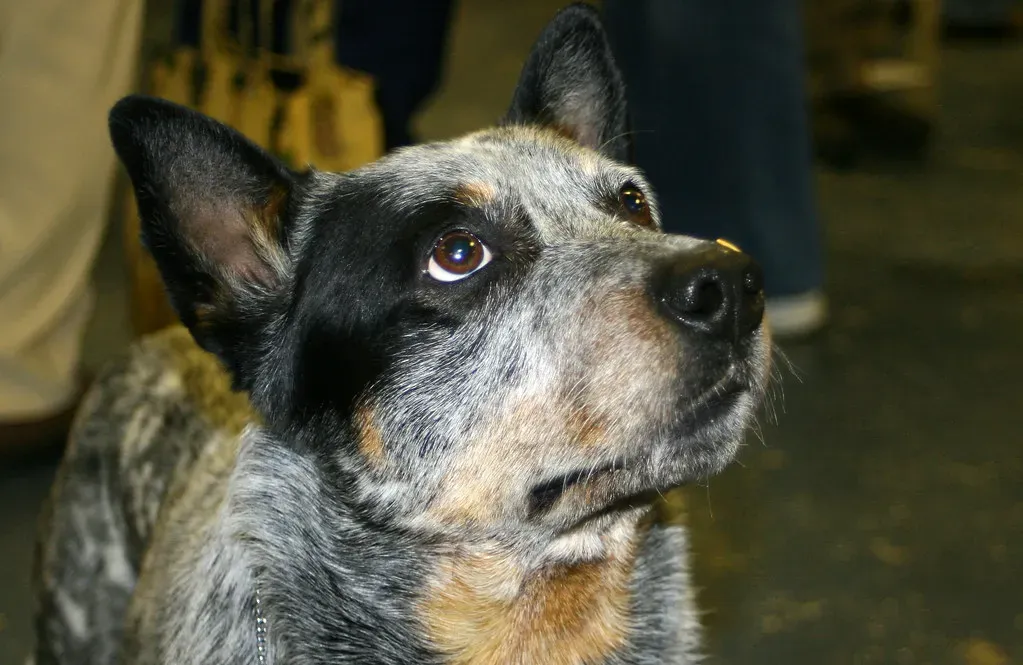
Originally bred for herding in tough conditions, Australian Cattle Dogs are quick thinkers and excellent problem-solvers with strong focus and lots of energy. These dogs were literally created to work cattle across the rugged Australian outback, so a lazy Sunday afternoon watching Netflix? Yeah, that won’t fly.
These energetic dogs learn new cues quickly and have a strong desire to please their pet parents, making good companions for families with lots of time to spend outdoors engaging their natural instinct to herd and chase. Without that outlet, they become restless and start inventing their own games.
Honestly, if you’re not ready to give them daily jobs or responsibilities, this breed will become your worst nightmare. They need structured activities that challenge both their body and brain. Scent work, advanced obedience training, and interactive games should be part of your daily routine.
3. German Shepherd: The Loyal Guardian
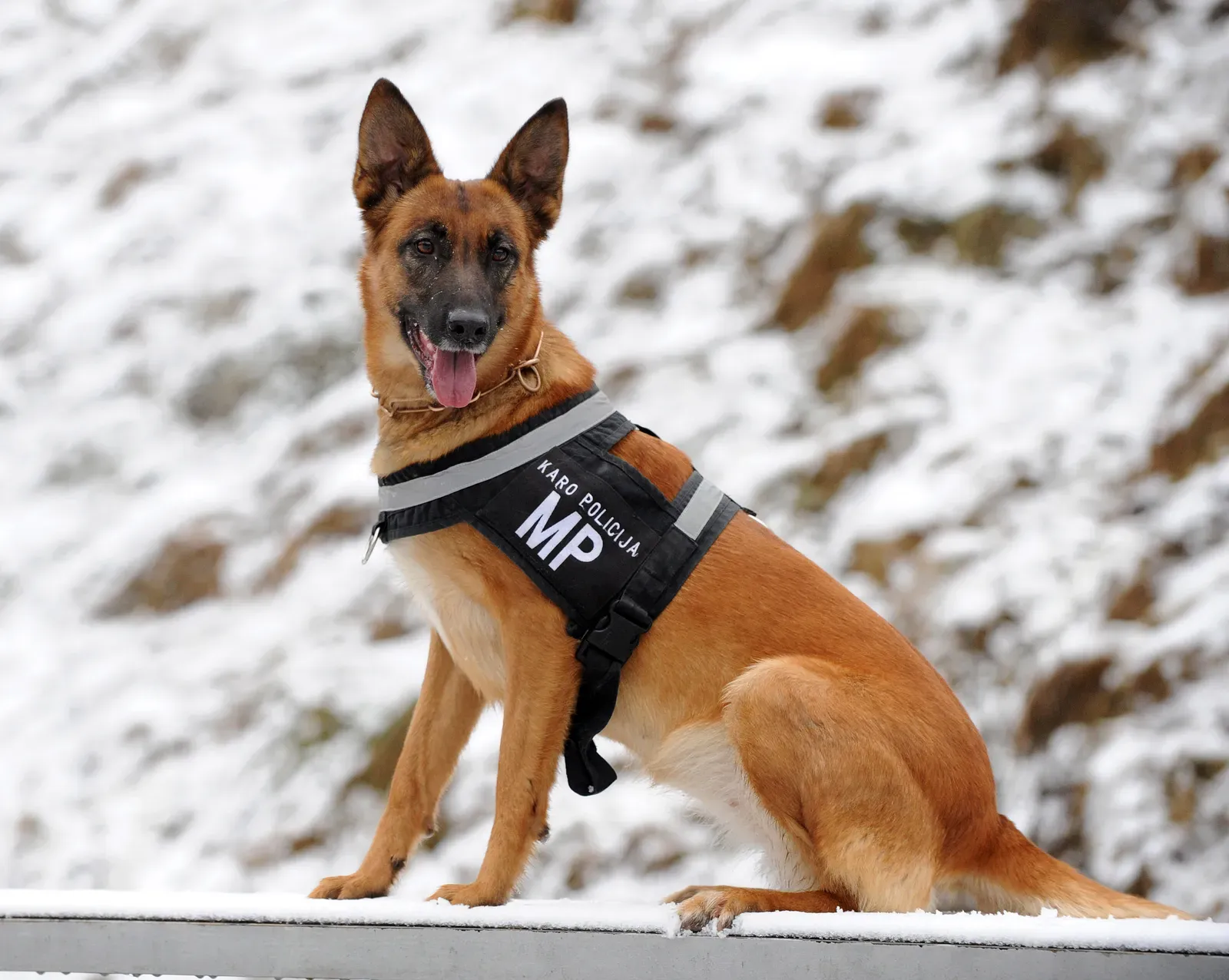
German Shepherds are known worldwide for their loyalty, courage, and unmatched intelligence, with quick learning ability making them top choices for police work, search-and-rescue, therapy work, and service training. There’s a reason these magnificent dogs dominate military and law enforcement roles globally.
German Shepherds are highly energetic and need regular mental and physical stimulation to prevent boredom, and when bored they can become destructive with chewing, digging, and even aggressive behavior. Their intelligence is both a blessing and a curse for owners who underestimate their needs.
These dogs crave structure and purpose. They want to protect you, work alongside you, and solve problems. Leave them idle and they’ll redirect that protective energy into behaviors you definitely don’t want. Daily training sessions, interactive puzzle toys, and plenty of physical exercise are non-negotiable.
4. Belgian Malinois: The High-Octane Athlete
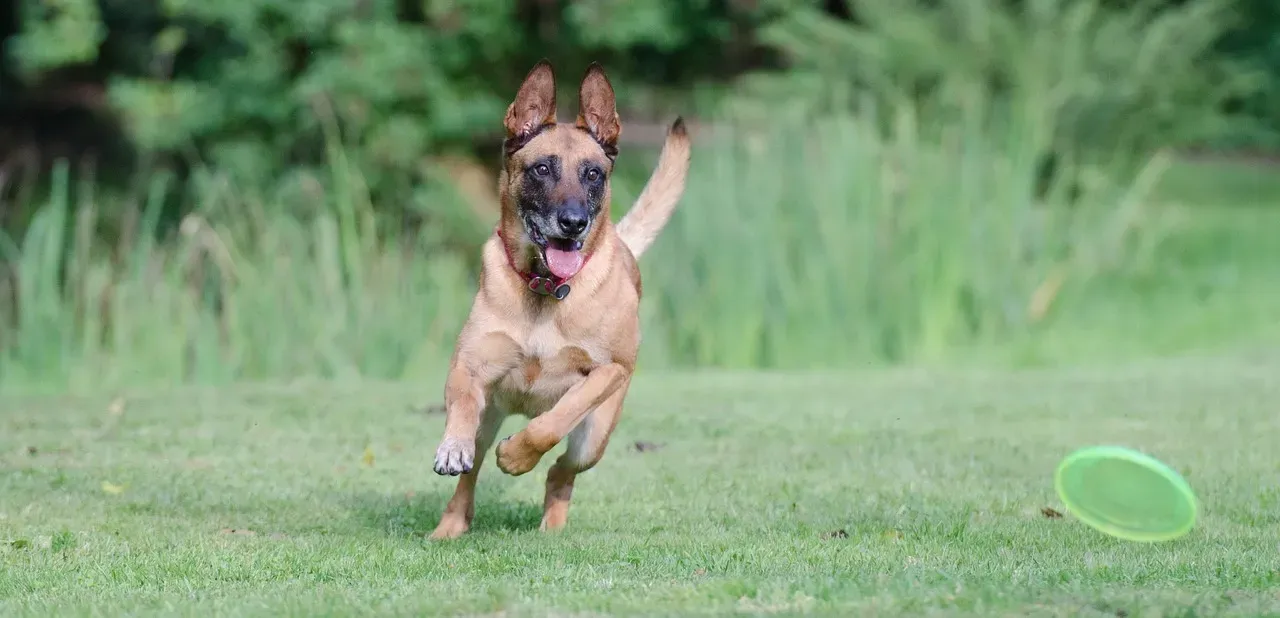
Topping many modern lists including military K-9 units, Malinois absorb training like sponges and operate with near-telepathic handler connection, faster than German Shepherds in reaction time and more agile than Border Collies in tactical scenarios. This breed takes intensity to a whole new level.
They’re not for novice owners as their drive and intensity demand expert handling. I’ve seen these dogs in action, and their focus is honestly intimidating. They don’t just want a job – they need one with their entire being.
Without constant mental and physical challenges, a Malinois becomes a force of nature in the worst possible way. They need advanced training exercises, agility work, and tasks that would exhaust most other breeds. If you work a typical office job and have a relaxed lifestyle, please consider a different breed.
5. Poodle: The Elegant Problem-Solver
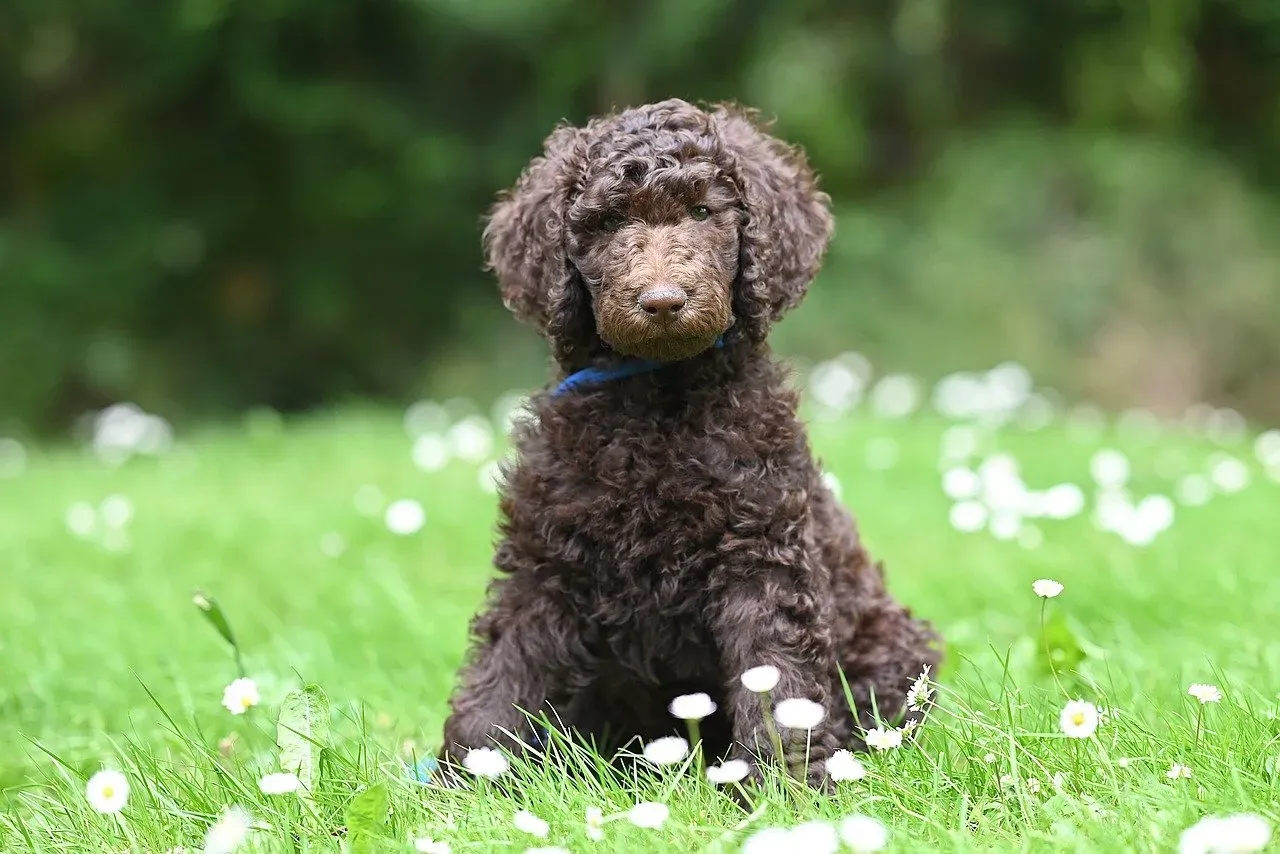
Poodles are incredibly smart regardless of size, showing strong learning skills and a natural ability to understand human behavior, with their intelligence combined with eagerness to please making them easy to train. Don’t let those fancy haircuts fool you into thinking they’re just show dogs.
Poodles demonstrate intelligence through adaptability and creativity, learning concepts quickly and applying them across different situations with ease. They adapt smoothly to new environments, but challenges emerge when training becomes monotonous, so variety and progression are key.
Standard, Miniature, or Toy – all three sizes pack serious brainpower. They excel at learning tricks, solving puzzles, and reading your emotions. Without regular mental stimulation, they become anxious and destructive. Keep them engaged with rotating toys, new commands, and interactive games.
6. Doberman Pinscher: The Strategic Thinker
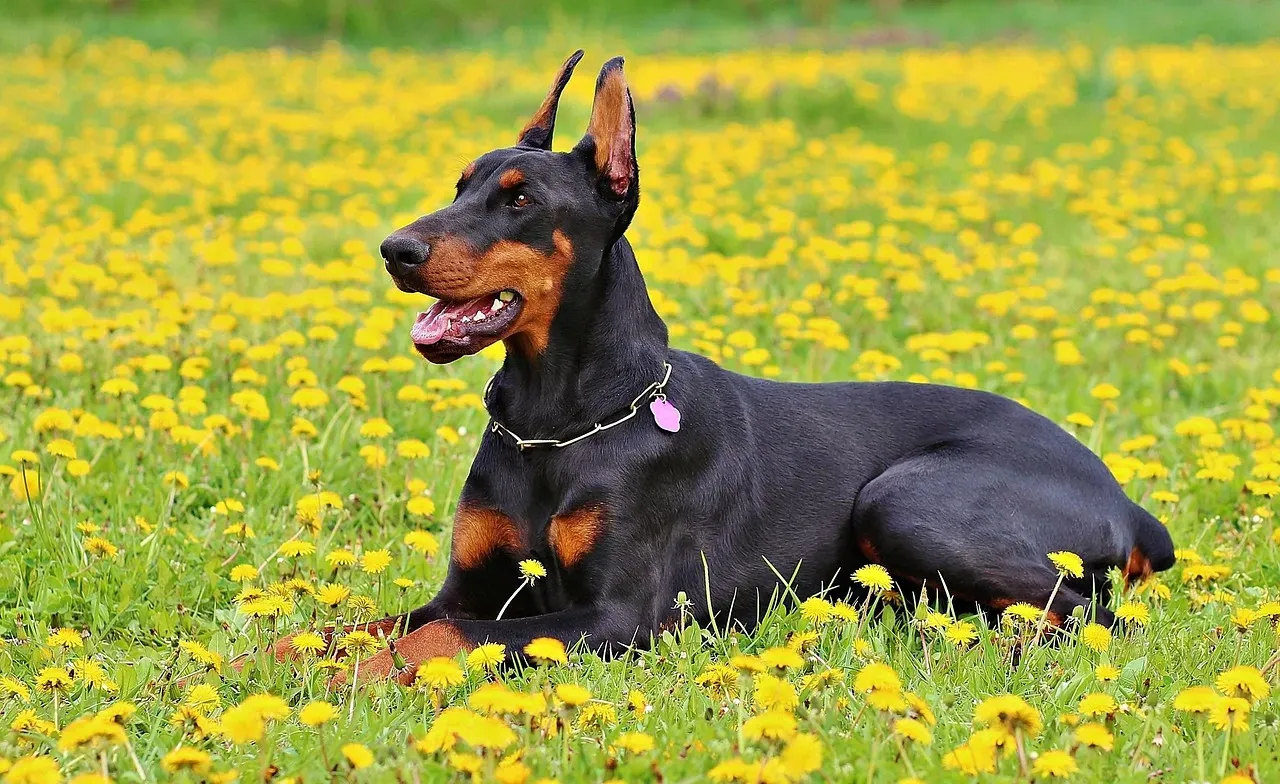
Sleek, fearless, and frighteningly intelligent, Dobermans learn fast because they’re always watching and analyzing, used in military and protection roles for split-second decision-making. These dogs don’t miss a thing happening in their environment.
Dobermans are highly energetic and need regular mental and physical stimulation, and when bored they can become destructive with chewing, digging, and even aggressive behavior, requiring regular exercise, mental challenges, and consistent training.
Their powerful jaws combined with boredom create a recipe for disaster. I think people sometimes adopt Dobermans for their impressive looks without understanding the maintenance required for that brilliant mind. They need scent games, advanced drills, and puzzle toys daily to stay balanced.
7. Rottweiler: The Thoughtful Guardian

Big, burly Rottweilers are known for their loyalty and smarts, and with proper training they can excel in obedience competitions and as service dogs, their intelligence and athleticism making them well-suited for active families who ensure plenty of mental stimulation, physical exercise, and early socialization.
Rottweilers approach intelligence with intention and depth, processing information thoughtfully and favoring structure and clarity over repetition. With their powerful bite and strong chewing instinct, they’re renowned for destructive chewing habits without training, and as working dogs they need to use their mind and body to ward off frustration and stress.
These gentle giants need purpose and responsibility. They thrive on predictable routines combined with tasks that make them feel useful. Without mental challenges, their size and strength turn everyday boredom into major household destruction.
8. Labrador Retriever: The Eager Learner

Labs combine practical intelligence with unmatched work ethic, excelling at real-world problem-solving from detection work to service dog duties. Their friendly demeanor sometimes masks just how clever they really are.
Labs may seem easygoing compared to some breeds on this list, but they still require significant mental engagement. Mental stimulation keeps them happy and prevents destructive boredom, and without consistent engagement they’ll invent their own games like opening cabinets or rearranging your shoes.
Young Labs especially can become chewing machines when understimulated. They need fetch games that challenge their retrieving instincts, puzzle feeders at mealtime, and training sessions that teach new skills. Their food motivation makes training easier, thankfully.
9. Golden Retriever: The Enthusiastic Companion

Golden Retrievers approach learning with warmth and enthusiasm, their intelligence rooted in cooperation making them eager participants in training and daily interaction. As intelligent as they are friendly, Golden Retrievers are perfect as seeing dogs and search-and-rescue dogs due to their obedience, big brains, and dedication to tasks.
Goldens combine emotional intelligence with sharp learning curves, thriving as eager students in therapy, assistance, and search-and-rescue roles. Their people-pleasing nature means they genuinely want to work alongside you.
Still, don’t assume their gentle temperament means they need less stimulation. A bored Golden will chew, dig, and develop anxiety-related behaviors. They need daily training that strengthens your bond, interactive toys, and activities that engage their natural retrieving instincts.
10. Belgian Tervuren: The Intense Herder
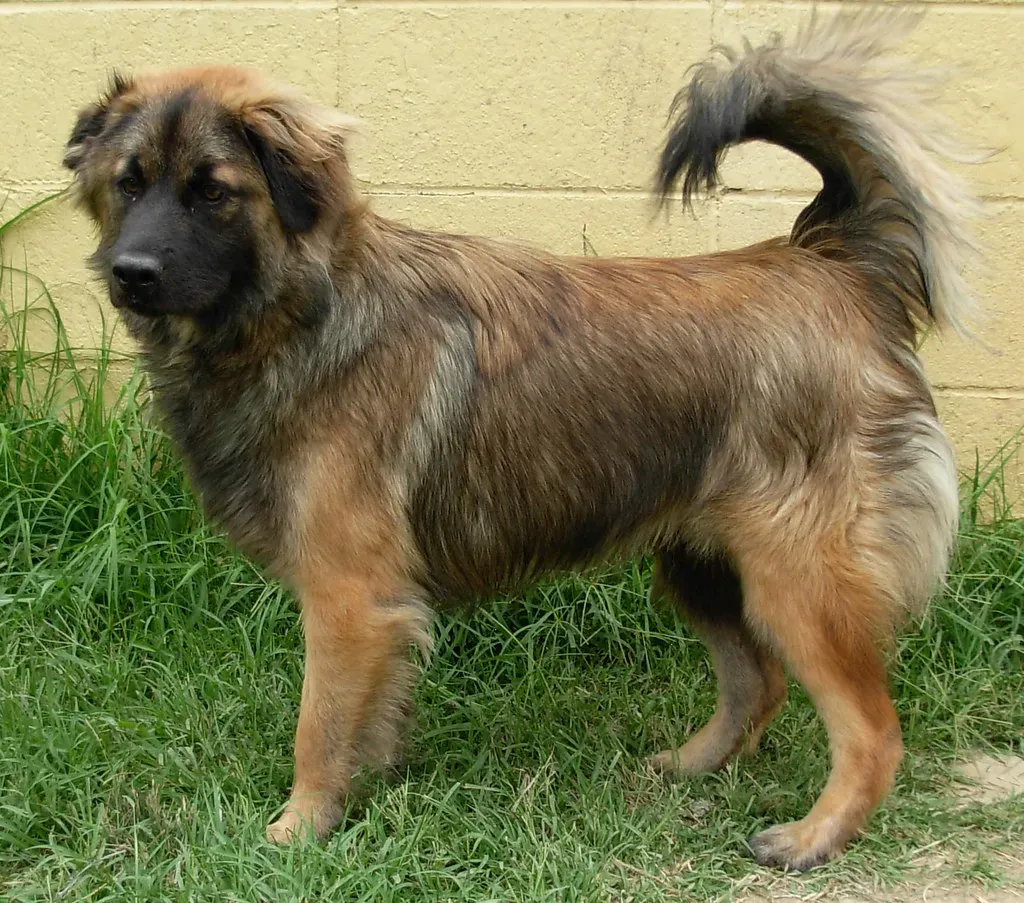
Belgian Tervuren are hard-working dogs who love having a job to do, and these super-smart pups are very energetic so they need lots of mental and physical challenges to keep them engaged. Belgian Sheepdogs are highly intelligent and need a lot of mental stimulation with lots of energy.
These dogs share many traits with Belgian Malinois but with slightly less intensity. Slightly. They still need extensive daily exercise combined with problem-solving activities. Herding competitions, agility courses, and obedience work suit them perfectly.
Without proper outlets, they develop neurotic behaviors and excessive barking. Their sensitivity means they pick up on your emotions too, so inconsistent training creates confusion and stress. Clear expectations and daily mental work keep them stable and content.
11. Shetland Sheepdog: The Compact Genius
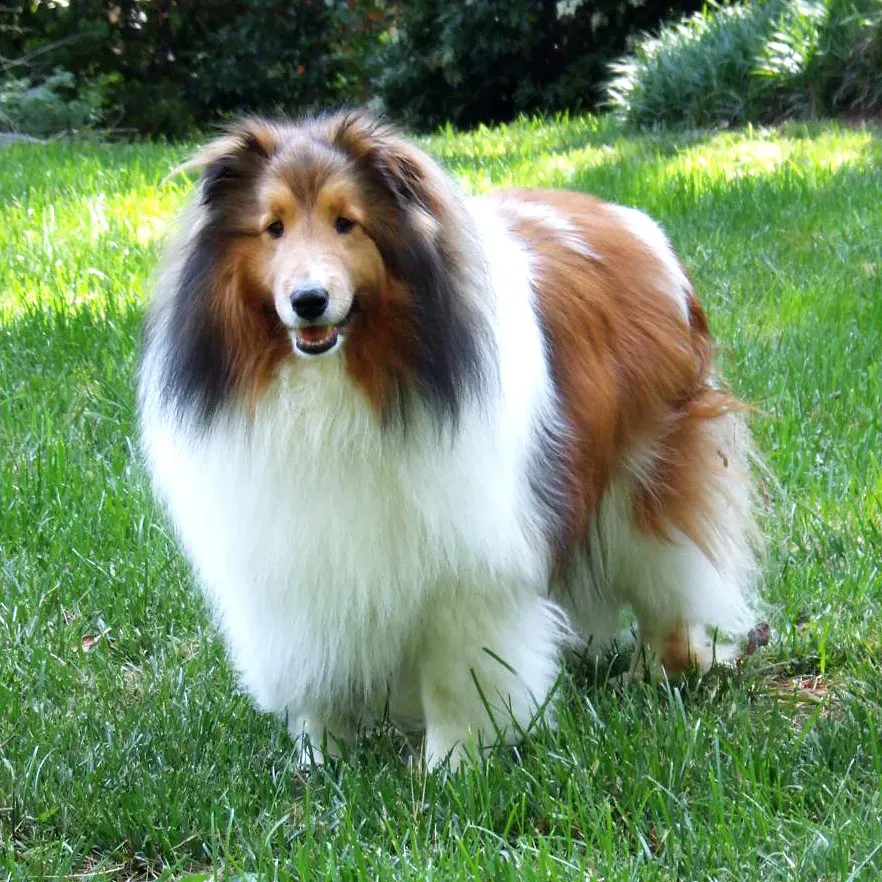
These compact herders pack Border Collie-level intelligence into small packages, and Shelties understand subtle cues and often learn household routines without formal training. Their size might be manageable, but their brainpower rivals much larger working breeds.
Shelties become vocal when bored or anxious, and their barking can drive neighbors crazy. They excel at learning tricks and commands, often anticipating what you want before you ask. This makes them wonderful companions but also means they need constant mental engagement.
Agility training scaled to their size works beautifully for Shelties. They also love interactive puzzle toys and games that let them use their natural herding instincts. Teaching them to find hidden toys or treats taps into their problem-solving abilities.
12. Dalmatian: The Energetic Athlete
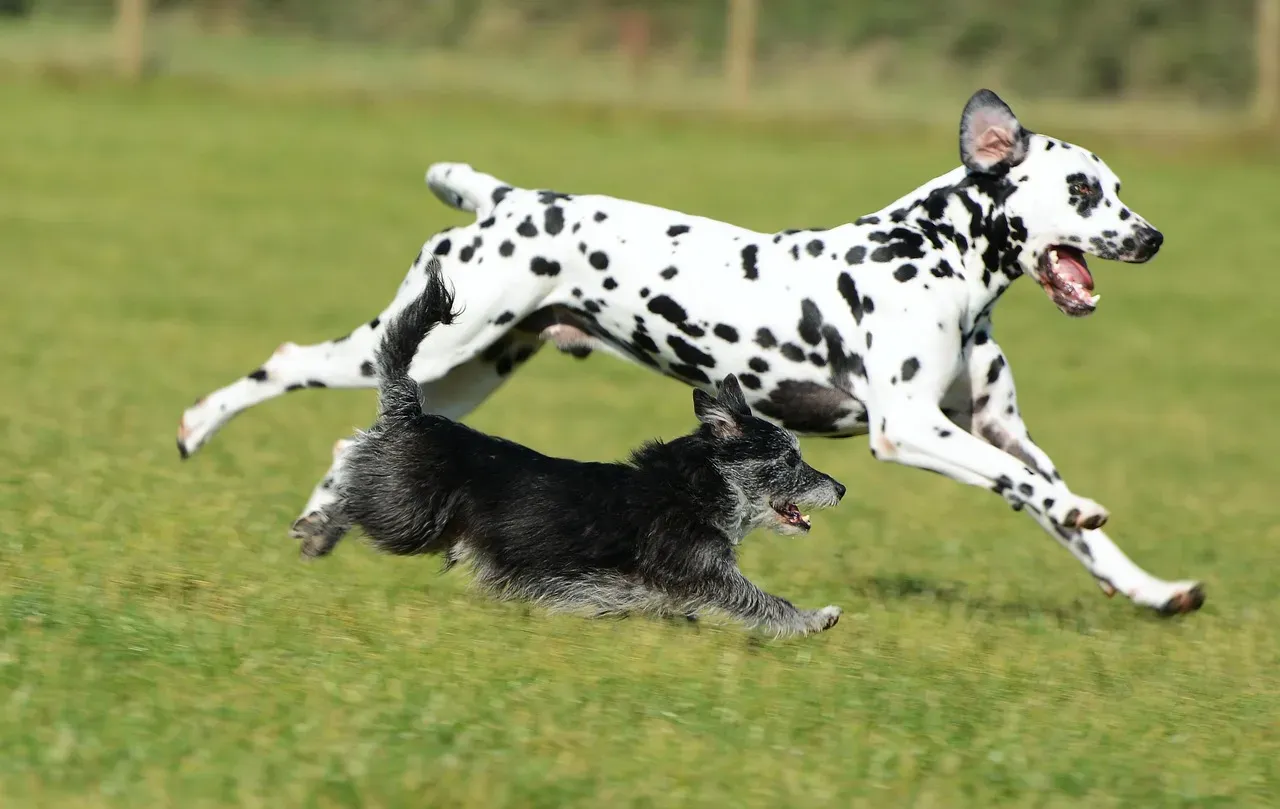
Dalmatians are famous for their striking spotted coats but also known for high energy levels and need for constant activity, and they can quickly become bored and restless without enough physical exercise or mental stimulation, leading to destructive behaviors like chewing furniture, digging, or escaping.
Dalmatians are intelligent, meaning they need tasks challenging their minds and bodies, and without proper outlets they can develop bad habits that are hard to break. Their endurance was bred for running alongside carriages for miles, so a quick walk around the block won’t cut it.
These dogs need running partners, not couch potatoes. Long-distance activities like jogging, cycling, or hiking suit their stamina. Combine that physical outlet with training sessions and puzzle toys to engage their clever minds. Otherwise, they’ll redecorate your home in ways you won’t appreciate.
Finding Balance and Harmony
The breeds we’ve explored share one critical trait – extraordinary intelligence paired with high energy. These aren’t dogs who’ll happily lounge around while you binge-watch your favorite series. They need engagement, purpose, and mental challenges woven into their daily lives.
Here’s the thing though: when you meet their needs, these dogs become the most incredible companions imaginable. Their intelligence transforms into useful skills, their energy channels into joyful activities, and their loyalty deepens through shared work and play.
Before bringing one of these breeds home, honestly assess your lifestyle. Can you dedicate time daily to training, exercise, and mental stimulation? Do you enjoy active pursuits and problem-solving activities with your dog? If so, you’ll find a devoted partner who’ll amaze you with their capabilities. What’s your experience been with high-energy, intelligent breeds? Share your story in the comments below.


