Have you ever wondered why some dogs seem to guard their family like a knight protects a castle, while others just wag their tails at every stranger? The truth is, certain dog breeds have an instinct to shield their loved ones so fiercely that it can become a challenge without the right training. Overprotectiveness in dogs can lead to issues like unwarranted aggression, barking at guests, or even snapping at friends. If you’re a dog lover dreaming of a loyal companion, understanding this tendency is crucial. Let’s dive into the world of devoted pups and discover twelve breeds that need guidance to balance their guarding instincts with everyday life!
German Shepherd
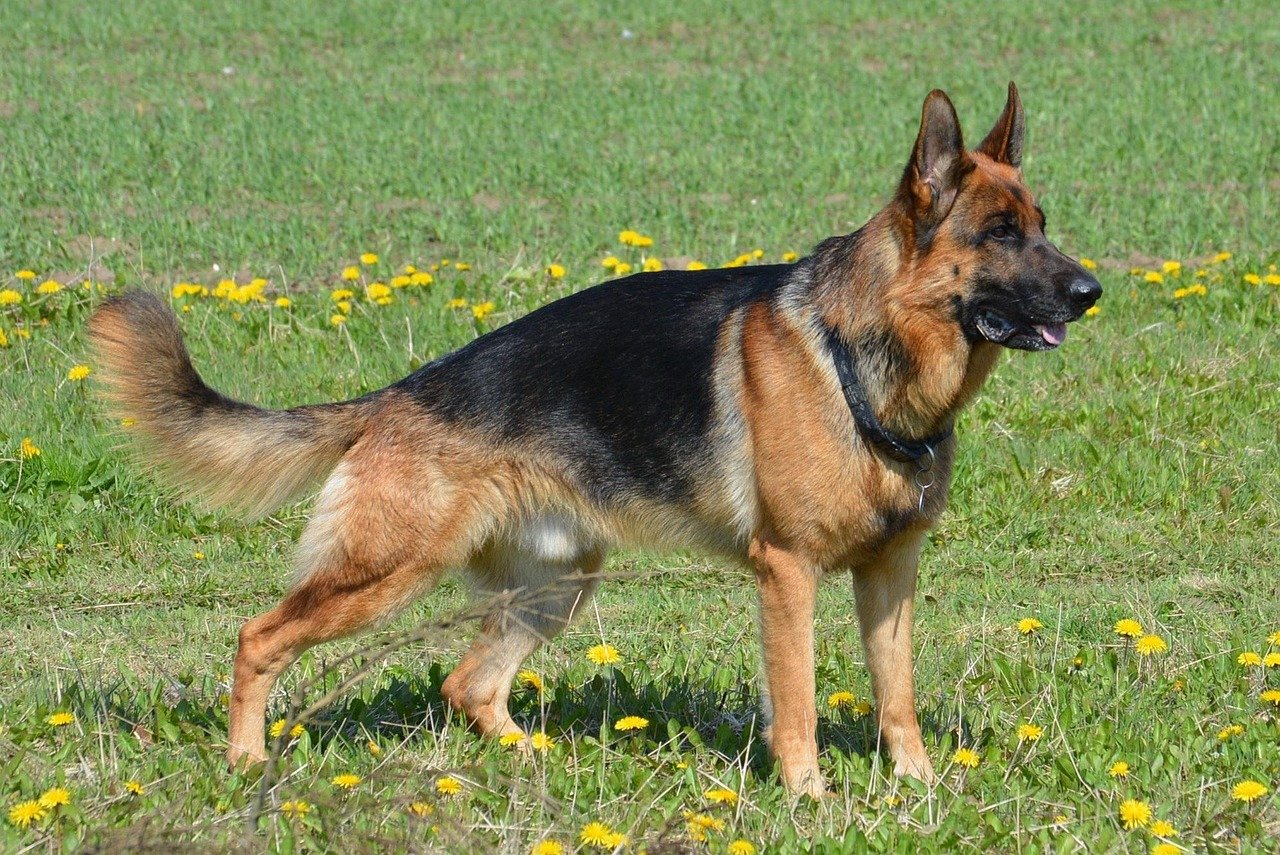
German Shepherds are celebrated for their intelligence and loyalty, making them popular choices for police and military work. Their natural protective instincts can be a double-edged sword in a family environment if not channeled with proper training. These dogs form deep bonds with their owners and may see strangers or even visiting friends as potential threats. Early socialization is essential, exposing your German Shepherd to different people, places, and experiences. Obedience training helps them learn when to relax and when to alert you. Without these boundaries, their protective nature can morph into overprotectiveness, leading to territorial behaviors or even fear-based aggression. With the right guidance, they become loving guardians and wonderful family members.
Rottweiler
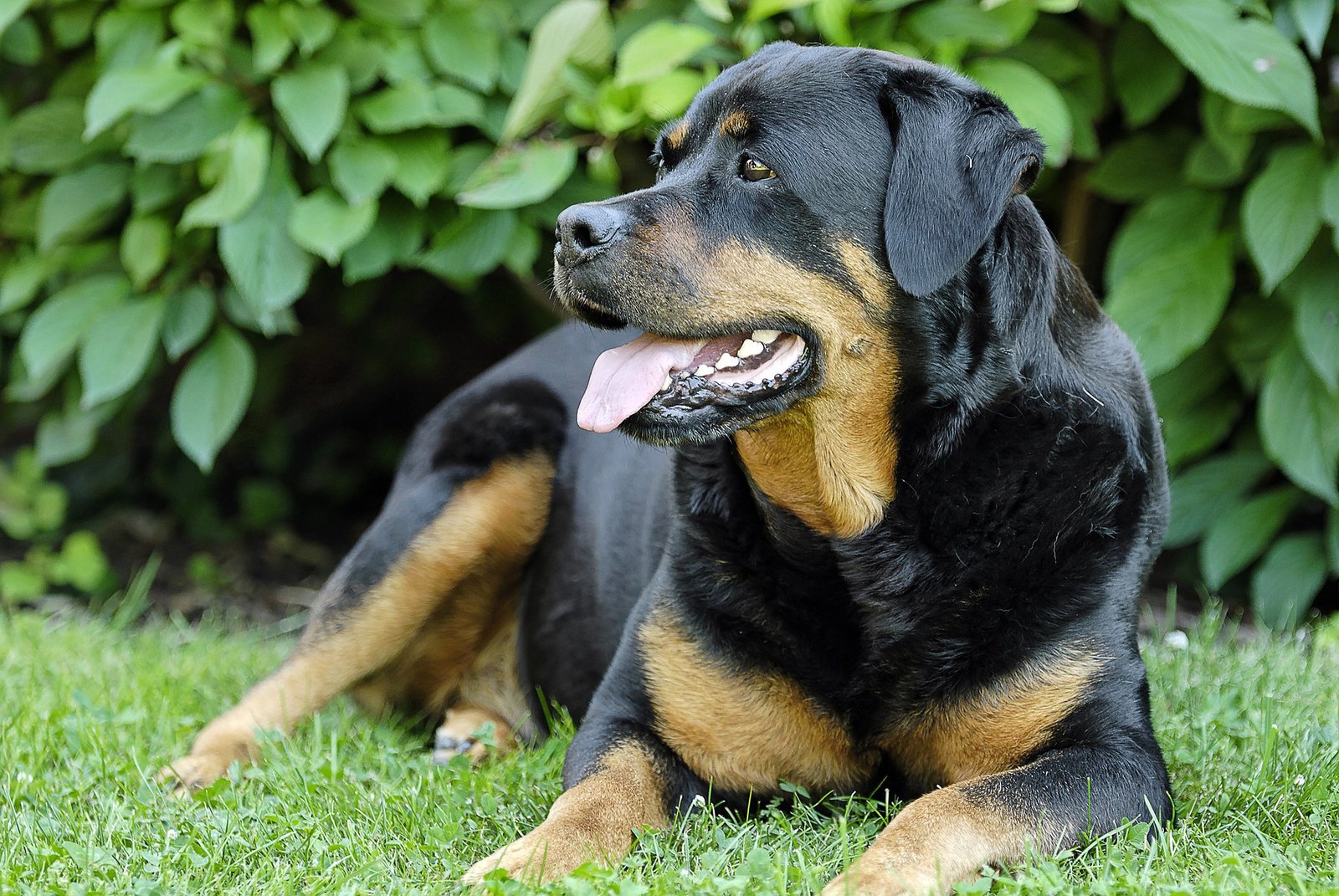
Rottweilers are powerful, confident, and incredibly devoted to their families. Their guarding instincts run deep, rooted in their history as cattle protectors and estate guardians. Rottweilers are naturally wary of strangers, and without clear rules, they might decide to take protection into their own paws—sometimes too enthusiastically. Consistent training and early exposure to new situations are crucial to help them distinguish between friend and foe. Teaching them that not every visitor is a threat can prevent unwanted aggressive behavior. Rottweilers thrive on structure and authority, so a confident owner is key. With guidance, they blossom into gentle, loyal companions who know when to protect and when to simply be a loving pet.
Doberman Pinscher
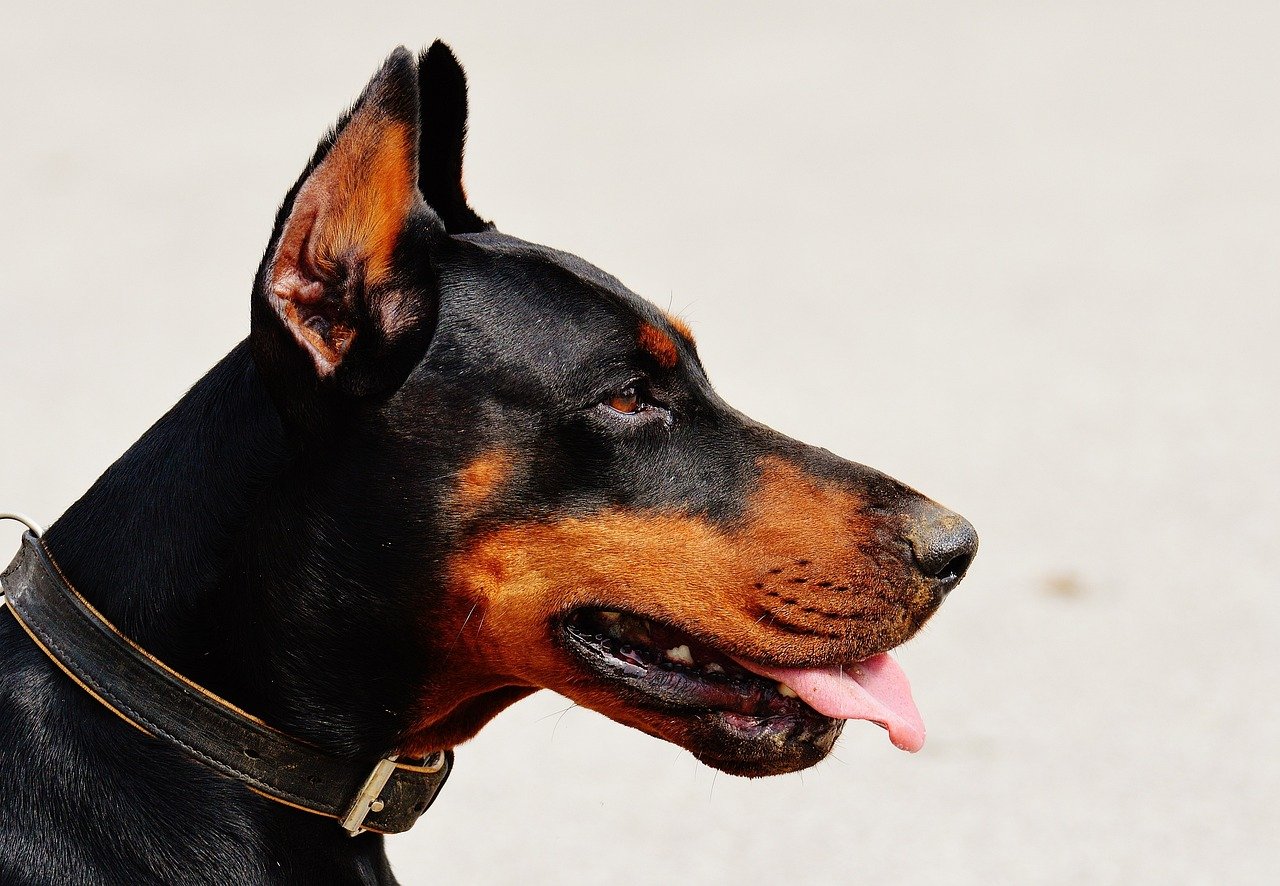
Elegant yet formidable, Doberman Pinschers are famous for their loyalty and alertness. Originally bred as personal protection dogs, they’re quick to pick up on their owner’s emotions and environment. If not properly trained, this heightened awareness can lead to overprotectiveness—barking, lunging, or even nipping at perceived intruders. Early socialization with people and animals is vital. Obedience classes not only teach commands but also build confidence in new situations. Dobermans are incredibly smart, so mental stimulation is just as important as physical exercise. With the right approach, they become affectionate family dogs who guard their home with discernment, not anxiety.
Belgian Malinois
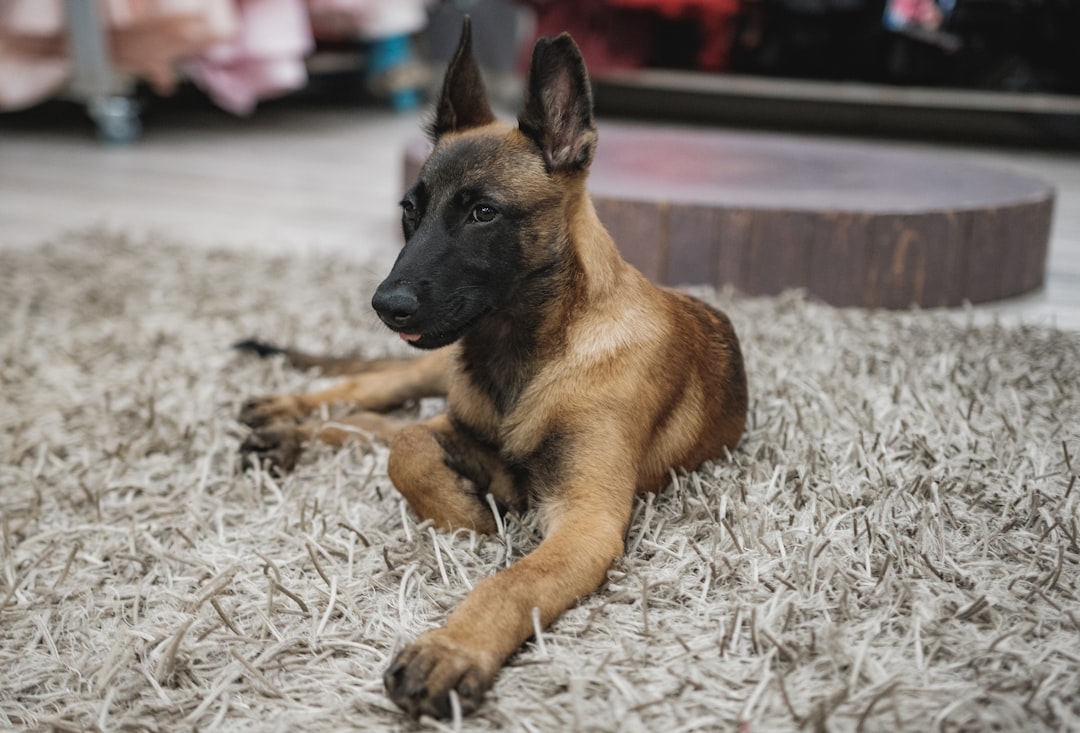
The Belgian Malinois is a high-energy, alert breed often seen working alongside police and military units. Their need to protect and serve is practically hardwired. Without adequate training, Malinois can interpret normal social interactions as threats, leading to overprotectiveness or even aggression. Structured activities, such as agility or obedience training, allow them to use their mental and physical energy constructively. Socialization from puppyhood helps them learn that new people and places are not always dangerous. For families, a well-trained Malinois is a loyal, playful companion, but they need guidance to ensure their protective instincts stay in check.
Akita
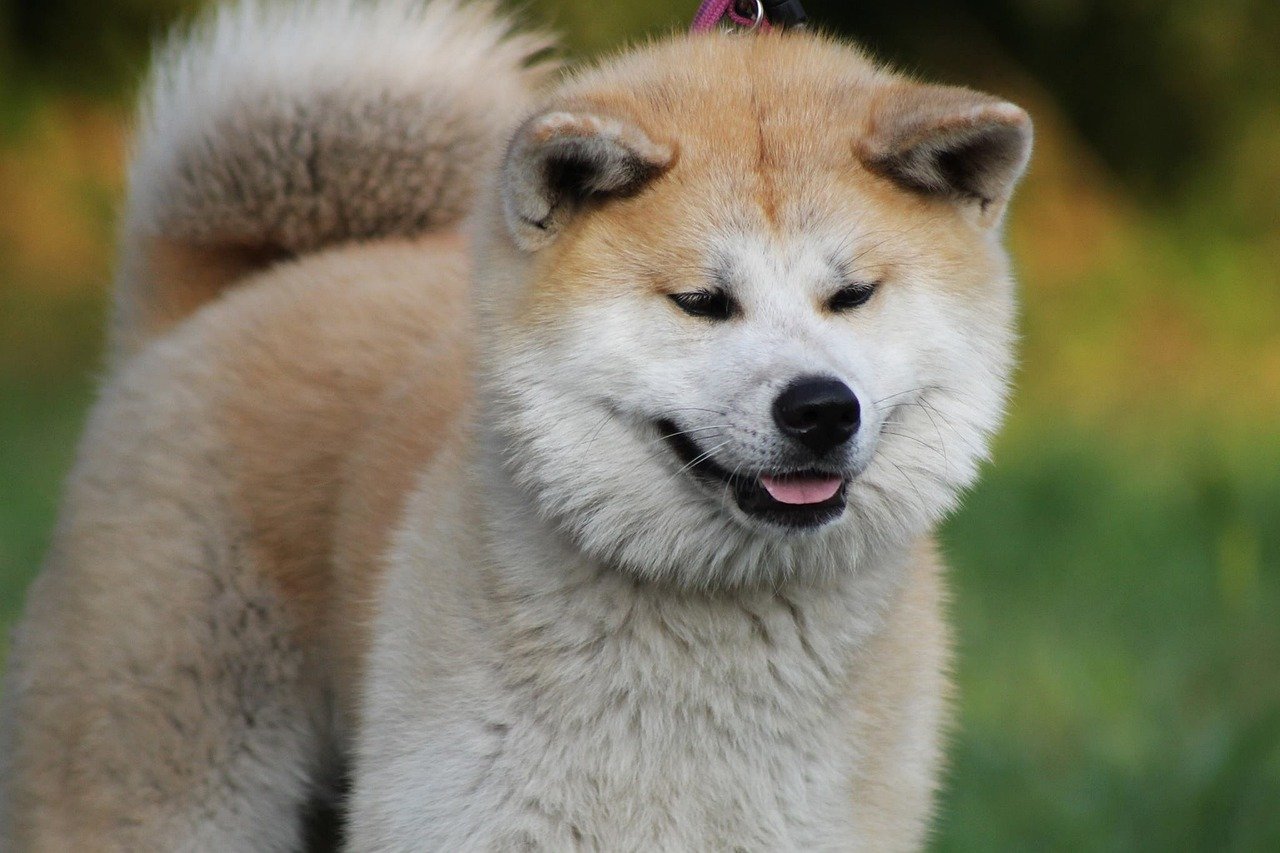
Akitas are dignified, courageous, and known for their unwavering loyalty. Originating from Japan, they were bred to guard royalty and nobility. This deep-rooted guardianship can make them suspicious of strangers and protective to a fault. Early training should focus on positive reinforcement and consistent rules. Akitas benefit from meeting new people and animals in controlled settings, helping them understand that not everyone is a threat. If left unchecked, their protectiveness can turn into possessiveness or aggression, especially in unfamiliar situations. With patience and training, Akitas become calm, loving family members who know when to step up and when to relax.
Boxer
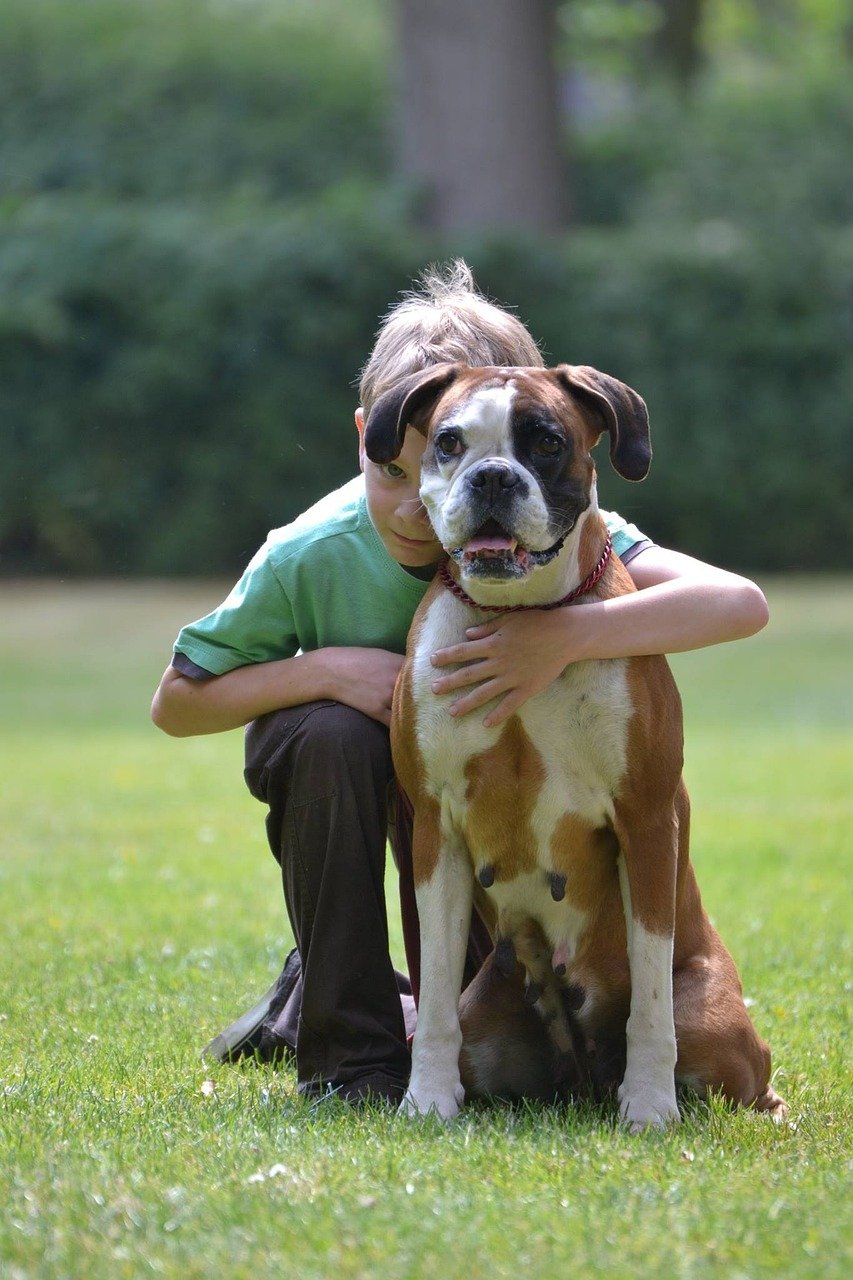
Boxers are playful, energetic, and fiercely loyal to their families. They have a natural instinct to protect loved ones, sometimes mistaking harmless situations for danger. Without proper boundaries, this can lead to excessive barking, jumping, or even defensive behavior around guests. Socialization is key—introducing your Boxer to a wide variety of people and environments helps them build confidence. Training that focuses on impulse control and manners ensures they know when to protect and when to simply play. With guidance, Boxers are affectionate, fun-loving pets who bring endless joy and security to their homes.
Great Pyrenees
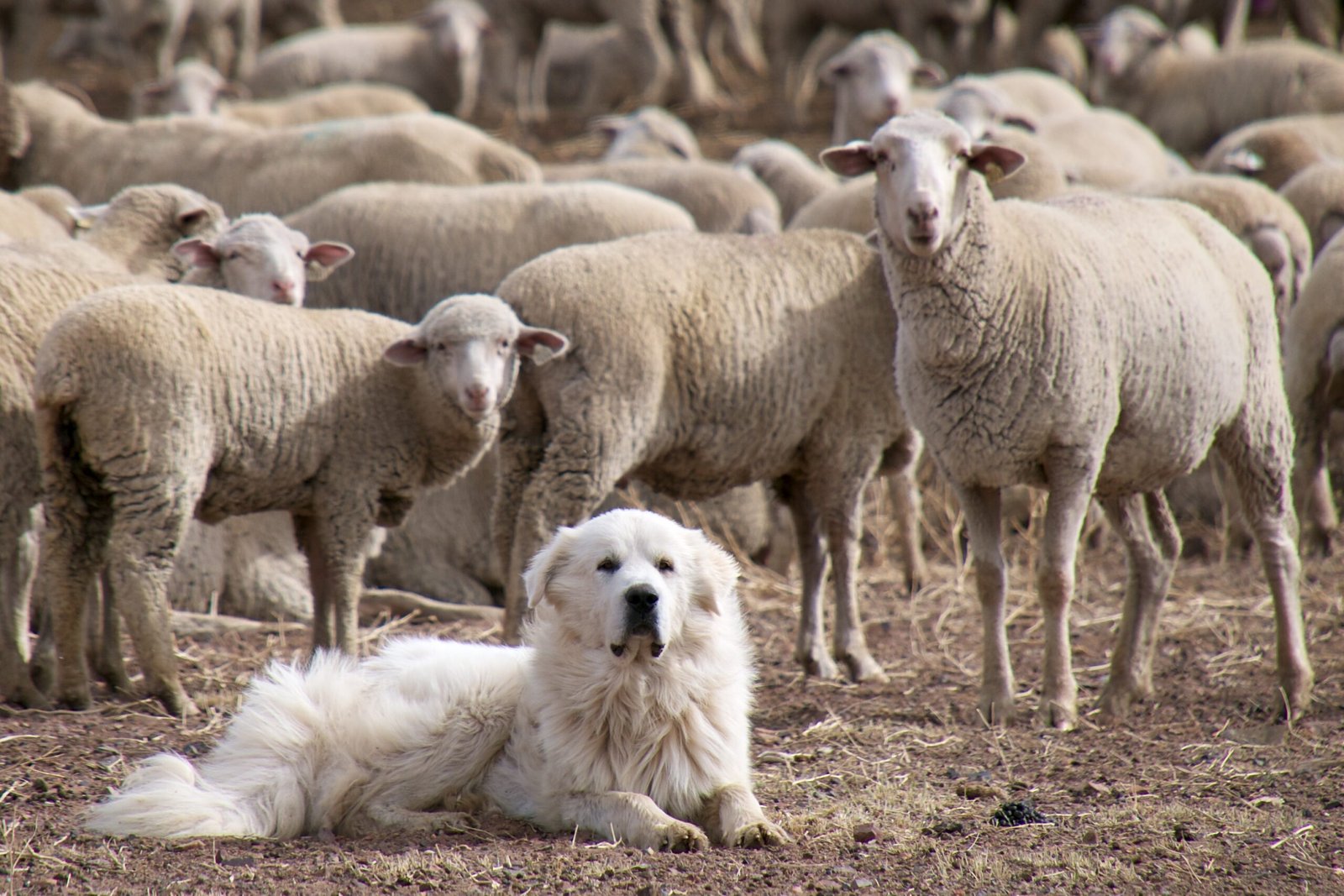
Known for their majestic appearance and calm demeanor, Great Pyrenees were originally bred to guard livestock in harsh mountain conditions. Their instinct to protect is incredibly strong, and without training, they can become overly suspicious of new people or animals. Early socialization and gentle, consistent training are necessary to help them understand who is a friend and who is not. These dogs are independent thinkers, so patience is essential. With the right guidance, Great Pyrenees are gentle giants—loving with their families and discerning in their protective duties.
Chow Chow
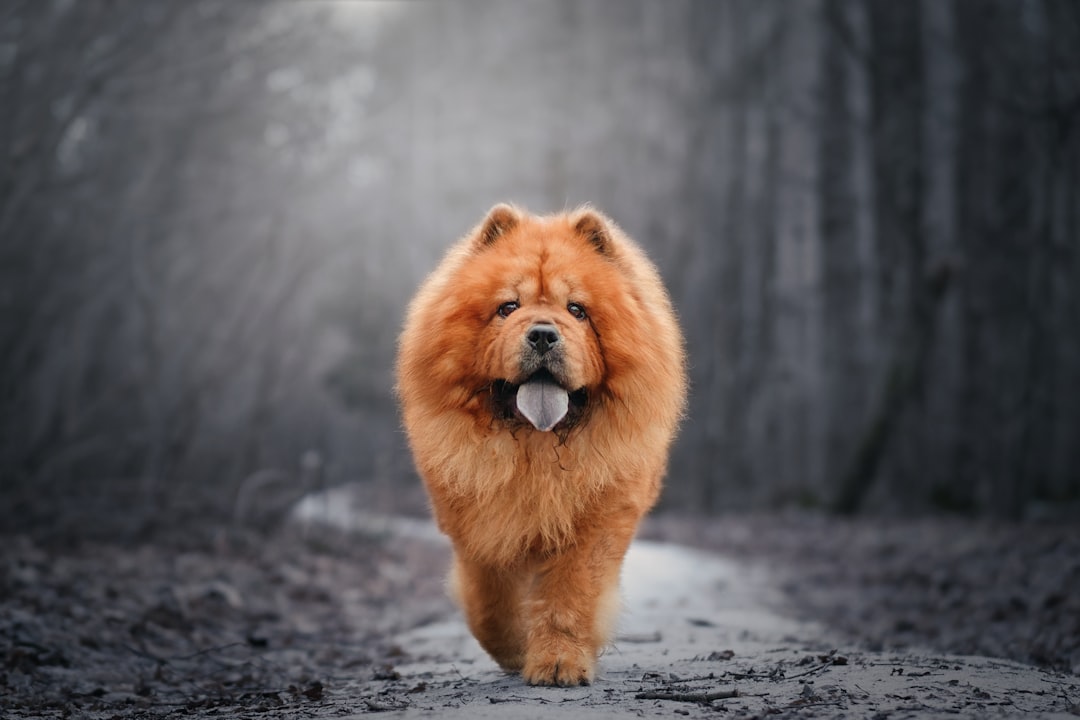
Chow Chows are famous for their lion-like appearance and independent personalities. They form intense bonds with their families and can be wary of strangers. Without early socialization, this wariness can escalate into overprotectiveness, making them aloof or even aggressive toward guests. Training should focus on exposure to new people, places, and experiences from a young age. Chow Chows respond well to positive reinforcement but require a firm, patient hand. With proper guidance, they are dignified, loving companions who can relax and trust in their owner’s judgment.
Kuvasz
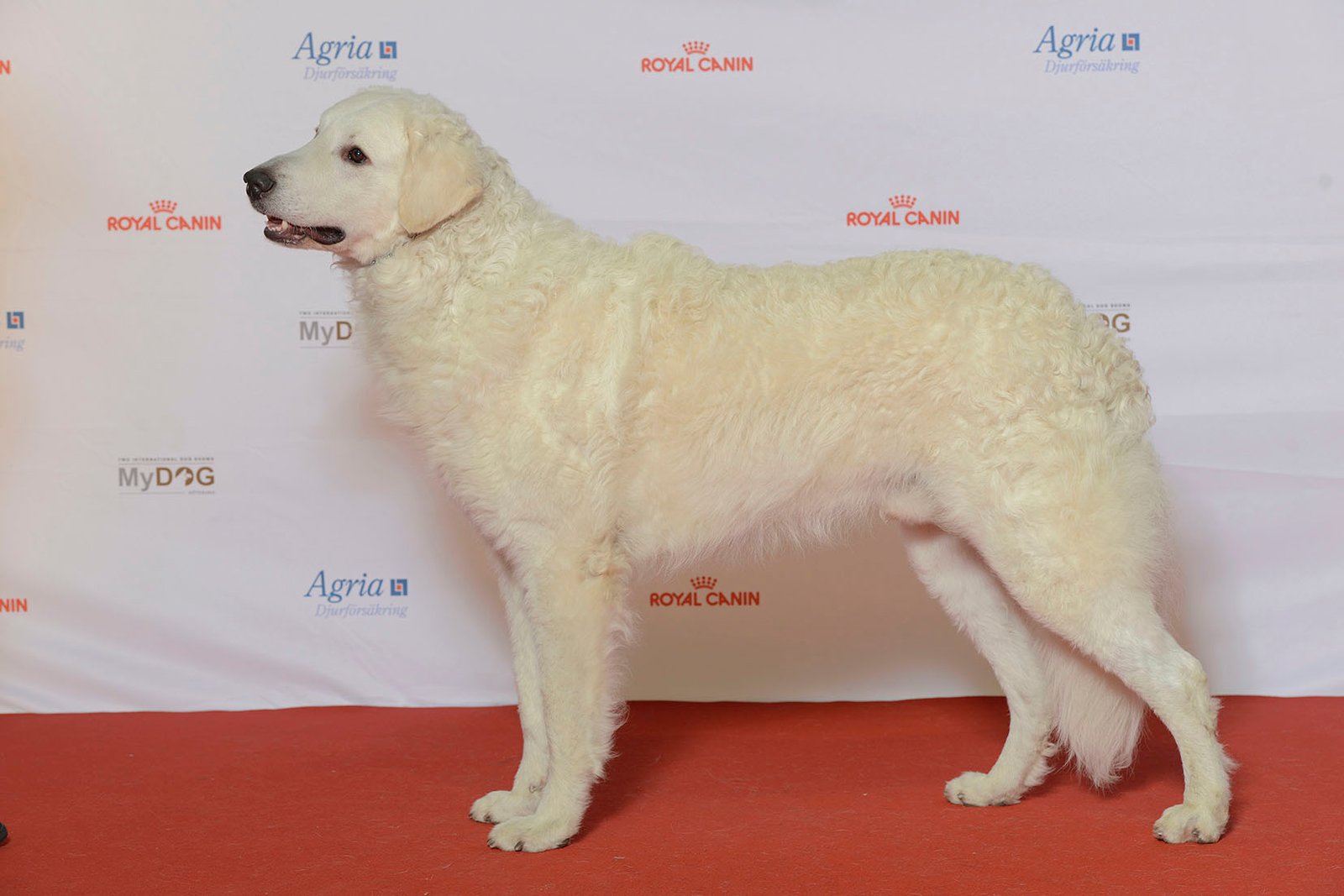
The Kuvasz is a striking, white-coated guardian originally bred to protect livestock in Hungary. Their devotion to their family is unwavering, and they tend to take their protective duties very seriously. Without clear leadership and socialization, Kuvasz dogs can become suspicious or even aggressive toward visitors and unfamiliar animals. Training should begin early, focusing on obedience and exposure to different environments. These dogs are intelligent and sensitive, responding best to gentle, consistent guidance. With the right approach, the Kuvasz becomes a gentle protector who knows when to be vigilant and when to simply enjoy life with their family.
Giant Schnauzer
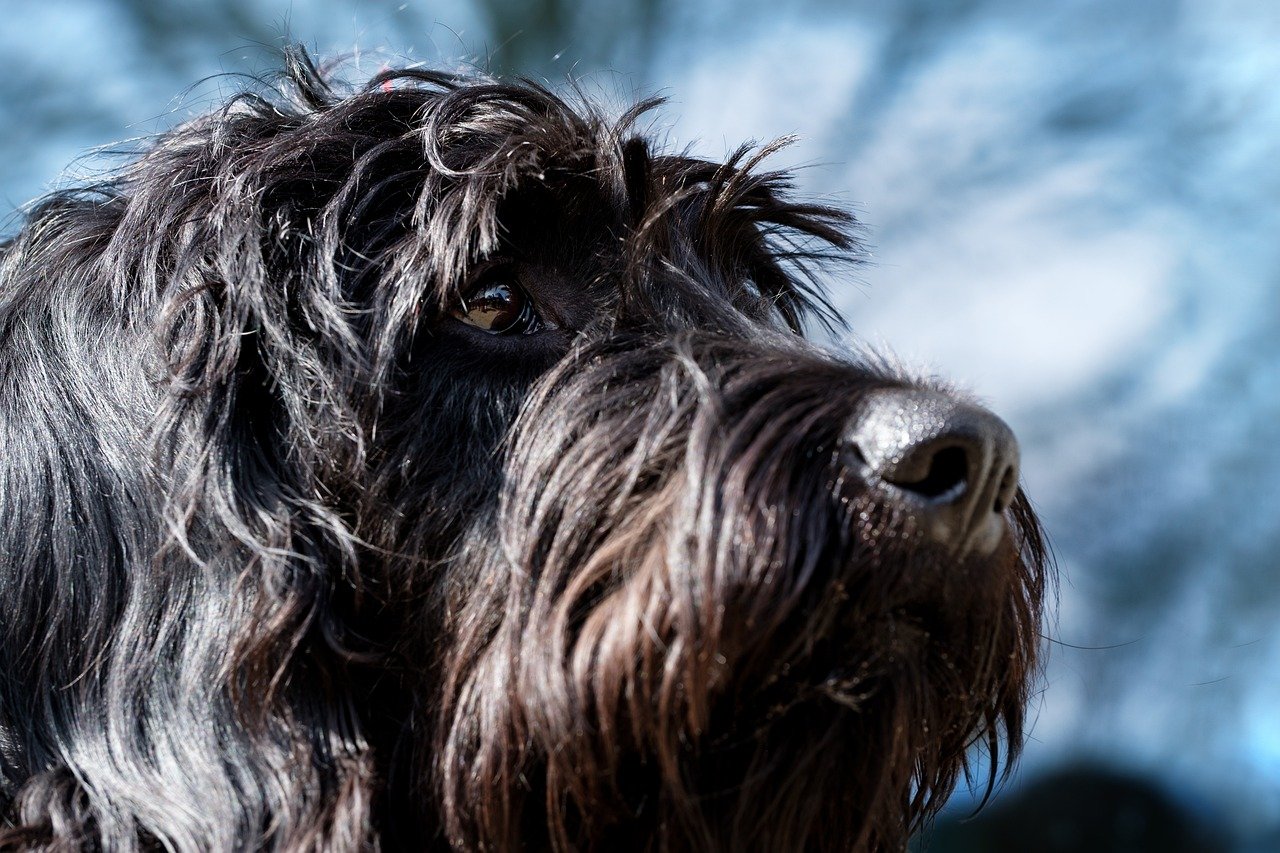
Giant Schnauzers are bold, energetic, and have a strong desire to guard their loved ones. Their protective instincts are impressive, but without training, they can become overbearing—barking excessively, jumping at guests, or acting territorial. Early obedience training and socialization are crucial for teaching them appropriate behavior. Giant Schnauzers need mental and physical stimulation to prevent boredom, which can exacerbate protective behaviors. With leadership and guidance, they are loyal, affectionate companions who can distinguish between real threats and everyday situations.
Dogo Argentino
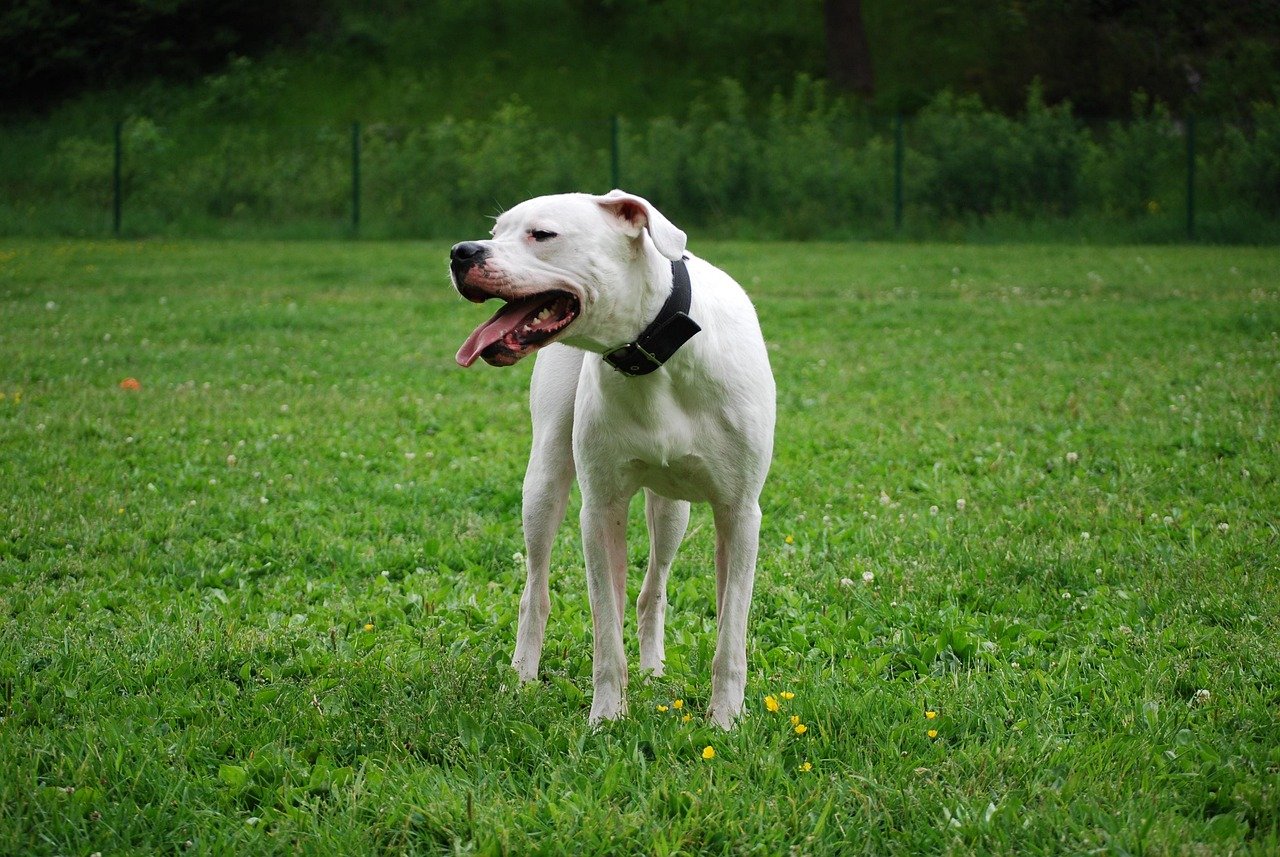
The Dogo Argentino is a muscular, athletic breed with a reputation for bravery and loyalty. Originally bred for big game hunting, their instinct to protect family and property is strong. Without proper training, this can lead to overprotectiveness, especially around strangers or other animals. Socialization from an early age is essential, helping them learn appropriate responses to new people and situations. Consistent rules and positive reinforcement go a long way in shaping a well-mannered companion. With the right training, Dogo Argentinos are loving, devoted pets, eager to please and confident in any environment.
American Bulldog
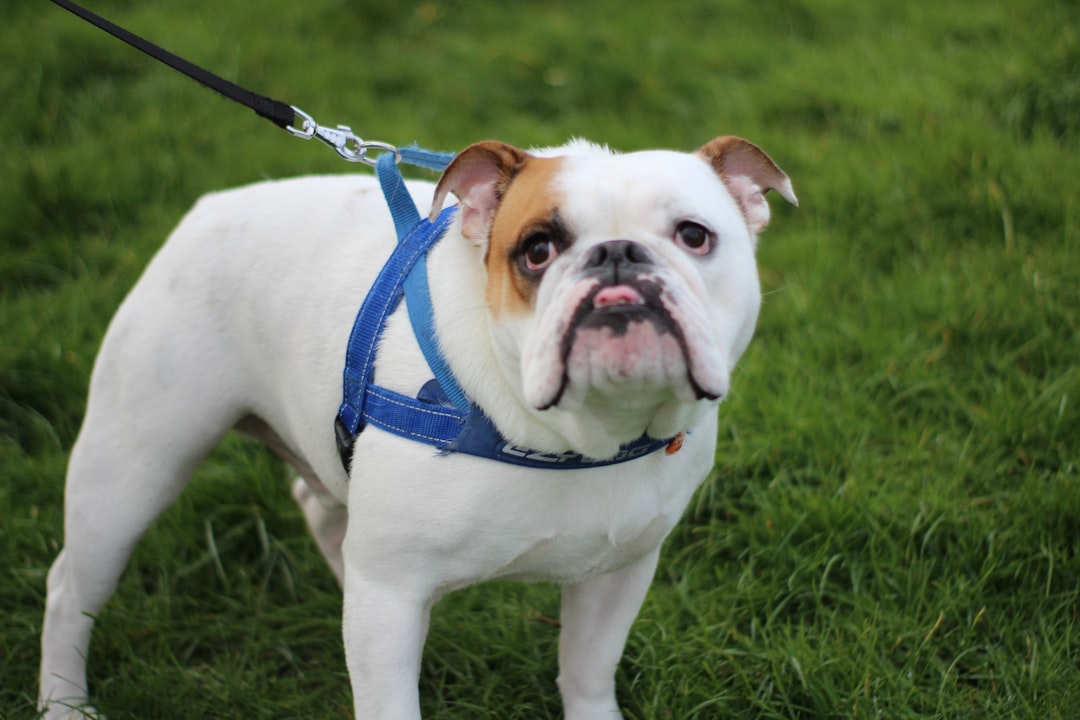
American Bulldogs are sturdy, confident dogs with an undeniable sense of loyalty. Their history as working farm dogs contributes to their natural guarding instincts. Without clear boundaries and early socialization, they may become too protective—barking, growling, or even acting out to defend their family. Training should start when they are puppies, focusing on exposing them to new experiences and teaching impulse control. American Bulldogs respond well to positive reinforcement and thrive with a confident, calm owner. With proper guidance, they become gentle protectors, happy to greet friends and family with a wagging tail and a loving heart.