
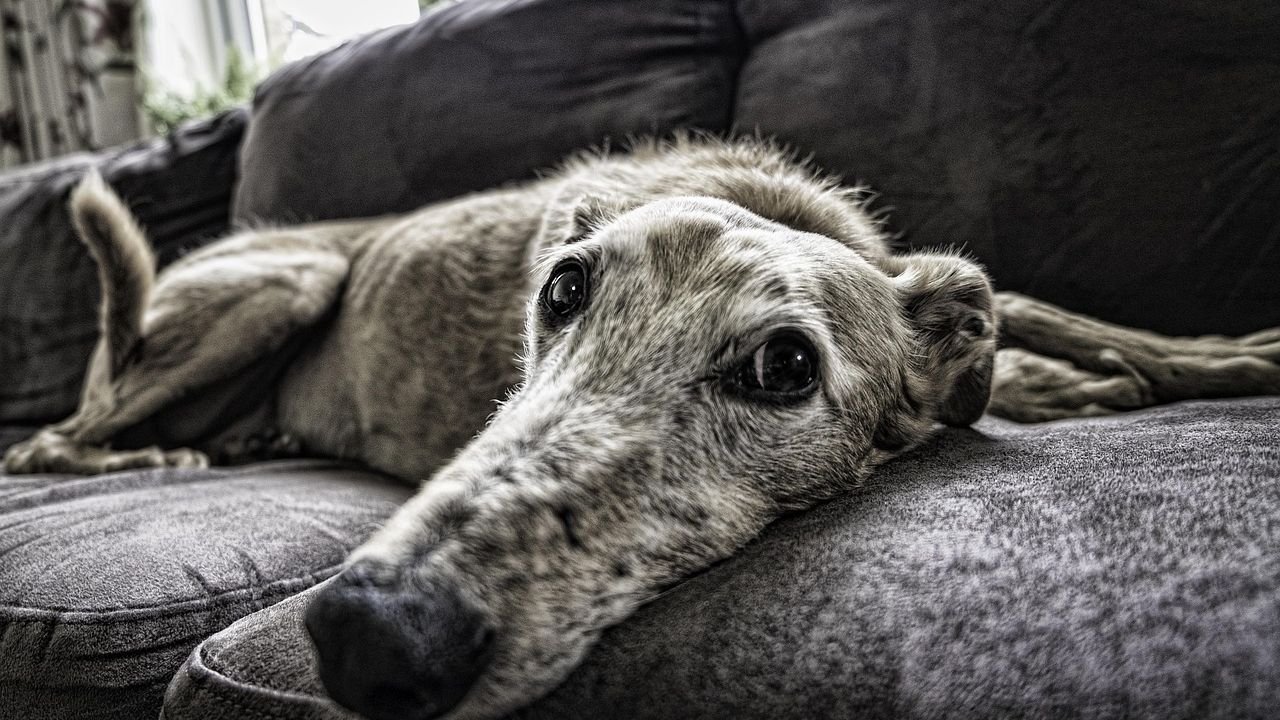
Imagine standing in your cozy city apartment, coffee in hand, watching the morning light spill across the floor, and feeling a warm, furry body lean against your leg. It’s the dream, right? But here’s the thing – not every dog is built for that kind of life. Choosing the wrong breed for your living situation is one of the most heartbreaking mistakes a dog lover can make, not because of bad intentions, but simply because of a mismatch between lifestyle and instinct.
Size isn’t always the determining factor – temperament, exercise needs, and noise levels play equally important roles. Some giant breeds are surprisingly zen in small spaces, while some tiny dogs are little tornadoes that could drive your neighbors absolutely wild. So before you fall head over heels for a pair of soulful eyes at the shelter, let’s figure out which dogs will genuinely flourish in your world. You might be surprised by what you find.
1. French Bulldog: The Ultimate Urban Companion
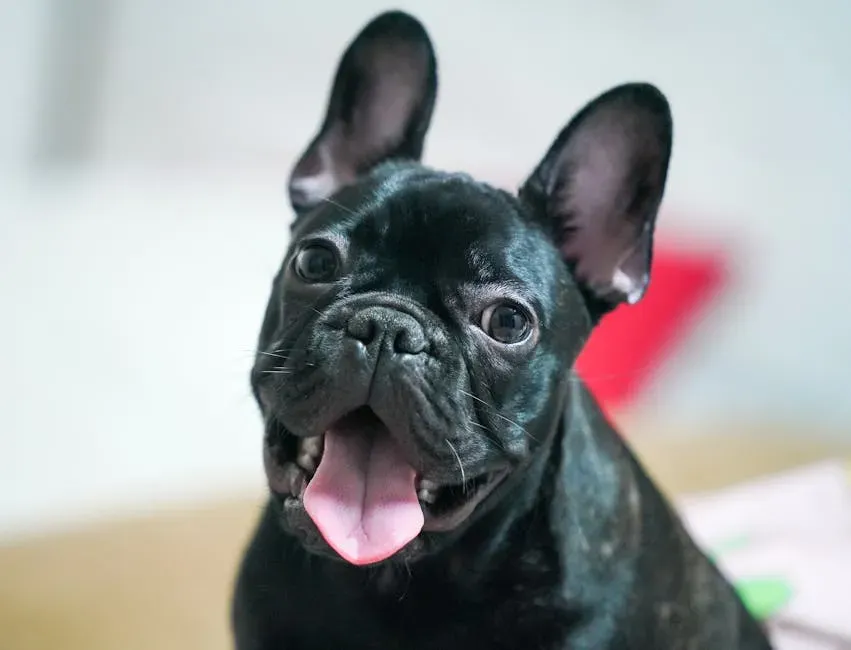
French Bulldogs are a top choice for apartment dwellers. Their compact size and relaxed demeanor make them ideal companions for indoor living. Honestly, if you live in a high-rise and work from home, a Frenchie is basically your perfect coworker. They’ll lounge on the sofa beside you without complaint and greet every visitor with that signature bat-eared charm.
French Bulldogs have become incredibly popular among apartment dwellers, and for good reason. These compact dogs rarely bark excessively and are perfectly content spending most of their day relaxing indoors. One health note worth knowing: because of their flat faces, they can struggle in heat and humidity. Keep the air conditioning on in summer, and avoid overly strenuous walks during hot afternoons.
2. Cavalier King Charles Spaniel: Gentle, Loving, and Easy to Please

Cavalier King Charles Spaniels are small, friendly, and easygoing, making them great for apartment life. They’re social dogs that love being around people and other pets. Picture a dog that’s equally happy curled on your lap during a Netflix binge or trotting politely beside you through a busy city street. That’s your Cavalier.
Cavaliers are prone to separation anxiety. Leaving them alone for long hours can lead to barking or destructive behavior. They also require regular grooming and monitoring for heart-related health issues. So if you’re out of the house for long stretches daily, think carefully. This breed genuinely needs your company, and that’s not a small ask.
3. Shih Tzu: The Little Dog With a Big Heart
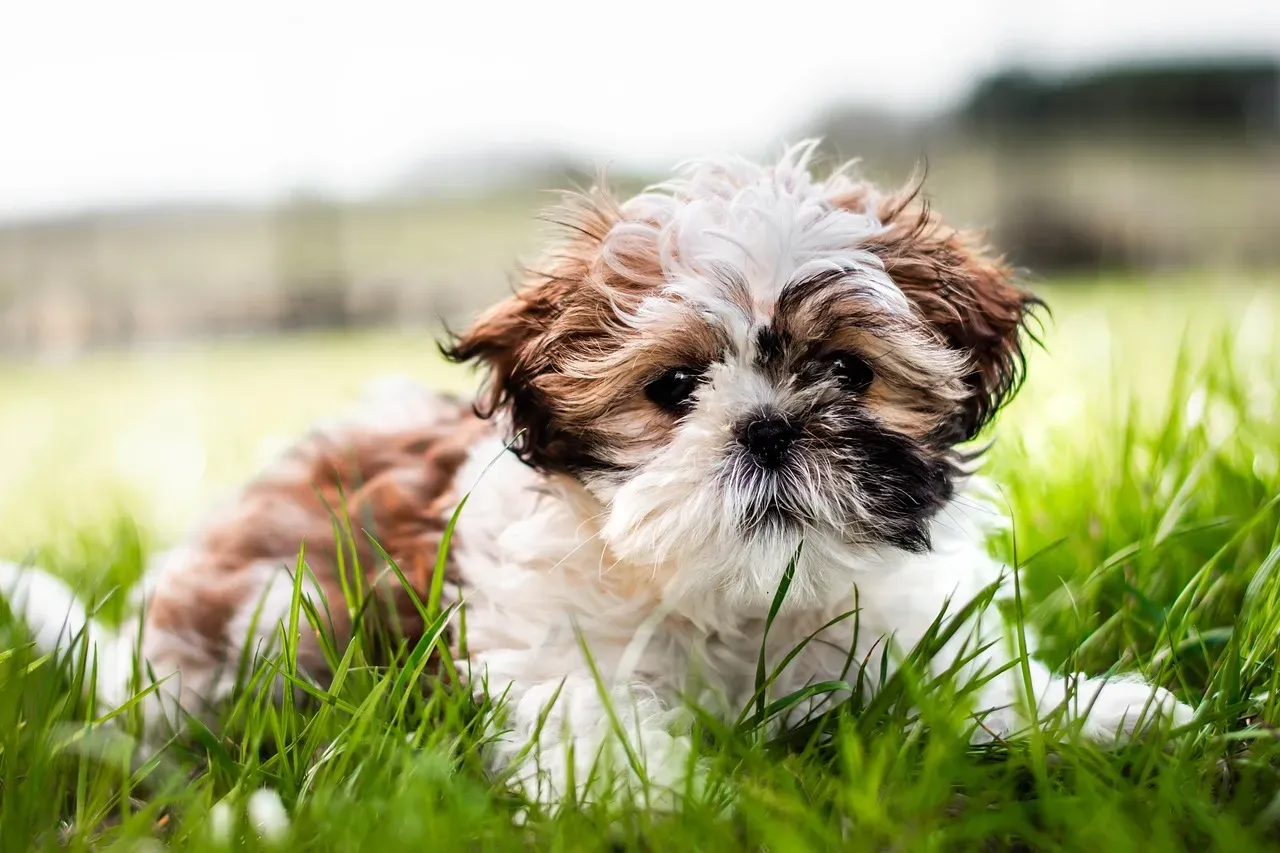
Shih Tzus are excellent apartment dogs and are always up for some cuddling and affection. They need some exercise but otherwise are relatively low-energy dogs. Keep your social calendar on alert – these pups are outgoing and enjoy strangers, children, and time with their people. They are the social butterflies of the small dog world, honestly.
Shih Tzus were bred as companion dogs, which is why they excel in apartment settings. They are friendly, affectionate, and don’t need much exercise beyond daily walks. Shih Tzus can develop dental problems if oral care is ignored. Early training helps prevent excessive barking, a common small-breed challenge. A little daily brushing of those teeth and a consistent training routine goes a long way.
4. Pug: Snuggly, Silly, and Wonderfully Low-Key
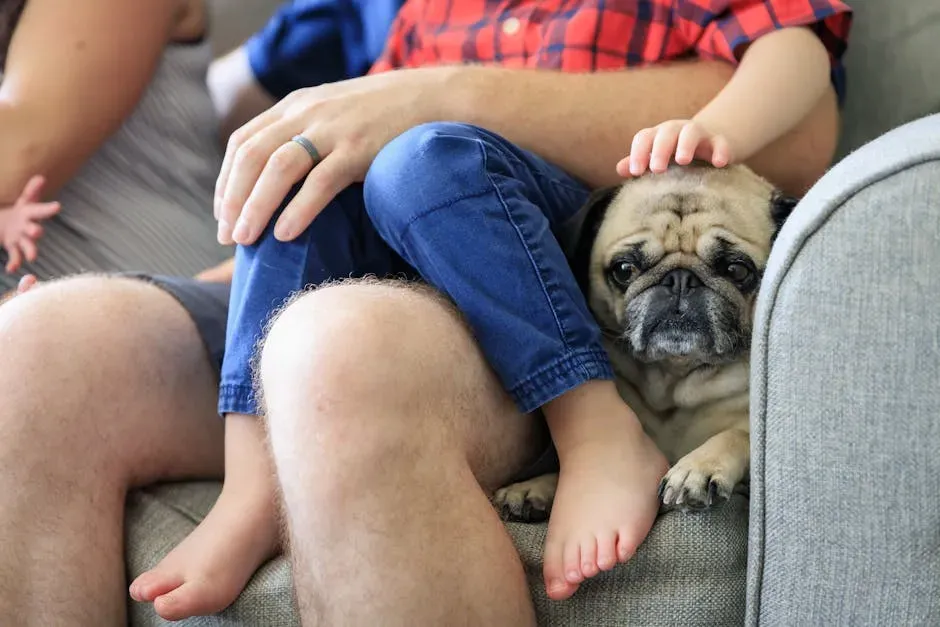
Pugs are true companion dogs who enjoy snuggling up on the couch. Perhaps the only thing they love more is food. They’re low-maintenance dogs who thrive in smaller spaces due to their minimal exercise needs, but they’ll still need some exercise to keep them from becoming overweight. Think of the pug as the couch philosopher of dog breeds. Deep, thoughtful, devoted, and perpetually hungry.
While the breed is unlikely to become a problem-barker, you will need to get used to the snorting and snoring sounds caused by their short airways. Just like the Frenchie, pugs are brachycephalic, meaning that flat little face comes with breathing considerations. Monitor them carefully in warm weather and check in with your vet regularly about their weight. A chubby pug is an adorable pug, but it’s not a healthy one.
5. Dachshund: Bold Personality in a Compact Package

Dachshunds make fabulous apartment companions due to their small size and affection for their owners. The dachshund is playful, lively, and clever while retaining a sense of courageousness. They’re small but mighty and don’t need complex care but do need training to control their barking. Let’s be real – a dachshund has absolutely no idea how small they are, and that confidence is part of their charm.
Their stubborn streak can make training a challenge. They are also prone to back problems due to their long spines, so avoiding too many stairs or jumps is necessary. Consistent training and safe exercise are key. Invest in a pet ramp for your sofa, and your little sausage dog will thank you for many pain-free years to come.
6. Bichon Frise: The Joyful, Hypoallergenic Apartment Star
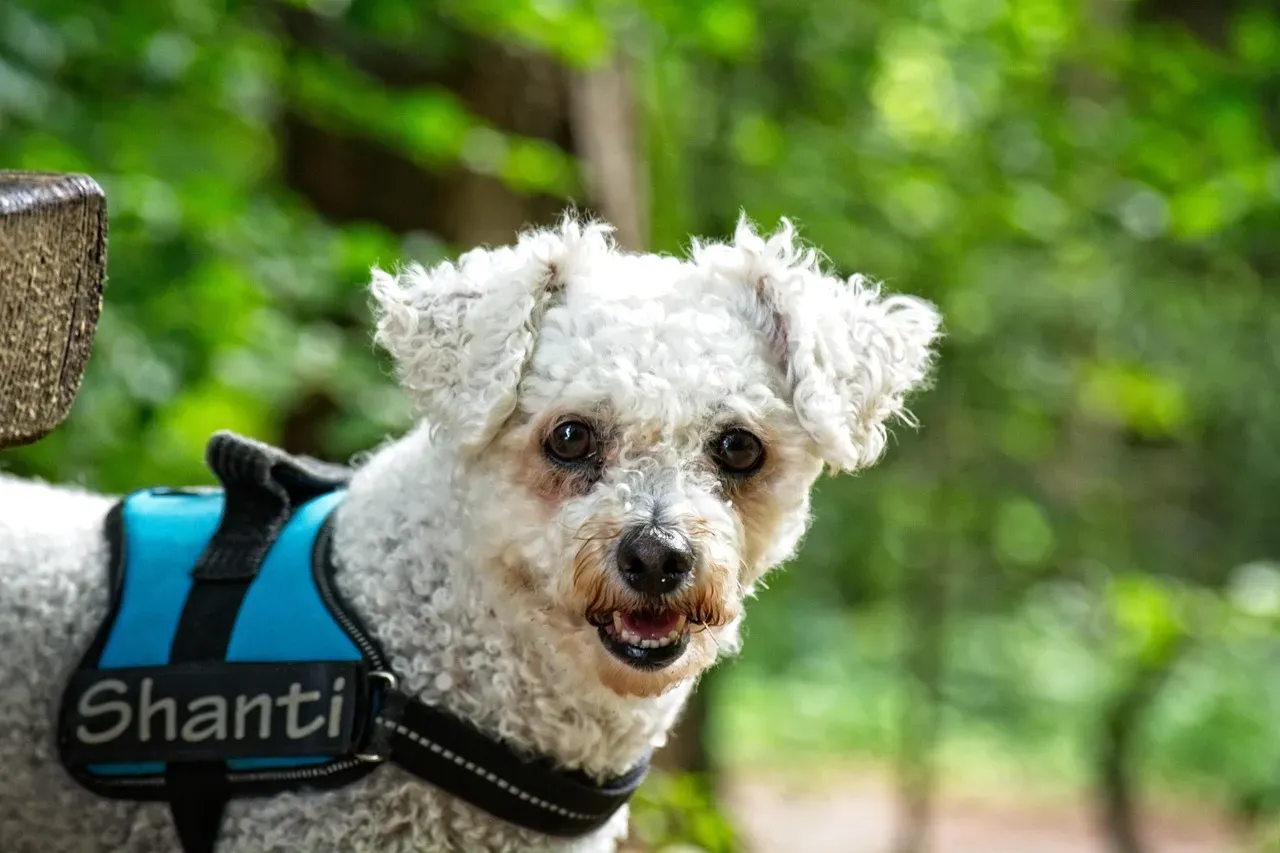
One of the most affable, adorable breeds on the planet, the bichon frise is a happy-go-lucky people-pleaser who is easily one of the best apartment dogs. While they can make excellent agility competition dogs, they’re also more than happy to spend long stretches quietly on the couch. At around 15 pounds, they’re not going to keep your downstairs neighbors on edge.
The bichon is also a brilliant option if you or someone in your household has allergies. Their low-shedding coat means less dander floating around your apartment. Even small dogs need daily exercise. Make sure you can provide your dog with regular walks and playtime, especially in a confined space. A couple of short walks a day and indoor play keeps a Bichon fizzing with happiness.
7. Greyhound: The Surprising Apartment Superstar
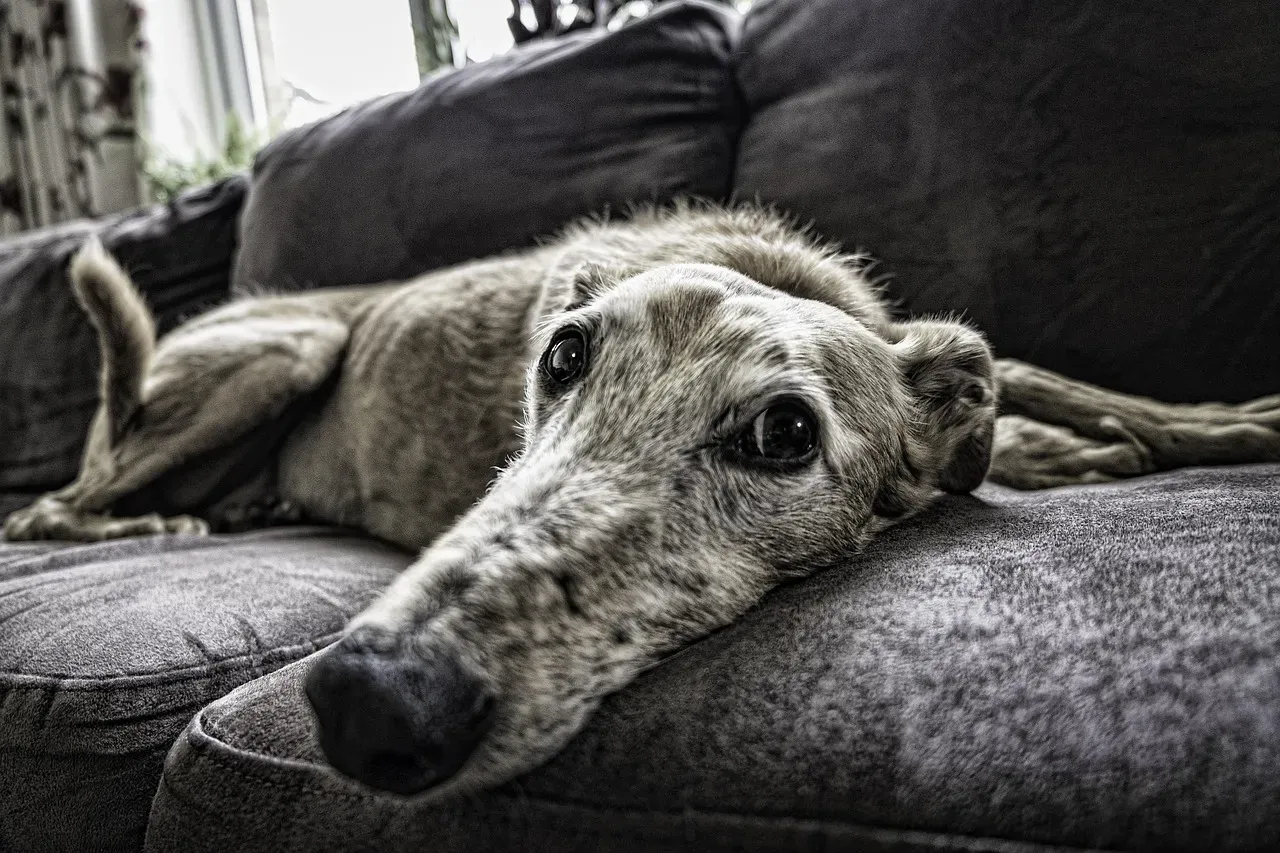
Many people are surprised to learn that Greyhounds make excellent apartment dogs. Often called “40-mile-per-hour couch potatoes,” these gentle giants are content to lounge around the house most of the day. While they need a good daily walk or occasional run, they’re generally calm and quiet indoors. I know it sounds crazy, but a dog built for racing is one of the most relaxed housemates you can have.
Known for their gentle and calm demeanor, they adapt well indoors. These dogs need regular exercise but are content with short bursts. Greyhounds are affectionate and form deep bonds with their families. If you adopt a retired racing greyhound, you’re also giving a second life to an incredibly sweet dog. That feels pretty good, doesn’t it?
8. Maltese: A Cloud of Fluff Made for City Living
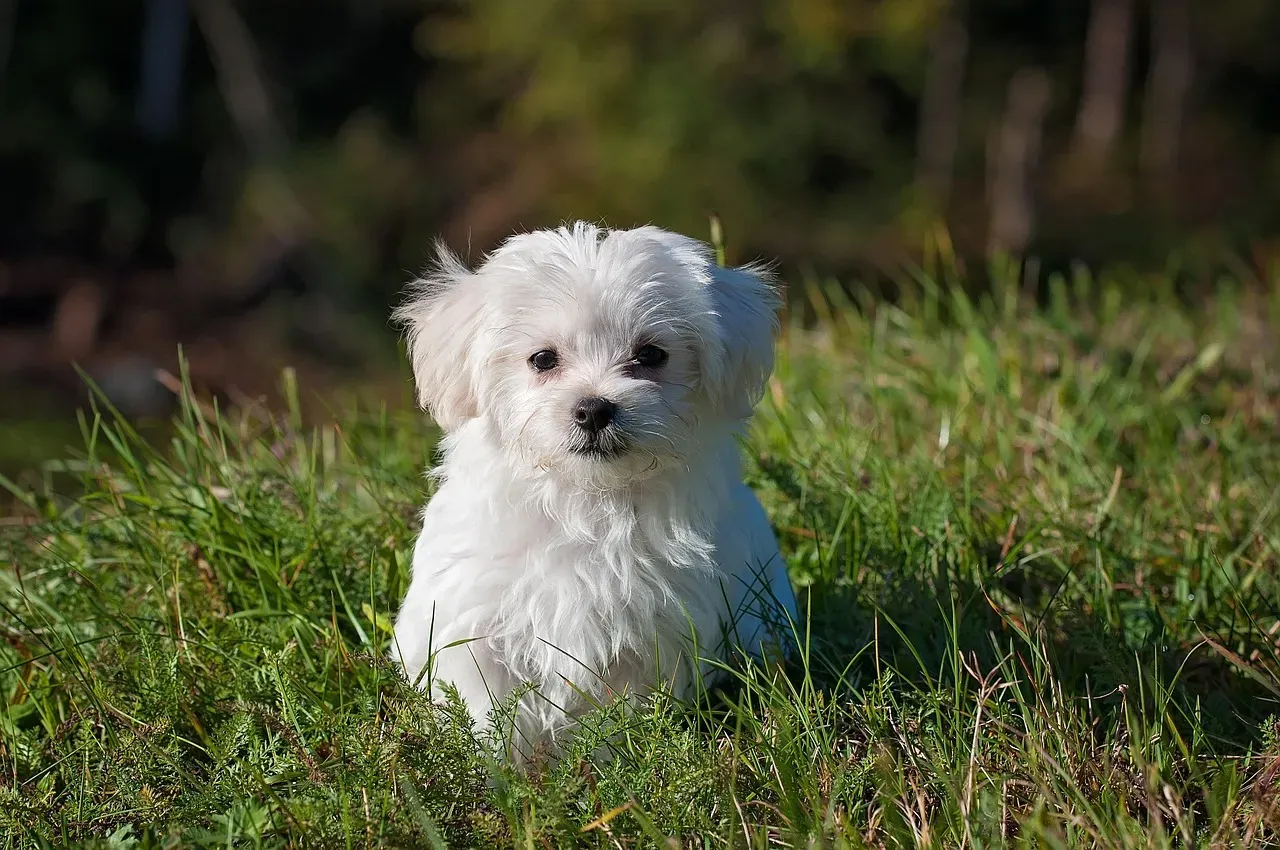
Maltese dogs are friendly, playful, and well-suited for apartment living. Their small size and affectionate nature make them great companions for those with limited space. They do require regular grooming, but their easygoing attitude and minimal exercise needs make them an excellent choice for city living.
The Maltese is the kind of dog that makes strangers stop on the sidewalk to gasp and coo. They love that attention, by the way. Very small dogs (under 15 pounds) can be excellent city companions but need protection from crowds, larger dogs, and urban hazards. They’re also more prone to developing small dog syndrome without proper training. Stay consistent with boundaries, and you’ll have a tiny dog with excellent manners.
9. Boston Terrier: The Charming City Gentleman
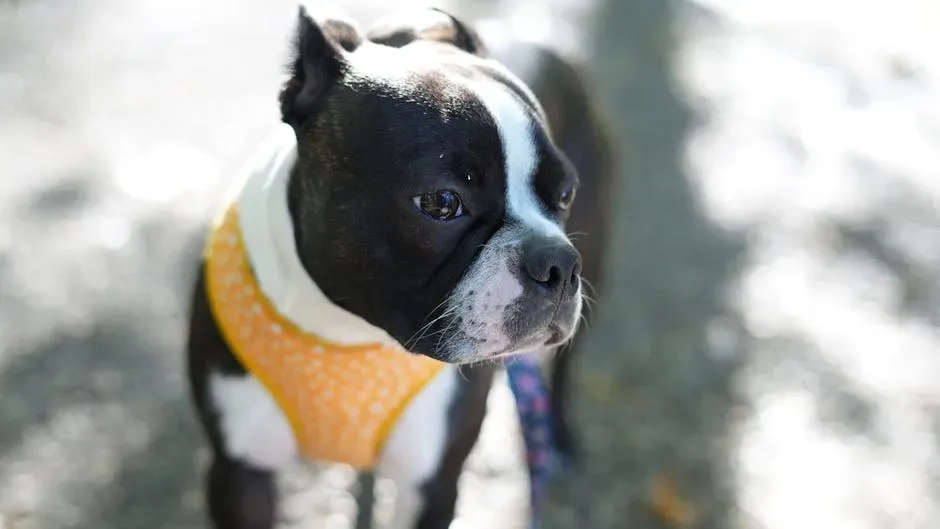
This dapper fellow makes one of the best apartment dogs because of his ideal combination of size and temperament and low-maintenance needs. Almost universally friendly and loving, Boston terriers are also small enough to be able to get almost all of their exercise needs indoors and not annoy your downstairs neighbors while they do it.
Boston Terriers are naturally gentle and trainable, which makes life in a shared building genuinely smooth. They’re also surprisingly robust for their size and tolerate the hustle of city noise pretty well. Some breeds are naturally less vocal and better suited to apartment living where noise travels easily. However, any dog can be trained to minimize excessive barking with consistent training. The Boston typically sits in the quieter camp, which your neighbors will absolutely appreciate.
10. Miniature Schnauzer: The Smart, Sociable Urban Dog
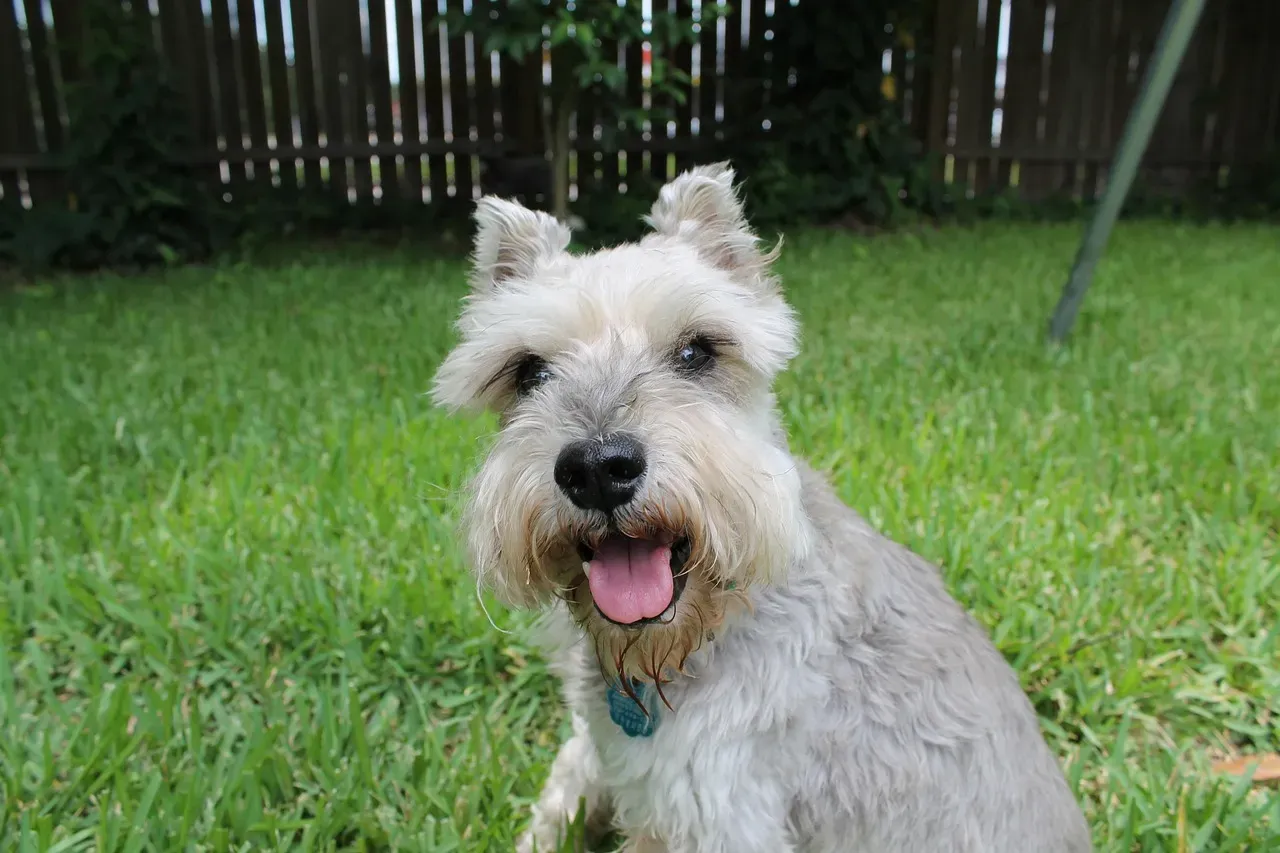
Miniature Schnauzers are lively and friendly, making them great apartment dogs. They enjoy play and social interaction, thriving in urban settings. Think of them as the sociable extroverts of the small dog world – they want to be where the action is, and a busy apartment building is basically their social paradise.
They’re also highly intelligent, which means they need mental stimulation just as much as physical exercise. Puzzle feeders, training sessions, and interactive toys are your best friends here. Provide daily walks, play sessions, and mental stimulation. Investing in toys, puzzle feeders, and short training routines helps keep boredom and destructive habits at bay. A bored Schnauzer will find their own entertainment, and it usually involves your shoes.
11. Chihuahua: Tiny Body, Enormous Spirit
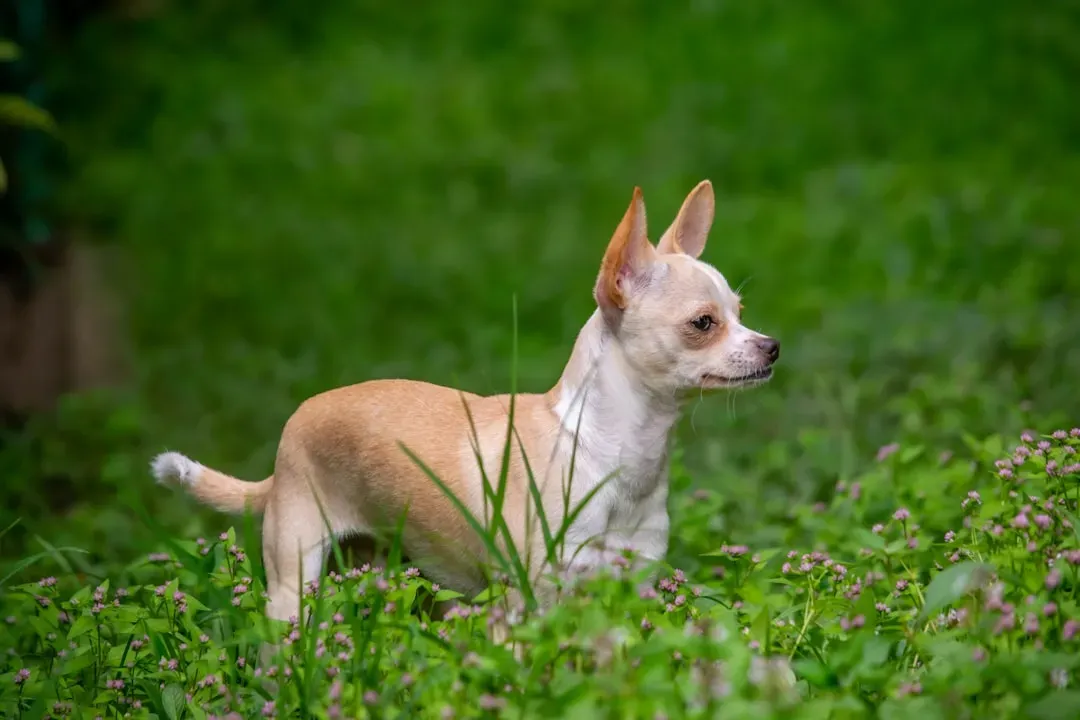
Chihuahuas, the smallest of all dog breeds, adapt easily to apartment life. They have bold characters and bond closely with their owners. Despite their tiny size, they are brave and spirited. Living with a Chihuahua is a bit like living with a tiny celebrity who believes the world revolves around them. And honestly? It mostly does.
These dogs are easy to care for, with minimal grooming needs. Their loyalty and affection make them steadfast companions. Just be mindful that Chihuahuas can be vocal and protective of their person. Early socialization is non-negotiable. Introduce them to new people, sounds, and experiences young, and you’ll raise a confident, balanced little dog instead of a snappy, anxious one.
12. Basset Hound: The Laid-Back Lounge King
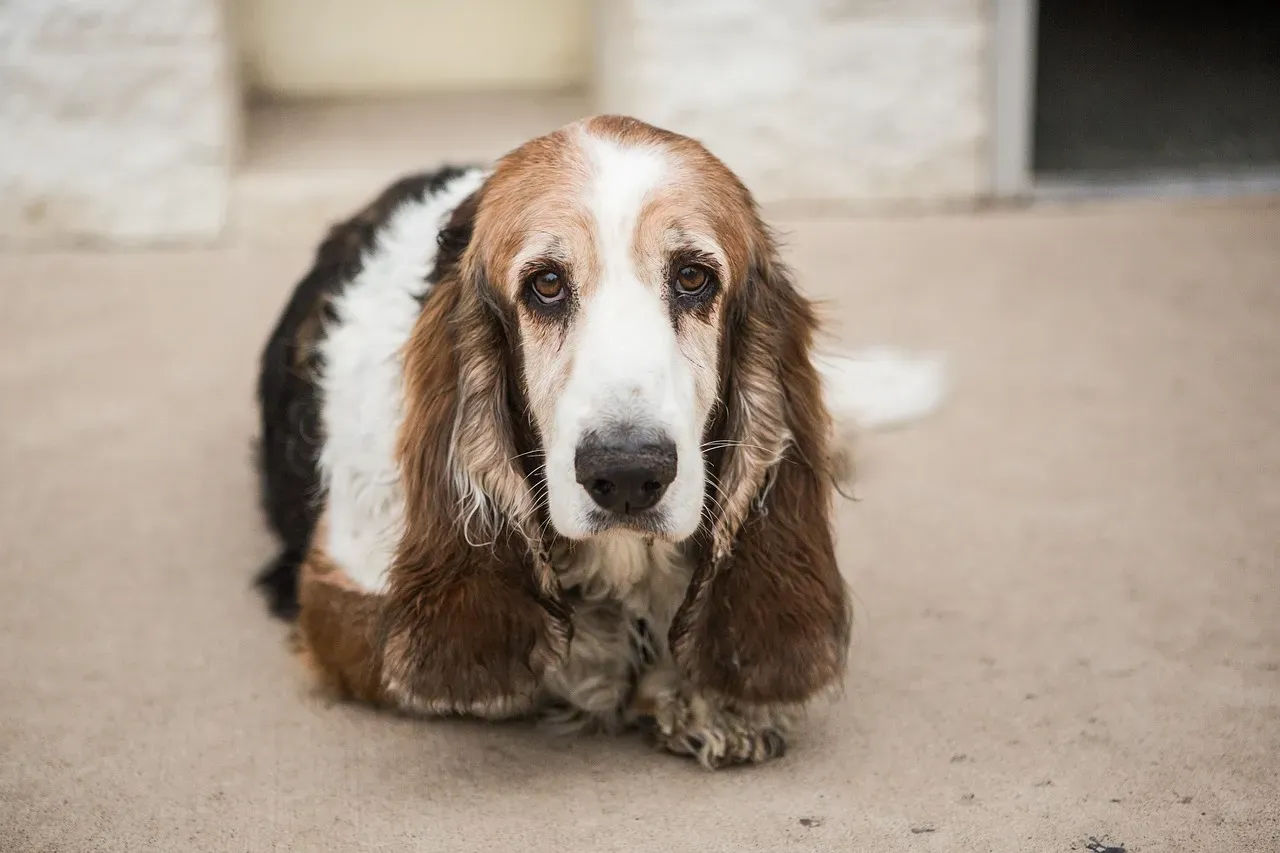
Steadfast and loyal companions, basset hounds make some of the best apartment dogs purely thanks to their exercise requirements. They are low-energy, deeply affectionate, and have a kind of dignified, slow-moving grace that makes them surprisingly easy to live with in a smaller space. Think of them as the philosophical old soul of the dog world.
Bulldogs, Basset Hounds, and similar low-energy breeds can be perfect for less active owners but still need daily walks and mental stimulation to prevent weight gain and behavioral issues. Keep those long ears clean and dry to prevent infection, watch their weight carefully, and give them a gentle daily stroll. They won’t ask for much more than your company and maybe a patch of afternoon sun.
13. Border Collie: Brilliant But Built for the Great Outdoors
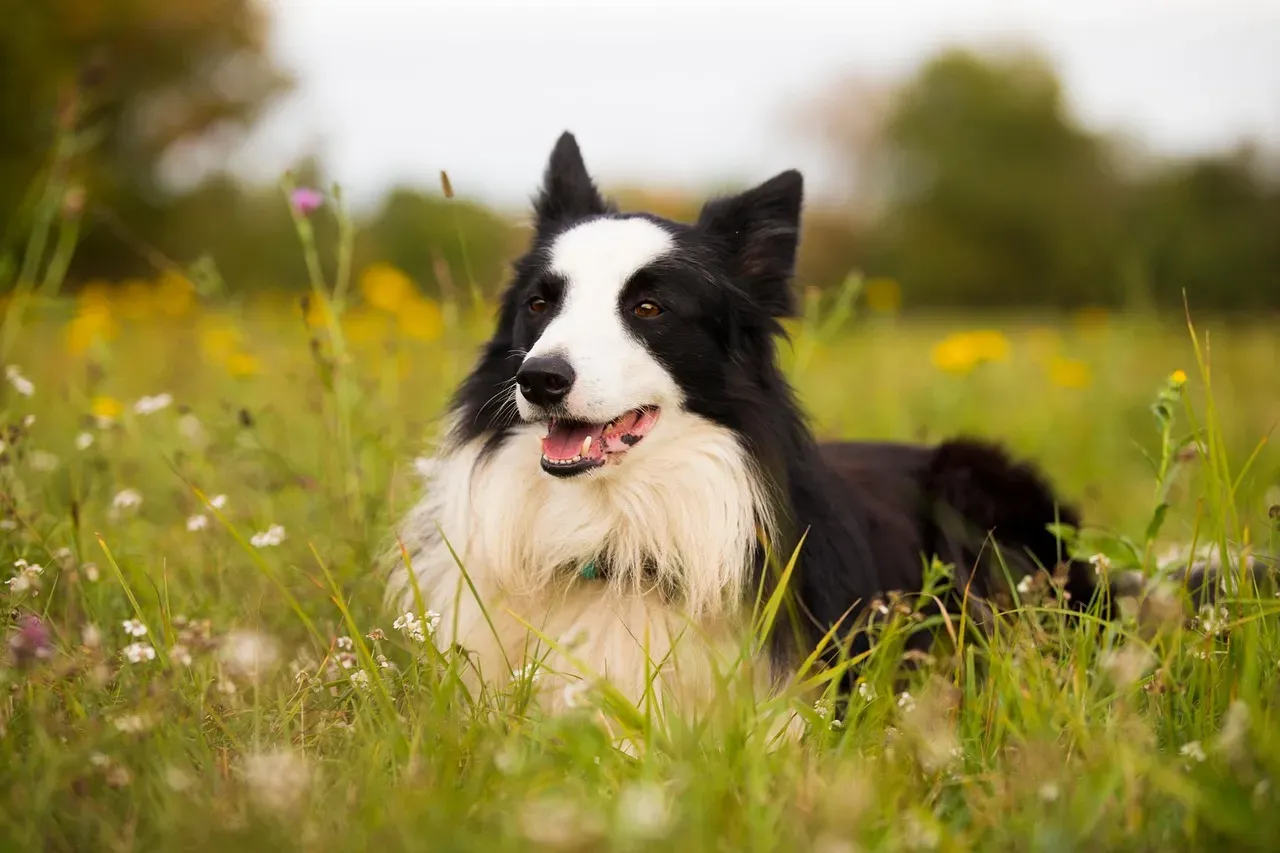
Now we shift gears entirely. This is where we talk about the dogs that, despite being wonderful and lovable, really do suffer in confined urban spaces. Border Collies are known as the ultimate working dogs, famous for their intelligence, agility, and boundless energy. They were bred to herd sheep and thrive in wide-open spaces where they can run and stay active. A spacious yard or access to open fields is ideal for this breed, as they need plenty of exercise to stay happy and healthy.
Despite this breed’s beauty, brains, and athleticism, Border Collies are not for everyone. With all of this energy, Border Collies have high exercise needs. This breed is happiest in a rural setting with plenty of space to run. A Border Collie in a small apartment without enough stimulation is not a happy dog. It is a miserable, destructive one, and that breaks my heart every time.
14. Australian Shepherd: The Energetic Herder That Craves Space
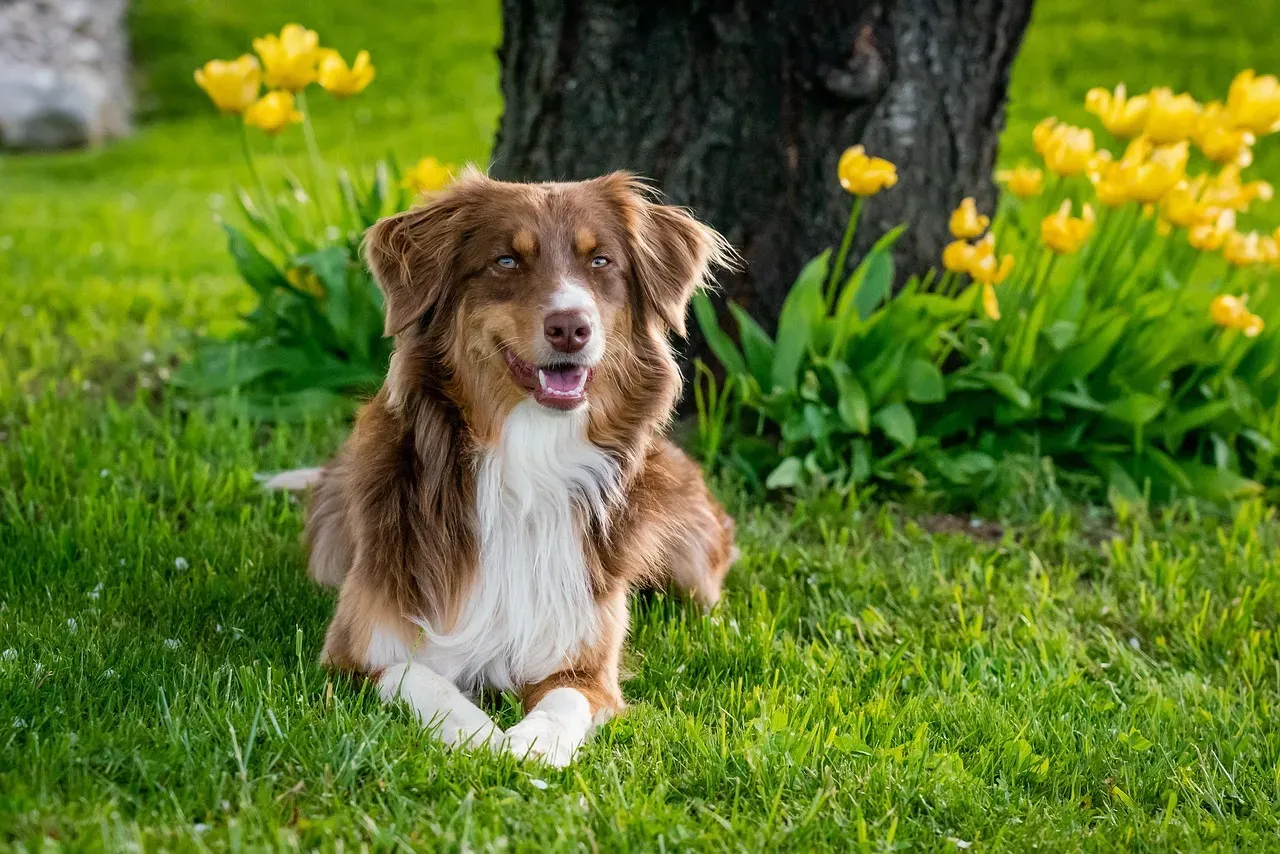
Australian Shepherds have high energy levels and sharp minds that thrive in large environments. A spacious yard provides them with the room they need to channel their instincts into healthy movement. These dogs enjoy challenges, tasks, and exploration, which all become easier in big outdoor areas. Their active nature finds harmony in a backyard that can match their lively pace.
Australian Shepherds are intelligent, hardworking herding dogs who excel at performing jobs on farms and ranches. However, without jobs, they become intelligent, bored dogs – a bad combination. It is impossible to suppress the Aussie’s natural herding instinct. Without room to roam and a job to do, these pups tend to start herding children, family members, and small animals. You’ve been warned.
15. Siberian Husky: A Wolf Spirit That Belongs in the Wild
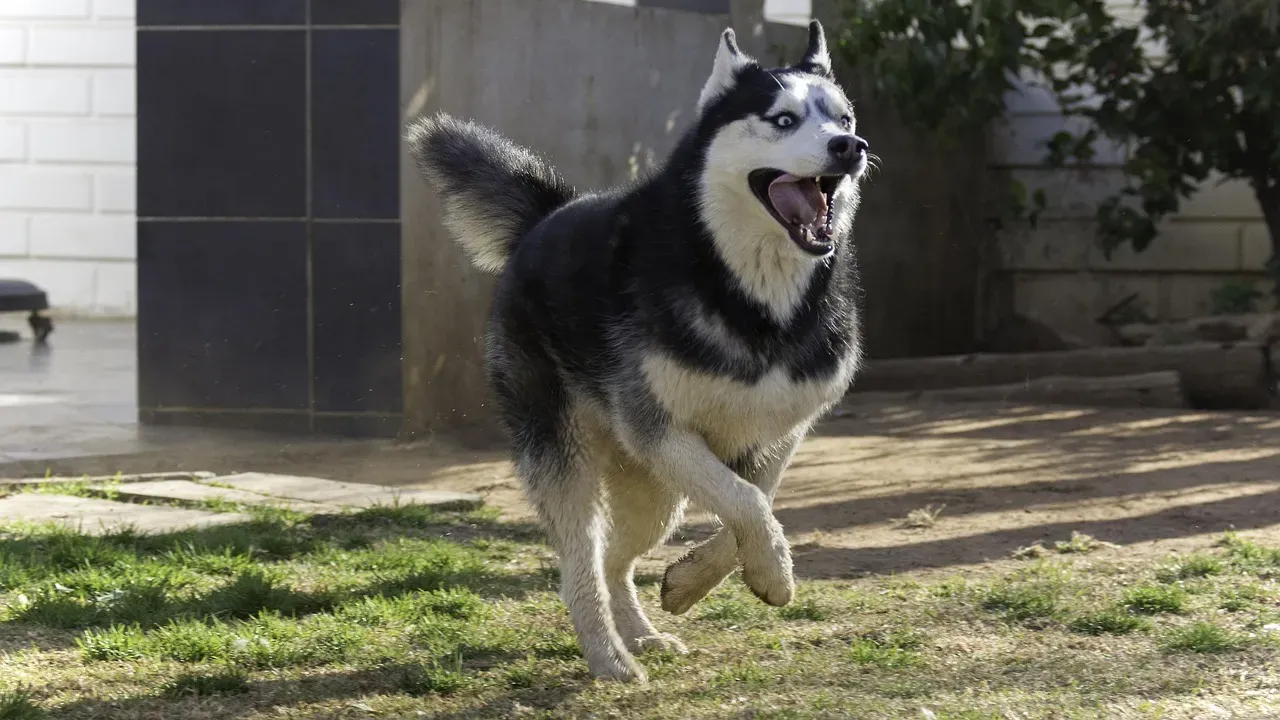
Siberian Huskies flourish in big yards because they love to run and express their energetic spirit. These dogs carry athletic stamina that benefits greatly from free movement in an open environment. Their playful and independent personalities thrive when they have space to sprint and explore. A large backyard supports their desire for activity and mental engagement.
A Husky in a tiny apartment is a recipe for chewed furniture, howling at 3 AM, and a very guilty-looking dog. Border Collies, Australian Shepherds, and Belgian Malinois can work in cities but require owners who can provide two or more hours of focused exercise and mental stimulation daily. Without adequate stimulation, they often develop destructive behaviors. The same applies fiercely to Huskies. These dogs are athletes, not accessories.
16. Weimaraner: The Speed Demon That Needs Room to Roam
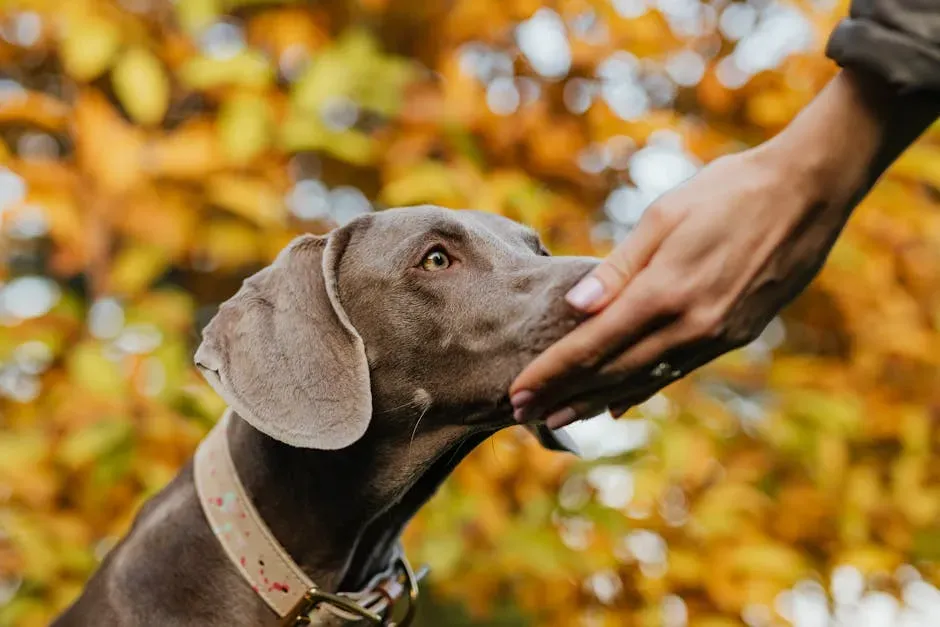
Originally bred for hunting big game, Weimaraners are wired for stamina and speed. That strong prey drive hasn’t gone anywhere either – they’ll still chase birds, squirrels, and pretty much anything that moves. So, a fenced yard isn’t just nice – it’s essential.
Their short, sleek coats make them low-maintenance in the grooming department, but they’re also not low-effort dogs. Daily exercise is non-negotiable, and they need plenty of space to burn steam. A big yard isn’t just ideal – it’s practically mandatory with this breed. If you live in the suburbs with wide open outdoor access, a Weimaraner will reward you with fierce loyalty and breathtaking athleticism. In a studio apartment, they will reward you with chaos.
17. Bernese Mountain Dog: A Gentle Giant for the Wide-Open Life
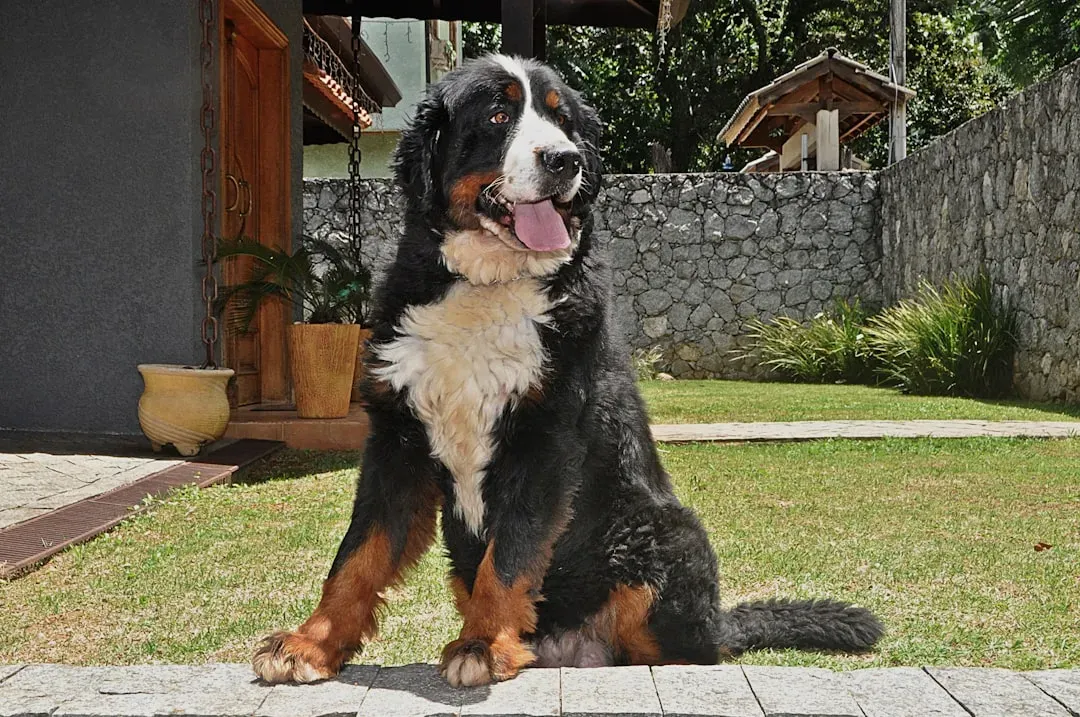
The Bernese Mountain Dog is a stunning, large breed with a calm and laid-back nature, making them perfect for those with spacious yards. Originally bred to work in the Swiss Alps, they’re used to wide, open spaces where they can roam freely and carry out tasks like pulling carts and herding livestock.
Despite their imposing size, Bernese Mountain Dogs are surprisingly sweet and patient, especially with children, making them great companions for families with plenty of outdoor space. Berners are happiest in big yards where they can roam and guard their loved ones. They are not suited to apartment life simply because of sheer size and their deeply ingrained need to move purposefully through space. Give one a mountain meadow, though, and they are pure, majestic joy.
A Final Word: It’s About Love AND Fit
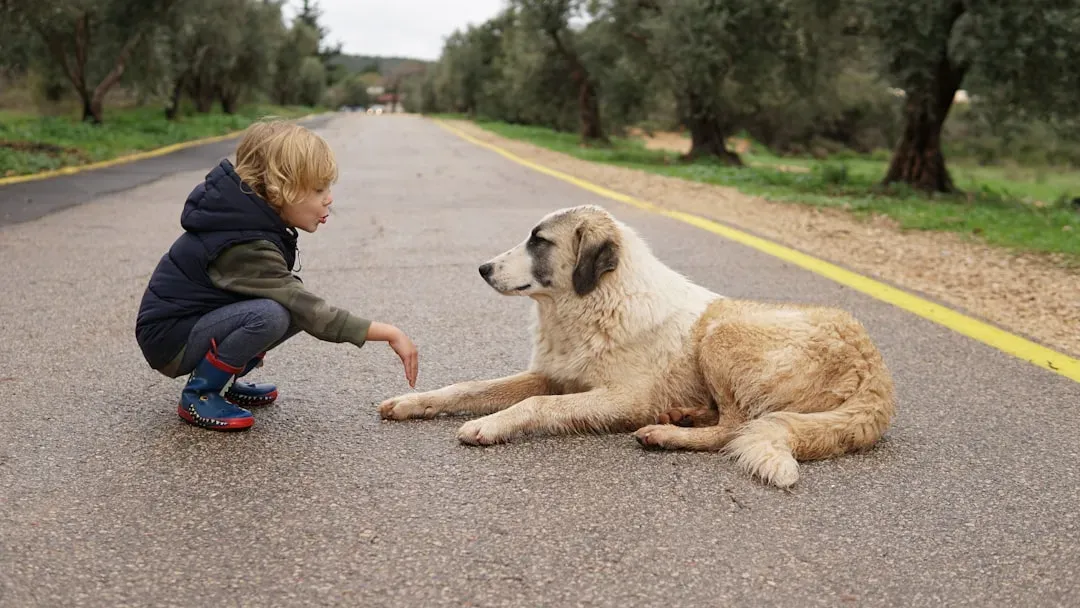
Here’s the honest truth that every dog lover needs to hear: getting a dog is one of the most beautiful decisions you can make, but it has to be the right dog for the right life. Dogs that receive an appropriate amount of exercise, stimulation, and nutrition will be just as happy in an apartment as a house. As long as you walk and play with your dog enough to satisfy its energy levels, dogs do not mind living in smaller spaces.
The real gift you can give any dog is a home where their needs are truly understood and met. Before you bring a new dog home, find out all you can about its needs and choose a breed or mixed breed that fits your family’s schedule, lifestyle, and living space. This will make the adjustment period for you and your fur-friend easier. Ultimately, you will have a happy, healthy pup for years to come. Whether your world is a cozy city flat or a rambling countryside property, the perfect dog is out there waiting for you. The question is simply this: are you ready to give them exactly what they need?


