

You’re sitting at home on a quiet Sunday morning, coffee in hand, enjoying the peaceful stillness – and then it starts. That relentless, high-pitched, earth-shattering bark that seems to carry through walls, windows, and straight into your very last nerve. Sound familiar? If you live with a naturally vocal dog breed, this is probably just another Tuesday.
Here’s the thing: barking is not bad behavior. For dogs, barking is a completely normal behavior. It’s one of the most effective ways dogs know how to communicate with their owners. The real issue is when it becomes constant, unpredictable, or triggered by literally everything from the mail carrier to a leaf falling on the sidewalk. Some dog breeds are naturally more vocal than others due to their genetic background. Terriers, for example, were originally bred to hunt small game and alert their owners to the presence of prey, so barking is ingrained in their behavior.
Whether you already share your home with one of these vocal champions or you’re considering bringing one home, this guide is here to help you understand, empathize, and manage the beautiful, chaotic noise that comes with loving a chatty dog. Let’s dive in.
Why Some Dogs Simply Cannot Stop Talking
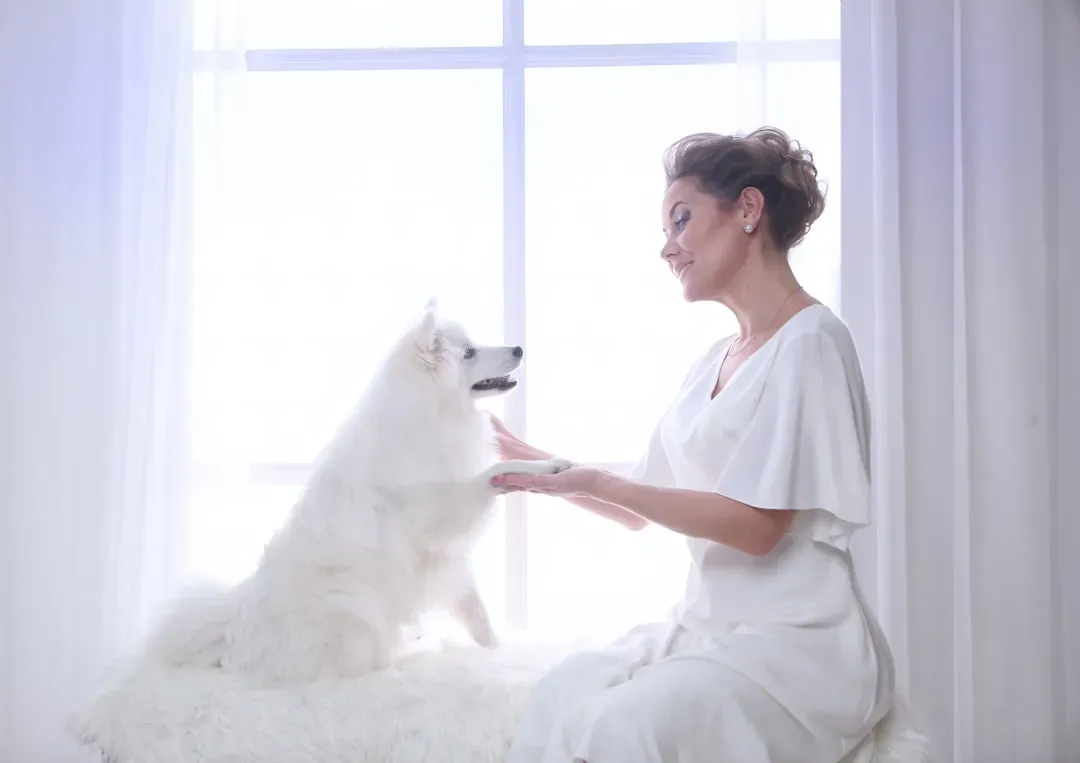
Before pointing fingers at your barking dog, it helps to understand the deeper “why” behind all that noise. The frequency of dog barking varies significantly from breed to breed because it was emphasized in some more than others. People actually wanted their dogs to bark. Guard dogs, hunting hounds, and farm terriers were all selectively bred to use their voice as a working tool.
It used to be claimed that barking in dogs has no functional value and is simply a byproduct of domestication. However, recent studies have disputed these claims and proven that barking is actually a way for dogs to communicate. Most commonly, a bark is used as a way of warning, greeting, or play.
Dogs are like children in that they need physical and mental stimulation. If a dog isn’t getting enough exercise or isn’t mentally challenged, they may resort to barking as an outlet for their pent-up energy. Boredom barking is particularly common in high-energy breeds that require a lot of physical activity. Knowing this changes everything about how you approach the problem.
1. The Beagle: A Symphony You Never Asked For

Honestly, the Beagle might be the poster child of excessive barking. Beagles are famous for their loud “bay” that is often heard when they’re tracking or excited. This vocalization is deeply ingrained in their hunting instincts, and they bark constantly when they catch a scent or are left alone. Beagles are also prone to barking to express their excitement or dissatisfaction. Think of it like living with someone who just cannot whisper.
Beagles will bark when you walk in the door, at a plastic bag, and when strangers walk past the house. They just want you to know everything. Prevention tip: Beagles thrive on scent-based enrichment. Hiding treats around the yard or doing nose-work games can channel that powerful hunting instinct productively and dramatically reduce boredom barking.
2. The Chihuahua: Tiny Dog, Enormous Opinion

Oftentimes referred to as “yappy dogs,” Chihuahuas may be small but they have a big personality and plenty to say about it. The Chihuahua is an affectionate and loyal breed but only with those they know. They can be quite sensitive and suspicious with strangers, and will bark at anything unfamiliar. It’s a trait that makes them excellent watchdogs, but like many small dogs, they take their job a bit too seriously.
Some breeds are more prone to anxiety or excitability, which can lead to increased vocalization. Dogs like the Chihuahua may bark more because they are more reactive to environmental changes or sensory stimuli. Early socialization is everything with this breed. Expose your Chihuahua to new people, sounds, and environments while they’re still young, and reward calm behavior generously.
3. The Yorkshire Terrier: Royalty With a Loud Mouth

The Yorkshire Terrier may be small, but he is mighty. These pups have a lot of attitude, which comes through in barking vocalizations. These little dogs bark, bark, bark to alert the home of every little thing. Picture a tiny king who takes his crown very, very seriously. That’s a Yorkie.
Yorkies are a part of the Terrier family and they don’t know when to tone down their bark. They think they are bigger than they are and aren’t afraid to yap at the mailman, the Great Dane at the dog park, your shadow, or even their own shadow. Training tip: consistency in the “quiet” command and rewarding calm moments works wonders. Yorkies are smart, which is a double-edged sword – they learn quickly, but they also learn that barking gets them attention.
4. The German Shepherd: Loud and Proud Guardian
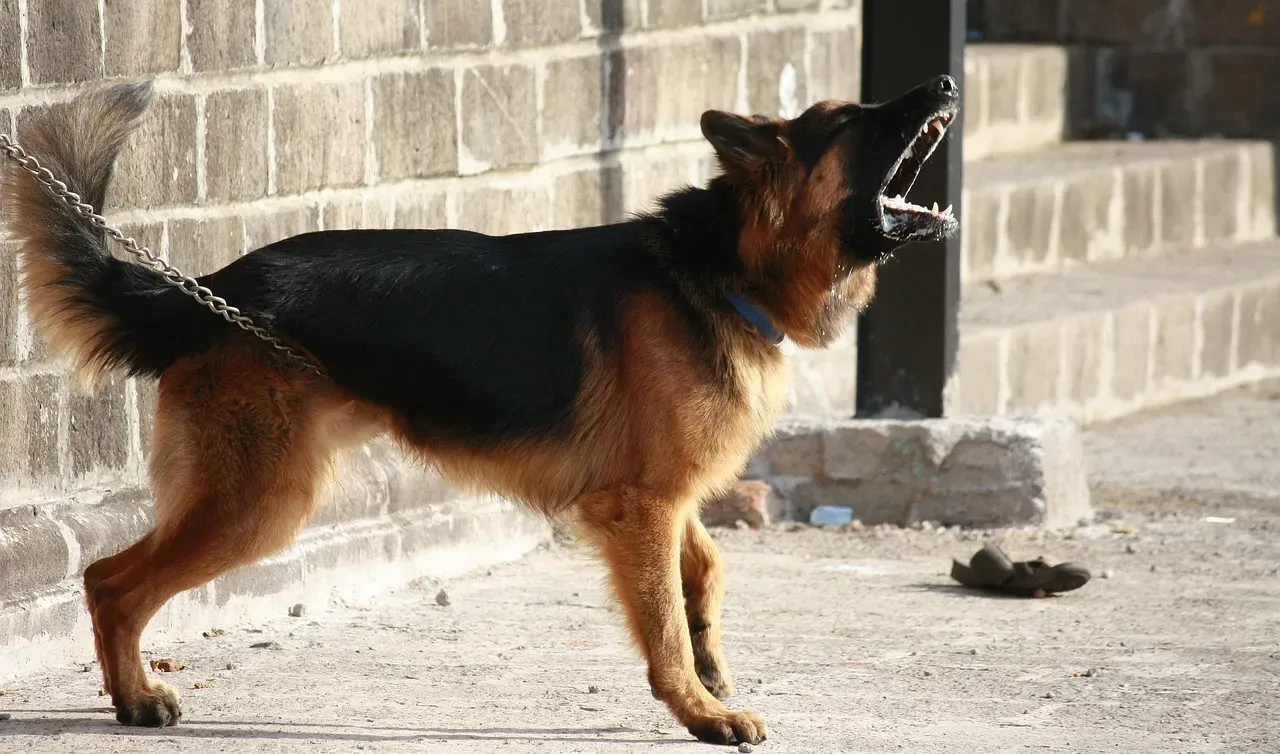
As one of the best guard dogs, German Shepherds are bred to guard and let you know when something isn’t right – but not quietly. Dogs like the German Shepherd and Alaskan Malamute are known to bark the most at strangers, often due to their protective instincts. Their bark is deep, powerful, and absolutely carries through a neighborhood.
The key thing to understand here is that a German Shepherd’s bark is almost always purposeful. They are not barking for the sake of it. Guard dogs like the German Shepherd often bark to alert their owners of intruders. These functions are engrained in their genetics, making them naturally more vocal. With proper obedience training and structured daily exercise, German Shepherd barking can be managed effectively. Mental stimulation through tasks or agility training is also highly recommended.
5. The Miniature Schnauzer: The Self-Appointed Neighborhood Watch

Schnauzer barking is a natural breed trait. After all, the Miniature Schnauzer was bred to be a watchdog. They excel at this job. So they feel it is their duty to sound the alarm if they notice anything out of the ordinary in their environment. Anything. A car passing. A bird on the fence. A cloud shaped like a rabbit.
While the Miniature Schnauzer’s small size can make this breed the perfect apartment dog, it’s important to remember that these dogs are terriers at heart. With a past history of being effective ratters and guardians of the farm, these dogs need daily exercise and mental stimulation. Fail to provide these dogs with enough exercise and mental stimulation, and they will find their own forms of entertainment – and that includes more barking. Puzzle toys and “quiet” command training are your best friends with this breed.
6. The Basset Hound: Slow to Move, Loud to Speak
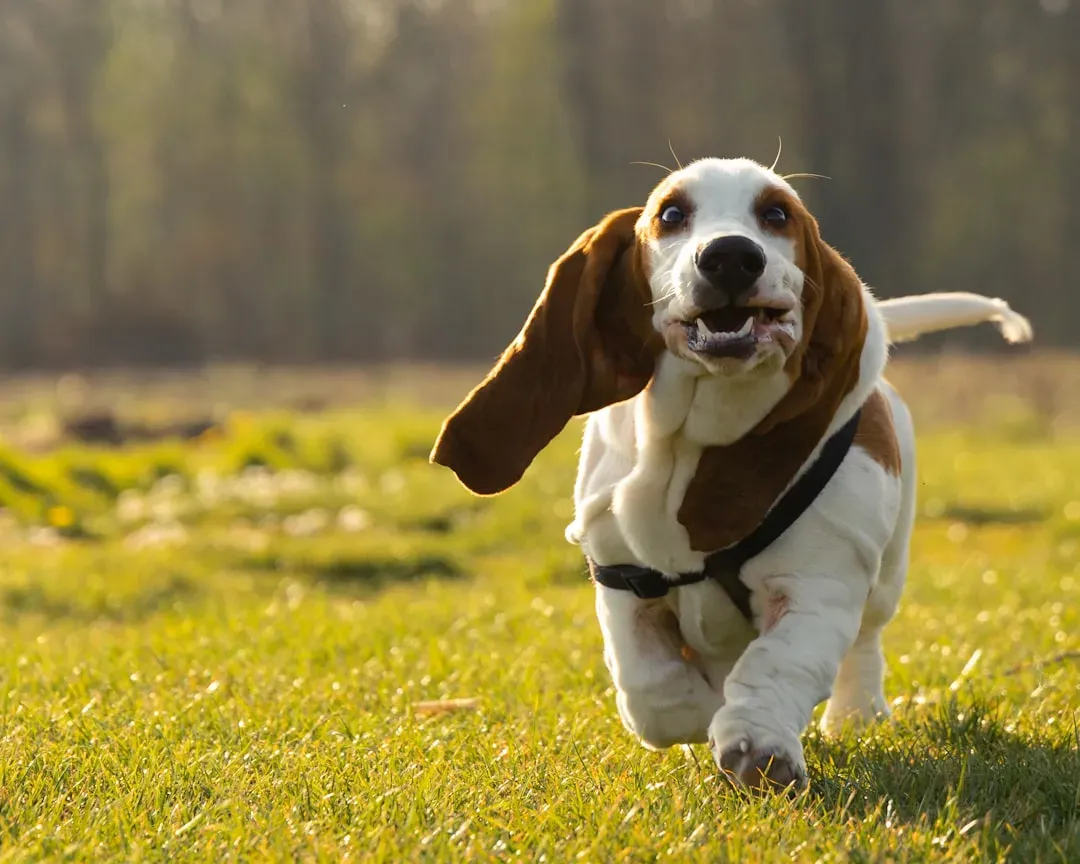
You might look at a Basset Hound and think, “That is the most laid-back creature on earth.” Don’t be fooled. Basset Hounds bark a lot. They have a very loud, baying bark, and they use it when they are excited or frustrated. You can reduce their barking through training, but don’t expect a silent companion.
Basset Hounds are used for tracking and hunting; they become distracted by different scents and sounds, but don’t worry, they will let you know when they have found what they are looking for with a howling bark. Basset Hounds are often prone to allergies and seborrhea, which may trigger ear infections or recurring skin infections. Interestingly, pain or discomfort from these health issues can also increase barking, so keep those long ears clean and get regular vet checkups.
7. The Dachshund: A Big Voice Packed in a Small Body
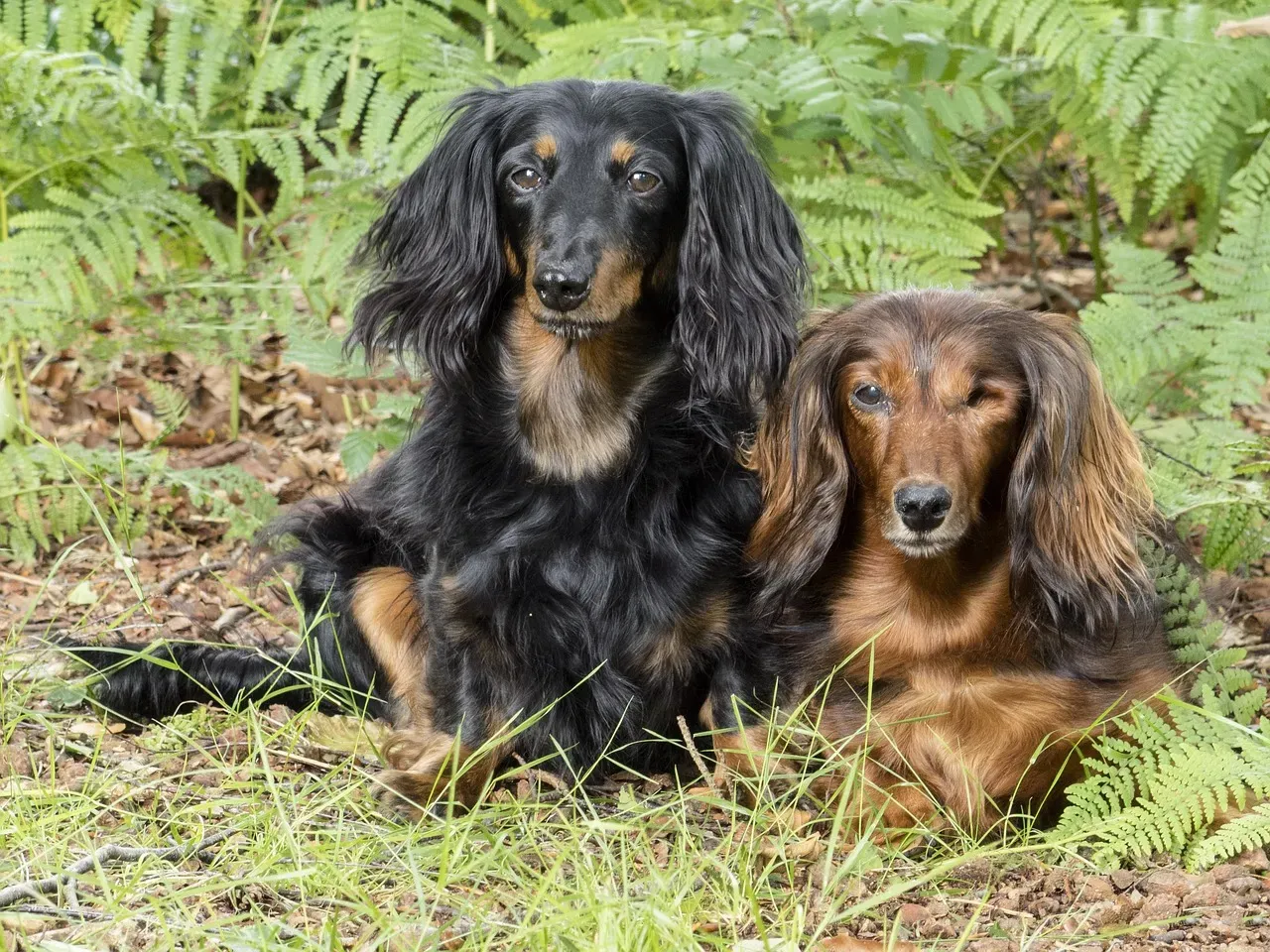
Hunting dogs are bred to be chasers, diggers, and barkers, and this tenacious spirit has not left them despite the lack of badger to pursue in your home. The Dachshund has a unique bark, which is somehow both high-pitched and exceptionally loud, and they are notorious for using it all the time. It’s genuinely surprising how much volume that little sausage-shaped body can produce.
Long in body and loud in voice, the Dachshund has a lot to talk about, considering he was bred not only to hunt prey his own size but also wild boar and deer. These small-sized but confident pups love to bark, so while they can be just fine in a small or large home, they might not be the best choice for apartment living. Dachshunds were bred to keep badgers off property, so they’ll chase any small animals in your yard. Daily walks and scent enrichment activities help reduce reactive barking significantly.
8. The Siberian Husky: The Dramatic Soloist
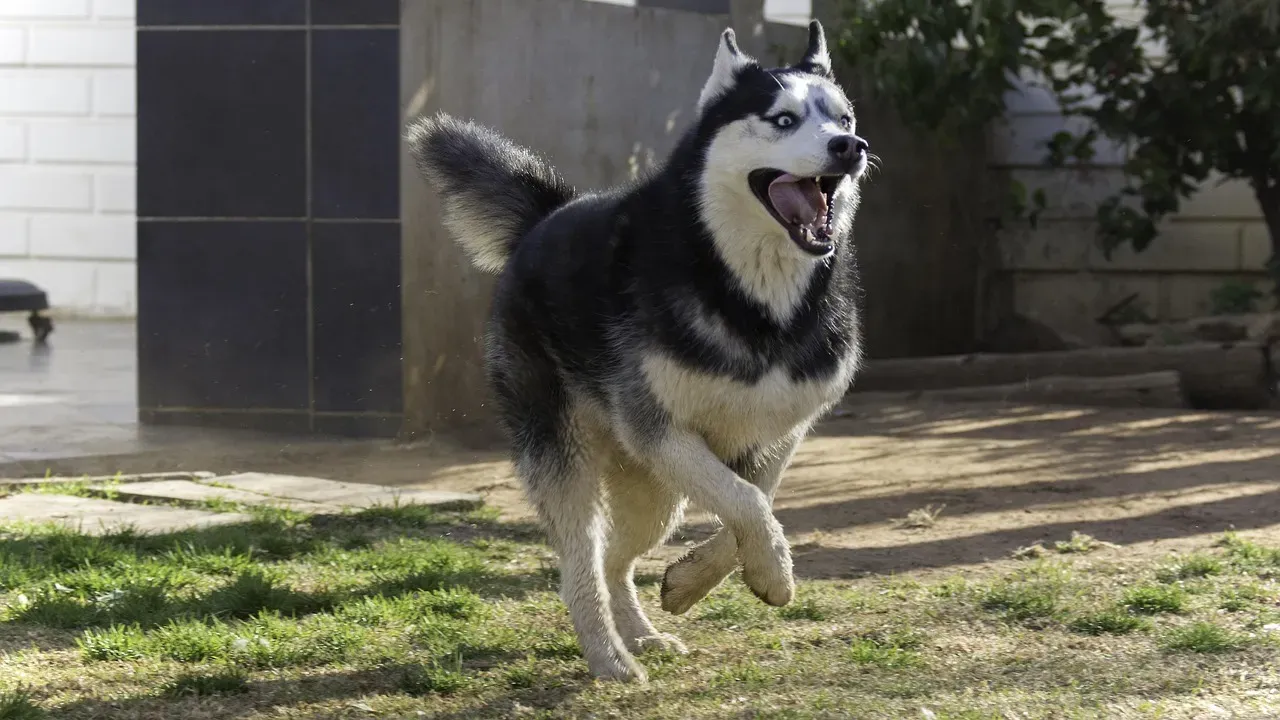
Huskies are in a category all their own. Huskies were bred to pull sleds across frozen terrain, and their vocalizations – howls, in particular – are a way to communicate with their pack. While they are generally not constant barkers, they do love to howl and can be quite noisy, especially if they’re left alone or feeling restless.
The Siberian Husky was bred to pull sleds and live together in packs. They howl more than bark and often also say “Woowoowoo.” They are a talkative breed because they need to communicate throughout their work. Living with a Husky is like living with a drama student who treats every moment as a performance. Huskies are prone to hip dysplasia, eye problems, and hypothyroidism, so regular vet visits are essential. Their vocal behavior tends to worsen with boredom, so rigorous daily exercise is non-negotiable.
9. The Scottish Terrier: Powerful Bark Behind Those Bushy Eyebrows
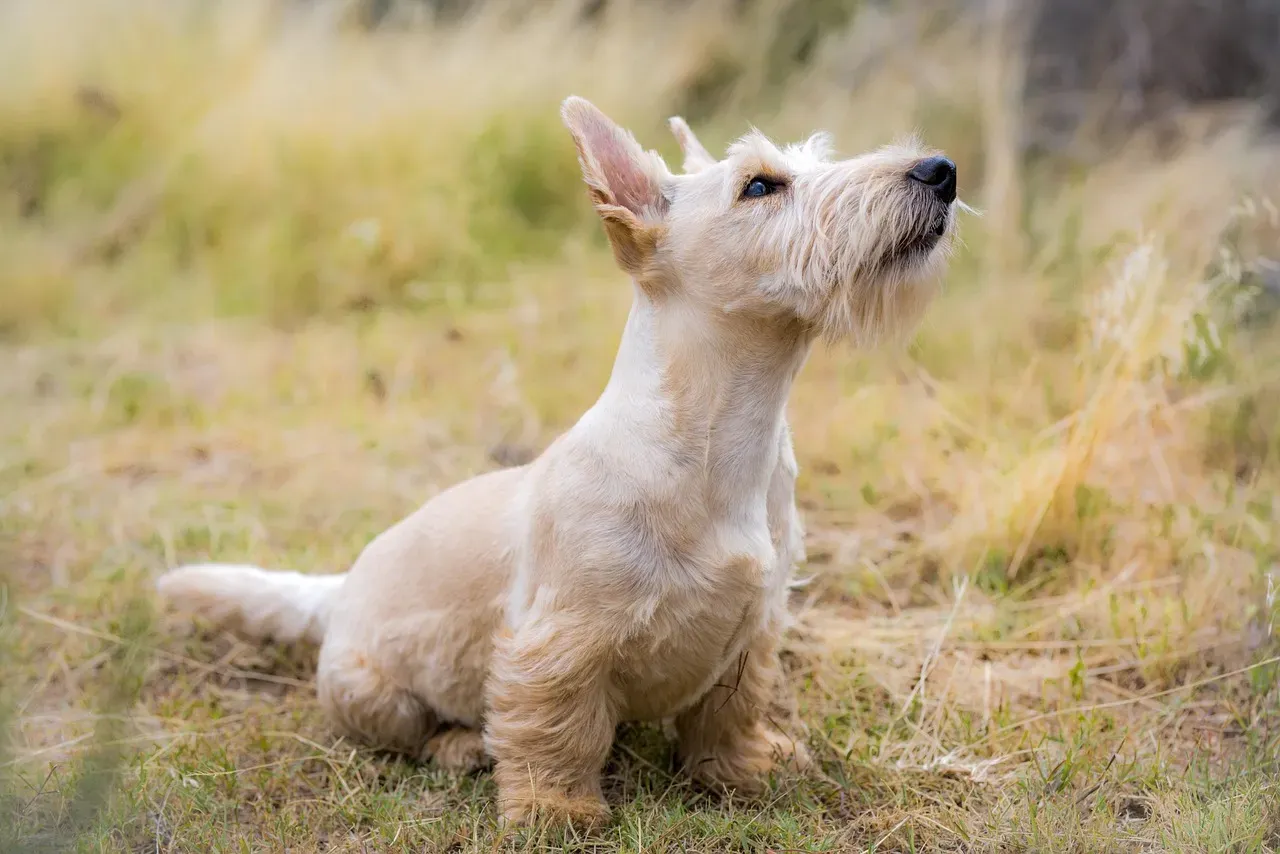
The Scottie looks like a distinguished little professor. The bark, however, is anything but professorial. Scottish Terriers do not yip and yap. They BARK. Scottish Terriers have a powerful bark, and it’s a lot louder than you think. This is a breed that takes its alert duties extremely seriously, around the clock.
Created to help on the farm, these little dogs are brave and rugged. They were used to kill rats and chase vermin. These little pups love to bark. Although they have a history of being tenacious, they are still loving and affectionate. Socialization from puppyhood is critical for Scotties. Teaching them that not every new noise is a threat requires patience, but it absolutely pays off over time.
10. The Cairn Terrier: Toto Wasn’t So Quiet After All
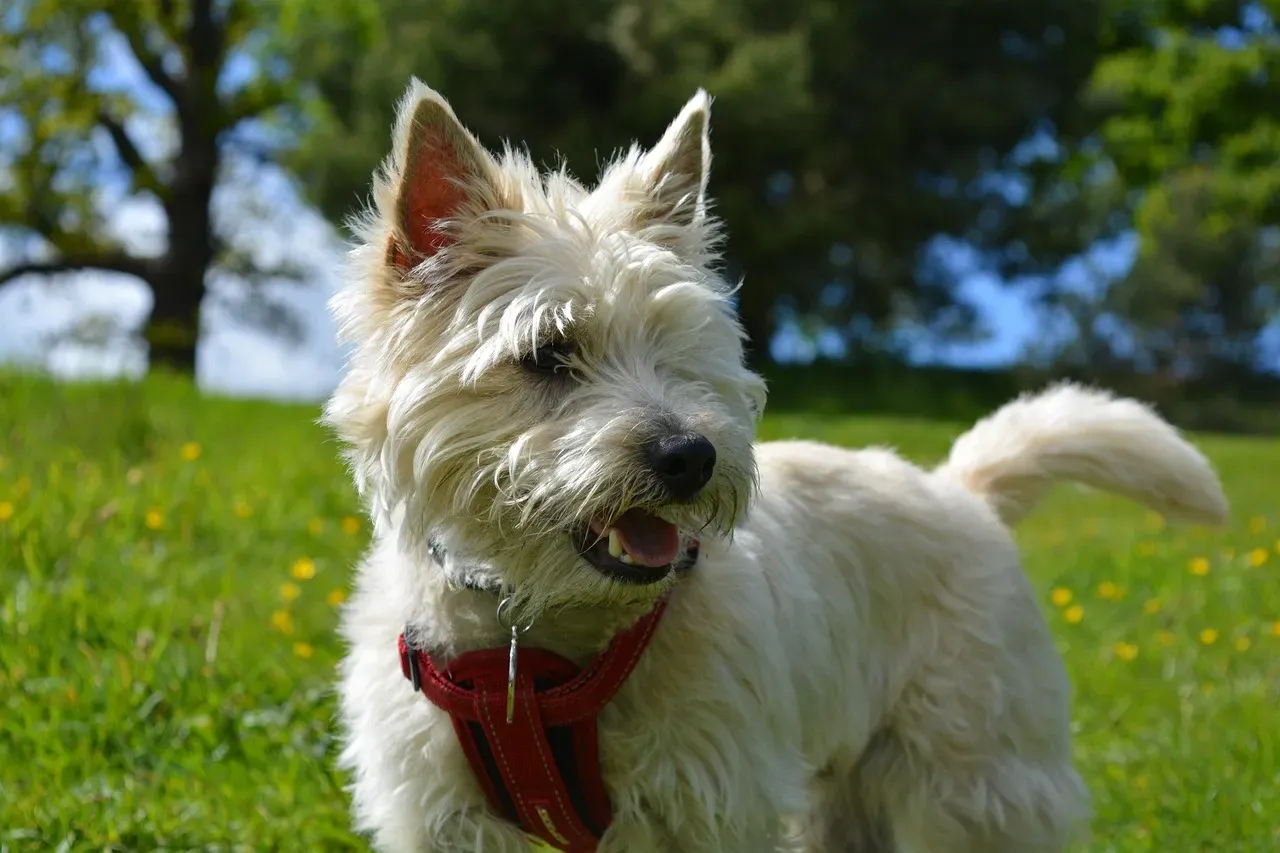
Yes, that’s Toto from The Wizard of Oz. Adorable? Absolutely. Quiet? Not remotely. Cairn Terriers are prone to barking and digging. These are two traits that some dog owners will find undesirable. Both can be mitigated with training, but these behaviors typically cannot be eliminated completely.
The Cairn is a Terrier through and through and it’s impossible to stop them doing what they do best: chasing, digging, and barking. They were bred to hunt, kill vermin, and guard their families’ home or barn. If you own a Cairn Terrier, the goal is never silence – it’s teaching them when it’s appropriate to speak. Reward-based training combined with a securely fenced yard to burn off that energy does wonders.
11. The West Highland White Terrier (Westie): The Alarm That Never Turns Off
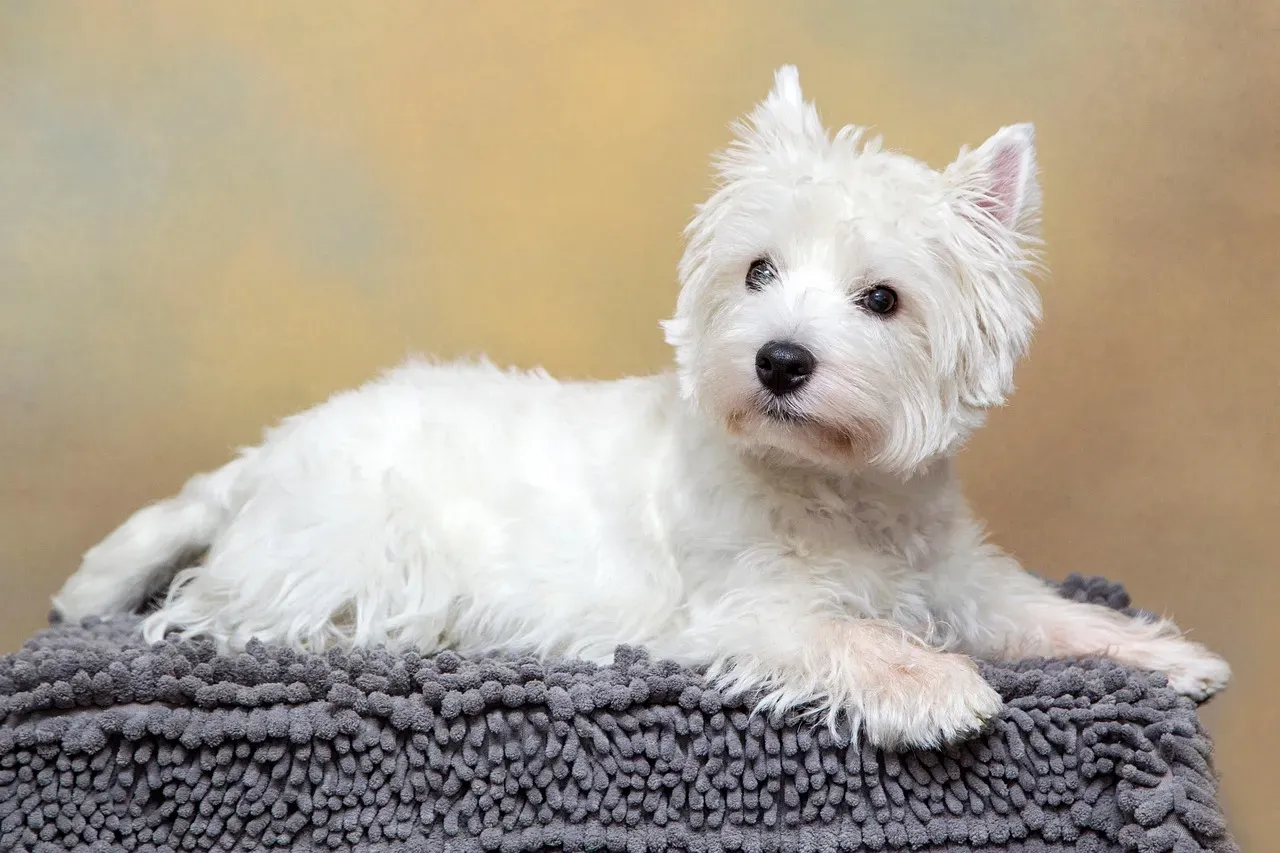
The West Highland White Terrier’s temperament is very watchful, which means the dog will bark at passers-by and cars. Make sure there’s a fence around your house if your Westie likes playing in the yard. In other words, the world is one giant alert system for this fluffy little creature, and they are the loudest siren in it.
The West Highland White Terrier began life as a hunting dog. The animal’s small size and speed made it a clear choice for hunting rats and other rodents. Undoubtedly, the excitement of the hunt encouraged barking. Since Westies are known to be stubborn, you should use reward-based training with games, tricks, and foods. Managing barking in a Westie requires daily commitment, not a one-time training session. Keep them engaged, keep them stimulated, and keep the treats handy.
12. The Bloodhound: A Howl That Echoes Through History

Bloodhounds bark and howl excessively and they do not care. If there is a rabbit in the backyard or a suspicious shadow around the corner, they will let you know. The Bloodhound’s voice is not a polite announcement – it is a full, echoing proclamation. You will hear it. Your neighbors will hear it. Probably people in the next town over, too.
Historically, breeds like the Beagle and Bloodhound were bred to howl to signal hunters. That instinct is thousands of years old and not going anywhere fast. The best approach with a Bloodhound is providing structured scent-tracking activities, which satisfy their natural drive to use their nose and voice productively. Your goal should be to decrease, rather than eliminate, the amount of barking. That mindset shift alone can reduce a lot of owner frustration.
How to Live Happily With a Vocal Dog: Prevention Tips That Actually Work
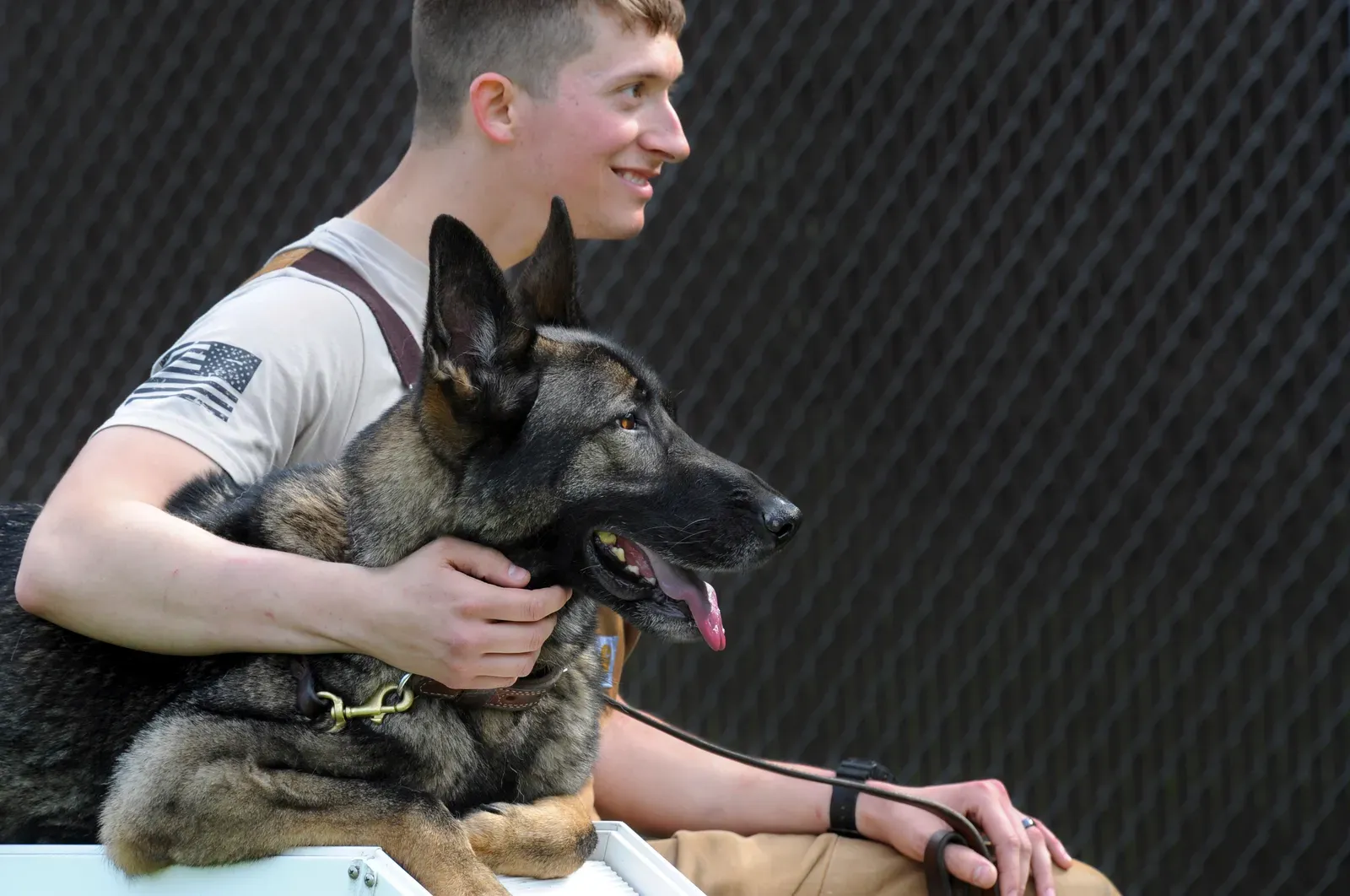
Living with a naturally vocal breed does not mean you’re signing up for chaos forever. There are many reasons why some dogs bark more than others, including breed, age, anxiety, boredom, and training. Understanding why your dog is barking can help you address the issue more effectively. With the right approach – providing proper training, addressing anxiety, ensuring plenty of exercise, and offering mental stimulation – many barking issues can be reduced or managed.
If you want to reduce your dog’s barking, it’s crucial to determine why your dog is barking. It will take some time to teach your dog to bark less. Unfortunately, it’s just not realistic to expect a quick fix or to expect that your dog will stop barking altogether. Think of it more like learning a new language with your dog. You’re teaching them vocabulary, not taking their voice away.
Dog owners can manage vocalization by understanding the underlying reasons behind it and providing alternatives that satisfy the dog’s needs. Providing regular exercise, mental stimulation, and consistent training programs contributes to balanced vocal behavior. Simple things like a 30-minute daily walk, a puzzle feeder, or a training session can genuinely transform a chronically barking dog into a calmer, happier companion.
A Final Thought: Your Noisy Dog Is Trying to Tell You Something

Here’s what I think gets missed too often in these conversations: a barking dog is not a broken dog. Every dog is an individual, so even though breed can be a good starting point, positive training is the best way to ensure good behavior. These 12 breeds are vocal because their ancestors were built that way for very good reasons – to protect, to hunt, to communicate across fields and valleys.
The barking is not personal. It is instinct wrapped in fur and delivered at full volume. Vocalization is not merely noise but a rich mode of expression unique to each breed. As dog owners, embracing these traits means fostering an environment where our canine companions can express themselves while ensuring that their vocal habits align with harmonious living. That’s the sweet spot every dog owner is looking for.
So the next time your Beagle goes absolutely feral over a squirrel, or your Chihuahua stages a full protest at a passing bicycle, take a breath. Understand the “why,” address the need, and respond with patience rather than frustration. These dogs love deeply and loudly. And honestly? That’s kind of beautiful. Which breed on this list sounds the most like yours? Share your story in the comments – we’d love to hear it.


