
Picture this: you open the back door for just thirty seconds, and when you turn around, your dog is gone. No trace. Just a slightly swinging gate and the distant rustle of bushes. If you’ve lived this moment, you already know the mix of panic, frustration, and honestly, a tiny bit of grudging admiration that comes with owning a natural-born explorer.
Here’s the thing – some dogs aren’t being naughty when they bolt. They’re simply following a calling written deep into their DNA. Some breeds were born with wanderlust, especially hunting, scent, and working dogs bred to chase prey or cover large distances. Their brains are wired for exploration, not relaxation. Understanding why your dog roams is the first step to keeping them safe without crushing that beautiful spirit. So let’s meet the twelve breeds who feel the pull of the open road most powerfully, and talk about how to love them well.
1. Siberian Husky: Born to Run, and Run, and Run
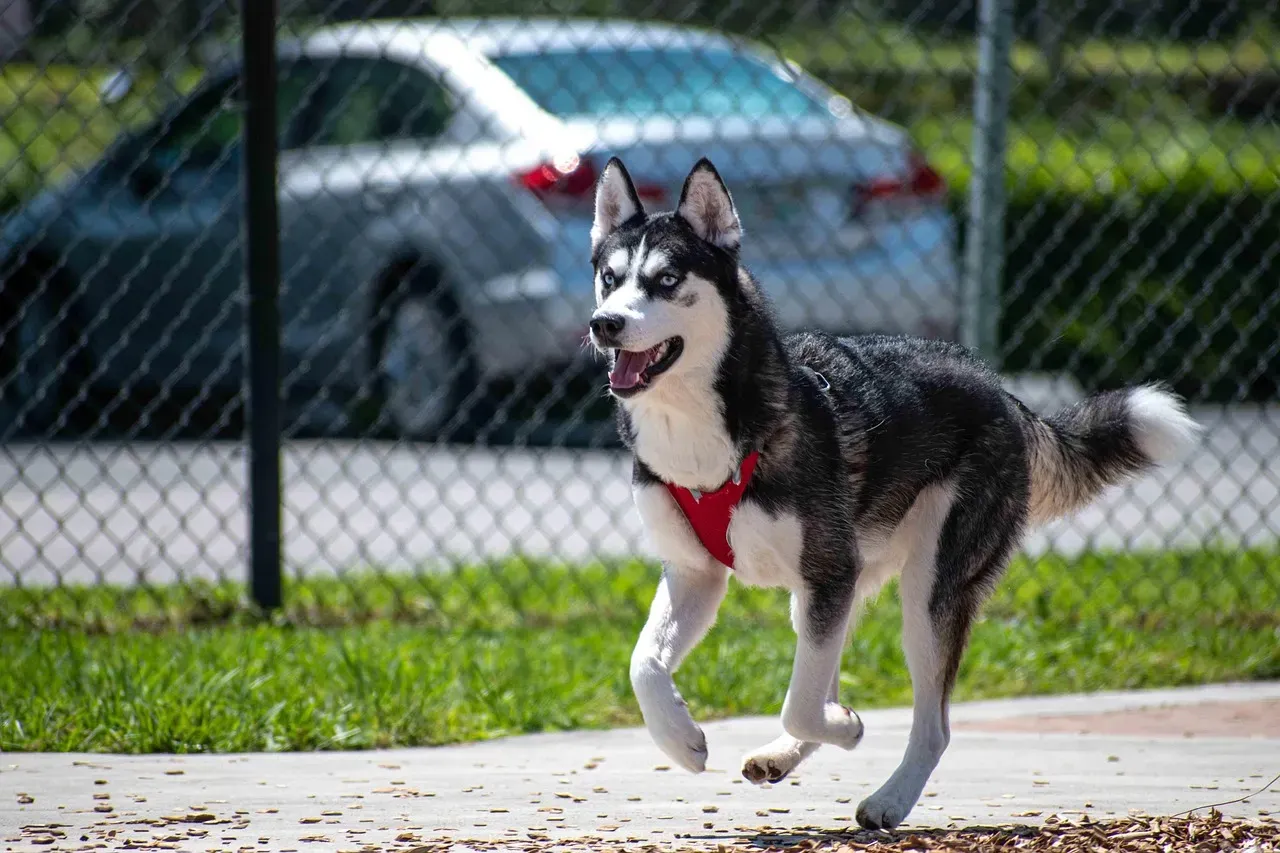
If there is one breed that is practically synonymous with wanderlust, it is the Siberian Husky. Siberian Huskies are known for their incredible endurance and desire for constant activity, originally bred for pulling sleds across vast icy terrains, possessing an innate need for extensive exercise and mental stimulation. Think of their brain like a sports car engine left idling in a parking lot – eventually, something’s going to give.
These dogs are strong, agile, and clever enough to climb fences, open gates, or dig under barriers. If they’re not getting enough exercise, their natural instinct to roam kicks in. The prevention tip here is straightforward: a well-exercised Husky is a safer Husky. Two solid hours of vigorous daily activity, a GPS collar, and reinforced six-foot fencing are non-negotiables for this breed.
2. Beagle: Following That Nose Wherever It Goes

Beagles, with their keen sense of smell and hunting background, are naturally inclined to follow their noses, often leading them away from their safe spaces. This breed’s strong tracking instincts can kick in at the sight, or more accurately the scent, of small animals or intriguing odors. It is almost poetic, honestly – their greatest gift is also their greatest danger.
Known for their exceptional sense of smell and hunting instincts, Beagles follow scents relentlessly, sometimes wandering far from home. Their smaller size also means they can escape through small gaps. Regularly engaging your Beagle in scent work games and nose puzzles at home can help channel that drive safely. A double-gated yard entrance is also a smart practical investment.
3. Alaskan Malamute: Ancient Wanderer With a Wild Heart
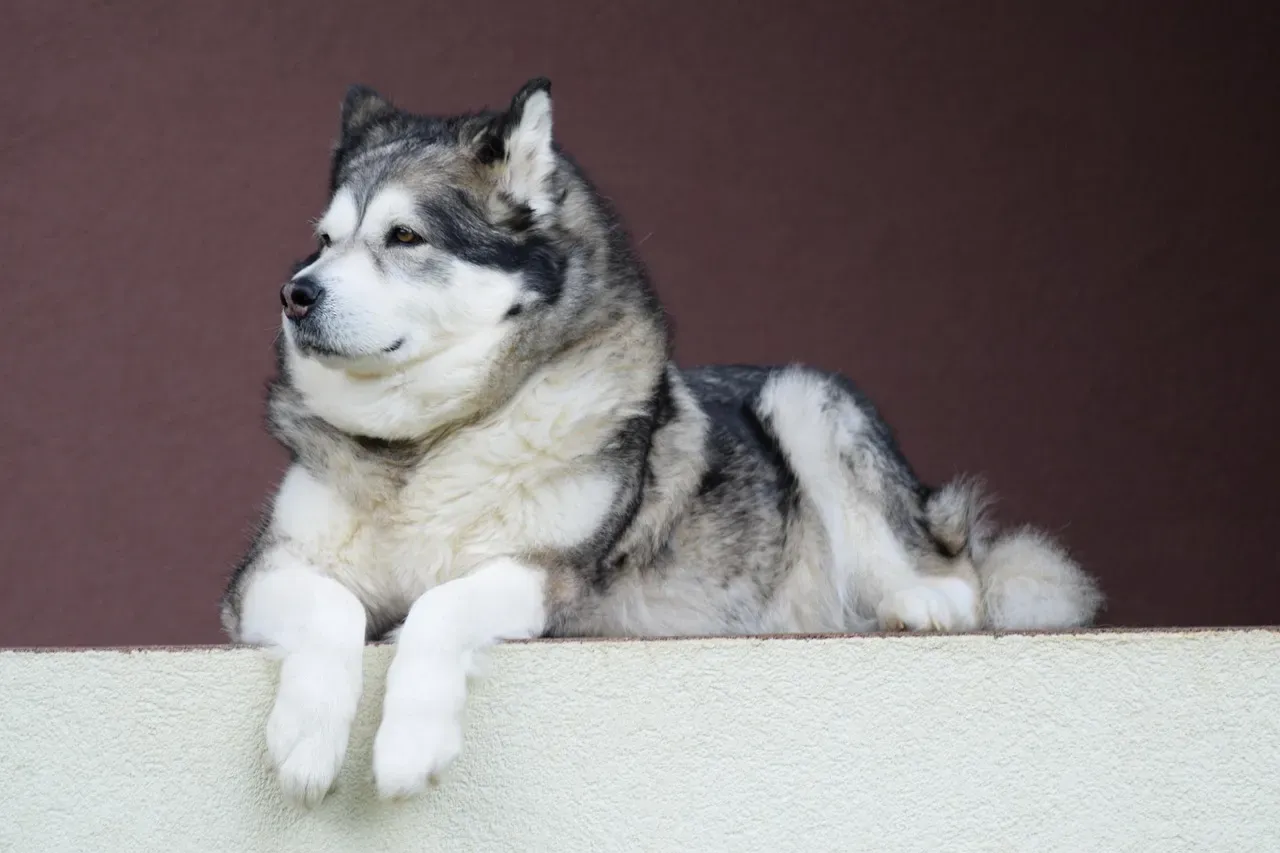
The Alaskan Malamute is a large breed originally bred for its strength and endurance to haul heavy freight as a sled dog. That heritage isn’t just history – it lives in every cell of their body. Alaskan Malamutes were bred to sustain a high energy level for extended amounts of time, and to make decisions independent of their owners. That independence is what makes them so breathtaking, and so challenging.
Strong and active, Alaskan Malamutes require a lot of exercise, so be prepared for long walks and off-leash play at fenced-in dog parks, because without enough opportunities to burn off their energy and appease their working instincts, they can become bored and destructive. A Malamute left alone with nothing to do is essentially a bolt waiting to happen. Keep that engine running with structured activity every single day.
4. Border Collie: Too Smart to Stay Still
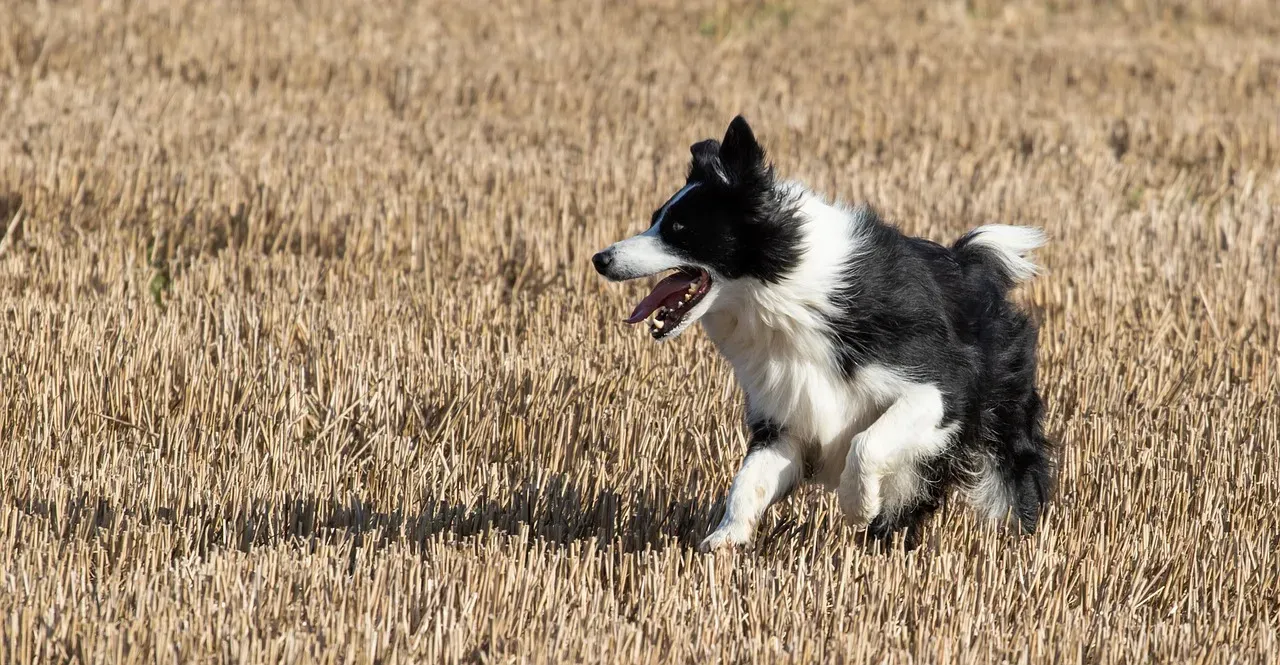
As one of the smartest dog breeds, Border Collies tend to get bored easily. If they aren’t given enough mental and physical stimulation, they’ll start looking for ways to entertain themselves. The problem is, their version of entertaining themselves often involves a quick trip around the neighborhood. Alone.
The Border Collie is recognized as one of the most intelligent breeds due to exceptional problem-solving abilities. However, their intelligence can also make them prone to escaping from their homes. These dogs are highly sensitive and may react negatively to harsh discipline, which can result in them running away. They are also capable of opening closed gates and sprinting for miles. Agility training, herding games, and puzzle feeders aren’t luxuries for Border Collies. They’re survival tools.
5. Jack Russell Terrier: Small Dog, Enormous Adventurous Spirit
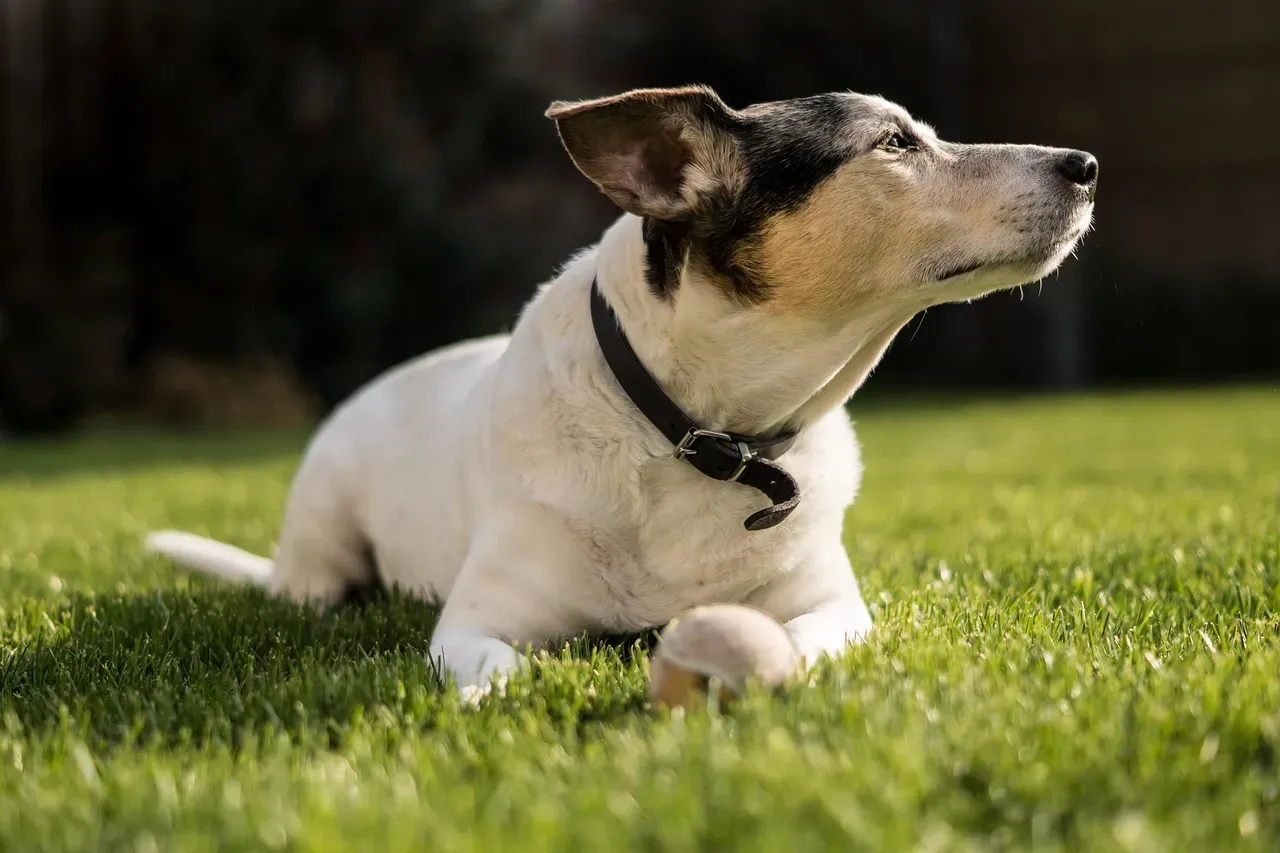
Jack Russell Terriers are small in size but boast immense energy and an adventurous spirit. Originally bred for fox hunting, their tenacity and boldness can often translate into a propensity to explore and, consequently, to stray. Don’t let the compact frame fool you – this is one of the most determined escape artists in the canine world.
High-energy, curious, and intelligent, these terriers are natural escape artists who jump, dig, or squeeze their way out in search of adventure or prey. I’ve seen Jack Russell owners describe their fence as less of a barrier and more of a suggestion. Reinforcing the base of your yard fence to prevent digging, and keeping these little rockets mentally busy, is absolutely essential every single day.
6. German Shepherd: Brilliance That Needs a Purpose
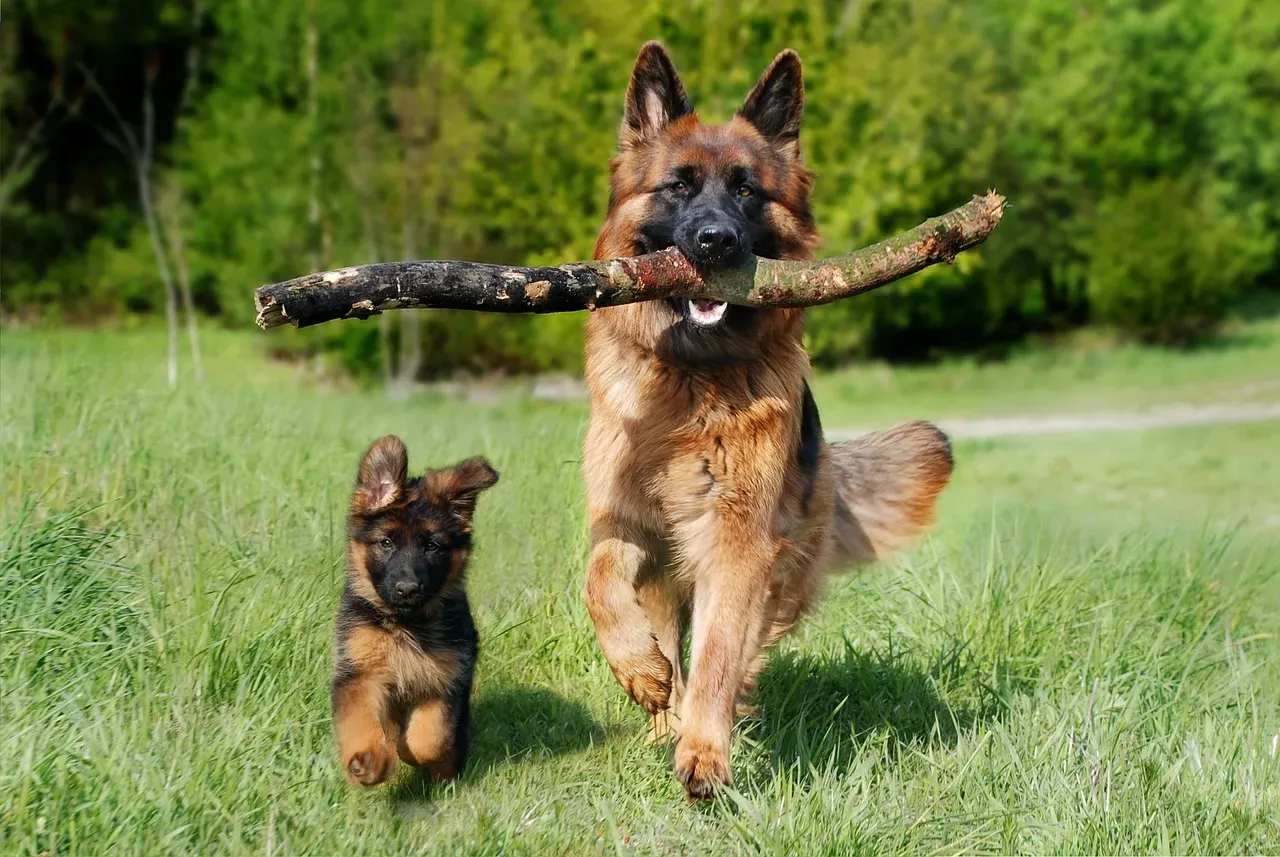
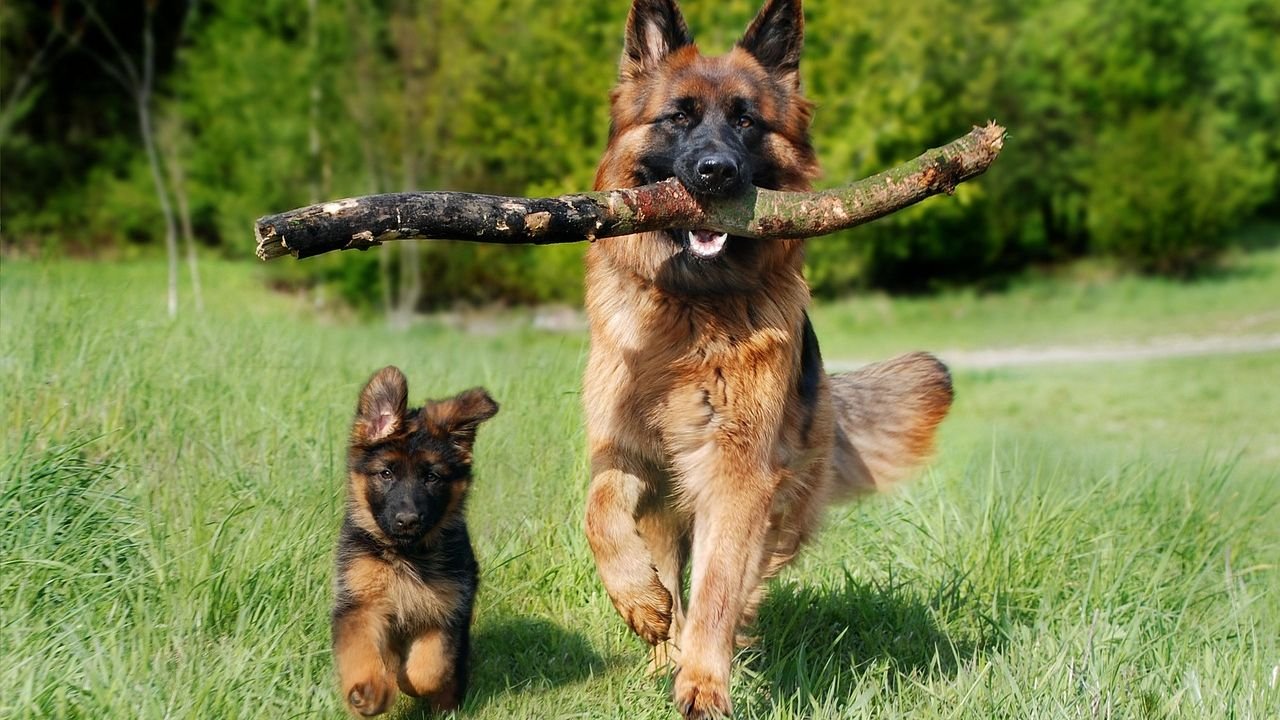
German Shepherds are highly intelligent and active dogs that require significant mental and physical stimulation. Their strong working instinct and curiosity can sometimes lead them to stray if they’re not given enough attention or if they find an escape route. While their loyalty is unwavering, boredom or the lure of an interesting scent can trigger their wanderlust. A bored German Shepherd is genuinely a problem-solving machine looking for a problem to solve.
With high energy and strong guarding instincts, German Shepherds can roam if their exercise and mental needs aren’t properly met. The behavior cue to watch for is restlessness paired with fence-checking. If your Shepherd starts patrolling the perimeter repeatedly, that is a clear signal they need more engagement, not more confinement. Daily training sessions are as important as physical walks for this breed.
7. Labrador Retriever: The Friendly Wanderer Next Door
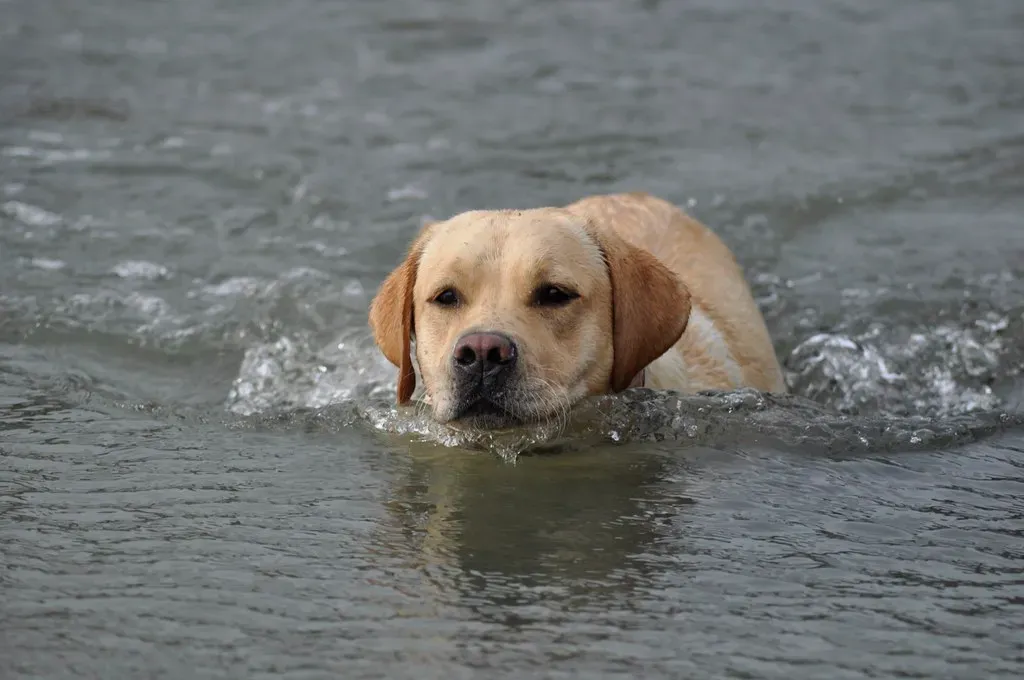
Most people don’t picture Labs as escape artists, and I totally get that. They seem so content and goofy and social. Labrador Retrievers are among the most popular breeds worldwide, known for their friendly nature and high energy levels. Their love for exploration and water can sometimes lead them to wander off in search of adventure or a nice swim. Labs are sociable animals who may also leave home seeking interaction with other dogs or people.
The Labrador Retriever might not be the first breed that comes to mind as an escape artist, but they are resourceful and clever. The loyalty of this breed doesn’t mean this behavior is all that common, but if they are bored or in search of food, they can easily open gates and push through barriers. Their wandering is rarely about distress – it’s about enthusiasm. Channel that enthusiasm into regular swimming, fetch, and social dog park visits before boredom sends them on a solo adventure.
8. Australian Shepherd: The Herder Who Needs a Flock
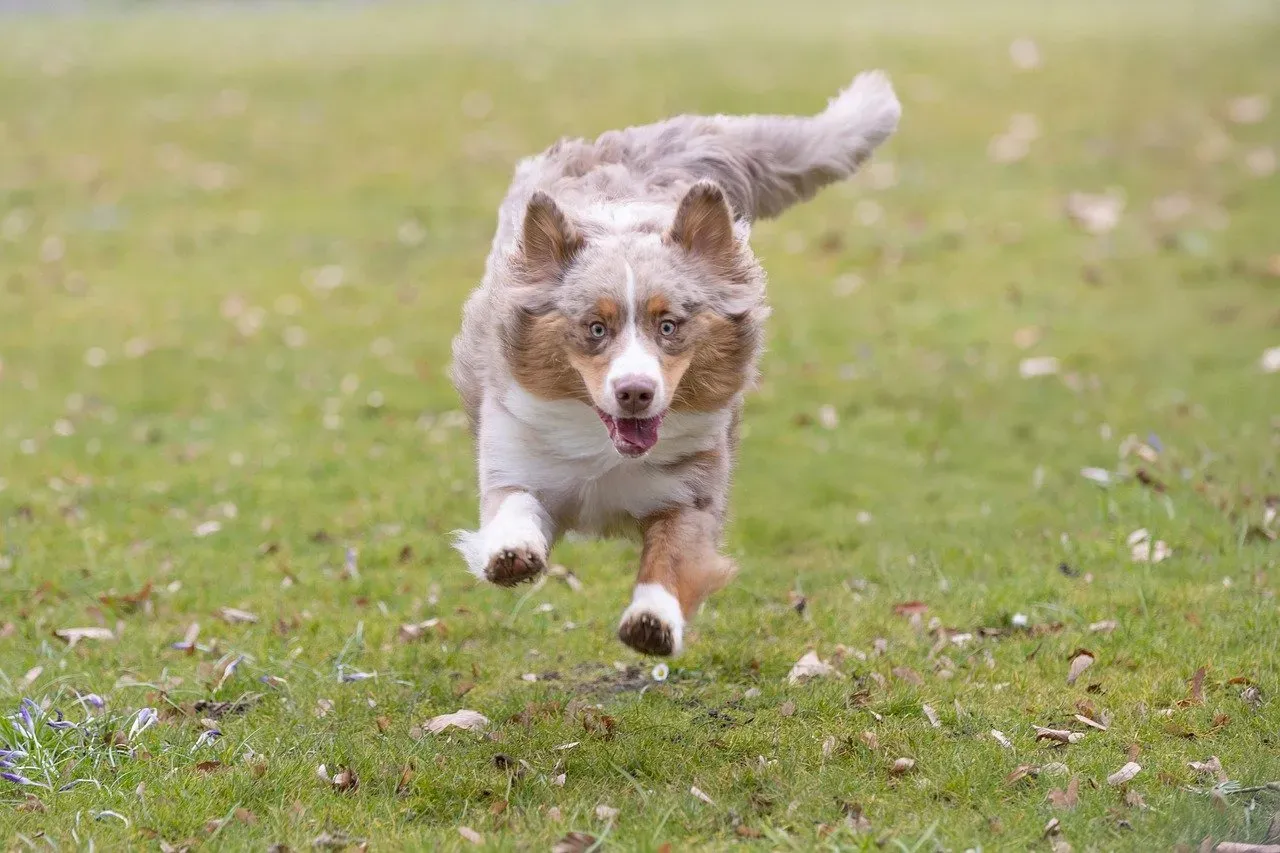
Australian Shepherds are natural herders with boundless energy. They need a job to do, and if they’re left without enough exercise or mental stimulation, they’ll create their own fun, sometimes by running away. They’re smart enough to figure out how to escape and fast enough to make catching them a challenge. Honestly, watching an Aussie zoom is magnificent until that zoom heads toward the open gate.
Other breeds with noted roaming tendencies include Coonhounds, Boxers, Dalmatians, Irish Setters, and Australian Shepherds. The key behavioral signal with Aussies is obsessive pacing or circling, which signals that their herding drive has nowhere healthy to go. Flyball, frisbee, agility, and even structured herding classes are all wonderful ways to keep your Aussie fulfilled and safely home.
9. Coonhound: Nose to the Ground, Miles From Home
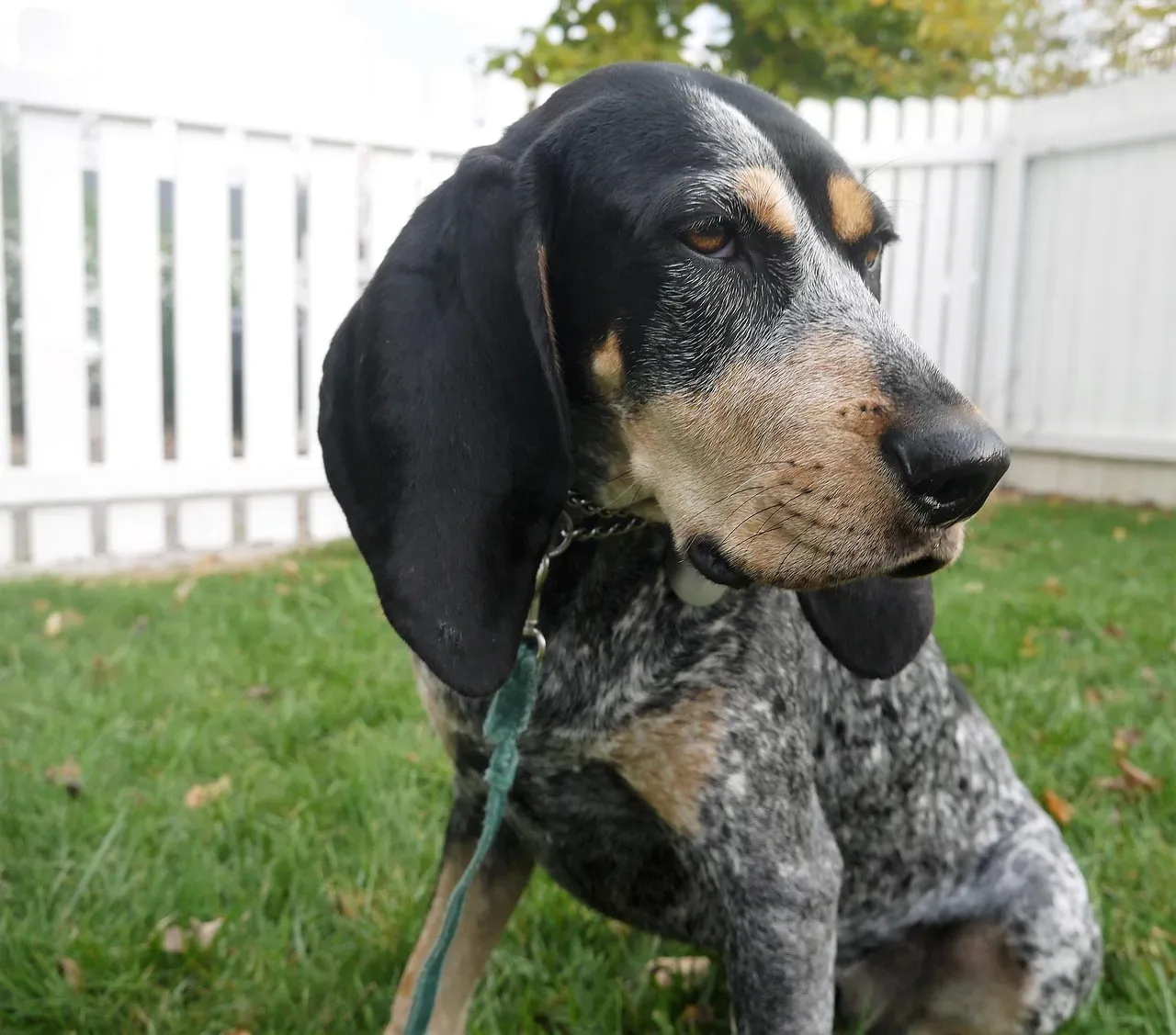
Coonhounds are a scent-driven breed with a strong hunting instinct. Once they catch a whiff of something interesting, they’ll follow it for miles, completely ignoring calls to come back. They have excellent endurance and a deep-rooted determination to track down prey, whether it’s real or imagined. Calling a Coonhound back mid-trail is a bit like trying to stop a river with your hand.
One of the prime reasons your Coonhound might run away is their high prey drive, with hunting instincts kicking in and driving them to chase down a raccoon, deer, squirrel, or some other woodland animal. A reliable recall command practiced consistently from puppyhood is non-negotiable. Microchipping and a GPS tracker are honestly a Coonhound owner’s best friends, because even the most trained nose dog can find an irresistible scent trail.
10. Dachshund: Tiny Tunneler With a Big Badger-Hunting Soul

Dachshunds, with their distinctive silhouette and bold personality, were originally bred to hunt badgers, giving them a strong prey drive and curiosity. This breed’s determination and fearlessness, combined with the lure of an interesting scent, can lead them to wander off in pursuit of an imagined quarry. Their small size can also make it easier for them to slip through small gaps in fencing.
Dachshunds are natural-born diggers. Originally bred to hunt burrowing animals like badgers, they love to tunnel under fences in search of adventure. Their long, low bodies make it easy for them to slip through small openings, and their curiosity keeps them exploring. The fix? Bury your fence base at least twelve inches underground, and fill your yard with digging-approved zones like a dedicated sandbox, so their tunneling instinct has a safe outlet right at home.
11. Boxer: The Playful Escape Artist With Boundless Enthusiasm
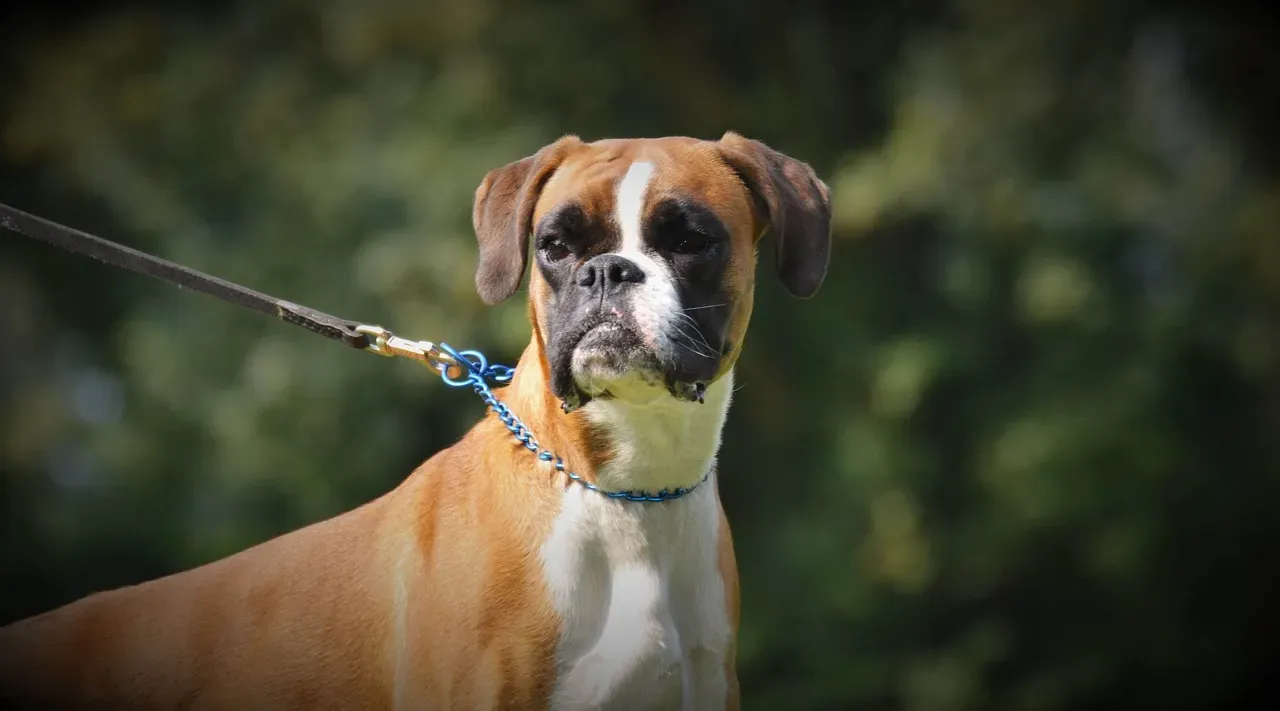
Playful and full of energy, the Boxer may seek to escape to expend more energy. This breed needs long walks and daily exercise. Think of a Boxer as a perpetual toddler who has discovered that the world outside the yard looks absolutely thrilling. Boxers are quite talented when it comes to finding ways to escape. They are capable of climbing over and digging holes under fences and even chewing and wriggling out of a crate.
The behavior cue to watch is that classic Boxer “zoomie” energy directed at the fence line. That is a clear signal your dog needs more structured outdoor time before they engineer their own solution. Two energetic play sessions daily, puzzle feeders, and a sturdy fence that extends underground will go a long way. Ensuring Boxers have a secure backyard to play in and receive ample daily exercise can help mitigate their wanderlust.
12. Cocker Spaniel: Sweet-Natured But Scent-Driven

You might not expect the soft-eyed, silky-eared Cocker Spaniel to make this list, but scent doesn’t care about appearances. With their gorgeous coats and friendly temperaments, Spaniels are affectionate and curious. Their curiosity, combined with their love of following scents, can lead them to wander off if they catch an interesting smell. One fascinating butterfly is all it takes sometimes.
Dogs seeking attention or curious about noises and activities beyond their yard may wander off to explore or meet people. This rings especially true for Spaniels, who are deeply social creatures. If a Spaniel hears laughter from a neighboring yard or catches the scent of another dog, they genuinely want to be part of the action. Regular socialization outings, scent enrichment activities at home, and a secure, stimulating yard environment will keep your Spaniel content and safe.
Keeping Your Explorer Safe: The Bigger Picture
Roaming is a complex behaviour influenced by breed traits, hormones, environment, and individual personality. Breeds historically bred for work, hunting, or covering large distances are most predisposed to seeking to escape and explore. Knowing this doesn’t mean accepting it. It means meeting your dog where they are, understanding what drives them, and creating an environment that satisfies their needs before those needs drive them over the fence.
Dogs with strong recall skills are less likely to roam, regardless of breed. The more emotionally attached your dog feels to you, the less likely they’ll wander. High-energy dogs need more stimulation, and without it, curiosity takes over. The practical toolkit for any roaming-prone breed includes secure reinforced fencing, a reliable GPS collar, consistent recall training, daily enrichment activities, and plenty of quality time with you.
Responsible pet owners should recognise these tendencies and meet their dog’s physical and mental needs with quality exercise, secure environments, and positive training. Neutering and using technology like GPS trackers further support reducing roaming risks. Above all, remember that a dog who roams is not a bad dog. They are simply a dog whose magnificent instincts need a worthy outlet.
Owning one of these twelve breeds is equal parts challenge and privilege. Their spirit, their drive, their refusal to be truly contained – those are the very qualities that make them unforgettable. The adventure is loving them well enough to keep them safe. Does your dog make this list? Share your story in the comments – we’d love to hear how you channel your explorer’s wild heart.


