
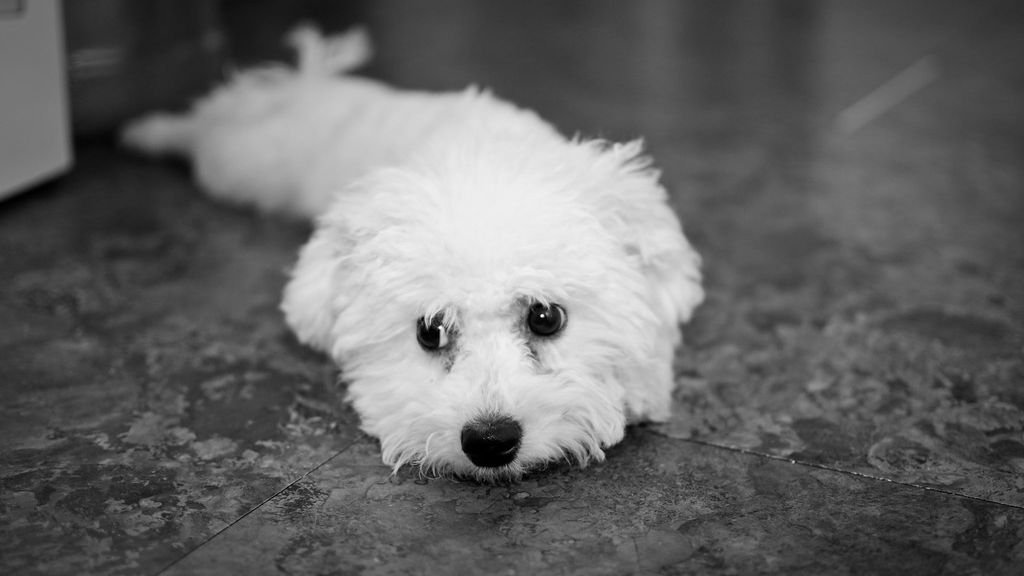
If you’ve ever come home to a shredded couch cushion or received a complaint from a neighbor about relentless howling, you probably know all too well what separation anxiety looks like. It’s heartbreaking, really. Your dog isn’t being spiteful or naughty. They’re genuinely distressed when you leave them alone, and for some breeds, this emotional turmoil runs deep.
Separation anxiety isn’t just about missing you. It’s a full panic response, and certain breeds are wired to struggle more than others. Whether it’s their history as working dogs bred to stick by their owner’s side all day, their deeply sensitive nature, or their intense need for companionship, these pups feel your absence like a physical ache. Let’s be real, it’s tough on both ends. You feel guilty walking out the door, and they’re left in a state of distress.
The good news? Understanding which breeds are prone to this can help you prepare, train proactively, and create an environment where your dog feels secure even when you’re not around. So let’s dive into the 12 breeds that struggle the most when left alone.
1. Labrador Retriever

Labs were bred to be around people and work with them all day long, which makes them naturally social and friendly helpers. When you think about their origins as fishermen’s companions, it makes perfect sense. They thrive on human interaction and genuinely love being part of every moment of your day.
A Lab showing genuine separation anxiety will begin showing signs of distress even before you leave, with panting and drooling starting as soon as you grab your coat or car keys. The distress may manifest through destructive behavior, soiling, and a lot of noise. Some Labs become so worked up they won’t even touch the food or toys you leave behind to comfort them.
Because they are so social, they can struggle if left alone for long periods of time. Honestly, these dogs want nothing more than to be by your side, whether you’re cooking dinner or binge-watching your favorite show. Their loyalty is unmatched, but it comes with a price when they’re left behind.
2. German Shepherd
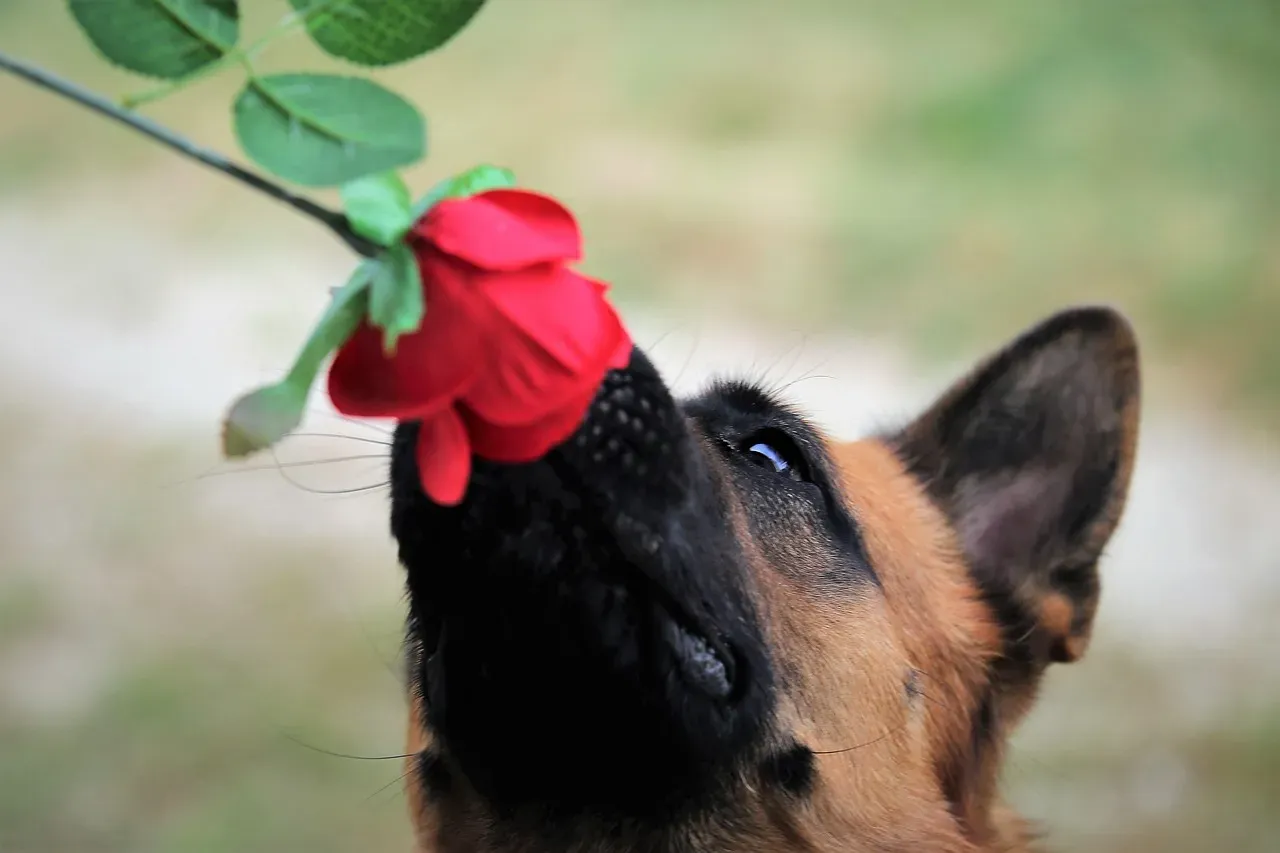
German Shepherds are sometimes called “velcro dogs” because they love to stick to their owners everywhere they go. The breed was originally bred as a herding dog, spending all day and night with their owners. That deep-rooted bond means they expect constant companionship.
German Shepherds are one of the most common breeds known to suffer from separation anxiety, with symptoms including heavy panting, whining, barking, slobbering, destruction of property, and soiling indoors. These dogs are extremely loyal and protective of their owners, which makes them vulnerable to separation anxiety. Their protective instincts mean they genuinely feel it’s their job to watch over you, so being separated feels like failing their mission.
German Shepherds can be more prone to the problem than some other breeds since they are herding dogs who are affectionate and protective, making it impossible to watch over their family when their humans are not home, and they are also very smart pack animals that can easily get bored. It’s hard to say for sure, but their intelligence might actually work against them here, as they’re acutely aware of your absence.
3. Border Collie
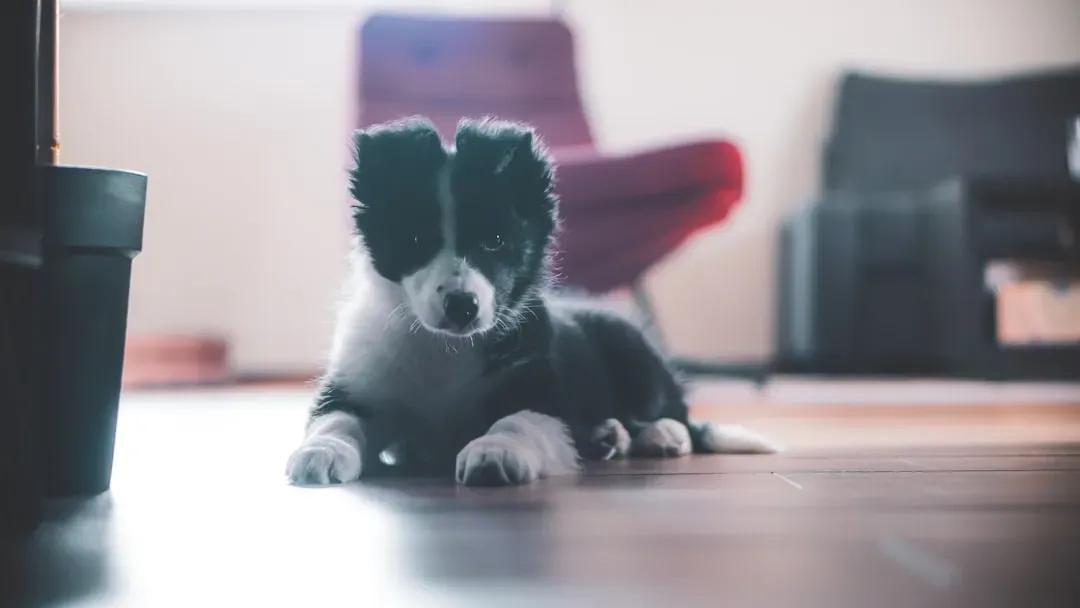
The Border Collie is one of the most active breeds of dog, bred to be out and about with their master herding sheep, and their high energy levels and intelligence mean they need a huge amount of stimulation and regular lack of company will lead to separation anxiety very quickly. These dogs were literally designed to work alongside humans from sunrise to sunset.
Border Collies are especially prone to feeling anxious, as they are a notoriously active, energetic breed that need to stay busy during the day and can get bored easily from understimulation, which can trigger anxiety. When their brilliant minds aren’t occupied, they turn their focus to worry. It’s a vicious cycle.
Border Collies get bored easily, and if they’re left to sit at home alone all day long every day while their family members are at school and work, they will get bored even if they have toys, and when boredom becomes a common experience, behavioral changes can occur, seen in some dogs as separation anxiety. Think of them as the canine version of a workaholic who doesn’t know how to relax when there’s nothing to do.
4. Vizsla

The Vizsla is often described as the “Velcro Vizsla,” a trait resulting from their hunting background as pointers and retrievers who stuck to the side of their owner. Vizslas are hunting dogs bred to hunt with their humans, and they are social and do poorly when left alone with nothing to do.
A common downside of the Velcro trait is a tendency toward separation anxiety, as Vizslas can become highly anxious when left alone for long periods, leading to destructive behaviors like chewing, barking, or digging. If your dog barks, howls or whines relentlessly when left alone, or destroys clothes, furniture or shoes, your Vizsla likely has separation anxiety.
This breed needs humans to be close and if you’re not around much, can develop separation anxiety, as they’re not an independent breed that will be fine without you. I know it sounds crazy, but they’ll literally follow you into the bathroom and stare at you through the shower door.
5. Cavalier King Charles Spaniel
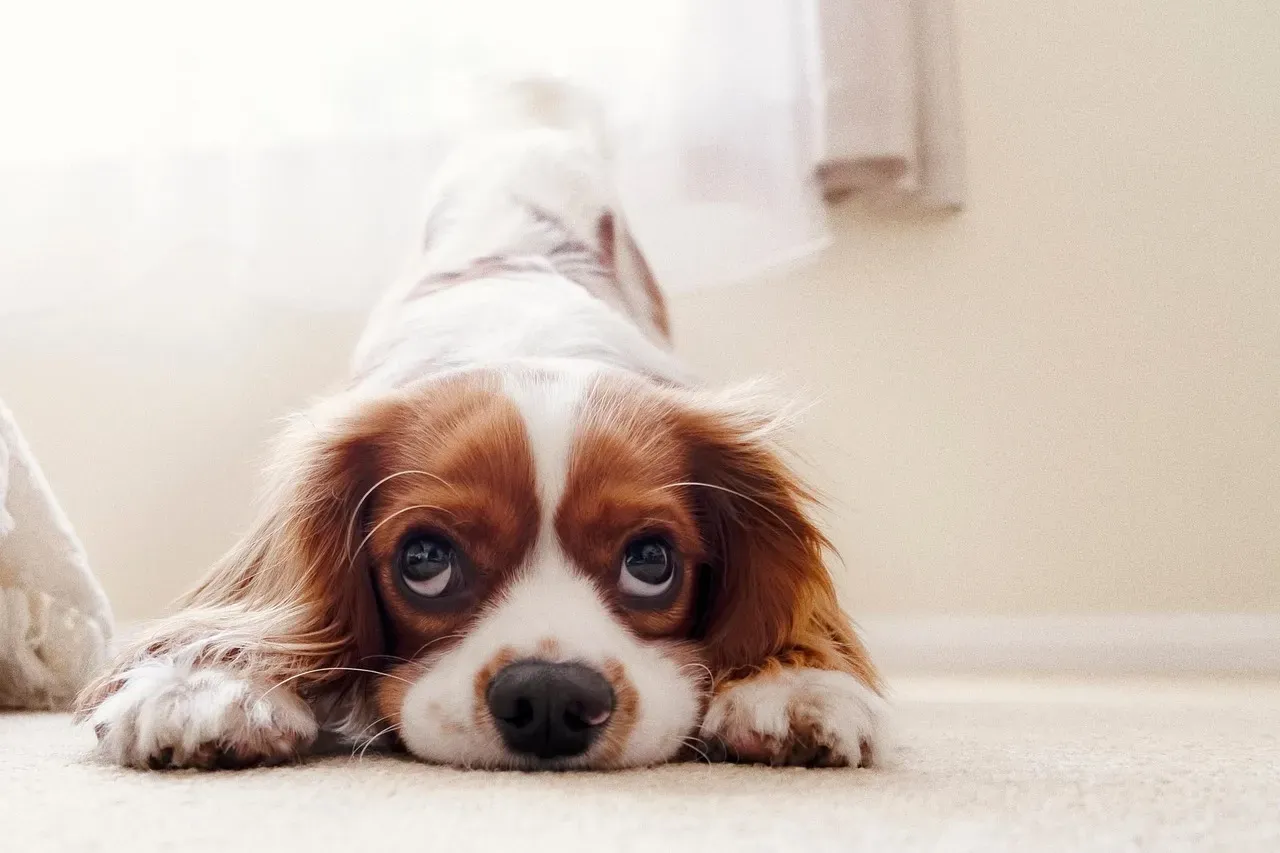
Cavalier King Charles Spaniels are companion dogs bred to enjoy spending lots of time with their human parents, and when left alone for longer periods they may suffer anxiety. Their entire purpose in life is to be a lap dog, pure and simple.
This breed also tends to be slightly more anxious in general and can develop barking and other problematic habits. These sweet, gentle dogs were never meant to be independent, and expecting them to be okay alone for hours is like asking a fish to climb a tree.
Their soft, soulful eyes aren’t just for show. They genuinely feel every emotion deeply, and that includes the fear and sadness of being left behind. Here’s the thing: they’re so attuned to your presence that even small changes in your routine can throw them off balance.
6. Bichon Frise
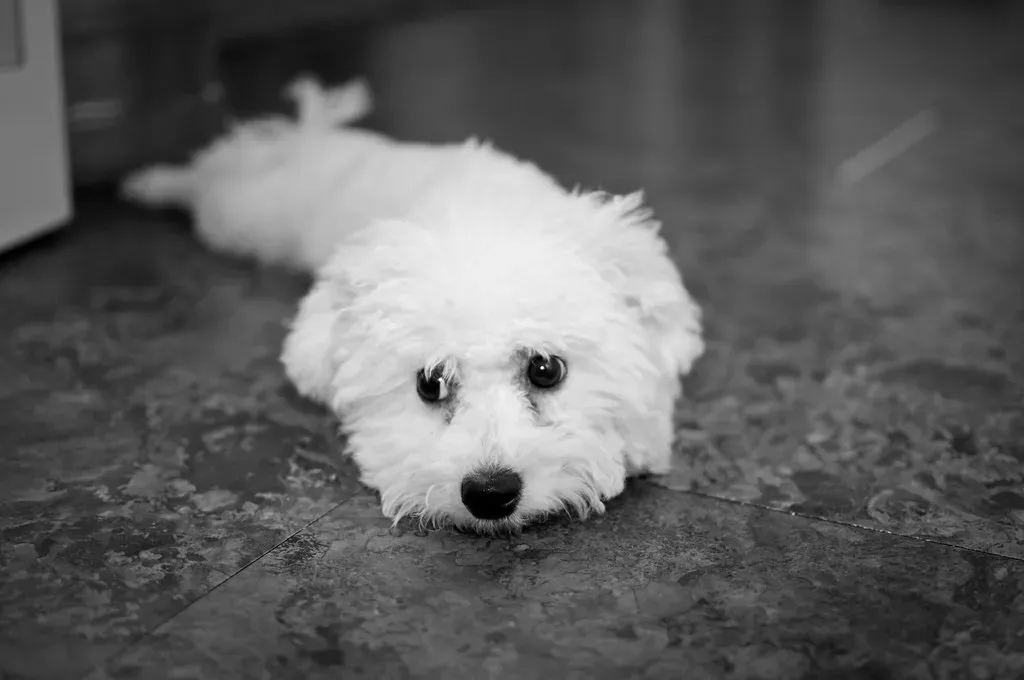
The Bichon Frise has been bred to be the perfect lap dog, which means that it can feel anxious and abandoned if it doesn’t have a lap to curl up on at all times, making separation anxiety a very real problem with this adorably fluffy breed. Their breeding history tells you everything you need to know about their temperament.
Bred as a companion dog, this dog really does best when around their human family, and left alone, they can become bored and can suffer severe distress due to loneliness. It’s not that they’re dramatic. They’re genuinely programmed to need constant contact.
The Bichon Frise is a dog breed known for being prone to separation anxiety, which means they may wreak havoc when left alone, and they are often very attached to their owners and may become agitated if left alone for too long. That fluffy white coat hides a surprisingly fragile emotional core.
7. Australian Shepherd
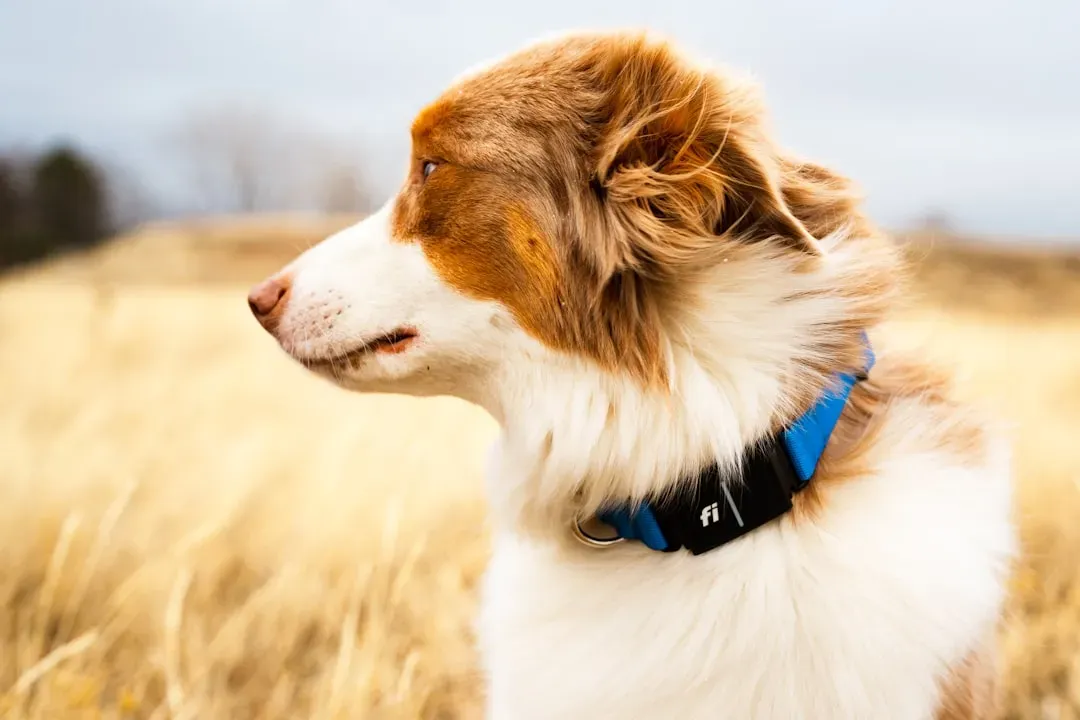
Australian Shepherds are another active working breed, and a lack of activity and company tends to make them bored and anxious. Despite their name, they were actually bred in the United States. This breed has been bred for herding and is a very active dog which does best when at work, needing to stay active and may suffer anxiety when there’s nothing to do.
These dogs are happiest when they have a job to do, whether that’s herding livestock or participating in agility training. Without that sense of purpose, they become restless and anxious. Their minds are constantly racing, always looking for the next task.
Let’s be real, an Australian Shepherd left alone all day with nothing to do is a recipe for disaster. They’ll find something to occupy themselves, and you might not like what they choose. Keeping them mentally stimulated is absolutely crucial.
8. Toy Poodle
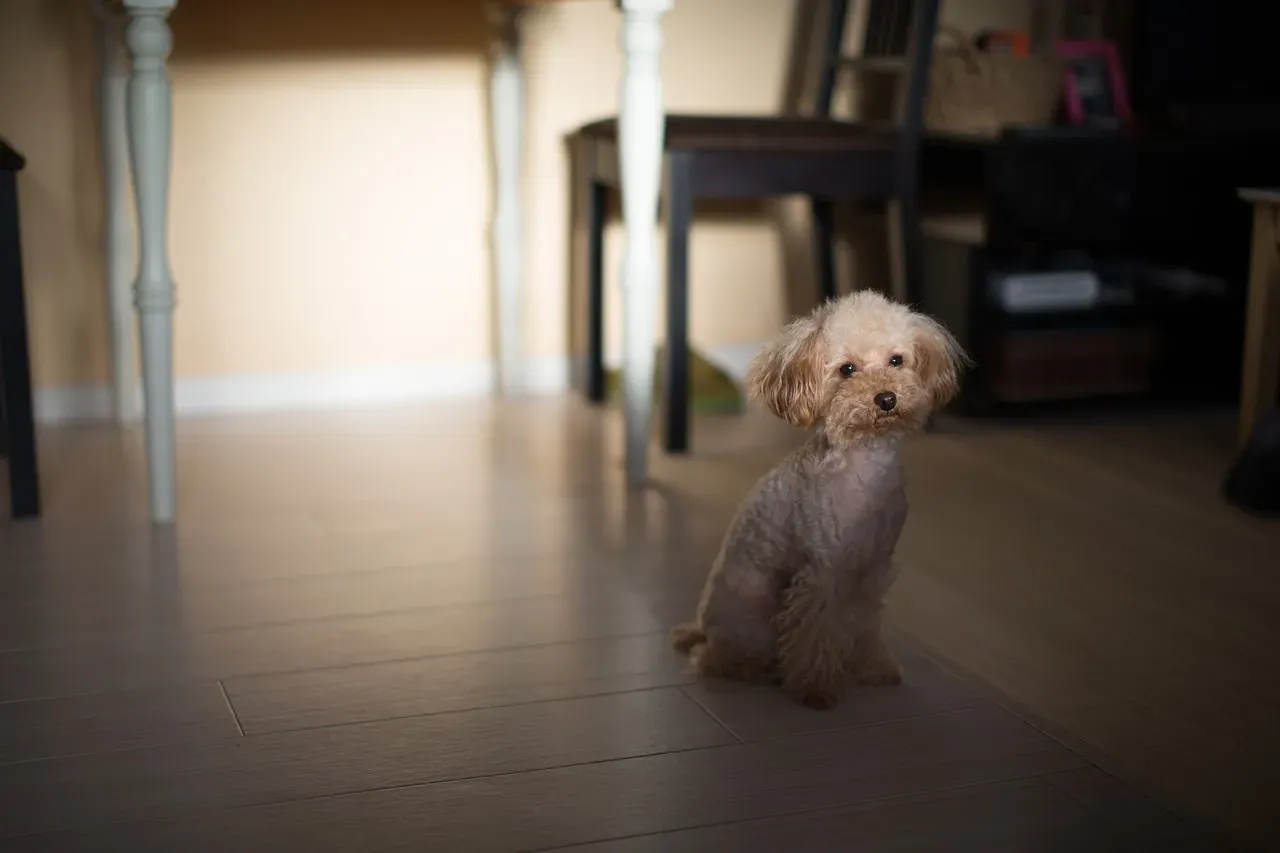
Many dog breeds can suffer from separation anxiety, but the Toy Poodle is one of the most prone to this problem, as this breed is highly social and does not do well when left alone for long periods. When left alone, they may bark excessively, destroy furniture, or have accidents indoors.
Poodles are known to be an affectionate dog breed, and this type of poodle has been bred as a companion dog, requiring an abundance of human interaction, and Toy Poodles tend to be one of the more clingy dog breeds. Their small size makes them seem delicate, and in many ways, their emotions are equally fragile.
Despite their intelligence, that big brain can work against them when they’re left alone. They overthink, they worry, and they act out. Roughly half of all small companion breeds struggle with separation anxiety to some degree.
9. Jack Russell Terrier
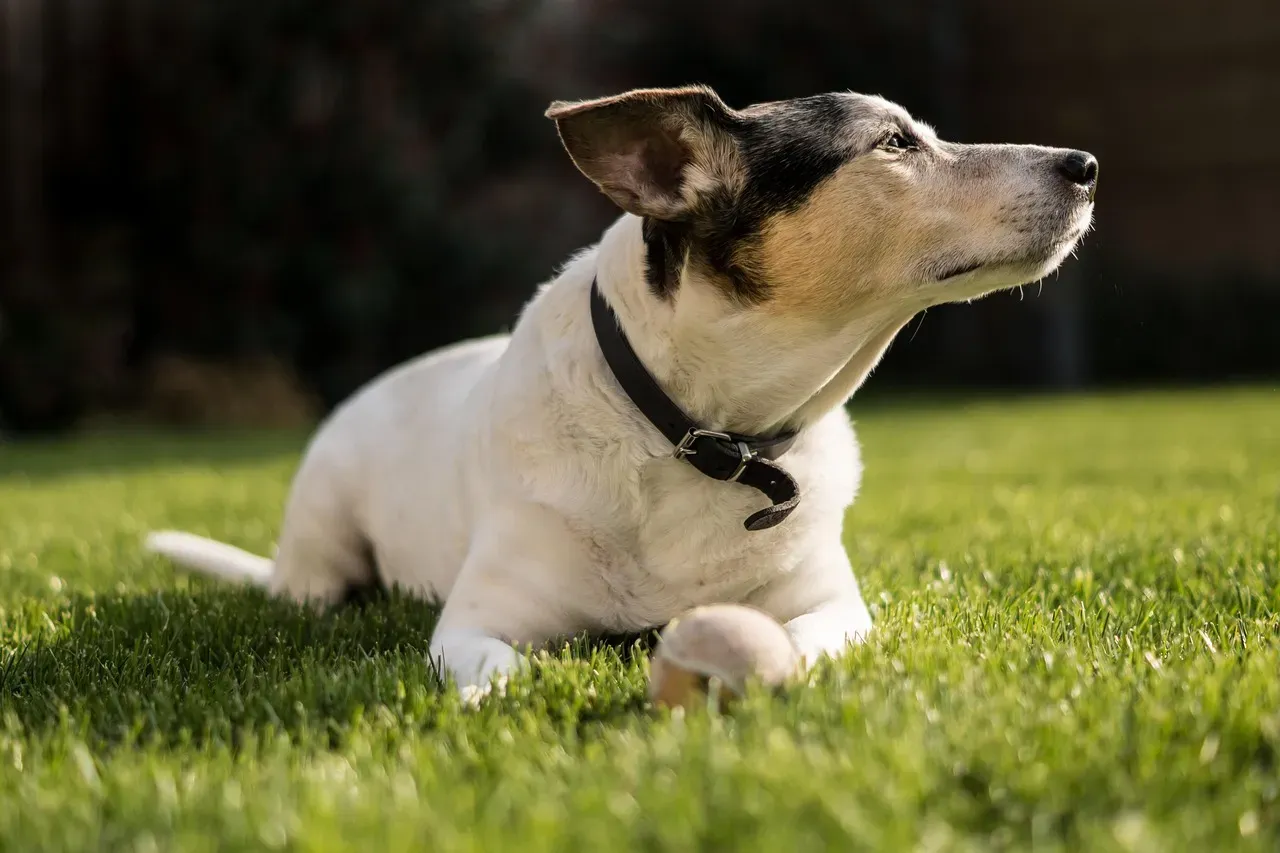
The Jack Russell Terrier is one of the dog breeds that suffer from separation anxiety, known for its high energy and intelligence, making it difficult for them to be left alone. They may become destructive or even aggressive when left alone, making them difficult dogs to live with.
These little firecrackers were bred to hunt, which means they have energy for days and a stubborn streak a mile wide. When you combine that intense drive with being left alone, it’s not a pretty picture. They’ll channel all that energy into finding creative ways to express their displeasure.
Honestly, a bored Jack Russell is a menace. They’re too smart for their own good sometimes, and they know exactly how to get your attention, even if it means tearing up your favorite shoes or barking until the neighbors complain.
10. Shih Tzu
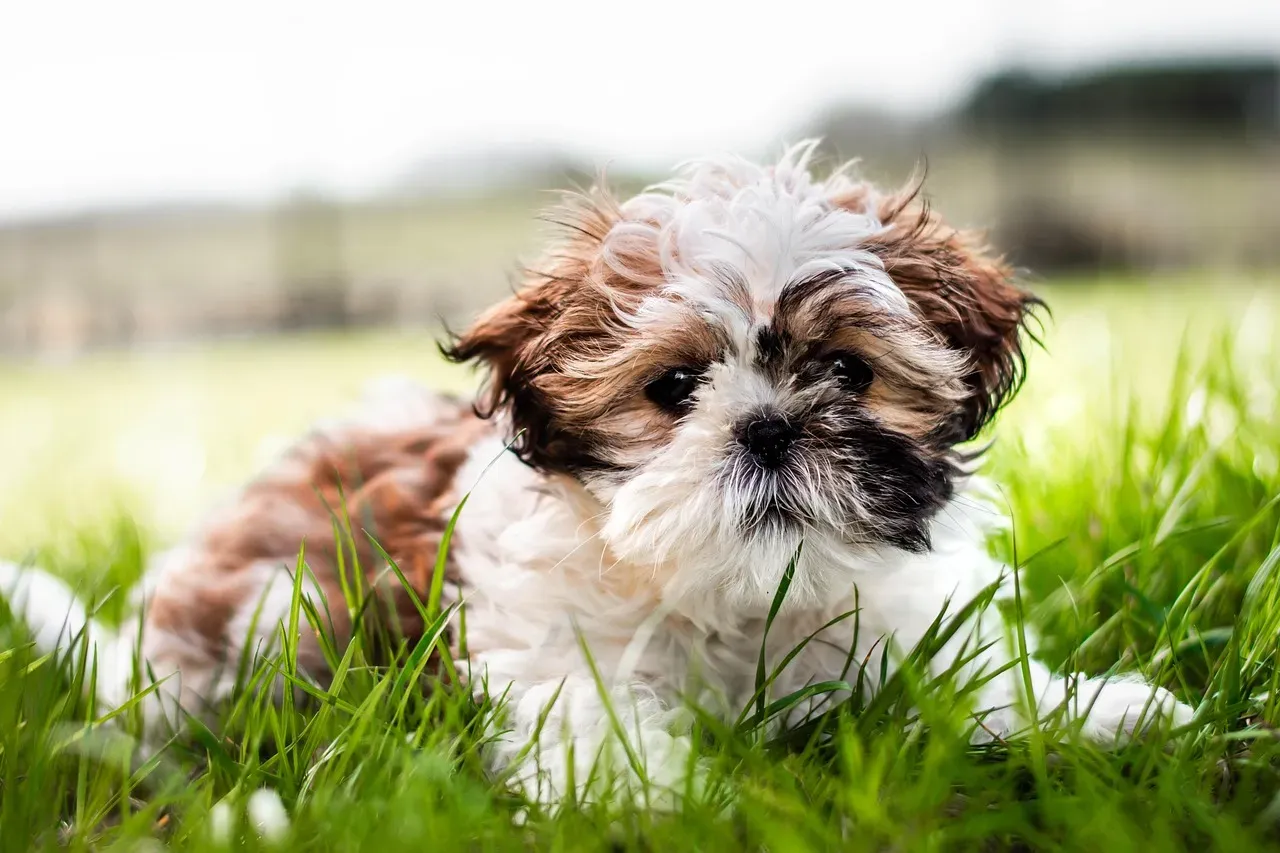
Shih Tzus are companion dogs that thrive on being close to their humans, making them more susceptible to hyper-attachment and separation anxiety, especially if they are suddenly left alone for long periods. Their name literally translates to “little lion,” but these pups are far from fierce when it comes to being alone.
Smaller companion breeds are generally more prone to anxiety and having issues being left alone or separated from their favorite person. Shih Tzus were bred as palace companions in ancient China, literally raised to sit on laps all day. That’s their DNA.
When you leave a Shih Tzu alone, you’re essentially asking them to go against centuries of breeding. They don’t understand why you’re abandoning them, and that confusion quickly turns to panic. It’s heartbreaking to watch.
11. Dachshund
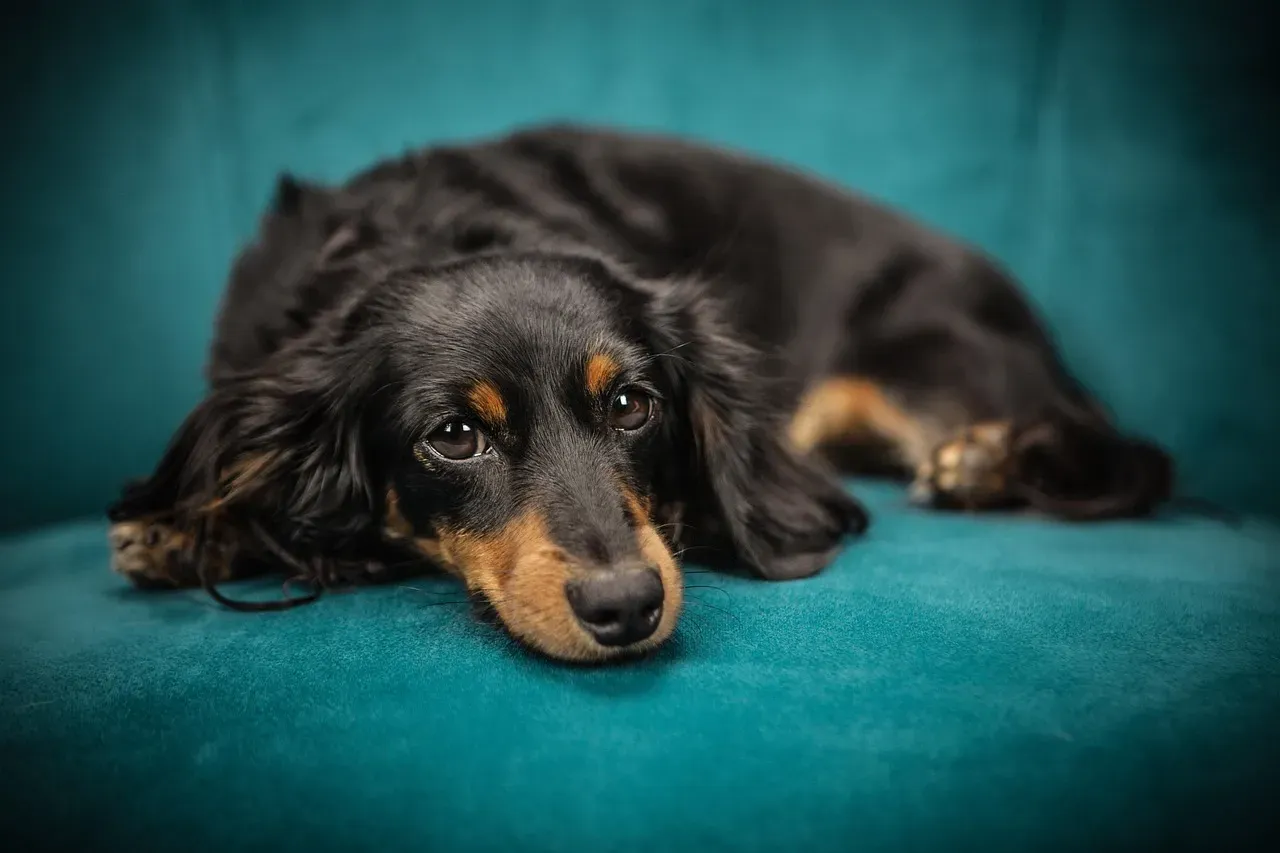
The adorable sausage-shaped Dachshund seems to have retained more of its pack mentality than other dog breeds, meaning that when you and your family, their pack, leaves the house for hours at a time they can be lonely or fearful. These pups do better in pairs and have been known to prefer sharing their home with other Dachshunds the best.
According to research from Nato Pet Insurance, Dachshunds, Cockapoos and Toy Poodles are the top three dog breeds predisposed to separation anxiety, and due to their rise in popularity during the pandemic, these breeds never learned to be alone. The pandemic puppies really did suffer from never learning independence.
Their elongated bodies might look comical, but their emotional needs are no joke. These dogs were originally bred to hunt badgers underground, working closely with their handlers. That partnership mentality is still very much alive in modern Dachshunds.
12. Beagle
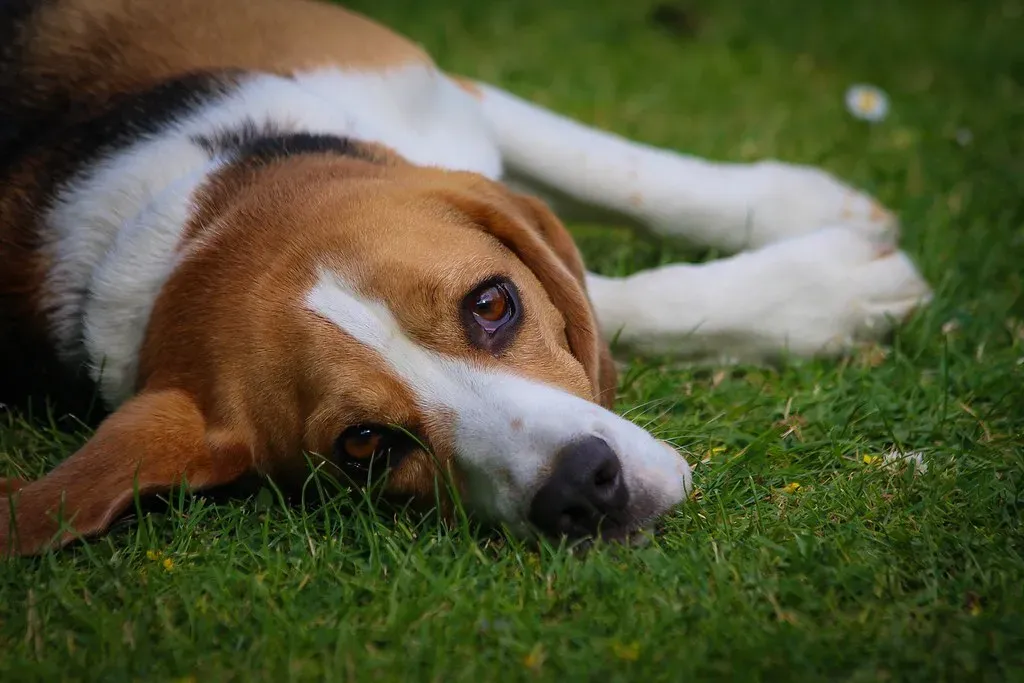
Beagles are hunting dogs with a strong pack instinct and they’re simply not built for being alone, as this specific breed is both active when young, very driven by scent, and prone to loneliness. Beagles are another pack-happy dog breed that does not do well at home, and being separated from their owners can cause excessive barking, destructive behavior and bathroom accidents.
Their howl is legendary, and neighbors will definitely let you know if your Beagle is struggling with separation anxiety. That mournful bay can carry for blocks. It’s their way of calling the pack back together, and they’ll keep at it until someone answers.
Beagles have a strong pack instinct, which means they genuinely feel lost without their family around them. Their scent-driven nature also means they’re constantly stimulated by the world around them, and without proper outlets, that energy turns into anxiety. What do you think about it? Have you experienced separation anxiety with your dog? Share your story in the comments.


