

As a dog lover, you’ve probably heard all sorts of advice about caring for your furry companion. Some comes from well-meaning friends, others from online forums, and many have been passed down through generations of dog owners. But here’s the thing – not all of this guidance is actually helpful, and some of it could even put your beloved pup at risk.
The relationship between you and your dog is built on trust, love, and the desire to give them the best life possible. That’s why it matters so much to separate fact from fiction when it comes to their care. These myths aren’t just harmless misconceptions – they can lead to missed health problems, behavioral issues, or even serious medical emergencies. Let me walk you through some of the most persistent myths that might be affecting how you care for your four-legged family member.
The “Wet Nose Equals Healthy Dog” Fallacy

You’ve probably checked your dog’s nose countless times, feeling reassured when it’s cold and wet, or panicking when it feels warm and dry. This myth runs so deep that many dog parents use nose temperature as their first health indicator.
A dog’s nose can be wet or dry depending on various factors, such as the weather or the time of day. A dry nose does not automatically mean a dog is sick. Other signs, such as lethargy, loss of appetite, or changes in behavior, are more reliable indicators of illness. Your pup’s nose might be dry after a nap in the sunshine or during winter months when indoor heating dries the air.
Dogs Have Cleaner Mouths Than Humans

This myth probably started because people noticed dogs licking their wounds, leading to the assumption that their saliva must have healing properties. Unfortunately, this couldn’t be further from the truth.
Dog’s mouths are no cleaner than the average human’s mouth. This is because both human and dog mouths have millions of bacteria and microbes. Studies have found that both humans and dogs harbor hundreds of different types of bacteria in their mouths. When you consider that dogs explore the world with their mouths, eat things off the ground, and sometimes consume their own waste, it becomes clear why proper dental hygiene is so important for your furry friend.
Letting Dogs Lick Their Wounds Helps Healing
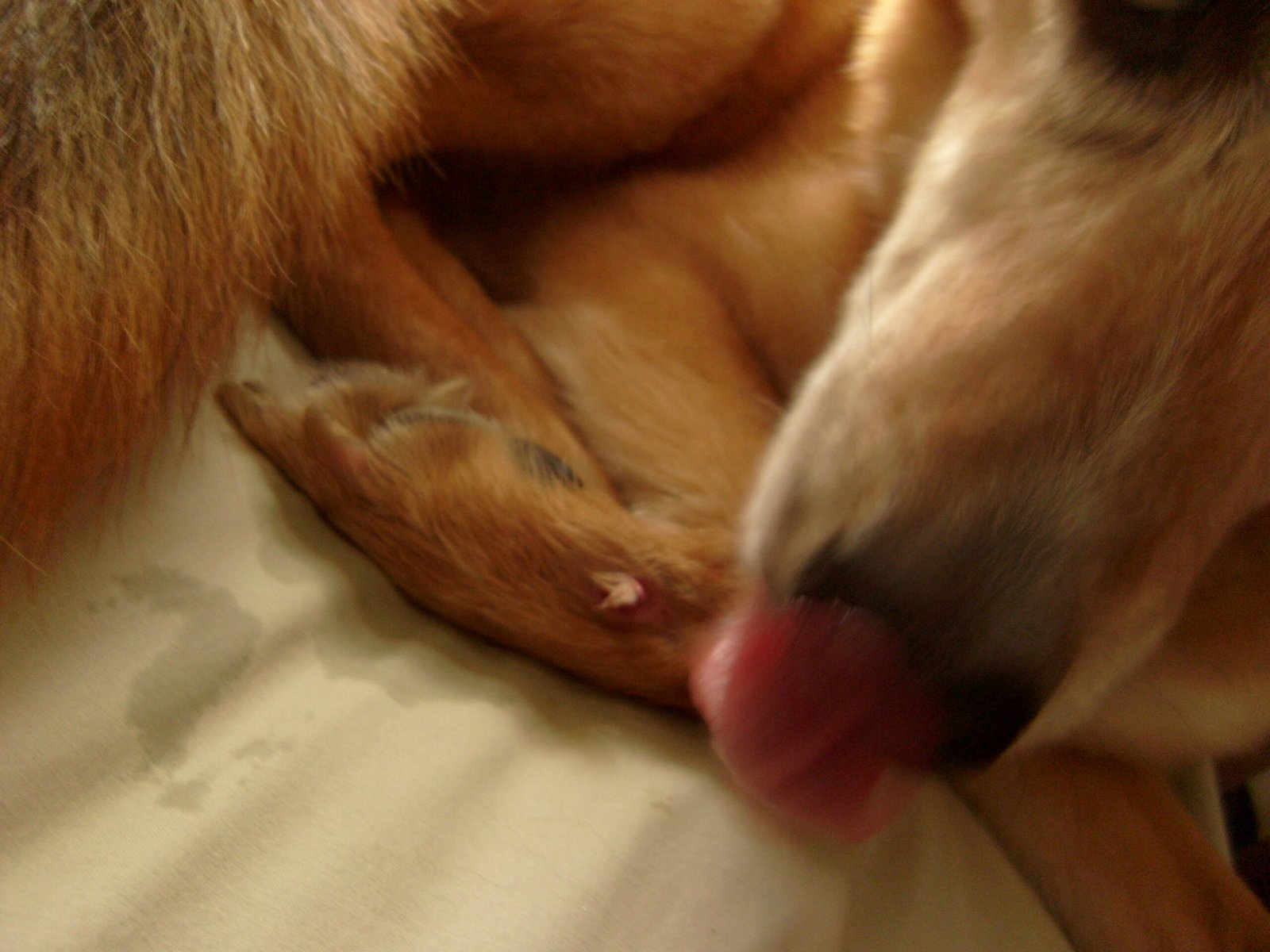
The image of a dog instinctively caring for an injury by licking it seems so natural that many owners don’t interfere. This hands-off approach can actually make things much worse.
When pets lick their wounds, they deposit all of the bacteria living in their mouth directly into the sore, setting the stage for infection. Plus, the rough barbs on the tongue inflame and irritate the tissue around the wound, making the sore more painful. And, of course, because it hurts, the animal licks more – and a vicious cycle ensues. Instead of allowing this natural behavior, protect wounds with proper bandaging and use an E-collar when necessary.
Dogs Eat Grass Only When They’re Sick

Almost every dog owner has watched their pup munch on grass and immediately wondered if something was wrong. This worry often leads to unnecessary vet visits and anxiety about your dog’s health.
Studies of pet owners have found that most dogs show no signs of sickness before consuming grass and only a minority of dogs that eat grass vomit afterward, indicating that this is not a reliable way for a dog to make themselves vomit. Most dogs simply enjoy the taste and texture of grass, or they’re responding to natural foraging instincts. However, discourage grass eating in unfamiliar areas where chemical treatments or parasites might be present.
All Human Food is Dangerous for Dogs
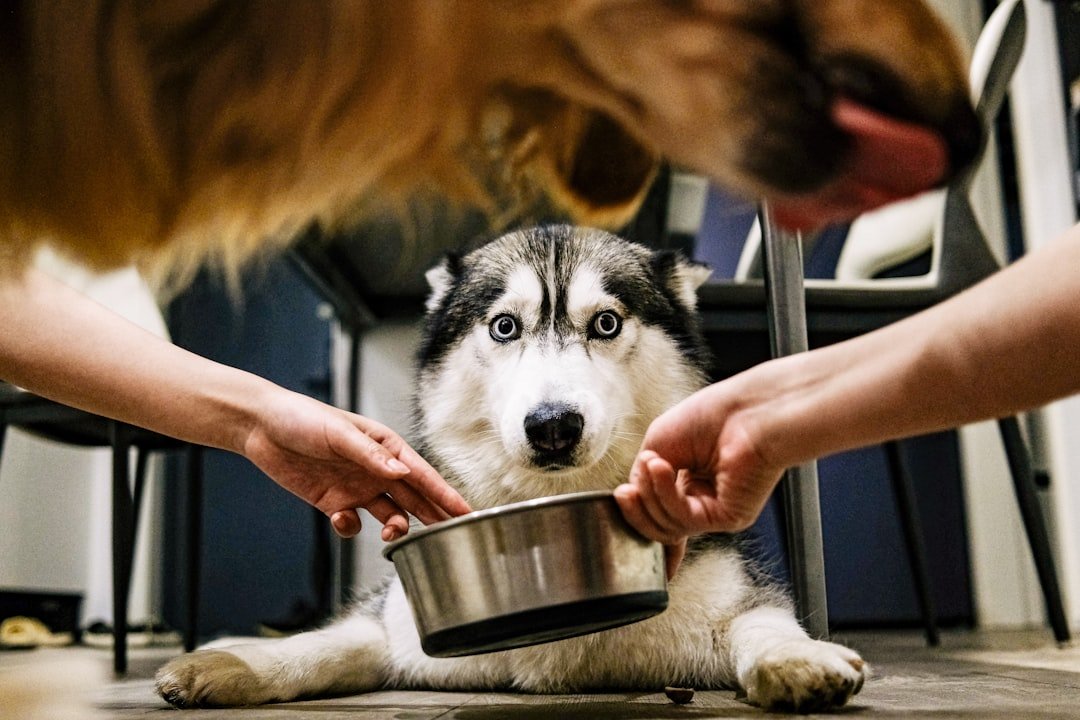
While it’s true that many human foods are toxic to dogs, the blanket statement that all human food is off-limits creates unnecessary fear and confusion for dog owners who want to share healthy treats with their pets.
Foods like chocolate, grapes, onions, garlic, and certain artificial sweeteners are toxic to dogs and can cause reactions ranging from vomiting and diarrhea to kidney failure. However, some human foods like plain cooked chicken, carrots, or apple slices can be healthy occasional treats. The key is knowing which foods are safe and offering them in moderation as part of a balanced diet.
Dogs Only Wag Their Tails When Happy

This misconception can lead to dangerous situations where people misread a dog’s emotional state and approach when they shouldn’t. A wagging tail doesn’t automatically mean a friendly dog.
Many dogs wag their tails when happy, but don’t assume that a waving fur flag always indicates joy. Dogs will wag their tail to convey a range of emotions, including happiness, feeling threatened, anxiety, submission, and excitement. An anxious or fearful dog may hold their tail low and wag in a small, fast arc. Learning to read the whole picture – including body posture, ear position, and facial expression – gives you a much better understanding of your dog’s emotional state.
The “One Dog Year Equals Seven Human Years” Rule

This simplistic calculation has been around for decades, but it doesn’t account for the significant differences in how dogs age based on their size and breed. Using this rule can lead to inappropriate care decisions.
Many believe the myth that one human year equals seven dog years, but that’s not quite accurate. Among common dog myths, this one overlooks how factors like breed size impact aging rates; larger breeds age more quickly than smaller ones. Dogs also mature rapidly in their first few years. By age two, most dogs have reached adult maturity equivalent to a young adult human, with aging slowing down slightly afterward to about four dog years per human year.
Short-Haired Dogs Don’t Need Grooming

Many people assume that grooming is only necessary for dogs with long, flowing coats. This myth leads to neglected care routines that can impact your dog’s health and comfort.
The reality is that whether you choose to see a professional or groom your dog at home, every dog requires grooming to maintain good health. All dogs need routine care, like bathing, ear cleaning, nail clipping and teeth brushing, to stay clean, comfortable and healthy. For example, long nails aren’t just unattractive or noisy – they can affect your dog’s overall health and comfort. Regular grooming sessions also give you the opportunity to check for lumps, bumps, or skin issues that might need veterinary attention.
You Can’t Teach an Old Dog New Tricks
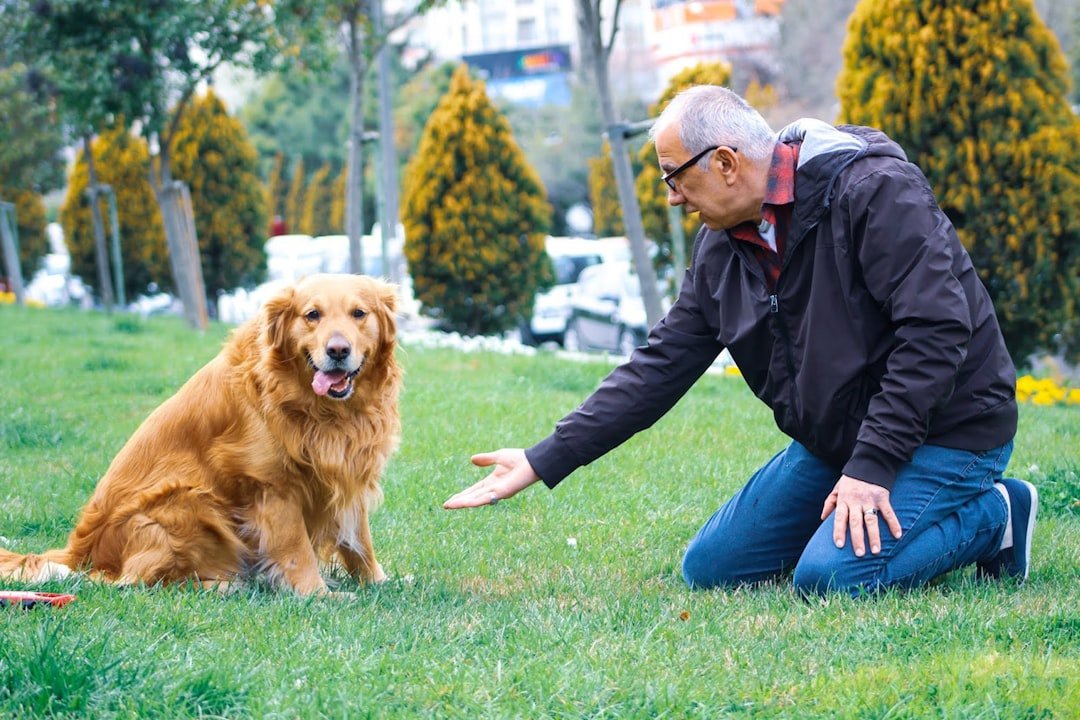
This age-old saying has convinced many people that senior dogs are set in their ways and can’t learn new behaviors or commands. This belief can lead to reduced mental stimulation for older dogs.
The old adage “You can’t teach an old dog new tricks” is not only untrue but can also be detrimental to your pet’s well-being. Aging pets may slow down physically, but they still need mental stimulation and physical activity to stay healthy. Regular engagement is crucial for maintaining both their cognitive and digestive health. Senior dogs benefit tremendously from continued learning and mental challenges, which help keep their minds sharp and prevent cognitive decline.
Dogs Act Out for Revenge or Spite

Coming home to find your favorite shoes chewed up or furniture destroyed often leads to the assumption that your dog was “getting back at you” for leaving them alone. This misinterpretation can damage your relationship with your pet.
Animals do not experience emotions such as “spite,” nor do they, generally, feel “guilty” when we yell at them – although they may look it. Most of the time, animals destroy things because they’re bored and were looking for entertertainment when no one else was around. These pets often need more exercise and/or mental stimulation and training. What looks like revenge is usually anxiety, boredom, or insufficient exercise manifesting as destructive behavior.
Female Dogs Need One Litter Before Spaying

This persistent myth suggests that allowing a female dog to have puppies before spaying provides health or emotional benefits. Many dog owners delay spaying because they believe this outdated advice.
There actually are no benefits to letting a dog give birth to a litter before having her spayed. Your furry buddy doesn’t have an inner longing to be a mama, and any instinctive and/or hormonal urges she has to reproduce will diminish after she’s been fixed. It’s also hard to justify bringing more puppies into the world: there are already far too many homeless pooches out there. Early spaying actually provides significant health benefits, including reduced risk of mammary tumors and eliminates the possibility of pyometra, a potentially fatal uterine infection.
Indoor Dogs Don’t Need Regular Vaccinations
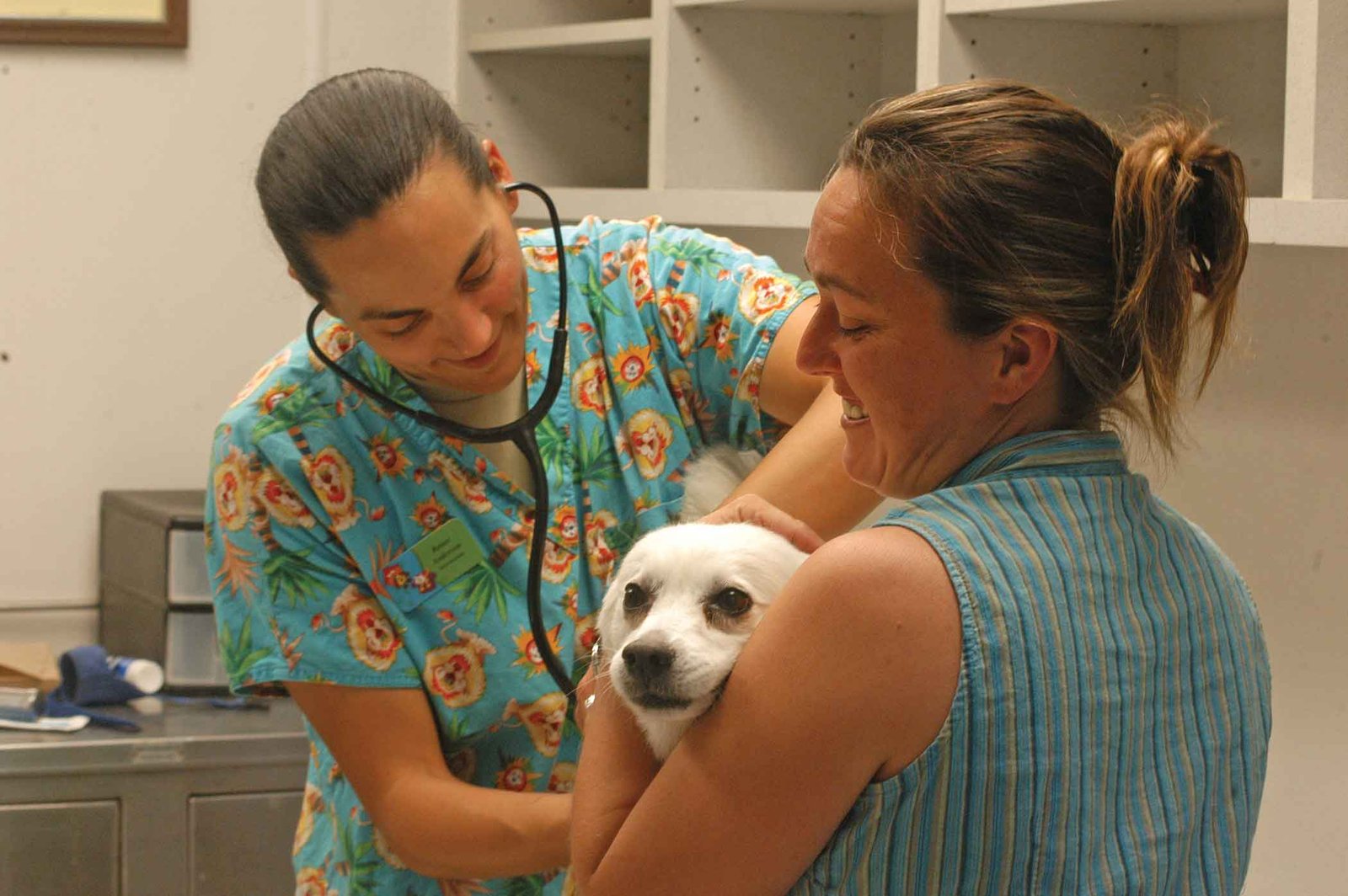
Some dog owners believe that if their pet rarely or never goes outside, vaccinations aren’t necessary. This dangerous misconception can leave dogs vulnerable to serious diseases.
Even pets that live indoors can be exposed to diseases. Viruses and bacteria can be brought into the home on shoes, clothing, or other pets. Vaccinations are crucial for protecting your pet from common diseases and ensuring their long-term health. Your shoes, clothes, and even air currents can carry pathogens into your home, making vaccination an essential protection regardless of your dog’s lifestyle.
Conclusion

Understanding the truth behind these common myths isn’t just about being a better-informed dog parent – it’s about giving your furry companion the best possible life. Each myth we’ve explored has the potential to impact your dog’s health, happiness, or safety in real ways. From recognizing that a dry nose doesn’t signal illness to understanding that senior dogs can absolutely learn new behaviors, this knowledge empowers you to make better decisions for your pet.
Your dog depends on you to navigate the overwhelming amount of information about pet care and separate helpful advice from potentially harmful myths. When in doubt, always consult with your veterinarian rather than relying on well-meaning but potentially dangerous advice. Remember, the strongest foundation for your relationship with your dog is built on accurate information, genuine understanding, and the kind of love that seeks out the truth rather than settling for convenient assumptions.
The next time someone shares one of these myths with you, you’ll be equipped with the facts to protect not just your own dog, but potentially help other dogs in your community too. After all, isn’t that what being part of the dog-loving community is all about?


