
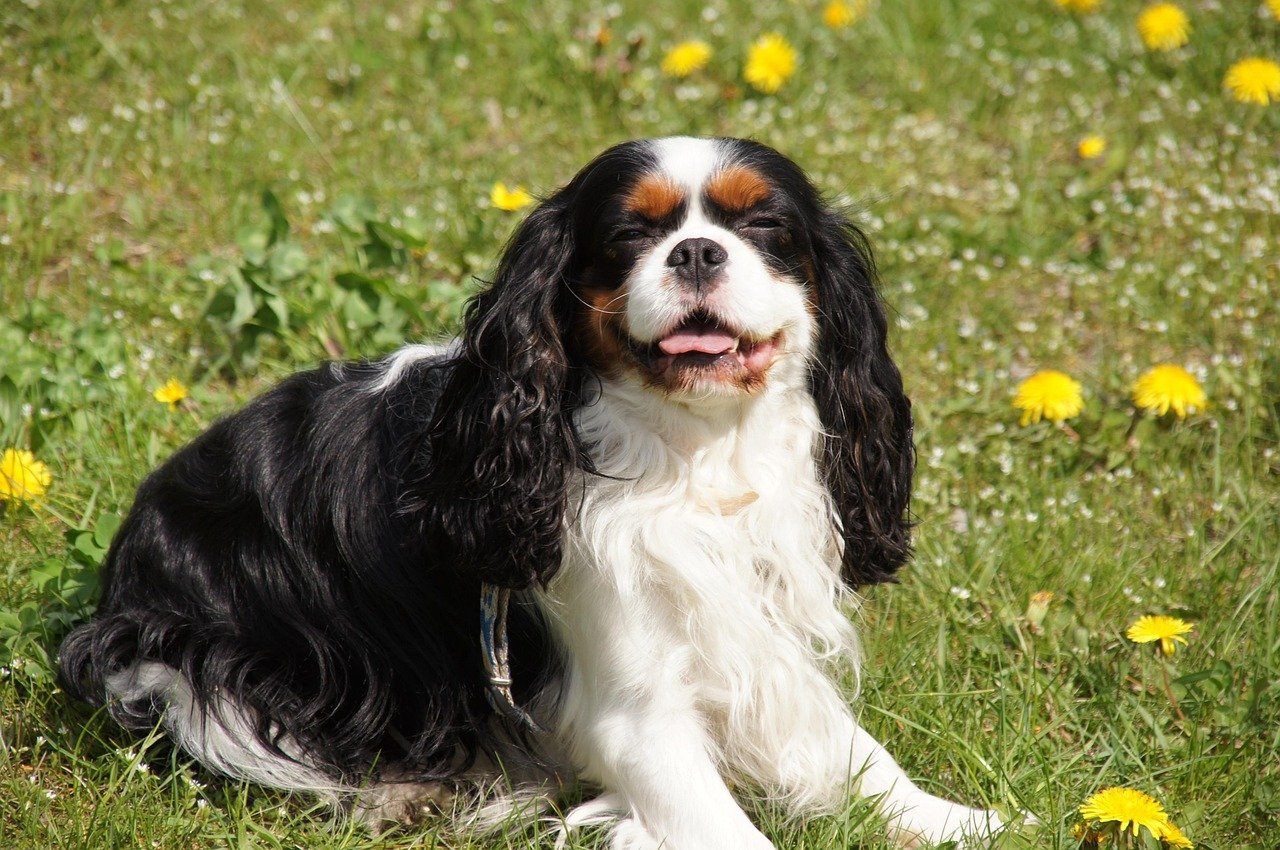
Nothing quite beats the feeling of watching a dog handle chaos like a zen master while their human frantically apologizes to strangers. Some breeds genuinely seem built for the bustling world we live in, moving through crowds and commotion with the grace of a diplomat at a cocktail party. Yet others become trembling bundles of nerves the moment a motorcycle backfires or a child drops their toy.
Understanding which dogs thrive in busy environments and which ones struggle with noise can make all the difference when choosing your four-legged companion. Whether you’re planning city living or just want a dog who won’t hide under the couch during your nephew’s birthday party, knowing these breed tendencies helps set both you and your future pup up for success.
Golden Retrievers: The Ultimate Crowd Pleasers
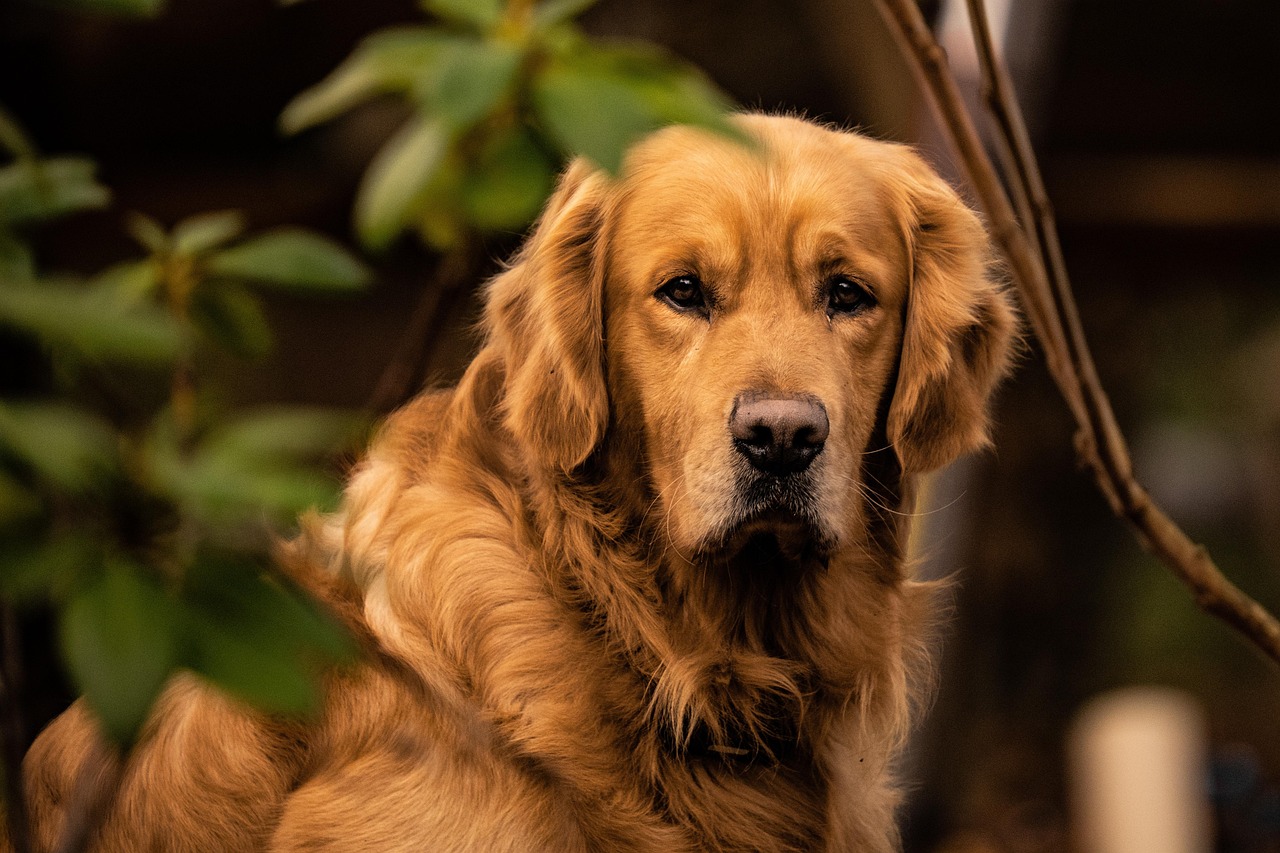
Golden Retrievers are usually known for being friendly, reliable, and trustworthy, and are also known for their sweet and docile qualities, making them a loving and joyful addition to your family. These dogs seem genuinely programmed to believe that every stranger is just a friend they haven’t met yet.
Golden Retrievers are admired for their friendly and gentle temperament. They are often described as enthusiastic, intelligent, and highly trainable. Honestly, watching a Golden navigate a farmer’s market is like observing a masterclass in social skills – they greet everyone with the same tail-wagging enthusiasm whether it’s a toddler or a senior with a walker.
Labrador Retrievers: Built for Busy Life
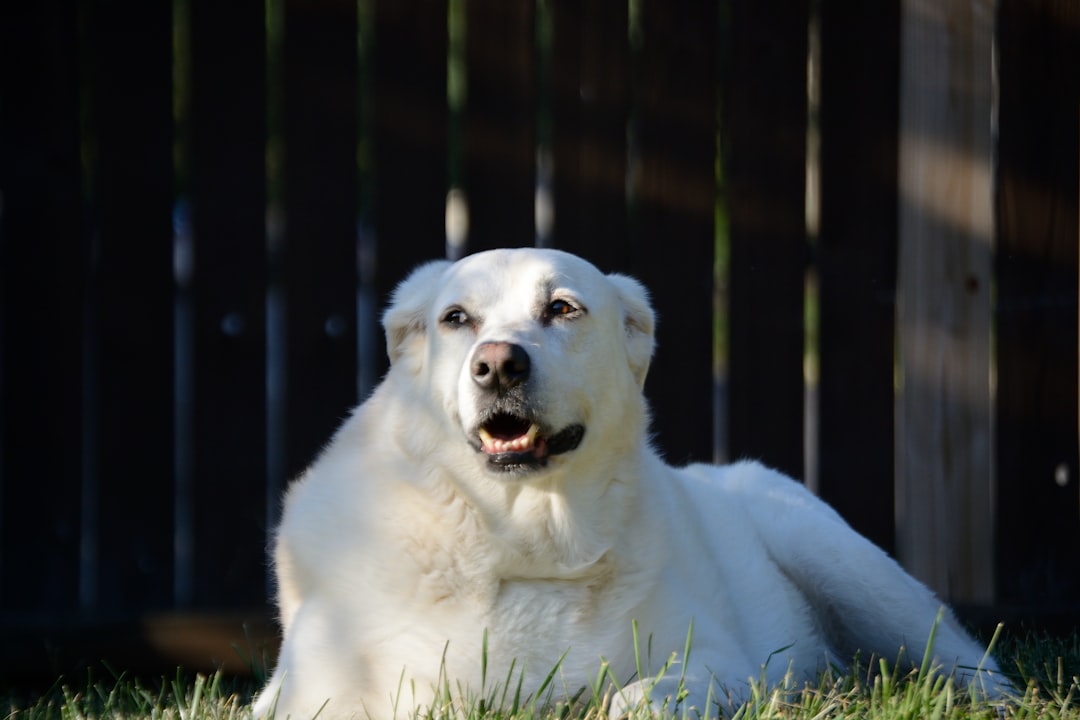
Labs are known for being outgoing, intelligent, adaptable, and easy to please. These dogs approach crowded situations with the confidence of someone who knows they belong everywhere they go. Their sporting dog background means they’re naturally comfortable in varied environments.
Labs are very smart and can be easily trained to remain calm in everyday situations, such as the doorbell ringing or friends visiting for dinner. This adaptability makes them perfect for families who love hosting gatherings or exploring busy public spaces together.
Basset Hounds: The Laid-Back Philosophers
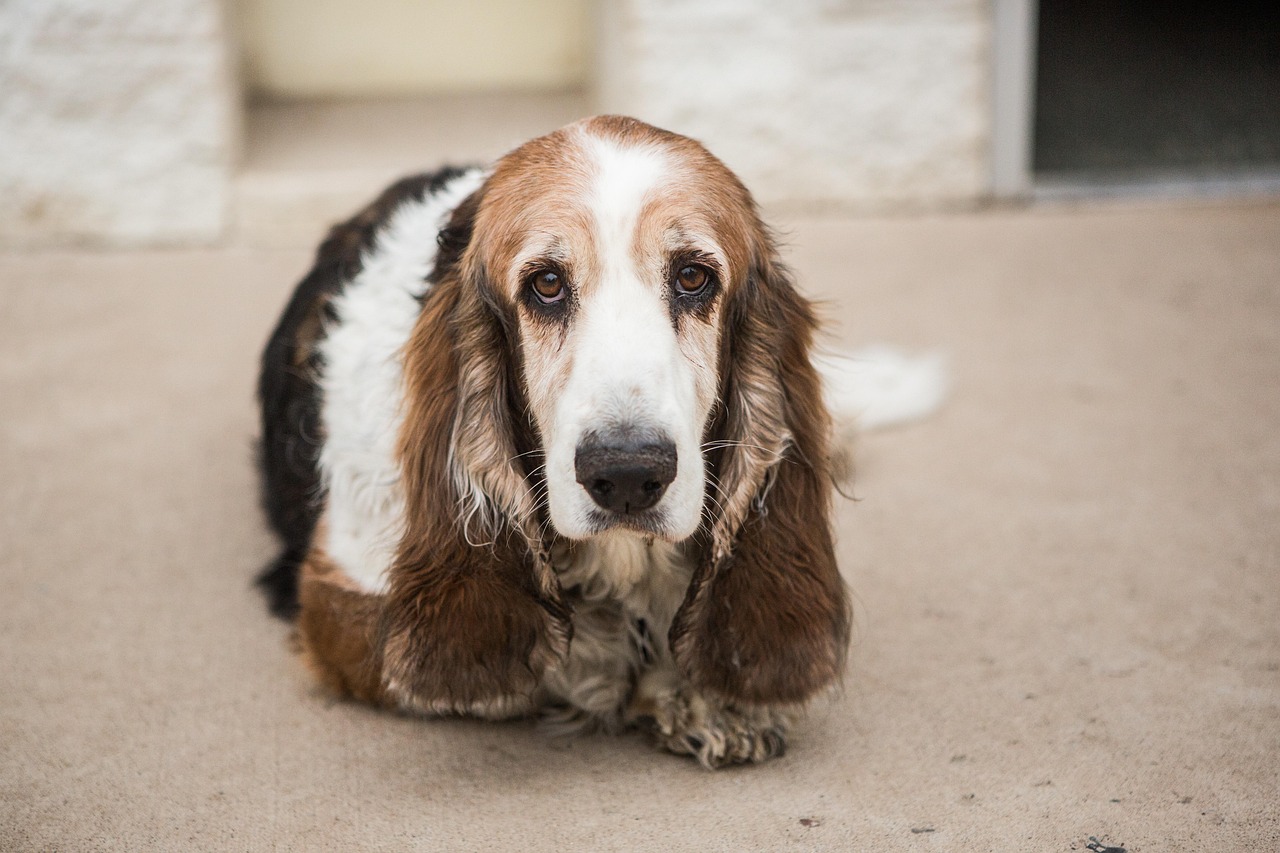
The Basset Hound is known for being slow, steady, and oh-so-chill. They are not easily startled by loud noises, moving walkaways, and TSA scanners. Instead of going into panic mode, they would lie down and wait it out. These dogs approach chaos with the attitude of someone who’s seen it all before and decided none of it’s worth getting worked up about.
The Bassett Hound is known to be a more laid-back, easygoing breed. Their perpetually relaxed expression isn’t just for show – it reflects their genuine ability to stay composed when the world gets hectic around them.
Pugs: Small but Mighty Confident
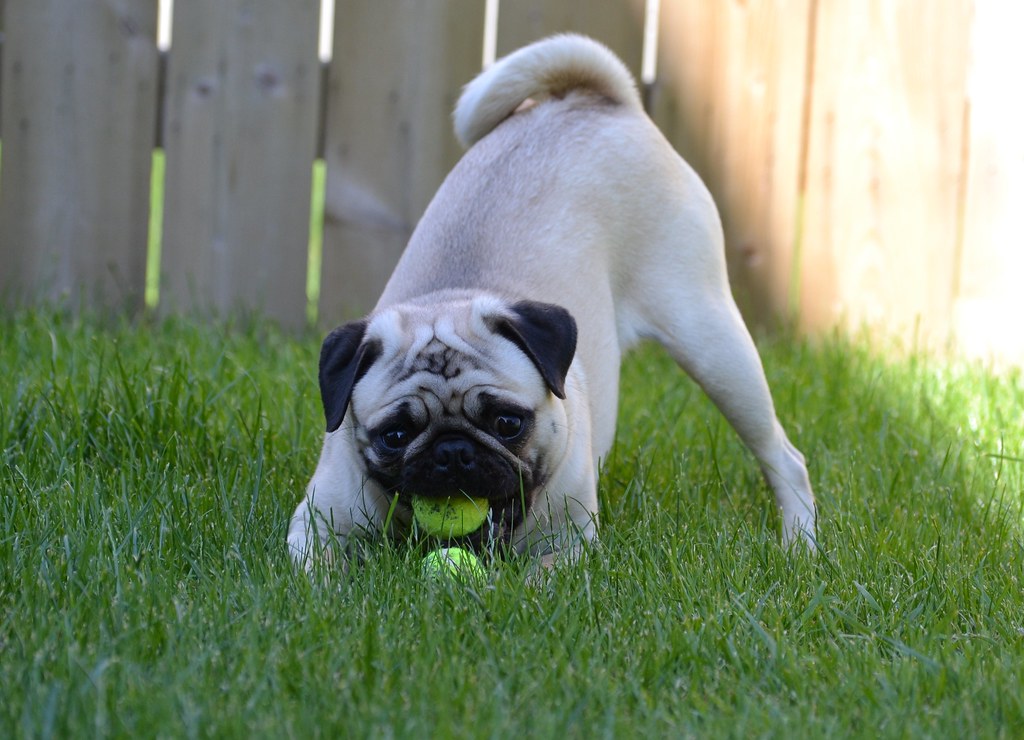
Pug, a wrinkle-faced dog, is hands down one of the best and cutest breeds that can bring joy to a stressful airport experience. They stay calm themselves, but their squishy faces and goofy little trots make you calm as well. They are friendly, adaptable, and super comfortable in public spaces. X-ray scanner or a crowded waiting area, Pugs don’t create any fuss. These little comedians seem to believe that their job in life is to make everyone around them smile.
Their compact size makes them easy to manage in tight spaces, yet their confident personality ensures they don’t get overwhelmed by taller humans surrounding them. It’s like they know their charm can disarm any situation.
Cavalier King Charles Spaniels: Royal Composure
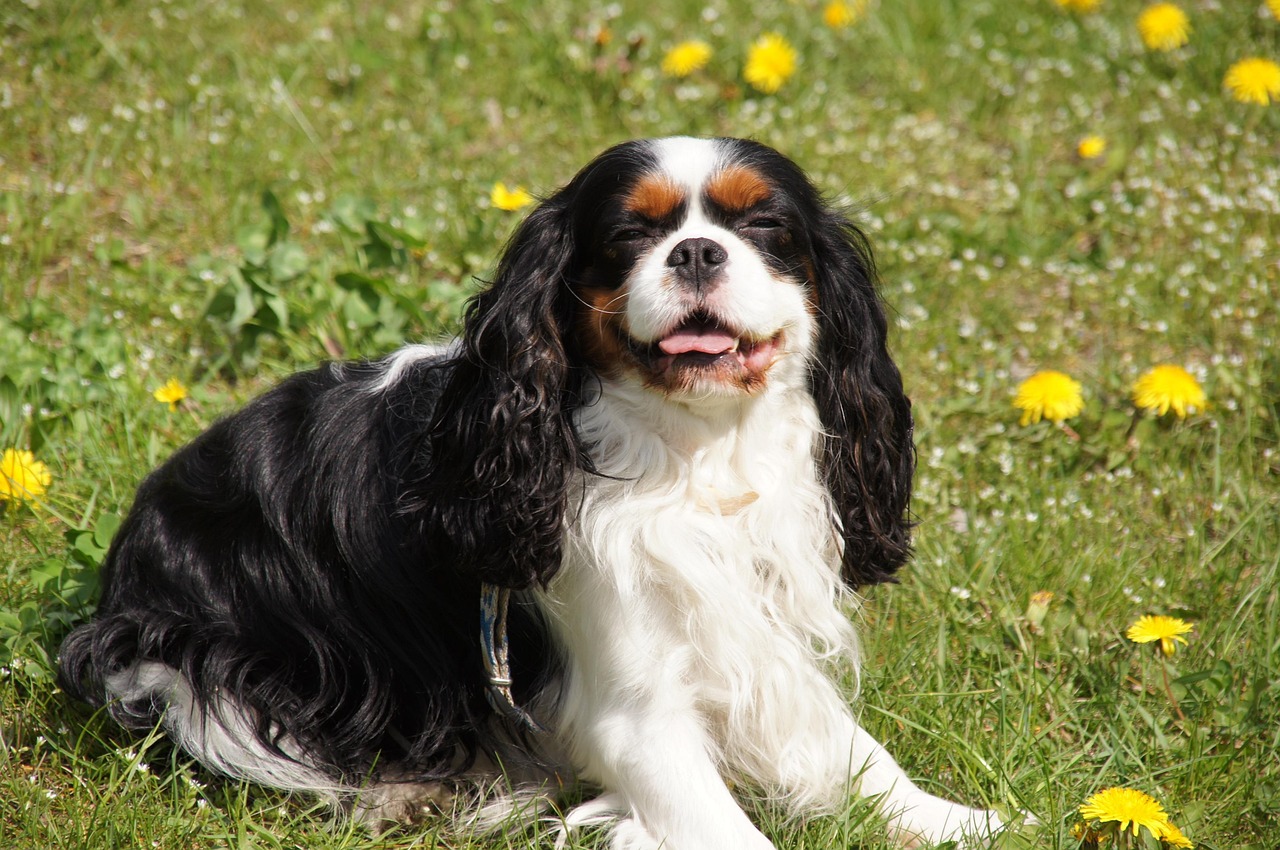
The Cavalier King Charles Spaniel, often referred to simply as the Cavalier, is a small and elegant breed known for its friendly and affectionate nature. Aside from being calm, well-mannered dogs, Cavaliers are characterized by their beautiful, silky coats and expressive, soulful eyes. Cavaliers are social and thrive on human companionship, making them excellent family pets. Their aristocratic heritage seems to have blessed them with natural poise in social situations.
These dogs handle crowded environments with the grace you’d expect from a breed once favored by royalty. They’re genuinely interested in meeting new people rather than being overwhelmed by them.
French Bulldogs: Urban Warriors
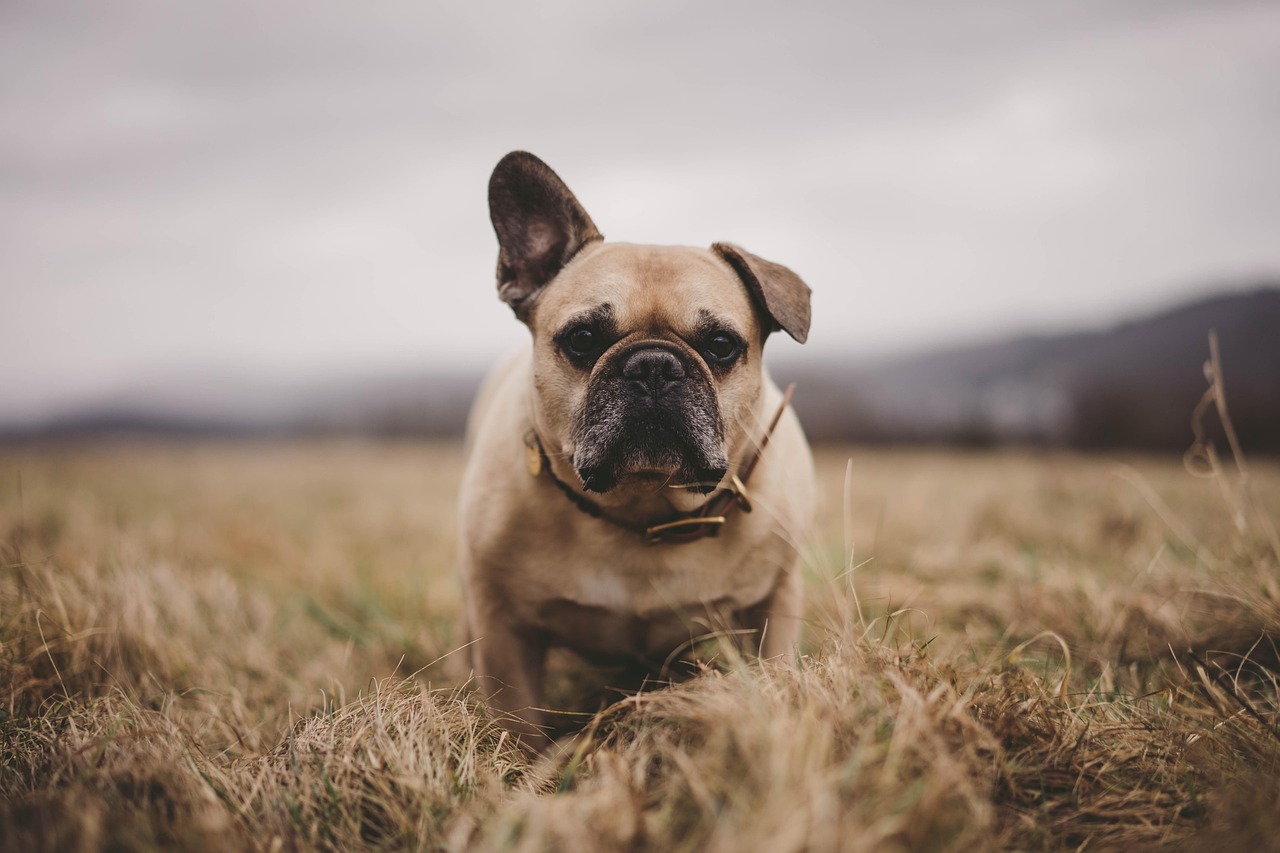
The temperament of the French Bulldog is playful, affectionate, easygoing and quiet. They are often alert and like to be aware of their surroundings, but they are a quieter breed and are known to be gentle. These sturdy little dogs were practically designed for city living, where crowds and commotion are daily realities.
The Frenchie is a happy, gregarious breed who makes friends easily. A quiet dog, she requires minimal exercise and is ideal for apartment life. Their calm demeanor combined with their naturally social nature makes them perfect companions for urban adventures.
English Bulldogs: Gentle Giants with Small Bodies

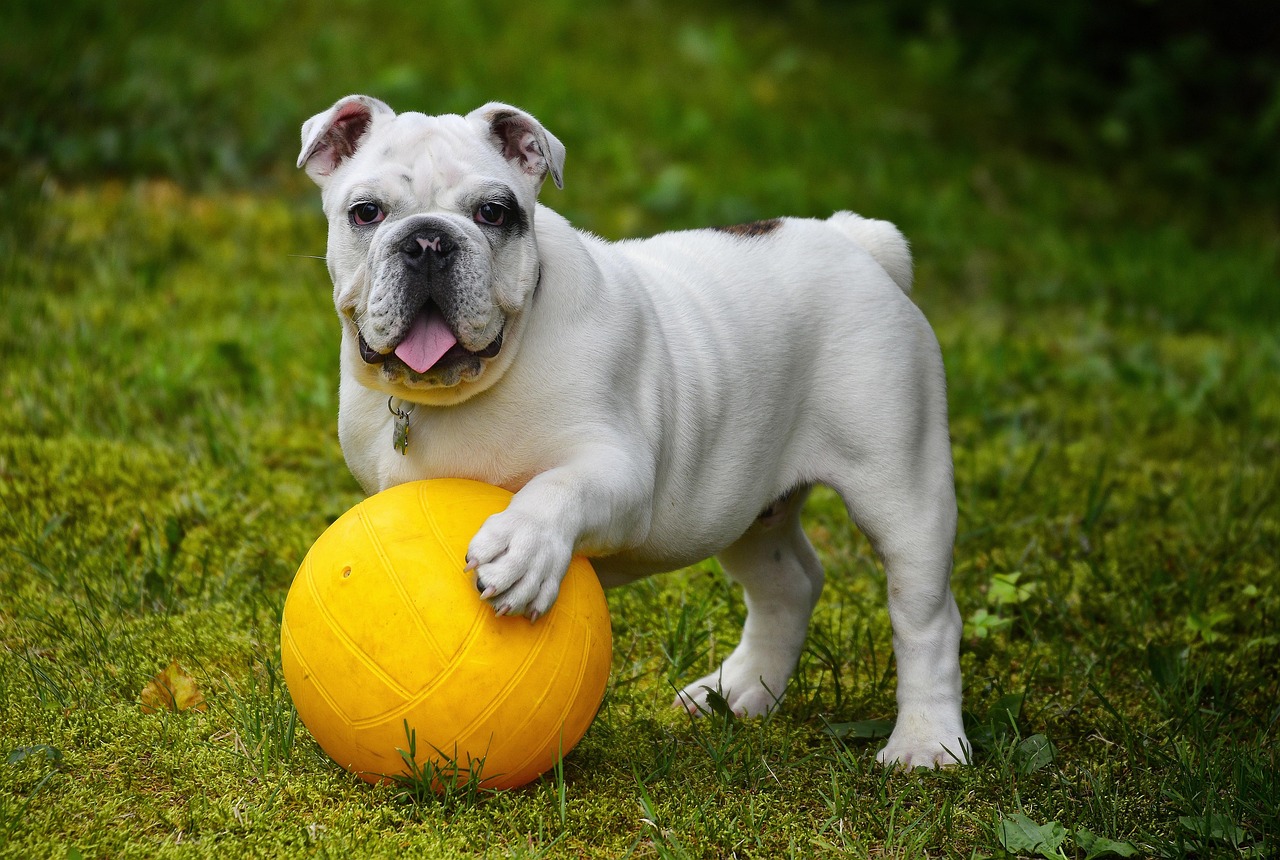
English Bulldogs are known for their gentle and easygoing nature. Despite their somewhat imposing appearance with their wrinkled faces and muscular build, they are often incredibly gentle and affectionate dogs. The Bulldog’s calm and easygoing nature makes them excellent choices for families, singles, and seniors alike. Their “seen it all” expression isn’t just aesthetic – it reflects their genuinely unflappable nature.
These dogs seem to view crowds with mild curiosity rather than anxiety. They’re content to waddle through busy areas at their own pace, completely unfazed by the chaos around them.
Cocker Spaniels: Adaptable Sweethearts
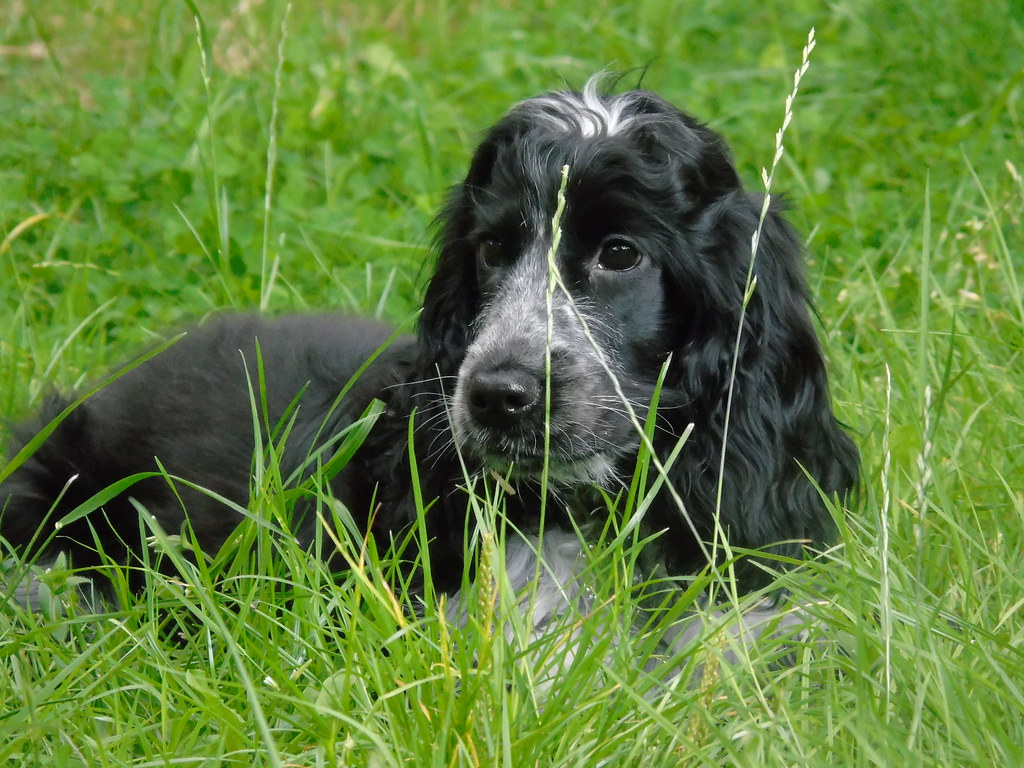
Cocker Spaniels are known for their affectionate and gentle temperament and often make good family dogs. They come in two varieties: American Cocker Spaniels and English Cocker Spaniels, both of which share a friendly and affectionate nature. Their hunting background gave them confidence in varied environments, which translates beautifully to modern social situations.
Known to be good with children, she is an affectionate and calm breed who may start out shy but usually warms up quickly to strangers. This adaptability means they can handle the unpredictability of crowded spaces while remaining genuinely friendly.
Bichon Frise: Cheerful Social Butterflies
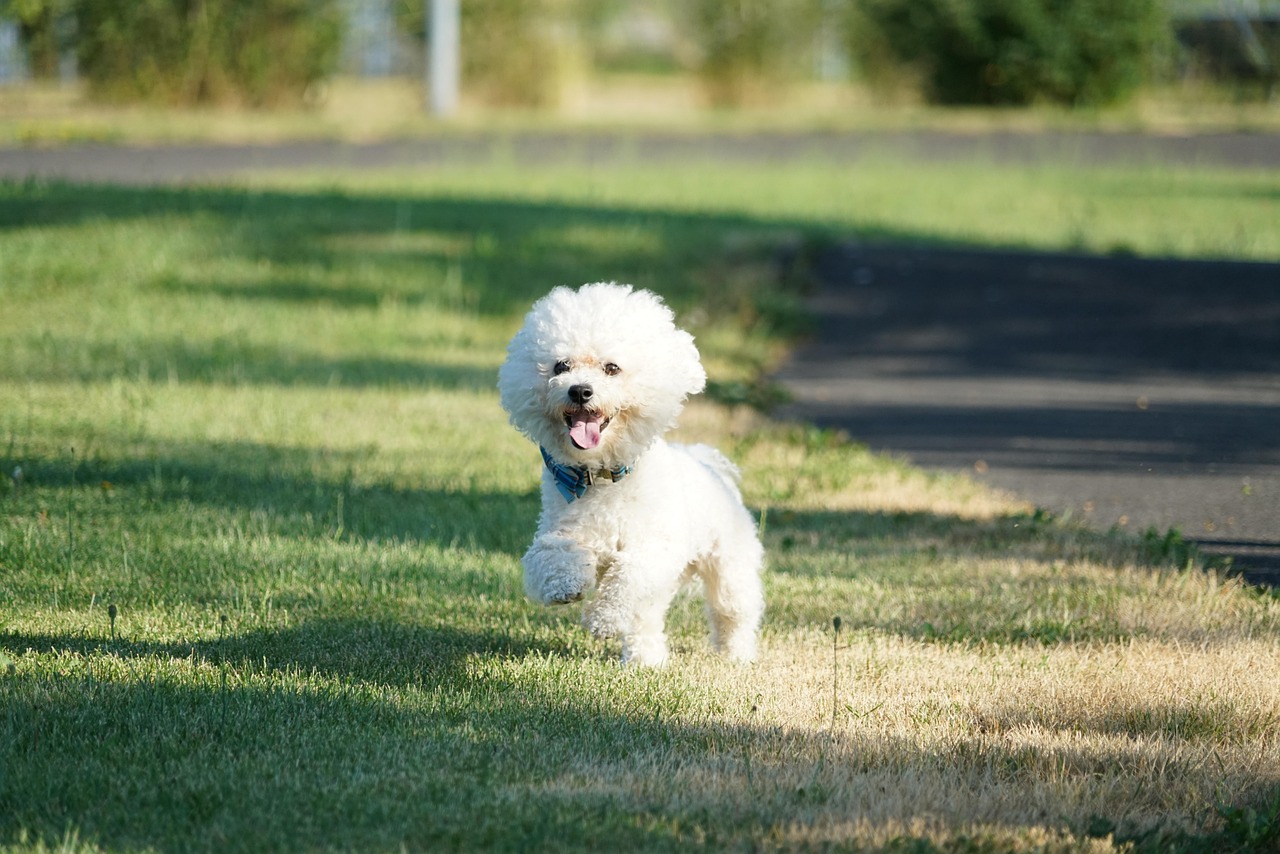
Unlike some dogs that may get uncomfortable due to flashing lights and machines, the Bichon will walk right through. Tail wagging, head held high. These fluffy white clouds of happiness approach crowds with infectious enthusiasm that tends to brighten everyone’s day.
The Bichon Frise is a small white powder-puff on legs that rates high on the “cute” factor. Their natural charm and confident demeanor help them navigate social situations with ease, making them delightful companions for busy environments.
Newfoundlands: Gentle Giants
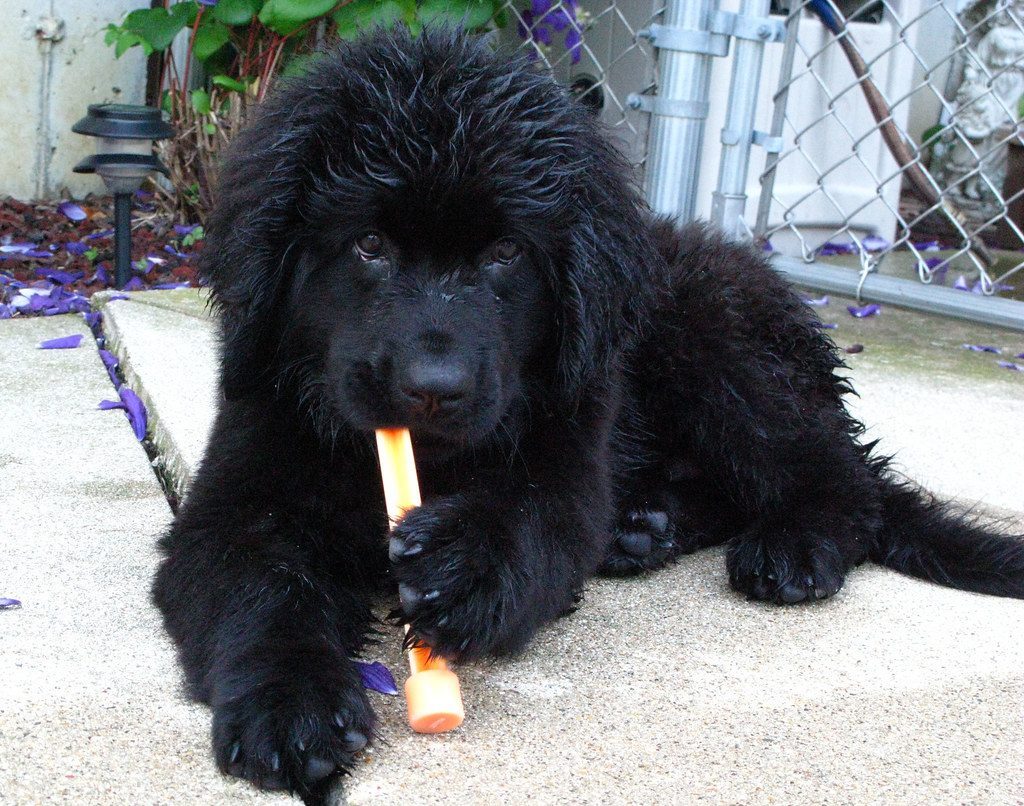
From larger dogs like the Newfoundland to smaller lap dogs such as the Shih Tzu, calmer breeds bring joy through their loving nature and calming presence. Their ability to sense emotions and respond with affection makes them highly effective therapy dogs and emotionally supportive pets. These massive teddy bears possess an almost supernatural ability to remain calm in chaotic situations.
Their size alone commands respect, but their gentle nature puts everyone at ease. They seem to understand that their job is to be a calming presence rather than adding to any existing excitement.
Saint Bernards: Patient Protectors
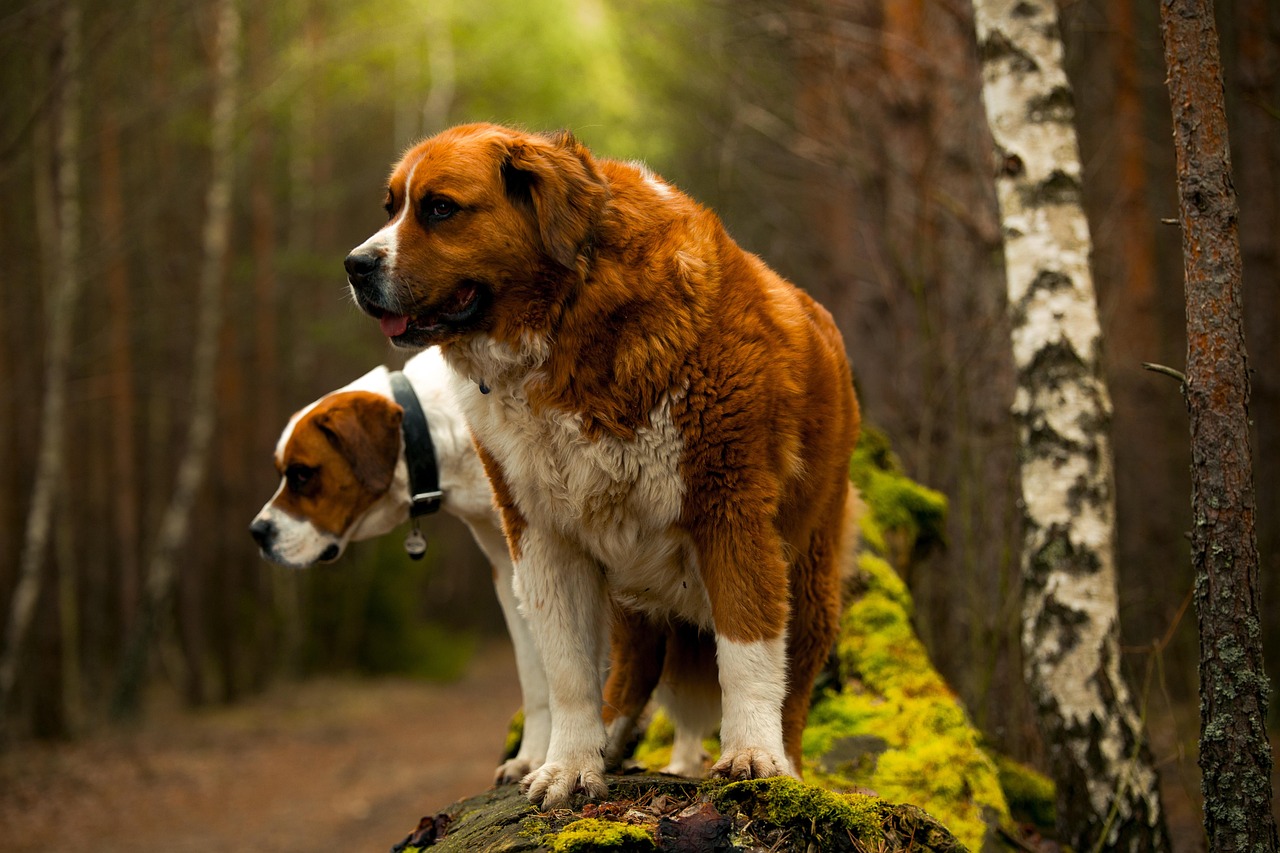
Despite its intimidating appearance, this dog has a very calm and affectionate personality. Saint Bernards get along particularly well with children as well as smaller pets, whom they tend to be very protective of. When a Saint Bernard is scared or angry, barking is rarely their response and will instead resort to whining, growling, or non-vocal cues like pacing. These gentle giants embody the phrase “quiet confidence.”
Their historic role as rescue dogs required them to remain calm in stressful situations, a trait that serves them well in crowded modern environments. They observe rather than react, making them surprisingly excellent crowd companions.
Shih Tzus: Dignified Companions
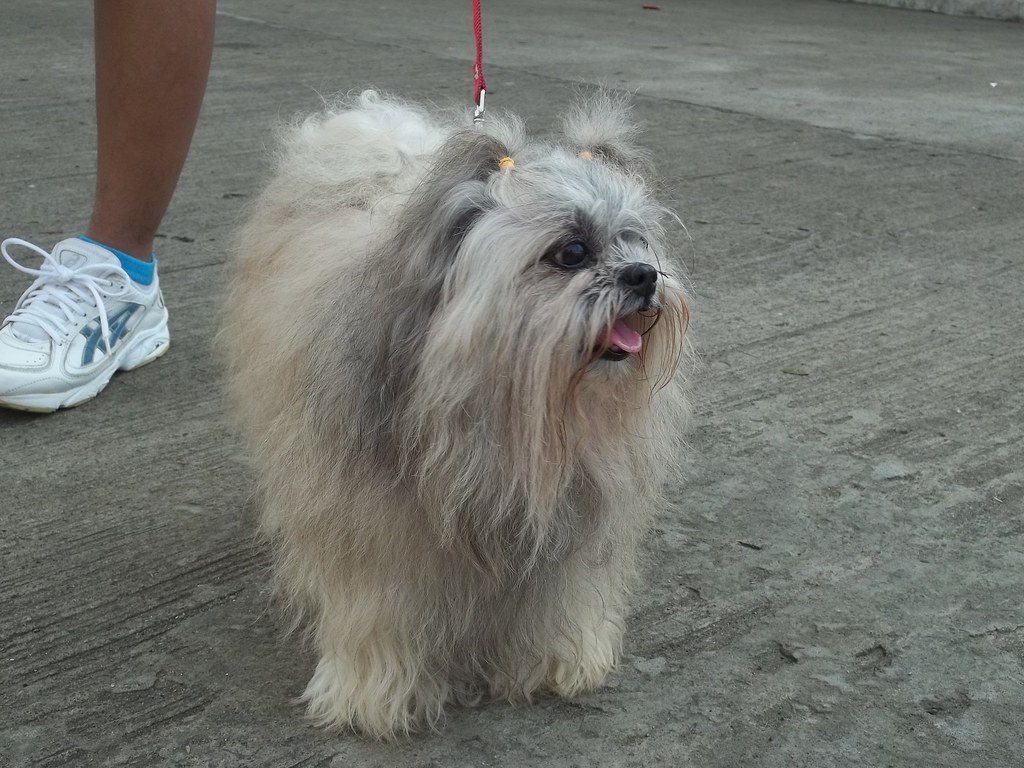
Shih Tzus are renowned for their gentle and affectionate nature. Originally bred to be companions for Chinese nobility, they bring a dignified calm to any home setting. These little aristocrats carry themselves with a composure that seems almost regal in busy situations.
Their breeding as companion animals means they’re naturally comfortable around people and activity. They handle crowds with the poise of someone who knows they belong in any social circle.
Border Collies: The Anxious Overthinkers
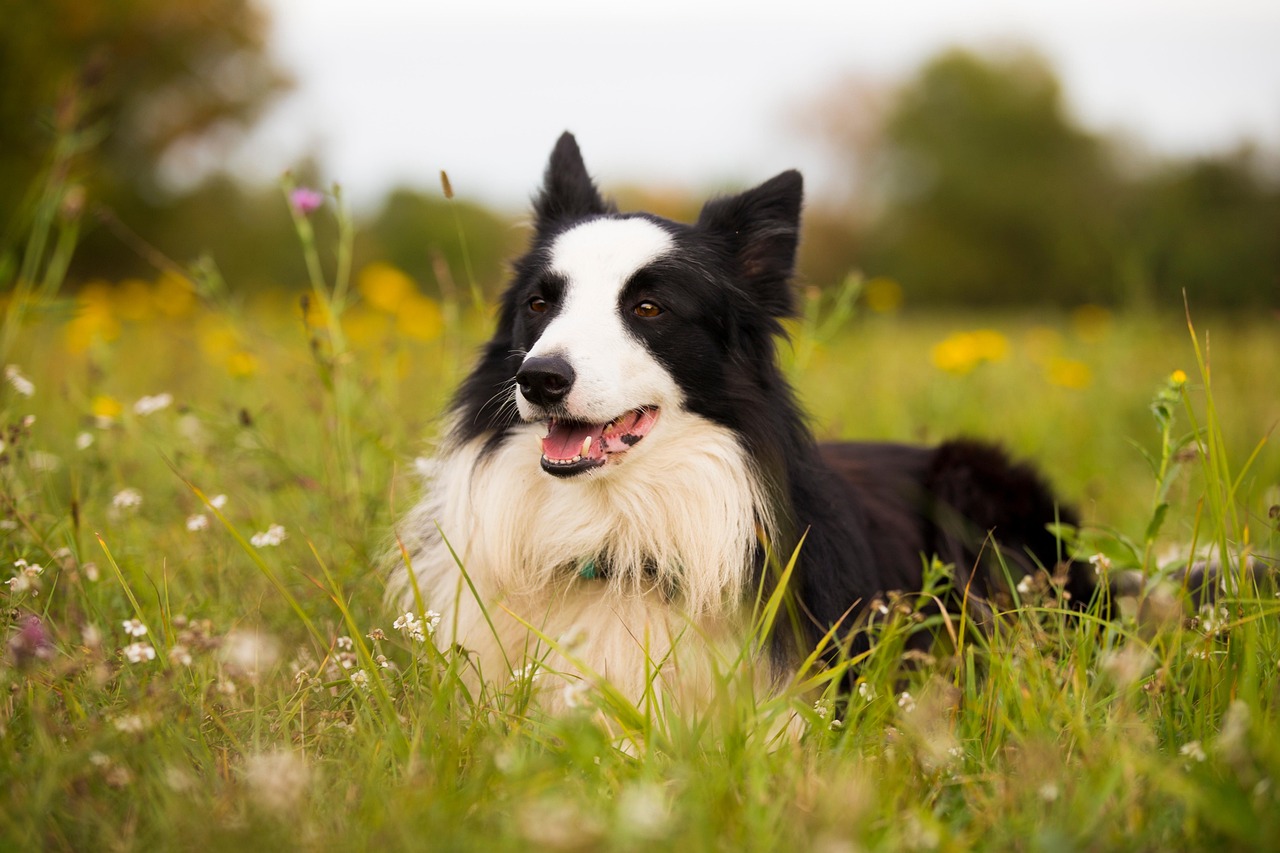
Herding breeds, such as Border Collies and Australian Shepherds, are particularly susceptible to loud noises. This predisposition may be linked to their heightened sensitivity and alertness, traits that are beneficial for herding but can also make them more reactive to sounds. These brilliant dogs have minds that never stop analyzing, which becomes their downfall in noisy situations.
Research shows that herding breeds often display heightened anxiety responses compared to other breed groups. Their intelligence works against them here – they’re constantly trying to process every sound, determining if it’s a threat or requires their herding attention.
Australian Shepherds: Overstimulated Perfectionists
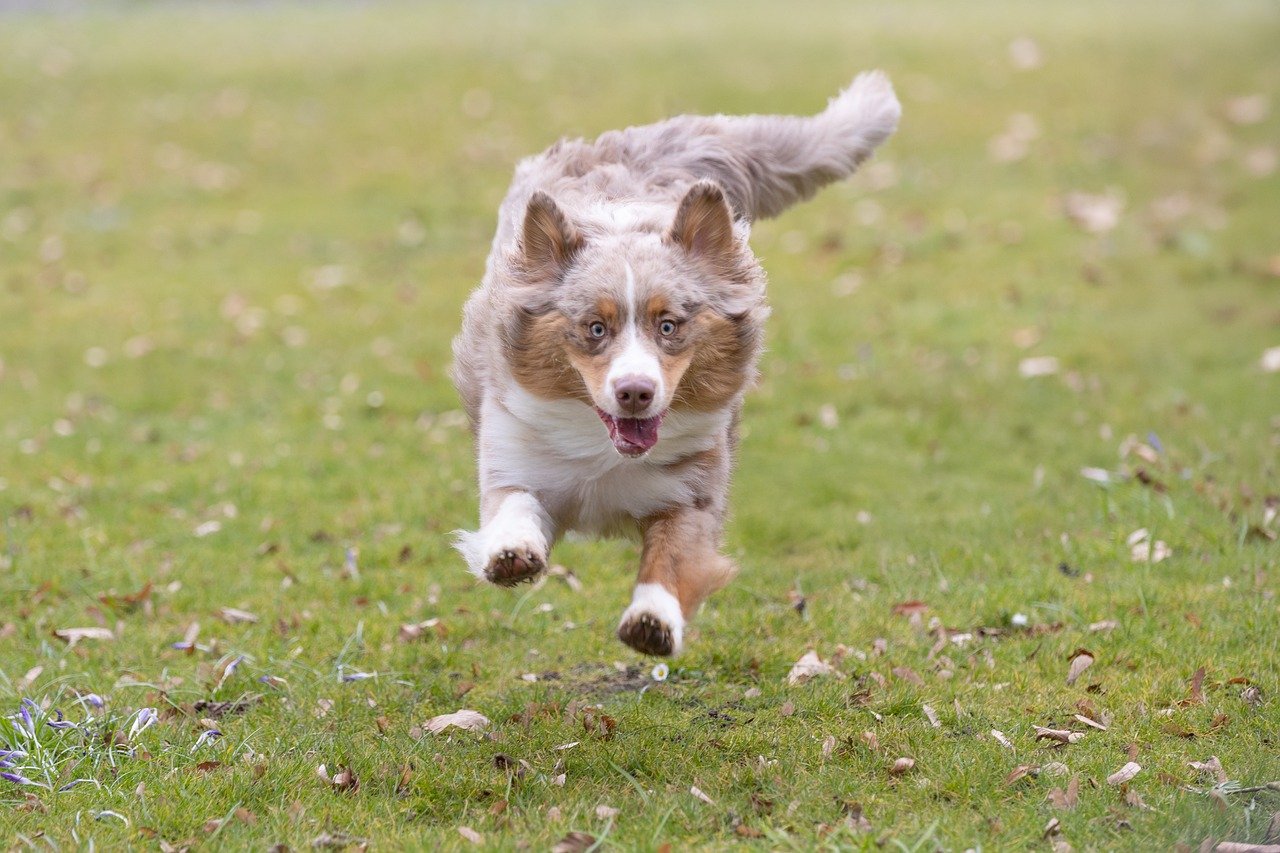
Bred to be highly alert and responsive, Australian Shepherds are naturally sensitive to their environment. While this trait is advantageous on a farm where they need to be aware of livestock and potential dangers, it can lead to anxiety in overstimulating environments. Noisy or crowded spaces can overwhelm Australian Shepherds, causing them to become anxious and stressed. Their acute senses make them more reactive to loud noises, sudden movements, and chaotic situations. These dogs are like having a highly sensitive security system that sometimes gets triggered by leaves rustling.
Their herding instincts mean they’re constantly scanning for things that need their attention or control, making loud, unpredictable environments feel chaotic rather than manageable. They want to organize the noise, but obviously can’t.
Lagotto Romagnolos: Thunder-Phobic Fluffballs
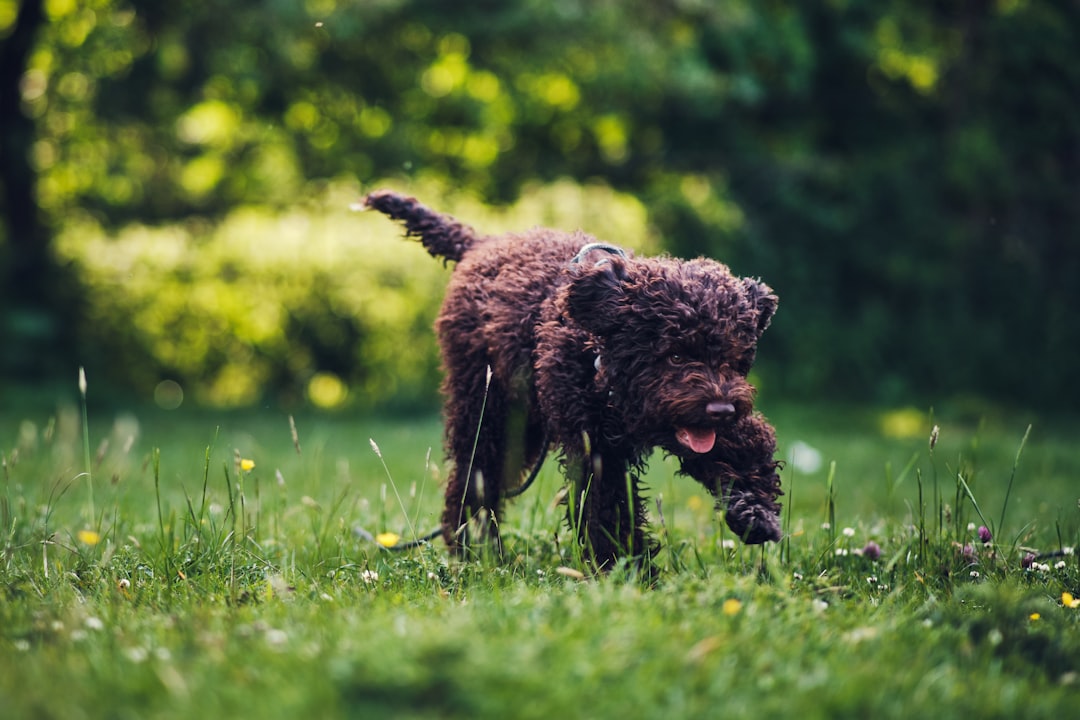
Lagotto romagnolos, a fluffy poodle-like breed of dog, are some of the most anxious dogs. They are prone to experiencing a high rate of fear of thunder, for example, which is also generally a common anxiety trigger for many dogs regardless of breed. These adorable Italian water dogs may look like living teddy bears, but loud sounds turn them into trembling bundles of anxiety.
The Lagotto Romagnolo is known to be prone to anxiety, and they tend to be extremely anxious around loud noises, including thunder, fireworks, gunshots, noisy children, and loud music. It’s heartbreaking to watch such a sweet breed become so distressed by sounds that other dogs barely notice.
Jack Russell Terriers: Tiny Panic Machines
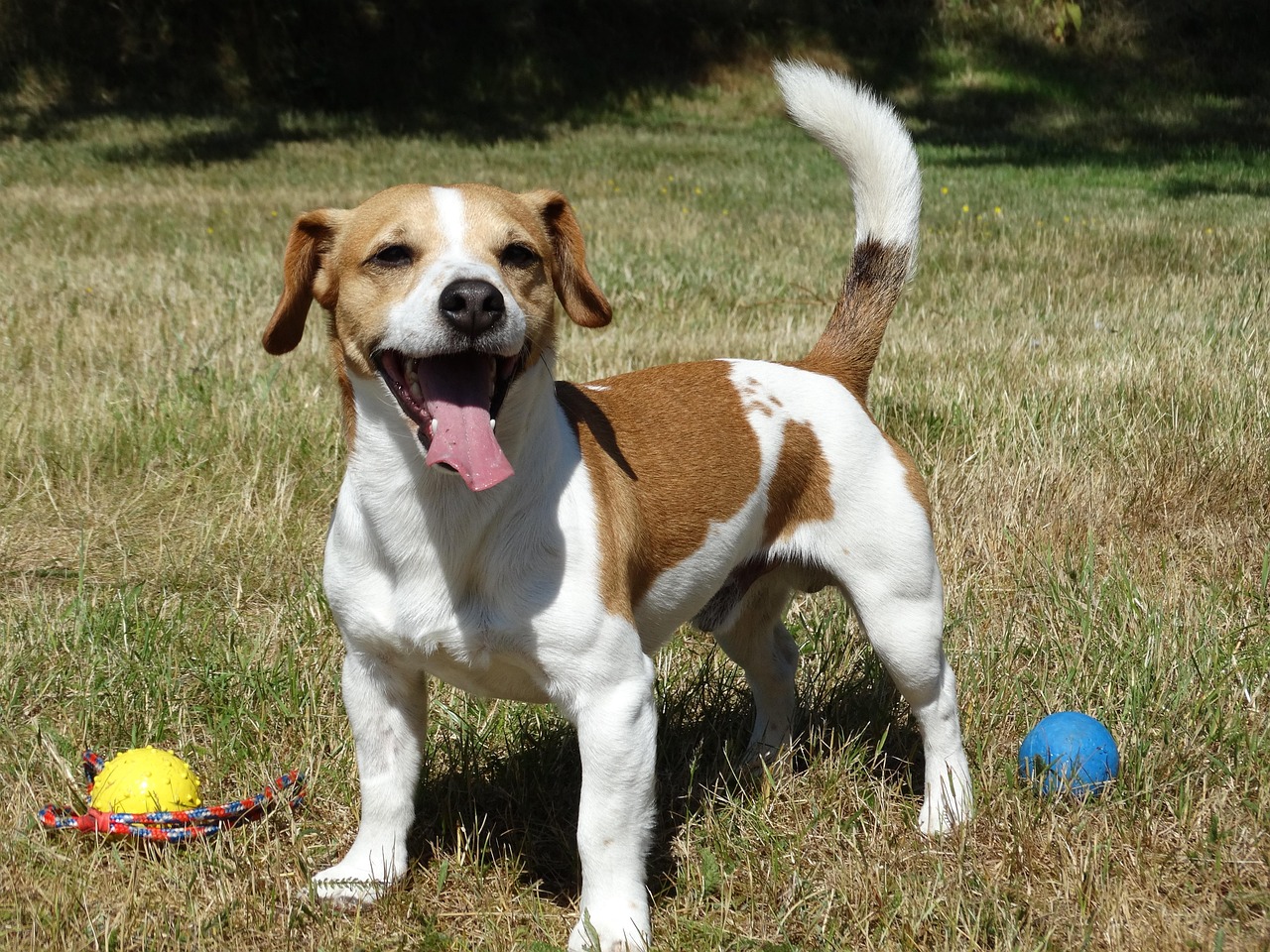
These little dynamos live life at full speed, and their brains work just as fast as their paws. A sudden noise, an unfamiliar visitor, or even a harmless leaf blowing in the wind can trigger full-on panic mode. These pocket rockets have energy levels that can quickly spiral into anxiety when they can’t control their environment.
Jack Russell Terriers are small in size but large in personality, known for their fearless nature and boundless energy. Originally bred for fox hunting, their high prey drive and stamina mean they require lots of physical and mental stimulation. Without it, they can quickly become anxious and engage in destructive behaviors such as digging and excessive barking. Jack Russells are also highly intelligent and can become bored easily, leading to anxiety when not provided with enough activity or attention. Their hyperactive minds need constant engagement, and unexpected loud sounds feel like chaos they can’t solve.
German Shepherds: Perpetual Worry Warriors
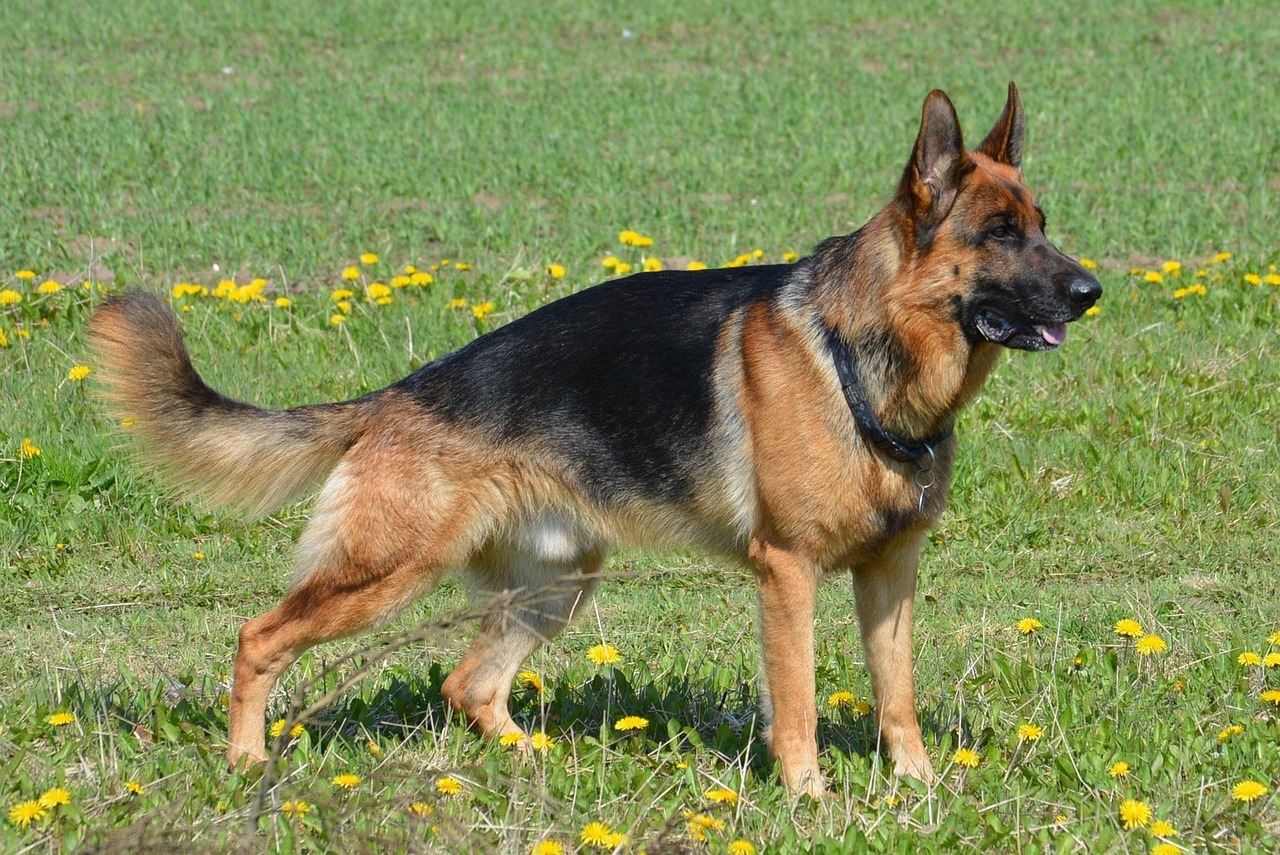
German Shepherds are known for their intelligence, loyalty, devotion, and protective nature – but what many people don’t realize is that these traits also make them prone to anxiety. These dogs are always thinking always analyzing, and sometimes, that overactive mind works against them. Whether it’s a stranger at the door, a new pet in the house, or a sudden loud noise, they’re wired to react. This constant state of vigilance can be mentally exhausting for them – and for their owners. These dogs essentially live in a state of hypervigilance that would exhaust any human.
Their protective instincts mean every unexpected sound is potentially a threat that requires their immediate assessment and response. They can’t just ignore noise – their brains are programmed to analyze and potentially act on every stimulus.
Conclusion
The difference between a dog that gracefully navigates crowds and one that trembles at a door slam often comes down to genetics, breeding purpose, and individual temperament. These emotionally calm dog breeds are known for being unflappable under pressure. They tend to stay composed around new people, loud noises, and environmental changes, qualities especially valued in therapy or emotional support dogs. Understanding your dog’s natural tendencies helps you choose activities and environments where they can truly thrive.
By identifying which breeds are most likely to display different types of anxiety, owners can take precautions to give their dogs happier, healthier lives. A prospective dog owner who lives in a bustling city might do better with a breed less sensitive to noise, for example, whereas dogs fearful of strangers might do best in rural, isolated homes.
Remember that every individual dog is different, regardless of breed tendencies. With proper training, socialization, and understanding, even naturally anxious breeds can learn to cope better with their triggers. The key is recognizing your dog’s needs and working with their nature rather than against it. What do you think – would you choose a zen master breed or are you up for helping an anxious pup find their confidence?


