
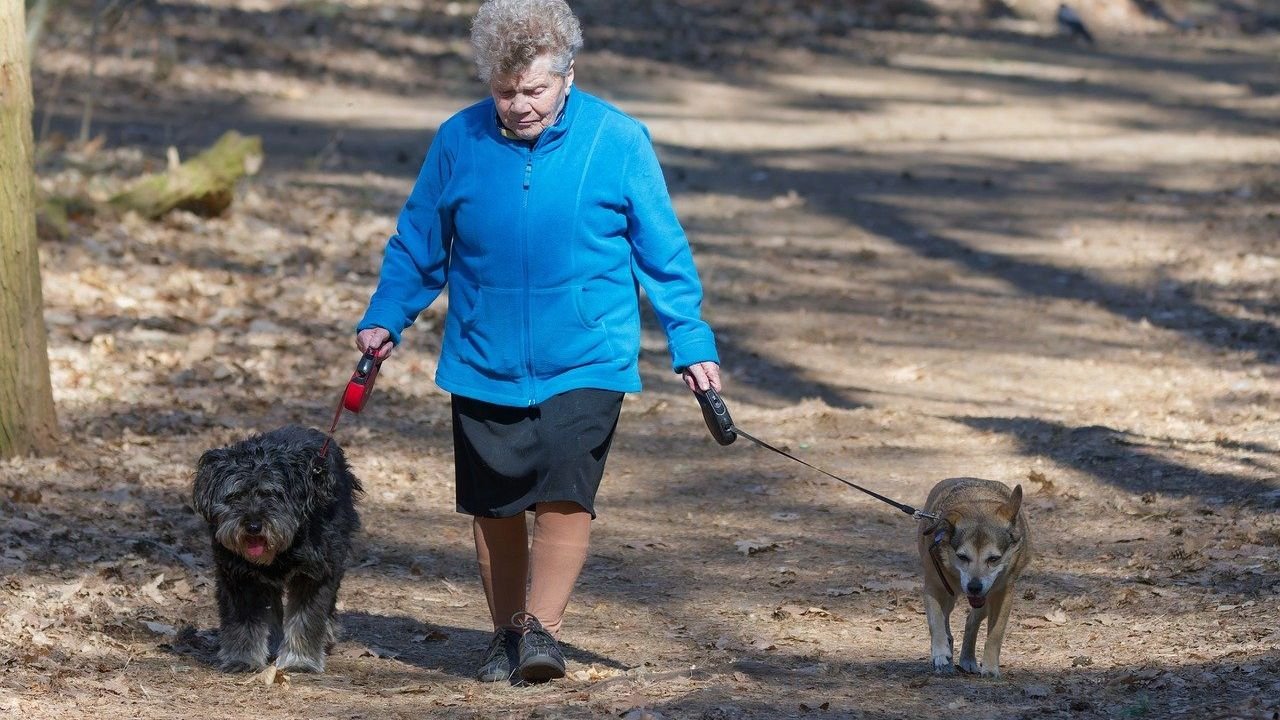
There is something quietly heartbreaking about watching a dog who once sprinted to the door at the mere rattle of a leash now stare blankly at the wall. That slow, subtle shift, the slightly glazed look, the forgotten command, the 2 a.m. pacing, can catch even the most attentive dog parent completely off guard. The truth is, your dog’s brain ages just like yours does, and the signs often creep in so gradually that many owners mistake them for “just getting old.”
One of the most common age-related brain issues in older dogs is canine cognitive dysfunction, often called “doggie dementia,” a condition that develops when harmful byproducts of metabolism gradually damage brain tissues, leading to a slow decline in function. It sounds scary. Honestly, it is a little scary. But here’s the good news: there is so much you can do, starting today, to protect and preserve that brilliant, curious mind you fell in love with. Let’s dive in.
1. Understand What’s Actually Happening in Your Dog’s Brain

Before you can help your dog, it helps to know what you’re up against. Cognitive dysfunction syndrome (CDS) is a common age-related disease in dogs that affects the brain, causing deterioration similar to Alzheimer’s disease in humans, and dogs may start to develop it around nine years of age or older. Think of it like a slow dimming of the lights, not a sudden power outage.
Senior dogs are at the highest risk, with roughly a quarter of dogs aged 11 to 12 affected, and that number rises dramatically to nearly two thirds of dogs aged 15 to 16 showing cognitive dysfunction syndrome. Those numbers are striking. The condition may be underdiagnosed since the behavioral changes progress slowly, and owners may assume that some changes are a normal part of aging. So please, don’t brush it off.
2. Watch for These Early Warning Signs
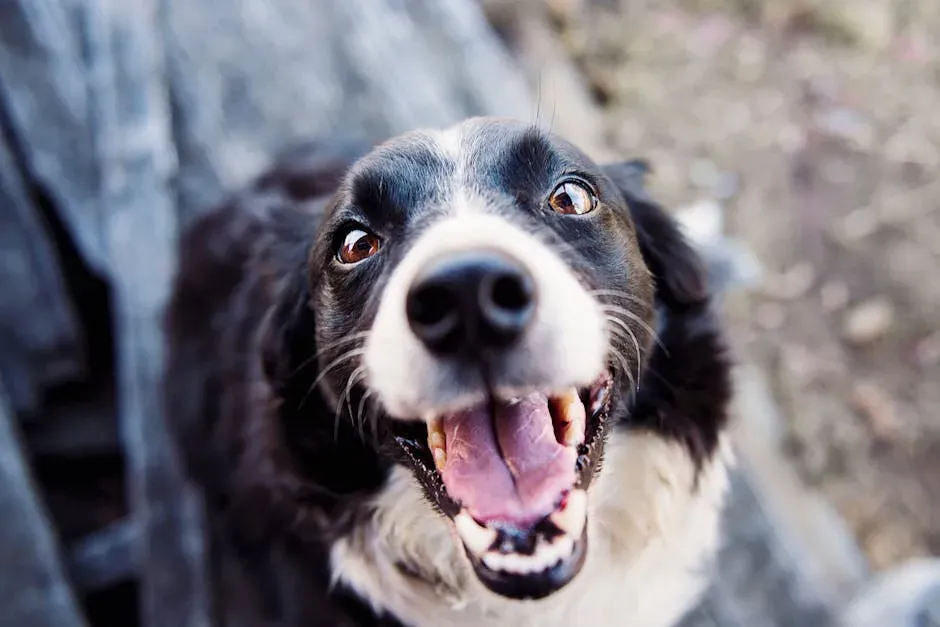
Catching cognitive decline early is one of the most powerful things you can do. Veterinarians use the acronym “DISHAAL” to describe the signs, which stands for Disorientation, Abnormal Interactions, Sleep/wake cycle disturbances, House soiling, Activity changes, Anxiety, and Learning/memory changes. If your once-social pup suddenly seems withdrawn or confused, pay attention.
Research has found that disturbances in the sleep-wake cycle are often more prevalent in the early stages of cognitive decline than altered interactions and disorientation, so that middle-of-the-night pacing may actually be your first real clue. Early recognition of abnormal behavior is essential because the disease is degenerative, meaning as it progresses the outward clinical signs worsen, and deterioration in the brain is irreversible, emphasizing the importance of catching signs early.
3. Keep Their Body Moving, Even Gently
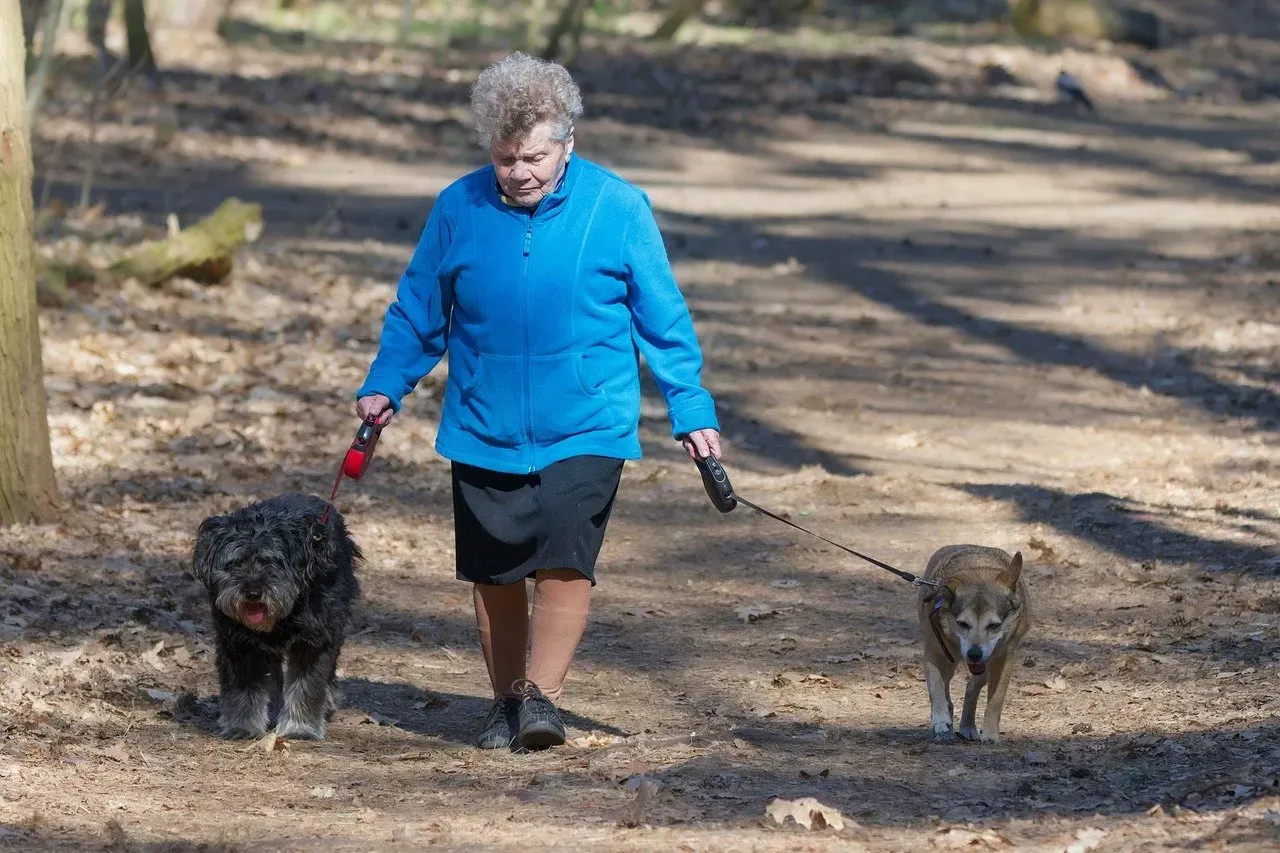
Here’s the thing that surprises most people: physical activity is one of the best brain protectors out there. A large study involving over ten thousand dogs revealed several significant findings about physical activity and cognitive function in older dogs, finding a robust negative association between physical activity and cognitive decline, meaning higher levels of physical activity were associated with better cognitive outcomes. Your dog’s daily walk is literally medicine for their mind.
Physical activity is a cornerstone of mental fitness for dogs of all ages, but it is particularly vital for senior dogs because regular exercise stimulates the mind, improves mood, and reduces anxiety and stress. You don’t need marathons. Short, consistent, low-impact movement works beautifully. Regular exercise keeps your senior dog’s joints limber and muscles strong, helps control weight, and engages the brain, all of which slow the aging process and boost quality of life.
4. Let Them Sniff – Seriously, Let Them Sniff
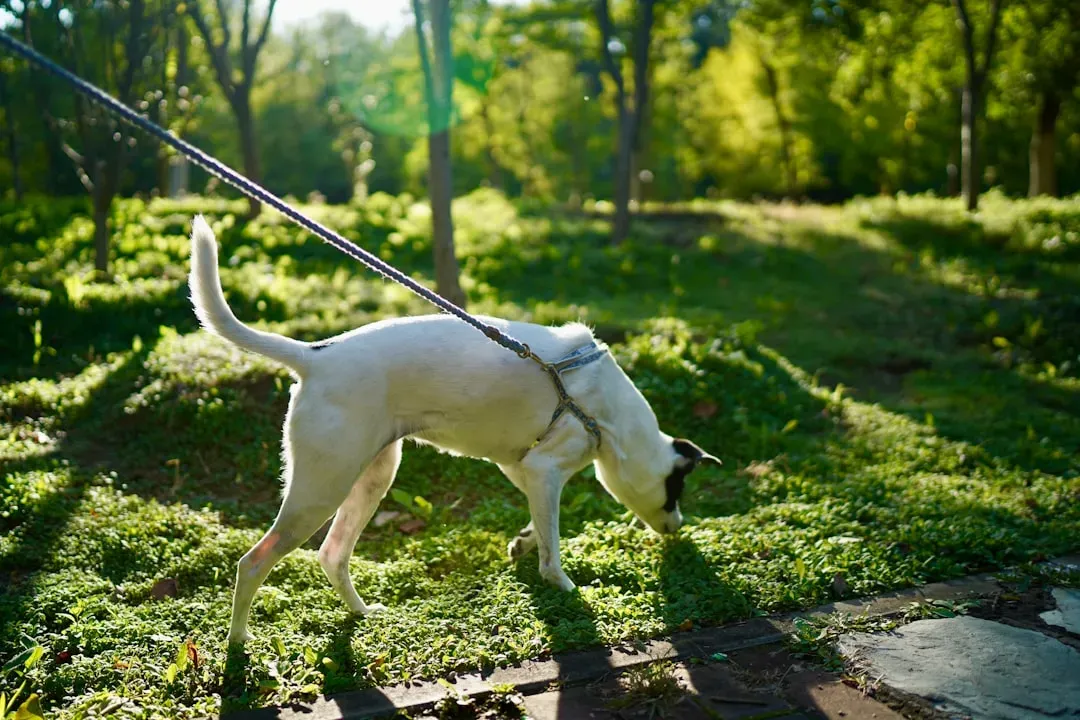
If you’re one of those owners who tugs the leash every time your dog stops to investigate a lamppost, it’s time to rethink that habit. Giving dogs the opportunity to sniff can be just as enriching as physical exercise and is an important part of providing well-rounded enrichment, which is especially beneficial for senior pets who may be limited by achy joints and low energy, since a short, slow-paced walk with sniff breaks can provide them with essential enrichment.
Sniffing activates many parts of a dog’s brain, releasing the pleasure hormone dopamine and promoting rest, thereby helping to reduce stress. Think of a sniff walk as a newspaper, a social media scroll, and a crossword puzzle all rolled into one gloriously low-key activity. Research suggests that mental stimulation can help delay cognitive decline in aging dogs, and slower, sniff-heavy walks are also gentler on arthritic joints, making them ideal for older pets.
5. Introduce Puzzle Toys and Food Games

Puzzle toys are basically the canine version of a Sudoku book, and aging dogs absolutely love them. Interactive toys and puzzle feeders that require your dog to solve a problem to get a treat can provide excellent cognitive stimulation and help keep the dog’s mind active and engaged, which is especially important for aging dogs. Even a muffin tin with treats hidden under tennis balls counts as enrichment.
A puzzle toy can serve as a great activity without asking too much of a dog’s mobility, and there are a lot of puzzle toys to choose from with different degrees of complexity that will keep an aging dog entertained for hours. Start easy and gradually increase the difficulty. The satisfaction your dog feels when they “crack the code” is written all over their face, and that sense of accomplishment matters deeply for their emotional wellbeing too.
6. Teach New Tricks – Yes, Even Now
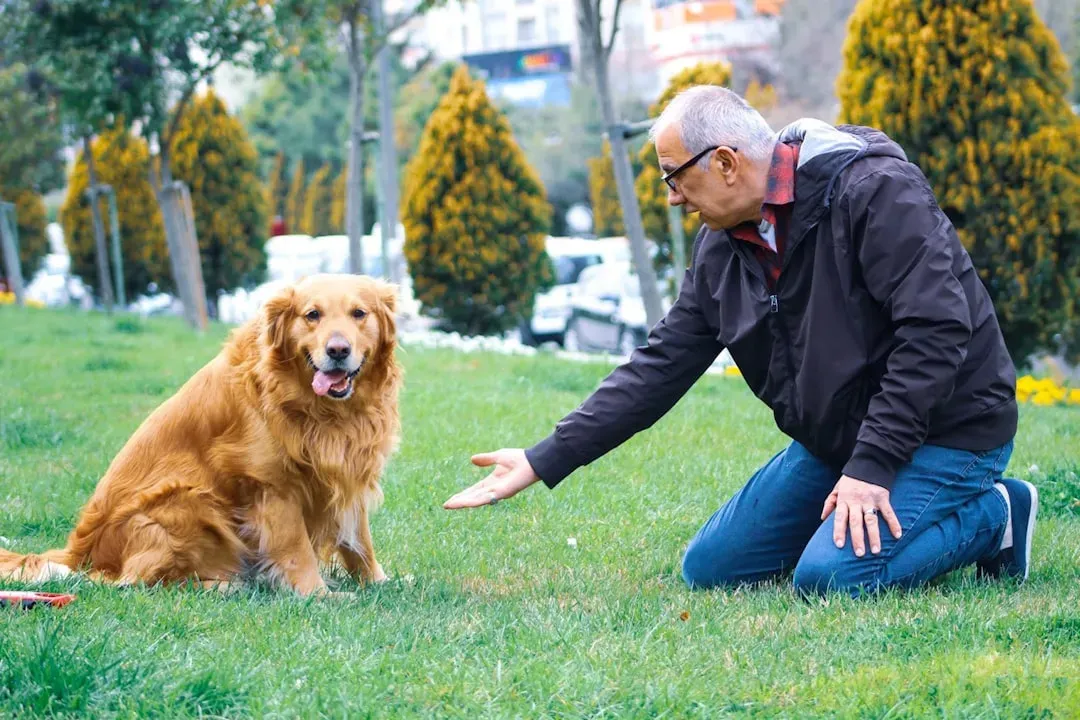
I know it sounds crazy, but the old saying has it completely backwards. Senior dogs are still quite capable of learning, and many really enjoy it. They may not be jumping through hoops if they are arthritic, but in their senior years dogs can certainly learn new tricks, such as how to shake hands, pick up objects, turn on light switches, and much more. Low-impact tricks are perfect for this season of life.
Every time your dog learns a new trick or command they are exercising their brain, and short five to ten minute training sessions can do wonders for mental stimulation and confidence, while also strengthening communication between you and your dog. Keep sessions short, joyful, and full of praise. Cognitive stimulation can slow the progression of canine cognitive dysfunction, improve memory, and provide a valuable source of entertainment and engagement for dogs.
7. Rotate Their Toys Regularly
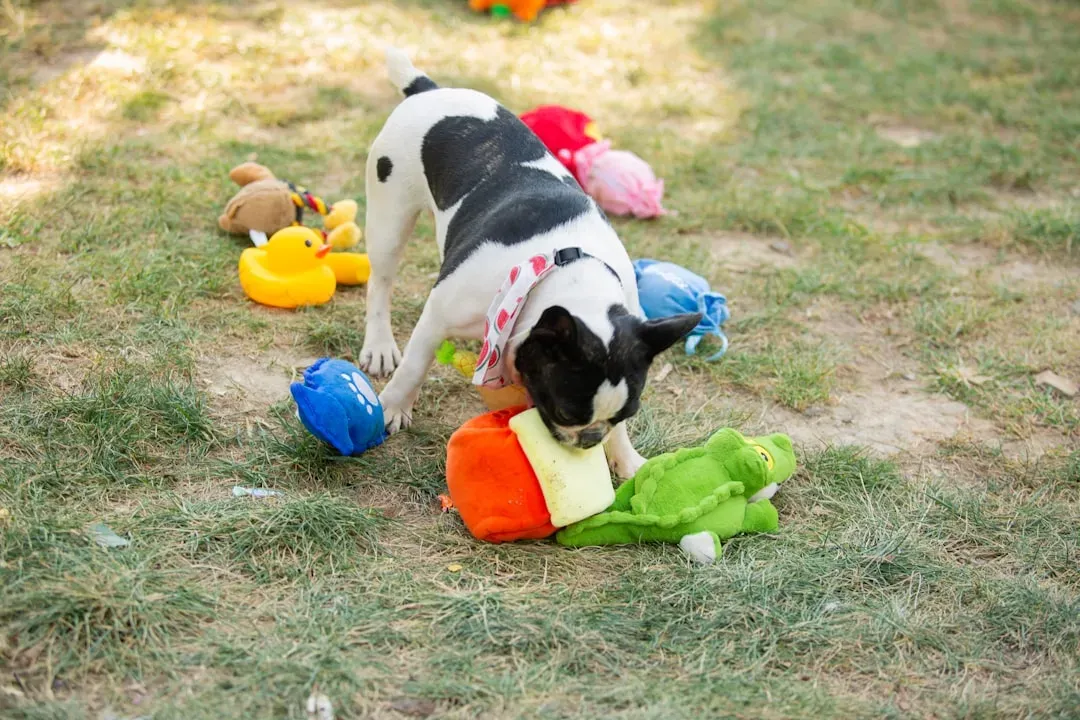
This one is so simple and so wildly underused. Reintroducing a toy after a few weeks can reignite interest and provide renewed mental stimulation, and this method works well for dogs, making old toys feel brand new again. Your dog doesn’t need a thousand toys. They need novelty, and rotation is the cheapest way to deliver it.
Toys are one way to stimulate your dog both mentally and physically, and while it is entirely normal for a dog’s passion for toys to wane with age, there are ways to revive that interest, such as by rotating toys weekly. Think of it like rearranging the furniture in your living room. Suddenly, the familiar feels fresh again, and a curious nose goes to work.
8. Try Nose Work and Scent Games at Home
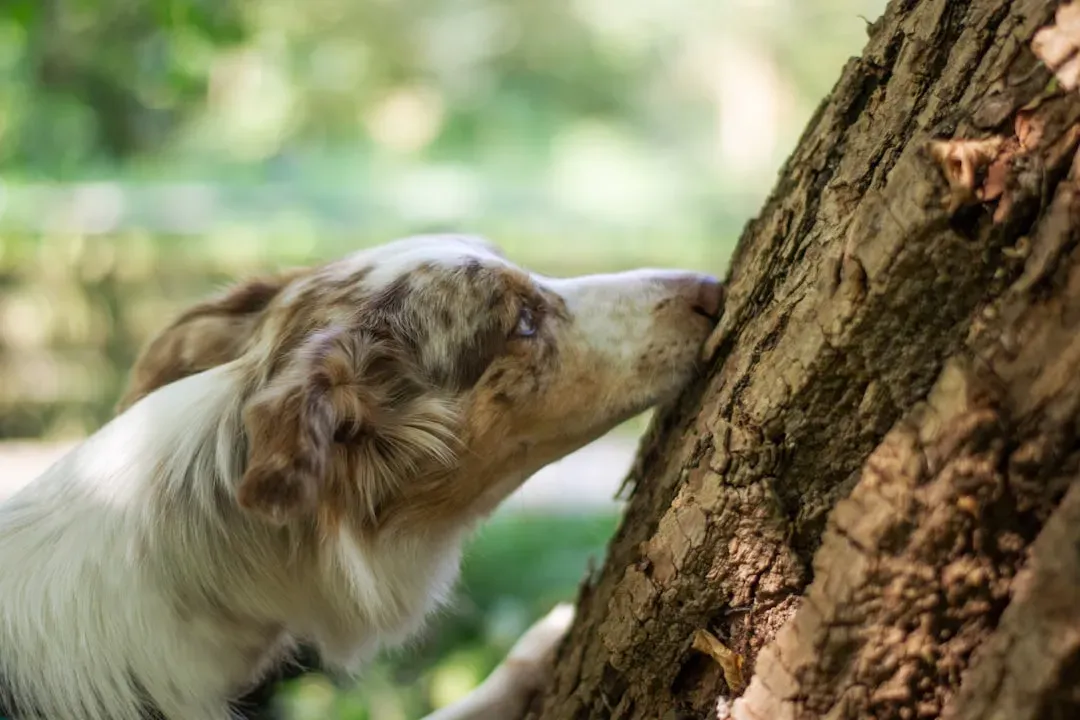
Nose work is one of the most accessible, affordable, and genuinely thrilling activities you can offer a senior dog. Just like humans, senior dogs benefit from activities that keep their brains active and engaged, and scent work does exactly that by giving your dog a problem to solve using their nose, which helps keep the brain engaged and functioning well.
Even just ten to fifteen minutes of nose work can tire your dog as much as a long walk, while sniffing naturally lowers your dog’s heart rate and calms their nervous system, providing a meditative effect that is perfect for anxious or reactive dogs. Hide treats in cardboard boxes, tuck a smelly sock under a blanket, scatter kibble in a snuffle mat. Scent work keeps the brain challenged and stimulated, helping prevent boredom and behavioral issues, and research suggests that cognitive decline can affect a significant portion of aging dogs, making proactive mental enrichment even more important.
9. Prioritize Meaningful Social Interaction
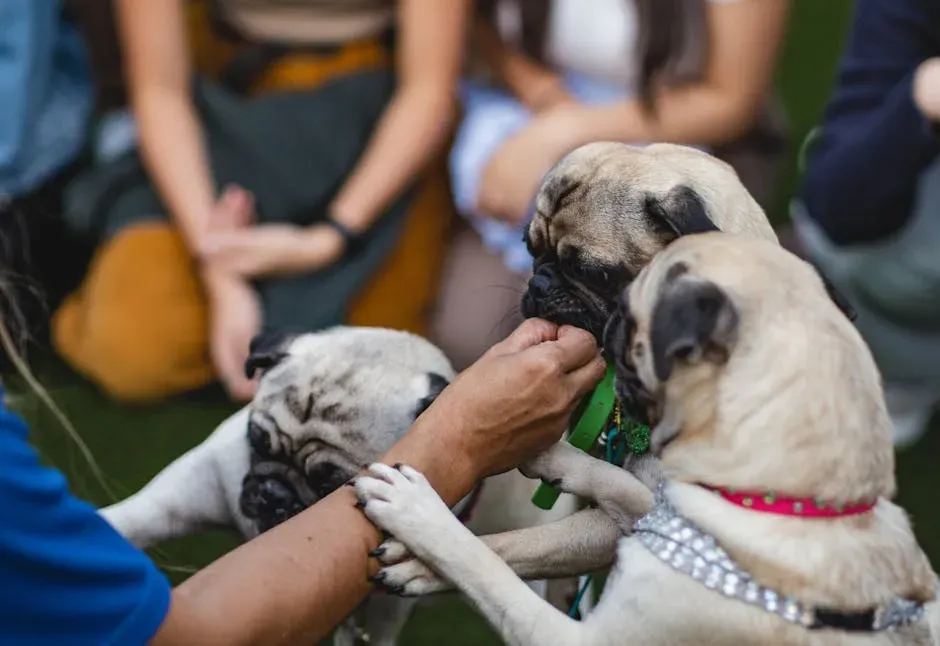
Loneliness is not just a human problem. Dogs are profoundly social creatures, and isolation can quietly accelerate cognitive decline. Social interactions can greatly contribute to your dog’s mental health, and regular interaction with other dogs, people, and different environments can provide mental stimulation and reduce feelings of loneliness or isolation. Even a calm meet-up with a familiar dog friend counts.
While we may think our older dogs are content to kick back more and interact less, in reality the opposite is true. Their senses may not be as sharp as they once were, but having fun with their people is still a thrill, and it has a positive payback by helping them maintain their cognitive agility as they age. Even gentle grooming sessions, soft conversation, or quiet cuddle time stimulates the emotional centers of the brain in genuinely meaningful ways.
10. Feed the Brain with the Right Nutrition

What goes in the bowl matters more than most people realize. The omega-3 fatty acids DHA and EPA play critical neuroprotective and anti-inflammatory roles, and fish oil provides an excellent source of both. Think of omega-3s as the repair crew quietly patching up the neural highways in your dog’s aging brain.
Research has shown that senior dogs fed a diet containing medium-chain triglycerides made fewer errors on cognitive tests assessing awareness, perception, reasoning and adaptability, with improvement in memory beginning within just two weeks. That’s remarkably fast. In several studies, senior dogs receiving diets fortified with antioxidants, B-vitamins, and omega-3s showed improved learning and memory over time. Always talk to your vet before making significant dietary changes, but this is definitely a conversation worth having.
11. Create a Consistent, Calm Daily Routine
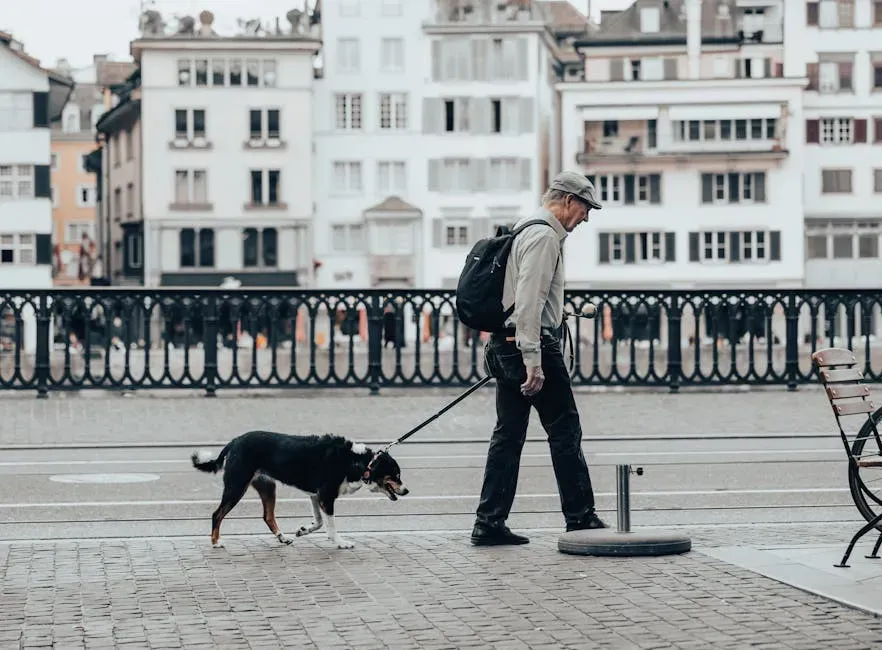
For a dog whose world is becoming harder to navigate, predictability is an act of deep kindness. Chronic stress accelerates brain aging, so creating predictable routines and safe spaces for your senior pet, especially if they are showing signs of anxiety, is genuinely protective for their cognitive health. Morning walks at the same time, meals in the same spot, a quiet corner that belongs entirely to them.
Imagine how disorienting it feels when familiar things stop making sense. A stable routine gives your dog a cognitive anchor, something dependable to return to. Cognitive exercises can also help reduce anxiety and restlessness, enhance the quality of sleep, and even help manage physical symptoms of aging, such as arthritis, by promoting better body awareness. Routine is medicine too. Don’t underestimate it.
12. Partner with Your Veterinarian Proactively
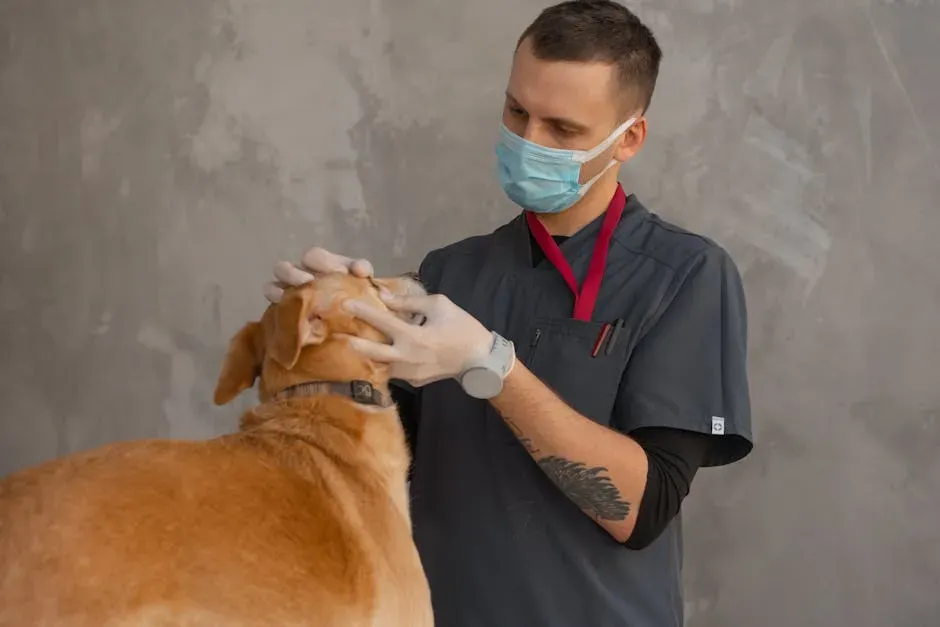
This might be the most important one of all, and yet it’s the one most people leave until things get bad. Regular vet visits are essential for detecting and managing health issues that could affect your senior dog’s mental fitness. As dogs age, they may experience conditions like arthritis, dental disease, or vision loss which can impact their quality of life, and discussing any changes in your dog’s behavior with your vet is crucial since these could be signs of cognitive decline, and your vet can provide guidance on managing these changes and keeping your dog mentally fit.
Your veterinarian can guide you in building a wellness plan that incorporates both mental stimulation and supplements that help protect the brain tissues, slowing the changes associated with cognitive decline. Think of your vet as your co-pilot on this journey, not just the person you call when something goes wrong. Early intervention with environmental enrichment, diet, and medical management can genuinely improve the quality of life for dogs affected by CDS.
Conclusion: Your Dog’s Golden Years Can Still Be Golden
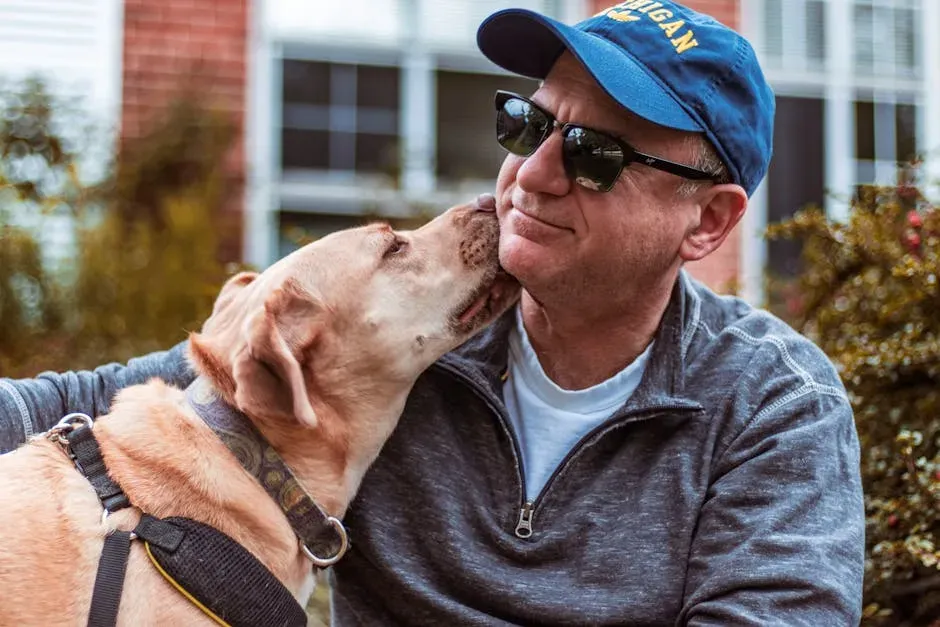
Your dog has spent their whole life showing up for you, tail wagging, eyes bright, soul wide open. Now it’s your turn to show up for them in the most meaningful way possible. None of the strategies above require a lot of money or special equipment. Most of them just require your presence, your patience, and your attention.
The science is clear and actually hopeful: mental enrichment can improve your dog’s mood, reduce unwanted behaviors, and even slow cognitive decline as they age. That graying muzzle and those slower steps don’t have to mean a diminished life. With the right support, your senior dog can remain curious, engaged, joyful, and deeply connected to you for years to come.
Every puzzle solved, every sniff walk taken, every new trick learned is a small gift to their brain. Start with just one thing from this list today. Which one will you try first?


