
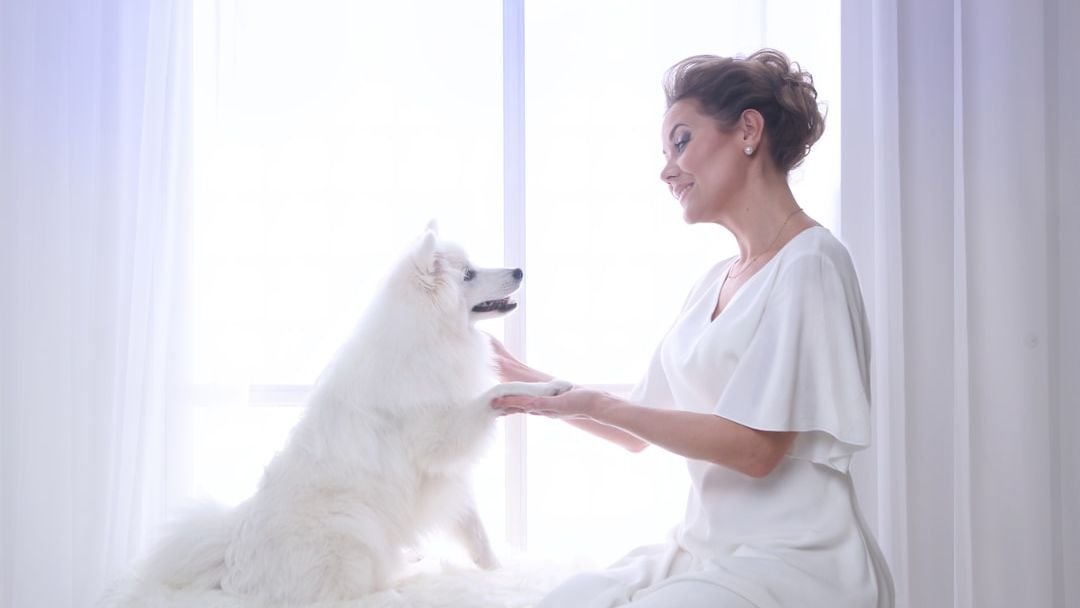
You know that flutter in your heart when your dog tilts their head just so, or the way they seem to read your mind before you’ve even moved? That connection isn’t just magic. It’s built from the ground up, day by day, through small moments that matter more than you might think. Here’s the thing: strengthening isn’t about grand gestures or expensive toys. It’s about showing up consistently, understanding their world, and building trust through everyday habits that speak directly to their canine heart. Let’s get started.
1. Lock Eyes with Your Pup
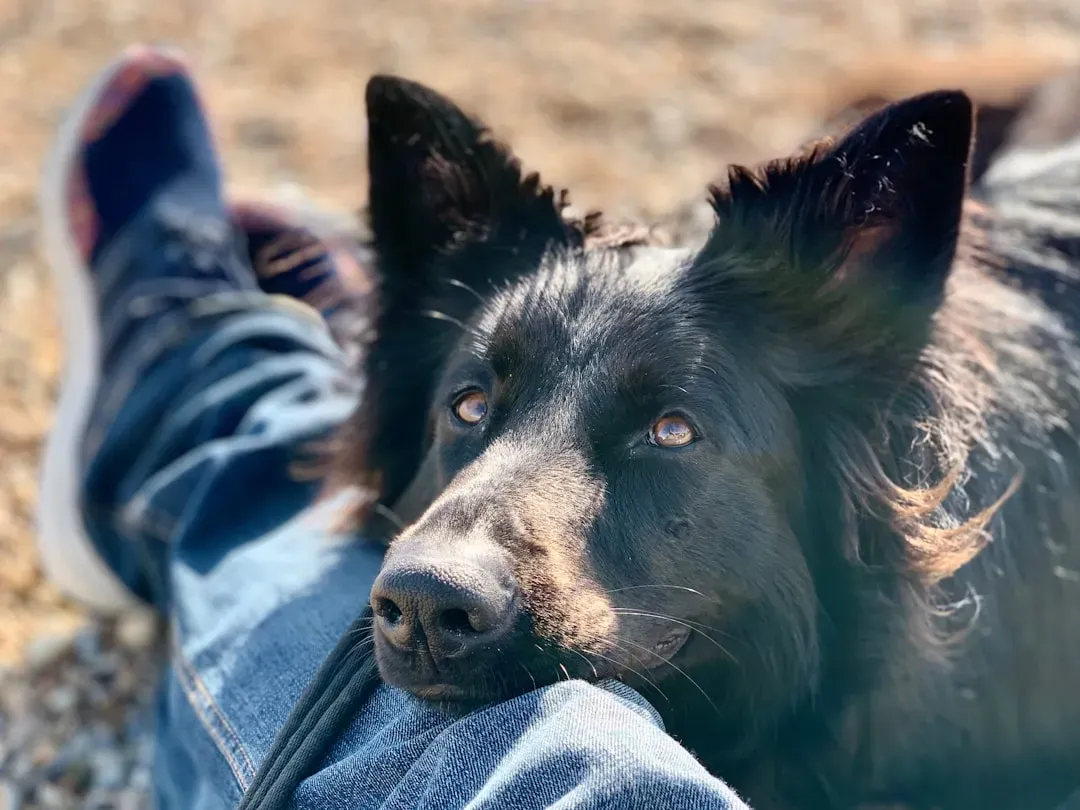
When you gaze into your dog’s eyes, something remarkable happens. Mutual gazing increases oxytocin levels in both you and your dog, with dogs experiencing a rise of up to 130 percent and owners seeing increases as high as 300 percent. That’s the same bonding hormone released between mothers and babies.
Staring into your dog’s eyes releases oxytocin, known as the love hormone. That’s the same hormone, and therefore the same feeling, we get when we look at our children. Now, I’m not saying you should have staring contests all day. Just take those quiet moments on the couch or during your morning routine to really look at each other. Let them see you’re present.
Keep in mind, context matters. While gazing into the eyes of a dog you love and who loves you can create a tender moment, staring into the eyes of an unknown or unfriendly dog can be perceived by the dog as threatening and scary. So save the soft, loving gaze for your own furry friend.
2. Master the Art of Positive Reinforcement
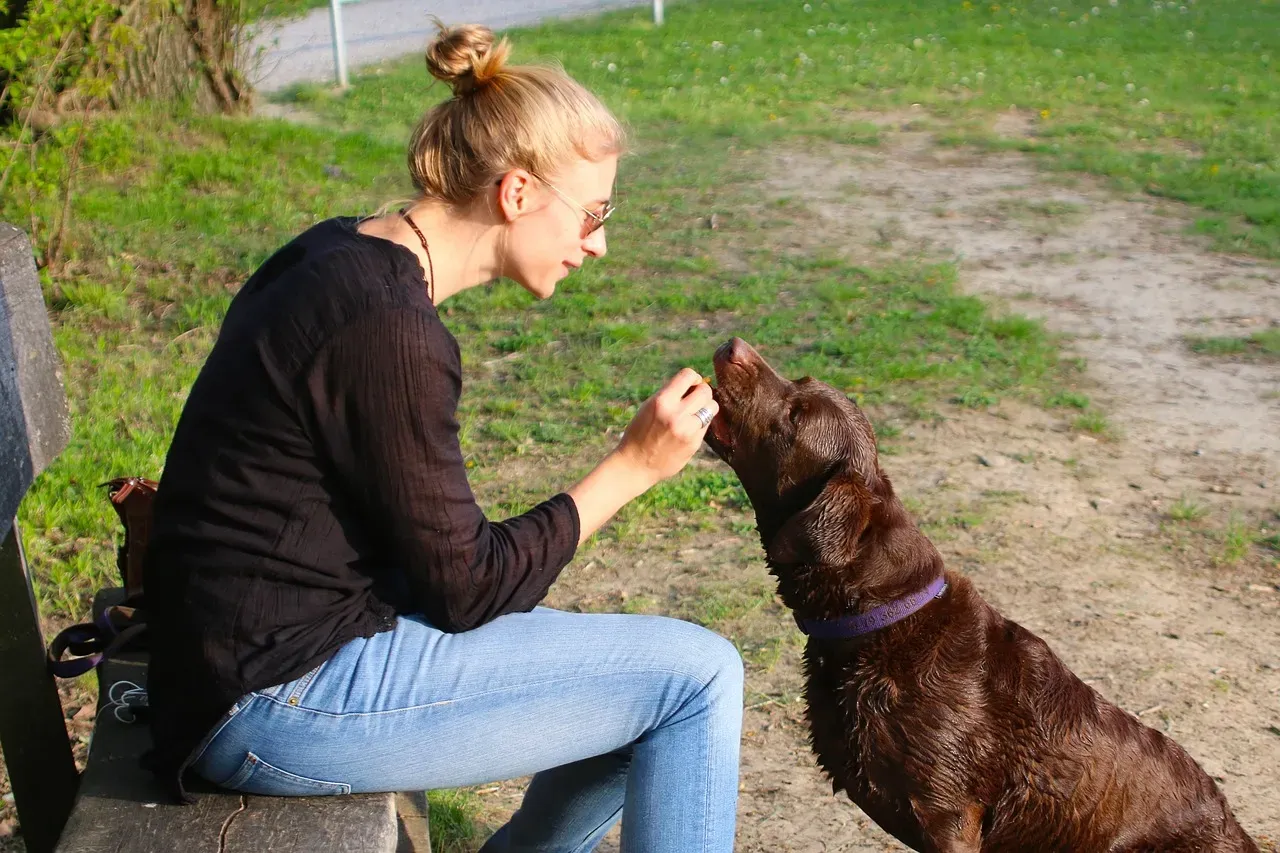
Positive reinforcement enhances the human-animal bond by fostering a common language that pet parents can use to interact with their dog. The use of positive reinforcement training methods builds up a dog’s confidence and trust in their pet parents. It’s not bribery. It’s communication.
Think about it like this: your dog wants to make you happy. Dogs are very eager to please their owners, and positive reinforcement lets them know their behavior was good and gives them a solid indication of how to keep making you happy. When you reward the behaviors you want, you’re giving them a roadmap to success.
The reward must occur immediately, within seconds, of the desired behavior, or your pet may not associate it with the proper action. Timing is everything here. Miss that window, and your dog might think they’re being rewarded for something else entirely.
3. Become Fluent in Dog Body Language
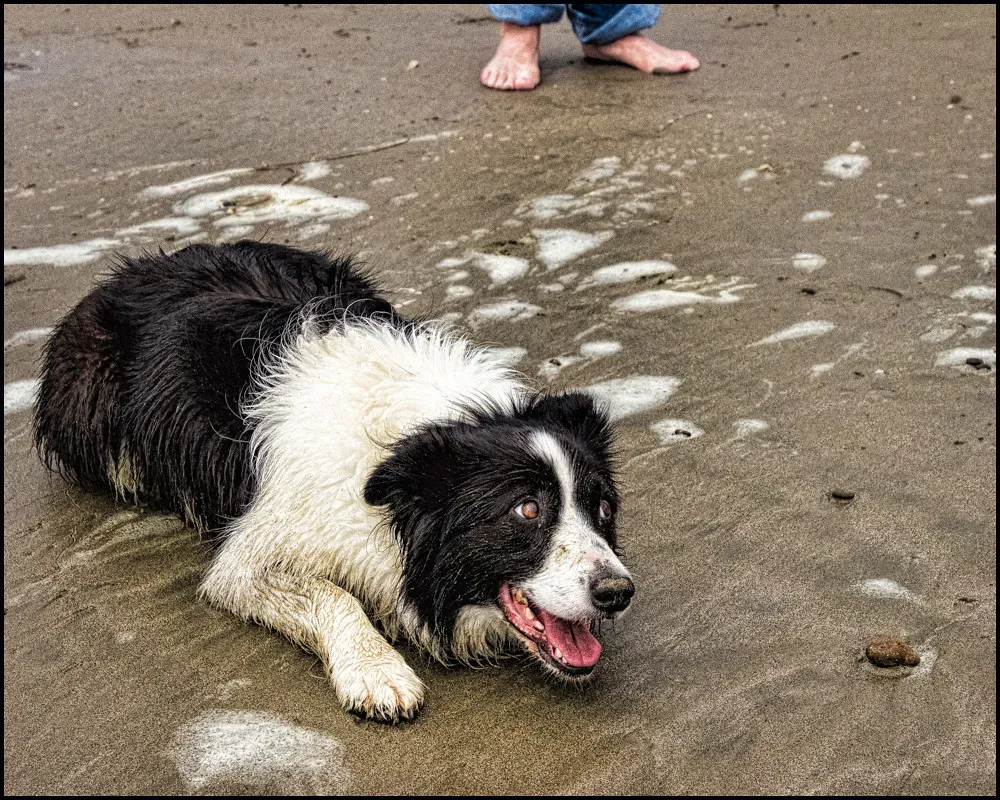
The best way to build a strong bond with your dog is by learning to read their facial expressions and body language. Once a pet parent learns what their dog is trying to say, the door to improved understanding and communication opens. Dogs are constantly talking to us, just not with words.
When a dog has their ears turned to the side, head lowered, avoids eye contact, and has their tail lowered or tucked between their legs, they are conveying a message of fear, anxiety, and potentially stress. Recognizing these signals lets you step in and protect them before a situation escalates.
Learn what relaxation looks like too. A loose, wiggly body tells you one story, while a stiff stance tells you another. The more you tune in, the more your dog will trust you to understand them.
4. Establish a Predictable Daily Routine

Dogs thrive on routine. Predictable mealtimes, walks, play, and rest help your dog feel safe and secure. When your pup feels safe and like they can count on you to follow through with their routine, it’ll be easier for them to trust you.
Honestly, routines aren’t just for anxious dogs. Even the most confident pup finds comfort in knowing what comes next. Feed them at roughly the same time each day. Walk them around the same hour. Create rituals around bedtime or playtime.
Creating a routine will keep things predictable for your dog, so she’ll know what to expect from you every day. Sticking to a consistent routine will help build trust with a new dog, and she’ll be more comfortable around you. Predictability equals security, and security equals trust.
5. Turn Grooming into Bonding Time

Grooming a dog can strengthen the human-animal bond if it’s done right and makes your dog feel good. Brushing your dog’s coat two or three times a week removes dirt, debris, and loose fur, and it can be very soothing to many dogs.
Regular brushing, gentle petting, or massage not only keeps your dog healthy, but it also reinforces your bond. Touch builds trust and comfort, especially when it’s paired with positive experiences. Pay attention to how your dog reacts. Some love belly rubs, others prefer scratches behind the ears.
Start slow if your dog is nervous about handling. Pair each grooming session with treats and praise. Over time, they’ll associate your touch with care and safety, not stress.
6. Go Beyond Basic Walks
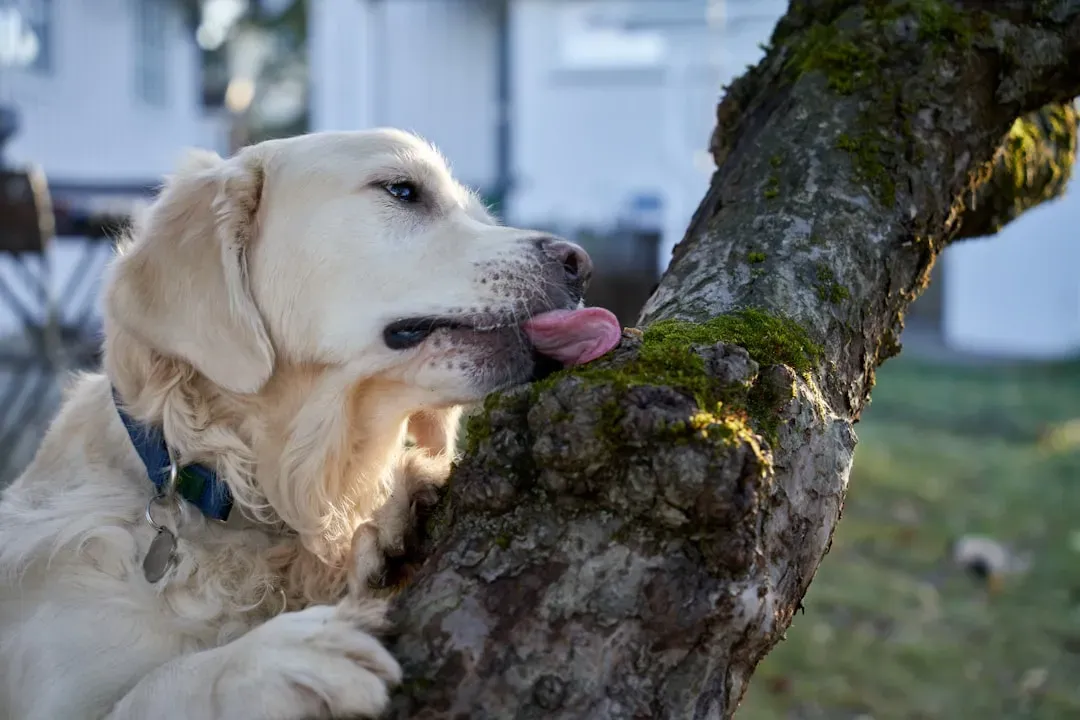
Dogs love sniffing, exploring, and seeing and hearing new things, so they’ll be grateful to you for the fun outing, and will begin to associate you with that good feeling. Daily long walks are also great because a well-exercised dog makes for a calm dog, one who can transition to a new home more easily.
Let’s be real: your dog doesn’t just need to pee and get back inside. They need mental stimulation. Let them sniff that tree trunk for an extra minute. Rather than requiring that your dog keep pace with you during walks, allow them the chance to wander and sniff. Focus on the journey rather than the destination for a change.
This isn’t wasted time. Sniffing is how dogs gather information about their world. When you honor that, you’re telling them their needs matter to you.
7. Train Throughout Their Life
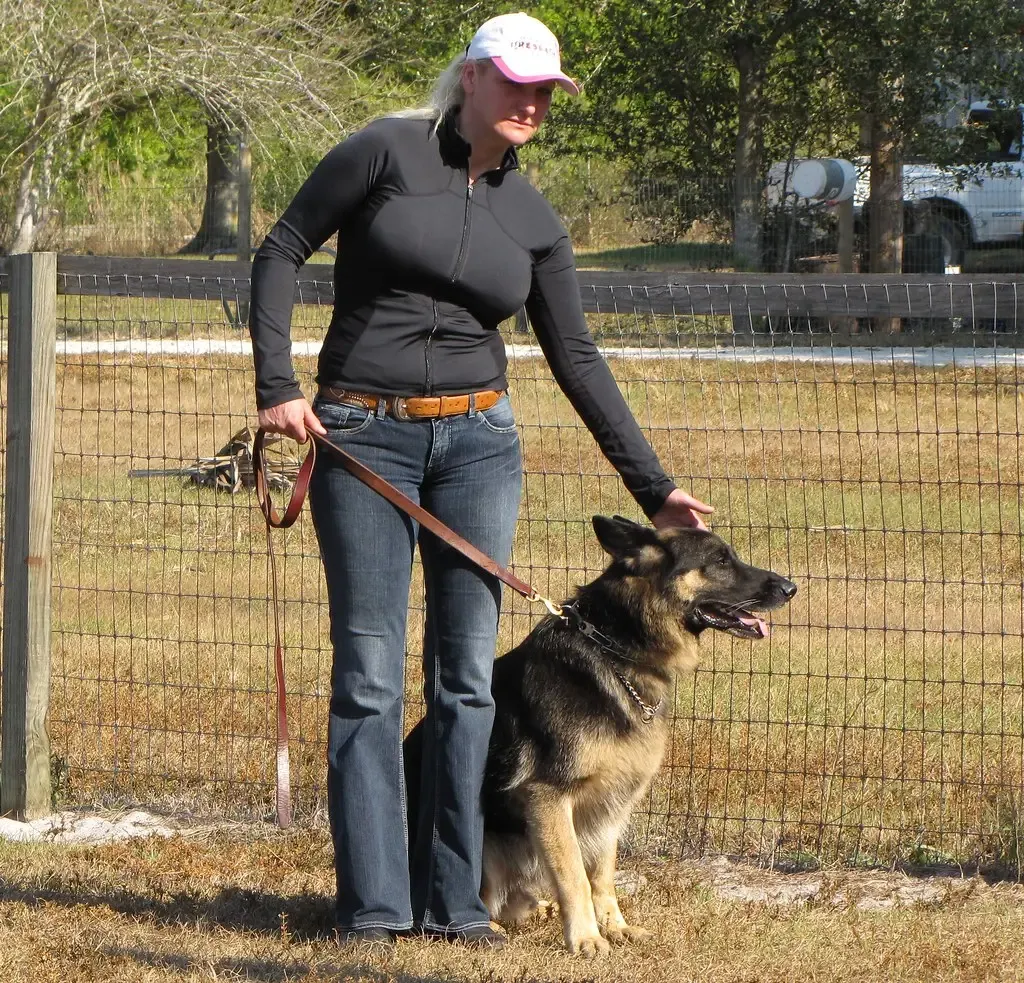
Training is more than just teaching commands. It’s an opportunity for bonding. Training sessions keep your dog mentally engaged and strengthen your connection. You don’t stop after they learn to sit. Keep challenging them with new skills, tricks, or activities.
Teaching your dog new tricks not only helps them learn better manners and behavior but is a mentally enriching activity that deepens your connection. Training requires your dog to be tuned into you for guidance. They will master new commands and be rewarded with praise and treats from you, building their confidence.
Maybe it’s teaching them to find hidden treats, or learning the names of their toys. Even five minutes of training a day keeps your relationship dynamic and interesting.
8. Respect Their Right to Say No
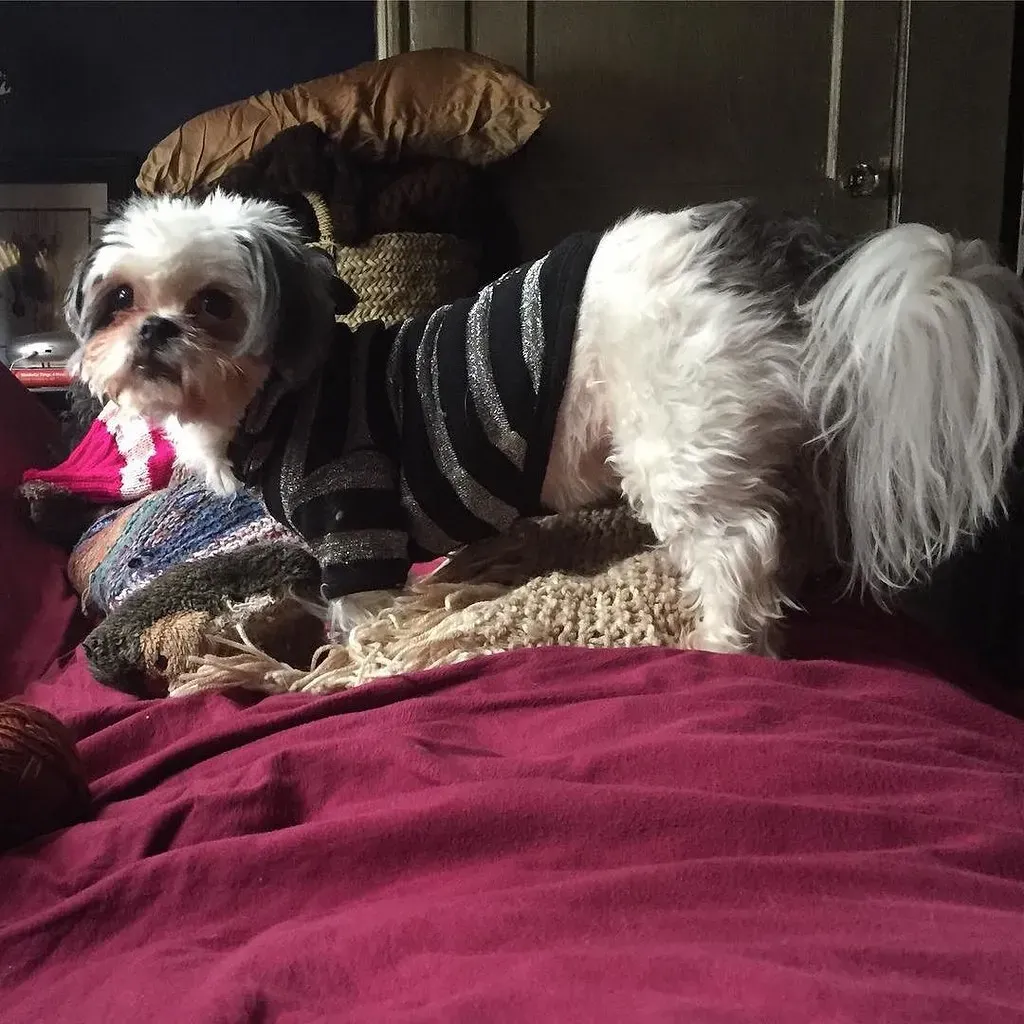
Giving your dog the opportunity to make choices is one of the most powerful ways to give your dog a voice, which will in turn make them appreciate you, and the bond you share, even more. This one might sound odd, but it’s huge.
Ask your dog if they want to put on that holiday sweater instead of forcing it on them. If they back away when you hold it out, don’t make them wear it. Let them choose whether to approach a stranger or retreat to their safe space.
Advocate for your dog in new or stressful situations, and don’t force them into uncomfortable interactions with people or other animals. Pay attention to what makes your dog uneasy, and step in to protect their emotional and physical wellbeing. When your dog knows you’ll protect their boundaries, they’ll trust you more deeply.
9. Simply Be Present Together
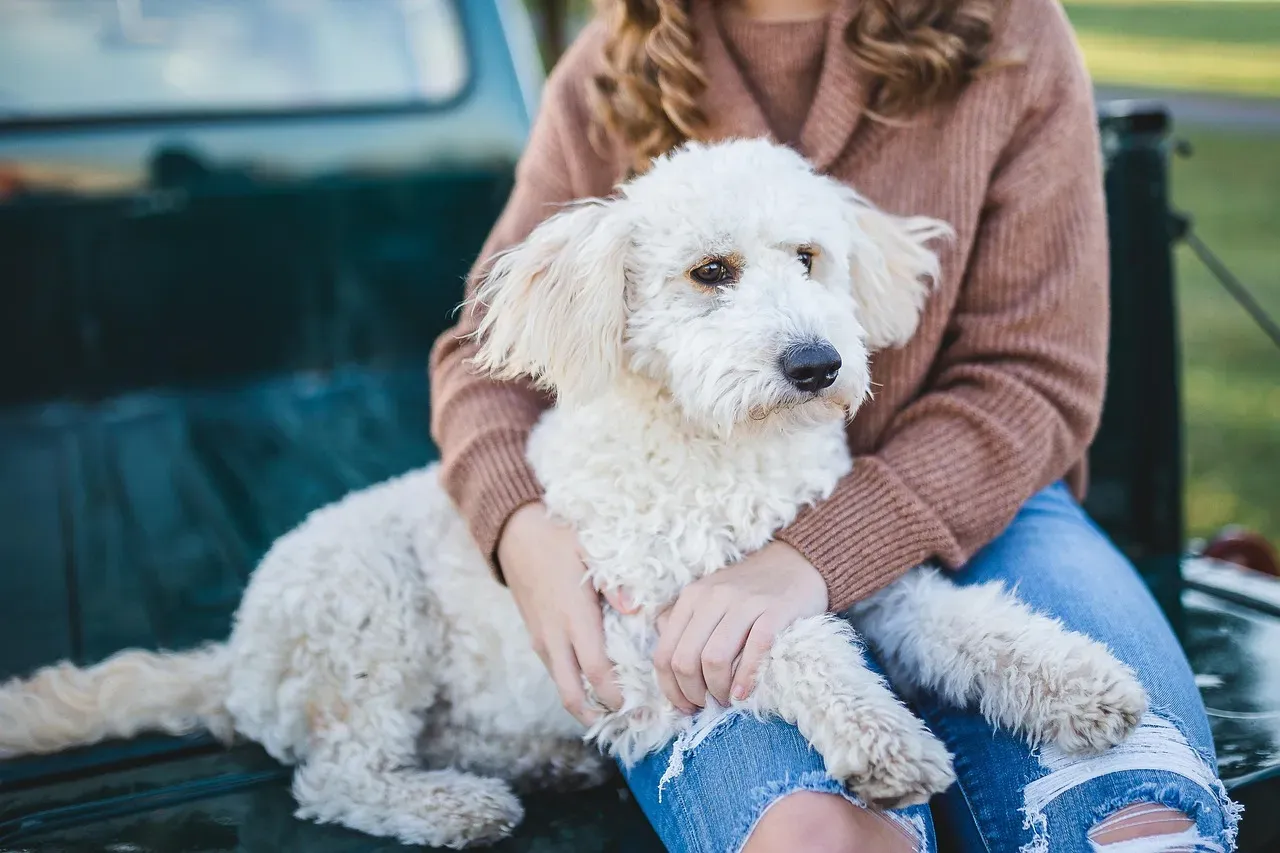
Spending time with your dog beyond walks and feeding is so important for growing your relationship. Simple tasks like playing games, going for walks, or just hanging out on the couch at home can help your dog feel more comfortable with you and their new environment. The more positive interactions you share, the deeper your bond will grow.
You don’t always have to be doing something. Sometimes the best bonding happens when you’re both just existing in the same space. They’re curled up at your feet while you read. You’re watching TV and absently stroking their ears.
These quiet moments matter. They tell your dog that being near you is rewarding in itself, not just when treats or toys are involved.
10. Talk to Your Dog More Often
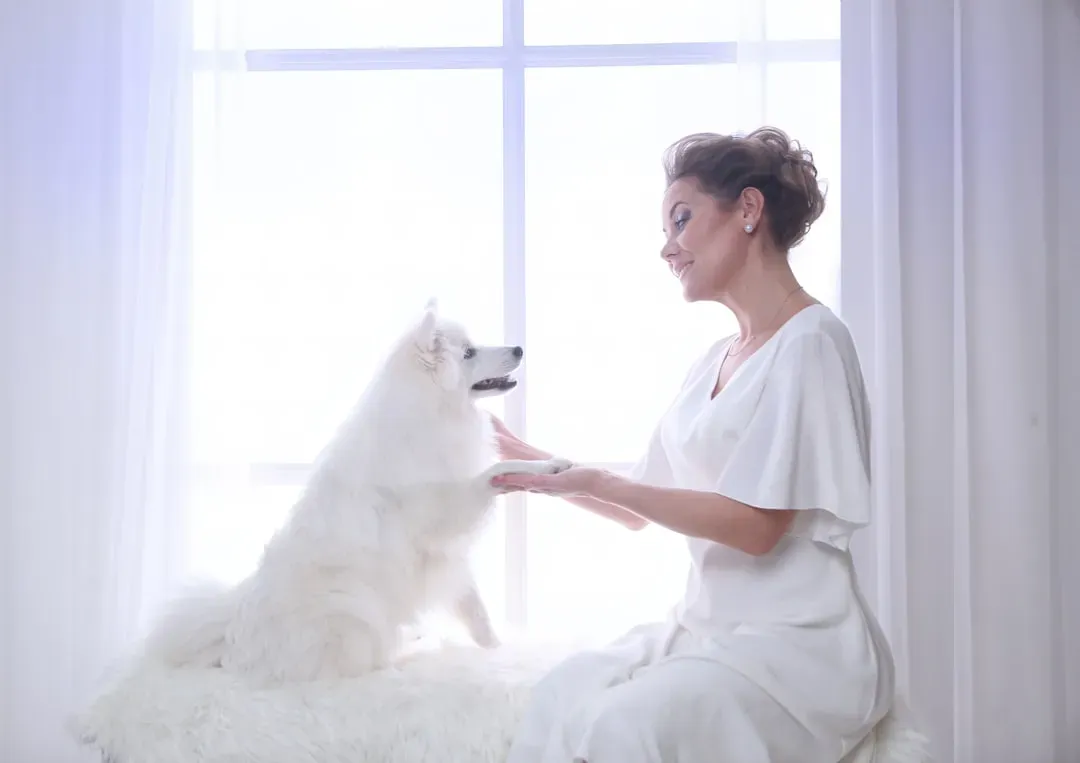
Studies have shown that reading out loud or talking to your pet can reduce stress and create a connection with them. Research suggests that dogs can recognize their owner’s voice, meaning the more you gossip with your pup, the stronger your friendship will be.
I know it sounds silly. You’re telling them about your day, your frustrations, your plans for the weekend. They’re just staring at you with those big eyes. Still, they’re listening. They’re learning your tone, your emotions, your rhythms.
Your voice becomes a source of comfort. When you speak to them regularly in a calm, friendly tone, you’re building a language all your own.
11. Engage in Interactive Play That Matters
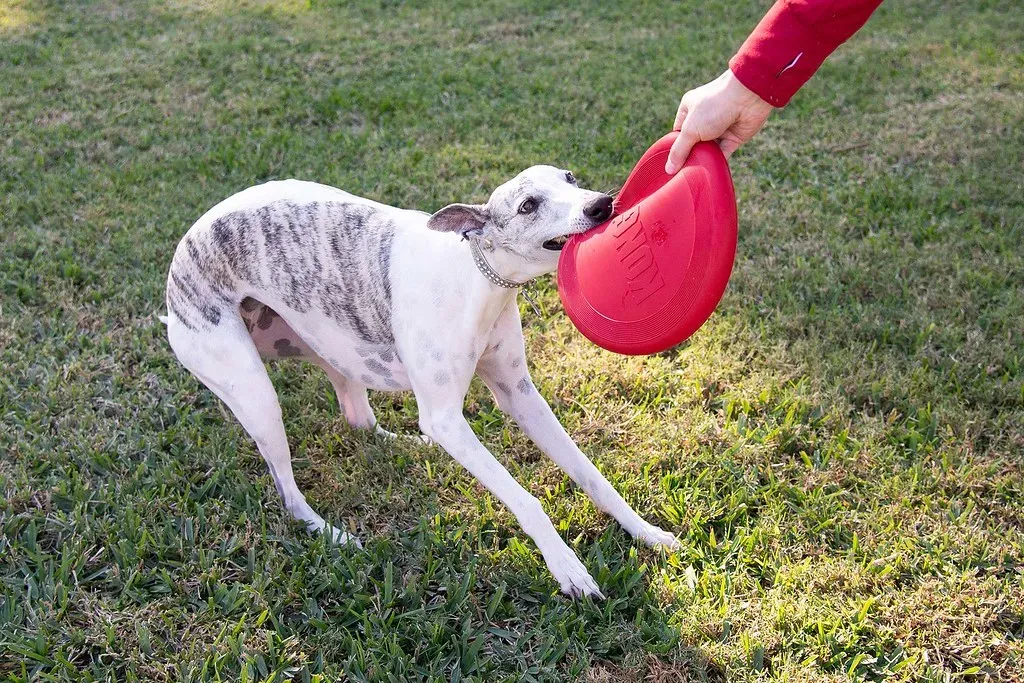
Figure out what your dog’s favorite activity is and engage with them fully. Actively participate in fetch or tug-of-war and your dog will feed off of your excitement. Play isn’t just exercise. It’s relationship fuel.
Tug is a great way to work on connection, to release stress, and to work on self-control. Start by playing at home and in familiar places to build the pup’s interest in the game. Using these cues can help your dog understand how to handle their excitement.
Don’t just toss a ball and scroll through your phone. Get down on the floor. Chase them around the yard. Be silly. Let them see your joy in playing with them.
12. Provide Enrichment Beyond the Basics
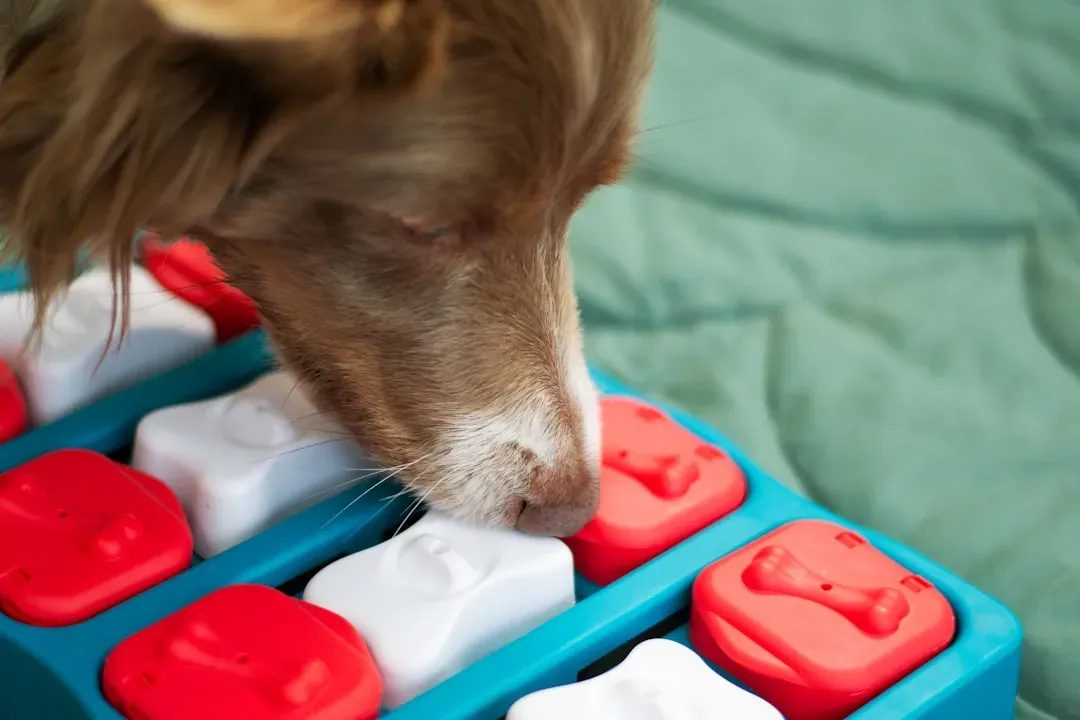
Enrichment is the key to a happy and healthy pup. Enrichment can be anything that stimulates your best friend’s senses. Think puzzle feeders, scent games, new textures to explore, or even just rotating their toys so everything feels fresh.
Proper mental and physical enrichment will also help you build a strong relationship with your dog. Make sure your dog is getting an appropriate amount of exercise, both physical and mental. Taking your dog for regular walks, playing fetch, and trying out dog sports can help tire out high-energy dogs, while enrichment toys and training games will exhaust your dog mentally.
A bored dog is a frustrated dog. When you actively work to keep their minds engaged, you’re showing them that their wellbeing matters to you. That builds trust.
Conclusion
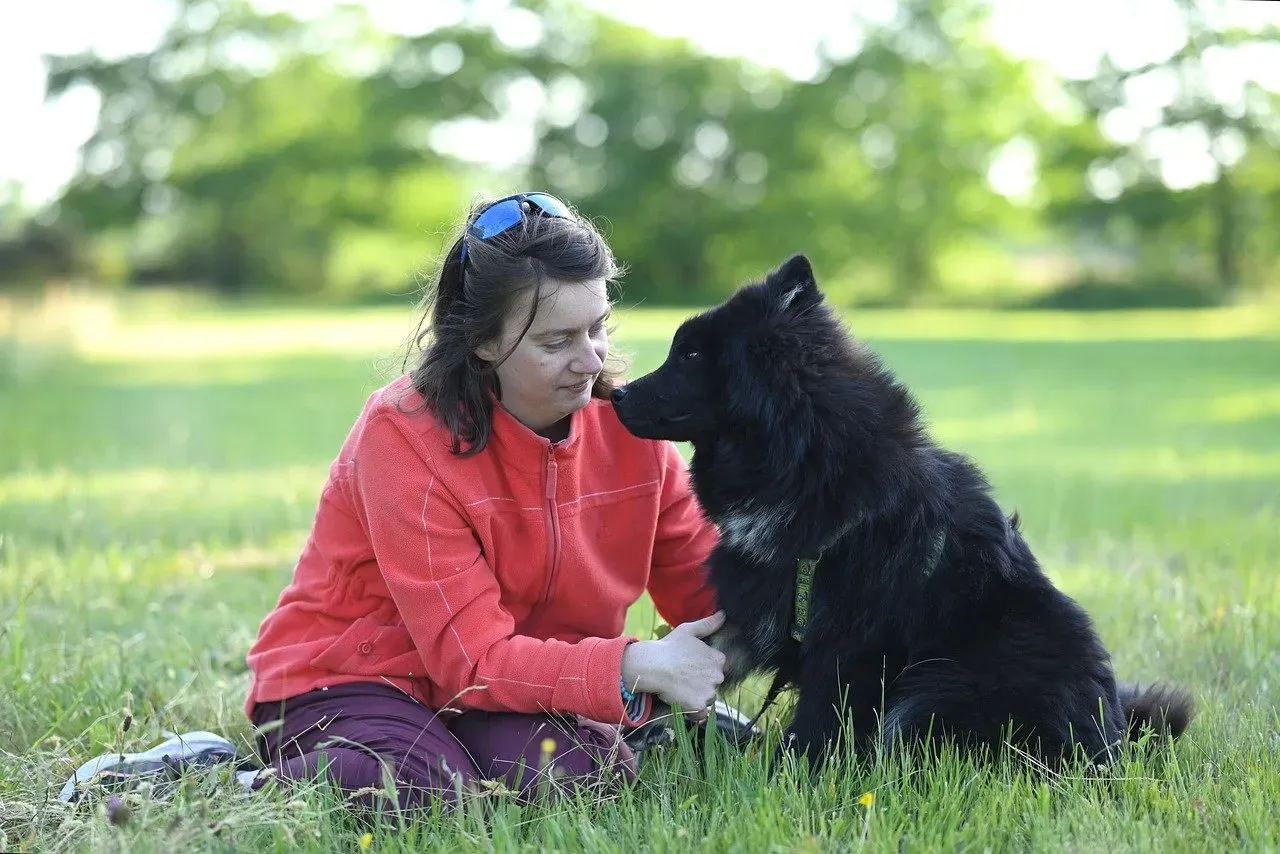
Building a bond with your dog isn’t a destination. It’s a journey made up of countless small choices, repeated day after day. When you prioritize understanding their language, respecting their needs, and showing up consistently with patience and love, you create something extraordinary. These everyday habits aren’t complicated or time consuming, yet they transform your relationship from simple coexistence into true partnership.
Your dog already loves you. These habits just help you love them back in a language they understand. What small change will you make today to strengthen your bond?


