
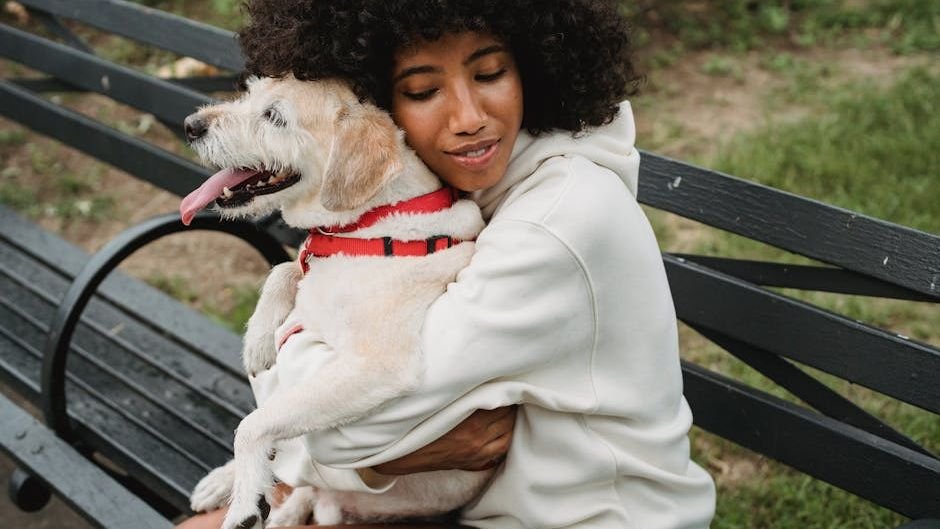
You love your dog deeply. You feed them, walk them, cuddle them on the couch, and talk to them like they understand every single word. Most of the time, you’re doing a brilliant job. Yet there’s a good chance that some of your most innocent, everyday habits – the things you do without even thinking – are quietly scrambling the signals your dog relies on to feel safe.
Here’s the thing: dogs don’t experience the world the way we do. They’re wired differently, they communicate differently, and what feels completely normal to us can feel downright overwhelming to them. The gap between what we intend and what our dogs actually receive is wider than most people realize. Let’s dive in – because some of these might genuinely surprise you.
1. Staring Directly Into Their Eyes (Yes, Even Lovingly)
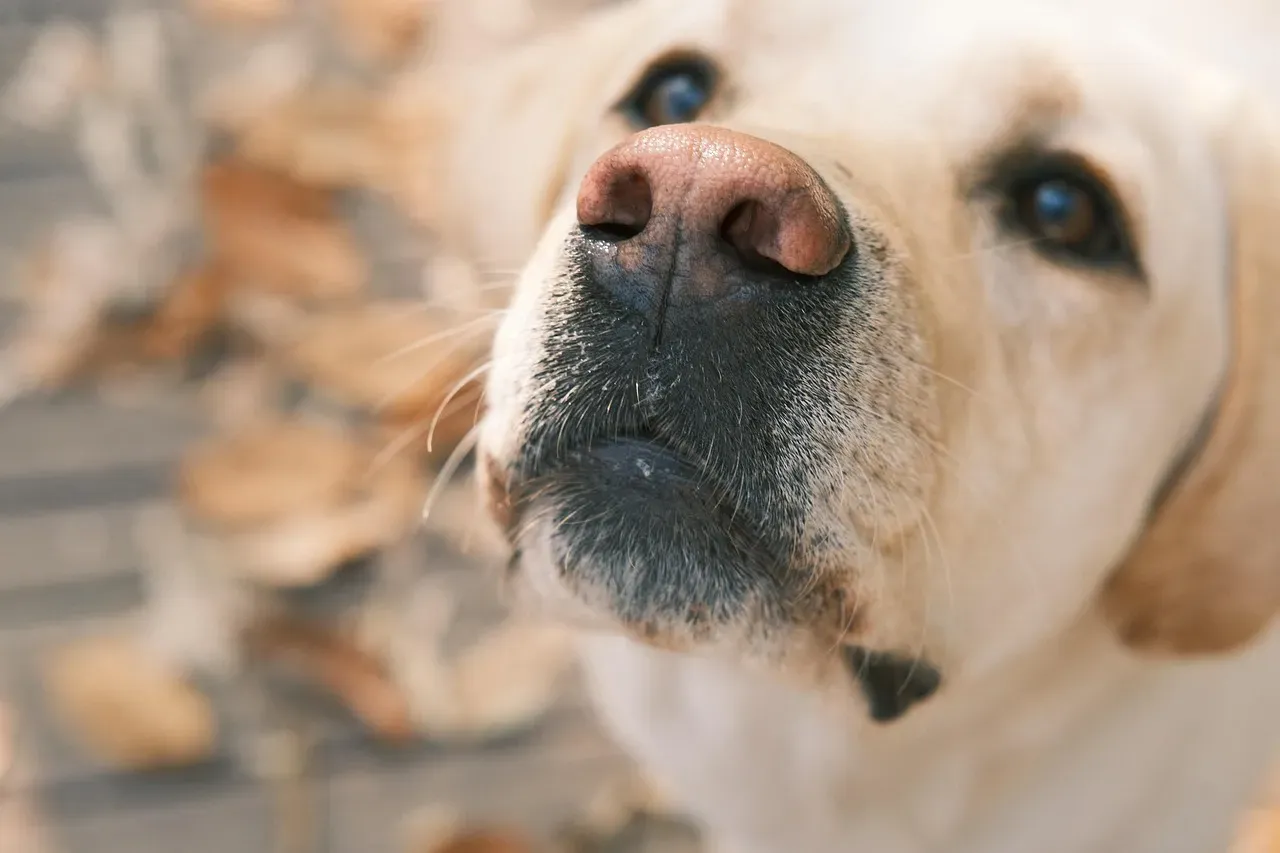
Direct, prolonged eye contact feels threatening in dog language, not loving the way it does for humans. When strangers lock eyes with your pup, it often triggers discomfort or defensive reactions. That intense, adoring gaze you give your dog? To them, it can register as a challenge rather than affection.
Dogs prefer soft glances and looking away, which signals friendliness in their world. Save intense gazing for bonding moments when your dog initiates it, and offer gentle looks instead of unblinking stares that create tension. Try it with your own dog today – soften your eyes, glance away briefly, and notice how much more relaxed they become.
2. Using Inconsistent Commands During Training
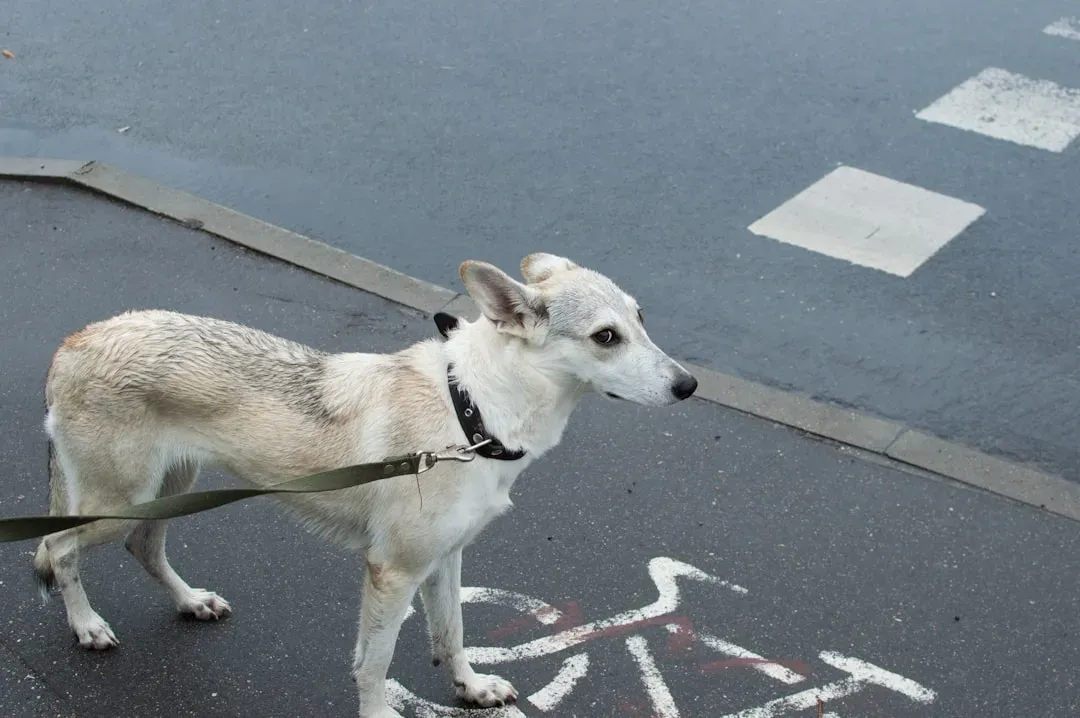
Dogs thrive on consistency, so using different words for the same action creates serious confusion. If you say “down” one day and “lie down” the next, your pup struggles to understand what you actually want. Honestly, this is one of those habits that sneaks up on us. We’re just talking to them naturally, but they’re desperately searching for a pattern.
Training should be consistent to avoid confusion. Mixed signals during training sessions can lead to anxiety, as your dog struggles to understand what’s expected. Consistency in commands and rewards creates clarity, while using different methods or commands can leave your dog puzzled and stressed. Pick one word per command and stick with it. Write it down if you have to. Your dog will thank you with calmer, faster learning.
3. Changing the Rules Without Warning

Dogs are naturally adept at pattern recognition, thriving on predictability and clear expectations. When rules fluctuate – such as permitting a dog on the couch one day but forbidding it the next – dogs can become confused and anxious. This chronic uncertainty leads to heightened stress levels because the dog perceives its world as unpredictable and unsafe.
This environment fosters anxiety and can result in clinginess or increased attention-seeking behaviors as the dog attempts to ascertain boundaries. Think about what it would feel like if the rules at your job changed randomly every few days. Exhausting, right? That’s your dog’s daily reality when boundaries keep shifting. Decide on the house rules together as a family – and hold the line.
4. Making a Big Deal of Hellos and Goodbyes
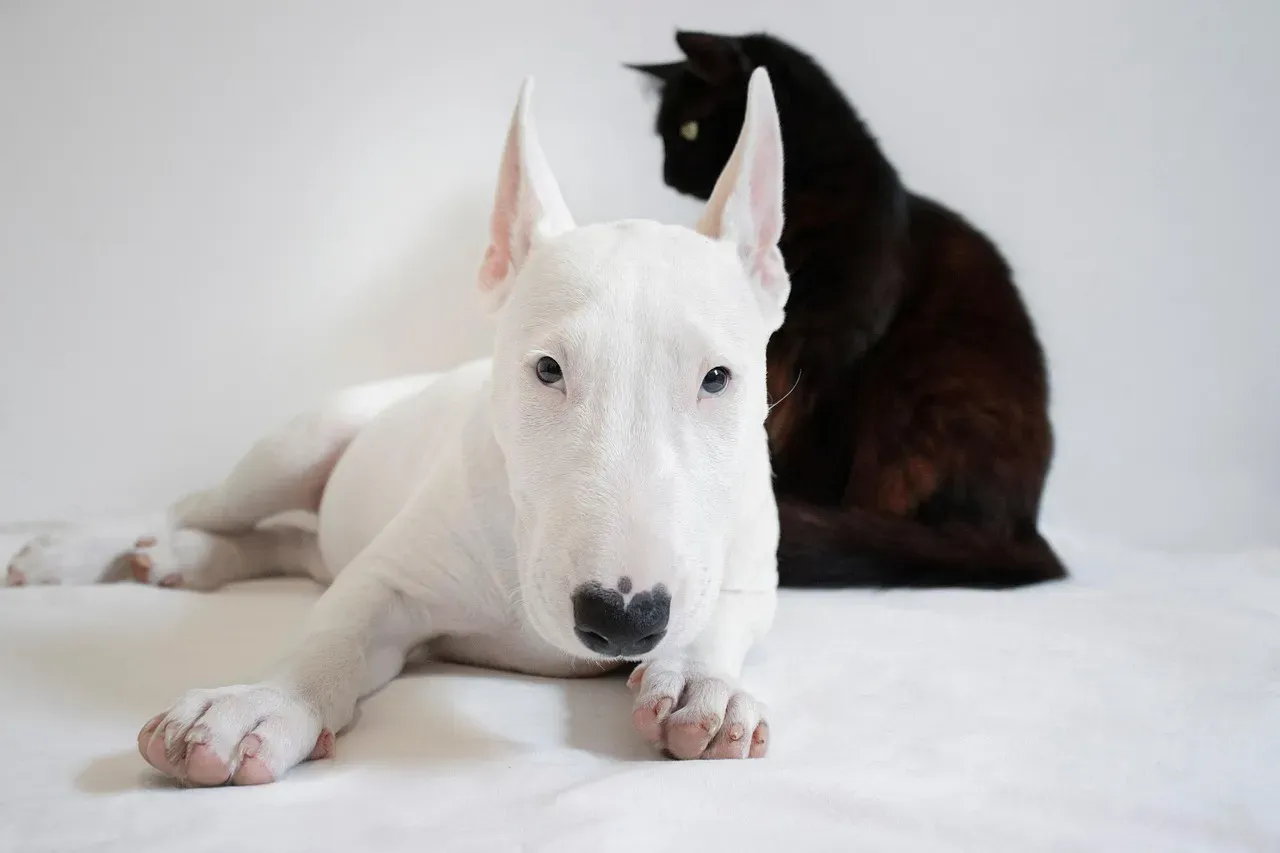
Staying quiet and unemotional during your comings and goings to and from your home helps your dog remain calm. This can be particularly effective for dogs with separation anxiety. We know, we know – it’s hard not to smother your dog with kisses every time you walk through the door. It feels rude not to!
Dogs with separation anxiety show signs of distress, such as whining, howling, barking, pacing, or destroying household items after their owner leaves. While at home, dogs with separation anxiety often prefer to be in the same room as their owners, and they start becoming stressed when they see their owner preparing to go out. Long, dramatic farewells essentially tell your dog that leaving is a huge, scary event. Keep departures calm and low-key, and arrivals relaxed. It signals that everything is normal and safe.
5. Projecting Your Stress and Anxiety Onto Them
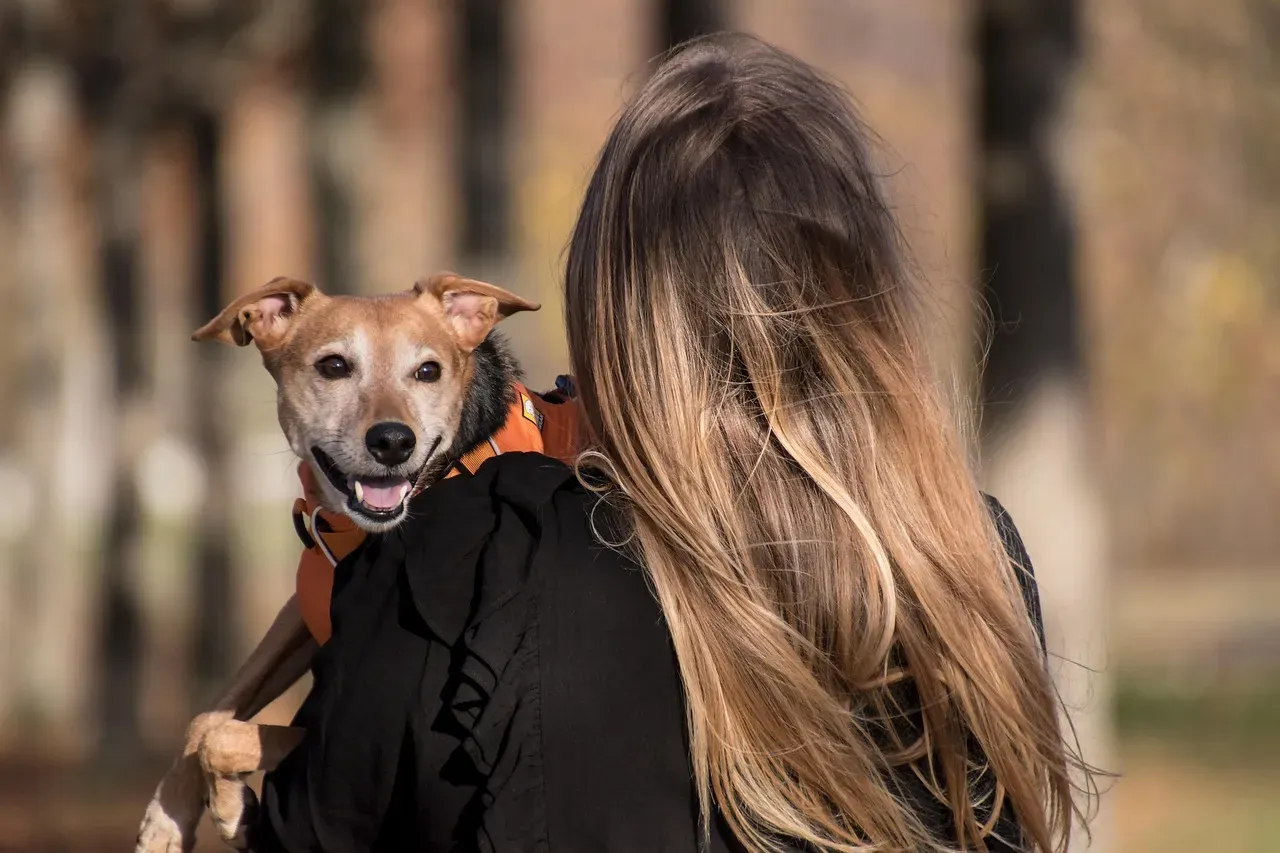
Dogs often feel anxious in response to human emotions. If the dog’s owner seems outwardly anxious about a situation, the dog may learn to respond to that situation in an anxious manner. This learned behavior can become self-fulfilling when a well-intentioned owner becomes more anxious or obsessive about the dog’s response, further fuelling the dog’s anxiety.
When owners project feelings of calmness and confidence, dogs tend to see their immediate surroundings as safe. When humans are anxious, dogs tend to look to their environment for signs of threats, they feel less safe and thus more anxious – after all, there must be some reason that their protector is feeling anxious. Your dog is essentially using you as a barometer for the world. If you’re tense, they assume there’s danger. Take a breath, loosen your grip, and be the calm anchor your dog needs.
6. Hugging Them the Way You’d Hug a Person
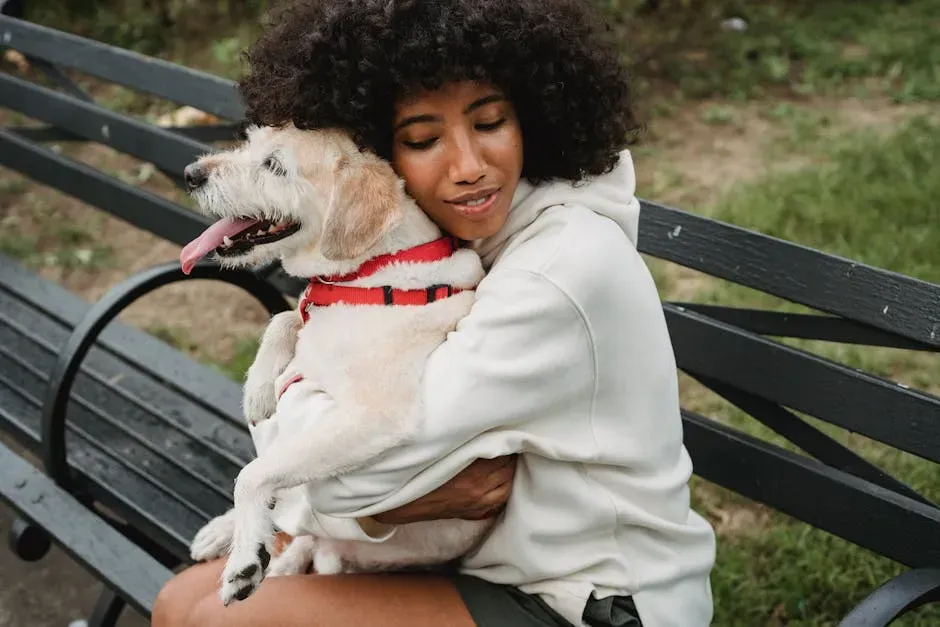
For us, the act of hugging is a way to show affection to another person, but dogs most often press with their front paws to show dominance or hunt for something. So don’t be surprised that a dog will initially perceive your hug attempt as a demonstration of force. This is genuinely one of the most shocking things for dog lovers to hear.
Watch your dog the next time you wrap your arms around them. Do they lean in, or do they stiffen slightly? Look for subtle signs such as lip licking, yawning when not tired, a stiff tail wag, or showing the whites of their eyes – these can be early indicators of discomfort before more overt behaviors occur. There are plenty of ways to show love that your dog actually registers as love. Try a gentle chest scratch, a soft word, or just sitting quietly beside them.
7. Patting Them on Top of the Head
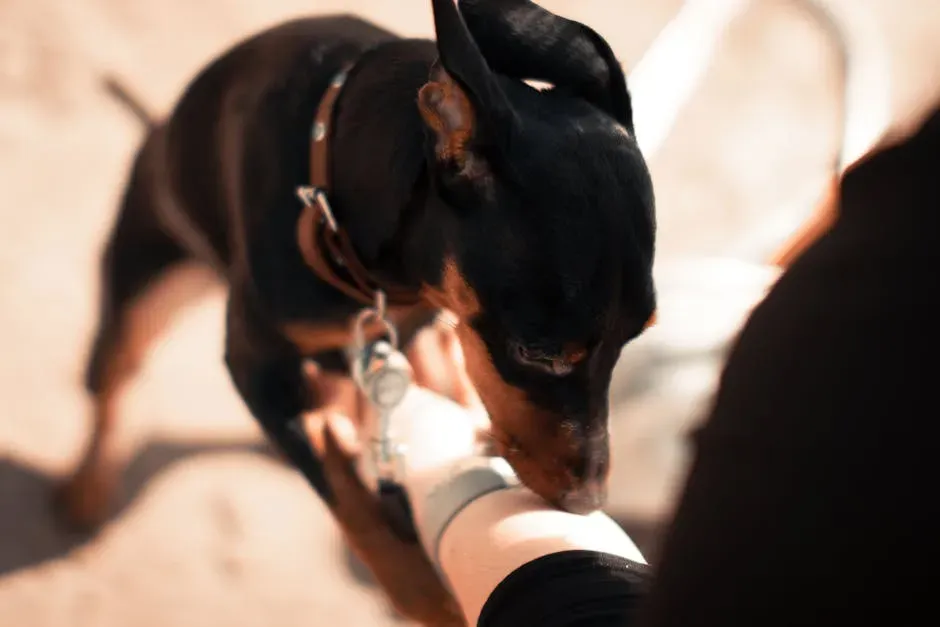
Reaching over your dog’s head without warning, especially from behind, can startle them badly. Dogs feel vulnerable when hands appear suddenly in their space, even from beloved family members. It seems so natural to us – it’s how we’ve always greeted dogs – but it’s actually the canine equivalent of someone reaching over your shoulder to tap your head without permission.
Approach from the side at their level instead, letting them see your hand coming. Predictable, gentle touches build trust, while surprise pats create anxiety. Always let unfamiliar dogs sniff your hand first before attempting any contact whatsoever. This tiny change in how you approach both your own dog and dogs you meet will make a world of difference in the trust they feel around you.
8. Irregular Feeding and Walk Schedules
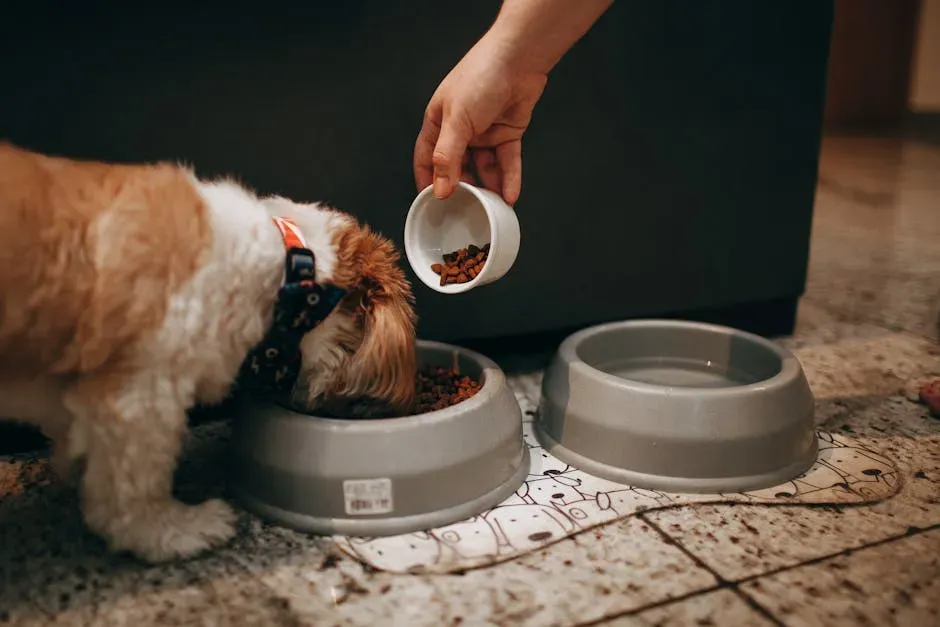
Feeding your dog at irregular times can create confusion and stress. Imagine expecting dinner at a certain time every day, only to have it come hours later. Dogs thrive on routine, and a consistent feeding schedule provides them with a sense of stability. An inconsistent meal time might leave your pet feeling anxious and unsure about when their next meal will appear.
Dogs are big on predictability. They want to eat and walk at the same time every single day, and even want to be tucked in bed with the same routine every night. When their routines are constantly shifting, it can make them feel unsure and anxious about what they should expect. Life gets hectic, I completely get it. Still, even a rough 30-minute window for meals and walks will do wonders for your dog’s emotional steadiness.
9. Leaving Them Alone for Long Stretches Without Preparation

When dogs are left alone for extended periods, it can lead to significant anxiety. Dogs are pack animals by nature, and they thrive on companionship and social interaction. Being alone for too long can make them feel abandoned, leading to feelings of stress and anxiety. Separation anxiety can manifest in various ways, such as destructive behavior, excessive barking, or even attempting to escape.
If possible, gradually adjust your dog to the alone time. Start by leaving them alone for short periods and slowly increase the time – this can help them get used to being alone during the day. Also, a solid walk or play session before you leave burns off that nervous energy. Think of it like giving a toddler a big lunch before a nap. It just works.
10. Using Punishment-Based Corrections
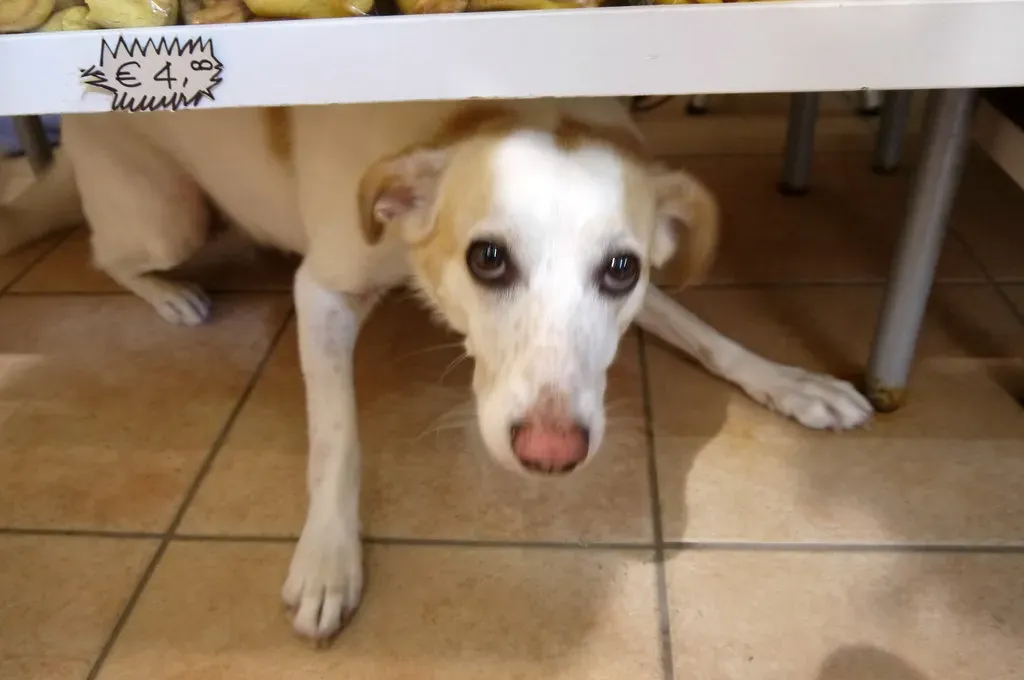
Techniques involving yelling, physical dominance moves, or using aversive tools do not teach dogs what to do – they only suppress undesired behaviors through fear. Although these methods seem to offer quick behavioral compliance, they often cause elevated stress hormones, leading to pessimistic behavioral traits. The psychological cost includes diminished trust and a fragile emotional state, which can manifest as anxiety, withdrawal, or aggression.
Positive reinforcement training, emphasizing rewarding good behavior with treats, praise, or play, is far more effective and humane. Dogs trained with positive methods tend to exhibit better emotional resilience and more reliable, long-lasting obedience. The bond between human and dog strengthens when training is founded on encouragement rather than fear. Let’s be real – nobody learns better under threat. Your dog is no different.
11. Bathing Them Too Frequently
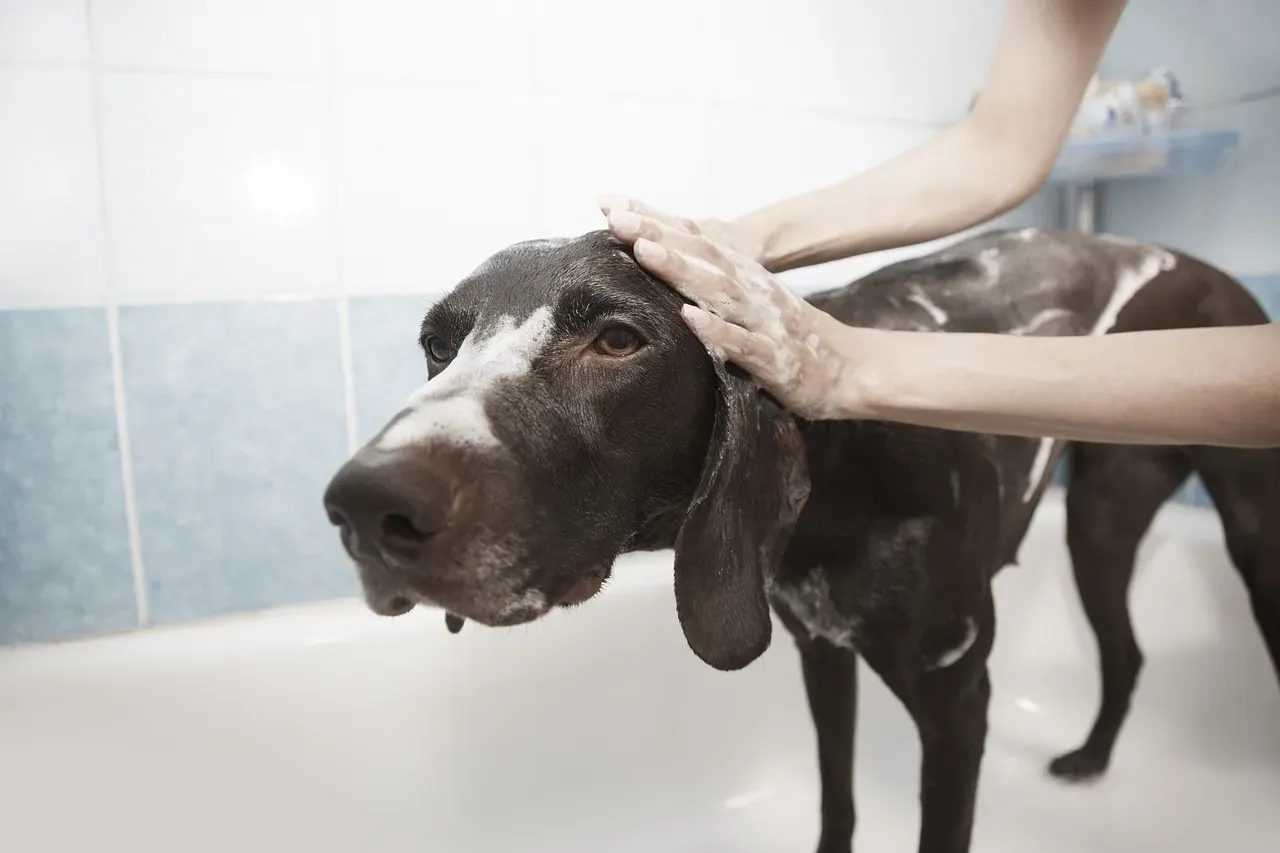
Cleaning dogs too often strips them of the familiar scents on themselves. Those scents often give dogs comfort when they’re feeling general anxiety. When that smell is gone completely, some dogs might become restless or roll around on the floor trying to get that scent back. That post-bath zoomie session? It’s actually your dog trying to reclaim their own smell. It’s almost funny, until you realize how distressing the loss of their scent is for them.
Most dogs only need bathing every four to six weeks unless they’ve rolled in something spectacular – which, let’s be honest, they absolutely will. Using gentle, dog-specific shampoos and keeping baths calm and positive helps reduce the stress of the whole experience. Respect your dog’s need to rest, to eat in peace, and to spend time alone – and yes, to smell like themselves.
12. Forcing Social Interactions They’re Not Ready For
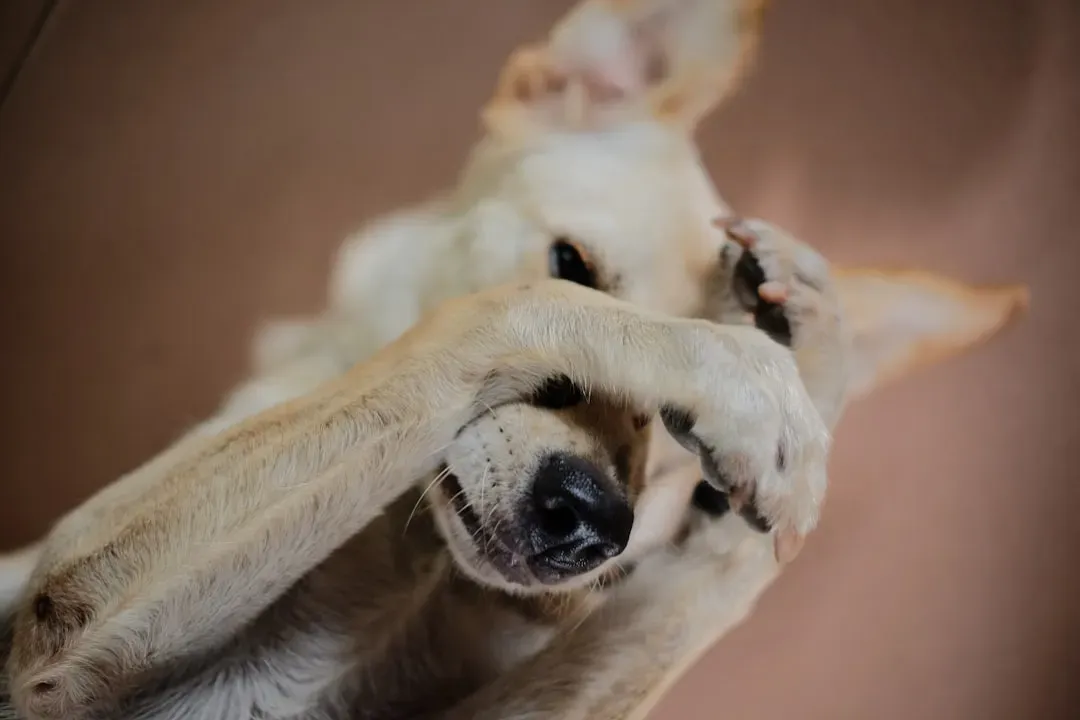
Forcing social interaction can traumatize fearful dogs and damage trust. We’ve all been there – your friend visits and absolutely wants to meet your dog, so you gently push your nervous pup toward them. It feels encouraging in the moment, but it can quietly chip away at your dog’s confidence over time.
Forcing social interaction can traumatize fearful dogs and damage trust. Gradual, positive exposure that respects their comfort zones is essential for building healthy social confidence. Let your dog approach new people on their own terms. It’s okay to set boundaries and tell strangers that they might not want to approach your dog right now. It’s not that your dog is unfriendly – it’s just that they might be a little shy and need some time to warm up, which is perfectly fine. Advocate for your dog. Be their safe buffer in the world.
A Final Thought for Every Dog Lover
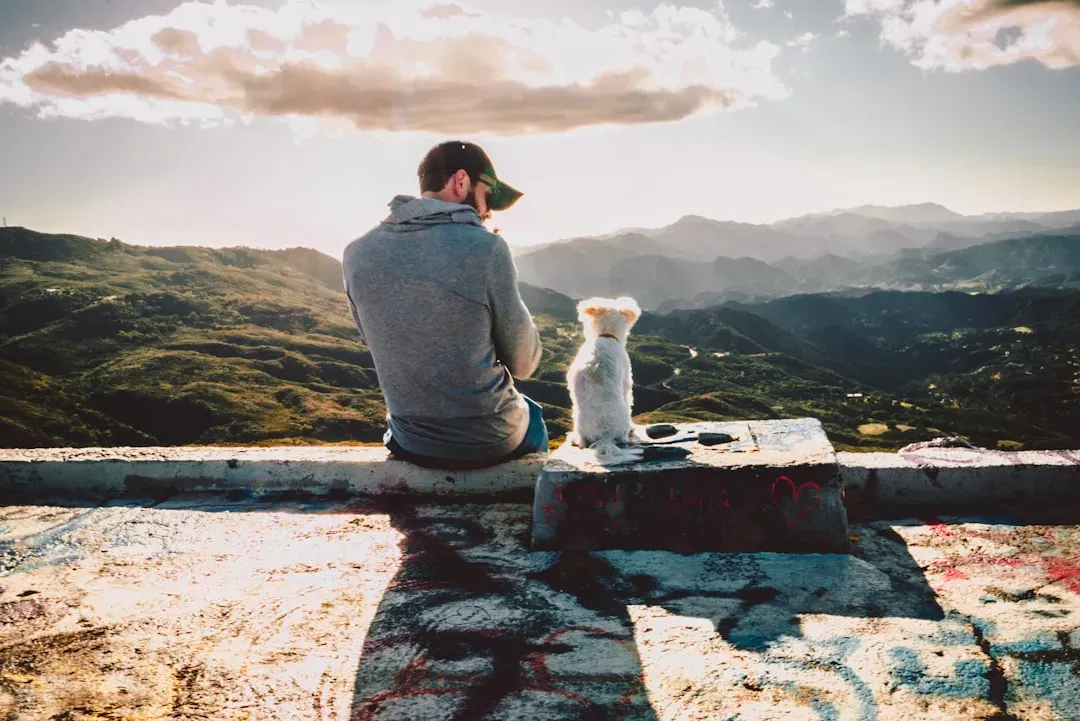
The beautiful truth is that none of these habits come from a bad place. They come from love. The fact that you’re reading this, thinking about the way your daily actions affect your dog’s inner life, already makes you a better companion than most. Understanding your dog’s anxiety is the first step toward providing the support they need. By recognizing the signs, identifying the causes, and implementing effective management strategies, you can help your dog lead a happier, more balanced life.
Dogs are remarkably forgiving creatures. Small, consistent changes in how you communicate, how you structure their day, and how you read their body language can transform your relationship in ways you’ll both feel. Almost all anxious dogs benefit from positive reinforcement training and increased predictability and consistency in their routine and in interactions. The goal isn’t perfection. It’s simply being a little more fluent in the language your dog already speaks.
So take a look at your daily habits with fresh eyes. Which one surprised you most? Drop it in the comments – and let’s keep learning together for the sake of the dogs who trust us completely.


