

You’ve probably noticed your dog flinching at the vacuum cleaner or barking at a doorbell. It’s easy to assume that all noises make them uncomfortable. The truth is, their world isn’t just filled with stress triggers. There’s a whole spectrum of everyday sounds that genuinely calm your furry friend, and many of them are hiding in plain sight around your home.
Understanding which sounds bring comfort instead of chaos can transform your dog’s daily life. Let’s be real, their hearing is far more sensitive than ours, picking up frequencies we’ll never detect. So while some sounds cause anxiety, others create a sanctuary of calm that helps them relax, sleep better, and feel secure when you’re not around. Ready to discover what actually soothes your pup instead of stressing them out?
1. Classical Piano Music: The Original Canine Calm

Solo piano music created according to psychoacoustic principles, with slower tempos and simple arrangements, was more effective in reducing anxiety than popular classic music. Think of those sustained notes and gentle rhythms washing over your dog like a warm blanket. There’s something about the simplicity of a single instrument that dogs find genuinely comforting.
Dogs appeared less agitated after listening to selections of classical music, with their breathing slowed and they were less likely to pace around or remain standing. I’ve noticed my own dog settling almost immediately when piano compositions play softly in the background. It’s not magic, it’s just smart sound science working with their natural hearing preferences.
2. Soft Rock From the Seventies

Honestly, who knew your dog might appreciate Fleetwood Mac as much as you do? The magnitude of change in heart rate variability was highest for Soft Rock and Reggae, with heart rate variability significantly higher, indicative of decreased stress. Those mellow guitar riffs and steady beats match something deep in their nervous system.
Your pup isn’t judging your music taste when you play those classic soft rock stations. They’re actually benefiting from the consistent tempo and moderate energy levels that characterize the genre. The rhythm is predictable without being boring, which gives dogs something calming to focus on without overstimulation.
3. Reggae Rhythms That Reduce Restlessness

According to a new study published in the journal of Physiology and Behavior, dogs prefer the sounds of reggae or soft rock more than any other genre. Those laid-back island vibes translate beautifully to canine comfort. The steady one-drop rhythm creates a predictable sonic environment that helps anxious dogs find their zen.
Think about it: reggae’s trademark offbeat rhythms and relaxed pace mirror the kind of gentle repetition that soothes nervous systems. The physiological and behavioural changes observed remained constant over the 5 days of enrichment suggesting that the effect of habituation may be reduced by increasing the variety of auditory enrichment provided.
4. The Sound of Gentle Rain

Rain sounds fall into what’s called pink noise. When you think of a white noise machine that produces sounds of gentle waves, light rain, or a soft breeze rustling through the trees, you are actually listening to pink noise, and the consistency and softness of the tones have been shown to reduce cortisol levels. Lower cortisol means less stress hormone flooding your dog’s system.
The consistent sound of rain noises and the soothing flow of ocean waves can be just what your dog needs to relax when they are left alone, with rain sounds helping cover up outside distractions that may awaken your dog. I think there’s something primal about rainfall that taps into a sense of safety and shelter for animals.
5. White Noise Machines

White noise machines emit a constant, ambient sound meant to soothe anxious dogs by drowning out loud, sudden sounds, such as fireworks or heavy construction, and they can also help dogs sleep through the night by offering a calming sound to redirect their focus. The steady “shhh” acts like an acoustic security blanket for sensitive pups.
Here’s the thing: white noise doesn’t just mask disturbing sounds from outside. At a low volume, white noise can block out other ambient noises that might be stressing your pooch, and may be effective when you block out other sounds, such as rolling thunder or fireworks.
6. Ocean Waves and Water Sounds

The rhythmic crashing and receding of waves creates natural repetition that dogs find deeply soothing. The consistent sound of rain noises to sleep and the soothing flow of ocean waves can be just what your dog needs to relax when they are left alone. There’s a hypnotic quality to water sounds that lulls both humans and canines into relaxation.
Water sounds work because they combine predictability with subtle variation. Each wave is slightly different, keeping your dog’s brain gently engaged without causing alertness or alarm. It’s background comfort that doesn’t demand attention but provides a sense of peaceful presence.
7. Low-Frequency Continuous Humming

Dogs respond with fear and anxiety to sounds characterized as intermittent high frequency rather than to continuous low frequency, with high-frequency, intermittent noises such as the battery warning of a smoke detector more likely to cause a dog anxiety. The opposite is true for low, steady sounds, which barely register on their stress radar.
Think about the gentle hum of a refrigerator or the low drone of an air purifier. These continuous bass-level sounds create a sonic foundation that actually helps dogs feel secure. They’re predictable, constant, and fall outside the range that triggers their predatory alertness.
8. Your Calm, Soft Voice

People tend to adjust their volume and cadence when speaking to their dogs using what is known as motherese or baby talk, and dogs take notice, often barking or wagging their tail in excitement. When you use that gentle, soothing tone, you’re actually triggering their attachment and bonding systems.
Let’s be real, your voice is their favorite sound in the world when it’s calm and reassuring. Speaking slowly and softly to your dog, especially during stressful moments, can lower their heart rate and help them feel protected. It’s not about the words but the emotional tone you convey through your vocal patterns.
9. Sounds at 432 Hz Frequency

The 432 Hz frequency is known as the frequency of nature, promoting deep calm and harmony, and for general relaxation, 432 Hz and 528 Hz are excellent for calming a dog’s nervous system. This specific frequency resonates with natural rhythms in ways that help nervous systems reset and relax.
Listening to this calming frequency can naturally help relax your pup, lowering their blood pressure, heart rate, nervous system, and, in turn, inflammation. Some sound healing practitioners believe these frequencies align with biological processes in ways that standard music doesn’t. It’s worth experimenting with 432 Hz tracks specifically designed for canine relaxation.
10. Simple, Sustained Musical Notes
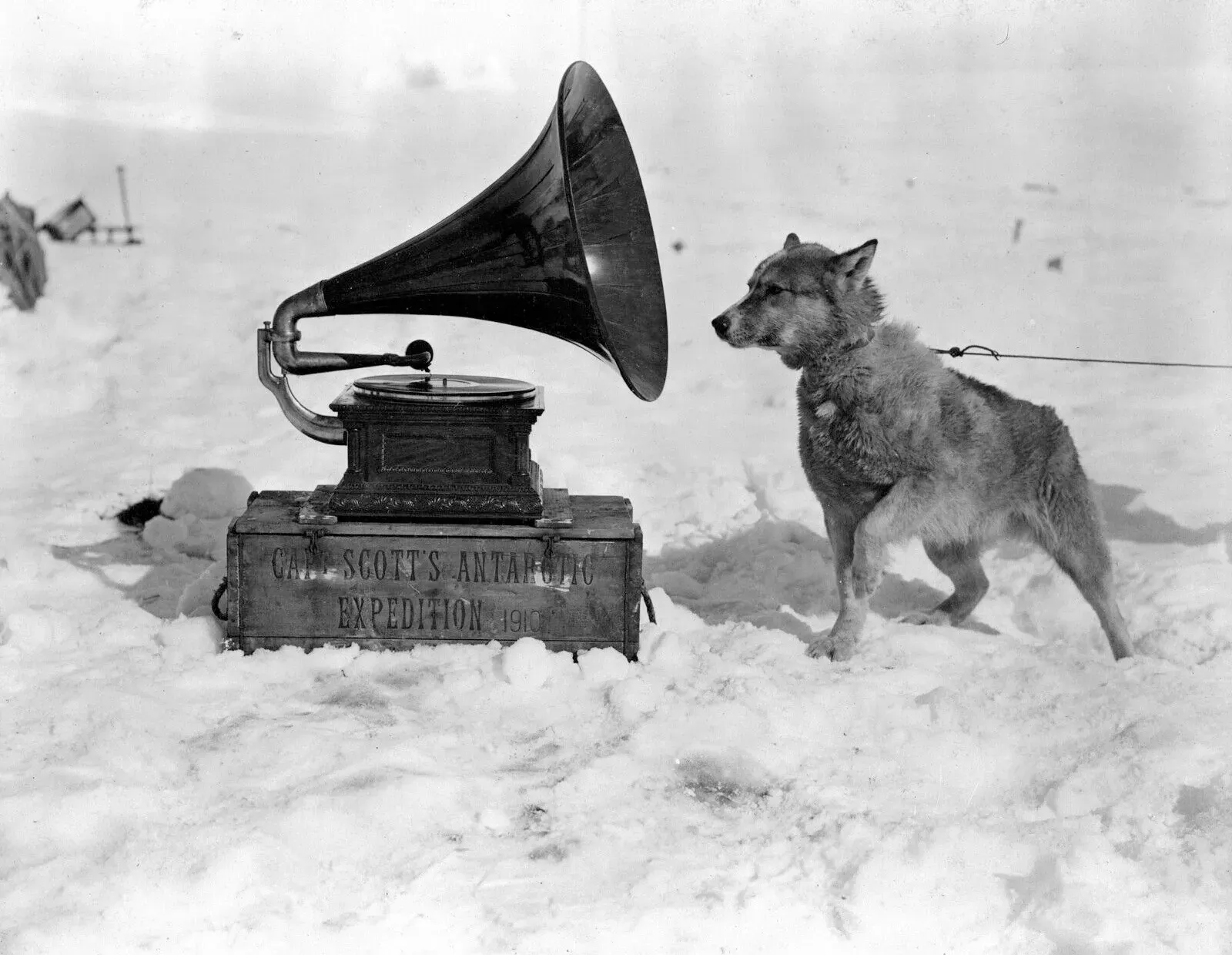
Apart from the genre, the length and frequency of a note affect how dogs respond to music, with short notes played in quick succession leading to rapid motor movements, while dogs appeared calm in response to simple tones, rhythms, and sustained notes. Complexity stresses them out; simplicity soothes them.
This explains why minimalist compositions work better than busy, complicated arrangements. Your dog’s brain doesn’t need to track multiple instruments or rapid tempo changes. A single flute playing long, gentle notes or a cello holding sustained tones gives them something peaceful to anchor their attention without demanding cognitive effort.
11. Harp Music

Other studies have shown that harp and piano music can also be quite calming. There’s something ethereal about harp strings that seems to bypass the thinking brain and go straight to the relaxation response. The cascading notes and gentle plucking create a soundscape that’s both structured and flowing.
I’ve seen dogs physically soften when harp music plays, their muscles releasing tension they didn’t even realize they were holding. The instrument’s natural resonance and the way notes overlap and fade into each other create a sonic environment that feels safe and nurturing to sensitive canine ears.
12. Television or Radio at Low Volume

The sounds we encounter in our everyday lives, like vacuums or airplanes flying overhead, are amplified for our pets, and each animal would be calmed if the ultra-high or sub-low frequencies that keep them on alert were minimized, meaning that noises that could distract the animal, like a percussion or even the voice of a human, are omitted from relaxing music. However, human voices from TV or radio at gentle volumes can provide comforting background presence.
The key is keeping it low and avoiding jarring commercials or action-packed shows with sudden loud noises. You can play music to help mask the sounds, as it’s normal for dogs to alert bark when they hear something outside, and noise masking can be a great management tool. A quietly playing nature documentary or talk radio gives your dog a sense that they’re not alone without overwhelming their sensitive hearing.
Conclusion

Your dog’s world is shaped by sounds you might never consciously notice. Understanding that gentle rain, soft rock, classical piano, and low-frequency hums actually comfort rather than stress them opens up simple ways to improve their daily experience. It’s not complicated or expensive to create a more peaceful sonic environment for your pup.
Remember to keep volumes moderate, since their hearing is roughly four times more sensitive than ours. Mix up the genres to prevent habituation, and always play calming sounds when you’re home too, so they don’t associate music only with your departure. What everyday sounds have you noticed calming your dog? You might be surprised by what brings them peace.


