
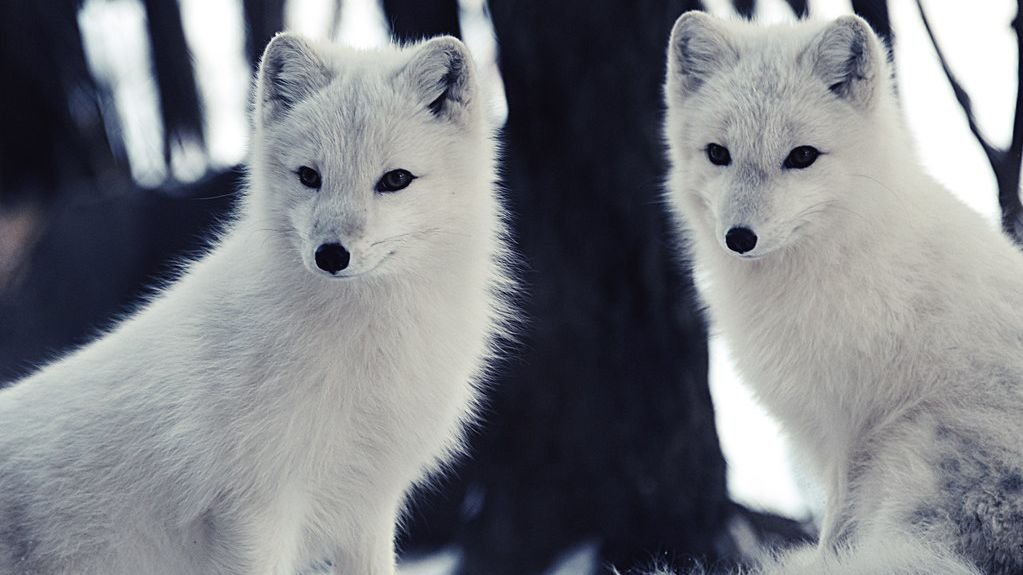
Picture this: a frozen world where the sun vanishes for months at a time, where temperatures plummet so low that even exhaling feels dangerous. This is the Arctic, one of Earth’s most brutal environments. Yet scampering across this icy wasteland is a creature so perfectly adapted to the cold that it doesn’t even shiver until temperatures fall below negative seventy degrees Celsius. We’re talking , a small but incredibly resilient animal that calls the frozen tundra home.
These compact canines are much more than just pretty faces with fluffy white coats. They’re survival experts with adaptations that would make even the toughest wilderness survivalist envious. From their remarkable color-changing fur to their extraordinary long-distance travels across sea ice, arctic foxes have developed some truly mind-blowing ways to not just survive but thrive in the harshest conditions on the planet. Ready to dive into the hidden world of these polar survivors? Let’s explore what makes them so extraordinary.
‘s Incredible Insulation System
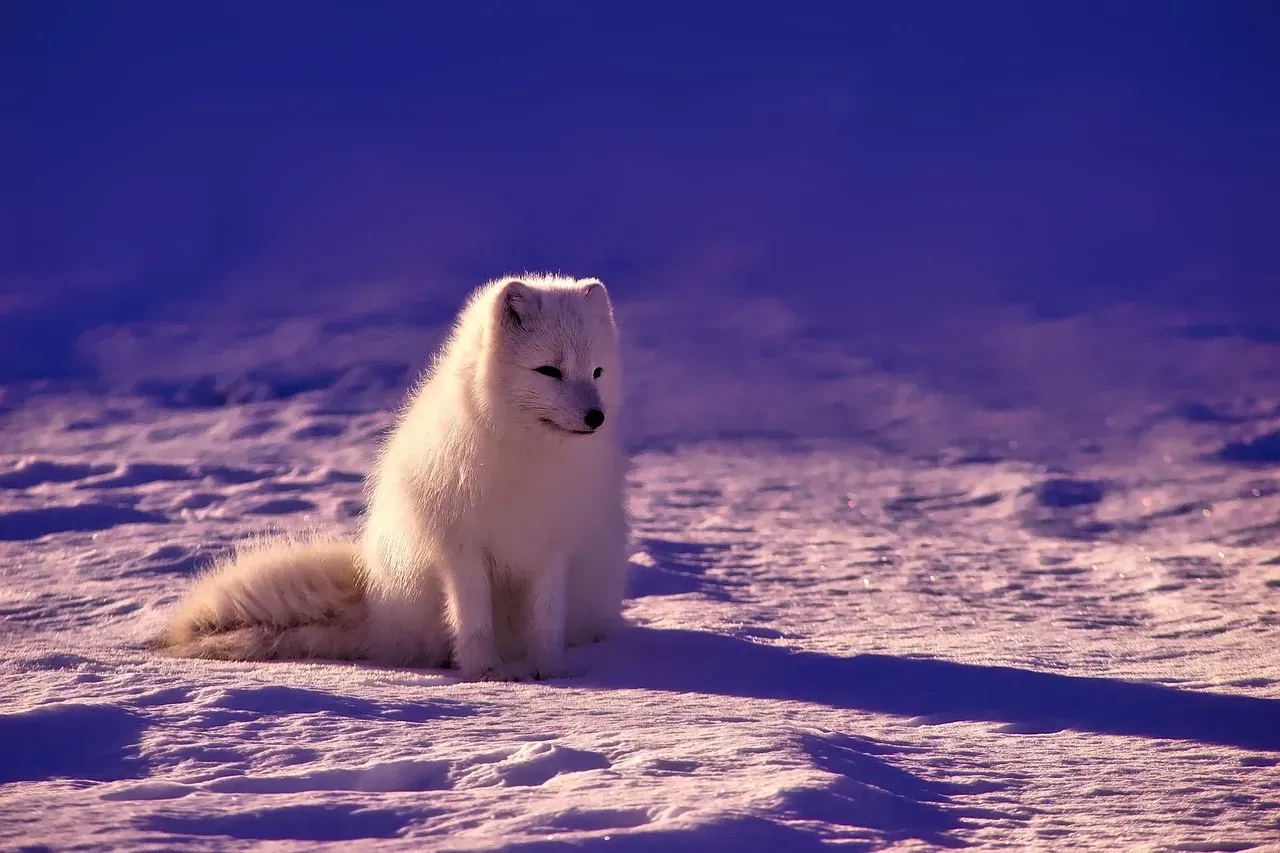
The fur of provides the best insulation of any mammal. Think about that for a moment. Among all the mammals on Earth, has the most effective natural winter coat. Their thick fur coat keeps the fox’s body at a toasty 104°F.
lives in some of the most frigid extremes on the planet, but they do not start to shiver until the temperature drops to −70 °C (−94 °F). That’s absolutely remarkable when you consider that most mammals, including humans, would be in serious trouble long before reaching those temperatures. Their feet also have a layer of thick fur, like built-in snow boots.
Their scientific name actually references this unique feature. ‘s scientific name is Vulpes lagopus. The species grows dense fur on its feet during the winter, earning it the name lagopus, which means rabbit-footed. These furry feet help them grip slippery ice and keep their paws warm while hunting.
A Tail That’s More Than Just Fluffy
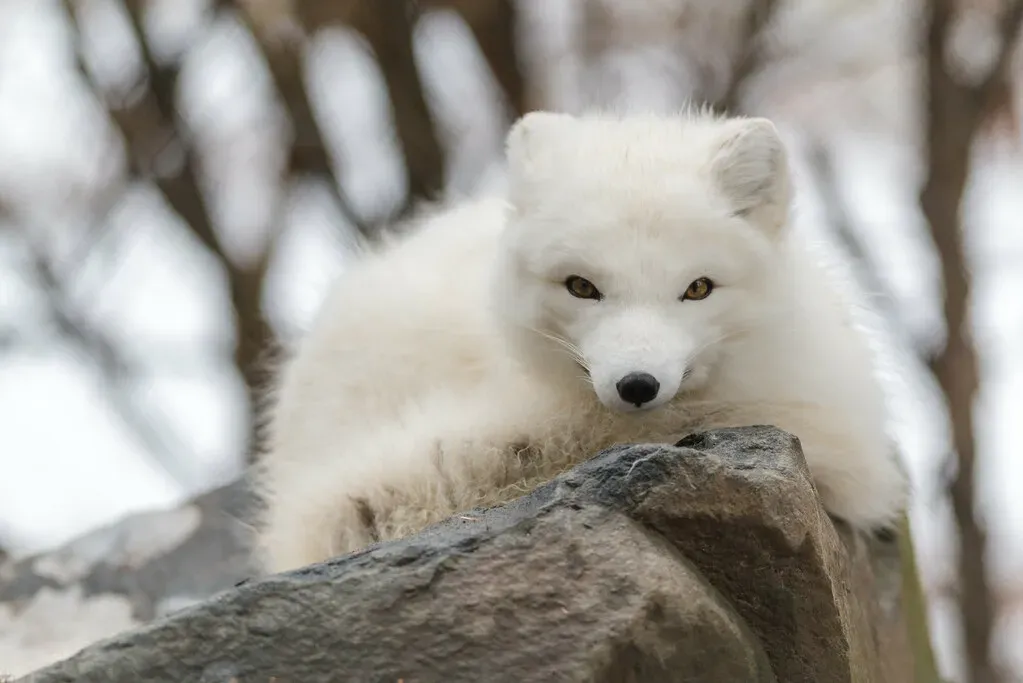
Their long, fluffy tails act like a blanket, keeping the fox warm when it wraps the tail around its body to sleep. Honestly, it’s like carrying around a portable sleeping bag wherever they go. When arctic foxes curl up to rest, they tuck their noses and legs under their bodies and wrap that magnificent tail around themselves for extra insulation.
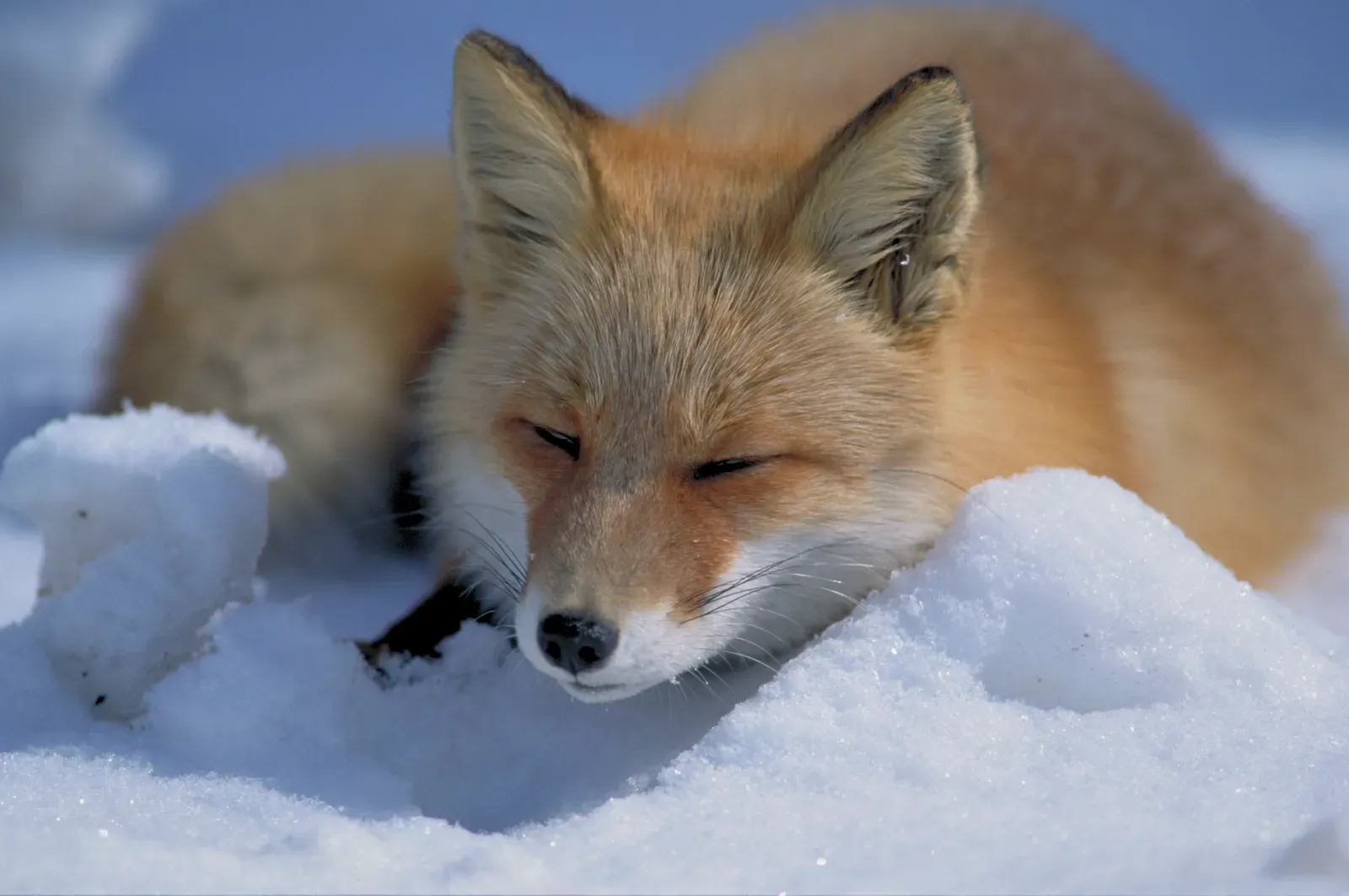
To prevent heat loss, curls up tightly tucking its legs and head under its body and behind its furry tail. This position gives the fox the smallest surface area to volume ratio and protects the least insulated areas. It’s pure physics in action. The smaller the surface area exposed to the cold, the less heat escapes.
The tail also serves another purpose beyond warmth. It helps with balance when the fox is running across uneven terrain or jumping through snow to catch prey. Nature really doesn’t waste anything when it comes to survival adaptations.
The Remarkable Color-Changing Coat
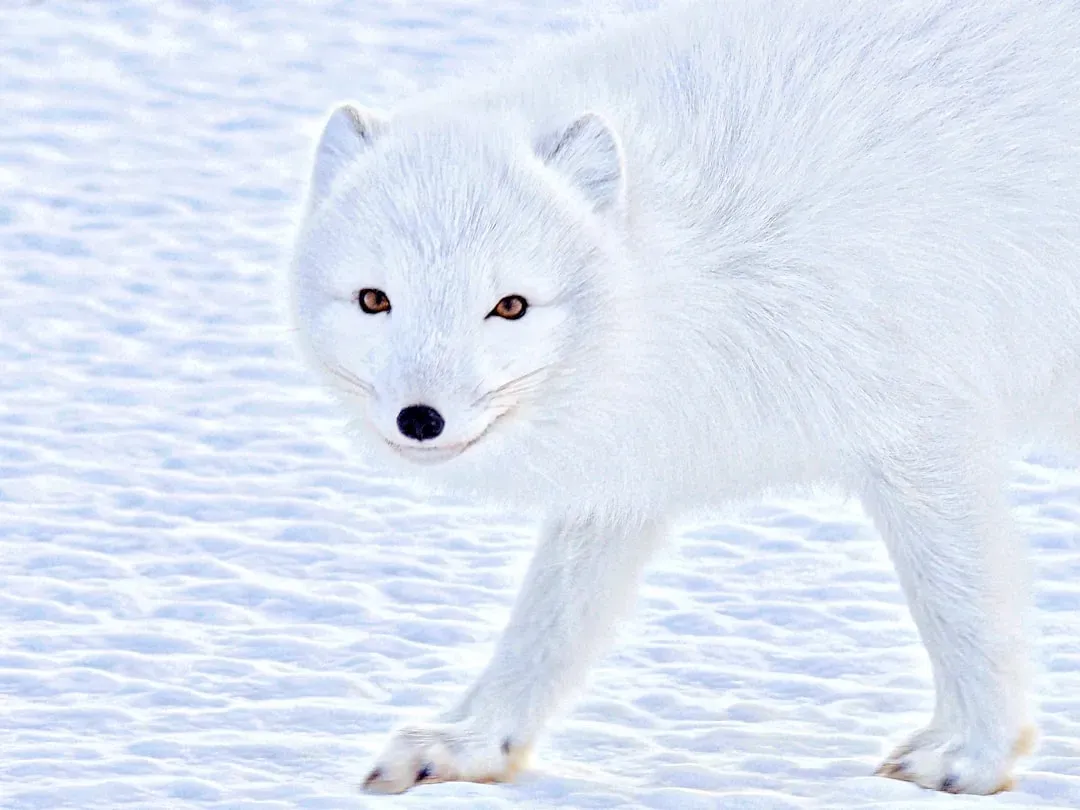
Arctic foxes have beautiful white (sometimes blue-gray) coats that act as very effective winter camouflage. The natural hues allow the animal to blend into the tundra’s ubiquitous snow and ice. When the seasons change, the fox’s coat turns as well, adopting a brown or gray appearance that provides cover among the summer tundra’s rocks and plants. This seasonal transformation is absolutely crucial for survival.
Here’s the thing: maintaining camouflage year-round when your environment changes dramatically requires a complete wardrobe change. Arctic foxes usually go through ‘seasonal moulting’, shedding their thick white winter coats for thinner ones in the spring. The colour of this thinner fur can be charcoal, dark grey, blue or brownish with reddish tones. This helps to blend with its surroundings as temperatures rise and snow starts to melt.
Some arctic foxes are different though. One variant known as the blue morph arctic fox does not grow a white winter coat. Although it does still change color slightly, from a dark gray/blue coat in summer to a lighter gray coat in winter. The blue morph arctic fox is very rare with estimates putting the population of blue morphs between 1-3% of the total arctic fox population. These blue morph foxes are more common along coastal areas where rocks and cliffs provide different camouflage needs.
Body Design Built for Extreme Cold
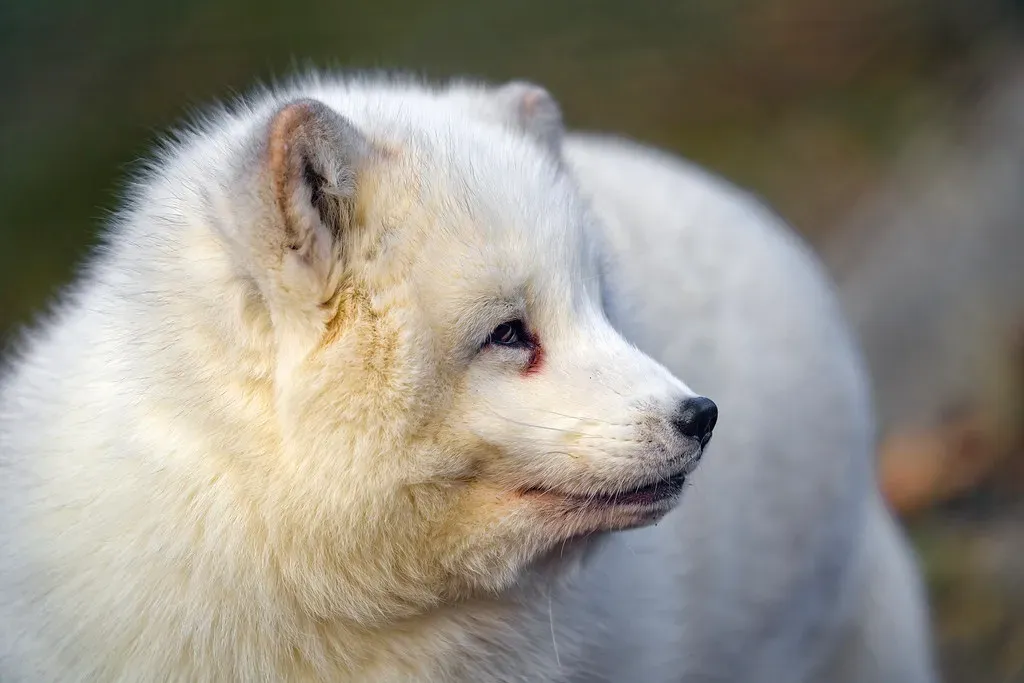
Relatively low surface area to volume ratio (anatomical) – Compared to other species of fox, arctic foxes have proportionally shorter legs, shorter necks and smaller ears. This means that there is less surface area to lose heat from compared to more slender southern foxes. Every aspect of ‘s body shape is optimized for heat retention.
These foxes have small ears. That reduces heat loss because less is exposed to the cold. If you compare an arctic fox to a fennec fox from the desert, the difference is striking. Fennec foxes have enormous ears to dissipate heat, while arctic foxes have tiny ones to conserve it. It’s evolution responding perfectly to opposite challenges.
There is a mechanism in the paws of arctic foxes that keeps them at a lower temperature than the body core so minimizing heat loss via this extremity that is in contact with the ground. Blood entering the paws is used to heat up blood that is leaving, this prevents the core from being cooled by heat loss at the extremities. This countercurrent heat exchange system is incredibly sophisticated. shares this adaptation with penguins and other cold-adapted animals.
Masters of Food Storage and Survival Strategies
They build up their fat reserves in the autumn, sometimes increasing their body weight by more than 50%. This provides greater insulation during the winter and a source of energy when food is scarce. Imagine gaining half your body weight in preparation for winter. That’s ‘s strategy for making it through the lean months when prey is hard to find.
Arctic foxes often stash extra food under rocks, in crevices, or by burying it in snow. This clever tactic allows them to prepare for leaner times when food becomes scarce. They’re natural preppers, creating hidden food caches throughout their territory that they can return to when hunting proves unsuccessful.
If a fox can’t find food, or if the weather gets really bad, it can dig a snow den and hunker down for up to two weeks. As long as a fox is warm, it can slow down its heart rate and metabolism, which helps the animal save energy so it doesn’t have to eat as much. It’s sort of like how bears hibernate, but for a shorter period of time. This temporary metabolic slowdown is like hitting pause on their energy needs until conditions improve.
The Extraordinary Lemming Relationship
The main prey of in the tundra are lemmings, which is why the white fox is often called the “lemming fox”. The white fox’s reproduction rates reflect the lemming population density, which cyclically fluctuates every 3–5 years. ‘s entire life cycle is intimately tied to these small rodents. When lemmings are abundant, arctic fox populations boom. When lemmings crash, so do the foxes.
When lemmings are abundant, the white fox can give birth to 18 pups, but they often do not reproduce when food is scarce. That’s an astounding difference in reproductive strategy. Typically they have litters of 5 to 8 but may be as many as 25, the most of any carnivore.
Arctic foxes mostly hunt lemmings and voles living beneath the snow. For this, they’ve got a nifty hunting trick called snow ambushing or mousing. First, they pick up on tiny rustles under the snow using their sharp hearing. Once they pinpoint their prey, they leap up and dive headfirst into the snow to catch their meal. Watching an arctic fox hunt is like witnessing a perfectly executed dive. They jump high into the air and plunge nose-first through the snow crust to grab unsuspecting prey below.
Ancient Dens Used for Centuries
Arctic fox dens are used for generations – some are as old as 300 years. Three centuries is an astonishing amount of time for a single structure to remain in use. These aren’t simple burrows either. These are complex systems of tunnels covering as much as 1,000 m2 (11,000 sq ft) and are often in eskers, long ridges of sedimentary material deposited in formerly glaciated regions.
builds and chooses dens that face southward towards the sun, which makes the den warmer. Even in their choice of real estate, arctic foxes demonstrate remarkable intelligence. Southern exposure means more sunlight and slightly warmer temperatures inside the den. Arctic foxes prefer large, maze-like dens for predator evasion and a quick escape especially when red foxes are in the area.
The complexity of these den systems is staggering. Multiple generations of foxes continue expanding and maintaining the same dens, creating underground cities with dozens of entrances and escape routes. These dens become prime real estate in the Arctic, passed down through fox families like ancestral homes.
Opportunistic Feeders and Clever Scavengers
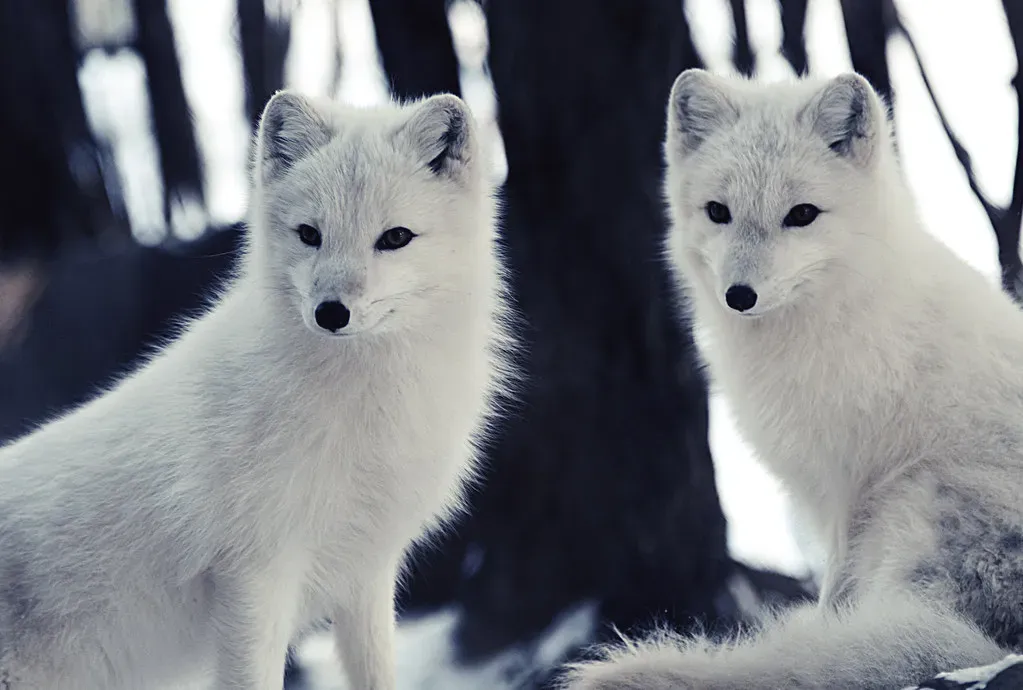
They prefer to eat small rodents called lemmings, but when times are tough they’ll eat whatever they can find: insects, berries, and even the droppings of other animals. Let’s be real, survival in the Arctic requires flexibility. Arctic foxes can’t afford to be picky eaters when food is scarce.
At such times, arctic foxes will follow the region’s premier predator – a polar bear – to eat the leftover scraps from its kills. This relationship is fascinating because it’s mostly peaceful. Polar bears often allow Arctic foxes to follow behind them and scavenge on the leftovers of a polar bear’s kill. Since the polar bear is only interested in the blubber and fatty parts of its prey, it’s usually happy to leave the meaty parts for the fox.
The nose of can detect a ‘resource hotspot like marine carrion’ as much as 40 kilometers away. That’s roughly twenty-five miles of scent detection. Their sense of smell is so refined that they can locate seal carcasses or other food sources across vast distances of frozen terrain. An arctic fox can smell a seal den a mile away.
Incredible Long-Distance Travelers
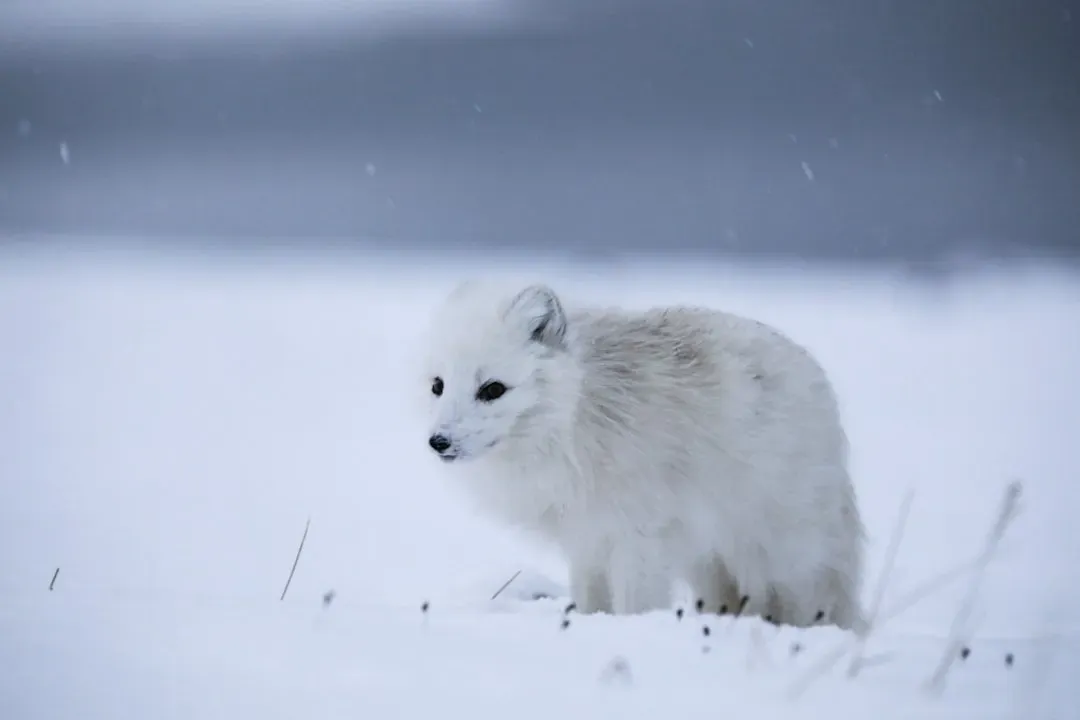
In July 2019, the Norwegian Polar Institute reported the story of a yearling female which was fitted with a GPS tracking device and then released by their researchers on the east coast of Spitsbergen in the Svalbard group of islands. The young fox crossed the polar ice from the islands to Greenland in 21 days, a distance of 1,512 km (940 mi). She then moved on to Ellesmere Island in northern Canada, covering a total recorded distance of 3,506 km (2,179 mi) in 76 days, before her GPS tracker stopped working. She averaged just over 46 km (29 mi) a day, and managed as much as 155 km (96 mi) in a single day.
This journey is absolutely mind-blowing. A young arctic fox, barely a year old, traveled more than two thousand miles across some of the most inhospitable terrain on Earth. She crossed frozen ocean, endured extreme weather, and navigated without any map or compass. It’s hard to comprehend that level of endurance and navigational ability.
These epic journeys aren’t rare occurrences either. Arctic foxes regularly travel vast distances across sea ice during winter months, following food sources and exploring new territories. Their ability to survive such journeys speaks to their remarkable physical conditioning and adaptability.
Monogamous Families and Cooperative Parenting
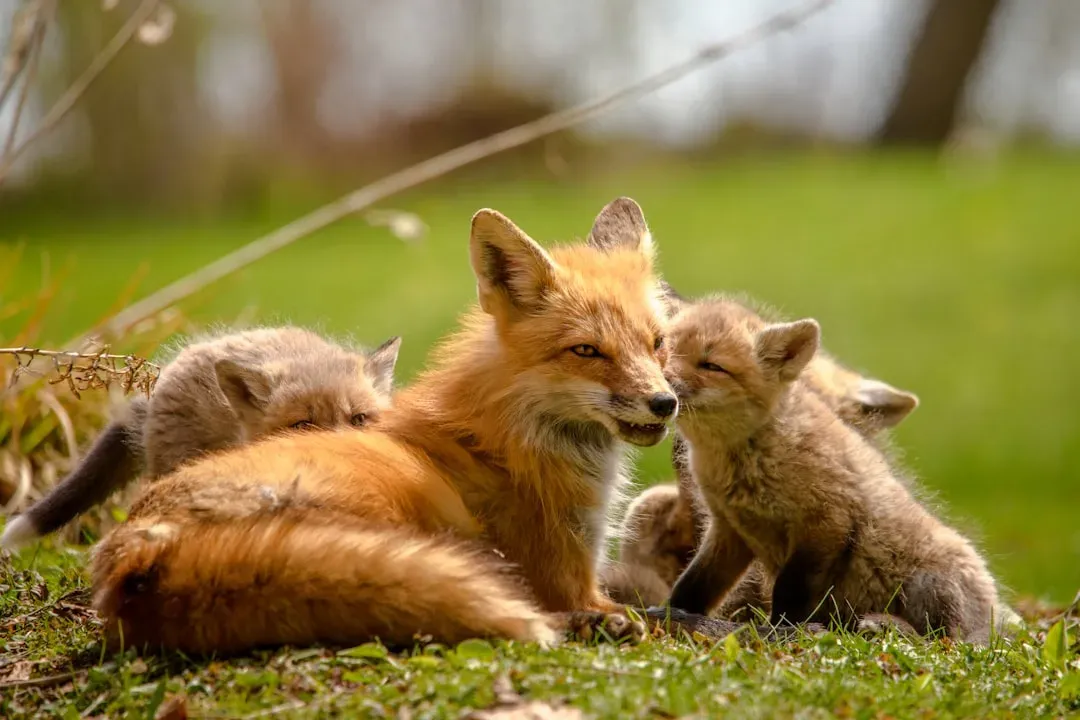
Arctic foxes are monogamous and usually mate for life. In the animal kingdom, this kind of long-term pair bonding isn’t as common as you might think. Arctic foxes pair up for breeding towards the end of winter and stay together throughout the 51- to 57-day pregnancy and the raising of the pups. The mothers usually give birth around May or June to a litter of multiple pups. The average litter is around 11, but litters of up to 19 pups have been recorded.
Both parents aid in bringing food to the den and in rearing the pups. Cooperative parenting significantly increases the survival rate of the pups. Occasionally, other family members may assist in raising their young. These helpers, often older siblings from previous years, contribute to feeding and protecting the new pups.
They first emerge from the den when about three weeks old and begin to hunt and range away from the den at about three months. Family units gradually break up during September and October. By autumn, the young foxes are ready to venture out on their own, though many face difficult odds. In the wild, most individuals do not live past their first year but some exceptional ones survive up to 11 years.
Vital Role in Arctic Ecosystems
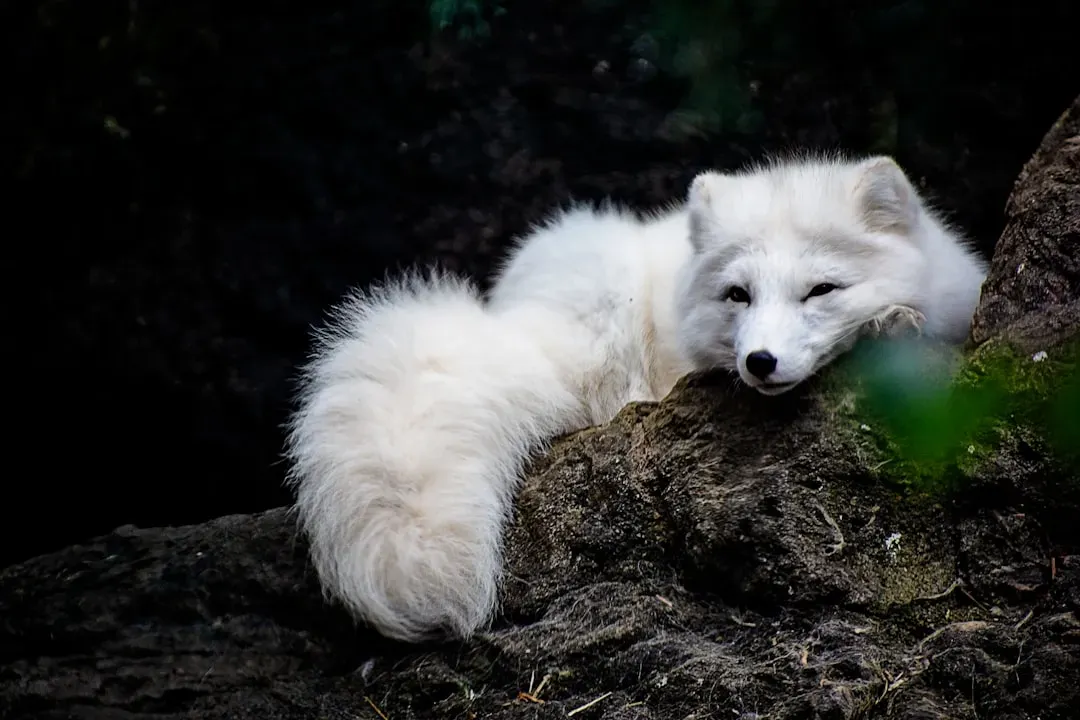
These snow-loving foxes are ‘keystone species’, vital for keeping things together and functioning in the cold Arctic environments. They keep lemming populations in check and distribute essential nutrients like nitrogen and phosphorus by leaving droppings and digging dens. This encourages plant life in the nutrient-poor tundra soils, which then attracts herbivores.
Think of arctic foxes as the gardeners of the tundra. They also play a vital role in distributing valuable nutrients across their Arctic environment, where much of the soil lacks the nutrients required for plant life. They achieve this by digging dens and giving the soil direct access to the nutrients in their excrement and leftovers of their prey. Without arctic foxes, the Arctic ecosystem would function very differently.
If Arctic foxes were to disappear, it’d kickstart a chain of serious ripple effects that could upset and possibly topple the delicate balance of tundra ecosystems. Their influence extends far beyond just predator-prey relationships. They’re ecosystem engineers whose activities create habitat conditions that benefit numerous other species.
Facing Modern Threats from Climate Change
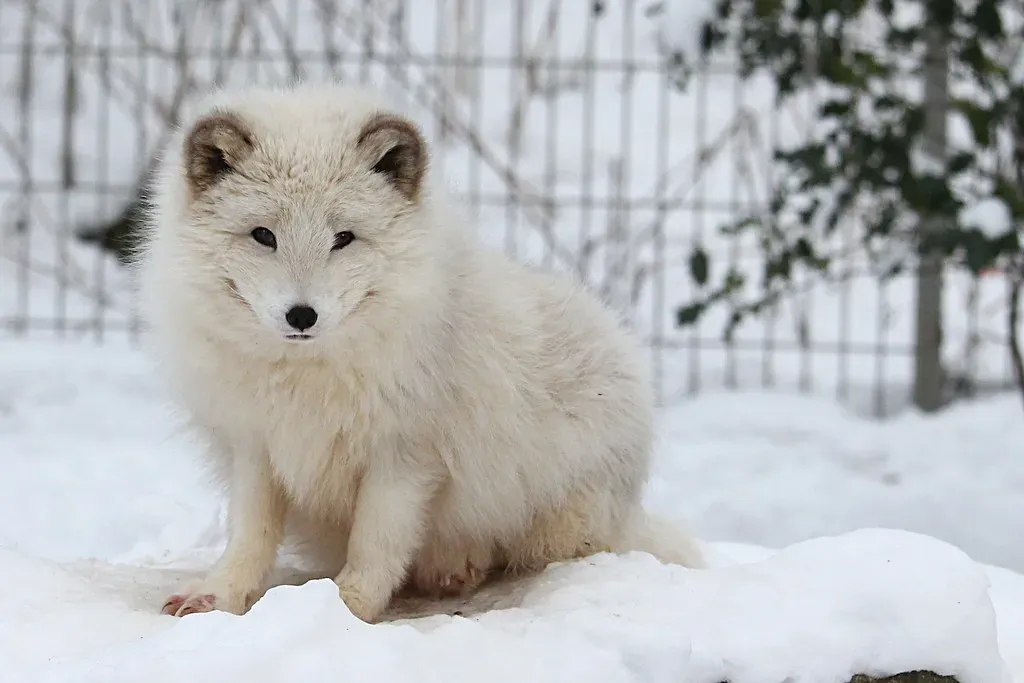
The Arctic is warming four times faster than the global average. This rapid change is leading to less snow cover and more sea ice loss, making it tougher for polar foxes to find food and shelter. The very adaptations that make arctic foxes so successful in frozen environments are becoming liabilities as the Arctic warms.
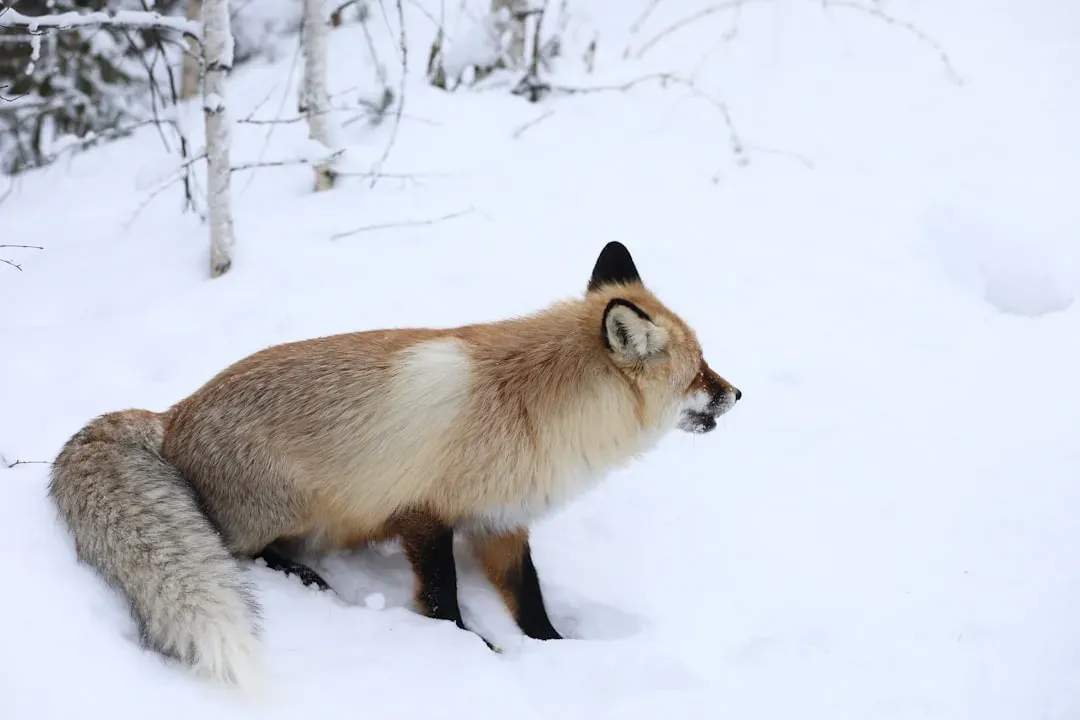
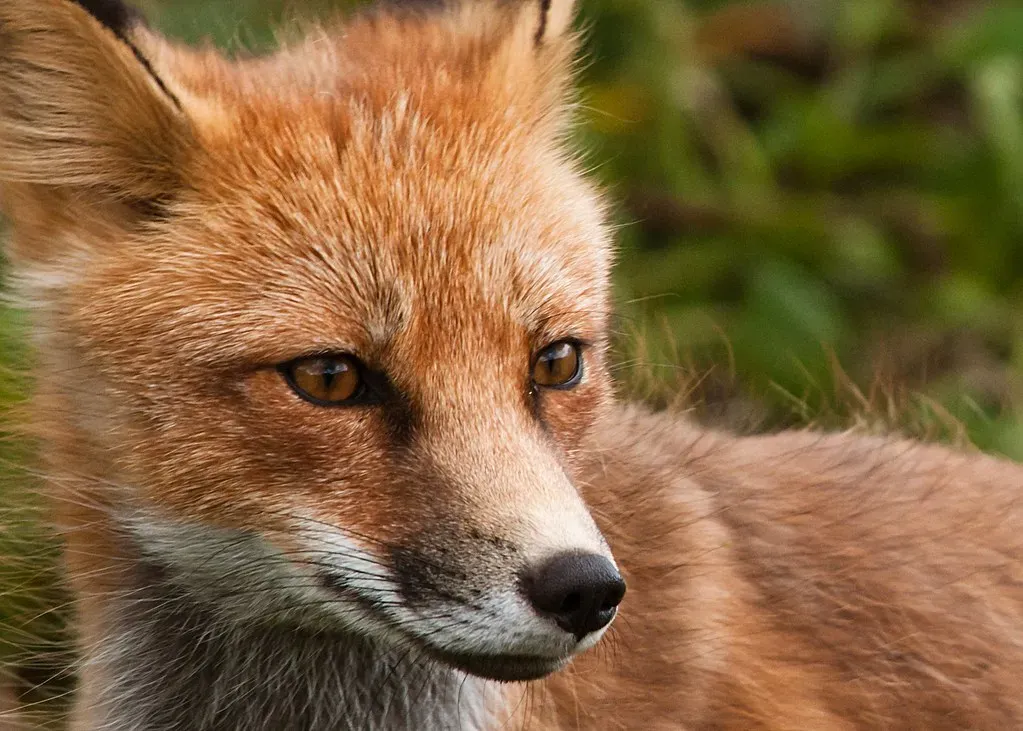
is losing ground to the larger red fox. This has been attributed to climate change – the camouflage value of its lighter coat decreases with less snow cover. Red foxes dominate where their ranges begin to overlap by killing Arctic foxes and their kits. Red foxes are bigger, more aggressive, and increasingly able to survive in areas that were once too cold for them. They outcompete arctic foxes for food and territory, and sometimes kill arctic foxes directly.
While the global population of Arctic foxes remains strong, estimated at several hundred thousand, localized populations are facing new threats. Climate change, with reduced snowfall, is diminishing their white camouflage advantage, leading to increased competition from red foxes. In parts of Scandinavia, Arctic fox populations are critically endangered, with fewer than 200 adults remaining, despite protective measures. The situation is particularly dire in certain regions where warming has been most pronounced.
Conclusion
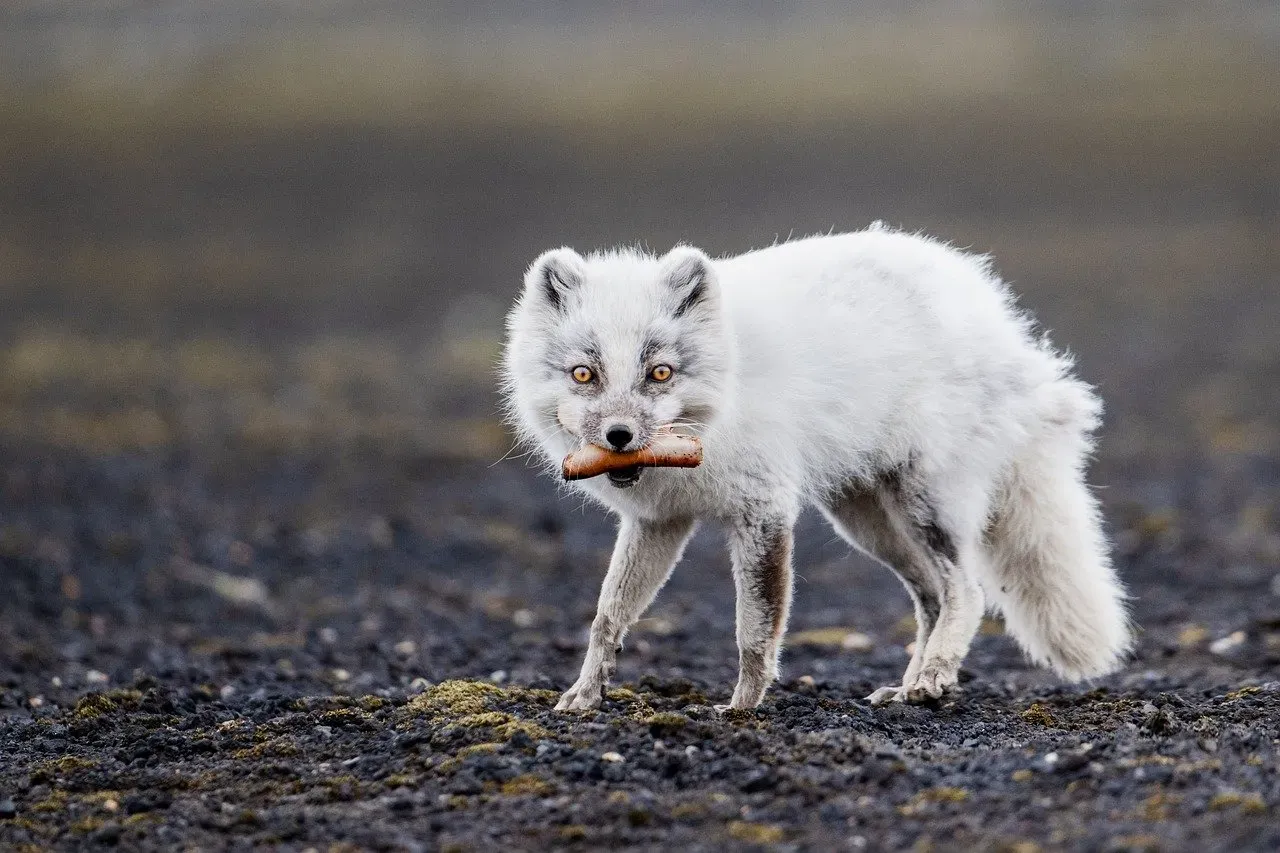
stands as one of nature’s most impressive survival specialists, thriving in conditions that would quickly kill most other mammals. From their unparalleled insulation and color-changing coats to their extraordinary endurance and complex social structures, these small predators have evolved solutions to challenges we can barely imagine. Their centuries-old dens, remarkable journeys across frozen seas, and crucial role in maintaining Arctic ecosystems reveal an animal far more complex and fascinating than their cute appearance might suggest.
Yet as we’ve seen, even these ultimate survivors face uncertain futures as their frozen world transforms. reminds us that no adaptation, however perfect, can protect against rapid environmental change. What do you think about these remarkable creatures and their fight for survival in a warming Arctic? The next time you see images of the polar regions, remember the small white fox navigating that frozen landscape, carrying three hundred years of ancestral knowledge in its ancient den systems and adapting to a world changing faster than ever before.


